Prostate surgery, also known as prostatectomy, is a big deal. It can make patients worry about the pain afterward. We get it; the fear of pain is a big concern.
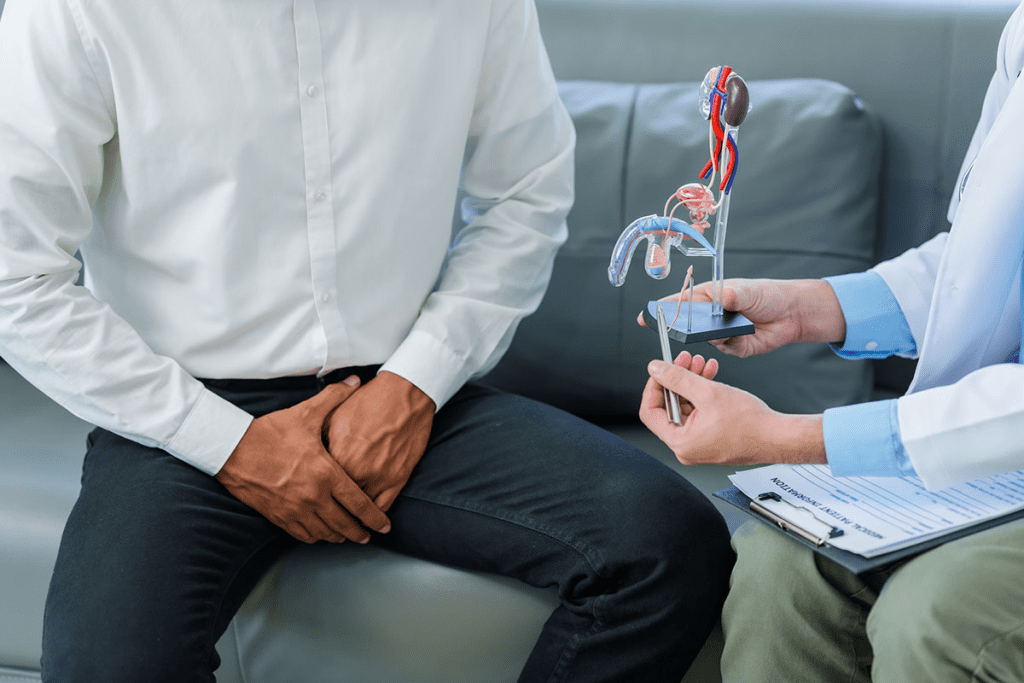
One of the doctors says, “Prostate removal is major surgery, so expect some soreness and pain.” Right after surgery, patients get IV pain meds. Their doctor might also give them more pain meds for home use. We’ll look into how much pain you might feel and how to manage it. This way, you can feel better and get ready for your recovery.
Key Takeaways
- Prostate surgery involves moderate to severe pain in the initial days following the procedure.
- IV pain medications are typically administered immediately after surgery.
- Doctors prescribe pain medication for patients to use during their recovery at home.
- Understanding the pain associated with prostate surgery can help alleviate patient anxiety.
- Effective pain management strategies are key to a smooth recovery.
What Happens During a Prostatectomy and Why Pain Occurs
Knowing about prostate removal helps patients prepare for pain after surgery. A prostatectomy is a big surgery that takes out the prostate gland.
Studies found that 23% of patients feel very painful, 45% feel moderately painful, and 32% feel a bit painful in the first three days after surgery. The type of surgery done can affect how much pain someone feels.
Different Types of Prostate Removal Procedures
There are two main ways to do a prostatectomy: robotic surgery and open surgery. Robotic surgery uses small cuts and special tools for a precise, less invasive surgery. Open surgery uses bigger cuts and tools, often for more complex cases.
Choosing between these methods can change how much pain you feel after surgery. Robotic surgery might cause less pain because it has smaller cuts.
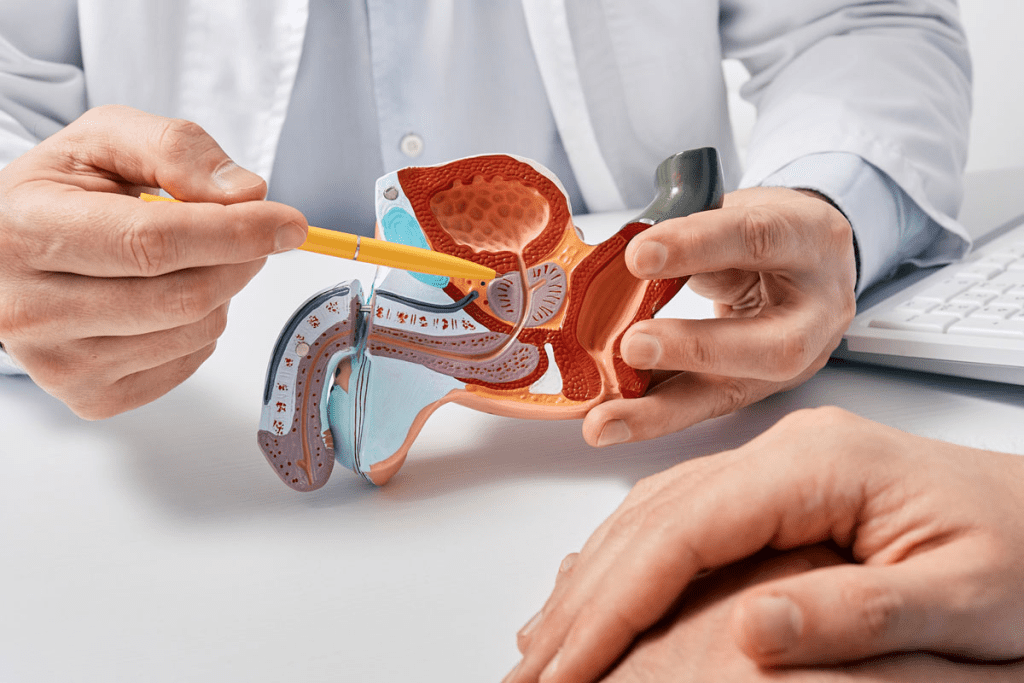
Anatomical Reasons for Post-Surgical Discomfort
When you have a prostatectomy, the prostate gland is taken out, and the bladder is connected to the urethra again. The nerves and tissues around the prostate can get hurt, causing pain. Knowing this can help you prepare for and manage your pain better.
The surgery method can also affect how much pain you’ll have. It’s important to talk to your doctor about what to expect during your recovery.
Pain Levels After Prostate Surgery: The Real Statistics
Patients often wonder about pain levels after prostate surgery. Knowing the pain statistics can help manage expectations and ease worries.
Severe Pain in the First 72 Hours
The first 72 hours after surgery are key for pain management. About 23% of patients face severe pain during this time. Our medical team works hard to create a good pain plan for each patient.
Patients might see bruising and swelling, and the penis and scrotum could swell. The cuts might hurt for 1 to 2 weeks. Doctors use opioids and non-opioids to help with pain.
Pain Reduction Between Days 4-10
Pain usually gets better after the first week. By days 4-10, most feel less pain, with some feeling only a little discomfort. This is a key time to adjust pain plans for a smooth recovery.
- Pain levels decrease as the body heals
- Most patients experience a significant reduction in pain by day 10
- Effective pain management enables patients to resume normal activities
By day 10, only about 20% of patients feel moderate or severe pain. This shows a big improvement in their condition.
Long-Term Pain Expectations
After 10 days, pain should keep getting better. Most patients can go back to normal activities in a few weeks. Long-term pain is rare, affecting less than 5% of patients at 3 months post-surgery. We support each patient’s unique recovery journey.
In summary, while pain after prostate surgery is a big worry, knowing the statistics helps. By day 10, most see a big drop in pain, and long-term pain is rare. Our goal is to give the best care and support to prostate surgery patients.
5 Effective Pain Management Approaches for Prostatectomy Recovery
Managing pain well is key to a smooth recovery after prostate surgery. At Liv Hospital, we focus on the latest care methods. We aim for better patient outcomes and a better experience for everyone.
Medication Protocols: Opioid and Non-Opioid Options
We mix different medicines to handle pain after prostate surgery. One of the doctors says ibuprofen or acetaminophen might be enough in the first days. Our doctors might give:
- Opioid meds for really bad pain
- Non-opioid meds like NSAIDs or acetaminophen for less pain
A study showed mixing opioid and non-opioid meds helps control pain better and has fewer side effects.
Physical Techniques to Reduce Discomfort
Physical methods can also ease discomfort after surgery. We suggest:
- Pelvic floor exercises to strengthen muscles and improve bladder control
- Getting up and moving early to avoid blood clots and speed healing
Adding these physical methods to your recovery plan can lower the risk of problems and improve your results.
Warning Signs: When Pain Indicates a Complication
Some pain is normal after prostate surgery, but certain signs might mean a problem. We tell patients to get help if they have:
- Severe pain that doesn’t get better or gets worse
- Pain spreading to other places, like the back or legs
- Other signs like fever, chills, or trouble peeing
If you notice these symptoms, reach out to your doctor right away. Quick action can stop long-term harm and help you recover faster.
Factors That Can Affect Your Pain Experience After Prostate Removal
The pain after prostate removal surgery can differ a lot from person to person. Several important factors can change how much pain you feel and for how long.
Surgical Techniques and Their Impact
The surgery method can greatly affect your pain during recovery. Robotic surgery tends to cause less damage to tissues compared to open surgery. One of the doctors says the type can affect how bad symptoms are and how long it takes to recover.
Robotic surgery might help keep more of the urethra and muscles intact. This could lead to quicker recovery of urinary control.
- Extent of tissue damage
- Precision in preserving the surrounding nerves and muscles
- Recovery time for urinary and sexual functions
Personal Factors Influencing Pain Perception
Things like age, overall health status, and pain tolerance are big in how you feel pain after prostate surgery. Older people or those with health issues might feel pain differently.
Important personal risk factors include:
- Pre-existing medical conditions
- Previous surgical experiences
- Genetic predispositions to pain sensitivity
Hospital Expertise and Recovery Care
The care you get before, during, and after surgery can really change your pain experience. Hospitals known for preventive and curative services often have better recovery plans. These plans might include better pain management and support to help you feel better.
Things about hospital care that can help recovery include:
- Expertise of the surgical team
- Quality of post-operative care
- Availability of pain management options
Conclusion: Balancing Realistic Expectations with Proper Preparation
It’s important for patients to know about the pain after prostate surgery. Most men find the pain manageable. Only about 5% of patients deal with long-term pain three months later.
By setting realistic goals and preparing well, patients can feel more confident during recovery. We provide personalized support and advice. This helps ensure the best results for those having prostate surgery.
Most men get back to normal with their urine and sex life over time. Some might need extra treatments or therapy. With the right care, patients can get the best outcomes from prostate surgery.
FAQ
How painful is prostate surgery?
Pain after prostate surgery can differ a lot from person to person. Studies show that many patients feel moderate to severe pain in the first 72 hours. But the pain usually gets better over the first week.
What are the different types of prostate removal procedures?
The type of surgery can affect how much pain you feel after. Robotic surgery, with its smaller cuts, might cause less pain than open surgery.
How long does pain last after prostate surgery?
Most people start to feel less pain by day 10. Only about 5% of patients have long-term pain by 3 months after surgery.
What are effective pain management approaches for prostatectomy recovery?
There are many ways to manage pain, like medicines and exercises. Doctors might use opioids or non-opioids, and pelvic floor exercises can help too.
Can the surgical approach affect the level of pain after prostate removal?
Yes, the surgery type, open or robotic, can change how much pain you feel. This is because of the amount of tissue damage.
What are the warning signs that pain may indicate a complication after prostate surgery?
If you have very bad pain or it lasts longer than expected, it could mean a problem.
How can hospital expertise and recovery protocols impact the patient’s experience after prostate removal?
The hospital’s skill and recovery plans can make a big difference. Good care can lead to better results.
Can I live without a prostate?
Yes, living without a prostate is possible. During a prostatectomy, the gland is removed, and the bladder is connected to the urethra again.
What are the permanent side effects of prostate removal?
Some patients might have long-term side effects. But how likely and severe these are can depend on many things, like the surgery and your health.
How long is the recovery period after prostate surgery?
Recovery times can vary, but most people start to feel better in the first few weeks. Pain and discomfort usually lessen during this time.
Reference
- Lin, C., Cai, C., Mao, Y., Liang, X., & Wang, H. (2018). Enhanced recovery after surgery protocol for prostate cancer patients undergoing laparoscopic radical prostatectomy. Journal of Cancer Research and Therapeutics, 14(Supplement), S115“S121.https://pmc.ncbi.nlm.nih.gov/articles/PMC6384482/
- Ko, Y. H., An, H., Chang, H., Lee, J. S., & Hong, S. K. (2018). Functional recovery after radical prostatectomy for prostate cancer: The role of neurovascular bundle preservation and pelvic floor muscle rehabilitation. Investigative and Clinical Urology, 59(2), 115-122.https://pmc.ncbi.nlm.nih.gov/articles/PMC6784702/
- Cancer Research UK. (2025). After prostate cancer surgery.https://www.cancerresearchuk.org/about-cancer/prostate-cancer/treatment/surgery/after-surgery
- Santis Health. (2025). Prostate cancer surgery side effects & how to manage them.https://santishealth.org/prostate-cancer-treatment-side-effects/
- NorthShore University HealthSystem. (n.d.). Your guide to recovery after radical prostatectomy.https://www.northshore.org/globalassets/urology/your-guide-to-recovery-after-radical-prostatectomy.pdf