

For years, doctors have used the PSA blood test to screen for prostate cancer. But, it has its flaws. Medical Expert, “PSA really reflects the continuous risk of prostate cancer.” This shows we need a better way to check for this disease.
Routine screening: What is a psa test? We explain how this simple blood draw helps detect early signs of prostate issues in men over 50.
We’re on the verge of a big change in prostate cancer screening. New tests are being made to help find cancer more accurately. These new tools aim to fix the problems with old tests. They want to give a clearer picture of the risk of prostate cancer.
Key Takeaways
- Traditional PSA blood tests have limitations in prostate cancer screening.
- New tests are being developed to improve the accuracy of prostate cancer diagnosis.
- The shift towards new screening methods is driven by the need for more precise risk assessment.
- Advancements in prostate cancer screening aim to reduce the risks associated with current methods.
- Improved screening tests can lead to better patient outcomes.
Understanding the PSA Test and Its Importance
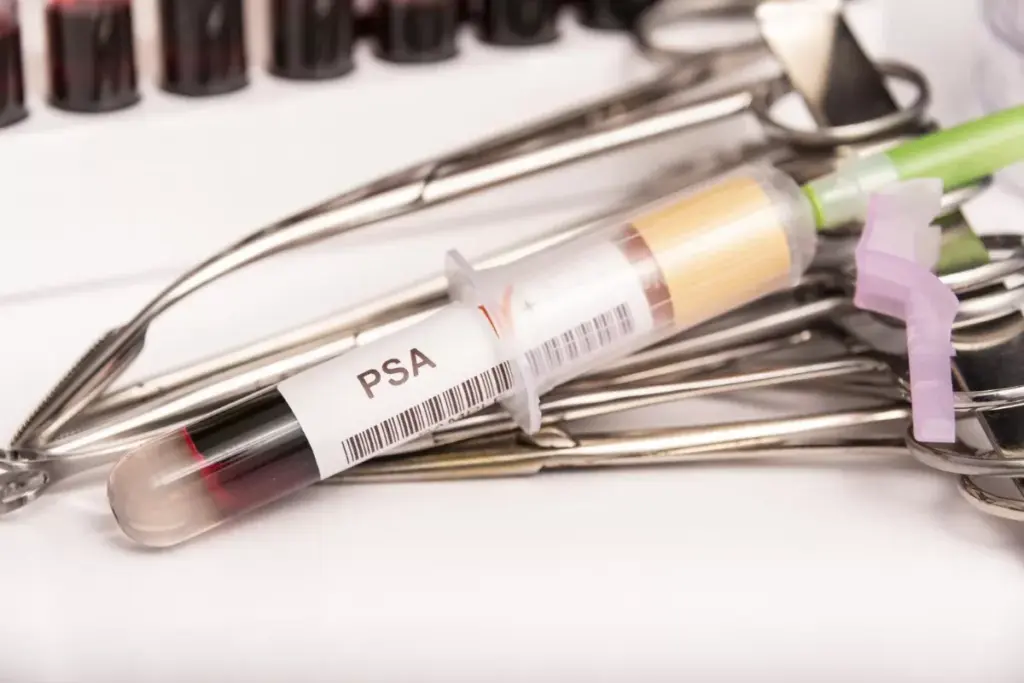
It’s key to understand the PSA test’s role in prostate health. The Prostate-Specific Antigen (PSA) test is a major tool for checking prostate health. Yet, its use and meaning are quite complex.
What is the PSA Test?
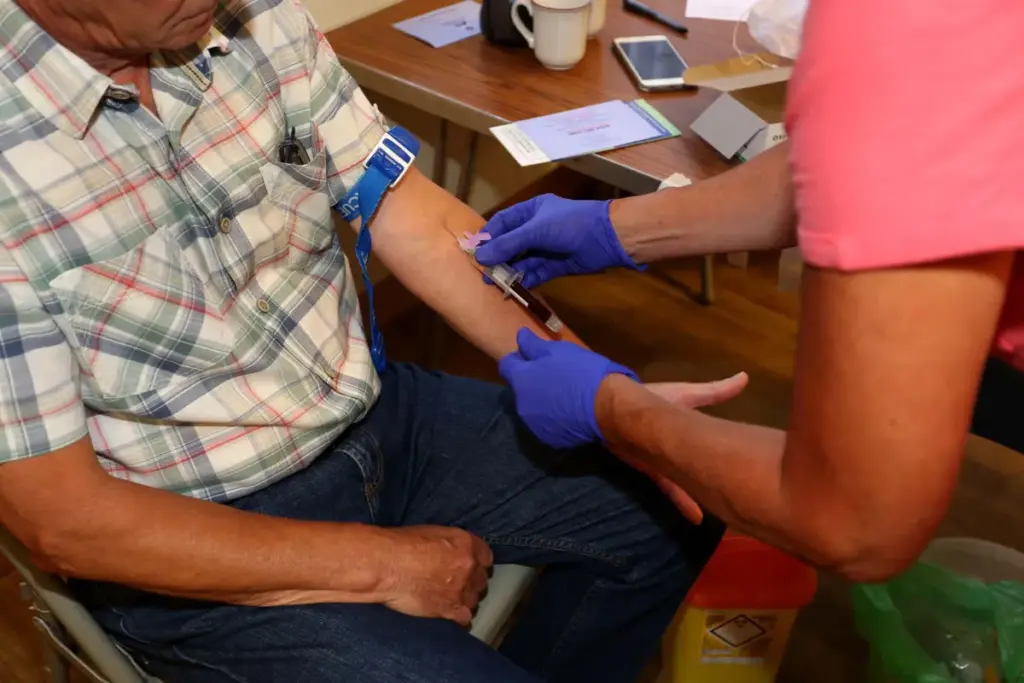
The PSA test is a blood test that checks for Prostate-Specific Antigen, a protein from the prostate gland. High levels might mean prostate cancer, but could also show other issues. The test was first approved by the FDA in 1994 using a strict PSA level.
Medical Expert, not just a simple yes or no. This new view is key for understanding test results.
Why is PSA Testing Conducted?
PSA testing is done to find prostate cancer early. Finding it early can help treat it better. It also helps keep an eye on men with past prostate cancer or those at high risk.
Key reasons for PSA testing include:
- Early detection of prostate cancer
- Monitoring men with a history of prostate cancer
- Assessing men at high risk of prostate cancer
Limitations of the PSA Test
Even though useful, the PSA test has its downsides. It’s not just for prostate cancer, which can cause false positives and extra biopsies. Age, prostate size, and genetics can also change PSA levels, making it hard to understand.
|
Limitation |
Description |
|---|---|
|
Lack of specificity |
Can result in false positives, leading to unnecessary anxiety and procedures. |
|
Influence of age and prostate volume |
PSA levels naturally increase with age and larger prostate volumes, complicating the interpretation. |
|
Genetic factors |
Genetic predispositions can affect PSA levels, making a one-size-fits-all threshold problematic. |
Knowing these limits is vital for both doctors and patients to make smart choices about prostate health.
The Shift Away from PSA Testing
Medical research is changing how we find and treat prostate cancer. This shift is big and important for our health.
The PSA test, once a key tool, now faces scrutiny. It’s not perfect and can lead to false alarms. This causes worry and extra tests that aren’t needed.
Reasons for Change in Approach
Experts like Medical Expert. David Crawford say PSA testing isn’t always right. It means too many people get tested too much. This is stressful and expensive.
Also, PSA tests don’t tell us if we have cancer for sure. So, we’re looking for better ways to find out.
Growing Concerns about False Positives
False positives from PSA tests are a big problem. They can lead to more tests and treatments that aren’t needed. This hurts both our bodies and minds.
Learning about prostate exams is key. It’s not just about the PSA test. Other tests and exams are being used too.
By moving away from just PSA tests, we want to find cancer more accurately. This change puts patients first and aims to improve health outcomes.
Introducing the New Test
Prostate cancer screening is changing with new tests like the 4K score and SelectMDx. These tools aim to give a more accurate and personal risk check for prostate cancer. They go beyond what the old PSA test could do.
Overview of the New Test
The 4K score and SelectMDx are big steps forward in prostate cancer screening. The 4K score test looks at four kallikrein biomarkers in the blood. It gives a score that shows how likely aggressive prostate cancer is. SelectMDx, a urinary test, checks for specific genes linked to prostate cancer. Both aim to cut down on unnecessary biopsies and find more serious prostate cancer.
How the New Test Works
The 4K score test checks a blood sample for four kallikrein proteins. It then calculates a risk score for high-grade prostate cancer. This score helps doctors decide if a biopsy is needed. SelectMDx analyzes a urine sample after a DRE to find genes linked to aggressive cancer. This helps figure out the risk of serious prostate cancer.
Benefits of the New Test
The new tests have big advantages over the old PSA test. They offer a personalized risk assessment, spotting men at high risk of aggressive cancer. They also cut down on unnecessary biopsies in low-risk men. This leads to better patient outcomes and less anxiety and complications from invasive tests. By making prostate cancer detection more accurate, these tests are changing prostate cancer screening for the better.
Comparing the New Test to PSA
Exploring new prostate cancer tests is key. We need to see how they compare to the old PSA test. This isn’t just about the tech. It’s about how these tests affect patient care and experience.
Accuracy in Detection
The new test is more accurate than the PSA test. Medical Expert 4K score are better at finding prostate cancer.
The Prostate Health Index uses total PSA, free PSA, and [-2]proPSA to give a better risk score. The 4K score looks at four kallikrein markers to spot aggressive cancer early.
Implications for Patient Management
The new test’s accuracy changes how doctors manage patients. It helps find the right treatment plan more easily.
- Less need for biopsies because it’s more specific
- Finds aggressive cancer sooner
- Better at sorting out patient risks
Patient Experience: A Comparative Analysis
The new test makes things easier for patients. It cuts down on false positives and unnecessary tests. This means less stress and fewer invasive procedures.
|
Aspect |
PSA Test |
New Test |
|---|---|---|
|
Accuracy |
Limited by false positives |
Higher specificity with advanced markers |
|
Biopsy Rate |
Often leads to unnecessary biopsies |
Reduces unnecessary biopsies |
|
Patient Stress |
Higher due to false positives and uncertainty |
Lower due to more accurate results |
Who Should Consider Testing?
It’s important to know who should get a prostate test. This helps catch problems early. The right test depends on your risk, age, and health.
High-Risk Population to Know About
Some people are more likely to face prostate issues. They should think about getting tested. These groups include:
- Men with a family history of prostate cancer
- African American men, as they have a higher incidence of prostate cancer
- Men with genetic mutations such as BRCA1 and BRCA2
Medical Expert. David Crawford says men with a PSA level between 1.5 and 4 should get tested. This shows how key it is to spot high-risk groups.
Age Considerations for Testing
Age plays a big role in when to get a prostate test. Men over 50 usually get tested. But, those at higher risk might start talking about it earlier, around 40 or 45.
Remember, age isn’t the only thing to look at. Your health and risk factors also matter.
Discussing Options with Your Doctor
Talking to your doctor about testing is a big step. They can give advice based on your health and risk. This is very important.
“The key to effective prostate health management is informed decision-making, which can only be achieved through open and informed discussions between patients and their healthcare providers.”
We urge men to talk to their doctors. This way, they can make smart choices about their prostate health.
Making Informed Choices about Prostate Health
Understanding prostate health means knowing about early detection and lifestyle choices. It’s key to stay informed and proactive in this area.
The Role of Early Detection
Early detection is vital for managing prostate cancer. Medical Expert, a top urology expert, says, “Early detection through new biomarkers and testing methods is changing prostate cancer screening.” Early detection helps catch cancer early, which can reduce its spread.
Early detection offers many benefits:
- It leads to better treatment results
- It lowers the chance of cancer spreading
- It gives more options for managing the disease
New biomarkers and testing methods are making prostate cancer screening more accurate, studies show.
“The future of prostate cancer screening is in new biomarkers and advanced tests,” Medical Expert.
Lifestyle Factors in Prostate Health
Lifestyle choices greatly affect prostate health. Eating well, staying active, and not smoking are key. A diet full of fruits, veggies, and whole grains is good for the prostate.
|
Lifestyle Factor |
Impact on Prostate Health |
|---|---|
|
Diet rich in fruits and vegetables |
Positive impact |
|
Regular exercise |
Reduces risk of prostate issues |
|
Smoking |
Negative impact |
Seeking Medical Advice
Getting medical advice is key to managing prostate health. Talking to doctors helps understand risks and make informed choices about tests and treatments.
Talking to your doctor helps figure out the best plan for you. It’s important to ask questions and consider a second opinion if needed.
By focusing on early detection, healthy living, and medical advice, you can actively manage your prostate health.
Additional Prostate Cancer Screening Methods
There are new ways to find prostate cancer beyond the PSA test. These methods help us find cancer early and manage it better. Let’s look at these new techniques.
Imaging Techniques
Imaging is key in finding and understanding prostate cancer. Magnetic Resonance Imaging (MRI) is a big step forward. It shows the prostate gland in detail, helping spot tumors and see how aggressive they are.
Medical Expert. David Crawford says, “MRI is changing how we find and treat prostate cancer.”
“MRI’s accuracy helps us target biopsies and treatments better. This improves how well patients do.”
MRI helps in many ways:
- It finds tumors that other methods miss.
- It helps figure out how serious a tumor is.
- It guides biopsies and treatment plans.
Genetic Testing Options
Genetic testing is becoming important in prostate cancer screening. Tests like BRCA1 and BRCA2 look for gene mutations. These can show who’s at higher risk of prostate cancer and other cancers.
|
Genetic Test |
Description |
Implication |
|---|---|---|
|
BRCA1/BRCA2 |
Tests for mutations in these genes associated with increased cancer risk |
Identifies individuals who may benefit from enhanced screening and preventive measures |
|
HOXB13 |
Tests for mutations in the HOXB13 gene linked to hereditary prostate cancer |
Helps in assessing the risk of hereditary prostate cancer |
Other Blood Biomarkers
There are other blood tests being looked at for prostate cancer screening. These include:
- The Prostate Health Index (phi), which uses three PSA tests to find cancer more accurately.
- The 4Kscore test, which looks at four kallikrein markers in the blood to spot aggressive cancer.
These tests could help us know the risk better and find cancer sooner. This could lead to better treatment outcomes.
The Future of Prostate Cancer Testing
The future of prostate cancer testing looks bright. New research aims to make tests more precise and focused on the patient. We’re seeing big changes in how we find and treat prostate cancer.
Innovations on the Horizon
New biomarkers are being developed to spot prostate cancer early. This means we might not need the PSA test as much. Also, better imaging like MRI is helping doctors find cancer more accurately.
Emerging technologies like AI and machine learning are being used too. They help doctors understand complex data better. This could lead to more accurate diagnoses and treatments tailored to each patient.
Ongoing Research and Development
Research and development are key to better prostate cancer tests. The Prostate Cancer Clinical Trials Working Group3 (PCWG3) is updating guidelines. They’re looking into new biomarkers and testing methods.
Clinical trials are vital for this research. They help doctors understand how different tests work for different people. This information guides future testing and treatment.
Patient-Centric Testing Approaches
Testing is becoming more focused on the patient. This means tests that are accurate and gentle, and available to everyone. It’s about making care that fits each person’s needs.
By putting patients first, doctors can improve health outcomes. They talk to patients about their options. This helps patients make choices that are right for them.
The future of prostate cancer testing is exciting. It will be shaped by new tech, ongoing research, and care that puts patients first. With these advances, we can find and treat prostate cancer better.
Addressing Common Concerns and FAQs
Prostate cancer testing is complex, and patients have many questions. We aim to clear up some of these concerns. This includes how screening has changed and what new questions it raises.
Side Effects of Testing
Patients worry about the side effects of prostate cancer tests. Experts like Medical Expert. E. David Crawford say it’s key to know the risks. The new tests are less invasive, but some may feel anxious or uncomfortable.
Tests might include blood draws or minor procedures, causing temporary discomfort. But these effects usually don’t last long. It’s vital to talk to your doctor about the benefits and risks of testing.
Insurance Coverage for the New Test
Many worry about insurance covering the new prostate cancer test. Coverage varies by insurance provider and policy. It’s best to check with your insurance to see what’s covered.
Some insurance plans now cover newer tests as they gain acceptance. Medical Expert. E. David Crawford suggest talking to your doctor about insurance options. This can help with any financial worries.
Talking to Family about Prostate Health
Talking about prostate health with family can be tough but is key. We encourage patients to discuss their prostate health openly with their loved ones. This includes their testing and treatment choices.
Family support is important for feeling comfortable with testing and treatment decisions. Open discussions about prostate health help patients understand their options better. Medical Expert. Crawford stress the importance of a supportive family network.
Conclusion
As we move forward in prostate cancer screening, a personalized approach is key. Medical Expert. E. David Crawford stress the need for patients to take charge of their prostate health.
Key Takeaways
The new blood test for prostate cancer is more accurate and has fewer false positives than the old PSA test. It’s important to know the good and bad sides of these tests to make smart choices about prostate health.
Open Dialogue with Healthcare Providers
We urge patients to talk openly with their doctors to find the right screening for them. This way, patients can make informed decisions and stay ahead of their health.
Taking Control of Prostate Health
Our main goal is to empower patients with knowledge and support them in their health journey. By staying informed and working with doctors, people can manage their prostate health and make choices that fit their needs.
FAQ
What is a PSA test, and what is it used for?
A PSA (Prostate-Specific Antigen) test checks for a protein in your blood. This protein comes from the prostate gland. High levels might mean prostate cancer or other issues.
Why are new tests being developed to replace the PSA test?
New tests are coming because the PSA test has flaws. It can give false positives, causing worry and extra tests. These new tests aim to find cancer more accurately.
What are some of the new tests being developed for prostate cancer screening?
New tests like the 4K score and SelectMDx are being made. They use special markers and info to better guess if you have serious cancer.
How do the new tests compare to the PSA test in terms of accuracy?
The new tests are better at finding serious cancer than the PSA test. They help avoid too many biopsies and improve health outcomes.
Who should consider getting tested for prostate cancer?
People at high risk, like those with a family history, should talk to their doctor. So should men in certain age groups.
What is the role of early detection in prostate cancer?
Early detection is key. It lets doctors treat cancer quickly, which helps patients a lot.
Are there any lifestyle factors that can influence prostate health?
Yes, diet, exercise, and not smoking can help your prostate. Healthy choices can lower cancer risk.
What are some additional screening methods available for prostate cancer?
More tests include MRI scans, genetic tests, and blood markers. They work with new tests to find cancer better.
Will insurance cover the new prostate cancer tests?
Insurance for new tests varies. Check with your provider to see what’s covered.
How can I discuss prostate health with my family members?
Talking about prostate health with family can be tough. But it’s important to share worries and encourage them to see a doctor, if there’s a family history.
What are the side effects of prostate cancer testing?
Side effects of testing vary by test. But most are minor and not serious.
References
National Center for Biotechnology Information. Evidence-Based Medical Insight. Retrieved from https://pubmed.ncbi.nlm.nih.gov/40979549/


 Departments
 Related Videos
 Our Doctors
 News
News