Having ptosis surgery is a big step to fix droopy eyelids and better vision. But knowing how to recover is key for the best results. At our place, we stress the need for good care after surgery to help you heal well. Get our ptosis surgery recovery day by day guide. This ultimate timeline explains swelling, bruising, and healing.
The recovery from ptosis surgery goes through clear stages. This helps patients know what to expect and how to take care of themselves. Even though everyone heals differently, most people take about 3 months to fully recover.
Our skilled oculoplastic surgeons will walk you through the day-by-day recovery. They’ll tell you what to expect and how to get the best results. By sticking to the post-surgery instructions, you can avoid problems and get the look you want.
Key Takeaways
- Ptosis surgery recovery involves predictable stages of healing.
- Full recovery typically takes around 3 months.
- Following post-operative instructions is key for the best results.
- Knowing the recovery process helps manage patient expectations.
- Good post-operative care is vital to avoid complications.
Understanding Ptosis Surgery and Recovery Timeline
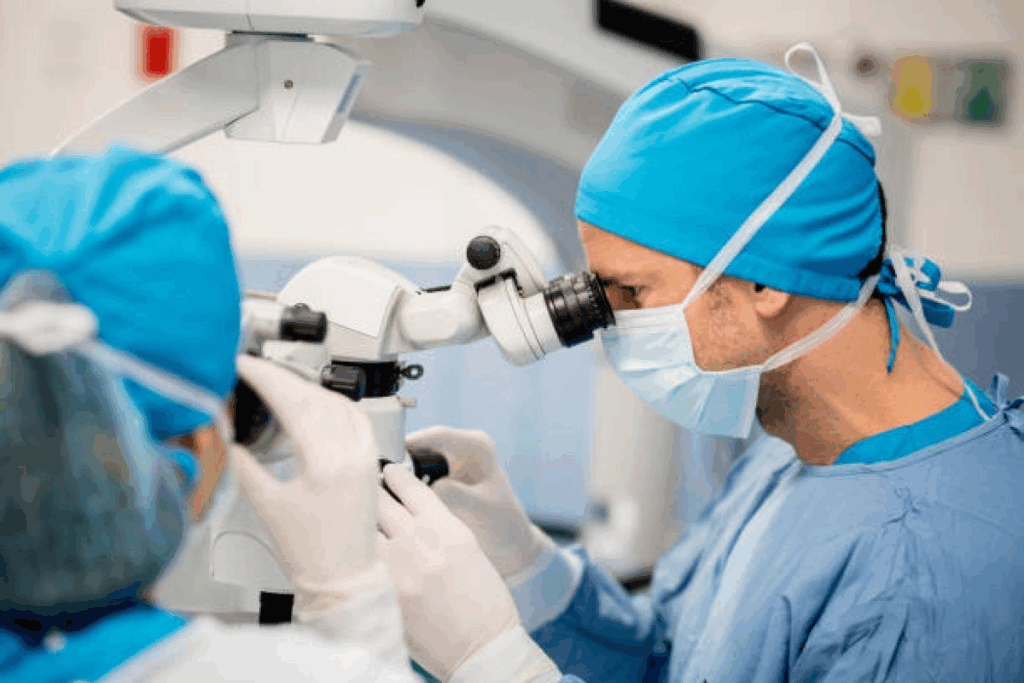
It’s important for patients to know about ptosis surgery and how long it takes to recover. Ptosis surgery fixes droopy eyelids, which can mess with your vision and look.
What is Ptosis Surgery?
Ptosis surgery tightens the levator muscle to lift the eyelid. This is done to fix ptosis, where the eyelid drops too low. It can block your view. The surgery is usually done under local anesthesia and can be simple or complex, depending on the case.
The main goal of ptosis surgery is to make the eyelid look better and help you see better by removing the blockage. It’s often done as an outpatient procedure, so you can go home the same day.
General Recovery Expectations
The recovery from ptosis surgery is usually easy, but you need to be patient and follow the doctor’s orders. Most people can go back to work in one to two days. But, you should avoid hard work for a bit longer. You’ll start to see big improvements in two to three weeks, and it can take up to three months to fully heal.
- Swelling and bruising are common but go away in a week.
- Pain is usually managed with over-the-counter meds.
- Your vision might be blurry at first because of the ointments, but it will get better as your eye heals.
Factors Affecting Recovery Time
Several things can affect how long it takes to recover from ptosis surgery. These include your health, age, and how well you follow the doctor’s advice. Smoking and some health issues can make healing slower. It’s key to tell your surgeon about your health history.
Also, the surgery method and the surgeon’s experience can change how fast you recover. Always follow your surgeon’s advice to avoid problems and have a smooth recovery.
Preparing for Your Ptosis Surgery Recovery
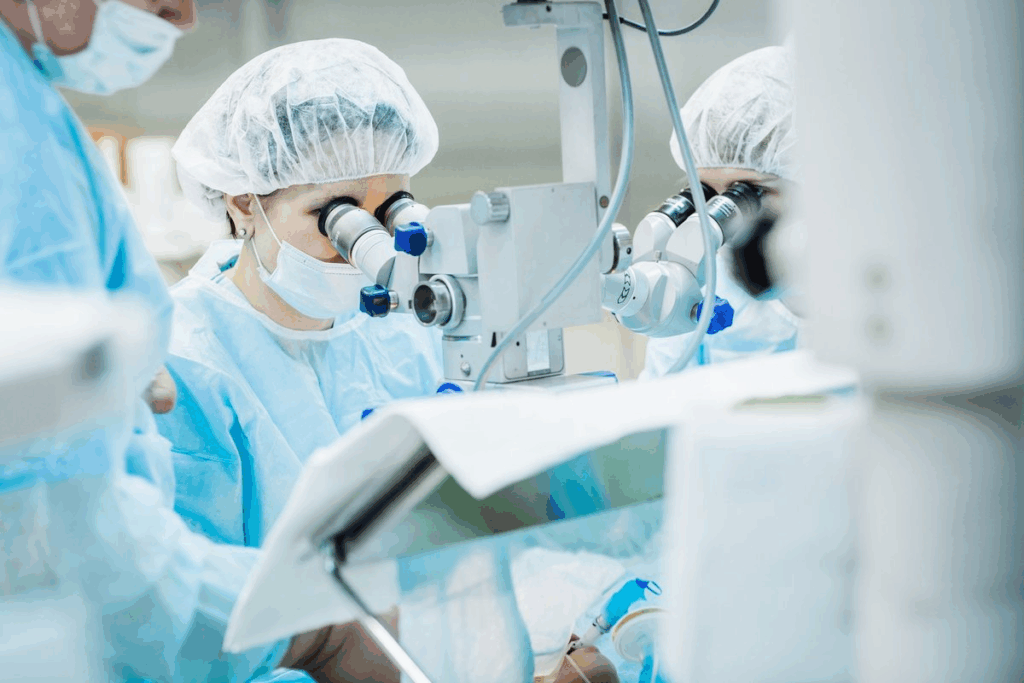
To have a smooth recovery from ptosis surgery, being prepared is key. You’ll need the right supplies and support. Here are the important steps to make your recovery better.
Essential Supplies to Have Ready
Having the right supplies can greatly help your recovery. Make sure you have these essentials ready:
- Cold Compresses: To reduce swelling and ease discomfort.
- Eye Shields: To protect your eyes during sleep.
- Prescribed Medications: Ensure you have all prescribed medications and understand their usage.
- Comfortable Clothing: Wear loose, comfortable clothing to avoid putting pressure on your eyes.
Setting Up Your Recovery Space
Creating a comfortable recovery space is key for healing. Here are some tips:
- Keep Your Head Elevated: Use extra pillows to keep your head elevated during sleep.
- Avoid Eye Strain: Limit screen time and avoid reading or other activities that may strain your eyes.
- Easy Access to Essentials: Ensure that everything you need is within easy reach to minimize getting up.
Arranging for Assistance
Having a support system can greatly improve your recovery. Consider arranging for:
- Transportation: Have someone drive you home after surgery and assist with transportation to follow-up appointments.
- Home Care: Arrange for someone to help with daily tasks such as cooking, cleaning, and running errands.
- Emotional Support: Having family or friends around can provide emotional comfort during your recovery.
By following these steps, you can make your recovery from ptosis surgery more comfortable and stress-free.
Day of Surgery: What to Expect
Getting ready for your ptosis surgery? Knowing what to expect right after can ease your worries. On surgery day, you’ll go through some key moments and feelings. We’ll walk you through them.
Immediate Post-Operative Experience
Right after surgery, you might see some swelling and bruising. Your eyelids could feel sore or tight, and your vision might blur a bit. These signs are normal and usually go away in a few days. We’ll give you clear instructions on how to handle these symptoms.
Common immediate post-operative symptoms include:
- Mild to moderate swelling and bruising
- Sore or tight eyelids
- Temporary blurred vision
- Sensitivity to light
Hospital to Home Transition
After surgery, you’ll go to a recovery area. Our team will keep an eye on you for a bit. Then, you’ll head home. It’s important to have someone with you, as you might feel tired or uncomfortable.
Transition Tips | Description |
Have a companion | Ensure someone is with you to drive you home and assist you. |
Comfortable clothing | Wear loose, comfortable clothing to avoid irritating the surgical site. |
Post-operative instructions | Follow the detailed instructions provided by your surgeon for a smooth recovery. |
First Night Care Instructions
For the first night, it’s key to follow certain care steps for a safe and comfy recovery. Keep your head up with extra pillows to lessen swelling. Use cold compresses as your surgeon tells you to, to reduce bruising.
By sticking to these tips, you’ll make the move from the hospital to home easier. And you’ll have a cozy first night after surgery. If you have any worries or questions, always reach out to your healthcare team.
Days 1-3: Managing Initial Symptoms
After ptosis surgery, patients face various symptoms in the first three days. These can include swelling, bruising, discomfort, and vision changes. It’s important to manage these symptoms well for a smooth recovery.
Normal Swelling and Bruising Patterns
Swelling and bruising are common in the first days after surgery. Using cold compresses and keeping your head up can help. Use a cold compress for 15-20 minutes, then take a 30-minute break.
Watch the swelling and bruising closely. If they seem unusual or get worse, call your doctor right away.
Symptom | Management Technique | Expected Outcome |
Swelling | Cold compresses, head elevation | Reduced swelling within 3 days |
Bruising | Cold compresses, gentle massage | Bruising resolution within 7-10 days |
Pain Management Techniques
Managing pain is key to recovery. Follow your surgeon’s advice on pain meds. Some might need over-the-counter meds, while others might need prescription ones.
Resting with your head up and using cold compresses can also help. Always follow the dosage your doctor prescribes.
Vision Changes and Eye Care
Vision changes like double vision or blurred vision can happen. These usually go away on their own. Eye drops can help with dryness and discomfort.
Keep your eyes clean and follow your surgeon’s eye care advice. Avoid rubbing your eyes to prevent irritation and slow healing.
By following these tips and staying in touch with your healthcare provider, you can manage symptoms well. This supports your healing after ptosis surgery.
Days 4-7: Early Recovery Phase
The early recovery phase, from days 4-7, is key for healing well. You’ll need to take care of your wound, follow activity rules, and manage your sutures until they come out.
Cleaning the Incision Site
Cleaning the incision site right is important to avoid infection and help it heal. Gently wash the area with mild soap and lukewarm water. Don’t use harsh or rough cleansers, and dry it with a clean towel.
- Use a clean cotton swab to gently clean the incision site.
- Avoid submerging the incision site in water until your doctor advises it’s safe.
- Keep the area dry and clean to promote healing.
Activity Restrictions
Even though you might feel more energetic, it’s important to stick to activity rules. Avoid heavy lifting, bending, or strenuous activities as they can put too much pressure on your eyes and the surgical site.
- Limit screen time to reduce eye strain.
- Avoid rubbing your eyes or applying pressure.
- Gradually increase your activity level as advised by your doctor.
Suture Care and Removal Process
Sutures are usually removed between 4-7 days after surgery. Keep the suture area clean and dry until they’re removed. Your doctor will tell you how to care for and remove the sutures.
Managing Psychological Aspects of Recovery
Recovering from ptosis surgery can be tough emotionally. It’s normal to feel frustrated or anxious about your progress. Stay positive and focus on your overall health. Talk to friends, family, or support groups if you need emotional support.
By following these guidelines and sticking to your recovery plan, you’ll be on the right path to the best results from your ptosis surgery.
Ptosis Surgery Recovery Day by Day: Weeks 1-2
Patients in the second week of ptosis surgery recovery see big improvements. They start to feel better and can slowly get back to their daily lives.
Days 7-10: Bruising Reduction
By days 7-10, the bruising around the eyes starts to fade. This is because the body is healing and the blood clots are breaking down. Following your surgeon’s post-operative care is key for healing. Gentle massages can also help with bruising and improve blood flow.
Days 10-14: Returning to Normal Activities
Days 10-14 mark the start of returning to normal activities. But, it’s important to listen to your body and not rush. Doing too much too soon can cause problems. Start with light activities and gradually increase them as you feel ready.
When to Resume Makeup Use
When to start using makeup again after surgery is important. Usually, you should wait until the stitches are out and the area is fully healed. Use gentle, fragrance-free makeup to avoid irritation. Start with a light application and watch how your skin reacts.
Managing Residual Swelling
Reducing swelling is a big part of the first two weeks. Try elevating your head while sleeping and using cold compresses. Drinking plenty of water and eating healthy foods also helps. If swelling doesn’t go away, talk to your surgeon.
By the end of the second week, most people see a lot less swelling and bruising. They can start to feel more confident about getting back to their usual activities. Keep following your surgeon’s advice and attending check-ups for a smooth recovery.
Weeks 3-4: Visible Improvements
By weeks 3-4 after ptosis surgery, patients see big changes. The swelling and bruising go down, showing the surgery’s first results.
Expected Appearance at This Stage
By weeks 3-4, the eyelid is more stable. The eye area looks much better. Some minor swelling might remain, but it’s easy to handle with gentle care.
Key Observations:
- Reduced swelling and bruising
- Improved eyelid position
- Enhanced overall appearance of the eye area
Observation | Expected Outcome |
Swelling and Bruising | Significantly reduced |
Eyelid Position | More stable and improved |
Overall Appearance | Enhanced and more natural |
Resuming Exercise and Physical Activities
As weeks 3-4 go by, patients can start doing more activities. But, it’s key to listen to the surgeon’s advice to stay safe.
Guidelines for Resuming Exercise:
- Start with low-impact activities like walking or light stretching.
- Gradually increase the intensity based on comfort and surgeon’s advice.
- Avoid heavy lifting, bending, or contact sports until cleared by the surgeon.
Addressing Uneven Healing Concerns
Uneven healing is normal, but big differences need a surgeon’s check. Small tweaks might be needed for the best look.
Tips for Managing Uneven Healing:
- Follow post-operative instructions carefully.
- Attend follow-up appointments to monitor healing.
- Discuss any concerns or asymmetries with the surgeon.
By weeks 3-4, patients are making good progress. Keeping up with care and going to check-ups helps get the best results.
Months 1-3: Long-Term Recovery
Months 1-3 after ptosis surgery are key for the best results. The eyelid heals and settles during this time. Patients see big improvements in their condition.
Timeline for Final Results
The final eyelid position might take two to three months to show. Healing times vary by person and surgery type. Patience is key during this time.
Post-Surgical Exercises for Optimal Results
Some exercises can help with recovery and results. These include gentle eyelid exercises. Always follow your surgeon’s specific instructions.
Understanding Success Rates
Ptosis surgery works well for most, with 80-85% of patients happy with results. Success means better eyelid position and function. The surgeon’s skill and patient’s healing play big roles.
When to Consider Revision Surgery
Revision surgery might be needed for better results or to fix issues. This is usually decided 3-6 months after surgery. It’s important to talk to your surgeon about any concerns or needs for revision.
Results from ptosis surgery can last 10 to 15 years. Knowing this helps patients make better care choices.
Conclusion: Is Ptosis Surgery Worth It?
Ptosis surgery is a great option for those with drooping eyelids. It offers both practical and beauty benefits. Knowing the advantages and results of the surgery helps patients decide if it’s right for them.
The surgery can greatly improve how your eyelids look and work. It can also help with vision and make your eyes look better. Our skilled oculoplastic surgeons are here to help every step of the way. They make sure you get the best results possible.
Thinking about getting ptosis surgery? It’s important to think about what it can do for you. With an 80-85% success rate, it can really change someone’s life. It’s a way to fix eyelid problems and make your eyes look great again.
FAQ
What is the typical recovery time for ptosis surgery?
Recovery times for ptosis surgery vary. Most people take 1-3 months to fully recover and see the best results.
How long does it take for bruising and swelling to subside after ptosis surgery?
Bruising and swelling start to go down in 1-2 weeks. It might take up to a month for all swelling to disappear.
Can I resume normal activities after ptosis surgery?
You can start normal activities in 1-2 weeks. But, always follow your surgeon’s advice for a smooth recovery.
How do I manage pain after ptosis surgery?
Use pain meds, cold compresses, and keep your head up to manage pain early on.
When can I resume makeup use after ptosis surgery?
Wait until the incision is fully healed, usually 1-2 weeks, before using makeup again.
Are there any exercises I can do to optimize my recovery after ptosis surgery?
Yes, doing gentle eyelid lifts can help. Your surgeon will tell you which exercises are best.
What are the success rates of ptosis surgery?
Ptosis surgery success rates are 80-85%. But, results can vary, and some might need a second surgery.
How long does it take to see the final results of ptosis surgery?
It takes months to see the full results. Swelling and scarring need time to fully resolve.
Can I undergo revision surgery if I’m not satisfied with the results of my ptosis surgery?
Yes, you can get a second surgery if you’re not happy with the first one. Talk to your surgeon about it.
Is ptosis surgery worth it?
Ptosis surgery can change lives for those with droopy eyelids. It offers both function and beauty benefits. Knowing the benefits and risks helps patients decide.
What are the possible complications of ptosis surgery?
Like any surgery, ptosis surgery has risks like infection and scarring. Your surgeon will talk about these and how to avoid them.
How can I minimize scarring after ptosis surgery?
Follow your surgeon’s wound care advice and use creams or gels as suggested to reduce scarring.
Can I have private ptosis correction or removal?
Yes, private ptosis correction or removal is available. Our skilled oculoplastic surgeons offer personalized care and support.
References
National Center for Biotechnology Information. Ptosis Surgery Recovery: A Day-by-Day Guide. Retrieved from https://www.ncbi.nlm.nih.gov/pmc/articles/PMC6210876/