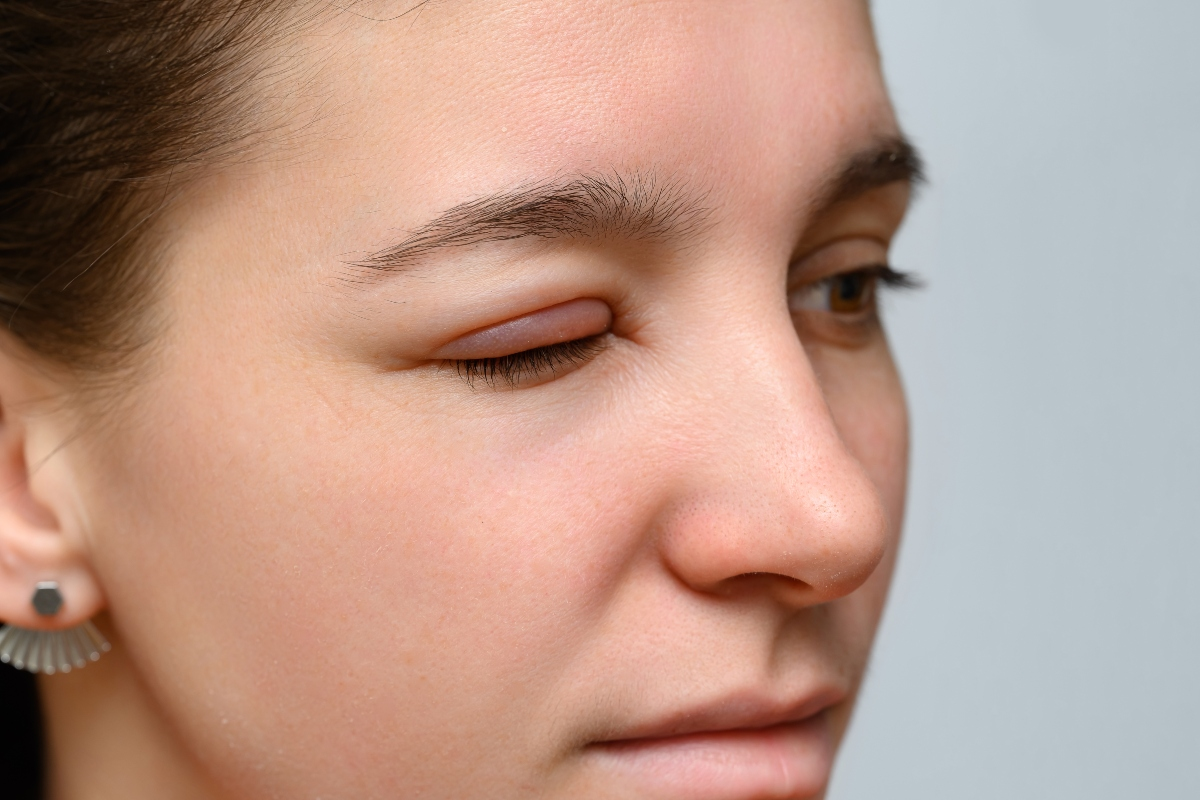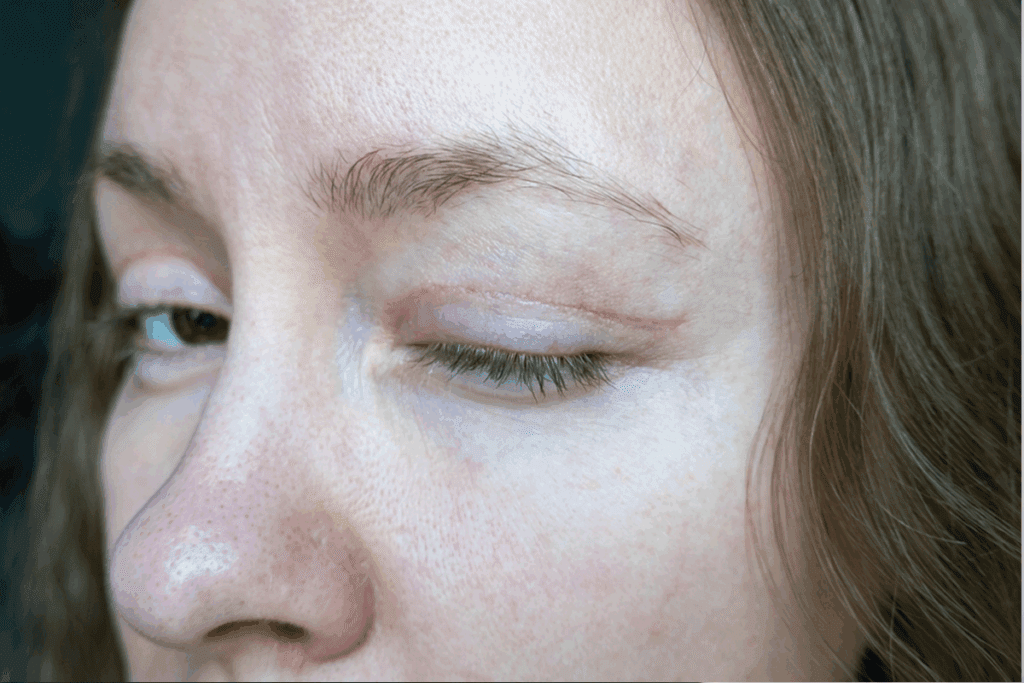
Many people worry about blepharoplasty scarring when thinking about eyelid surgery. But, studies show that very noticeable scarring is rare. At our place, we tell our patients that scarring is not common after these surgeries.
The healing from blepharoplasty happens in stages. Swelling and redness start to fade in 6 to 8 weeks. Scar maturation takes longer, about six months to a year. We know scarring worries our patients, and we have many ways to treat eyelid scar treatment.
Key Takeaways
- Visible scarring after eyelid surgery is relatively rare.
- The healing process occurs in stages, with noticeable improvements within 6-8 weeks.
- Scar maturation takes around six months to a year.
- Various options are available for treating blepharoplasty scars.
- Our institution offers patient-centered care pathways for optimal healing.
Understanding Blepharoplasty Scarring
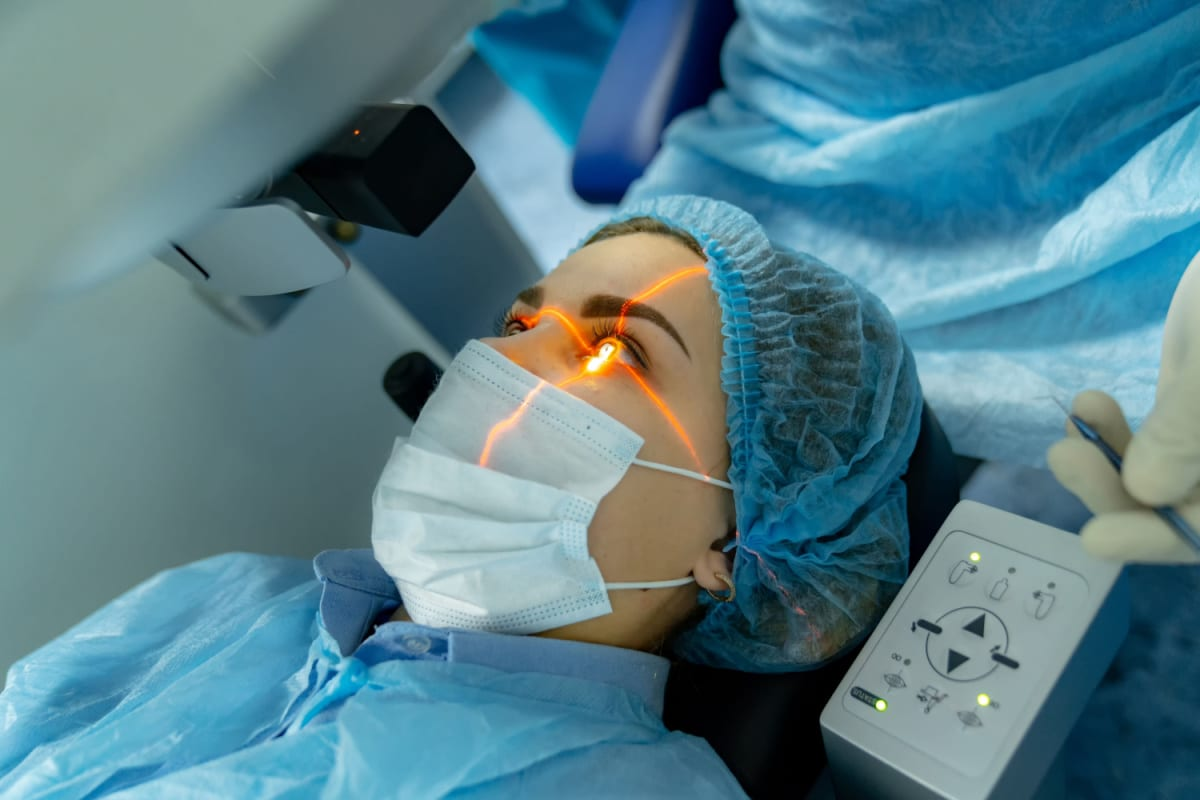
It’s important to know about blepharoplasty scarring if you’re thinking about eyelid surgery. This surgery removes extra skin, fat, or muscle with precise cuts. Even though scars will form, a skilled surgeon can make them less noticeable.
What Causes Scarring After Eyelid Surgery
Scarring is a normal part of blepharoplasty. When the body heals, it makes scar tissue. Several things can affect how visible scars are, including:
- Surgical technique: A surgeon’s skill greatly affects scar visibility.
- Individual healing characteristics: Everyone heals differently, which can change how scars look.
- Post-operative care: Taking good care after surgery can help prevent big scars.
Common Locations of Blepharoplasty Scars
Scars from blepharoplasty usually appear in the eyelid’s natural folds. Surgeons put incisions in these spots to hide scars better. Upper eyelid scars are hidden in the crease, and lower eyelid scars are near the lash line or in a natural crease below the eye.
Why Visible Scarring Is Actually Uncommon
Visible scarring after blepharoplasty is rare because of the surgeon’s careful planning and precise methods. The eyelid’s natural folds are perfect for hiding scars. With the right care after surgery, scars are often hard to see.
Experts say, “The secret to less visible scarring is a skilled surgeon and good care after surgery.” With proper management, blepharoplasty scars are usually not noticeable. This lets patients enjoy their surgery’s benefits without obvious scars.
The Natural Healing Timeline of Bleph Scars
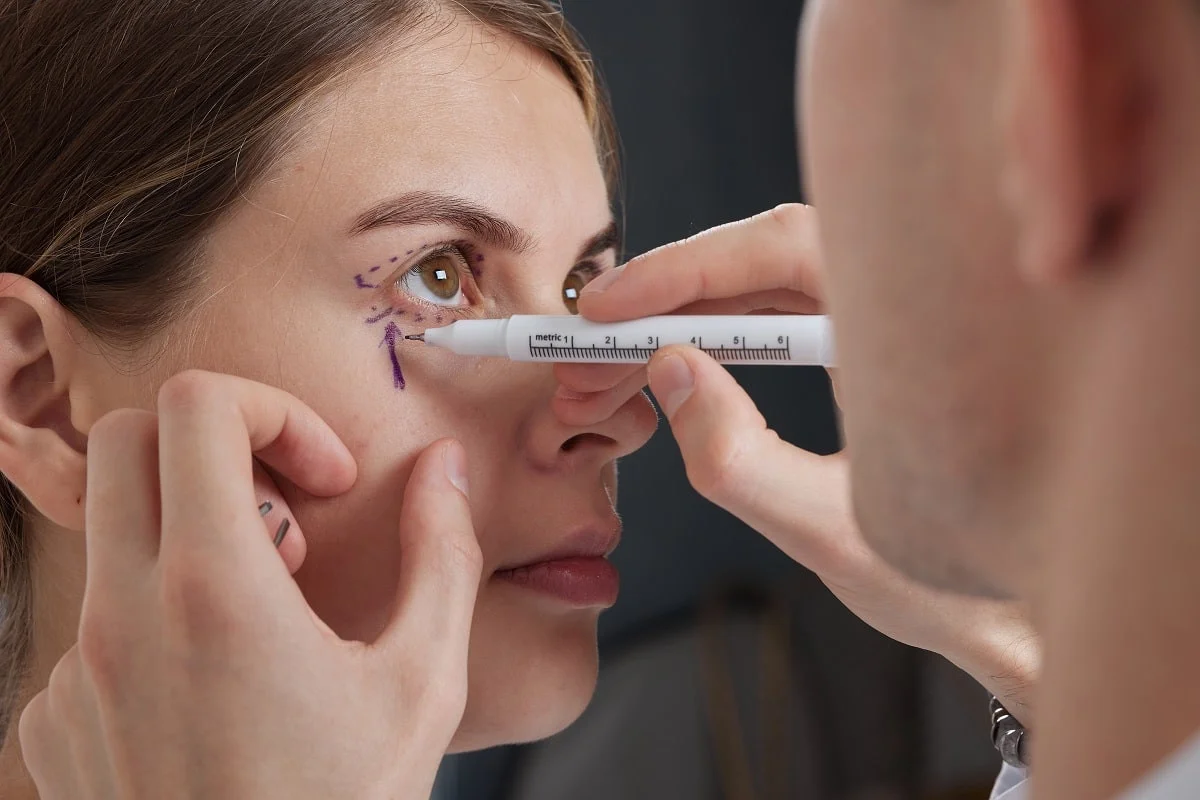
Blepharoplasty scar healing happens in different stages. Knowing these stages helps patients understand their recovery better.
Initial Recovery Phase (0-2 Weeks)
The first few weeks after surgery are filled with swelling and redness. It’s important to follow the doctor’s instructions to heal well. As time goes on, swelling and bruising start to go down.
“The first two weeks are key for healing,” says the doctor. Patients might feel some pain, but it gets better with time.
Intermediate Healing (2-8 Weeks)
In the next few weeks, swelling and redness keep getting better. Most people can start doing normal things again. But, they should avoid hard exercises. The scars might look pink or red, but they will get lighter.
As the body heals, the scars start to look better. This is a natural part of blepharoplasty scar healing. Being patient is important.
Complete Scar Maturation (2-12 Months)
The final healing stage can last up to a year. During this time, scars will keep fading and becoming less visible. It’s important to have realistic hopes about the results.
Dr. [Last Name] says, “Results are seen in a few months, but it takes up to a year for scars to fully heal.” This long time is normal for recovery blepharoplasty scar healing.
Why Eyelid Tissue Heals Faster Than Other Body Areas
Eyelid tissue heals fast, unlike other body parts. This is great for people getting blepharoplasty. It means less visible scars and a quicker recovery.
Superior Blood Supply and Vascularization
The eyelid has lots of blood vessels. This is key for quick healing. This superior blood supply brings oxygen and nutrients for fast repair. Scars become less visible as time goes by.
“The rich vascularization of the eyelid area is a key factor in its ability to heal quickly,” says Medical Expert, a renowned plastic surgeon. “This natural advantage helps minimize the appearance of scars, leading to more satisfactory outcomes for our patients.”
Unique Properties of Eyelid Skin
Eyelid skin is thin and flexible. These traits help it heal fast. It also means scars are less noticeable.
Typical Timeline for Scar Visibility Reduction
Healing times vary, but scars usually fade in 6 to 12 months. At first, scars look red and stand out. But as time passes, they fade and become less visible.
To wrap it up, the eyelid’s fast healing is due to its blood supply, skin, and healing timeline. These factors help patients get the best results from blepharoplasty.
Effective Topical Treatments for Bleph Scars
Topical treatments are key in making blepharoplasty scars less noticeable. They help the healing process and make scars less visible.
Silicone Gel Sheets and Their Benefits
Silicone gel sheets are a top choice for treating blepharoplasty scars. They keep the scar tissue moist, which makes it look better. You wear them over the scar for hours a day, and they’re great in the early healing stages.
Benefits of Silicone Gel Sheets:
- Hydrate the scar tissue
- Flatten and soften raised scars
- Improve the overall appearance of the scar
Best Scar Creams After Blepharoplasty
Scar creams are also great for blepharoplasty scars. They have ingredients like silicone, vitamin E, and more. These help feed and moisturize the scar tissue.
Scar Cream Ingredients | Benefits |
Silicone | Hydrates and flattens the scar |
Vitamin E | Nourishes and protects the scar tissue |
Hydrocortisone | Reduces inflammation and itching |
Vitamin E and Other Over-the-Counter Options
Vitamin E is a powerful antioxidant in scar creams and oils. It feeds and guards the scar tissue, helping it heal better. Other options include creams with onion extract, which also make scars look better.
Tips for Using Topical Treatments:
- Always follow the product instructions
- Be consistent in your application
- Massage the scar gently to improve treatment penetration
Medical Treatments for Persistent Eyelid Scars
Eyelid scars that don’t get better with usual care might need more help. Some scars don’t fade with simple treatments. We’ll look at medical options for dealing with these scars.
Corticosteroid Injections
Corticosteroid injections are a common fix for raised or inflamed scars. They cut down inflammation and can make scars less noticeable. The process is injecting corticosteroids right into the scar tissue.
Benefits of Corticosteroid Injections:
- Reduces inflammation
- Flattens raised scars
- Improves scar appearance
Medical Expert, a well-known plastic surgeon, says, “Corticosteroid injections work well for keloid or hypertrophic scars. These are the ones that are raised and inflamed.”
Pressure Therapy Techniques
Pressure therapy is another way to handle scar tissue. It involves putting pressure on the scar to make it flatten and soften.
Therapy Type | Description | Benefits |
Pressure Garments | Custom-made garments that apply pressure | Flattens and softens scar tissue |
Silicone Pressure Devices | Devices made with silicone for comfort | Effective for sensitive areas |
When to Consider Medical Intervention
It’s time to think about medical help if scars are lasting, raised, or hurt. Talking to a healthcare expert is key to finding the right treatment.
When to seek medical help:
- Persistent pain or discomfort
- Scars that are significantly raised or inflamed
- Scars that affect eyelid function
The American Academy of Dermatology says, “Acting early can greatly improve how scars look and work.”
Laser Resurfacing for Upper Bleph Scars
Laser resurfacing is a modern way to fix upper blepharoplasty scars. It uses advanced lasers to target scar tissue. This helps in making the skin look better by improving its texture.
Ablative Laser Treatment Options
Ablative lasers remove the top skin layers. They help grow new collagen and tighten the skin. This method works well for deeper scars and can make upper bleph scars look better.
Benefits of Ablative Laser:
- Effective for deeper scars
- Promotes significant collagen remodeling
- Can improve skin texture and tightening
Non-Ablative Laser Technologies
Non-ablative lasers boost collagen without harming the skin’s surface. They’re good for those with mild to moderate scars. Plus, they have a quicker recovery time than ablative lasers.
Advantages of Non-Ablative Laser:
- Less downtime
- Suitable for mild to moderate scarring
- Stimulates collagen production
Laser Type | Depth of Treatment | Recovery Time | Ideal Scarring Severity |
Ablative | Deeper layers | Several weeks | Severe |
Non-Ablative | Superficial layers | Few days to a week | Mild to moderate |
Expected Results and Recovery Process
The results of laser resurfacing for upper bleph scars can differ. It depends on the scar’s severity, the laser type, and the skin. Most people see their scars look better after a few treatments.
After the treatment, it’s important to follow the care instructions. This helps avoid problems and get the best results. You’ll need to stay out of the sun, use special skincare, and go to follow-up visits.
Microneedling and Collagen Induction for Healed Blepharoplasty Scars
Microneedling for scar remodeling after blepharoplasty is getting more attention. This treatment is gentle and boosts collagen production. This leads to smoother skin and less visible scars.
Stimulating Scar Remodeling
Microneedling makes tiny injuries in the skin, starting the healing process. It leads to more collagen, which makes skin strong and elastic. This makes scars from blepharoplasty look better.
Scar remodeling through microneedling involves several steps:
- Micro-injuries trigger growth factors.
- Growth factors boost collagen production.
- New collagen improves the scar’s texture.
Professional vs. At-Home Treatment Options
People can choose between professional microneedling and at-home devices for blepharoplasty scars. Professional treatments are done by experts who adjust the treatment for your skin and scars.
At-home devices are easy to use but might not be as effective as professional treatments. They’re good for upkeep and minor scar improvement.
Treatment Aspect | Professional Microneedling | At-Home Microneedling |
Customization | Highly customizable | Limited customization |
Efficacy | Highly effective | Moderately effective |
Combining Treatments for Enhanced Results
Microneedling works best when paired with other treatments. Adding microneedling to scar creams or silicone gel sheets boosts results.
Benefits of combining treatments include:
- More collagen production.
- Better skin texture and tone.
- Less visible scars.
Knowing your options and how to mix them helps you choose the best scar treatment. This leads to the best results for your healed blepharoplasty scars.
Eyelid Scar Tissue Removal Options
Surgical revision is a promising way to remove or adjust eyelid scar tissue. This method can make scars less noticeable. It’s a good option for scars that don’t fade with other treatments.
Understanding the different techniques for removing eyelid scar tissue is key. Surgical revision carefully removes or adjusts scar tissue to enhance its look.
Surgical Revision Techniques
Surgical revision for eyelid scars uses precise methods. These methods can make scars less visible.
Key aspects of surgical revision include:
- Careful planning to minimize visible scarring
- Precise removal or reorientation of scar tissue
- Attention to detail to ensure a natural appearance
Minimally Invasive Approaches
Minimally invasive methods are also used for eyelid scar removal. These methods aim to reduce scar appearance with less downtime.
Benefits of minimally invasive approaches include:
- Reduced recovery time
- Less visible scarring
- Lower risk of complications
Treatment Option | Description | Recovery Time |
Surgical Revision | Precise removal or reorientation of scar tissue | Several weeks |
Minimally Invasive Techniques | Less invasive methods to reduce scar appearance | A few days to a week |
Recovery Expectations After Revision
Knowing what to expect during recovery is important. It helps plan for the best results.
Recovery typically involves:
- Initial healing phase with possible swelling and bruising
- Gradual improvement in scar appearance over time
- Follow-up care to ensure optimal results
Makeup and Camouflage Techniques for Upper Blepharoplasty Scars
Camouflaging upper blepharoplasty scars with makeup needs a smart plan. Knowing about color correction, picking the right products for the eyelid, and learning how to apply them helps. This way, you can hide your scars and look more natural.
Color Correction Principles for Scar Coverage
Color correction is key in makeup camouflage. It uses colors opposite the scar’s color to hide it. For example, green can cover red scars, and yellow or orange can mask purple or blue ones.
Key Color Correction Principles:
- Green correctors for red scars
- Yellow or orange correctors for purple or blue scars
- Purple correctors for yellow or sallow scars
Recommended Products for Eyelid Area
Choosing makeup for the eyelid area is important. Look for products that are gentle and safe for sensitive skin. Products labeled “non-comedogenic” or “hypoallergenic” are best as they are less likely to irritate.
Product Type | Recommended Features | Example Products |
Foundation or Concealer | Light to medium coverage, matches skin tone | Estee Lauder Double Wear Stay-in-Place Makeup |
Color Corrector | Green or yellow/orange to counteract redness or discoloration | Urban Decay Naked Skin Color Correcting Fluid |
Primer | Silicone-based for smooth application | Smashbox Photo Finish Foundation Primer |
Application Techniques for Natural-Looking Results
Applying makeup to hide upper blepharoplasty scars needs care and the right methods. First, prime the area with a silicone-based primer for a smooth base. Then, gently pat a small amount of color corrector onto the scar.
Tip: Be light when applying makeup to scars. Too much can make the scar stand out instead of hiding it.
After using color corrector, apply a foundation or concealer that matches your skin. Blend well to avoid any lines. Setting the makeup with a translucent powder will make it last longer.
Makeup and camouflage techniques are great for dealing with upper blepharoplasty scars. By using these methods, people can feel more confident and comfortable in their skin.
“The right makeup techniques can make a big difference in how we feel about our looks. By learning these techniques, people with upper blepharoplasty scars can look more natural and confident.”
— Makeup Artist Expert
Preventing Problematic Scars After Eyelid Surgery
To avoid scars after eyelid surgery, a good plan is needed. This includes getting ready for surgery, taking care of yourself after, and making lifestyle changes. By doing these things, you can lower the chance of scars and get better results from your surgery.
Pre-Surgery Preparation Guidelines
Before eyelid surgery, there are steps to take to avoid scars. Proper pre-surgery preparation is key. It includes:
- Eating a healthy diet full of vitamins and minerals
- Not smoking or using tobacco, as it hinders healing
- Telling your doctor about any medicines or supplements that might affect healing
- Following your doctor’s specific instructions before surgery
Post-Surgery Care Protocols
After surgery, it’s important to follow post-surgery care protocols to heal well and hide scars. This means:
- Keeping the surgery area clean and dry
- Using topical treatments as your doctor suggests
- Going to follow-up appointments to check on healing
- Not doing too much that might hurt the surgery area
Good wound care is key to avoid infection and heal smoothly. Always follow your doctor’s advice on wound care and managing scars.
Lifestyle Factors That Influence Scar Formation
Some lifestyle factors can really affect scar formation after eyelid surgery. These include:
- What you eat: Foods full of antioxidants, vitamin C, and zinc help healing
- Quitting smoking: Stopping before and after surgery helps a lot
- Protecting from the sun: Too much sun can make scars darker
- Managing stress: High stress can slow healing; finding ways to relax helps
By using these strategies, you can help your body heal better and lower the risk of bad scars.
When to Consult a Professional About Your Bleph Scars
If you’re worried about your blepharoplasty scars, knowing when to get help is key. Blepharoplasty can lead to scarring, but most scars heal well. Yet, sometimes, you might need a professional’s help.
Warning Signs of Abnormal Scarring
Watch your scars for signs of trouble. Look out for excessive redness, raised scars, or scars that are painful for too long. Also, be wary of scars that get widening or thickening. If you see these signs, it’s time to see a pro.
Finding the Right Specialist for Scar Treatment
Finding the right expert for your scars is important. Look for a board-certified dermatologist or a plastic surgeon with scar treatment experience. During your first meeting, ask about their experience with scars like yours and what they suggest.
Questions to Ask During Your Consultation
Make a list of questions for your visit. Ask things like:
- What are the most effective treatments for my type of scar?
- Are there any non-invasive options available?
- What are the possible risks and side effects of the treatments you recommend?
- Can I see before-and-after photos of patients with similar scars?
- What’s the expected recovery time for the treatment you suggest?
These questions help you understand your treatment options and what to expect.
Conclusion
Blepharoplasty scarring can worry people getting eyelid surgery. But, there are many ways to deal with it. From creams to advanced treatments, there are options to make scars less visible.
There are many ways to treat eyelid scars. You can use silicone gel sheets, scar creams, or try laser resurfacing and microneedling. Talking to doctors can help find the best way to manage scars.
Managing scars well is key to being happy with eyelid surgery. It’s a good idea to look into different treatments and talk to a specialist. This way, you can find the best method for your scars.
FAQ
What are the common locations of blepharoplasty scars?
Blepharoplasty scars usually appear along the eyelid’s natural folds. Surgeons choose this spot to make the scars less noticeable.
How long does it take for blepharoplasty scars to mature?
It can take months to a year for scars to fully mature after surgery. But, you might see improvements in six to eight weeks.
What topical treatments are effective for managing blepharoplasty scars?
Using silicone gel sheets, scar creams, and vitamin E can help improve scar appearance. These are over-the-counter options.
When are medical interventions necessary for eyelid scars?
You might need medical help if scars are raised, inflamed, or don’t go away. This includes treatments like corticosteroid injections and pressure therapy.
How does laser resurfacing help with upper bleph scars?
Laser treatments target scar tissue. They help by promoting collagen and improving skin texture. This makes upper bleph scars less visible.
What is microneedling, and how does it help with healed blepharoplasty scars?
Microneedling creates micro-injuries to stimulate collagen. This leads to scar remodeling and better skin texture. It improves the look of healed scars.
Can surgical revision help with noticeable eyelid scars?
Yes, surgical revision can remove or adjust scar tissue. It’s an option when other treatments don’t work well.
How can makeup and camouflage techniques help with upper blepharoplasty scars?
Makeup and camouflage can hide upper bleph scars. Using color correction and specific techniques can achieve a natural look.
What are the key strategies for preventing problematic scars after eyelid surgery?
To avoid bad scars, follow pre-surgery prep, post-surgery care, and make lifestyle changes. These steps reduce scar risk.
When should I consult a professional about my bleph scars?
See a professional if you have abnormal scarring, persistent discomfort, or concerns about your scars. Early action can help.
What factors influence the healing of eyelid tissue after blepharoplasty?
The eyelid’s blood supply and unique skin properties help it heal faster. This makes scars less visible compared to other body parts.
References
National Center for Biotechnology Information. Surgical Tips for Aesthetic Lower Lid Blepharoplasty: Prevention of Round Eye. Retrieved from https://pmc.ncbi.nlm.nih.gov/articles/PMC10317483/