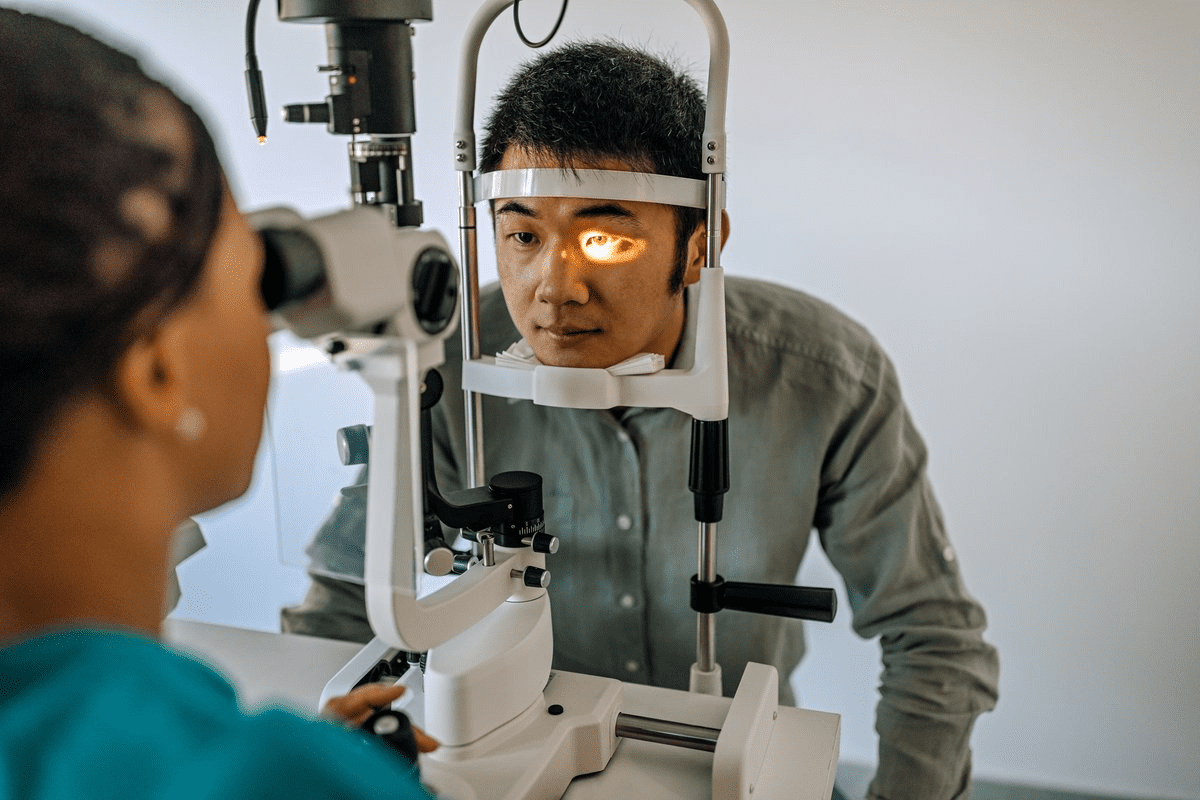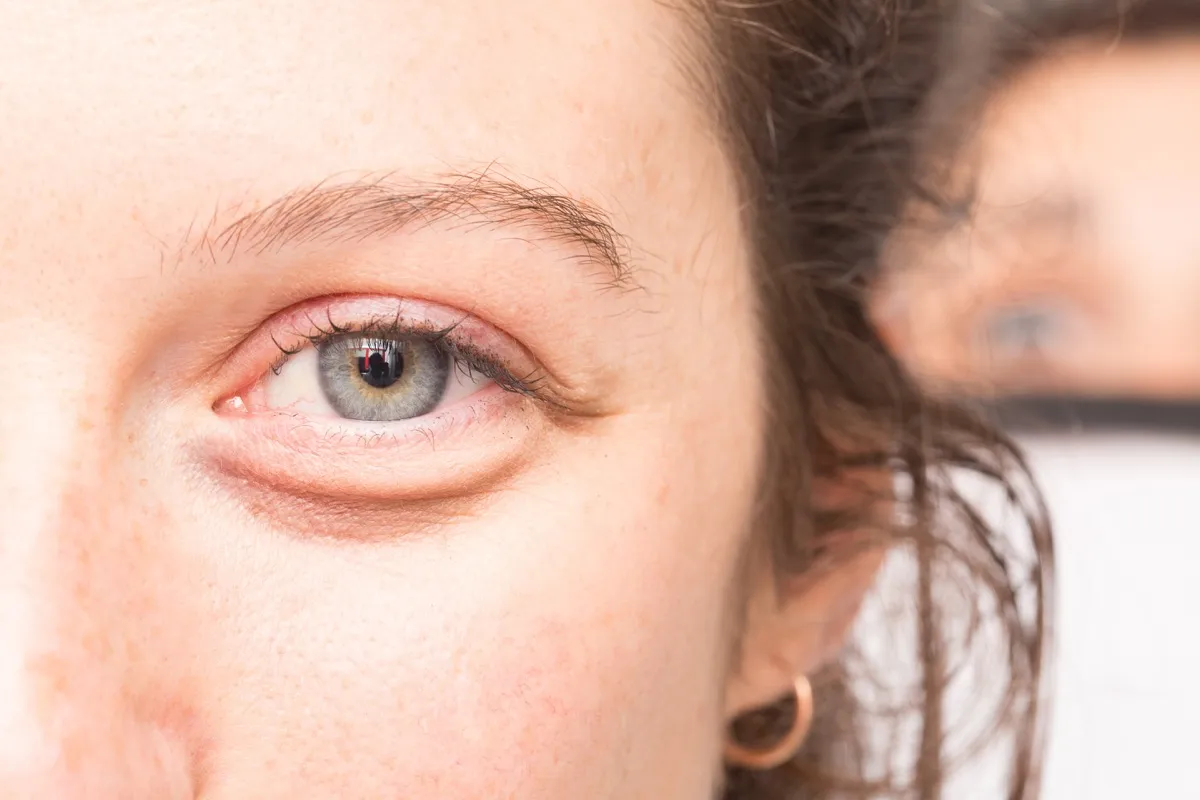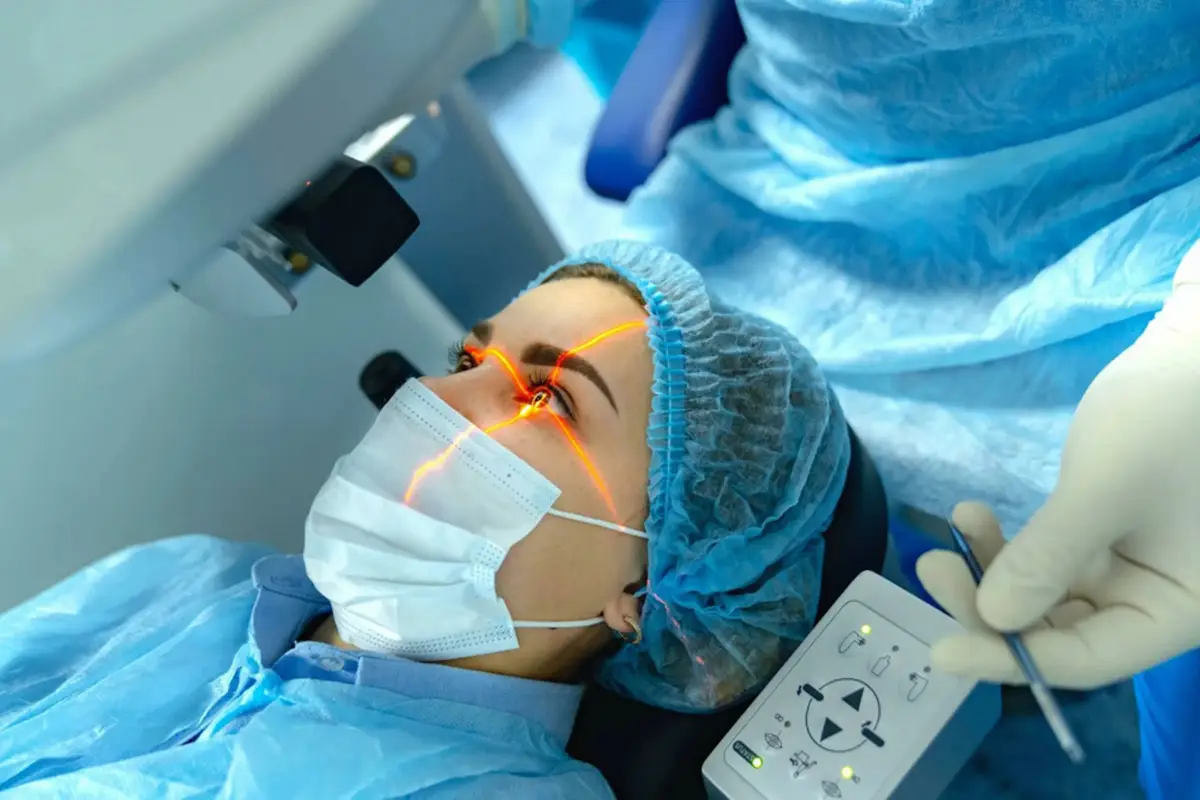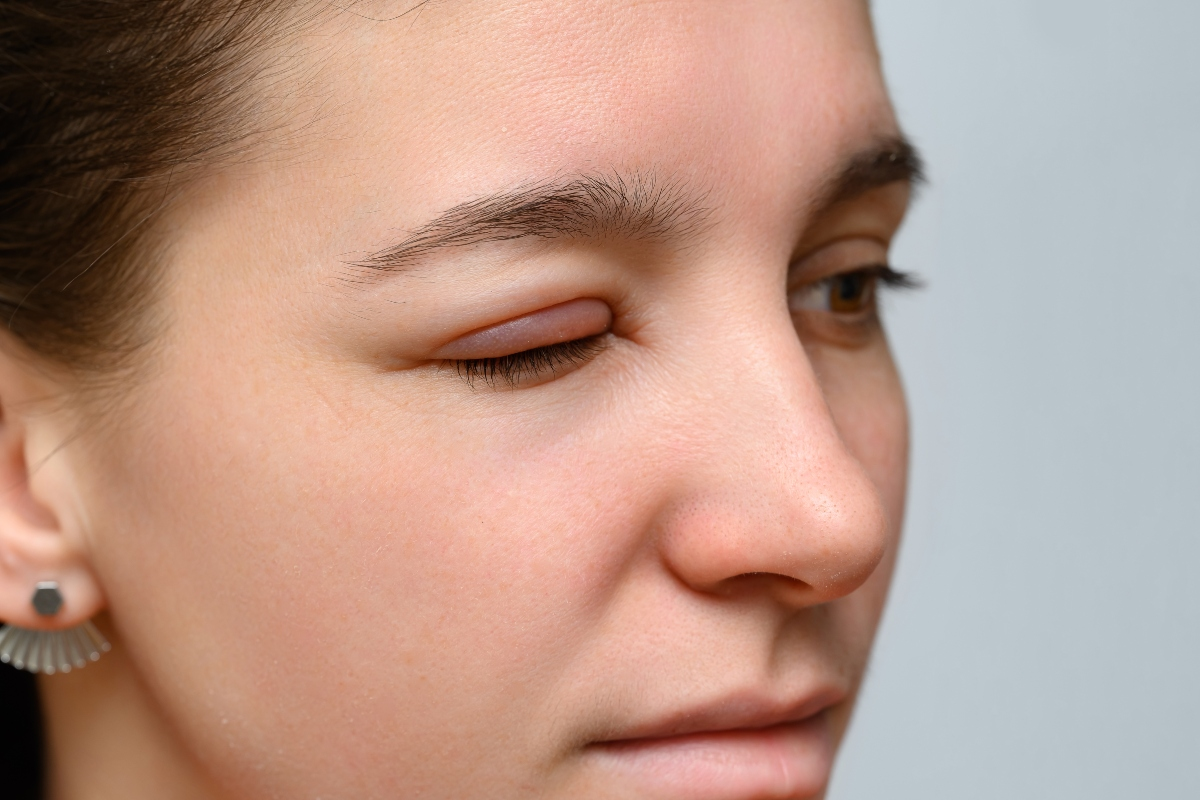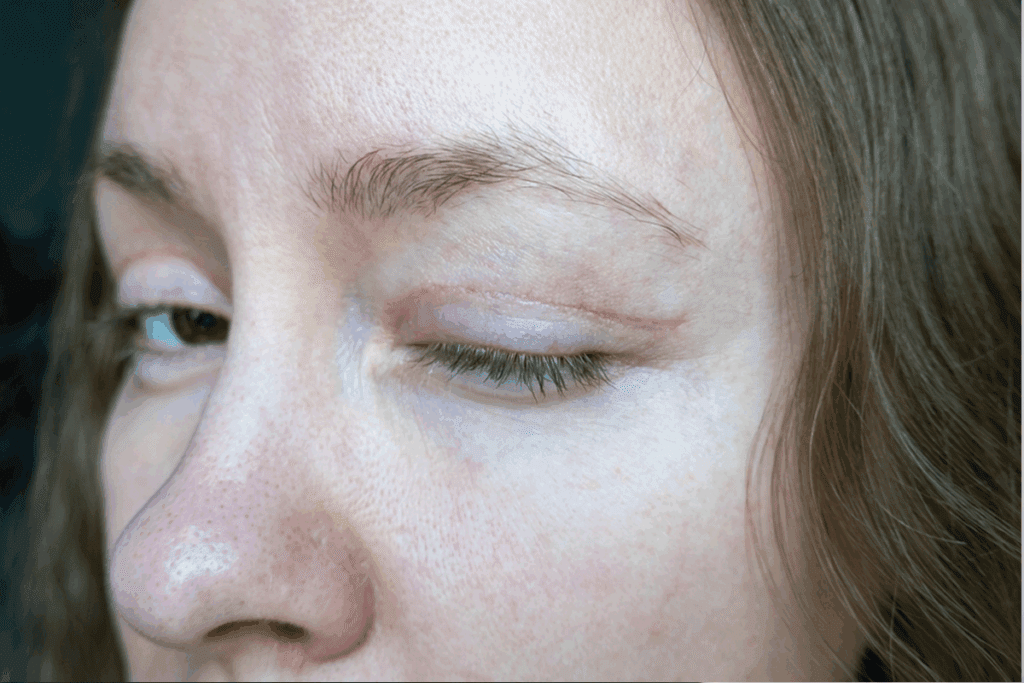
Ptosis, or droopy eyelid, correction is a delicate procedure. It needs careful attention to detail to minimize visible scarring. At Liv Hospital, we focus on both functional results and aesthetic outcomes.
Effective recovery techniques are key to reducing scars after ptosis correction. Our expert team offers personalized care and guidance. The recovery process usually takes two to four weeks.
We will look at evidence-based practices and expert tips. These help minimize scarring and promote healing after ptosis correction.
Key Takeaways
- Understand the importance of proper recovery techniques in minimizing scarring
- Learn about evidence-based practices for optimal healing
- Discover expert tips for reducing the appearance of scars
- Explore the role of personalized care in the recovery process
- Find out what to expect during the typical recovery period
Understanding Ptosis Surgery
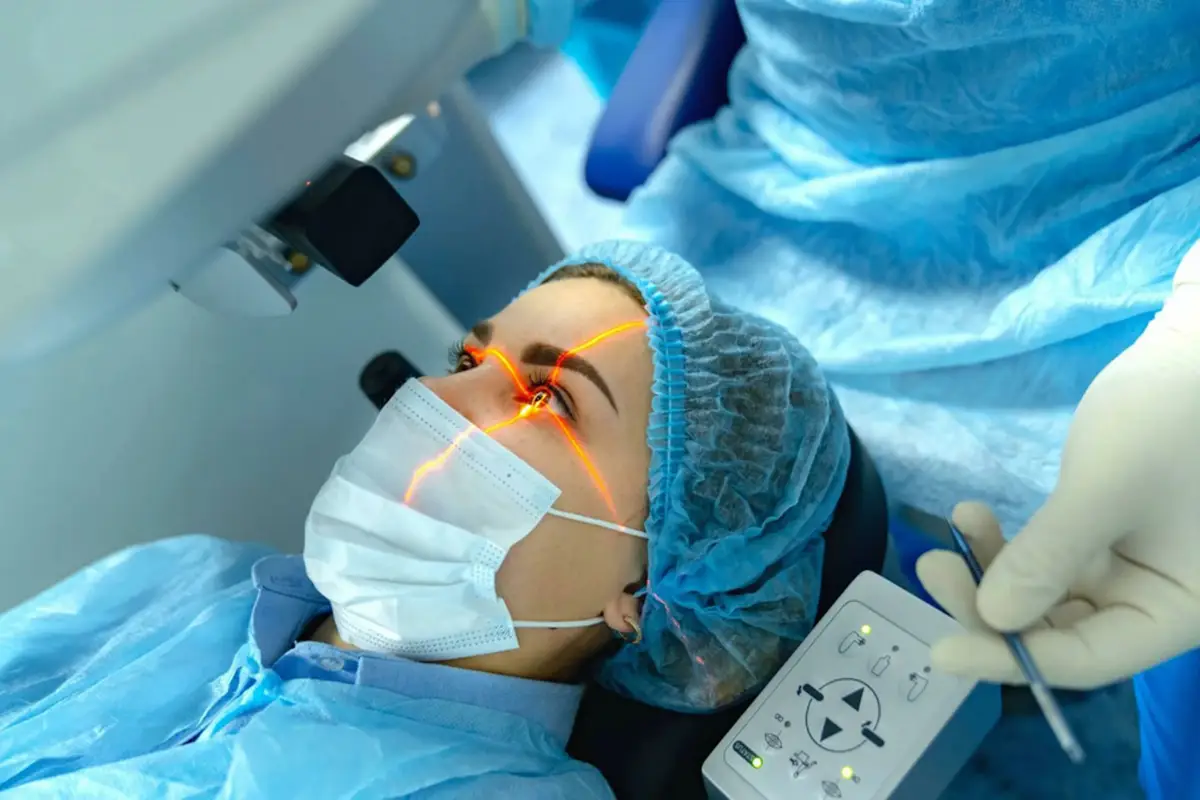
Understanding ptosis surgery is key for those thinking about it. Ptosis is when the upper eyelid droops. It can happen at birth or later due to aging, injury, or illness.
What is Ptosis and Why Surgery is Needed
Ptosis happens when eyelid muscles weaken. This can block your view and cause eye strain. Surgery is needed to fix this and improve your look.
Choosing ptosis correction surgery means knowing why you need it. A doctor will check your condition and health. They’ll decide if surgery is right for you.
Common Types of Ptosis Correction Procedures
There are many ways to fix ptosis, depending on your case. The main methods are:
- Levator Advancement: Tightens the levator muscle for better eyelid lift. It’s for those with more severe ptosis.
- Mueller Muscle Resection: Removes part of the Mueller’s muscle for a lift. It’s for mild cases.
- Frontalis Sling Procedure: Uses a sling to connect the eyelid to the frontalis muscle. It helps with severe cases or when the levator doesn’t work well.
Ptosis operation is usually done as an outpatient. It takes about 60 to 90 minutes. The right procedure depends on your ptosis, health, and the surgeon’s advice.
The Ptosis Surgery Procedure
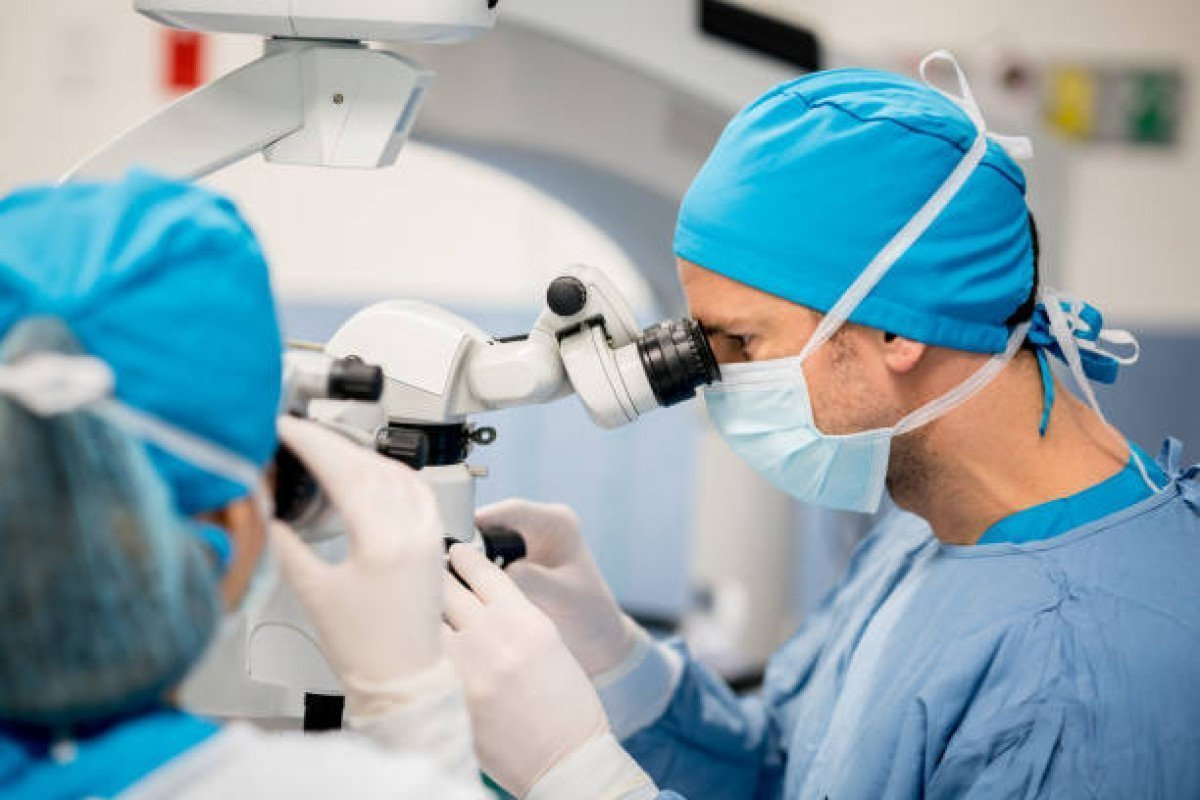
The ptosis surgery procedure has several key steps. Patients should understand these to feel more prepared and confident during their journey.
Pre-Surgery Preparation
Before ptosis surgery, patients must follow specific pre-operative instructions. Pre-surgery preparation includes avoiding certain medications that could increase bleeding risk, like aspirin or anti-inflammatory drugs. The surgeon will specify the period to avoid these.
Patients are also advised to stop smoking and avoid alcohol for a few weeks before surgery. This helps with healing and reduces complications.
What to Expect During the Procedure
Ptosis surgery is usually done on an outpatient basis, allowing patients to go home the same day. The surgery takes 60 to 90 minutes. During this time, the surgeon makes precise incisions to tighten or reposition the muscles for eyelid elevation.
The technique used depends on the patient’s condition and the surgeon’s judgment. Advanced surgical techniques and equipment are used for the best results.
Anesthesia Options and Duration
Ptosis surgery is often done under local anesthesia with sedation. This keeps patients comfortable and relaxed during the procedure, reducing risks from general anesthesia.
Using local anesthesia with sedation also leads to a quicker recovery. Patients can get back to their normal activities sooner. Our team will discuss anesthesia options in detail and choose the best based on the patient’s health and preferences.
How Ptosis Surgery Scars Form
Scars from ptosis surgery form due to many factors, including the surgery method. Knowing these can help manage what to expect and maybe lessen scar visibility.
External Approach Scarring
The external method makes cuts in the eyelid’s natural crease. It’s often chosen because it’s more precise and usually leaves minimally visible scarring. The cuts are made to blend with the eyelid’s natural lines, making scars almost invisible after stitches are out.
We use the latest techniques to make cuts as small as possible. We close them with fine sutures to reduce scar visibility. This method is great for those worried about how their surgery will look.
Internal Approach Scarring
The internal method makes cuts inside the eyelid, hiding scars completely. It’s less invasive and good for those with mild ptosis or who don’t want scars. But, it might limit the adjustments possible.
We look at each patient’s case to choose the best approach. The choice between external and internal depends on the ptosis’s severity and the patient’s health.
Factors Affecting Scar Formation
Many things can change how scars form and heal after ptosis surgery. These include:
- Genetic predisposition: Some people are more likely to get thick or raised scars because of their genes.
- Skin type and condition: Skin’s elasticity and health can affect healing and scar visibility.
- Surgical technique: The surgeon’s skill and the techniques used are key in reducing scarring.
- Post-operative care: Good wound care and follow-up treatments can greatly affect scar appearance.
By knowing these factors and improving each one, we aim for the best results for our patients after ptosis surgery.
Immediate Post-Surgery Care for Scar Prevention
The first 48 hours after ptosis surgery are key for healing and less scarring. We focus on wound care and reducing swelling and bruising during this time.
First 48 Hours After Surgery
In the first 48 hours, following a strict post-surgery routine is important. Resting with your head elevated helps with swelling. Also, use cold compresses or small ice packs on your eyelids for 20 minutes at a time. This helps with swelling and bruising.
Proper Wound Cleaning Techniques
Cleaning the surgical site is key to prevent infection and aid healing. Clean the area with mild soap and lukewarm water. Pat the area dry with a clean towel, avoiding rubbing or harsh movements.
- Gently wash your hands before touching the surgical site.
- Use a mild soap recommended by your surgeon.
- Clean the area gently, avoiding any scrubbing motions.
Managing Initial Swelling and Bruising
Swelling and bruising are common after surgery. Use cold compresses as before to manage these. Also, keep your head elevated, even when sleeping, to reduce fluid buildup.
Monitoring your symptoms is vital. If you see severe swelling, increased pain, or signs of infection, call your surgeon right away.
Effective Ptosis Surgery Scar Reduction Methods
Ptosis surgery scars can be lessened with the right treatments and care. We know that reducing scars is a big concern for those who have had ptosis surgery.
Medical Treatments for Scar Minimization
There are many medical ways to lessen ptosis surgery scars. Silicone gel sheeting is a common choice that can make scars look and feel better. It’s easy to use and can start once the wound heals.
Other options include steroid shots to lower raised scars and laser treatments to make scars look better. It’s important to talk to a healthcare provider to find the best treatment for you.
Medical Treatment | Description | Benefits |
Silicone Gel Sheeting | Non-invasive sheets applied to the scar | Flattens and softens scar tissue |
Steroid Injections | Injections to reduce inflammation | Reduces raised scars |
Laser Therapy | Laser treatment to improve scar appearance | Improves scar texture and color |
At-Home Remedies and Techniques
There are also home remedies to help with scar reduction. Using an ice pack can help with swelling early on. Sleeping with your head raised also helps reduce swelling.
Massaging the scar with a cream or oil can make it look and feel better over time. Always ask your healthcare provider when to start these massage techniques.
Combining medical treatments with home care can greatly reduce the look of ptosis surgery scars. It’s key to follow your healthcare provider’s advice on the best methods for you.
Week-by-Week Ptosis Surgery Recovery Timeline
Knowing what to expect after ptosis surgery is key. It helps patients manage their recovery and heal smoothly. We’ll walk you through each week, highlighting important milestones and what to expect.
Days 1-7: Initial Healing Phase
The first week is vital for healing. Most patients can start doing light activities in 7-10 days. You might see swelling, bruising, and discomfort. These can be managed with meds and cold compresses.
As the first week goes by, swelling and bruising will lessen. You’ll start seeing the surgery’s effects. It’s important to follow our post-op instructions to avoid complications and heal well.
Weeks 2-4: Visible Improvement Stage
In the second week, you’ll see big changes. Swelling will keep going down, and your eyelid will start to look different. Some numbness or tingling is normal and should go away.
By weeks 3 and 4, the changes will be even more noticeable. Some swelling might stay, but it will get better. Gentle massage and scar care are key to healing.
Months 1-3: Long-Term Healing and Scar Maturation
In the first three months, you’ll see more improvements. The full effects of the surgery can take up to 6 months. It’s important to be patient and keep up with our care routine for the best results.
Scars will fade over time. We’ll teach you how to manage them. Regular check-ups with us will make sure you’re healing right and address any worries.
“Being patient and following post-op instructions is key,” says Dr. [Last Name], a top oculoplastic surgeon. “By doing so, patients can get the best results and avoid complications.”
“Patience and proper care are vital for healing after ptosis surgery.”
Medical Expert, Oculoplastic Surgeon
Choosing the Right Surgeon to Minimize Scarring
A surgeon’s skill is key in reducing scarring after ptosis surgery. Finding the right professional is essential for the best results and less visible scarring.
Qualifications to Look For
When looking for a surgeon for ptosis surgery, there are important qualifications to check. Look for a surgeon who is:
- Board-certified in ophthalmology or plastic surgery
- Experienced in performing ptosis correction procedures
- Familiar with the latest techniques and technologies in ptosis surgery
These qualifications mean your surgeon has the right training and experience. They can perform the surgery with care, reducing tissue damage and improving scar outcomes.
Questions to Ask About Scarring
During your consultation, ask your surgeon about their approach to scarring. Important questions include:
- What techniques do you use to reduce scarring?
- How will you ensure that my scars are as minimal as possible?
- Can you share examples of previous patients’ results?
These questions help you understand your surgeon’s methods for minimizing scarring. They also show their dedication to achieving the best results for you.
Reviewing Before and After Photos
Looking at before and after photos is a great way to see a surgeon’s skill in scarring. Ask to see:
- Photos of patients who have undergone similar ptosis surgery procedures
- Images that clearly show the scars resulting from the surgery
By looking at these photos, you can understand what to expect. This helps you make a better choice for your surgeon.
Addressing Problematic Ptosis Surgery Scars
After ptosis surgery, some scars can become a problem. Most scars heal fine, but some might turn into hypertrophic scars. This can worry patients a lot.
Identifying Abnormal Scar Development
Scars can show up in different ways, like hypertrophic scarring or keloids. Hypertrophic scars are raised and might be red or inflamed. They can be uncomfortable. It’s key to watch the scar closely to catch any issues early.
Look out for signs like too much redness, swelling, or itching around the scar. If these signs don’t go away or get worse, talk to your surgeon right away.
Treatment Options for Hypertrophic Scars
There are many ways to treat hypertrophic scars from ptosis surgery. Silicone gel sheets are often the first choice because they work well. They help flatten and soften the scar. Laser therapies can also help by making the scar less noticeable.
Microneedling is another good option. It’s a small procedure that helps make the scar look better by boosting collagen.
“The use of silicone gel sheets and laser therapies has revolutionized the management of hypertrophic scars, giving patients effective ways to reduce scar appearance.”
Expert Opinion
When to Consider Scar Revision Procedures
Even with good care, some scars might not get better. If this happens, scar revision procedures might be needed. Scar revision surgery aims to make the scar look better by changing how it heals.
Deciding on scar revision should be a talk with a skilled surgeon. They’ll look at the scar and suggest the best plan. Things like the scar’s size, where it is, and your health matter a lot.
- Scar revision is usually thought about after the scar has fully healed, which can take months to a year.
- The main goal is to make the scar less noticeable.
- It’s important to have realistic hopes about what scar revision can do.
Conclusion
To minimize scars from ptosis surgery and recover well, follow post-operative guidelines and live healthily. This article provides tips to help patients recover better and reduce scarring.
Good recovery tips include going to follow-up appointments, eating well, and avoiding hard work when healing. Sticking to these tips helps in a smooth recovery and lowers the chance of problems.
To lessen scars, take good care of your wound, use treatments for scars, and stay healthy. Knowing how scars form and acting early can lead to better results from your surgery.
Using these strategies in your recovery plan ensures a good outcome. You’ll enjoy better vision and look great.
FAQ
What is ptosis surgery and when is it necessary?
Ptosis surgery fixes droopy eyelids. It’s needed to fix vision and look issues. It’s often needed when the eyelid blocks your view or looks uneven.
How much is ptosis surgery for one eye?
The cost for one eye can vary. It depends on where you are, the surgeon’s fees, and insurance. On average, it’s between $2,000 and $5,000.
Is ptosis surgery covered by insurance?
Insurance for ptosis surgery varies. It depends on your policy and why you need the surgery. If it’s for health reasons, it might be covered. But, if it’s just for looks, it’s usually not.
What are the different types of ptosis correction procedures?
There are a few ways to fix ptosis. Levator resection, Müller’s muscle-conjunctival resection, and frontalis suspension are common. The right one depends on how bad the ptosis is and why.
How long is the recovery time for ptosis surgery?
Recovery time varies. It can be a few weeks to a few months. Swelling and bruises go away in a few weeks. But, it takes months to see the full results.
What can I expect during the ptosis surgery recovery timeline?
Expect swelling and bruises first. Then, things will start to look better. The scar will get better over time. It takes months to see the full effect.
How can I minimize scarring after ptosis surgery?
To reduce scarring, follow your surgeon’s advice. Keep the area clean and use creams or gel sheets as told.
What are the signs of abnormal scar development after ptosis surgery?
Look out for thick scarring, keloids, or unevenness. If you see these, talk to your surgeon.
Can I undergo scar revision procedures after ptosis surgery?
Yes, you can get scar revision if the scar bothers you. Your surgeon will decide the best way to fix it.
How do I choose the right surgeon for ptosis surgery to minimize scarring?
Choose a surgeon with the right qualifications. Look for board certification and experience. Check patient reviews and ask about scarring. Make sure you’re comfortable with their style.
References
National Center for Biotechnology Information. Minimizing Ptosis Surgery Scars: Recovery Techniques for Optimal Outcomes. Retrieved from https://pmc.ncbi.nlm.nih.gov/articles/PMC11104497/