
Before heart surgery, many patients must have a dental check-up. This often leads to tooth removal to avoid deadly infections. The link between oral health and heart surgery is strong. Dental infections can raise the risk of infective endocarditis.
Studies show that removing teeth before surgery can be risky. About 5-8% of patients face serious problems like stroke or kidney failure. focuses on patient safety and quality healthcare.
Key Takeaways
- Dental infections increase the risk of infective endocarditis in heart surgery patients.
- Tooth removal before heart surgery can reduce the risk of postoperative infections.
- Between 5-8% of patients experience adverse outcomes after dental extractions.
- emphasizes multidisciplinary collaboration for patient safety.
- Dental clearance is key before cardiac surgery to lower risks.
The Connection Between Oral Health and Cardiac Procedures
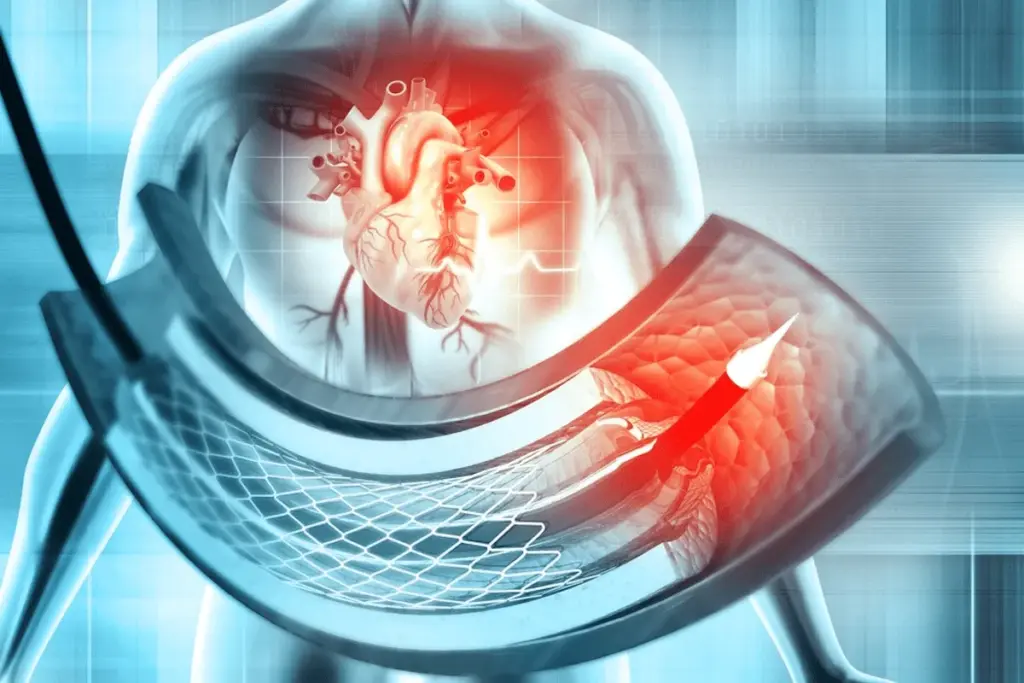
Oral health is key to the success of cardiac procedures. It’s a critical part of getting ready for surgery. A patient’s mouth health can impact their heart health, which is important during surgery.
The mouth is a place where bacteria can grow. Some of these bacteria can be harmful if they get into the bloodstream. During heart surgery, these bacteria can cause serious infections. One of these infections is infective endocarditis, where the heart’s inner lining gets infected.
Understanding the Oral-Cardiac Link
The link between oral and cardiac health is well-known. Studies show that poor oral health can raise the risk of heart disease. This is because infections and inflammation from the mouth can spread to other parts of the body.
How Bacteria Travel from Mouth to Heart
Bacteria from the mouth can get into the bloodstream in different ways. This can happen during dental procedures or even when brushing teeth. Once in the bloodstream, these bacteria can reach the heart and cause infections. People with heart problems or those having heart surgery are at higher risk.
|
Risk Factor |
Description |
Impact on Cardiac Health |
|---|---|---|
|
Dental Infections |
Bacterial infections in the mouth |
Increased risk of infective endocarditis |
|
Poor Oral Hygiene |
Inadequate dental care leading to bacterial accumulation |
Higher risk of cardiovascular disease |
|
Gum Disease |
Inflammation and infection of the gums |
Increased inflammation in the body, potentially affecting heart health |
Medical Rationale for Pre-Cardiac Surgery Dental Extractions

Dental extractions before heart surgery are key to lower the risk of infective endocarditis. This is a serious condition where bacteria infect the heart’s inner lining or valves.
Research shows a strong link between oral health and heart health. Bacteria from the mouth can get into the bloodstream during dental work. This can lead to infections in patients with heart conditions or prosthetic heart devices.
Preventing Infective Endocarditis
Infective endocarditis is a big worry for patients having heart surgery. It’s a big risk for those with prosthetic heart valves or other implanted devices. Dental extractions before surgery can greatly lower this risk.
The American Heart Association says patients with certain heart conditions should get dental clearance. This includes extractions if needed, to prevent infective endocarditis.
Reducing Bacterial Load in the Bloodstream
Dental extractions also cut down on bacteria in the blood. This is very important for patients about to have heart surgery. Lowering the bacterial load in the blood reduces the chance of infections after surgery, making patient safety better.
Studies have found that patients who get dental clearance before surgery have fewer complications.
Identifying Problematic Teeth That Require Removal
Before heart surgery, it’s key to find and fix any bad teeth. Dental experts are very important here. They check the teeth and gums to see if there are any problems.
They look closely for signs of infections or long-term dental issues. Active infections, like abscesses or bad gum disease, can release harmful bacteria. This bacteria can get into the blood and cause problems during or after surgery.
Active Dental Infections
Active dental infections are a big worry for heart surgery patients. These can come from things like cavities, gum disease, or broken teeth. If not treated, these infections can spread bacteria to other parts of the body.
Chronic Dental Issues That Pose Risks
Long-term dental problems, like gum disease or teeth with deep decay, are also risky. These might not show symptoms right away. But they can hide bacteria that could cause infections during surgery.
|
Dental Condition |
Risk Level |
Recommended Action |
|---|---|---|
|
Active Infection |
High |
Extraction or antibiotic treatment |
|
Chronic Periodontal Disease |
Moderate to High |
Deep cleaning or extraction |
|
Deep Decay |
Moderate |
Restoration or extraction |
Dental experts can greatly lower the risk of surgery problems by fixing bad teeth. This makes surgery safer and more likely to succeed for patients.
The Necessity of Pulling Teeth Before Heart Surgery
Dental extraction before heart surgery is now a common step to keep patients safe. It aims to stop infective endocarditis. This is when bacteria from the mouth get into the bloodstream and harm the heart valves.
When Extraction is Mandatory vs. Optional
Deciding to pull teeth before surgery depends on several things. These include active dental infections or long-term dental problems that could risk the heart surgery. Mandatory extractions are needed for those with severe infections or abscesses that could spread to the blood.
|
Condition |
Extraction Necessity |
Rationale |
|---|---|---|
|
Active Dental Infection |
Mandatory |
High risk of bacterial spread |
|
Chronic Dental Issues |
Optional/Case-by-Case |
Risk assessment based on patient’s overall health |
|
No Dental Issues |
Not Necessary |
Low risk of complications |
Consequences of Skipping Necessary Extractions
Not pulling out bad teeth before surgery can cause big problems. This includes infective endocarditis. It can lead to serious illness and even death, showing how important dental checks are before surgery. Studies have found that patients who get their teeth pulled before surgery are less likely to get infections after.
Statistical Evidence on Pre-Cardiac Surgery Dental Procedures
Pre-cardiac surgery dental procedures are key to better outcomes. Studies show that dental care before surgery leads to fewer complications. Patients who get dental work done before surgery tend to do better than those who don’t.
5-8% Adverse Outcome Rates
Between 5-8% of patients with dental care before surgery face serious issues. These can be anything from minor problems to life-threatening conditions. Dental extractions help by reducing oral infections and lowering blood bacteria.
Looking at patient data, we see fewer problems for those who get dental care before surgery. This shows how vital dental care is for cardiac surgery patients.
Mortality Statistics: 0.94% vs. 0.77%
Mortality rates also highlight the value of dental care before surgery. Patients who get dental work before surgery have a 0.77% mortality rate. This is lower than the 0.94% rate for those without dental care. This small difference means a lot of lives saved each year.
|
Patient Group |
Mortality Rate |
|---|---|
|
Patients with pre-cardiac surgery dental extractions |
0.77% |
|
Patients without pre-cardiac surgery dental extractions |
0.94% |
The evidence for dental care before surgery is strong. It helps lower complication rates and death rates. This makes cardiac surgery safer and more successful for patients.
Risk Assessment: Weighing Benefits Against Possible Complications
Before cardiac surgery, a detailed risk assessment is done. It looks at the good things about dental extractions and the possible bad things. This important step helps decide the best choice for patients.
Patient-Specific Risk Factors
Each patient’s risk is different. This depends on their health history, any current dental problems, and the type of heart surgery they will have. Current medical guidelines say some patients, like those with past infections or needing valve replacements, are at higher risk. They might need more careful dental care.
Decision-Making Framework for Surgeons
Surgeons use a special plan to figure out if dental extractions are needed. This plan uses different tools to help make decisions. As the
“American Heart Association stresses the need for a team effort in caring for patients having heart surgery.”
This plan helps surgeons weigh the good of dental extractions against the possible risks. It makes sure patients get the best care possible.
Types of Heart Surgeries That Most Commonly Require Dental Clearance
Before certain heart surgeries, patients need dental clearance. This step is key to lower the chance of infections after surgery. It’s most important for surgeries with prosthetic devices or implants.
Valve Replacement Procedures
Valve replacement surgeries often need dental clearance. Prosthetic heart valves can get infected easily. Any infection in the body can cause infective endocarditis. So, it’s important to have clean teeth before surgery.
- Pre-procedure dental examination helps identify sources of infection.
- Removing bad teeth lowers the risk of bacterial endocarditis.
- Keeping teeth clean is key for patients with prosthetic heart valves.
Other Cardiac Surgeries With Elevated Infection Risk
Other heart surgeries with implants or prosthetic material also have a higher infection risk. These include:
- Coronary artery bypass grafting (CABG) for patients with certain risk factors.
- Surgery for congenital heart defects, mainly in kids.
- Heart transplant patients, who need to stay on immunosuppression forever.
In summary, dental clearance is a must before some heart surgeries. This is true for surgeries with prosthetic devices or implants. Good oral health helps lower the risk of infections after surgery.
The Complete Dental Check Before Heart Surgery
The dental check before heart surgery is detailed. It includes many steps to keep patients safe and ensure the best results.
Oral Assessment Protocols
Checking the mouth before heart surgery is key. It looks at the teeth, gums, and other mouth parts for infections or diseases.
A full mouth check might include:
- Looking closely at the mouth
- Checking the gum pockets
- Looking at dental plaque and calculus
- Checking how well the patient brushes and flosses
Imaging and Testing Needs
Imaging and tests are also important in the dental check. They might include:
- X-rays to see the teeth and gums
- Tests to find harmful bacteria
These tools help dentists find risks and plan the best treatment. This ensures the mouth is ready for heart surgery.
Dental experts use detailed checks and tests to evaluate the mouth. This helps reduce risks during and after heart surgery.
Timeline: When Should Teeth Be Extracted Before Cardiac Procedures
Getting teeth extracted before heart surgery is key. “The timing of dental interventions in relation to cardiac surgery is a complex issue that requires careful consideration,” studies say.
Studies show that when to get teeth pulled matters a lot. Knowing the best time and how long it takes to heal is vital. This helps avoid problems.
Optimal Timing for Dental Work
Dentists say to get teeth pulled before heart surgery. This lets the mouth heal properly. The time needed varies, based on how hard the pull is and the patient’s health.
Key considerations for optimal timing include:
- The severity of the dental issue
- The patient’s healing rate
- The type of cardiac procedure scheduled
Healing Period Requirements
Enough time to heal is important after pulling teeth. This reduces infection risks before heart surgery. Usually, 7-14 days is recommended, but it depends on the patient.
A leading cardiologist stresses the importance of planning with dentists. “Coordinating with dental professionals to ensure adequate healing time is a critical aspect of preoperative care for cardiac surgery patients.”
Post-Extraction Care Before Undergoing Heart Surgery
Proper care after tooth extraction is key for patients waiting for heart surgery. It affects their health and how well they do in surgery. Keeping the extraction site clean and maintaining good oral health are essential for safety.
Wound Healing Considerations
The healing after tooth extraction is a critical time. Dental professionals stress the need for proper wound healing to avoid infections. This ensures the patient is ready for heart surgery.
Patients should eat soft foods, avoid hard work, and brush well to heal faster. Regular dental check-ups are also important. They help track healing and solve any problems quickly.
Managing Oral Health During the Interim Period
Keeping the mouth clean between tooth extraction and heart surgery is vital. Patients should brush gently and rinse with salt water to prevent infections. They should also tell their dentist about their heart surgery plans.
It’s important to watch for signs of trouble like more pain, swelling, or bleeding. If these happen, get help right away. Good oral care and following instructions can help avoid complications and ensure a good surgery outcome.
Special Considerations for Patients with Artificial Heart Valves
Artificial heart valves bring unique risks that need careful handling. Proper dental care and surgical planning are key. This is to avoid infective endocarditis, a serious heart condition.
Lifetime Dental Care Requirements
People with artificial heart valves must follow strict dental care rules. They need regular dental visits, good oral hygiene, and quick action for dental problems. This helps avoid bacterial infections that could harm the heart.
A study in the Journal of the American Dental Association shows dental care’s role. It stresses the importance of dental professionals teaching patients about their dental needs for life.
“The prevention of infective endocarditis relies heavily on the collaboration between cardiologists and dental professionals to ensure that patients with artificial heart valves receive appropriate care.”
Journal of the American Dental Association
Antibiotic Prophylaxis Guidelines
Antibiotic use is vital for patients with artificial heart valves going to the dentist. The American Heart Association (AHA) has guidelines. They suggest antibiotics before certain dental work to stop infective endocarditis.
|
Dental Procedure |
Antibiotic Prophylaxis Recommendation |
|---|---|
|
Dental extractions |
Recommended |
|
Periodontal procedures |
Recommended |
|
Routine fillings |
Not recommended |
The AHA’s guidelines are up-to-date and aim to lower infective endocarditis risk. They also consider the downsides of antibiotics.
Alternative Approaches to Managing Dental Issues Pre-Surgery
Doctors are looking into new ways to take care of teeth before heart surgery. It’s important to manage dental problems well to keep patients safe and surgery successful.
Non-Extraction Treatments
Non-extraction treatments are a good option for dental care before surgery. They fix dental issues without pulling teeth, which lowers the chance of infection and other problems.
Some common non-extraction treatments include:
- Root canal therapy to save infected teeth
- Periodontal treatment to manage gum disease
- Restorative dentistry to repair damaged teeth
Prophylactic Antibiotic Protocols
Prophylactic antibiotic protocols are also key for dental care before surgery. They involve giving antibiotics to prevent infection in patients having heart surgery.
|
Protocol |
Description |
Benefits |
|---|---|---|
|
Standard Antibiotic Prophylaxis |
Administering antibiotics according to established guidelines |
Reduces risk of surgical site infections |
|
Extended Antibiotic Coverage |
Providing broader spectrum antibiotic coverage |
Effective against a wider range of pathogens |
By using these alternative methods, doctors can lower risks and help patients have better outcomes from heart surgery.
Hospital Standards and Protocols for Pre-Cardiac Surgery Dental Care
Hospitals focus on pre-cardiac surgery dental care to lower risks. They make sure patients are safe by following strict rules and guidelines. This is key for pre-cardiac surgery dental care.
Working together is vital. Multidisciplinary collaboration models help doctors, dentists, and others talk and plan better. They spot dental problems that could be risky during surgery.
Multidisciplinary Collaboration Models
Teamwork is essential in dental care before heart surgery. This means:
- Checking teeth before surgery to fix any problems.
- Working together to plan the best treatment.
- Telling patients why their teeth matter for surgery.
Quality Assurance Measures
Quality assurance measures help hospitals follow their rules. These steps include:
- Checking dental care before surgery often.
- Teaching doctors and dentists about new guidelines.
- Listening to patients to make care better.
By doing these things, hospitals can lower surgery risks. They focus on patient safety to make sure care is top-notch.
Controversies and Evolving Practices in Pre-Cardiac Surgery Dental Care
New research is changing how we think about dental care before heart surgery. The old ways of preparing teeth for surgery are being looked at again. This is because of new studies and shifts in how doctors work.
Dental Extraction: A Necessary Precaution or an Outdated Practice?
The idea of pulling teeth before heart surgery used to be standard. But, new studies are making doctors question this. Some think the dangers of pulling teeth might not be worth it for everyone.
- People at low risk for heart infections might not need their teeth pulled.
- Doctors are looking into using antibiotics instead of pulling teeth.
- They’re also thinking twice about pulling teeth for long-term dental problems.
Emerging Research and Changing Perspectives
New studies are uncovering the link between oral health and heart surgery results. They’re looking into how gentle dental care can affect patient outcomes. This research is leading to more tailored care for each patient.
The changing world of dental care before heart surgery shows a bigger trend. As we learn more about how our mouths and hearts are connected, doctors will keep adjusting their methods.
Conclusion: Balancing Dental Health and Cardiac Care Safety
It’s key to balance dental health and cardiac care to keep patients safe. Pre-cardiac surgery dental care needs a team effort. Quality checks are also important to lower risks.
Studies show that mixing dental health with cardiac care is vital. This mix helps keep patients safe and cuts down on risks.
Cardiologists, surgeons, and dentists must work together. They need to spot risks and find ways to lessen them. This teamwork is essential for safe cardiac surgeries.
By focusing on dental care before surgery, doctors can greatly reduce complications. This makes surgeries safer and more successful.
Quality checks, like detailed oral exams and scans, are critical. They help ensure patients get the best care. Adding dental health to cardiac care plans improves patient results and care quality.
FAQ
Why is it necessary to remove teeth before heart surgery?
Removing teeth before heart surgery is key to avoid infective endocarditis. It also lowers the risk of bacteria in the blood. This can cause serious problems during heart surgery.
What is the connection between oral health and cardiac procedures?
Oral health is linked to heart procedures because bacteria from the mouth can reach the heart. This can lead to infective endocarditis, a serious heart infection.
How do dental infections affect heart surgery?
Dental infections can raise the risk of infective endocarditis and other heart problems. It’s vital to fix dental issues before heart surgery.
What types of heart surgeries require dental clearance?
Valve replacement surgeries and other high-risk cardiac surgeries need dental clearance. This is to lower the risk of complications.
How are problematic teeth identified for removal?
Problematic teeth are found through a detailed dental check-up. This includes oral exams, imaging, and tests to spot infections and chronic issues.
What is the optimal timing for dental extractions before cardiac procedures?
Dental extractions should happen a few weeks before heart surgery. This allows time for healing and reduces the risk of complications.
What are the risks associated with skipping necessary dental extractions?
Skipping dental extractions can increase the risk of infective endocarditis and heart problems. It can even lead to death. So, it’s important to address dental issues before heart surgery.
What is the role of antibiotic prophylaxis in patients with artificial heart valves?
Antibiotic prophylaxis is critical for patients with artificial heart valves. It prevents infective endocarditis. Following guidelines is essential for proper management.
Are there alternative approaches to managing dental issues pre-surgery?
Yes, there are alternatives like non-extraction treatments and prophylactic antibiotics. These can be considered on a case-by-case basis to reduce risks.
What are the hospital standards and protocols for pre-cardiac surgery dental care?
Hospitals have standards and protocols for dental care before heart surgery. These involve teamwork and quality checks to ensure patient safety and minimize risks.
Can a tooth infection affect my eligibility for surgery?
A tooth infection might affect your surgery eligibility. It can increase complication risks. Your dentist and surgeon will decide the best course of action.
What is the death rate associated with tooth extraction?
The death rate from tooth extraction is low but not zero. Certain health conditions can raise the risk of complications.
Do I need to inform my dentist about my pacemaker before a dental procedure?
Yes, telling your dentist about your pacemaker is essential before dental procedures. This ensures safe treatment.
What is the risk of death from infected tooth extraction?
The risk of death from infected tooth extraction is serious. Quick treatment is needed to lower this risk, mainly for severe or spreading infections.
How long does it take to recover from a tooth extraction?
Recovery time from a tooth extraction varies. It usually takes a few days to a week for the wound to heal. Your dentist will guide you on post-extraction care.
References
- Dental assessment and oral care of patients with cardiovascular diseases
- Source: National Center for Biotechnology Information (NCBI) and PubMed Central (PMC)
- URL: https://pmc.ncbi.nlm.nih.gov/articles/PMC10879629/
- Why Tooth Extraction Before Heart Surgery May Lead to Serious Consequences
- Source: BIOLASE
- URL: https://www.biolase.com/blog/tooth-extraction-heart-surgery-may-lead-serious-consequences/
- Heart disease patients with periodontal disease face increased risk of complications after surgery
- Source: ScienceDaily
- URL: https://www.sciencedaily.com/releases/2014/03/140327172032.htm
- Source: https://academic.oup.com/eurheartj/article/31/22/2761/582824
- Source: https://www.ahajournals.org/doi/10.1161/CIRCULATIONAHA.115.016068
National Center for Biotechnology Information. Evidence-Based Medical Insight. Retrieved from https://pmc.ncbi.nlm.nih.gov/articles/PMC10879629/