
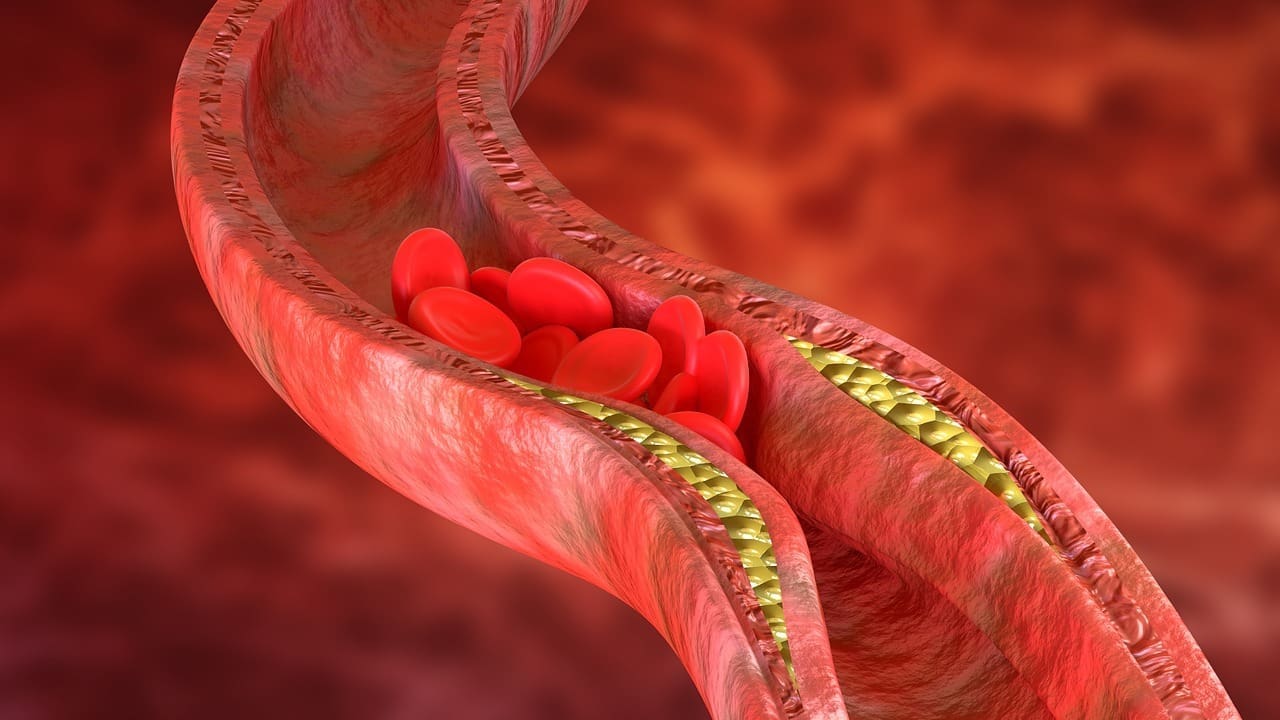
At Liv Hospital, we specialize in providing care for patients with heart and lung issues. Knowing about the pulmonary artery system is key to treating these problems well. The pulmonary arteries carry blood from the heart to the lungs.
We understand how important the pulmonary artery’s anatomy and function are for health. The unique thing about the pulmonary arteries is they carry blood that’s not full of oxygen. This makes them different from other arteries.
Key Takeaways
- The pulmonary artery system is essential for transporting deoxygenated blood from the heart to the lungs.
- Understanding pulmonary artery anatomy is key for diagnosing heart conditions.
- The pulmonary arteries are vital in the circulatory system.
- Liv Hospital offers full care for heart and lung patients.
- The pulmonary artery’s function is special because it carries blood low in oxygen.
The Unique Blood Carried by the Pulmonary Arteries
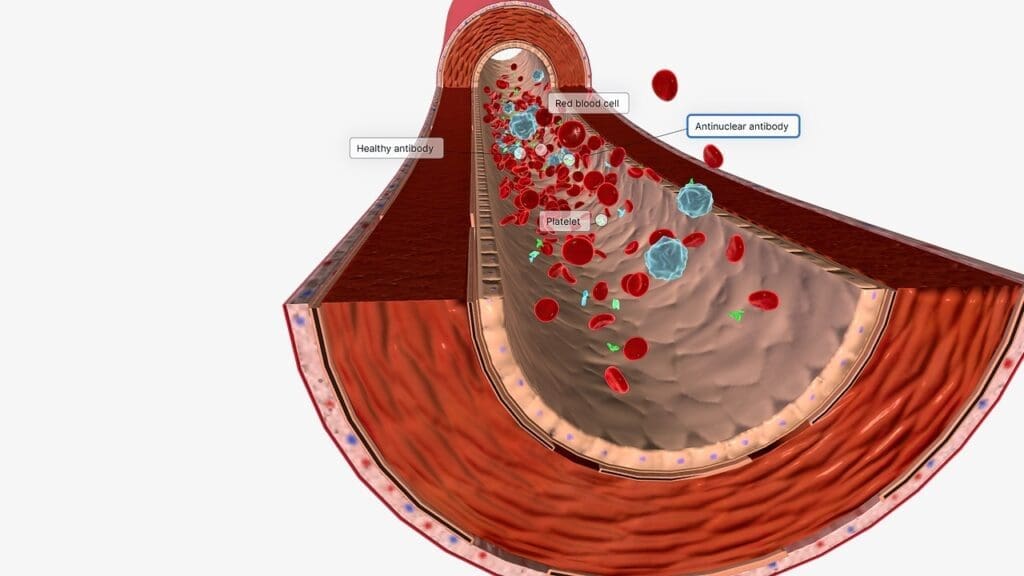
The pulmonary arteries are different from other arteries. They carry deoxygenated blood to the lungs for oxygen. This makes them stand out in the body.
Deoxygenated Blood: An Exception in Arterial Circulation
The pulmonary arteries take deoxygenated blood from the heart’s right ventricle to the lungs. This is unlike other arteries, which carry oxygen-rich blood to the body.
The Journey from Right Ventricle to Lungs
The journey starts at the right ventricle. Deoxygenated blood is pumped through the pulmonary valve into the main pulmonary artery. This artery then splits into the right and left pulmonary arteries, leading to each lung.
Oxygen and Carbon Dioxide Exchange Process
In the lungs, the blood gets oxygen and releases carbon dioxide. This happens in the alveoli, tiny air sacs at the end of bronchioles.
| Blood Component | Right Ventricle | Lungs |
|---|---|---|
| Oxygen Level | Low | High |
| Carbon Dioxide Level | High | Low |
The pulmonary arteries are key in the circulatory system. They make sure deoxygenated blood gets to the lungs for oxygen. The right pulmonary arteries send blood to the right lung, branching into lobar arteries for each lung lobe.
Pulmonary Trunk: The Gateway to Lung Circulation
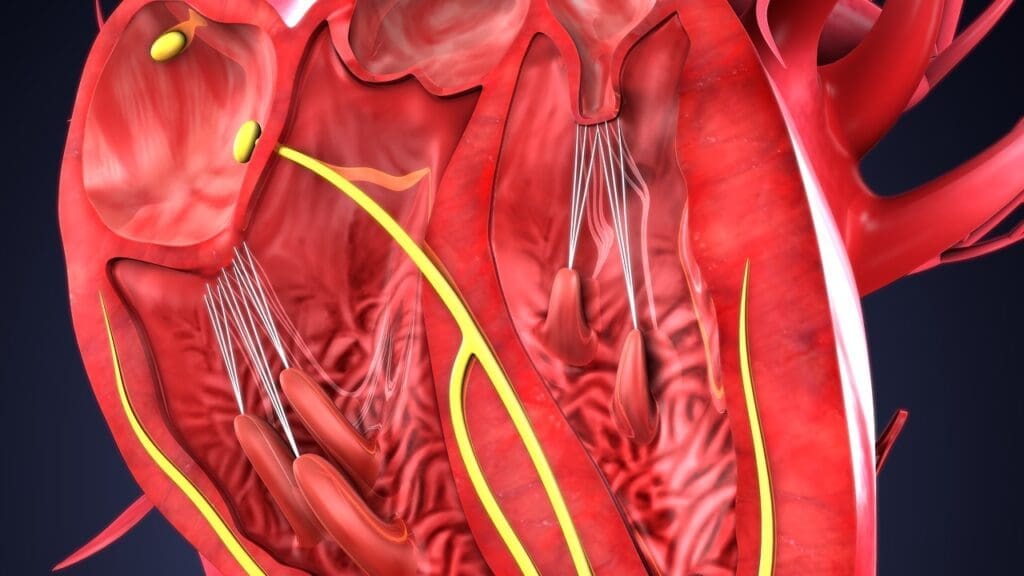
The pulmonary trunk starts in the right ventricle. It splits into the right and left pulmonary arteries. This artery is key for sending blood to the lungs to get oxygen.
Dimensions and Anatomical Position
The pulmonary trunk has specific sizes and a certain spot in the chest. It’s about 5 cm long and 2-3 cm wide.
Standard Size: 5 cm Length and 2-3 cm Diameter
The size of the pulmonary trunk is very important. It’s 5 cm long and 2-3 cm wide. This size helps blood flow well to the lungs.
| Dimension | Measurement |
|---|---|
| Length | 5 cm |
| Diameter | 2-3 cm |
Relationship to Cardiac Structures
The pulmonary trunk comes from the right ventricle, one of the heart’s four chambers. It’s near other heart parts, like the aorta and the ventricular septum.
Knowing the pulmonary trunk’s size and its heart connections is key. It helps doctors diagnose and treat lung artery problems.
Right Pulmonary Arteries Function: Perfusing the Right Lung
The right pulmonary artery is key in bringing deoxygenated blood to the right lung. We’ll look into how it branches, how it distributes blood, and how it changes with different body shapes.
Branching Pattern to Three Lobes
The right pulmonary artery splits into lobar arteries for the right lung’s three lobes. This split is important for each lobe to get enough blood for breathing.
Here’s a closer look at the branching pattern:
| Lobe | Lobar Artery | Segmental Branches |
|---|---|---|
| Upper Lobe | Upper Lobar Artery | Apical, Posterior, Anterior |
| Middle Lobe | Middle Lobar Artery | Medial, Lateral |
| Lower Lobe | Lower Lobar Artery | Superior, Medial Basal, Anterior Basal, Lateral Basal, Posterior Basal |
Blood Distribution Efficiency
The right pulmonary artery’s job is to efficiently send blood to the right lung’s lobes. It divides into smaller branches to reach every part of the lung.
Adaptation to Anatomical Variations
The right pulmonary artery changes its pattern to fit different body shapes. This flexibility makes sure the lung gets enough blood, no matter the body’s size or shape.
Knowing how the right pulmonary artery works is key for diagnosing and treating lung problems.
Left Pulmonary Artery: Anatomical Distinctions and Role
We look at the left pulmonary artery’s special features and its role in the body. It’s a key part of the pulmonary trunk, sending blood to the left lung.
Path Around the Left Bronchus
The left pulmonary artery is unique because it goes around the left bronchus. This path is important. It helps the artery send blood well to the left lung’s lobes.
Distribution to Upper and Lower Lobes
The left pulmonary artery splits into lobar arteries. These arteries feed the upper and lower lobes of the left lung. This is key for both lobes to get enough blood for breathing.
Relationship with Adjacent Structures
The left pulmonary artery’s connection with nearby structures is vital. It’s close to the left bronchus and lung tissue. Knowing this is important for diagnosing and treating left lung issues.
| Characteristics | Description |
|---|---|
| Path | Passes around the left bronchus |
| Distribution | Supplies upper and lower lobes of the left lung |
| Relationship | Closely related to the left bronchus and lung parenchyma |
Branches of Pulmonary Artery: The Hierarchical Network
Understanding the pulmonary artery’s branches is key for lung health. The pulmonary artery splits into a complex network. This network is vital for blood to reach the lungs and exchange gases.
Lobar Arteries: Primary Divisions
The pulmonary arteries split into lobar arteries. These arteries are the main ones that supply blood to each lung lobe. The right lung has three lobes, and the left has two, each getting its own lobar artery.
These arteries are important for getting deoxygenated blood to the lungs. This is where gas exchange happens.
Segmental and Subsegmental Branches
The lobar arteries then split into segmental branches. These branches supply specific parts of the lung lobes. They then split into subsegmental branches.
This detailed network ensures blood is distributed well across the lungs.
Terminal Arterioles and Capillary Beds
The subsegmental branches lead to terminal arterioles. These arterioles connect to capillary beds. It’s in these capillary beds that gas exchange happens.
Oxygen is absorbed into the blood, and carbon dioxide is removed here.
The pulmonary artery’s network is vital for lung function. Knowing this network well is important for diagnosing lung issues like pulmonary hypertension.
- Lobar arteries supplying each lung lobe
- Segmental branches dividing into subsegmental branches
- Terminal arterioles connecting to capillary beds for gas exchange
Pulmonary Artery Size: Measurement and Clinical Importance
The size of the pulmonary artery is very important for diagnosing pulmonary hypertension. It’s key to understand various heart conditions. Accurate pulmonary artery dimensions help a lot.
Normal Dimensions Across Demographics
Pulmonary artery size changes with age, sex, and body size. Normal dimensions are found through echocardiography or CT scans. Usually, the diameter is about 2.5 to 3.5 cm at the root.
Diagnostic Significance of Size Variations
Changes in pulmonary artery size can point to health problems. For example, a bigger artery might mean pulmonary hypertension or heart issues. A study found that the artery’s diameter is a good sign of pulmonary hypertension.
“The diameter of the pulmonary artery is a useful indicator of pulmonary hypertension.”
Assessment Techniques in Clinical Practice
There are several ways to check pulmonary artery size:
- Echocardiography
- Computed Tomography (CT) scans
- Magnetic Resonance Imaging (MRI)
These methods give precise pulmonary artery dimensions. They help doctors diagnose and treat pulmonary hypertension.
Pulmonary Arteriole Function: Microscopic Powerhouses
Pulmonary arterioles are tiny vessels in the lungs. They control blood flow to the alveoli for gas exchange. These vessels are key for oxygenating the blood and keeping the respiratory system healthy.
Structural Adaptations for Gas Exchange
Pulmonary arterioles are made to help with gas exchange. Their thin walls let oxygen and carbon dioxide move easily between the blood and alveoli. They are also very muscular, which lets them change size in response to signals.
Their structure includes:
- Thin walls for efficient gas diffusion
- High muscularity for regulating blood flow
- Ability to respond to local and systemic signals
Regulatory Mechanisms of Blood Flow
Pulmonary arterioles control blood flow to the lungs. They can get smaller or bigger based on signals. This ensures blood goes to well-ventilated parts of the lungs.
Response to Hypoxic Conditions
When oxygen levels are low, pulmonary arterioles get smaller. This is called hypoxic pulmonary vasoconstriction (HPV). It helps move blood to areas that are better ventilated, improving gas exchange.
Key aspects of HPV include:
- Constriction of pulmonary arterioles in response to low oxygen levels
- Redirection of blood to better-ventilated areas of the lungs
- Optimization of gas exchange efficiency
Visualizing the Pulmonary Artery System: Diagrams and Imaging
To understand the pulmonary artery system, we use detailed diagrams and advanced imaging. These tools help us see the complex network. They are key for learning and making diagnoses.
Pulmonary Artery Labeled Diagrams for Education
Labeled diagrams of the pulmonary artery system are great for learning. They show the anatomy clearly. This helps students and doctors understand its role in the heart.
Clinical Imaging Modalities
In clinics, we use CT scans, MRI, and pulmonary angiography to see the pulmonary artery system. Each method gives us different insights into its structure and function.
3D Reconstruction Techniques
Advanced imaging lets us create 3D reconstructions of the pulmonary artery system. This gives us a detailed look at its anatomy. It helps us plan surgeries better.
Pulmonary Angiography Applications
Pulmonary angiography is key for diagnosing pulmonary artery issues. It uses contrast material to show the arteries. This method is great for spotting pulmonary embolism and other problems.
| Imaging Modality | Primary Use | Advantages |
|---|---|---|
| CT Scan | Detailed cross-sectional imaging | High resolution, quick acquisition |
| MRI | Soft tissue characterization | No radiation, excellent soft tissue contrast |
| Pulmonary Angiography | Direct visualization of pulmonary arteries | High sensitivity for vascular abnormalities |
By using these imaging methods and diagrams, we get a full picture of the pulmonary artery system. This knowledge is vital for teaching and medical practice. It helps us give better care to patients.
Pathological Conditions Affecting Pulmonary Artery Dimensions
It’s key to know the diseases that change the size of the pulmonary arteries. This helps in diagnosing and treating heart diseases. Checking the size of the pulmonary arteries is vital. It helps spot issues like high blood pressure in the pulmonary arteries.
Pulmonary Hypertension: Causes and Effects
Pulmonary hypertension is a complex issue. It can be caused by genetics, chronic blood clots, or certain drugs. We’ll look at how to diagnose it. This includes checking if the blood pressure in the pulmonary arteries is too high.
Congenital Anomalies of the Pulmonary Vasculature
Certain birth defects, like stenosis or atresia, can alter the pulmonary arteries. These need to be caught early to avoid heart problems later on.
Acquired Diseases Impacting Pulmonary Circulation
Diseases like COPD and left heart failure can also change the pulmonary arteries. We’ll see how these diseases affect the arteries and what imaging shows.
Diagnostic Criteria and Imaging Findings
Imaging is vital for checking the pulmonary arteries. Tools like echocardiography, CT angiography, and MRI help. For example, CT angiography can show detailed images. It helps spot issues like pulmonary embolism or dilation.
Understanding these diseases helps us diagnose better. It also helps us find effective treatments for heart diseases.
Conclusion: The Vital Importance of the Pulmonary Artery System
The pulmonary artery system is key to our body’s circulation. It carries blood from the heart to the lungs for oxygen. We’ve looked at its anatomy, function, and why it’s so important for our health.
The pulmonary arteries are vital for exchanging gases and controlling blood pressure. They have thin walls and can stretch, making them efficient. For more details, check out AME Group’s article on the pulmonary artery system.
Knowing how important the pulmonary artery system is helps us understand our circulatory system better. It shows us why we need to take care of it. By doing so, we can tackle health problems and improve our overall well-being.
What is the primary function of the pulmonary artery system?
The main job of the pulmonary artery system is to move deoxygenated blood to the lungs. There, it picks up oxygen.
What type of blood do pulmonary arteries carry?
Pulmonary arteries carry blood that’s low in oxygen. This is different from most arteries, which carry oxygen-rich blood.
How does the pulmonary trunk relate to cardiac structures?
The pulmonary trunk starts in the right ventricle. It’s connected to other heart parts, playing a key role in blood flow.
What is the branching pattern of the right pulmonary arteries?
The right pulmonary arteries split into three lobar arteries. These supply the right lung’s three lobes.
What is the significance of measuring pulmonary artery size?
Measuring the size of pulmonary arteries is key for diagnosing and tracking diseases like pulmonary hypertension. Sizes vary by age and gender.
How do pulmonary arterioles adapt for gas exchange?
Pulmonary arterioles have thin walls and special mechanisms. These help with gas exchange, making it easier for blood to pick up oxygen.
What are the different methods used to visualize the pulmonary artery system?
To see the pulmonary artery system, doctors use labeled diagrams and imaging like CT and MRI. They also use 3D reconstructions and pulmonary angiography.
What pathological conditions affect pulmonary artery dimensions?
Diseases like pulmonary hypertension and congenital heart defects can change pulmonary artery sizes. This affects blood flow.
What is the role of lobar arteries in the pulmonary artery system?
Lobar arteries are key parts of the pulmonary arteries. They send blood to the lung’s lobes, essential for the system’s structure.
How does the left pulmonary artery distribute blood to the left lung?
The left pulmonary artery sends blood to the left lung’s upper and lower lobes. It follows a path around the left bronchus.
References
- NCBI Bookshelf (Anatomy, Pulmonary Veins) : https://www.ncbi.nlm.nih.gov/books/NBK534812
- Kenhub (Pulmonary Arteries and Veins) : https://www.kenhub.com/en/library/anatomy/pulmonary-arteries-and-veins
- University of Minnesota Virtual Heart Lab (Pulmonary Artery) : https://www.vhlab.umn.edu/atlas/pulmonary-artery/index.shtml
- Study.com (Pulmonary Artery) : https://study.com/learn/lesson/pulmonary-artery.html
- Wikipedia (Pulmonary artery) : https://en.wikipedia.org/wiki/pulmonary-artery



 Departments
 Related Videos
 Our Doctors
 News
News