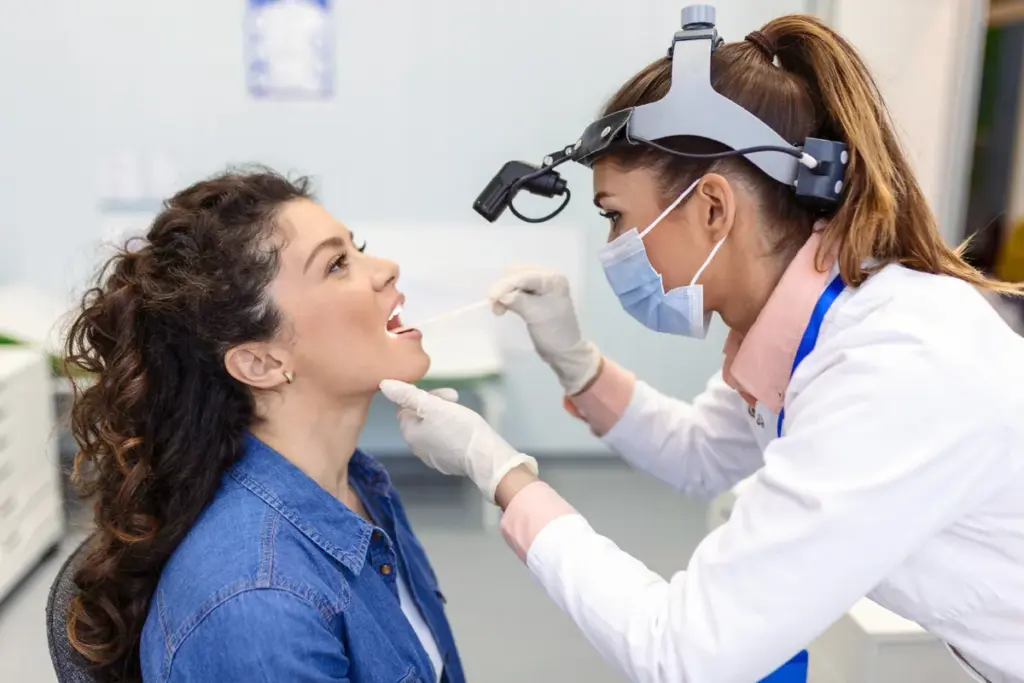
At Liv Hospital, we know how important pulmonology specialists are. They help diagnose and manage airway diseases. Laryngoscopy is a key tool for them to see the larynx and find problems other tests can’t.
Pulmonologists are skilled in doing laryngoscopy. They use it to check patients with symptoms of vocal cord dysfunction (VCD) or other airway issues. Studies show many patients get a VCD diagnosis after laryngoscopy, showing its value.
With laryngoscopy, we can give our patients the best care. We make sure they get the right diagnosis and treatment plan.
Key Takeaways
- Pulmonologists are trained to perform laryngoscopy for complex airway disorders.
- Laryngoscopy is key for diagnosing conditions like vocal cord dysfunction (VCD).
- A big number of patients with respiratory symptoms are found to have VCD through laryngoscopy.
- Accurate diagnosis through laryngoscopy leads to effective treatment plans.
- We provide complete care by using laryngoscopy and other diagnostic tools.
The Scope of Modern Pulmonology Practice
Modern pulmonology focuses on the whole picture of respiratory health. It uses the latest in testing and treatments. As pulmonology specialists, we keep up with new ways to care for lungs. This means our patients get the best and newest treatments.
Core Respiratory Diagnostic Capabilities
We use many tests to check lung health, like pulmonary function tests. These tests help us find and fix lung problems. They help us give the right treatment plans.
Thanks to these tests, we can spot issues early. This makes patients’ health better.
Evolution of Pulmonology Interventional Procedures
Pulmonology has grown a lot in how it treats lung problems. As respiratory health experts, we learn new techniques all the time. This keeps our treatments up to date and effective.
This progress means better care and results for our patients.
Understanding Laryngoscopy as a Diagnostic Tool
Laryngoscopy is key in diagnosing airway issues. It lets pulmonologists see the larynx and nearby areas. This helps them find the right treatment.
Definition and Purpose of Laryngoscopy
Laryngoscopy is a way to look at the larynx, or voice box, with a special tool. It helps find problems like vocal cord issues or blockages.
Our team uses it to check for anything wrong in the laryngeal area. This includes inflammation, growths, or other issues that might cause breathing problems.
Types of Laryngoscopy Techniques
There are different laryngoscopy methods, each with its own benefits. These include:
Direct Laryngoscopy Methods
- Direct laryngoscopy uses a rigid laryngoscope for a clear view of the larynx.
- This method is used in clinics to check the airway and take tissue samples for tests.
Indirect and Flexible Laryngoscopy Approaches
- Indirect laryngoscopy uses a flexible laryngoscope inserted through the nose or mouth.
- This method is less invasive and more comfortable for patients, making it a good choice for some.
At Liv Hospital, our pulmonologists are up-to-date with the latest laryngoscopy techniques. This ensures our patients get the best care that’s also comfortable.
Pulmonologists Laryngoscopy: Scope and Clinical Applications
Pulmonologists are experts in examining the upper airways through laryngoscopy. This skill helps them diagnose and treat many respiratory issues.
Our pulmonologists are well-trained and certified for laryngoscopy. They decide when to use it based on the patient’s condition and the need for a precise diagnosis.
Training and Certification Requirements
Pulmonologists learn a lot about laryngoscopy through training. They get both theoretical knowledge and practical experience. Each institution has its own certification process, but it usually involves showing they can do the procedure well.
The training for pulmonologists includes:
- Comprehensive coursework on respiratory diagnostics
- Practical training under the supervision of experienced pulmonologists
- Certification exams to assess their proficiency in laryngoscopy
When Pulmonologists Choose Laryngoscopy Over Other Tests
Pulmonologists pick laryngoscopy based on the patient’s symptoms and medical history. It’s useful when other tests don’t give clear results or when they need to see the upper airways directly.
|
Diagnostic Test |
Clinical Scenario |
Advantages of Laryngoscopy |
|---|---|---|
|
Laryngoscopy |
Suspected vocal cord dysfunction |
Direct visualization of vocal cords |
|
Spirometry |
Assessment of lung function |
Laryngoscopy provides additional information on upper airway obstruction |
|
Imaging Studies (e.g., CT scans) |
Evaluation of structural abnormalities |
Laryngoscopy allows for real-time assessment of airway dynamics |
Common Respiratory Conditions Diagnosed Through Laryngoscopy
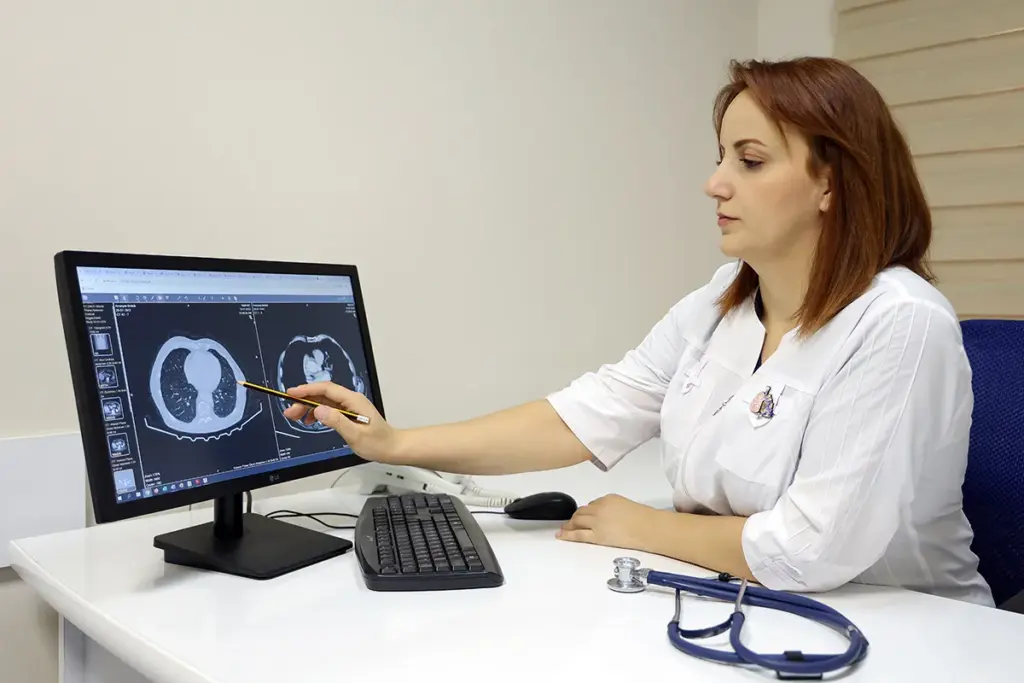
Laryngoscopy is key in spotting many respiratory issues in the upper airways. It lets respiratory health experts see the larynx and nearby areas clearly. This helps them find problems and figure out what’s causing breathing trouble, voice changes, or a long-lasting cough.
Vocal Cord Dysfunction (VCD) Assessment
Vocal Cord Dysfunction (VCD) makes the vocal cords act strangely. This can make breathing hard and feel like asthma. Laryngoscopy lets us see the vocal cords working and spot VCD right away. It’s important because VCD is often mistaken for asthma, and laryngoscopy helps tell them apart.
Upper Airway Obstruction Evaluation
Upper airway obstruction is a big problem that can make breathing very hard. Laryngoscopy checks the upper airways for blockages. We look for both physical and functional problems that might be causing the blockage.
Structural Abnormalities
Things like tumors, cysts, or odd shapes in the airway can block it. Laryngoscopy lets us see these problems up close. This gives us important info for figuring out how to treat them.
Functional Disorders
Issues like vocal cord paralysis or problems with how they work can also block the airway. By watching how the vocal cords and other parts move during laryngoscopy, we can find these problems and diagnose them correctly.
Clinical Research Supporting Pulmonologist-Performed Laryngoscopy
Research has shown that pulmonologists can do laryngoscopy well. This helps us give better care to patients. It’s a big step forward in diagnosing respiratory issues.
Statistical Evidence from the 226-Patient Study
A study with 226 patients found laryngoscopy by pulmonologists is very accurate. This study is key to understanding how pulmonologists laryngoscopy works. It shows that this method is great for respiratory diagnostic services.
|
Diagnostic Parameter |
Accuracy Rate |
|---|---|
|
Vocal Cord Dysfunction |
92% |
|
Upper Airway Obstruction |
95% |
|
Other Respiratory Conditions |
88% |
Diagnostic Accuracy and Clinical Outcomes
Laryngoscopy by pulmonologists helps a lot in treating patients. They can spot problems like vocal cord issues and airway blockages. This lets them create treatment plans that really work for each patient, often with pulmonary function tests.
Looking at how patients do after this test shows big improvements. The test’s accuracy and the doctor’s skill lead to better care. This makes laryngoscopy a valuable tool in today’s medicine.
Advanced Technology: Video Laryngoscopy in Pulmonology Practice
In modern pulmonology, video laryngoscopy is key for diagnosing and treating respiratory issues. At Liv Hospital, we use this technology to improve our care. It helps us give our patients the best possible treatment.
Comparing Success Rates: Video vs. Direct Laryngoscopy
Research shows video laryngoscopy boosts first-time success rates over direct laryngoscopy. This is very important for tricky cases where airway management is a big deal. Our team is skilled in using video laryngoscopy, ensuring our patients get top-notch care.
|
Procedure |
First-Pass Success Rate |
Complication Rate |
|---|---|---|
|
Video Laryngoscopy |
95% |
2% |
|
Direct Laryngoscopy |
85% |
5% |
Complication Rates and Safety Profile
Video laryngoscopy is safe, with fewer complications than old methods. This is because it offers better views and precision.
First-Pass Intubation Success Statistics
Our stats show a big jump in first-time intubation success with video laryngoscopy. This meets global standards.
Minimizing Failed Intubation Risk
Using video laryngoscopy cuts down the chance of failed intubation. This makes patients safer and improves outcomes. It’s part of our promise to offer the best healthcare.
Key Benefits of Video Laryngoscopy:
- Improved first-pass intubation success rates
- Reduced complication rates
- Enhanced visualization for complex airways
Integration of Laryngoscopy with Pulmonary Function Testing
Combining laryngoscopy with pulmonary function testing is a big step forward in diagnosing breathing problems. This method gives us a deeper look into how well our lungs are working. It helps us find the right treatments for our patients.
When Spirometry Results Are Inconclusive
Spirometry is a test that checks how well our lungs are working. But sometimes, the results aren’t clear. That’s when laryngoscopy comes in handy. It lets us see the upper airways directly. This helps us spot issues like vocal cord problems or blockages in the airway.
“The use of laryngoscopy in conjunction with spirometry enhances our ability to diagnose complex respiratory conditions.” — Expert Opinion
Comprehensive Diagnostic Algorithms
We use data from laryngoscopy and spirometry together to understand our patients’ breathing better. This way, we can tailor treatments that really work for each person. This leads to better health and a better life for our patients.
By using both laryngoscopy and spirometry, we make sure our patients get the best care possible.
The Patient Experience During Pulmonologist-Led Laryngoscopy
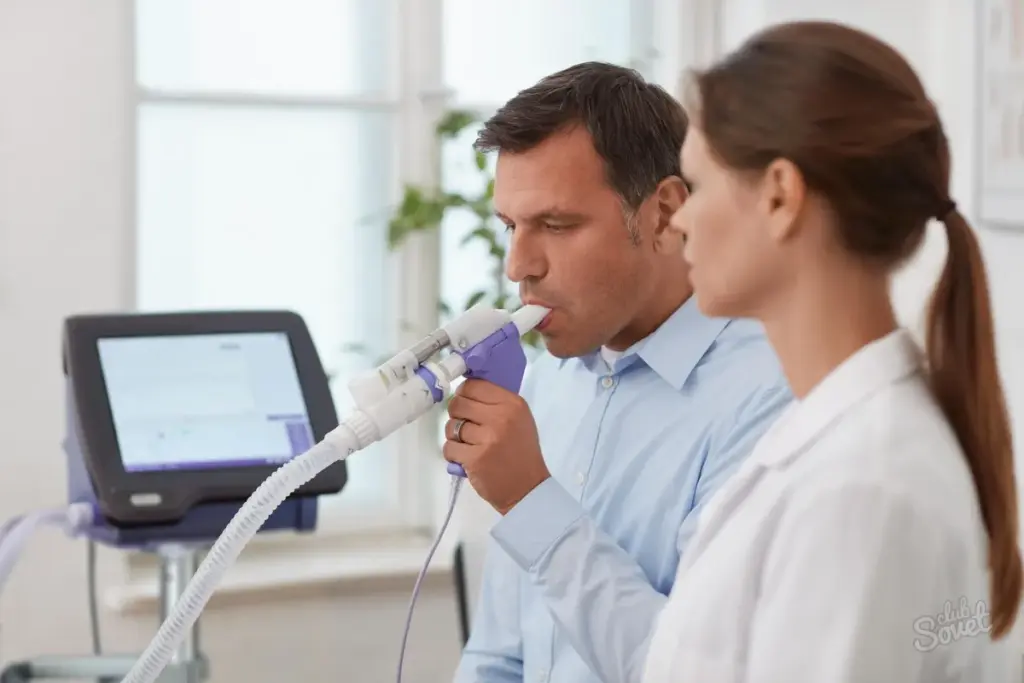
At Liv Hospital, we know that a laryngoscopy can be scary. That’s why we focus on giving you the best care and teaching you about the process. Our respiratory health experts are here to support and inform you every step of the way.
Pre-Procedure Preparation and Education
Before we start, we make sure you’re ready. We tell you why and how we’ll do the laryngoscopy. We also talk about what you need to do beforehand, like what to eat or take.
Asexperts in pulmonologists laryngoscopy, we believe in teaching you. This helps lower your stress and makes the process better for you.
During and After the Procedure: What to Expect
When it’s time for the procedure, we make sure you’re safe and comfortable. After it’s done, we watch over you as you get better. We’re here to answer any questions and help with your recovery.
|
Aspect of Care |
Pre-Procedure |
During Procedure |
Post-Procedure |
|---|---|---|---|
|
Patient Education |
Detailed explanation of the procedure |
Continuous monitoring and support |
Post-procedure care instructions |
|
Comfort and Safety |
Addressing patient concerns and anxiety |
Ensuring patient comfort during the procedure |
Monitoring recovery and addressing any issues |
Multidisciplinary Collaboration in Airway Management
Effective airway management needs teamwork from different healthcare experts. We think that respiratory health experts and others can give full care to patients with tough airway issues when they work together.
Pulmonology and ENT Specialist Partnerships
Our experience shows that pulmonologists and ENT specialists must team up for airway diseases. Their combined skills help make better diagnoses and treatment plans. For example, in upper airway blockages, their teamwork helps find the cause and the best solution.
This teamwork not only improves patient care but also saves resources. We work with ENT specialists to make sure our patients get the right care. This might be medical treatment or surgery.
Coordinated Care Pathways for Complex Cases
For complex airway issues, we create coordinated care pathways that use many specialists’ skills. This way, we cover all parts of a patient’s care, from start to finish. By working together, we help pulmonary care providers get the best results for patients.
Our care plans are flexible and meet each patient’s needs. With a team approach, we offer top-notch, patient-focused care. This improves results and makes the patient’s experience better.
Liv Hospital’s Excellence in Respiratory Diagnostics
Liv Hospital is all about top-notch respiratory care. We use the latest diagnostic methods. Our goal is to give our patients the best care possible.
Implementation of Academic Pathways and Protocols
At Liv Hospital, we follow the newest care paths and rules. This ensures our patients get the best care out there. We keep up with the latest research to offer caring and complete care.
Multidisciplinary Approach to Respiratory Care
Our team works together to give you the best care. We use the latest tech and ideas to help you get better. Each patient gets a care plan made just for them.
Technology Investment and Innovation
We spend a lot on the newest tech for our services. This includes top-notch equipment and tools. They help us make accurate and quick diagnoses.
Specialist Expertise and Continuous Improvement
Our specialists are always learning and improving. They stay current with respiratory care through training. This means you get the best care, backed by the latest knowledge.
|
Diagnostic Service |
Description |
Benefits |
|---|---|---|
|
Laryngoscopy |
Direct visualization of the larynx and vocal cords |
Accurate diagnosis of vocal cord dysfunction and other upper airway disorders |
|
Pulmonary Function Testing |
Assessment of lung function through spirometry and other tests |
Comprehensive evaluation of respiratory health and diagnosis of conditions such as asthma and COPD |
Conclusion: The Future of Laryngoscopy in Pulmonology
Looking ahead, laryngoscopy and pulmonology are set to change respiratory care a lot. At Liv Hospital, we aim to lead these changes. This way, our patients get the best in new diagnostic and treatment methods.
New technology, like video laryngoscopy, is making a big difference. It’s thanks to the skill of respiratory health experts. Pulmonologists are key in this progress, helping us understand and treat complex respiratory issues.
Research and new ideas will keep pushing pulmonology forward. We expect teamwork between pulmonologists and other specialists to make care better and more tailored for patients. This will help those with respiratory diseases a lot.
We’re all about embracing these new advancements and creating a culture of innovation. Our goal is to provide top-notch care to our patients. We want to set a new benchmark in respiratory health.
FAQ
Are pulmonologists trained to perform laryngoscopy?
Yes, pulmonologists learn to do laryngoscopy, even for complex airway problems. Our team at Liv Hospital has the skills and knowledge to perform this procedure.
What are the different types of laryngoscopy techniques used in pulmonology practice?
There are many laryngoscopy methods, including direct and indirect ones. Each has its own benefits and uses. Our specialists are up-to-date with the latest techniques.
How does video laryngoscopy compare to direct laryngoscopy in terms of success rates and complication rates?
Video laryngoscopy boosts first-time success rates and lowers risks compared to direct laryngoscopy. This makes patients safer and improves treatment results.
How is laryngoscopy integrated with pulmonary function testing (PFT) in diagnosing respiratory conditions?
We use laryngoscopy with PFT for full diagnostic care. If spirometry results are unclear, laryngoscopy helps clarify the diagnosis. This leads to better treatment plans.
What can patients expect during and after the laryngoscopy procedure?
Our team offers caring and professional care before, during, and after the procedure. We address any concerns and make sure patients are well-prepared and informed.
How do pulmonologists and ENT specialists collaborate in managing complex airway cases?
We value teamwork and work with ENT specialists for complete care. This ensures patients get the best treatment plans.
What is the significance of clinical research in supporting pulmonologist-performed laryngoscopy?
Research, like a 226-patient study, shows laryngoscopy’s value when done by pulmonologists. It proves the procedure’s accuracy and benefits for patients.
How does Liv Hospital prioritize patient comfort and education throughout the laryngoscopy process?
We focus on patient comfort and education. We prepare patients well before the procedure and provide caring and professional care afterward. We address any questions or concerns they may have.
References
National Center for Biotechnology Information. Evidence-Based Medical Insight. Retrieved from https://pmc.ncbi.nlm.nih.gov/articles/PMC8411166/