


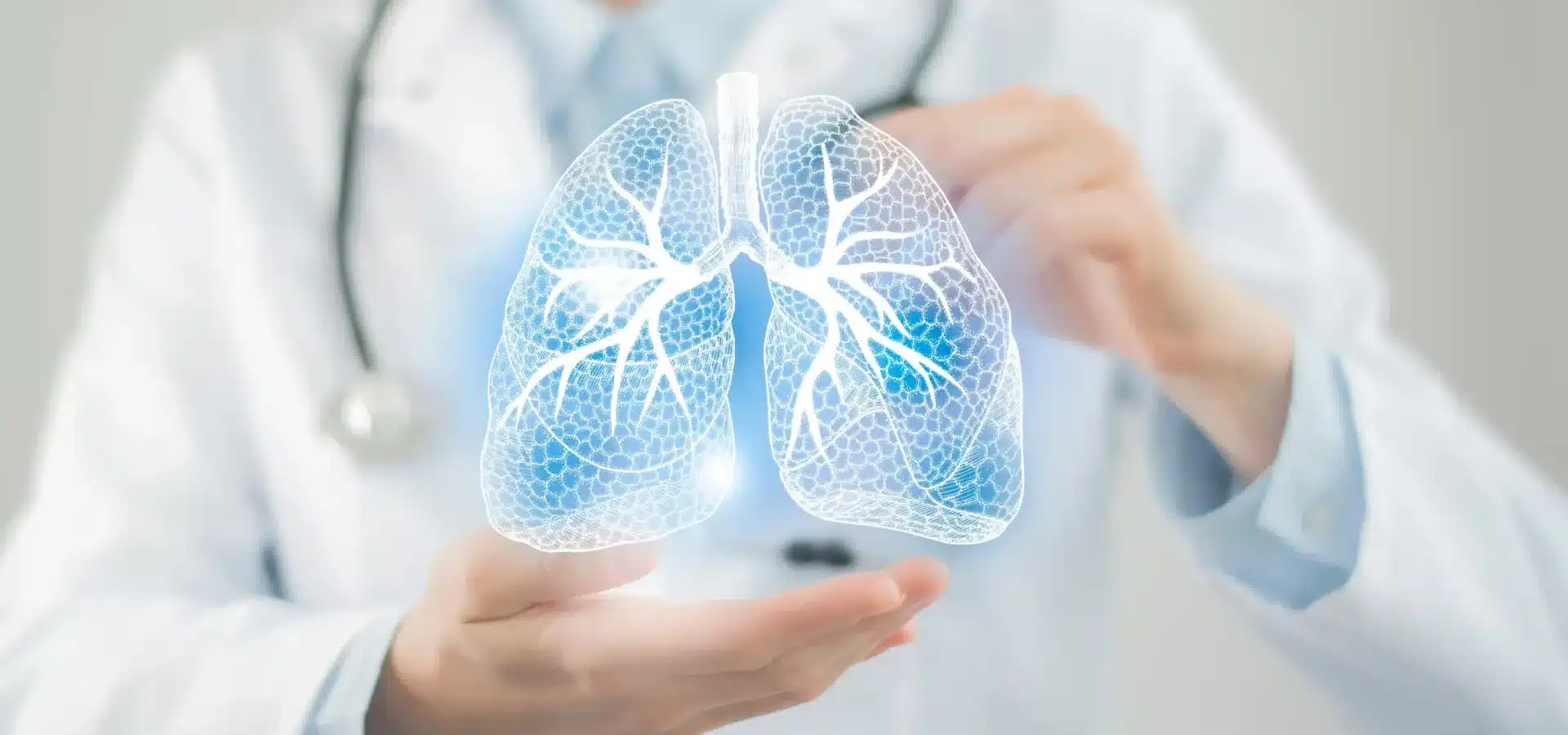
Pulmonology focuses on diagnosing and treating lung and airway conditions such as asthma, COPD, and pneumonia, as well as overall respiratory health.
Overview and definition
Pulmonology is the medical specialty focused on the respiratory system, including the lungs, airways, and chest muscles. It involves the diagnosis and treatment of conditions such as asthma, COPD, pneumonia, and others that affect breathing and lung function. This field is essential as the respiratory system is responsible for the vital process of breathing, which supplies oxygen to the body and removes carbon dioxide.
The Role of the Respiratory System

The respiratory system’s primary function is gas exchange. When you inhale, air travels down your windpipe (trachea) and into your lungs through the airways (bronchi). In the lungs, tiny air sacs called alveoli transfer oxygen into the bloodstream. At the same time, carbon dioxide, a waste product, moves from the blood into the alveoli for exhalation. Pulmonologists manage conditions that obstruct or damage any part of this pathway.
What is a Pulmonologist?

A pulmonologist is a medical doctor who specializes in diseases of the lungs and respiratory tract. After completing medical school, they undergo extensive training in internal medicine, followed by a pulmonary medicine fellowship. They manage both acute conditions, like severe pneumonia, and chronic diseases, such as asthma and emphysema.
Common Conditions Treated in Pulmonology
Pulmonologists treat a wide spectrum of respiratory illnesses:
- Asthma: A chronic condition where airways narrow, swell, and produce extra mucus.
- Chronic Obstructive Pulmonary Disease (COPD): A group of lung diseases, including emphysema and chronic bronchitis, that block airflow.
- Pneumonia: An infection that inflames the air sacs in one or both lungs.
- Interstitial Lung Disease (ILD): A broad group of disorders that cause progressive scarring (fibrosis) of lung tissue.
- Sleep Apnea: A serious sleep disorder where breathing repeatedly stops and starts.
- Lung Cancer: Diagnosis and management in collaboration with oncologists.
Symptoms and Causes
Respiratory symptoms are often a direct indication of a problem with the lungs or airways. Recognizing these signs and their underlying causes is crucial for early diagnosis and treatment.
Common Warning Signs of a Lung Condition
You should consult a doctor if you experience any of the following persistent symptoms:
- Chronic Cough: A cough that lasts for eight weeks or more.
- Shortness of Breath (Dyspnea): Difficulty breathing, especially with activity.
- Wheezing: A high-pitched whistling sound made while breathing.
- Coughing up Blood (Hemoptysis): Any amount of blood from the lungs is a serious sign.
- Chronic Chest Pain: Pain that worsens when you breathe, cough, or laugh.
- Excessive Mucus Production: Producing a large amount of phlegm for a month or longer.
Primary Causes and Risk Factors
Many lung diseases are caused by long-term exposure to irritants. The most significant causes and risk factors include:
- Tobacco Smoke: Smoking is the leading cause of COPD and lung cancer.
- Infections: Viruses, bacteria, and fungi can cause conditions like pneumonia and bronchitis.
- Air Pollution: Long-term exposure to outdoor and indoor pollutants can damage the lungs.
- Occupational Exposure: Inhaling dust, chemicals, or fibers (like asbestos) in the workplace.
- Genetics: Some conditions, like cystic fibrosis and alpha-1 antitrypsin deficiency, are inherited.

Diagnosis and Staging
A precise respiratory diagnosis is built on a clinical exam and objective testing of lung function. The most fundamental tool is Pulmonary Function Testing (PFT), or spirometry, which measures how much air you can inhale and how quickly you can exhale. This data is essential for diagnosing and staging conditions like COPD (using the GOLD classification). Imaging, including chest X-rays and CT scans, provides a visual assessment of lung structure to identify tumors, pneumonia, or fibrosis. For a direct look, a bronchoscopy allows a doctor to view the airways and take tissue samples.
Pulmonary Function Tests (PFTs)
PFTs are a group of non-invasive tests that show how well the lungs are working. The most common test, spirometry, involves breathing into a mouthpiece. It measures:
- Forced Vital Capacity (FVC): The total amount of air you can exhale forcefully.
- Forced Expiratory Volume (FEV1): The amount of air you can exhale in the first second. The FEV1/FVC ratio helps diagnose obstructive (e.g., asthma) or restrictive (e.g., fibrosis) lung diseases.
Bronchoscopy
A bronchoscopy is a procedure that allows a pulmonologist to examine the airways of the lungs. A thin, flexible tube with a camera (a bronchoscope) is passed through the nose or mouth, down the throat, and into the lungs. This procedure is used to:
- Take tissue samples (biopsy)
- Remove foreign objects or mucus plugs
- Investigate the cause of a persistent cough or bleeding

Imaging of the Lungs
- Chest X-ray: A quick, standard test that provides a basic image of the heart and lungs, often used to detect pneumonia or lung collapse.
- Computed Tomography (CT) Scan: This test provides much more detailed cross-sectional images of the lungs. It is highly effective for detecting small nodules, lung cancer, interstitial lung disease, and pulmonary embolisms.

Treatment Details

Pulmonary treatment is focused on improving airflow, managing symptoms, and slowing disease progression. The cornerstone for many chronic conditions is lifestyle change, especially smoking cessation. Medical management relies heavily on inhaled medications (bronchodilators and steroids) to open airways and reduce inflammation. For low oxygen levels, supplemental oxygen therapy is prescribed. Pulmonary rehabilitation, a program of exercise and education, is highly effective for improving quality of life.
Medical Management of Lung Disease
Medications are central to managing most lung conditions:
- Bronchodilators: These inhaled medications relax the muscles around the airways, providing quick relief from wheezing and shortness of breath.
- Inhaled Steroids: These reduce inflammation and swelling in the airways and are used for long-term control of asthma and COPD.
- Antibiotics/Antivirals: Used to treat respiratory infections like pneumonia.
Advanced Therapies and Interventions
For more severe conditions, advanced treatments are available:
- Oxygen Therapy: Supplying extra oxygen through a nasal cannula or mask to be used at home.
- Pulmonary Rehabilitation: A medically supervised program that includes exercise training, nutritional counseling, and disease education.
- Interventional Pulmonology: Using bronchoscopy to perform advanced procedures, such as placing stents in airways or removing tumors.
- Thoracic Surgery: Surgical removal of lung cancer or, in end-stage disease, lung transplantation.
The Medical Center

At Liv Hospital, our Pulmonology department provides comprehensive care for the full spectrum of respiratory diseases. Our multidisciplinary team, including pulmonologists, thoracic surgeons, respiratory therapists, and specialized nurses, collaborates to create individualized treatment plans. We are equipped with advanced diagnostic technology, including a complete Pulmonary Function Lab, state-of-the-art bronchoscopy suites, and a dedicated Sleep Disorders Center. Our focus is on providing expert care, from early diagnosis of a chronic cough to managing complex lung conditions.
Our Integrated Respiratory Care Team
We operate on a “team” model for lung health. Pulmonologists work directly with thoracic surgeons to evaluate lung cancer cases, with oncologists to coordinate therapy, and with critical care specialists in the ICU. This integration ensures that patients receive a seamless, 360-degree care plan that addresses every aspect of their respiratory and overall health.
Advanced Diagnostic and Therapeutic Facilities
Our center is built on a foundation of technology. We offer:
- A Full Pulmonary Function Laboratory (PFT Lab): For precise diagnosis of obstructive and restrictive lung diseases.
- A Modern Sleep Laboratory: For the diagnosis and treatment of sleep apnea and other sleep-disordered breathing.
- Interventional Pulmonology Suite: Equipped for advanced bronchoscopic procedures, including biopsies and stent placement.
Specialized Outpatient Clinics

We provide focused, long-term management through our specialized clinics. These include our Asthma & COPD Clinic, which emphasizes patient education and self-management, and our Smoking Cessation Program, which provides medical and behavioral support to help patients quit smoking for good.
FREQUENTLY ASKED QUESTIONS
What is cancer, and what does an oncologist do?
Cancer is a group of diseases characterized by abnormal cells growing out of control and spreading to other body parts. An oncologist is a doctor who specializes in diagnosing, treating, and caring for people with cancer, leading their overall treatment plan.
What conditions does oncology treat?
Oncology treats all cancers that originate in any part of the body, including common ones like breast, lung, prostate, and colon cancer, as well as blood cancers like leukemia and lymphoma.
What are the main types of cancer?
The main categories of cancer are carcinomas (starting in the skin or lining of organs), sarcomas (starting in connective tissues like bone and muscle), leukemias (blood cancers), and lymphomas (immune system cancers).
When should I see an oncologist?
You should see an oncologist if you have been diagnosed with cancer, as they will create your specific treatment plan. You may also be referred to one if your primary care doctor suspects cancer after finding an abnormal lump or test result.
What is the difference between oncology and surgery?
Oncology is the overall branch of medicine covering all cancer diagnosis and treatment (medication, radiation, and surgery). Surgery, or specifically surgical oncology, is one part of cancer treatment that focuses on removing the tumor physically.
Cancer is a group of diseases characterized by abnormal cells growing out of control and spreading to other body parts. An oncologist is a doctor who specializes in diagnosing, treating, and caring for people with cancer, leading their overall treatment plan.
Oncology treats all cancers that originate in any part of the body, including common ones like breast, lung, prostate, and colon cancer, as well as blood cancers like leukemia and lymphoma.
The main categories of cancer are carcinomas (starting in the skin or lining of organs), sarcomas (starting in connective tissues like bone and muscle), leukemias (blood cancers), and lymphomas (immune system cancers).
You should see an oncologist if you have been diagnosed with cancer, as they will create your specific treatment plan. You may also be referred to one if your primary care doctor suspects cancer after finding an abnormal lump or test result.
Oncology is the overall branch of medicine covering all cancer diagnosis and treatment (medication, radiation, and surgery). Surgery, or specifically surgical oncology, is one part of cancer treatment that focuses on removing the tumor physically.


