
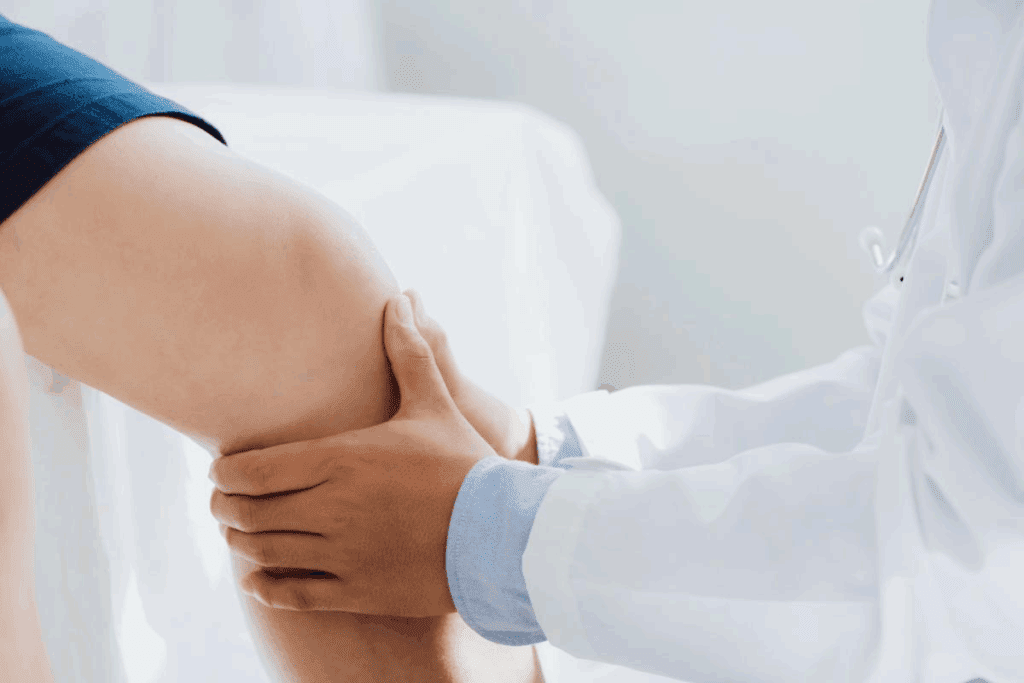
Bursitis affects millions worldwide, causing significant pain and discomfort. Effective treatment is key to ease symptoms and improve mobility. Get Quick Bursitis Relief using home remedies, rest, and effective treatment options for reducing swelling and pain.
This guide emphasizes the importance of quick relief from bursitis by outlining effective remedies and treatment options to help you manage the condition.
We’ll look at self-care methods and medical treatments. Our goal is to give you the knowledge to make the best choices for your care.
Key Takeaways
- Understanding the causes and symptoms of bursitis
- Exploring effective bursitis treatment options
- Discovering self-care techniques for quick relief
- Learning about medical interventions for bursitis
- Empowering patients to manage their condition
Understanding Bursitis: Causes and Symptoms

Bursitis happens when the bursae, small sacs filled with fluid, get inflamed. These sacs help reduce friction between bones, tendons, and skin. When they get inflamed, it can cause a lot of pain and make it hard to move.
What is Bursitis and How Does it Develop?
Bursitis is when the bursae get inflamed. These sacs are important for reducing friction and cushioning joints. It can happen due to repetitive motion, direct injury, or infection. When this happens, it leads to pain, swelling, and less mobility in the joint.
Common Symptoms and Affected Areas
The symptoms of bursitis can vary but often include pain, swelling, and warmth around the joint. The most common areas affected are the shoulders, elbows, hips, and knees.
| Affected Area | Common Symptoms |
| Shoulders | Pain when moving the arm, swelling at the front or back of the shoulder |
| Elbows | Pain on the outer or inner elbow, swelling |
| Hips | Pain when moving the hip, swelling or tenderness near the hip joint |
| Knees | Pain above or below the kneecap, swelling |
It’s important to know the causes and symptoms of bursitis to manage and treat it effectively. Recognizing early signs and taking action can help alleviate symptoms and prevent more problems.
The Importance of Early Intervention for Bursitis
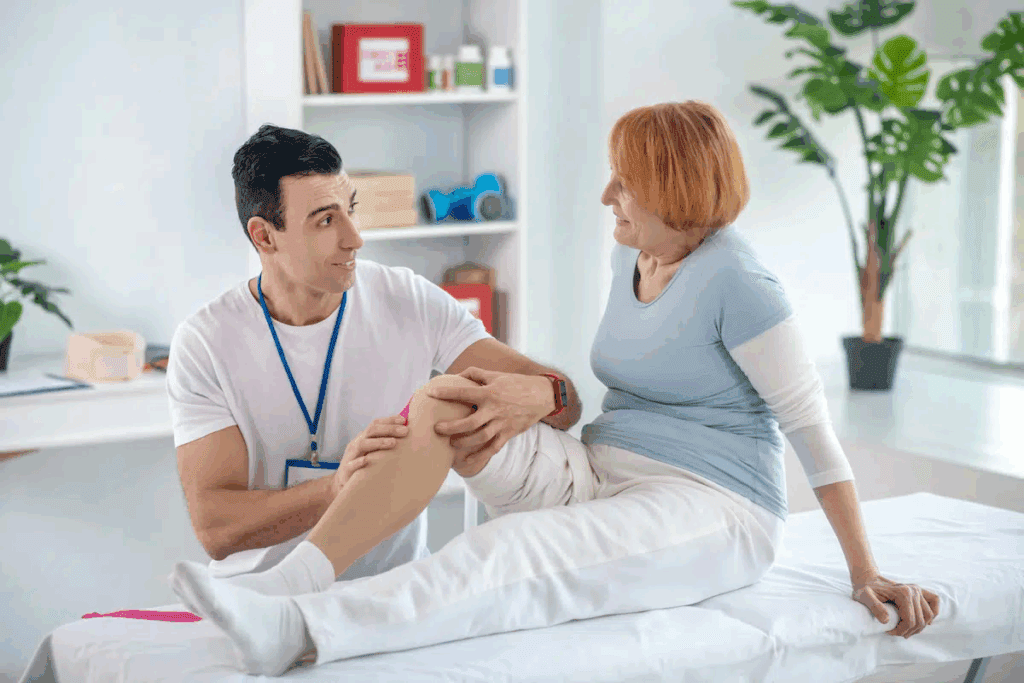
Getting medical help early is key for bursitis. It’s not just about easing pain now. It’s also about stopping it from becoming a long-term problem.
Bursitis can hurt a lot and make it hard to move. But, with quick treatment, many people get better and can do their usual activities again. It’s important to see a doctor if the pain or symptoms get worse.
Why Prompt Treatment Matters
Quick treatment for bursitis is important. It helps reduce swelling and pain. Early treatment can stop it from becoming a long-term problem, making it harder to handle.
Studies show early treatment is key to avoiding long-term bursitis issues. By treating it early, we can greatly improve patient outcomes.
| Benefits of Early Intervention | Consequences of Delayed Treatment |
| Reduced inflammation and pain | Increased risk of chronic bursitis |
| Prevention of long-term joint damage | Potential for recurring bursitis episodes |
| Faster recovery and return to normal activities | Prolonged recovery period |
Preventing Chronic Bursitis Issues
Stopping chronic bursitis is a big part of managing it. Knowing what causes and symptoms are helps people take steps to avoid it.
Quick treatment and making lifestyle changes can lower the risk of chronic bursitis. This means avoiding repetitive actions, staying at a healthy weight, and using good posture at work and home.
By doing these things, people can not only feel better now but also avoid future problems. It’s a forward-thinking way to handle bursitis, focusing on early action.
Quick Bursitis Relief: Immediate Steps to Take
Quick relief from bursitis is possible with the right first response to the pain. When bursitis symptoms appear, acting fast is key to ease discomfort and stop further irritation.
First Response to Bursitis Pain
The first steps to take for bursitis pain include rest, ice, compression, and elevation (RICE). Resting the affected area is vital to avoid more irritation. Using ice to reduce inflammation and compression to minimize swelling are also important. Elevating the affected limb or joint above the heart level can also help reduce swelling.
- Rest the affected joint to avoid further irritation.
- Apply ice for 15-20 minutes, several times a day.
- Use compression bandages to reduce swelling.
- Elevate the affected area above heart level.
When to Seek Medical Attention
While initial self-care can help, there are times when medical attention is necessary. If you have severe pain, significant swelling, or if the pain doesn’t get better or gets worse, see a doctor. Also, if you notice signs of infection like redness, warmth, or fever around the affected area, get medical help right away.
- Severe pain or swelling that doesn’t improve with rest and ice.
- Pain that persists or worsens over time.
- Signs of infection, such as redness, warmth, or fever.
Knowing when to act fast and when to seek medical help is key to managing bursitis and recovering well.
Rest and Elevation: The Foundation of Bursitis Recovery
Recovering from bursitis starts with rest and elevation. When you get bursitis, your joint needs special care to heal. Resting and elevating the joint can help reduce swelling and pain.
Proper Resting Techniques for Different Joints
Resting joints differently is important. For knee or ankle bursitis, avoid activities that put weight on them. Crutches can help take the pressure off.
For shoulder or elbow bursitis, move your arm less. A sling can be very helpful for shoulder bursitis.
- For knee bursitis, avoid kneeling and use a knee pad if necessary.
- For shoulder bursitis, use a sling to immobilize the joint.
- For elbow bursitis, minimize bending and straightening.
Effective Elevation Methods to Reduce Swelling
Elevation is a simple way to lessen swelling from bursitis. Elevating the limb above your heart reduces blood flow and swelling. Here are some ways to do it:
- For lower limb bursitis, lie down and prop up your leg using pillows.
- For upper limb bursitis, use a pillow or cushion to elevate your arm when sitting or lying down.
- Maintain elevation for at least 15-20 minutes, several times a day.
Using rest and elevation with other recovery methods can help you heal faster. Be consistent and patient, as bursitis recovery takes time.
Ice Therapy for Bursitis: Application Methods
Cold therapy, or ice therapy, is a common treatment for bursitis. It helps manage pain and reduce swelling. We suggest adding ice therapy to your treatment plan.
Correct Ice Application Techniques
To get the most from ice therapy, apply it correctly. Wrap the ice pack in a towel to avoid skin contact, which can cause burns. Apply the ice to the affected area for 15-20 minutes.
Elevate the affected limb above your heart to lessen swelling. Use gentle pressure for best results. An ice pack or a bag of frozen peas wrapped in a towel works well. Check your skin for numbness or tingling often.
Frequency and Duration Guidelines
The right ice therapy frequency and duration depend on your bursitis severity. Apply ice 3-4 times a day, after activities that make it worse. Adjust the frequency based on how your body reacts.
| Condition Severity | Ice Therapy Frequency | Duration per Session |
| Mild | 2-3 times a day | 15 minutes |
| Moderate | 3-4 times a day | 15-20 minutes |
| Severe | 4 times a day | 20 minutes |
By following these tips and using ice therapy, you can manage bursitis pain and swelling. Always talk to a healthcare professional for specific advice on your condition.
Compression Techniques for Reducing Bursitis Swelling
Using compression techniques is a good way to handle bursitis symptoms. It helps lessen swelling and eases pain. This method is often used with other treatments for bursitis.
It’s important to pick the right compression products for bursitis. There are many options like bandages, sleeves, and wraps. The right one depends on where the bursitis is and how bad it is.
Choosing the Right Compression Products
Each compression product has its own level of pressure. You need to find one that fits your needs. For example, people with mild bursitis might do well with lighter pressure. Those with more severe symptoms might need stronger pressure.
| Compression Product | Description | Recommended Use |
| Compression Bandages | Elastic bandages that provide support and compression | Mild to moderate bursitis |
| Compression Sleeves | Sleeves that offer targeted compression for specific joints | Moderate to severe bursitis |
| Compression Wraps | Wraps that can be adjusted to provide varying levels of compression | Severe bursitis or for post-injury support |
How to Apply Compression Properly
Getting compression right is key to its success. Here are some tips:
- Wrap the compression product snugly but not too tightly around the affected area.
- Ensure the compression is even and not twisted.
- Monitor your symptoms and adjust the compression level as needed.
Medical experts say, “Proper application of compression can significantly enhance the recovery process for bursitis patients.”
“The use of compression, in conjunction with rest and elevation, can greatly reduce swelling and promote healing.”
By using compression techniques correctly, people with bursitis can feel a lot better. They can get relief from swelling and pain, making recovery easier.
Medications for Bursitis Pain Management
Managing bursitis pain often involves using certain medications. These help reduce discomfort and swelling. They are key in helping people stay active while they get better.
Over-the-Counter NSAIDs for Pain Relief
Nonsteroidal Anti-Inflammatory Drugs (NSAIDs) are often suggested for bursitis pain. Ibuprofen and naproxen are good choices. They cut down on pain and swelling. Always take them as directed to avoid side effects.
Using over-the-counter NSAIDs has many benefits:
- They are easy to get without a doctor’s note.
- They provide effective pain relief.
- They also have anti-inflammatory properties.
Prescription Options for Severe Cases
If over-the-counter NSAIDs don’t work, stronger meds might be needed. This could be stronger NSAIDs or corticosteroids. Corticosteroids are great at reducing swelling and are used for severe cases.
| Medication Type | Use Case | Benefits |
| Over-the-counter NSAIDs | Mild to moderate bursitis pain | Easily accessible, effective for pain and inflammation |
| Prescription NSAIDs | Moderate to severe bursitis pain | Stronger pain relief, anti-inflammatory |
| Corticosteroids | Severe bursitis inflammation | Potent anti-inflammatory effects |
Always talk to a doctor before starting any medication. They can help find the best option for you and explain any possible side effects.
Corticosteroid Injections: When and Why They’re Used
Corticosteroid injections can help with bursitis by reducing inflammation and pain. They are used when other treatments don’t work well.
The Procedure and What to Expect
The process of getting corticosteroid injections is simple. We start by cleaning the area to avoid infections. Sometimes, we use a local anesthetic to numb the area. Then, we inject the corticosteroid into the bursa.
The whole thing takes just a few minutes. You can usually go back to your normal activities right after. But, we tell patients to watch their condition closely after the injection.
Benefits and Potential Side Effects
Corticosteroid injections have many benefits for bursitis patients. They greatly reduce inflammation and pain. This makes it easier to move and get back to normal faster.
| Benefits | Potential Side Effects |
| Reduced inflammation | Temporary pain at the injection site |
| Significant pain relief | Infection risk |
| Improved mobility | Rarely, skin thinning or discoloration |
Even though corticosteroid injections are safe, there are possible side effects. These include temporary pain, infection risk, and rarely, skin changes. We talk about these risks with our patients to make sure they know.
Knowing about corticosteroid injections helps patients make better choices for their bursitis treatment. We aim to give full care and support during treatment.
Heat Therapy: When to Transition from Ice
After the initial inflammation of bursitis goes away, heat therapy can help with healing. It involves applying heat to the area to improve blood flow and reduce stiffness. This can also help ease pain.
It’s best to switch from ice to heat when the pain starts to feel more achy than sharp. At this point, heat therapy can help relax muscles and reduce spasms.
Proper Heat Application Methods
To use heat therapy right, follow these steps:
- Use a warm washcloth or a heating pad on low to avoid burns.
- Apply heat for 15-20 minutes, then let the skin cool before using it again.
- Keep the heat away from your skin; use a towel or cloth as a barrier.
Caution: Don’t fall asleep with a heating pad to avoid burns. Always follow the heating pad’s instructions.
Alternating Heat and Ice Effectively
Alternating between heat and ice can also be helpful. This method can improve blood flow and reduce pain. But, do it correctly:
- Start with heat to relax muscles and increase blood flow.
- Then use ice to reduce inflammation and numb the pain.
- Repeat as needed, ending with heat to relax.
Here’s a quick guide on when to use ice versus heat:
| Therapy Type | When to Use | Benefits |
| Ice Therapy | Initial inflammation, sharp pain | Reduces swelling, numbs pain |
| Heat Therapy | After initial inflammation, achy pain | Relaxes muscles, promotes blood flow |
Knowing when to switch from ice to heat and how to apply it can help you manage bursitis symptoms. It also aids in recovery.
Gentle Exercises and Stretches for Bursitis Recovery
Gentle exercises and stretches are key in bursitis recovery. It’s important to balance rest with the right physical activity. This helps the healing process and keeps joints moving.
Safe Movements During the Acute Phase
In the early stages of bursitis, it’s important to move carefully. Gentle, controlled movements help avoid making the problem worse. They also keep the area flexible and improve blood flow.
For shoulder bursitis, try gentle pendulum exercises. Bend forward at the waist, let your arm hang, and swing it in small circles. For knee bursitis, straighten and bend your knee a bit while sitting. This keeps it flexible.
Progressive Exercise Program for Healing
When the pain and swelling go down, start a progressive exercise program. Begin with low-intensity exercises and slowly increase them. This should be based on how you feel and any pain you have.
A good program includes:
- Range-of-motion exercises to improve flexibility
- Strengthening exercises to support the affected joint
- Functional exercises to improve overall function and prevent future bursitis episodes
For hip bursitis recovery, start with gentle hip rotations. Then, move to more active exercises like leg lifts and resistance band exercises.
Physical Therapy Approaches for Persistent Bursitis
Managing persistent bursitis often requires physical therapy. It offers many ways to help in recovery. A detailed treatment plan is key to get back to normal and ease pain.
Professional Techniques and Modalities
Physical therapists use various methods to tackle persistent bursitis. These include:
- Manual Therapy: Hands-on methods to boost joint movement and ease muscle tightness.
- Ultrasound Therapy: Sound waves to aid healing and cut down swelling.
- Electrical Stimulation: Like TENS (Transcutaneous Electrical Nerve Stimulation) to control pain.
These treatments are customized for each person’s needs, making treatment more effective.
At-Home Exercises Prescribed by Therapists
Physical therapists also give exercises to do at home. These exercises aim to:
- Boost flexibility and joint movement.
- Make the muscles around the joint stronger.
- Improve joint stability.
Examples of home exercises are gentle stretches, using resistance bands, and low-impact cardio. Doing these exercises regularly is vital for the best results.
Combining professional physical therapy with home exercises helps those with persistent bursitis a lot. They can see big improvements in their condition.
Supportive Devices and Bracing Options
Using supportive devices and bracing can really help with bursitis recovery. These tools add extra support and stability to the joint. This helps lessen pain and swelling.
Selecting the Right Support for Your Affected Joint
Choosing the right brace depends on the joint with bursitis. For example, a knee brace might be needed for knee bursitis. A sling or shoulder support could be best for shoulder bursitis. Always talk to a healthcare professional to find the best fit for you.
Think about the support level, comfort, and material breathability when picking a device. Some are made for certain activities. Make sure it fits your lifestyle and needs.
Proper Use and Wearing Schedule
After picking the right device, use it as directed. Follow the maker’s guide for how to wear it. Wear it during activities that make the condition worse. But your doctor might suggest a different schedule for you.
It’s also key to take care of your device. Clean it as the maker says, and check for damage. Replace it when it’s worn out to keep getting support.
Adding the right supportive devices and bracing to your treatment plan can help your recovery. It also lowers the chance of future problems.
Lifestyle Modifications to Speed Bursitis Recovery
To get better from bursitis faster, making lifestyle changes is key. These adjustments can lessen symptoms, stop the problem from coming back, and boost joint health.
Ergonomic Adjustments at Home and Work
Making your workspace ergonomic is vital to ease joint strain. Check your work area and tweak it to support better posture and lessen joint pressure. For example, an ergonomic chair or adjusting your computer monitor’s height can help a lot.
At home, small tweaks can also help. Using ergonomic tools or rearranging your living space can ease strain. For instance, a kitchen tool with a bigger handle can ease hand and wrist strain.
| Ergonomic Adjustment | Benefit |
| Using an ergonomic chair | Improves posture and reduces pressure on joints |
| Adjusting computer monitor height | Reduces strain on neck and shoulders |
| Using ergonomic kitchen utensils | Reduces strain on hands and wrists |
Activity Modifications to Prevent Recurrence
Changing how you do things is also important to avoid bursitis coming back. Find and avoid activities that make your condition worse. For instance, if your knee hurts, skip deep knee bends or jumping.
Try low-impact activities like swimming or cycling instead. They keep your joints moving without too much strain.
By changing your lifestyle, people with bursitis can recover faster and avoid future problems. It’s about creating a healthy space that supports your joints.
Natural and Supplemental Approaches to Bursitis
Natural and supplemental methods can help with bursitis symptoms and recovery. They can work alongside traditional treatments. This can improve your overall health and might lessen the need for medication.
Anti-inflammatory Supplements and Their Efficacy
Some supplements can help with bursitis inflammation. Omega-3 fatty acids are known for their anti-inflammatory effects. Research shows they can reduce pain and swelling in bursitis.
- Turmeric/Curcumin: It has curcumin, which fights inflammation and is antioxidant.
- Ginger: It has compounds that may lessen pain and swelling.
- Glucosamine and Chondroitin: They support joint health and might reduce inflammation.
Always talk to a doctor before taking supplements. They can affect other medicines or cause side effects.
Topical Natural Remedies Worth Trying
Topical remedies can help with bursitis symptoms. Here are some:
- Arnica Gel or Cream: It has anti-inflammatory properties and can ease pain and swelling.
- Cayenne Pepper Cream: It has capsaicin, which blocks pain signals to the brain.
- Epsom Salt Baths: They are rich in magnesium, which can reduce inflammation and pain.
“Topical treatments can be very effective for bursitis symptoms,” a study found.
In summary, natural and supplemental methods can be helpful for bursitis. But, they should not replace medical treatment. Always check with a doctor before trying new supplements or remedies.
Conclusion: Creating Your Comprehensive Bursitis Recovery Plan
Creating a personalized bursitis recovery plan is key to managing the condition well. We’ve talked about ways to ease symptoms, like resting, using ice, and taking medication. These methods help a lot.
A good plan combines these strategies to fit your needs. Rest, physical therapy, and making lifestyle changes are important. Together, they form a strong recovery plan.
Our method stresses the need for a detailed plan. It covers all bases of bursitis care. This includes using supports, changing activities, and trying natural remedies alongside traditional treatments.
By adopting this approach, you can make a recovery plan that not only helps now but also prevents future problems. It keeps your joints healthy and improves your overall well-being.
FAQ
What is bursitis and how does it develop?
Bursitis is when the bursae, fluid-filled sacs, get inflamed. These sacs cushion joints and reduce friction. It happens from repetitive motion, direct blows, or infection. Symptoms include pain, swelling, and limited mobility.
How can I manage bursitis pain immediately?
To ease bursitis pain, rest and elevate the joint. Use ice therapy and compression products. Over-the-counter NSAIDs can also help with pain and swelling.
When should I seek medical attention for bursitis?
See a doctor if your symptoms get worse. Look for severe pain, swelling, or limited mobility. Early treatment can prevent long-term problems and speed up recovery.
How do I properly apply ice therapy for bursitis?
Wrap an ice pack or frozen peas in a towel. Place it on the area for 15-20 minutes, 3-4 times a day. Make sure the ice isn’t directly on your skin to avoid burns.
Can I use heat therapy for bursitis, and when?
Yes, switch to heat therapy after the first 48-72 hours. Use a warm towel or heating pad for 15-20 minutes, 3-4 times a day.
Are corticosteroid injections effective for bursitis?
Corticosteroid injections can reduce inflammation and pain in bursitis. They’re used when other treatments don’t work well enough.
What are some natural remedies for bursitis?
Natural remedies include anti-inflammatory supplements like turmeric and omega-3 fatty acids. Topical creams or gels with arnica or capsaicin can also help. Always talk to a healthcare professional before trying new remedies.
How can I prevent bursitis recurrence?
To avoid bursitis coming back, make ergonomic changes at home and work. Avoid repetitive movements. Include gentle exercises and stretches in your routine.
What role does physical therapy play in treating bursitis?
Physical therapy improves joint mobility and strengthens muscles. It helps with proper movement. A physical therapist can give you exercises to do at home.
Can I continue with my normal activities if I have bursitis?
Modify your activities to avoid making the condition worse. Avoid repetitive movements and heavy lifting. Make ergonomic changes to reduce strain on the affected joint.



 Departments
 Related Videos
 Our Doctors
 News
News