
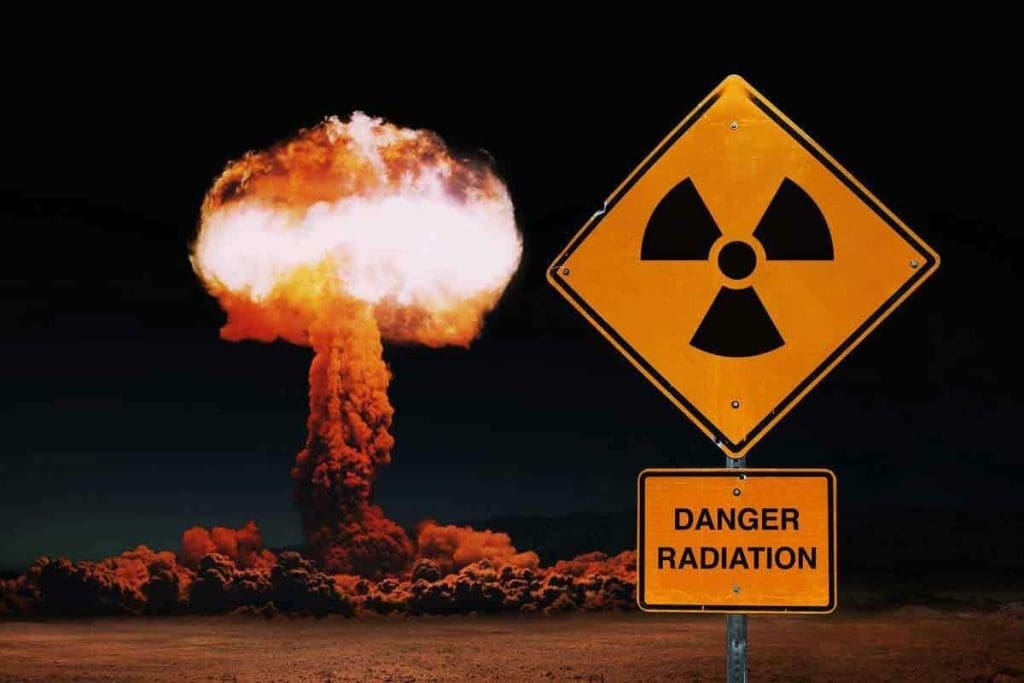
We are surrounded by radiation every day ” from both natural and man-made sources. Understanding real-life radiation exposure examples is key to staying safe and protecting your health.
Natural radiation exposure examples include cosmic rays, the soil, rocks, and even the air we breathe. These are part of our environment and affect everyone to some degree.
There are also man-made radiation exposure examples, such as medical imaging (X-rays, CT scans), nuclear medicine, and industrial radiation use. These sources are carefully monitored to ensure safety.
At Liv Hospital, we educate our patients about radiation exposure examples and safety practices. Knowing where radiation comes from helps you take smart steps to stay healthy and informed.
Key Takeaways
- Radiation exposure comes from both natural and man-made sources.
- Understanding the sources and locations of radiation exposure is key for safety.
- Natural sources include soil, air, and cosmic rays.
- Man-made sources include medical imaging and nuclear medicine.
- Radiation exposure can happen in hospitals, homes, and industrial sites.
The Science Behind Radiation and Radioactive Materials
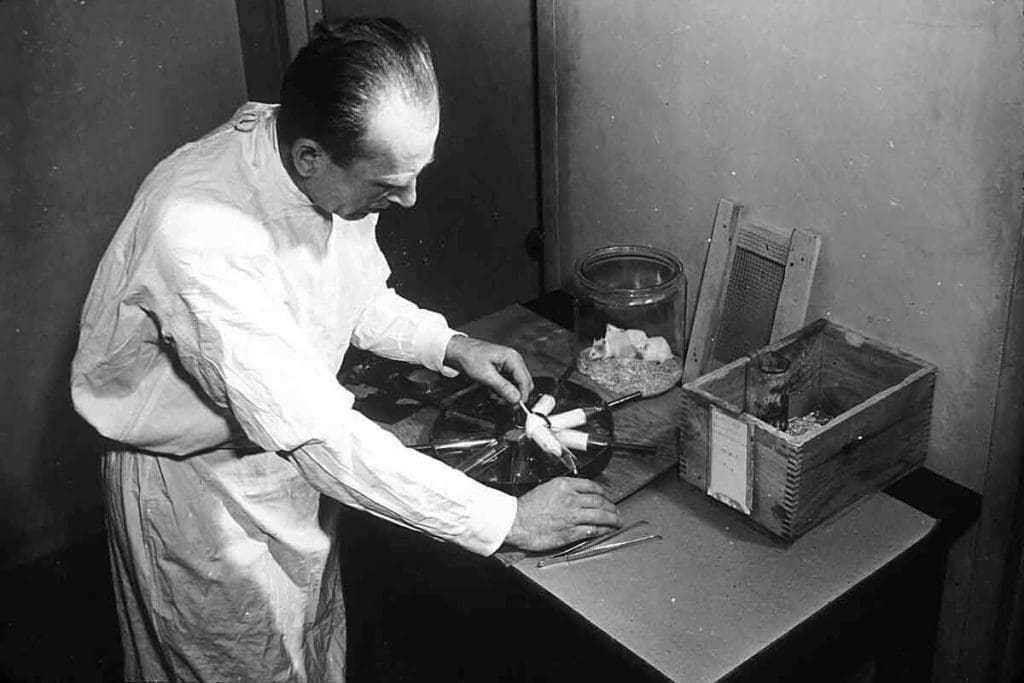
To understand radiation exposure, we must first grasp the science behind it. Radiation is a basic physical phenomenon. It involves the emission or transmission of energy through space or a material medium.
What Radiation Means in Scientific Terms
In scientific terms, radiation is the process of energy emission or transmission. This energy can be in different forms, like electromagnetic waves (gamma rays or X-rays) or high-speed particles (alpha or beta particles). Ionizing radiation, which includes alpha, beta, and gamma radiation, has enough energy to remove tightly bound electrons from atoms. This creates ions.
How Radioactive Materials Release Energy Through Decay
Radioactive materials release energy through radioactive decay. During decay, unstable atoms lose energy by emitting radiation. This radiation can be in the form of particles or electromagnetic waves. The process changes the unstable atom into a more stable form, often changing its elemental identity.
For example, radon-222 decays into polonium-218 by emitting an alpha particle. Understanding radioactive decay helps us see how and why certain materials emit radiation.
For more detailed information on radiation types and sources, we can refer to resources like the Canadian Nuclear Safety Commission. They provide insights into various radiation types and their sources.
Different Types of Radiation and Their Properties
There are several types of radiation, each with unique properties. Alpha radiation is made up of high-energy helium nuclei. It can be stopped by a sheet of paper or human skin but is highly ionizing. Beta radiation involves electrons or positrons that can travel several meters in air. It requires thin layers of metal to stop.
Gamma radiation and X-rays are forms of electromagnetic radiation. They can penetrate thick layers of material, needing dense materials like lead for shielding.
- Alpha particles: Highly ionizing, low penetration, stopped by skin or paper.
- Beta particles: Less ionizing than alpha, higher penetration, stopped by thin metal.
- Gamma rays/X-rays: Low ionization, high penetration, stopped by dense materials like lead.
Knowing these different types of radiation and their properties is key. It helps us assess radiation exposure risks and take the right safety measures.
Common Radiation Exposure Examples in Everyday Life

We are surrounded by radiation every day, often without noticing it. It’s not just found in nuclear plants or hospitals. It’s also in our homes, food, and daily products.
Background Radiation We All Experience
Background radiation is always around us. It comes from natural sources like cosmic radiation from space and terrestrial radiation from the earth. We also get exposed to radon gas, a radioactive gas that comes from the soil into our homes.
Cosmic radiation changes with altitude and where you live. People at higher places or flying get more cosmic radiation. Terrestrial radiation varies based on the earth’s geology. Areas with granite or uranium-rich rocks have more radiation.
Household Sources: From Smoke Detectors to Granite Countertops
Many household items have radioactive materials. For example, smoke detectors have americium-241. Some granite countertops release radon gas. Knowing this helps us reduce our exposure.
Other items like glassware and ceramic glazes also have radioactive materials. Their radiation levels are usually low. But knowing they’re there helps us manage our exposure better.
Consumer Products Containing Radioactive Materials
Many consumer products also have radioactive materials. For instance, thoriated welding rods and luminescent watches have thorium. Some industrial and medical products use radioactive isotopes too.
For more info on everyday radiation sources, check out https://www.lancsindustries.com/blog/common-sources-of-everyday-radiation/. This site offers more details on the radiation we face every day.
Natural Sources of Radiation in Our Environment
Radiation isn’t just made by humans. It also happens naturally around us. We’re surrounded by natural sources of radiation. Knowing about these sources helps us understand and manage our exposure to radiation.
Terrestrial Radiation
Terrestrial radiation comes from the earth’s crust. Elements like uranium and thorium decay and release radiation. The amount of terrestrial radiation changes based on the area’s geology.
For example, places with granite or uranium-rich soils have more radiation.
Key factors influencing terrestrial radiation include:
- Geological composition of the soil
- Presence of uranium and thorium
- Local geology and rock formations
Radon Gas: A Leading Source of Natural Radiation Exposure
Radon gas is a big source of natural radiation. It’s a radioactive gas that comes from the ground, mainly where there’s a lot of uranium in the soil. Radon can build up in buildings and homes, which can be dangerous for people living there.
The main characteristics of radon gas exposure include:
- Originates from uranium decay in soil
- Can accumulate in enclosed spaces
- Poses a significant health risk, mainly to the lungs
Cosmic Radiation from Space and Air Travel
Cosmic radiation comes from outside our atmosphere. It’s from solar flares and deep space. The more you go up in altitude, the more cosmic radiation you get. This is why flying a lot or working at high altitudes can increase your exposure.
Factors affecting cosmic radiation exposure include:
- Altitude: Higher altitudes receive more cosmic radiation
- Latitude: Being closer to the poles means more exposure
- Solar activity: Solar flares can make cosmic radiation levels go up
Where Does Radiation Come From: Geographic Distribution
The spread of radioactive materials across the globe affects how much radiation people are exposed to. Different places have varying levels of background radiation. This is because these materials are not evenly spread out.
Regional Variations in Background Radiation Levels
Background radiation levels change a lot from one place to another. The local geology, soil type, and minerals present all play a part. For example, places with lots of uranium and thorium in the soil tend to have more radiation.
- Regions with granite formations often have more radiation because of uranium and thorium.
- Areas with sedimentary rocks usually have less radiation than those with igneous rocks.
- Human activities like mining and construction can also affect local radiation levels.
High Natural Radiation Areas Around the World
Some parts of the world have much higher natural radiation levels. These areas often have special geological features that lead to higher radiation. Here are a few examples:
- Ramsar, Iran – It has one of the highest natural background radiation levels globally.
- Kerala, India – The monazite sands here contain thorium, causing high radiation levels.
- Guarapari, Brazil – This area has a lot of thorium in the soil, leading to high background radiation.
How Geology Influences Local Radiation Exposure
Geology is key in determining local radiation exposure. The types of rocks and soil in an area greatly affect radiation levels. For instance:
- Places with phosphate deposits often have more radiation because of uranium.
- Areas with a lot of tectonic activity might have changed radiation levels due to radioactive material movement.
- Radon gas, a byproduct of uranium decay, can also increase indoor radiation exposure.
Knowing where radioactive materials are and how geology affects radiation is vital. It helps find areas with more radiation and take safety steps.
Medical and Industrial Radiation Exposure Examples
Radiation in medicine and industry has both good and bad sides. It helps diagnose and treat diseases but also poses risks. We need to know the benefits and risks of using radiation in these areas.
Diagnostic Imaging: X-rays, CT Scans, and Nuclear Medicine
Diagnostic imaging like X-rays, CT scans, and nuclear medicine are key in modern medicine. They help doctors find and track many diseases. X-rays show bones and some organs, while CT scans give detailed body images. Nuclear medicine uses small amounts of radioactive materials for diagnosis and treatment.
These tools have changed medicine, helping find and treat diseases early. But, they also expose people to ionizing radiation, which can lead to cancer and other health issues. So, it’s important to weigh the benefits against the risks and keep radiation doses low.
| Imaging Technique | Typical Effective Dose (mSv) | Equivalent Background Radiation |
| Chest X-ray | 0.02 | 3 days |
| CT Scan (Abdomen & Pelvis) | 10 | 3 years |
| PET/CT Scan | 7-14 | 2-4 years |
Radiation Therapy for Cancer Treatment
Radiation therapy is a key part of cancer treatment. It kills or slows cancer cells. It can be given from outside the body (external beam radiation therapy) or inside (brachytherapy).
Though effective against cancer, radiation therapy also exposes people to radiation. This can cause side effects and increase the risk of new cancers. New technologies have made treatment more precise, reducing harm to healthy tissues.
“Radiation therapy has become an indispensable tool in oncology, giving hope to cancer patients. Its precise targeting of cancer cells has greatly improved outcomes.”
Industrial Applications and Occupational Exposure
Radiation is used in many industrial ways, like inspecting welds and sterilizing medical tools. Workers in these fields face radiation risks, needing strict safety measures.
Ensuring safety in industrial radiation involves shielding, personal protective gear, and monitoring radiation. Training and following safety rules are key to preventing worker exposure.
By understanding radiation risks in medicine and industry, we can manage and reduce them. This way, we can enjoy the benefits of radiation while keeping people and the environment safe.
Where Radiation Exposure Commonly Occurs
It’s important to know where radiation exposure happens to reduce risks. Radiation is everywhere, affecting us in many places, like hospitals and nature.
Hospitals and Medical Facilities
Medical places are big sources of radiation. Tests like X-rays and CT scans use radiation. These tests help doctors but also increase our exposure.
People working in these places face more risk. They need protective gear and safe areas to work in.
Homes and Buildings: Hidden Radiation Sources
Radon gas is a big radiation risk in homes. It builds up in places like basements. Where you live affects how much radon you get.
Some home items, like granite and smoke detectors, also have radiation. Though it’s small, knowing about it helps manage risks.
Natural Landscapes: Mines, Mountains, and Hot Springs
Nature can have more radiation because of minerals in the ground. Places with uranium and thorium have higher levels.
Hot springs and geothermal areas also have radiation. Visitors might get more exposure, but it’s usually short-term.
Nuclear Facilities and Their Surroundings
Nuclear plants are watched for radiation. They have safety steps to stop leaks. But, nearby areas can be affected.
People near these plants might get more radiation. In a bad accident, exposure could jump a lot.
| Location | Common Sources of Radiation | Potential Exposure Level |
| Hospitals | X-rays, CT scans, nuclear medicine | High for patients, moderate for staff |
| Homes | Radon gas, granite countertops | Variable, potentially high for radon |
| Natural Landscapes | Uranium and thorium deposits, hot springs | Variable, can be high in specific areas |
| Nuclear Facilities | Nuclear reactors, radioactive waste | Low to moderate under normal conditions, potentially high in accidents |
Measuring and Understanding Radiation Levels
To grasp the effects of radiation, we need to know how it’s measured. Radiation levels are key to setting safety rules and checking exposure risks. We use different units and tools to measure and find radiation, which helps us keep exposure under control.
Units of Measurement: Millisieverts and Other Metrics
Radiation is measured in units like millisieverts (mSv), which show the biological effect of radiation. One millisievert is a certain amount of radiation absorbed by the body. Other units like microsieverts (μSv) and sieverts (Sv) are used too, based on the situation. For example, background radiation is often measured in microsieverts.
Millisieverts are often used to show doses from medical procedures or environmental exposure. Knowing these units is key for comparing different radiation doses and understanding their health effects.
Comparing Common Radiation Exposure Levels
To understand radiation exposure, we compare common sources and their doses. For instance, a typical chest X-ray might expose a patient to about 0.1 mSv. A flight from New York to Los Angeles can expose you to about 0.035 mSv due to cosmic radiation.
- A mammogram: 0.4 mSv
- A head CT scan: 2 mSv
- Average annual background radiation: 2.4 mSv
- Maximum allowed dose for a nuclear worker per year: 50 mSv
These comparisons help us see the size of different radiation exposures and their health risks.
Tools and Methods for Detecting Radiation
Many tools and methods are used to detect and measure radiation. Geiger counters are often used to find radiation levels in the environment. These devices have a gas-filled tube that reacts to ionizing radiation.
Other methods include scintillation detectors, which light up when hit by radiation, and dosimeters, which track the total dose over time. Advanced techniques like spectrometry help identify specific radionuclides and their activities.
Knowing about these tools and methods is vital for managing radiation exposure in places like medical facilities and industrial settings.
Why Radiation Is Dangerous: Health Effects and Risks
It’s important to know how dangerous radiation is for our health. Being exposed to radiation can harm our bodies in many ways. We need to understand the risks to stay safe.
DNA Damage and Cellular Effects
Radiation can damage DNA in our cells. This can cause mutations and affect how cells work. It might lead to cancer. The damage depends on the dose and type of radiation.
Acute Radiation Syndrome and Immediate Effects
High doses of radiation can lead to Acute Radiation Syndrome (ARS). This serious condition harms the bone marrow, lungs, and other vital organs. Symptoms include nausea, fatigue, and damage to the skin and organs.
Long-term Health Risks and Cancer Development
Even small amounts of radiation can raise the risk of cancer over time. People exposed to more radiation face a higher risk. Children are even more vulnerable. We’ll look at how radiation affects cancer risk and why safety is key.
| Radiation Dose (mSv) | Health Effect |
| 0.1-1 | Low risk, comparable to a chest X-ray |
| 10-100 | Increased risk of cancer, possible radiation sickness |
| >1000 | Severe radiation sickness, high risk of death |
In conclusion, knowing the health risks of radiation is key to protecting ourselves. By understanding these dangers, we can take steps to stay safe.
Historical Incidents of Significant Radiation Exposure
Throughout history, there have been many incidents of significant radiation exposure. These events have harmed not just those directly exposed but also the environment and health of nearby communities and ecosystems.
Nuclear Weapons Testing and Global Fallout
In the mid-20th century, nuclear weapons testing caused global fallout. This spread radioactive materials worldwide. The Partial Nuclear Test Ban Treaty in 1963 tried to cut down on atmospheric nuclear tests. Yet, the effects of these tests are felt today.
Many countries conducted atmospheric nuclear tests in the 1950s and 1960s. These tests released radioactive isotopes into the air. These isotopes spread globally, polluting soil, water, and air.
Major Nuclear Accidents: Chernobyl, Fukushima, and Three Mile Island
Major nuclear accidents have greatly influenced our understanding of radiation risks. The Chernobyl disaster in 1986 was a major accident. It released a huge amount of radioactive material into the environment.
The Fukushima Daiichi nuclear disaster in 2011 was caused by a tsunami. It led to radioactive contamination in the area. In contrast, the Three Mile Island accident in 1979 had lower radioactive releases.
- Chernobyl: Significant release of radioactive isotopes, including iodine-131 and cesium-137.
- Fukushima: Release of radioactive materials, including cesium-134 and cesium-137, into the environment.
- Three Mile Island: Limited release of radioactive gases, with minimal environmental impact.
Lesser-Known Radiation Incidents and Their Consequences
Major nuclear accidents get a lot of attention, but lesser-known incidents also have big consequences. For example, the Goiania accident in Brazil in 1987 involved the theft of a radiotherapy source. This led to severe radiation exposure for several people.
Another incident was the radiation accident in Kramatorsk, Ukraine. A radioactive capsule was lost in a quarry. It was eventually found in a wall of an apartment building, exposing residents to radiation.
These incidents show the wide range of radiation risks. They highlight the need for strong safety measures in all areas.
Radiation Safety Measures and Protection Strategies
It’s key to know and use radiation safety rules to protect people and the planet. We need to find ways to cut down radiation exposure.
The Three Principles: Time, Distance, and Shielding
There are three main ways to stay safe from radiation: time, distance, and shielding. Shortening exposure time lowers the dose, as the dose goes up with time near the source. Keeping far from the source also helps, as radiation weakens with distance. Shielding means using a barrier, like a thick wall, to block radiation, based on its type and energy.
- Time: Limiting the duration of exposure.
- Distance: Increasing the distance from the radiation source.
- Shielding: Using appropriate materials to block radiation.
Regulatory Standards for Radiation Protection
Rules for radiation safety are very important. Groups like the International Commission on Radiological Protection (ICRP) and the Nuclear Regulatory Commission (NRC) in the U.S. set these rules. They make sure radiation doses are as low as possible, while also allowing for its use in medicine and industry.
“The fundamental principle of radiation protection is to keep doses as low as reasonably achievable, economic and social factors being taken into account.” – ICRP
Personal Protective Equipment and Monitoring
Wearing the right gear and checking radiation levels are key to safety. Protective equipment like aprons and gloves helps block certain types of radiation. Devices like Geiger counters and dosimeters measure how much radiation we’re exposed to. This helps keep exposure safe and catches any radiation dangers early.
It’s vital to follow these safety steps to avoid radiation harm. By using the time, distance, and shielding rules, sticking to regulations, and wearing protective gear, we can greatly reduce radiation exposure.
Conclusion: Balancing Risk and Benefit in a Radioactive World
We live in a world where radiation is all around us. It’s important to know its risks and benefits. Radiation can harm our health but it also helps in many ways, like in medicine and industry.
By understanding where radiation comes from and how much we’re exposed to, we can reduce risks. We can also use its benefits safely. This means we need to know how to protect ourselves.
It’s all about finding a balance. In hospitals, radiation helps doctors find and treat diseases. It also helps in many industrial technologies. But, we must always follow safety rules to keep exposure low.
To live safely in a world with radiation, we need to be smart. We should know where radiation comes from and how to protect ourselves. By doing this, we can enjoy the good things radiation offers while staying safe.
FAQ
What are some common examples of radiation exposure in everyday life?
You get exposed to radiation from cosmic and terrestrial sources. It’s also in household items like smoke detectors and granite countertops. Plus, some consumer products have radioactive materials.
What is radiation and how do radioactive materials release energy?
Radiation is energy from radioactive materials as they decay. They release alpha, beta, gamma, and X-ray radiation.
What are the different types of radiation and their properties?
There are alpha, beta, gamma, and X-ray types. Alpha is high-energy helium nuclei. Beta is high-energy electrons. Gamma and X-rays are electromagnetic waves, but gamma rays have more energy.
Where does radiation exposure commonly occur?
You can find radiation in hospitals, homes with radon, and natural landscapes. It’s also in nuclear facilities and their areas.
How is radiation measured and understood?
We measure radiation in millisieverts (mSv). Tools help us detect and understand radiation levels.
Why is radiation dangerous?
Radiation can harm DNA, causing cell damage. This can lead to acute radiation syndrome and increase cancer risk.
What are the natural sources of radiation in our environment?
Natural sources include terrestrial radiation, radon gas, and cosmic radiation. Cosmic radiation affects us, like during air travel.
How does geology influence local radiation exposure?
Geology affects radiation exposure by changing soil and earth’s crust levels of uranium and thorium.
What are some strategies for radiation safety and protection?
Key strategies are time, distance, and shielding. Follow regulations and use protective equipment and monitoring.
What are the health effects of radiation exposure?
Exposure can damage DNA and cause cell changes. It can also lead to acute radiation syndrome and increase cancer risk.
What are some historical incidents of significant radiation exposure?
Incidents include nuclear weapons testing and global fallout. Also, major accidents like Chernobyl and Fukushima, and lesser-known incidents.
How can we balance the risks and benefits of radiation?
Understand radiation sources and measure exposure. Use safety measures to reduce risks while using radiation in medicine and industry.
What are the units used to measure radiation levels?
The millisievert (mSv) is the main unit. It shows the biological effect of radiation.
How does radiation therapy work for cancer treatment?
Radiation therapy kills cancer cells or slows their growth. It helps treat cancer.
What is radon gas and how does it contribute to radiation exposure?
Radon is a radioactive gas from the soil. It enters homes and buildings, adding to natural radiation exposure.
What are some examples of consumer products that contain radioactive materials?
Some products include smoke detectors, certain glass and ceramics, and items with thorium or uranium.
Reference
Stanford University Environmental Health & Safety. (2015). Natural Sources of Radiation. https://ehs.stanford.edu/manual/radiation-protection-guidance-hospital-staff/natural-sources-radiation