
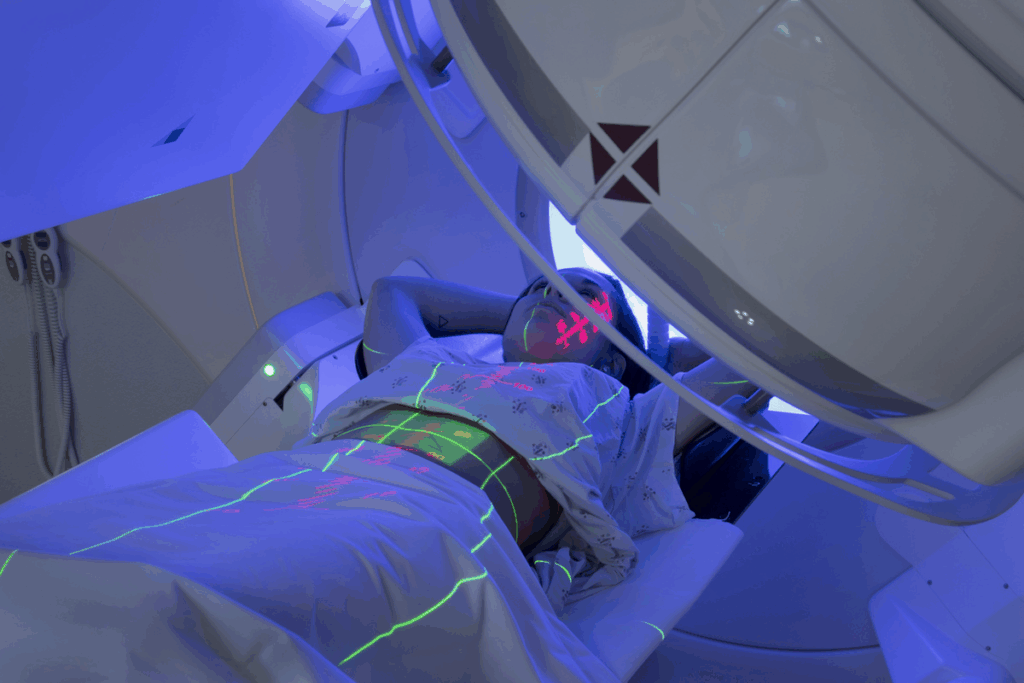
Going through radiotherapy can be scary, even more so when you think about being with your loved ones, like babies. Many people are worried about the safety of their family members after they’ve had radiation treatment.
The American Cancer Society says many patients are concerned about the risks of radiation to their family. We’ll look at what medical experts say about radiation precautions. This will help you know how safe it is to be around your baby after treatment.
Key Takeaways
- Understanding the safety guidelines for interacting with babies after radiotherapy.
- Precautions to minimize radiation exposure to loved ones.
- Expert advice from reputable medical sources on radiation therapy safety.
- How to balance the need for treatment with family responsibilities.
- Support available for patients undergoing radiotherapy.
Understanding Radiation Therapy and Its Effects
Patients should understand the basics of radiation therapy. It’s a key part of cancer treatment and affects their safety and health. Radiation therapy uses high-energy particles or waves to kill cancer cells. It can be given from outside or inside the body, based on the cancer type and stage.Understand essential Radiation precautions for family members at home after treatment, especially for safe contact with infants.
What Is Radiation Therapy?
Radiation therapy, or radiotherapy, kills cancer cells with high-energy radiation. It’s used to treat many cancers, alone or with surgery or chemotherapy. There are two main types: external beam radiation therapy (EBRT) and brachytherapy.
External Beam Radiation Therapy (EBRT) sends radiation from outside the body to the tumor. It’s the most common type and can target the tumor well, protecting healthy tissues.
Brachytherapy places radioactive material inside or near the tumor. This method gives a high dose of radiation to cancer cells while protecting healthy tissues.
How Does Radiation Affect the Body?
Radiation therapy damages cancer cells’ DNA, stopping them from growing. It can also harm nearby healthy cells. But, healthy cells can repair themselves better than cancer cells.
The body’s reaction to radiation depends on the dose and type. Common side effects include tiredness, skin changes, and hair loss. These effects are usually temporary and go away after treatment ends.
| Side Effects | Description | Management |
| Fatigue | Feeling tired or weak | Rest, exercise, nutrition |
| Skin Changes | Redness, itching, or dryness | Topical creams, gentle skin care |
| Hair Loss | Loss of hair in the treated area | Hair regrows after treatment |
Common Uses of Radiation Therapy
Radiation therapy treats many cancers, like breast, lung, prostate, and brain cancers. It can aim to cure cancer or relieve symptoms to improve quality of life.
We often use radiation therapy with other treatments to make it more effective. For example, combining it with chemotherapy can help certain cancers.
Patients should understand the basics of radiation therapy.
Safety Precautions After Radiotherapy

Patients who have had radiotherapy must take steps to keep others safe. They are radioactive for a while, and their fluids like saliva and sweat can be radioactive. The American College of Radiology stresses the need to follow certain rules to reduce radiation exposure to others.
General Guidelines for Patients
Patients should take steps to lower radiation exposure. They should sleep alone from their partner or family for a few days. They should also avoid being too close to kids and pregnant women.
- Sleeping in a separate bed from their partner or family members for a few days.
- Avoiding close contact with children and pregnant women.
- Using separate utensils and dishes, and washing them thoroughly after use.
- Flushing the toilet twice after use to dispose of radioactive waste.
Timing and Duration of Precautions
The length of time precautions are needed varies. For some treatments, it’s just a few hours. For others, it can be several days. It’s key to follow the exact instructions from your healthcare team about how long radiation stays in your body after treatment.
Specific Risks to Family Members
Family members, like kids and pregnant women, are more at risk. Patients need to know the risks and take steps to protect them. This means keeping a safe distance and practicing good hygiene to ensure radiation safety for family members.
Radiation Exposure Risks for Family Members
When a family member gets radiotherapy, we all worry about radiation risks. We’re here to help you stay safe and protect your loved ones.
How Radiation Spreads in a Home Environment
Radiation from radiotherapy can spread in a home. This can expose family members. The risk depends on the radiotherapy type and how close family members are to the patient.
Key factors influencing radiation spread include:
- The type and dose of radiation therapy administered
- The distance between the patient and family members
- The duration of exposure
Knowing these factors helps reduce risks. Keeping a safe distance from the patient can help a lot.
Vulnerable Groups: Infants and Pregnant Women
Infants and pregnant women are very sensitive to radiation. It’s important to protect them extra well.
Precautions for vulnerable groups include:
- Limiting close contact with the patient
- Following a healthcare provider’s guidance on safe interaction
- Monitoring radiation levels in the home environment
Measuring Radiation Exposure
Measuring radiation exposure is key to understanding risks. Healthcare providers use different methods to check exposure levels.
Methods for measuring radiation exposure include:
- Radiation dosimeters to measure exposure levels
- Calculations based on the type and dose of radiotherapy
Knowing the radiation level helps families take steps to stay safe. This ensures a safe space for everyone.
How to Care for a Baby Post-Radiotherapy
Caring for a baby after radiotherapy means following safety rules to avoid radiation. New parents who had radiotherapy worry about being safe with their babies. Doctors say it’s okay to be with babies again, but with certain safety steps.
When Is It Safe to Hold a Baby?
When you can hold your baby again depends on the radiotherapy type and dose. The risk of radiation to others goes down as the radioactive stuff fades away. Always talk to your doctor about when it’s okay to be close to your baby again. They’ll give advice based on your treatment.
Key factors influencing the safety timeline include:
- The type of radioactive isotope used
- The dose and duration of the radiation therapy
- The body’s natural processes for eliminating radioactive materials
Best Practices for Safe Interaction
To safely be with your baby after radiotherapy, follow these tips:
- Maintain Distance: Stay away from your baby until your doctor says it’s okay to be closer.
- Practice Good Hygiene: Wash your hands often, before touching your baby or their things.
- Avoid Close Contact: Don’t do things that bring you and your baby close, like kissing or sharing food.
Signs of Possible Radiation Exposure
Even though the risk is low, knowing the signs of radiation exposure is important. Look out for:
- Nausea or vomiting
- Diarrhea or stomach pain
- Feeling very tired or weak
- Skin that’s red or sore
If you or your baby shows any of these signs, call your doctor right away.
Personal Hygiene and Space Management
After radiotherapy, keeping clean and managing space well is key to protect family members from radiation. It’s not just about being tidy; it’s about making a safe place for everyone.
Importance of Hygiene
In a home affected by radiation, good hygiene is a must. Washing hands often and using separate items can help a lot. Patients should stick to a strict cleaning routine to keep their families safe.
Patients should also watch where they are and not get too close to family, like babies and pregnant women, until it’s okay. Good hygiene means keeping clean and aware of your surroundings.
Creating a Safe Space
Creating a safe home is more than just being clean; it’s about how you arrange your space. We advise patients and their families to pick out ‘safe zones’ where radiation is less. This could be bedrooms or areas the patient doesn’t often visit.
Families can also cut down on radiation by staying away from the patient more. Using barriers or keeping a distance helps. We help patients figure out how to safely arrange their homes.
- Regularly clean and disinfect surfaces and objects that the patient comes into contact with.
- Use separate personal items for the patient to avoid cross-contamination.
- Limit the patient’s contact with vulnerable family members until cleared by a healthcare professional.
By following these steps, families can lower the risks from radiation therapy. We’re here to support our patients and their families every step of the way, making sure they stay safe and healthy.
Emotional and Psychological Considerations
The emotional and psychological effects of radiation therapy on families are very important. We need to pay close attention and offer support. It’s key to understand how it affects both patients and their loved ones.
Supporting Family Member Emotional Well-being
Family members are essential in caring for patients going through radiation therapy. We must make sure they get the emotional support they need. Here are ways to do it:
- Open communication about the treatment process and its effects
- Encouraging family members to express their feelings and concerns
- Providing resources for emotional support, such as counseling or support groups
Supporting family members’ emotional well-being helps create a stronger and more positive environment for all.
Managing Anxiety Around Radiation Risks
Radiation therapy can make family members anxious about radiation risks. We can help by:
- Understanding the specific risks and taking appropriate precautions
- Following guidelines provided by healthcare professionals
- Maintaining open lines of communication with the patient’s healthcare team
By managing anxiety and supporting emotional well-being, we can lessen the emotional impact of radiation therapy on families.
Remember, we’re not alone in this journey. There are resources and support available to help us face the emotional challenges of radiation therapy.
FAQs About Radiation Safety
Radiation therapy brings up many questions. We’re here to answer some of the most common ones. Understanding radiation safety is key for patients and their families.
Common Questions and Misconceptions
Many people worry about radiation safety. This worry often comes from not knowing the facts. Here are some questions we get a lot:
- Is it safe to be around children and pregnant women after radiotherapy? It’s best to keep a distance for a while. But how long depends on the radiation type and dose.
- How long does radiation stay in the body? It depends on the treatment. But usually, it’s gone in a few days to weeks.
- Can I breastfeed after radiation therapy? It’s not recommended during and right after treatment. This is true if the treatment is near the chest.
Clarifying Misinformation about Radiation Risks
False information can cause a lot of worry. Let’s clear up some myths:
- Radiation makes you radioactive. Not exactly. External beam radiation therapy doesn’t make you radioactive. But some internal treatments might.
- You’ll contaminate others. You’re unlikely to spread radiation to others unless you’ve had certain treatments.
- Radiation is always harmful. True, but doctors use controlled doses to target cancer. This helps avoid harming healthy cells.
Knowing the truth about radiation safety can help ease worries. If you have questions, always talk to your doctor.
Expert Insights on Radiation Safety
Experts share important tips on radiation safety for those dealing with radiotherapy. We’ll look at advice from health pros and real-life stories. These can help patients and their families stay safe from radiation.
Recommendations from Health Professionals
Health experts stress the need to follow certain rules to keep family members safe. They say patients should keep a safe distance from others, like babies and pregnant women, for a while after treatment.
Key Recommendations:
- Follow the healthcare provider’s instructions regarding isolation and contact with others.
- Practice good hygiene, such as frequent handwashing.
- Sleep in a separate bedroom for a few days after treatment.
Real-Life Experiences and Advice
Patients who’ve had radiotherapy share useful tips on radiation safety. They talk about balancing rest and recovery with keeping family safe from radiation.
For example, one patient said:
“I made sure to sleep in a separate room and used a separate bathroom to minimize exposure to my family. It was challenging, but it gave me peace of mind knowing I was protecting them.”
These stories show the value of being flexible and following safety rules.
By using expert advice and real-life experiences, families can handle radiation safety better after radiotherapy.
Conclusion: Making Informed Choices for Family Safety
When dealing with radiation therapy, keeping our families safe is key. We must understand how radiation works and take steps to protect them. This way, we can create a safe space for our loved ones.
Practical Steps for a Safe Environment
To keep our families safe, we need to follow the advice of doctors. This means taking precautions, staying clean, and keeping a safe distance. These actions help lower the risks of radiation exposure.
Accessing Reliable Resources
For more help and information, we should look at trusted sources. Places like the American Cancer Society and the National Cancer Institute have lots of useful info on radiation safety. By staying informed, we can make better choices for our families’ health.
FAQ
How long does radiation stay in your body after treatment?
The time radiation stays in your body varies by treatment type. External beam radiation therapy doesn’t leave your body after treatment. But, brachytherapy, where a radioactive source is inside you, may emit radiation for a while.
Is it safe to be around someone receiving radiation therapy?
It’s usually safe to be near someone getting external beam radiation therapy. But, for brachytherapy, it’s best to take precautions. This is to protect others, like kids and pregnant women, from radiation.
Can you hug someone after radiation treatment?
Hugging is safe for those who’ve had external beam radiation therapy. But, if you’ve had brachytherapy, your doctor might give special rules for hugging.
How can I minimize radiation exposure to my family?
To reduce radiation exposure, wash your hands often and follow your doctor’s safety tips. Sleeping in a separate room for a few days after brachytherapy can also help keep your family safe.
Are there specific risks to children and pregnant women?
Yes, kids and pregnant women are more at risk from radiation. It’s important to follow your doctor’s safety advice to protect them.
What are the signs of radiation exposure?
Radiation exposure signs can include nausea, tiredness, and hair loss in rare cases. If you’re worried, talk to your doctor.
How can I care for my baby after radiotherapy?
Follow your doctor’s advice to care for your baby. This might mean waiting a bit before holding them, practicing good hygiene, and keeping contact minimal until radiation levels drop.
Can radiation therapy cause cancer in others?
External beam radiation therapy doesn’t make you radioactive, so it can’t directly cause cancer in others. But, brachytherapy might slightly increase the risk of radiation exposure to others. The risk is low with proper precautions.
What are the side effects of radiation therapy for different cancers?
Side effects depend on the cancer type, radiation location, and dose. Common effects include tiredness, skin changes, and hair loss in the treated area. Your doctor can give more specific info based on your treatment.
How can I manage anxiety around radiation risks?
To manage anxiety, understand the risks and take the right precautions. Talk to your doctor, follow safety guidelines, and get support from loved ones to reduce anxiety.
References
Centers for Disease Control and Prevention. Evidence-Based Medical Insight. Retrieved from https://www.cdc.gov/cancer/radiation-safety.htm



 Departments
 Related Videos
 Our Doctors
 News
News