
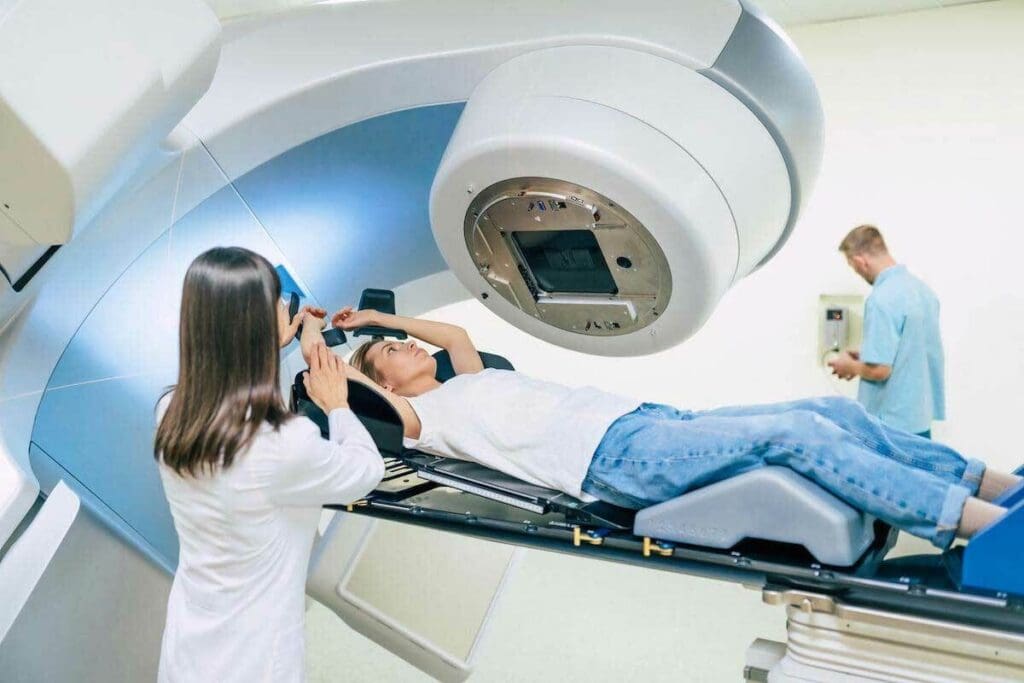
Getting ready for radiation therapy CT simulation can feel overwhelming. But knowing what to expect can ease your worries. At Liv Hospital, our skilled teams use the newest tech to keep you comfortable and safe during the simulation for radiation treatment.
The journey in radiation oncology starts with a CT simulation. This key step makes sure the treatment hits the right spot. It’s vital for radiation therapy to work well. We prepare you for what’s ahead to make your experience as easy as possible.
Key Takeaways
- Understand the importance of CT simulation in radiation oncology.
- Learn how to prepare for radiation therapy CT simulation.
- Discover the steps involved in the simulation process.
- Find out how to make your simulation experience as comfortable as possible.
- Learn about the technology used in radiation therapy simulation.
Understanding the Purpose of CT Simulation in Radiation Oncology

CT simulation is key to successful radiation oncology treatments. It helps plan radiation therapy with precision. This way, tumors are targeted accurately, and healthy tissues are protected.
What is CT Simulation and Why It’s Essential
CT simulation uses a CT scanner to create detailed images of the body. These images are vital for doctors to accurately outline tumors and important structures. This helps in creating effective treatment plans.
A leading radiation oncologist says, “CT simulation has changed radiation oncology. It gives us high-resolution images for precise treatment.” This shows how important CT simulation is in today’s radiation therapy.
The Evolution of Imaging Technology in Radiation Planning
Imaging technology has greatly improved over the years, changing radiation planning. The use of CT simulation in radiation oncology has led to more accurate and personalized treatments.
- Improved image resolution
- Enhanced tumor delineation
- Better critical structure identification
These improvements have made radiation therapy more effective.
Benefits of Precise Treatment Mapping
CT simulation offers many benefits, like better tumor targeting and less harm to healthy tissues. This precision is key to better treatment results and fewer side effects.
“The precision afforded by CT simulation is unparalleled, allowing for tailored treatment plans that significantly improve patient outcomes.” – A radiation oncologist
With the detailed images from CT simulation, doctors can make treatment plans that are more effective and safer for patients.
Key Benefits of Accurate Radiation Therapy Simulation

Effective radiation therapy starts with accurate simulation. This step is key to ensure the right dose of radiation hits the tumor. It also keeps healthy tissues safe. The CT scan images help make your treatment plan and guide the treatment team.
Precise Tumor Targeting and Dose Delivery
Accurate simulation enables precise tumor targeting, which is vital for effective radiation therapy. Advanced imaging lets doctors see the tumor’s details. This helps deliver the right dose of radiation to the tumor, making treatment more effective.
Protection of Surrounding Healthy Tissues
Another big plus of accurate simulation is protecting healthy tissues. Doctors can map the tumor and its surroundings. This helps them plan treatments that avoid harming important areas. It reduces side effects and improves life quality for patients.
Personalized Treatment Planning
Accurate simulation leads to personalized treatment planning. Every patient is different, and simulation helps create a custom plan. This plan protects healthy tissue and boosts treatment effects. It makes sure treatment fits each patient’s needs, leading to better results.
Simulation is a key part of modern radiation oncology. It helps doctors give patients effective, personalized care. With advanced imaging and precise planning, doctors can get great results while keeping side effects low.
Preparing for Your Radiation Therapy CT Simulation Appointment
Knowing what to expect and how to prepare for your CT simulation is key. It makes your radiation therapy more effective. Getting ready ensures your treatment fits your needs perfectly.
Documentation and Medical History to Bring
Bring important documents and your medical history to your CT simulation. This includes:
- Previous medical records related to your cancer diagnosis
- List of current medications and supplements
- Any relevant imaging studies (e.g., previous CT scans, MRI, PET scans)
- Insurance information and identification
Having this information helps your radiation oncology team understand your medical background. They can make better decisions about your treatment plan.
Medication Guidelines and Restrictions
Some medications or supplements might need to be adjusted or stopped before your CT simulation. Your radiation oncologist will guide you on:
| Medication/Supplement | Action Required | Rationale |
| Blood Thinners | Potential discontinuation before simulation | To minimize risk of bleeding during or after the procedure |
| Contrast Allergies | Pre-medication or alternative contrast agents | To prevent allergic reactions during the CT scan |
Questions to Ask Your Radiation Oncologist
Use your CT simulation appointment to ask questions and clear up any concerns. Consider asking:
- What are the possible side effects of my radiation therapy, and how can they be managed?
- How will the CT simulation help plan my treatment?
- Are there any specific instructions I need to follow before or after the simulation?
Being informed and prepared can make you more comfortable and confident during your radiation therapy.
Physical Preparation Guidelines for Optimal Imaging
Getting ready physically is key for the best imaging results during your CT simulation for radiation therapy. This includes several steps that greatly affect the quality and accuracy of your treatment plan.
Dietary Instructions Before Your Appointment
Your healthcare provider will likely give you specific diet instructions before your CT simulation. These might include fasting for a while or avoiding certain foods and drinks that could mess with the imaging.
Common dietary instructions include:
- Avoiding heavy meals for a few hours before the appointment
- Not consuming foods or drinks that could cause gas or discomfort
- Following a specific hydration plan
Appropriate Clothing and Accessories
Wear comfy clothes to your CT simulation appointment. It’s best to avoid jewelry, specially around the treatment area, as it might get in the way of the imaging or treatment.
Hydration and Comfort Recommendations
Drinking water is key for your comfort during the CT simulation. But, your healthcare provider might have specific rules about how much water to drink before you go.
Tips for hydration and comfort:
| Recommendation | Benefit |
| Drink water as instructed by your healthcare provider | Helps in maintaining comfort during the procedure |
| Avoid heavy meals before the appointment | Reduces discomfort during the simulation |
| Wear loose, comfortable clothing | Enhances overall comfort and reduces anxiety |
What to Expect During Radiation Therapy Simulation
Knowing what to expect during radiation therapy simulation can help reduce anxiety. This step is key for planning treatment accurately.
The CT Simulation Environment and Equipment
The CT simulation area is set up like the actual treatment room. It has a large CT scanner, immobilization devices for keeping patients steady, and lasers for exact positioning. The CT scanner used is a big-bore CT scanner, making it more comfortable for patients with its larger opening.
Duration and Comfort Considerations
The CT simulation procedure can take anywhere from 15 to 60 minutes. Comfort is a top priority, and most patients find it tolerable. To feel more comfortable, wear loose, easy-to-move clothing and avoid metal items.
Healthcare Team Members and Their Roles
A team of healthcare experts will be there during the simulation. This team includes radiation oncologists, radiation therapists, and sometimes nurses. The radiation oncologist makes sure the treatment plan is right. The radiation therapists run the CT scanner and help with positioning the patient.
Managing Anxiety During the Procedure
It’s okay to feel anxious about the simulation. To calm down, try deep breathing or visualization. The healthcare team is ready to answer questions and offer reassurance during the procedure.
Step-by-Step Process of CT Simulation for Radiation Treatment
The CT simulation process is key in radiation therapy. It ensures treatment is delivered accurately. This process involves several steps to map out the treatment plan with precision.
Patient Positioning Techniques
Getting patients in the right position is vital for CT simulation. They sit on a flat table. Immobilization devices like molds or masks keep them steady during the scan.
Experts says precise positioning is key for accurate radiation delivery.
The radiation therapy team will help you get into the correct position. They make sure you’re comfortable. “The accuracy of the treatment depends on the accuracy of the simulation,” say radiation oncologists.
Laser Alignment and Reference Marking
Laser beams align the patient on the CT simulation table. These lasers project lines on the skin. These lines are used as reference points for marking.
As a radiation oncologist notes, “Laser alignment is a critical step that ensures the patient’s position is accurately reproduced during treatment.” This step is vital for the success of the radiation therapy.
Contrast Administration: Purpose and Experience
In some cases, contrast agents are used to make certain areas or tumors more visible during the CT simulation. The contrast helps in distinguishing between the tumor and healthy tissues. This aids in precise treatment planning.
Patients might feel a temporary warmth or metallic taste when contrast is given. But, this is usually well-tolerated and goes away quickly.
Skin Marking and Tattoo Placement for Treatment Accuracy
After the CT scan, the team marks the skin with semi-permanent marks or tiny tattoos. These marks guide daily radiation treatment. They ensure the radiation beams hit the tumor site accurately.
Using skin markings and tattoos is a common practice. It helps keep radiation delivery precise throughout the treatment.
Advanced Technology in Modern Radiation Simulation
New technology in radiation simulation has changed the game in radiation oncology. It makes treatment plans more precise and effective. Big-bore CT scanners and multimodality imaging are key to this improvement.
Big-Bore CT Scanner Capabilities
Big-bore CT scanners are essential in radiation therapy simulation. They have a larger bore size, fitting various patient positions and devices. This technology:
- Increases accuracy in targeting tumors
- Makes patients more comfortable during simulation
- Integrates better with other imaging modalities
4D CT Simulation for Respiratory Motion Management
4D CT simulation helps manage how the body moves during radiation therapy. It captures images over time. This allows for:
- Accurate tracking of tumor movement
- Personalized treatment plans based on patient breathing
- Better protection of healthy tissues
Multimodality Imaging Integration (MRI/PET)
Mixing MRI and PET with radiation therapy simulation has greatly improved planning. This combination:
- Gives detailed info on tumor biology and anatomy
- Improves accuracy in defining target areas
- Leads to more effective treatments
Image Processing and Treatment Planning Software
Advanced software for image processing and treatment planning is vital. These tools:
- Allow for detailed analysis and manipulation of images
- Help create personalized treatment plans
- Enable adjustments during treatment
| Technology | Benefits | Clinical Impact |
| Big-Bore CT Scanners | Increased accuracy, improved patient comfort | Enhanced treatment precision |
| 4D CT Simulation | Respiratory motion management | Better tumor targeting |
| Multimodality Imaging | Comprehensive tumor assessment | Improved treatment outcomes |
Post-Simulation Process and Treatment Planning
After the CT simulation for radiation therapy, the next steps are to create a personalized treatment plan. This is a key part of making sure the simulation leads to a treatment that fits the patient perfectly.
Timeline from Simulation to Treatment Start
The time from the simulation to starting treatment can vary. It usually takes a few days to a couple of weeks. This depends on how complex the case is and how much preparation is needed for the treatment plan.
| Day | Procedure | Details |
| 1-2 | Simulation | CT simulation radiation therapy is conducted. |
| 3-5 | Treatment Planning | Development of a personalized treatment plan. |
| 7-14 | Treatment Start | First session of radiation therapy. |
Follow-up Consultations and Plan Review
Patients meet with their radiation oncologist to review the treatment plan during this time. It’s a chance to ask any questions or concerns about the simulation for radiation and the upcoming treatment.
Caring for Skin Markings and Tattoos
Patients learn how to take care of the skin markings and tattoos from the CT simulation. These are important for accurate radiation delivery during treatment.
- Keep the marked area clean and dry.
- Avoid rubbing or scrubbing the tattoos.
- Be cautious when dressing or undressing to prevent smudging.
Preparing for Your First Treatment Session
As the treatment start date gets closer, patients learn what to expect. They find out how long the session will be and what preparations they need to make.
By the end of the post-simulation process, patients are ready for their radiation therapy. This is thanks to the careful planning and personalized care from their radiation oncology team.
Conclusion
Radiation therapy simulation is key in radiation oncology. It ensures treatments are accurate and effective. Advanced imaging, like CT scans, helps map tumors and tissues. This makes treatment plans more personalized.
The simulation process starts with preparation. This includes documenting patient information and guidelines for medication and physical readiness. During the CT scan, detailed images of the tumor and its surroundings are captured. These images help create a treatment plan that targets the tumor effectively while protecting healthy tissues.
Creating a treatment plan for radiation therapy is a team effort. It involves many healthcare professionals working together. By understanding the importance of simulation, patients get safe and effective treatments. As technology improves, so will the treatments available in radiation oncology.
FAQ
What is the purpose of CT simulation in radiation oncology?
CT simulation makes a detailed 3D image of tumors and tissues. This helps plan and deliver precise treatments.
How long does a typical CT simulation appointment take?
CT simulation appointments last from 15 to 60 minutes. This depends on the case’s complexity and technology used.
What should I wear to my CT simulation appointment?
Wear loose, comfy clothes that can be easily removed. You might need to change into a gown. Avoid jewelry, makeup, and clothes with metal.
Do I need to fast or follow a special diet before CT simulation?
Dietary rules vary based on the CT simulation type and contrast use. Your radiation oncologist will give specific diet advice.
What is the role of contrast in CT simulation?
Contrast makes some tissues or structures more visible. This helps define tumors and anatomy more accurately.
How is the CT simulation data used in treatment planning?
CT simulation data helps create a personalized treatment plan. It outlines the best radiation dose and delivery method to target tumors safely.
What is 4D CT simulation, and when is it used?
4D CT simulation tracks internal structures over time. It’s used for moving tumors, ensuring accurate treatment planning.
How are skin markings and tattoos used in radiation therapy?
Skin markings and tattoos guide accurate patient positioning and alignment. They help keep treatment consistent.
What happens after CT simulation, and when can I expect to start treatment?
After CT simulation, your radiation oncologist will create a treatment plan. You’ll discuss it during a follow-up. Treatment usually starts a few days to weeks later.
How do I care for my skin markings and tattoos during radiation therapy?
Your radiation oncologist will tell you how to care for your skin markings and tattoos. This includes avoiding certain products or activities.
References
- Mutic, S., Palta, J. R., Butker, E. K., Das, I. J., Huq, M. S., Loo, L. D. D., Salter, B. J., McCollough, C. H., & Van Dyk, J. (2003). Quality assurance for computed-tomography simulators and the computed-tomography-simulation process: Report of the AAPM Radiation Therapy Committee Task Group No. 66. Medical Physics, 30(10), 2762–2792.https://pubmed.ncbi.nlm.nih.gov/14596315/