We’ll look at the different fast killing diseases and their signs. We’ll also talk about how to prevent them. This way, people can get help fast.
It’s important to know about these conditions to save lives. We want to give a full view of these risks. This will help our readers understand the dangers.
Key Takeaways
- Certain medical conditions can cause death within 24 hours.
- Timely medical intervention is key to preventing deaths.
- Knowing the symptoms of acute fatal conditions helps get medical help quickly.
- Preventive steps can lower the risk of death from fast killing diseases.
- Being aware of these conditions is vital to save lives.
Understanding Rapid Fatal Diseases
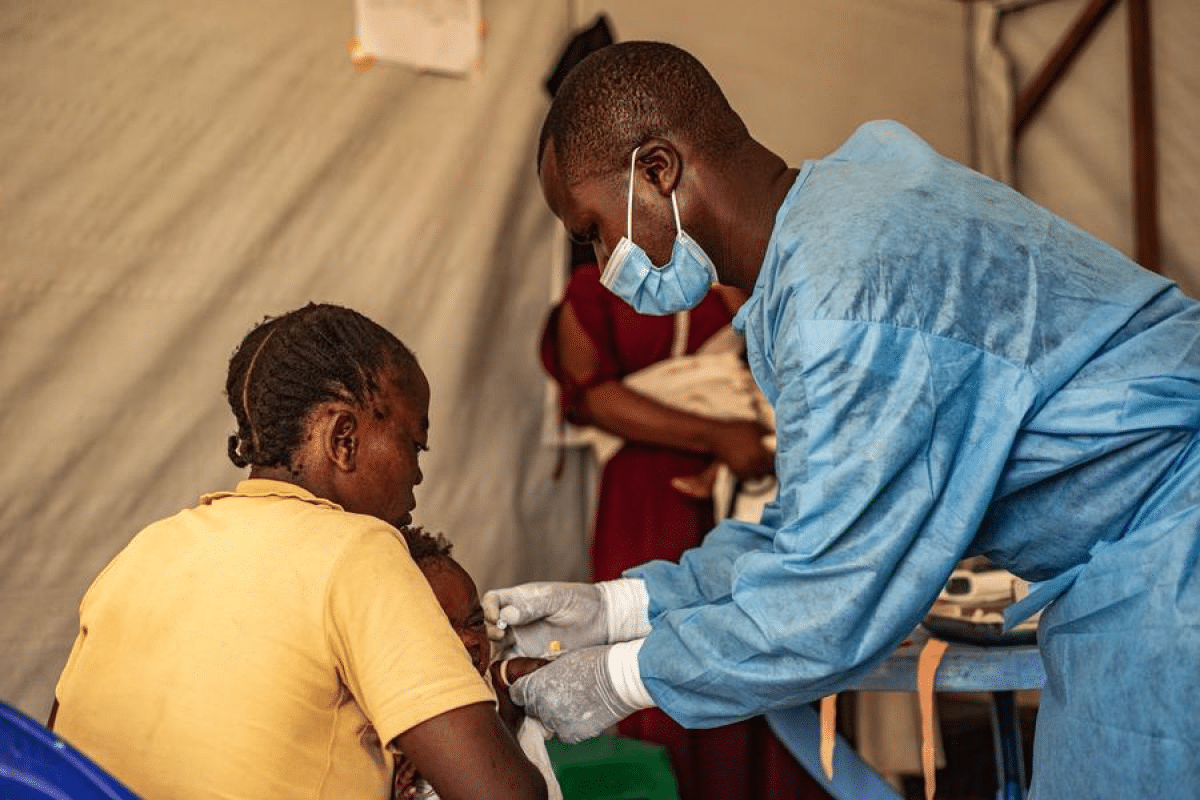 It’s important to know about rapid fatal diseases to catch them early and treat them well. These diseases can come from infections or genetic issues. Knowing about them helps prevent deaths.
Definition of Rapid Fatal Diseases
Rapid fatal diseases get worse fast and can kill quickly, often within 24 hours. They can come from infectious agents or genetic predispositions. For example, meningococcemia can cause severe sepsis and get worse fast.
These diseases progress quickly. Doctors say knowing about them can help a lot in treatment.
Importance of Awareness
Being aware is key to managing and possibly stopping these diseases from being fatal. By knowing the risks and spotting symptoms early, people can get help fast. Healthcare experts stress that
“Early detection is key to managing rapid fatal diseases effectively.”
Awareness is important in many ways:
- Spotting symptoms early
- Getting medical help quickly
- Stopping infectious diseases from spreading
Common Symptoms to Watch For
Knowing the symptoms of rapid fatal diseases is a big step in getting medical help on time. Common signs include:
- High fever
- Severe headache
- Rapid breathing or trouble breathing
- Severe abdominal pain
These signs may indicate the onset of a serious medical condition. It’s vital to watch for them and get medical help if they show up. As we learn more about rapid fatal diseases, knowing these symptoms will be key.
Types of Rapid Fatal Diseases
 It’s important to know about the different types of rapid fatal diseases. This knowledge helps us create better ways to prevent and treat them. These diseases fall into three main categories: infectious, non-infectious, and genetic conditions. Each type presents its own set of challenges for public health.
Infectious Diseases
Infectious diseases come from pathogens like bacteria, viruses, and fungi. They can spread in many ways, including direct contact, through the air, and by vectors.
Diseases like Ebola and meningococcemia are fast-moving and deadly. They require quick treatment to survive.
Non-Infectious Diseases
Non-infectious diseases don’t come from pathogens. Instead, they’re caused by environmental factors, lifestyle choices, and genetics.
Genetic Conditions
Genetic conditions are passed down or caused by genetic mutations. They can cause the body to fail quickly because it can’t function right.
|
Disease Category |
Causes |
Examples |
Transmission/Trigger |
|---|---|---|---|
|
Infectious Diseases |
Pathogens (bacteria, viruses, fungi) |
Ebola, Meningococcemia |
Direct contact, airborne, vector-borne |
|
Non-Infectious Diseases |
Environmental exposures, lifestyle, genetic predispositions |
Certain cancers, heart diseases |
Environmental factors, lifestyle choices |
|
Genetic Conditions |
Genetic mutations or inheritance |
Sickle Cell Anemia, Huntington’s Disease |
Genetic inheritance |
How Rapid Fatal Diseases Spread
We look into how fast-acting deadly diseases spread. Their impact varies based on several factors. These include the disease type, how it’s transmitted, and the environment.
Transmission Methods for Infectious Diseases
Infectious diseases are caused by pathogens like bacteria, viruses, and parasites. They can spread in different ways. For example, vector-borne transmission happens when insects like mosquitoes and ticks carry diseases.
Direct contact with someone who’s sick, contaminated food or water, and infected bodily fluids are common ways too. Some diseases spread quickly because they are very contagious.
Diseases like meningococcemia can spread through respiratory droplets. This makes places with lots of people a high-risk area for catching the disease.
Environmental Factors
Environmental factors greatly affect how fast-acting diseases spread. Climate change can change ecosystems, letting disease-carrying insects thrive in new places. Extreme weather can also cause people to move and gather, raising the risk of disease.
Poor sanitation and hygiene play a big role too. Without good waste management and clean water, outbreaks are more likely.
Contact Risks
Knowing how diseases spread through contact is key to stopping them. Direct contact with someone who’s sick can pass on diseases. Indirect contact, like touching things that are contaminated, is also a risk.
Healthcare workers are at high risk because they often come into contact with sick people. Using personal protective equipment (PPE) and following strict hygiene rules helps reduce this risk.
Case Studies of Rapid Fatal Diseases
Emergency fatal conditions need a deep look at case studies for better health policies. We dive into various rapid fatal diseases to learn about their symptoms, how they progress, and their outcomes.
Ebola Virus Disease
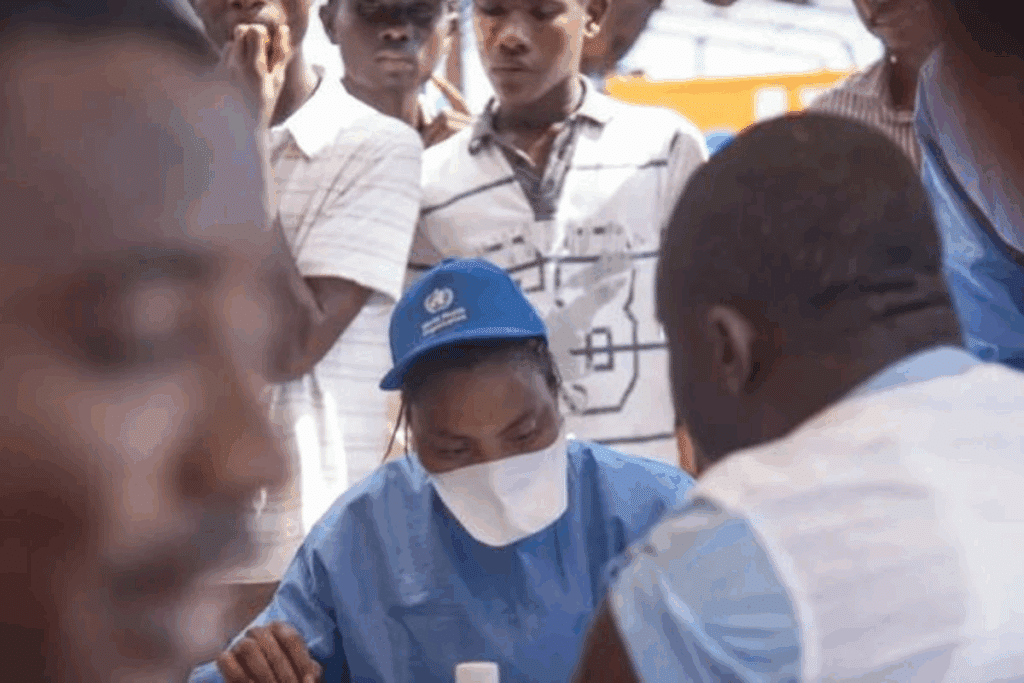
Ebola Virus Disease (EVD) is a deadly example with high death rates. The 2014-2016 outbreak in West Africa showed the need for quick detection and isolation. We study EVD’s symptoms and how it spreads to grasp its quick decline.
Symptoms and Transmission: EVD brings fever, vomiting, and bleeding. It spreads through direct contact with infected fluids. Knowing this helps in stopping outbreaks.
Meningococcemia
Meningococcemia is a fast-acting syndrome caused by Neisseria meningitidis. It can cause severe sepsis and death quickly if not treated fast. We explore case studies to understand its quick spread.
|
Disease |
Symptoms |
Transmission |
Mortality Rate |
|---|---|---|---|
|
Meningococcemia |
Fever, rash, sepsis |
Respiratory droplets |
High if untreated |
|
Ebola Virus Disease |
Fever, vomiting, hemorrhaging |
Direct contact with bodily fluids |
High |
Hyperacute Bacterial Infections
Hyperacute bacterial infections, like those from certain Streptococcus strains, can be fatal quickly if not treated right away. We talk about why spotting these infections early is key.
Early Recognition: Spotting symptoms of hyperacute bacterial infections early is vital. Look for severe pain, high fever, and quick sepsis. Quick medical help can greatly improve chances of survival.
By studying these cases, we learn the value of early detection and treatment for fast-acting diseases. This knowledge helps shape public health plans and improves care for patients.
Recognizing Symptoms Early
The key to surviving sudden medical emergencies is to spot symptoms early. It’s vital to know the warning signs of serious conditions. This way, people can get medical help fast, which could save lives.
Key Symptoms to Monitor
Some symptoms can point to fatal diseases. These include:
- Severe headache that comes on suddenly
- High fever that doesn’t get better with usual treatments
- Difficulty breathing or feeling short of breath
- Severe chest pain or feeling like something is pressing on your chest
- Confusion or feeling like you’re in a different mental state
Doctors say spotting these symptoms early can greatly help. Prompt action is key.
“The sooner the intervention, the better the chances of survival in cases of sudden medical emergencies.”
When to Seek Medical Attention
Knowing when to get help is important. If you or someone else has any of these symptoms, get medical help right away:
- Symptoms that get worse fast
- Severe pain or trouble breathing
- Fever over 103°F (39.4°C)
- Severe headache or feeling confused
|
Symptom |
Action |
|---|---|
|
Severe headache |
Seek immediate medical attention |
|
High fever |
Watch the temperature; get help if it keeps going up |
|
Difficulty breathing |
Call emergency services |
We can’t stress enough how important it is to take care of your health. Spotting emergency medical conditions early can really help with treatment.
Preventive Measures to Take
We can lower the risk of deadly diseases by taking steps to prevent them. Being proactive helps us and keeps our communities safe.
Vaccinations are a key way to prevent diseases. Vaccines fight many diseases that can be deadly if not treated quickly. Getting vaccinated reduces our risk of getting these diseases.
Vaccinations
Vaccines are vital in stopping the spread of diseases. For instance, vaccines for meningococcal disease and some flu strains work well. We should talk to our doctors to find the right vaccines for us.
Keeping up with vaccination schedules is also important. It protects us and stops outbreaks of preventable diseases.
Hygiene Practices
Good hygiene practices are key to preventing diseases. Washing hands often, using hand sanitizers, and staying away from sick people can help stop disease spread.
Keeping our surroundings clean, throwing away waste properly, and handling food and water safely are also important. These practices help keep us healthy.
Avoiding High-Risk Situations
Staying away from high-risk situations is also important. This means avoiding places with disease outbreaks, being careful around wild animals, and not sharing personal items. Being aware of our surroundings helps us avoid health risks.
In summary, by getting vaccinated, practicing good hygiene, and avoiding risky situations, we can lower the risk of deadly diseases. It’s a team effort that needs awareness, action, and community support.
Treatment Options Available
When we face emergency health issues, knowing our treatment options is key. We’ll look at how to manage fast-acting diseases. This includes both quick care steps and long-term plans.
Immediate Care Protocols
Quick action is vital for diseases that can be fatal fast. Immediate care aims to keep the patient stable and stop things from getting worse. It often includes:
- Aggressive fluid resuscitation to keep blood pressure up and vital organs working.
- Antimicrobial therapy to fight off infections.
- Supportive care, like breathing machines or dialysis, for organs that are failing.
These steps start in an emergency room and continue in an ICU.
Long-Term Management Strategies
For those who make it past the first crisis of a fast-acting disease, long-term care is key. It helps avoid complications and boosts life quality. This care might include:
- Continued antibiotic therapy or other treatments for ongoing infections.
- Rehabilitation programs to help regain lost abilities and mobility.
- Chronic disease management to keep an eye on and manage long-term health problems.
Good long-term care needs a team of healthcare experts. They work together to meet the patient’s complex needs.
By using these treatment options, we can greatly improve outcomes for patients with fast-acting diseases.
The Role of Healthcare Professionals
Healthcare professionals are key in fighting rapid fatal diseases. They help spot critical conditions early and create effective treatment plans.
They are trained to spot symptoms of deadly diseases quickly. This can mean the difference between life and death. They also offer emotional support to patients and their families.
Importance of Early Diagnosis
Spotting diseases early is vital. Healthcare pros use their skills and tools to catch conditions early. This boosts the chance of successful treatment.
Early diagnosis is super important. It lets for quick action, which can greatly improve patient results. Healthcare pros make fast, informed decisions based on their training.
|
Disease |
Symptoms |
Importance of Early Diagnosis |
|---|---|---|
|
Ebola Virus Disease |
Fever, vomiting, diarrhea |
Early diagnosis allows for isolation and treatment, reducing mortality rates. |
|
Meningococcemia |
Rash, fever, headache |
Prompt diagnosis enables effective antibiotic treatment, improving survival chances. |
|
Hyperacute Bacterial Infections |
Severe pain, swelling, fever |
Early identification facilitates aggressive treatment, reducing the risk of complications. |
Collaboration in Treatment Plans
Working together is key for good treatment plans. Healthcare pros and patients team up to create plans that fit the patient’s needs.
Healthcare pros share their knowledge, while patients share their insights. This teamwork leads to better treatment results.
Key aspects of collaboration include:
- Clear communication between healthcare providers and patients.
- Personalized treatment plans that consider the patient’s overall health.
- Ongoing support and monitoring to adjust treatment as necessary.
By focusing on healthcare pros’ role in early diagnosis and teamwork, we can help patients with rapid fatal diseases. Their skills and commitment are essential in the battle against these diseases.
The Impact of Rapid Fatal Diseases
It’s important to understand how rapid fatal diseases affect us. These diseases harm not just individuals but also society, economy, and our emotions.
Societal and Economic Effects
Rapid fatal diseases can severely hit economies and societies. When people die suddenly, it can cause big economic problems. For example, businesses might close, leading to lost income and jobs.
|
Economic Impact |
Societal Consequences |
|---|---|
|
Loss of workforce |
Community disruption |
|
Reduced consumer spending |
Increased fear and anxiety |
|
Strain on healthcare resources |
Potential for social unrest |
The World Health Organization says outbreaks can hurt economies and societies a lot. This is true if they are not stopped quickly. (
WHO report on infectious disease outbreaks
).
Emotional and Psychological Toll
Families hit by rapid fatal diseases often feel a lot of emotional pain. They might feel anxious, depressed, or have PTSD. Losing someone close can really affect their mental health for a long time.
Support services are key to helping families deal with these losses. They offer counseling, psychological support, and help from the community.
Key Support Measures:
- Counseling services for affected families
- Community support groups
- Psychological first aid training for healthcare workers
By understanding the effects of rapid fatal diseases, we can prepare and respond better. This helps protect individuals, communities, and economies from harm.
Conclusion and Next Steps
It’s important to know about rapid fatal diseases to prevent and catch them early. We’ve looked at different types, how they spread, and why spotting symptoms fast is key.
To learn more, check out the World Health Organization (WHO) and the Centers for Disease Control and Prevention (CDC). They have lots of info on preventing diseases, their signs, and treatments.
Staying Up-to-Date
Keeping up with new research on rapid fatal diseases is essential. We suggest you keep learning and stay current to keep yourself and your family safe.
By knowing the risks and taking steps to prevent them, we can all help lessen the effects of these diseases. For more on education and staying informed, visit trusted health sites.
FAQ
What are rapid fatal diseases?
Rapid fatal diseases are serious conditions that can lead to death quickly. They progress fast and are aggressive. Examples include diseases like Ebola and meningococcemia.
How can I identify the symptoms of rapid fatal diseases?
Look out for symptoms like high fever, severe headache, and trouble breathing. Health can quickly get worse. It’s important to know these signs and get help fast.
What are the most common rapid fatal diseases?
Common diseases include meningitis, septicemia, and viral hemorrhagic fevers. Non-infectious conditions like acute coronary syndrome and stroke are also common.
How can I prevent rapid fatal diseases?
Preventive steps include getting vaccinated and practicing good hygiene. Avoid risky situations and live a healthy lifestyle to lower risks of non-infectious diseases.
What should I do if I suspect I have a rapid fatal disease?
If you think you have a rapid fatal disease, get medical help right away. Early treatment can greatly improve your chances.
Can rapid fatal diseases be treated?
Yes, some diseases can be treated if caught early. Treatment depends on the disease and may include immediate care and long-term plans.
How do rapid fatal diseases spread?
These diseases spread through contact, contaminated food and water, and vectors. Knowing how they spread helps in preventing them.
What is the role of healthcare professionals in managing rapid fatal diseases?
Healthcare professionals are key in diagnosing and treating these diseases. They work with patients to create effective treatment plans and provide ongoing care.
What is the impact of rapid fatal diseases on society?
These diseases can greatly affect society and the economy. They cause loss of productivity and increase healthcare costs. They also have emotional and psychological effects on families.
Where can I find more information on rapid fatal diseases?
For more information, check reputable health organizations and medical resources. Staying informed helps in prevention and early detection.
References
New England Journal of Medicine. Evidence-Based Medical Insight. Retrieved from https://www.nejm.org/doi/full/10.1056/NEJMra1600673



 Departments
 Related Videos
 Our Doctors
 News
News