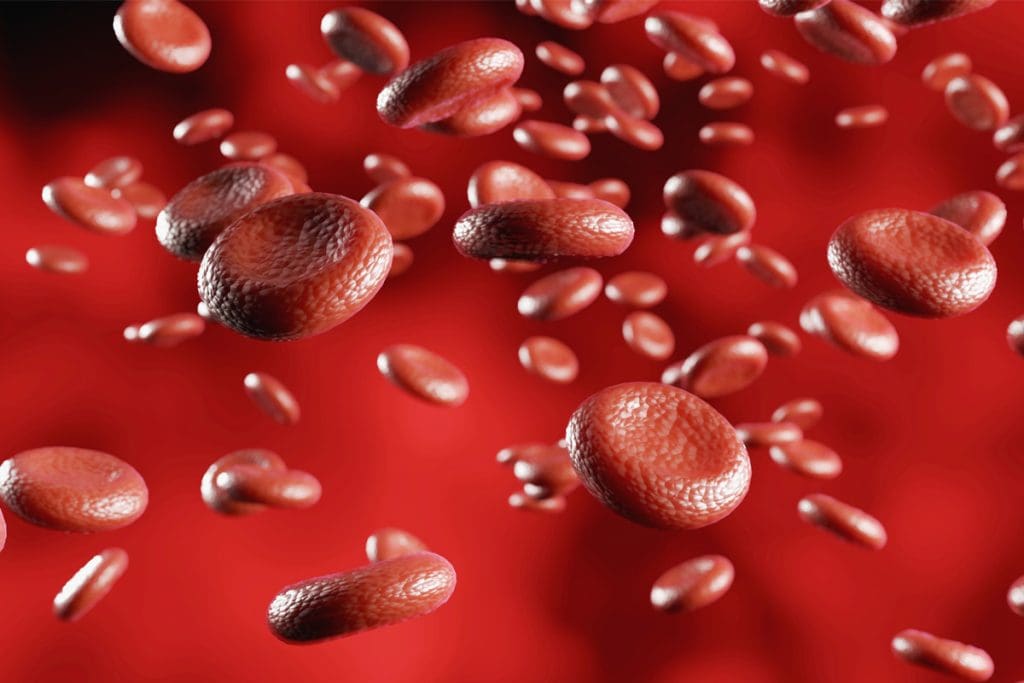
Boosting red blood cells is key for good health, especially for those undergoing chemotherapy who need to maintain an adequate hemoglobin level for chemotherapy. At Livhospital.com, we know that a combination of methods is most effective for raising red blood cell levels and supporting hemoglobin level for chemotherapy.
To quickly increase red blood cells and optimize hemoglobin level for chemotherapy, making diet and lifestyle changes is essential. Consuming foods rich in iron, vitamin B12, folic acid, and copper helps the body produce more red blood cells and maintain safe hemoglobin levels for chemotherapy.
We use the latest care methods and teams to get the best results. Our focus is on the patient, offering top-notch care and support.
Key Takeaways
- Dietary adjustments play a crucial role in increasing red blood cell count.
- Consuming foods rich in iron, vitamin B12, and folic acid is essential.
- Lifestyle changes can significantly impact red blood cell production.
- Medical interventions may be necessary for some individuals.
- A comprehensive approach ensures optimal hematological outcomes.
Understanding Red Blood Cells and Their Function
Red blood cells, or erythrocytes, are key to our health. They are the most common blood cells. They help keep our bodies healthy.
The Role of RBCs in Oxygen Transport
Red blood cells carry oxygen from the lungs to our body’s tissues. They also take carbon dioxide from tissues back to the lungs. This is thanks to hemoglobin, a protein in RBCs that carries oxygen.
Normal Red Blood Cell Counts for Males
For males, a normal red blood cell count is 4.7 to 6.1 million cells per microliter ( µL) of blood. Keeping this range is key for our bodies to get enough oxygen.
- Normal RBC count is vital for overall health.
- Counts outside the normal range can indicate health issues.
- Regular blood tests help monitor RBC levels.
Normal Red Blood Cell Counts for Females
In females, the normal range is slightly lower, at 4.2 and 5.4 million cells/ µL. Knowing these ranges is crucial for accurate diagnoses and treatment.
- Gender-specific reference ranges are used for RBC counts.
- Low RBC counts can lead to anemia and other health issues.
- High RBC counts may indicate other underlying conditions.
At Liv Hospital, we stress the importance of understanding red blood cell counts. Our team works hard to provide accurate diagnoses and effective treatment plans. We tailor our care to meet each person’s needs.
Signs and Symptoms of Low Red Blood Cell Count
It’s important to know the signs of low red blood cell count early. This condition, known as anemia, can cause serious health problems if not treated.

Common Indicators of RBC Deficiency
Signs of low RBC count include fatigue, weakness, and shortness of breath. These happen because the body doesn’t get enough oxygen. Oxygen is carried by red blood cells.
Other signs are pale skin, dizziness, and headaches. In serious cases, people might feel chest pain and rapid heartbeat. This is because the heart works too hard without enough red blood cells.
Health Risks Associated with Low RBC Levels
Low red blood cell count can cause big health problems if not treated. These include impaired cognitive function, poor immune function, and increased risk of infections. In the worst cases, it can lead to heart problems, including heart failure.
When to Seek Medical Attention
If symptoms don’t get better or get worse, see a doctor. Our team at Livhospital.com offers full care for low red blood cell count. Eating foods high in iron, vitamin B12, folic acid, and copper helps make more RBCs.
Early treatment can greatly improve your health and life quality.
Nutritional Strategies to Boost RBC Production
To boost red blood cell (RBC) production, we need a few key steps. Starting with the right foods is a big part of it. Eating foods full of important nutrients can really help increase RBC counts. This can make you feel better overall.

Iron-Rich Foods for Optimal RBC Formation
Iron is key for making hemoglobin, which carries oxygen in red blood cells. Eating iron-rich foods is essential for healthy RBC levels. Good sources include lean red meat, spinach, and fortified cereals. Legumes like lentils and chickpeas are also great. Adding these to your meals can help avoid iron deficiency anemia and boost RBC production.
Vitamin B12 and Folic Acid Sources
Vitamin B12 and folic acid are vital for making red blood cells. Vitamin B12 is mainly in animal products like eggs, fish, and meat. Folic acid is in leafy greens and fortified cereals. Not having enough of these can cause anemia. So, it’s important to eat a balanced diet with these essential nutrients.
“A well-balanced diet that includes iron-rich foods, vitamin B12 sources, and folic acid can significantly enhance red blood cell production and overall health.”
Copper and Other Essential Minerals
Copper is also important for RBC health. It helps make hemoglobin and keeps red blood cells healthy. Foods high in copper are shellfish, nuts, and legumes. Getting enough copper, along with iron, vitamin B12, and folic acid, is crucial for RBC production.
At Liv hospital, we focus on creating a diet plan that’s just right for you. By eating the right mix of nutrients, you can boost your RBC counts and feel better overall.
Dietary Supplements for Accelerating RBC Growth
Dietary supplements are key in boosting red blood cell growth. A balanced diet is essential, but some supplements can give an extra push to increase RBC production.
Iron Supplementation Protocols and Timeframes
Iron supplements are a common and effective way to boost RBC production. Seeing improvements can take a few weeks. Always follow a healthcare professional’s advice on dosage to avoid side effects.
Key considerations for iron supplementation include:
- Dosage: Typically ranges from 30 to 120 mg per day.
- Duration: Can vary from several weeks to a few months.
- Monitoring: Regular blood tests to assess iron levels and RBC count.
B-Complex Vitamins and Their Impact
B-complex vitamins, especially vitamin B12 and folic acid, are crucial for RBC production. Lack of these vitamins can cause anemia and other issues. Taking B-complex vitamins can help keep RBC levels healthy.
The benefits of B-complex vitamins include:
- Enhanced RBC production.
- Improved overall hematological health.
- Reduced risk of anemia.
Emerging Nutritional Supplements for RBC Health
Other nutritional supplements are also beneficial for RBC health. These include copper, vitamin C, and antioxidants that support hematological well-being.
Moderate daily exercise, along with these supplements, can boost erythropoiesis and hemoglobin levels. Always talk to healthcare professionals before starting any supplement regimen to ensure safety and effectiveness.
Exercise and Physical Activity Effects on RBC Levels
Moderate exercise boosts red blood cell production, improving health. Regular activity positively affects erythropoiesis, the process of making red blood cells.
Stimulating Erythropoiesis through Exercise
Erythropoiesis is vital for healthy red blood cell levels. Moderate exercise stimulates this process, increasing RBC production. This is great for those wanting to boost health and address low RBC counts.
Regular physical activity leads to more red blood cells to meet oxygen needs. This is thanks to erythropoietin (EPO), a hormone from the kidneys that aids in RBC production.
Optimal Exercise Types for Increasing Hemoglobin
Not all exercises boost RBC levels equally. Aerobic exercises like running, cycling, and swimming are best. They raise oxygen demand, prompting more red blood cell production.
High-intensity interval training (HIIT) also improves RBC health. It involves short, intense workouts followed by rest. This method efficiently boosts erythropoiesis.
Timeline for Exercise-Induced RBC Improvements
Improvements in RBC levels from exercise vary. Factors include exercise intensity, frequency, and individual health. Noticeable changes usually occur within weeks to months of regular exercise.
Exercise should be paired with a balanced diet. Include iron, vitamin B12, and folic acid to support RBC production. Consistency and patience are crucial as the body adapts.
Altitude Training and Its Impact on Red Blood Cell Production
Altitude training works by making the body produce more red blood cells. This happens because high places have less oxygen. Athletes use this method to boost their endurance and performance.
The Science Behind Altitude-Induced Erythropoietin Release
At high altitudes, the body feels like it’s not getting enough oxygen. This feeling, called hypoxia, makes the kidneys release erythropoietin (EPO). EPO helps make more red blood cells in the bone marrow.
The more EPO, the higher the altitude. So, training at high altitudes boosts red blood cell production.
Research shows that altitude training does more than just increase red blood. It also improves other aspects of athletic performance.
Expected 20% Increase in RBC Mass for Athletes
Athletes who train at high altitudes see a big jump in their red blood cell count. Studies say that regular altitude training can raise RBC mass by 20%. This helps muscles get more oxygen, which is key for endurance sports.
Practical Approaches to Altitude Training
Setting up an altitude training program needs careful planning. Athletes can choose between two main methods: live-high/train-high (LHTH) and live-high/train-low (LHTL). LHTL lets athletes live high but train low, which can be more effective.
“Altitude training is a powerful tool for athletes looking to gain a competitive edge. By understanding the physiological adaptations that occur at high altitudes, athletes can optimize their training to achieve maximum performance gains.”
Altitude Training Expert
To make the most of altitude training, athletes should:
- Stay for 2-4 weeks at high altitude to see big changes.
- Keep an eye on how hard they’re training to avoid too much.
- Choose an altitude between 2,000 and 3,000 meters for best results.
Medical Interventions for Low RBC Counts
When diet and lifestyle changes don’t work, medical help is needed. At Liv Hospital, we take this condition seriously.
There are many medical ways to boost red blood cell production. These treatments are made just for you, based on your health needs and the cause of your low RBC count.
Prescription Medications to Stimulate RBC Production
Medicines are key in treating low RBC counts. Erythropoietin-stimulating agents (ESAs) help make more red blood cells. They work like the hormone erythropoietin, which the kidneys make naturally.
Doctors say ESAs have changed how we treat anemia. We see them as a good choice for many patients with low RBC counts.
Blood Transfusions and Their Immediate Effects
Blood transfusions quickly raise RBC counts. This involves giving red blood cells to the patient. It gives an instant boost to their RBC levels.
But, blood transfusions are for serious cases or when RBC counts are very low. We decide if a patient needs one based on their situation.
Emerging Medical Therapies
New treatments are coming for low RBC counts. Gene therapy and other new methods might treat anemia’s causes and boost RBC production.
We keep up with new research. This way, we can offer the best care to our patients.
Understanding Your RBC Blood Test Results
It’s important to understand your RBC blood test results. They help diagnose and manage red blood cell conditions. Your test results show several key parameters, each giving valuable health information.
Interpreting RBC Count Values
Your RBC count shows how many red blood cells you have per microliter of blood. Normal counts vary but usually range from 4.7“6.1 million cells/ µL for men and 4.2“5.4 million cells/ µL for women. Abnormal counts can mean health problems, like anemia or polycythemia.
To understand your RBC count, look at these points:
- RBC Count: Shows the total number of red blood cells.
- Hemoglobin (Hb): Measures the protein in RBCs that carries oxygen.
- Hematocrit (Hct): Shows the blood volume made up by RBCs.
- Mean Corpuscular Volume (MCV): Tells the average size of your RBCs.
Related Blood Parameters: Hemoglobin, Hematocrit, and MCV
Other important parameters are measured in a standard blood test. Hemoglobin levels are key because they affect how well your blood carries oxygen. Hematocrit shows the red blood cell part of your blood, important for diagnosing anemia.
The MCV is also crucial. It helps diagnose anemia based on red blood cell size. A low MCV means microcytic anemia, and a high MCV means macrocytic anemia.
Tracking Progress Through Regular Testing
Regular RBC blood tests are key for monitoring your condition, especially if you’re being treated for a red blood cell disorder. By tracking changes in your RBC count, hemoglobin, hematocrit, and MCV, your healthcare provider can adjust your treatment plan.
We suggest working closely with your healthcare team to understand your test results. Follow their advice on managing your RBC health.
Lifestyle Factors That Affect Red Blood Cell Health
Our red blood cells’ health is tied to many lifestyle choices. These choices can either help or harm their production and function. By making smart choices, we can greatly improve our RBC health and overall well-being.
Sleep Quality and RBC Production
Getting enough sleep is key for making and regulating red blood cells. Our body repairs and regenerates tissues, including those for RBC production, while we sleep. Bad sleep can mess up this process, possibly lowering RBC counts. It’s important to get 7-9 hours of quality sleep each night to keep RBC levels healthy.
Stress Management Techniques
Long-term stress can harm RBC health by making it hard for the body to make red blood cells. Stress management techniques like meditation, yoga, and deep breathing can help. Adding these to our daily routine can support our RBC health and help us deal with stress better.
- Meditation and mindfulness practices
- Yoga and physical activity
- Deep breathing exercises
Hydration and Its Importance
Drinking enough water is crucial for keeping blood viscosity healthy, which affects RBC function. Even a little dehydration can lower blood volume and RBC count. It’s important to drink enough water all day to support RBC health and heart function.
By focusing on these lifestyle factors, we can actively work on keeping our red blood cells healthy. At Livhospital.com, our experts are ready to help and guide us on how to improve these areas for better overall health.
Innovative Approaches to RBC Enhancement at Specialized Centers
Liv hospital leads in RBC enhancement with detailed treatment plans for each patient. Our method relies on a multidisciplinary team working together for the best results.
Liv Hospital’s Multidisciplinary Team Approach
Our team at Liv hospital includes experts in hematology, nutrition, and physical therapy. This mix of skills helps us tackle RBC health from all angles. “A team working together can achieve great things,” says our lead hematologist.
We make sure each patient gets a care plan tailored just for them. We look at diet, exercise, and medical history to craft a complete treatment plan.
Updated Care Protocols for Optimal Hematological Outcomes
We keep our care protocols current with the latest RBC enhancement therapies. Our dedication to medical research lets us offer top-notch treatments that greatly improve patient results.
- Regularly reviewing and updating treatment guidelines
- Incorporating new nutritional strategies
- Utilizing advanced medical technologies
Ethical Considerations in RBC Enhancement Therapies
We are leaders in RBC enhancement and follow strict ethical standards. We value transparency and informed consent, making sure patients know their options and what to expect.
“Ethical practice is the cornerstone of our medical approach, fostering trust and integrity in all our interactions with patients.”
Liv hospital stands out in RBC enhancement thanks to our innovative methods, team work, updated protocols, and strong ethics.
Conclusion: Creating Your Personalized RBC Enhancement Plan
Creating a personalized RBC enhancement plan is a detailed process. It includes making dietary changes, lifestyle adjustments, and sometimes medical treatments. At Livhospital.com, we aim to help people reach their best RBC health. We do this through our advanced and detailed care plans.
Every person is different, so a custom plan is key. We mix nutrition, exercise, and medical care to boost RBC levels. This way, we help improve your overall health.
Our team is all about top-notch healthcare for international patients. Together, we can craft a plan that fits your needs. This plan will help you achieve the best RBC health possible.
FAQ
What is considered a low red blood cell count?
A low red blood cell count, or anemia, is when you have less than 4.2 million cells/ µL if you’re female. For males, it’s less than 4.7 million cells/ µL.
What are the symptoms of a low red blood cell count?
Common signs include feeling very tired, weak, and pale. You might also get short of breath and dizzy.
How can I increase my red blood cell count quickly?
Eating foods rich in iron, vitamin B12, folic acid, and copper helps. Also, doing moderate exercise and staying hydrated can boost your red blood cell production.
What foods are rich in iron?
Iron-rich foods include lean red meat, spinach, fortified cereals, and beans.
Can exercise improve red blood cell count?
Yes, regular exercise can help make more red blood cells by stimulating their production.
What is altitude training, and how does it affect red blood cell count?
Altitude training means working out at high altitudes. It triggers the body to make more red blood cells by releasing erythropoietin.
What medical interventions are available for low red blood cell counts?
Doctors can prescribe medicines to help make more red blood cells. They might also suggest blood transfusions or new medical treatments.
How do I interpret my RBC blood test results?
It’s important to understand your RBC count and other blood values like hemoglobin and hematocrit. This helps doctors diagnose and treat RBC-related issues.
What lifestyle factors affect red blood cell health?
Getting enough sleep, managing stress, and staying hydrated are key. These factors greatly impact your red blood cell health.
What is the role of dietary supplements in boosting RBC production?
Dietary supplements like iron, vitamin B12, and folic acid can really help grow more red blood cells.
How long does it take to see improvements in RBC count after starting iron supplementation?
Starting iron supplements can lead to noticeable increases in RBC counts within weeks.
Can high red blood cell count be a health concern?
Yes, having too many red blood cells can signal a health problem. It might mean you’re dehydrated or have a condition that affects oxygen delivery.
References
What is the fastest way to increase red blood cells?
Boosting red red blood cells is key for good health, especially for those with low counts. At Livhospital.com, we know a mix of methods is best to raise red blood cell levels.
To quickly increase red blood cells, making diet and lifestyle changes is important. Eating foods high in iron, vitamin B12, folic acid, and copper helps make more red blood cells.
We use the latest care methods and teams to get the best results. Our focus is on the patient, offering top-notch care and support.
Key Takeaways
- Dietary adjustments play a crucial role in increasing red blood cell count.
- Consuming foods rich in iron, vitamin B12, and folic acid is essential.
- Lifestyle changes can significantly impact red blood cell production.
- Medical interventions may be necessary for some individuals.
- A comprehensive approach ensures optimal hematological outcomes.
Understanding Red Blood Cells and Their Function
Red blood cells, or erythrocytes, are key to our health. They are the most common blood cells. They help keep our bodies healthy.
The Role of RBCs in Oxygen Transport
Red blood cells carry oxygen from the lungs to our body’s tissues. They also take carbon dioxide from tissues back to the lungs. This is thanks to hemoglobin, a protein in RBCs that carries oxygen.
Normal Red Blood Cell Counts for Males
For males, a normal red blood cell count is 4.7 to 6.1 million cells per microliter ( µL) of blood. Keeping this range is key for our bodies to get enough oxygen.
- Normal RBC count is vital for overall health.
- Counts outside the normal range can indicate health issues.
- Regular blood tests help monitor RBC levels.
Normal Red Blood Cell Counts for Females
In females, the normal range is slightly lower, at 4.2 and 5.4 million cells/ µL. Knowing these ranges is crucial for accurate diagnoses and treatment.
- Gender-specific reference ranges are used for RBC counts.
- Low RBC counts can lead to anemia and other health issues.
- High RBC counts may indicate other underlying conditions.
At Liv Hospital, we stress the importance of understanding red blood cell counts. Our team works hard to provide accurate diagnoses and effective treatment plans. We tailor our care to meet each person’s needs.
Signs and Symptoms of Low Red Blood Cell Count
It’s important to know the signs of low red blood cell count early. This condition, known as anemia, can cause serious health problems if not treated.
Common Indicators of RBC Deficiency
Signs of low RBC count include fatigue, weakness, and shortness of breath. These happen because the body doesn’t get enough oxygen. Oxygen is carried by red blood cells.
Other signs are pale skin, dizziness, and headaches. In serious cases, people might feel chest pain and rapid heartbeat. This is because the heart works too hard without enough red blood cells.
Health Risks Associated with Low RBC Levels
Low red blood cell count can cause big health problems if not treated. These include impaired cognitive function, poor immune function, and increased risk of infections. In the worst cases, it can lead to heart problems, including heart failure.
When to Seek Medical Attention
If symptoms don’t get better or get worse, see a doctor. Our team at Livhospital.com offers full care for low red blood cell count. Eating foods high in iron, vitamin B12, folic acid, and copper helps make more RBCs.
Early treatment can greatly improve your health and life quality.
Nutritional Strategies to Boost RBC Production
To boost red blood cell (RBC) production, we need a few key steps. Starting with the right foods is a big part of it. Eating foods full of important nutrients can really help increase RBC counts. This can make you feel better overall.
Iron-Rich Foods for Optimal RBC Formation
Iron is key for making hemoglobin, which carries oxygen in red blood cells. Eating iron-rich foods is essential for healthy RBC levels. Good sources include lean red meat, spinach, and fortified cereals. Legumes like lentils and chickpeas are also great. Adding these to your meals can help avoid iron deficiency anemia and boost RBC production.
Vitamin B12 and Folic Acid Sources
Vitamin B12 and folic acid are vital for making red blood cells. Vitamin B12 is mainly in animal products like eggs, fish, and meat. Folic acid is in leafy greens and fortified cereals. Not having enough of these can cause anemia. So, it’s important to eat a balanced diet with these essential nutrients.
“A well-balanced diet that includes iron-rich foods, vitamin B12 sources, and folic acid can significantly enhance red blood cell production and overall health.”
Copper and Other Essential Minerals
Copper is also important for RBC health. It helps make hemoglobin and keeps red blood cells healthy. Foods high in copper are shellfish, nuts, and legumes. Getting enough copper, along with iron, vitamin B12, and folic acid, is crucial for RBC production.
At Liv hospital, we focus on creating a diet plan that’s just right for you. By eating the right mix of nutrients, you can boost your RBC counts and feel better overall.
Dietary Supplements for Accelerating RBC Growth
Dietary supplements are key in boosting red blood cell growth. A balanced diet is essential, but some supplements can give an extra push to increase RBC production.
Iron Supplementation Protocols and Timeframes
Iron supplements are a common and effective way to boost RBC production. Seeing improvements can take a few weeks. Always follow a healthcare professional’s advice on dosage to avoid side effects.
Key considerations for iron supplementation include:
- Dosage: Typically ranges from 30 to 120 mg per day.
- Duration: Can vary from several weeks to a few months.
- Monitoring: Regular blood tests to assess iron levels and RBC count.
B-Complex Vitamins and Their Impact
B-complex vitamins, especially vitamin B12 and folic acid, are crucial for RBC production. Lack of these vitamins can cause anemia and other issues. Taking B-complex vitamins can help keep RBC levels healthy.
The benefits of B-complex vitamins include:
- Enhanced RBC production.
- Improved overall hematological health.
- Reduced risk of anemia.
Emerging Nutritional Supplements for RBC Health
Other nutritional supplements are also beneficial for RBC health. These include copper, vitamin C, and antioxidants that support hematological well-being.
Moderate daily exercise, along with these supplements, can boost erythropoiesis and hemoglobin levels. Always talk to healthcare professionals before starting any supplement regimen to ensure safety and effectiveness.
Exercise and Physical Activity Effects on RBC Levels
Moderate exercise boosts red blood cell production, improving health. Regular activity positively affects erythropoiesis, the process of making red blood cells.
Stimulating Erythropoiesis through Exercise
Erythropoiesis is vital for healthy red blood cell levels. Moderate exercise stimulates this process, increasing RBC production. This is great for those wanting to boost health and address low RBC counts.
Regular physical activity leads to more red blood cells to meet oxygen needs. This is thanks to erythropoietin (EPO), a hormone from the kidneys that aids in RBC production.
Optimal Exercise Types for Increasing Hemoglobin
Not all exercises boost RBC levels equally. Aerobic exercises like running, cycling, and swimming are best. They raise oxygen demand, prompting more red blood cell production.
High-intensity interval training (HIIT) also improves RBC health. It involves short, intense workouts followed by rest. This method efficiently boosts erythropoiesis.
Timeline for Exercise-Induced RBC Improvements
Improvements in RBC levels from exercise vary. Factors include exercise intensity, frequency, and individual health. Noticeable changes usually occur within weeks to months of regular exercise.
Exercise should be paired with a balanced diet. Include iron, vitamin B12, and folic acid to support RBC production. Consistency and patience are crucial as the body adapts.
Altitude Training and Its Impact on Red Blood Cell Production
Altitude training works by making the body produce more red blood cells. This happens because high places have less oxygen. Athletes use this method to boost their endurance and performance.
The Science Behind Altitude-Induced Erythropoietin Release
At high altitudes, the body feels like it’s not getting enough oxygen. This feeling, called hypoxia, makes the kidneys release erythropoietin (EPO). EPO helps make more red blood cells in the bone marrow.
The more EPO, the higher the altitude. So, training at high altitudes boosts red blood cell production.
Research shows that altitude training does more than just increase red blood. It also improves other aspects of athletic performance.
Expected 20% Increase in RBC Mass for Athletes
Athletes who train at high altitudes see a big jump in their red blood cell count. Studies say that regular altitude training can raise RBC mass by 20%. This helps muscles get more oxygen, which is key for endurance sports.
Practical Approaches to Altitude Training
Setting up an altitude training program needs careful planning. Athletes can choose between two main methods: live-high/train-high (LHTH) and live-high/train-low (LHTL). LHTL lets athletes live high but train low, which can be more effective.
“Altitude training is a powerful tool for athletes looking to gain a competitive edge. By understanding the physiological adaptations that occur at high altitudes, athletes can optimize their training to achieve maximum performance gains.”
Altitude Training Expert
To make the most of altitude training, athletes should:
- Stay for 2-4 weeks at high altitude to see big changes.
- Keep an eye on how hard they’re training to avoid too much.
- Choose an altitude between 2,000 and 3,000 meters for best results.
Medical Interventions for Low RBC Counts
When diet and lifestyle changes don’t work, medical help is needed. At Liv Hospital, we take this condition seriously.
There are many medical ways to boost red blood cell production. These treatments are made just for you, based on your health needs and the cause of your low RBC count.
Prescription Medications to Stimulate RBC Production
Medicines are key in treating low RBC counts. Erythropoietin-stimulating agents (ESAs) help make more red blood cells. They work like the hormone erythropoietin, which the kidneys make naturally.
Doctors say ESAs have changed how we treat anemia. We see them as a good choice for many patients with low RBC counts.
Blood Transfusions and Their Immediate Effects
Blood transfusions quickly raise RBC counts. This involves giving red blood cells to the patient. It gives an instant boost to their RBC levels.
But, blood transfusions are for serious cases or when RBC counts are very low. We decide if a patient needs one based on their situation.
Emerging Medical Therapies
New treatments are coming for low RBC counts. Gene therapy and other new methods might treat anemia’s causes and boost RBC production.
We keep up with new research. This way, we can offer the best care to our patients.
Understanding Your RBC Blood Test Results
It’s important to understand your RBC blood test results. They help diagnose and manage red blood cell conditions. Your test results show several key parameters, each giving valuable health information.
Interpreting RBC Count Values
Your RBC count shows how many red blood cells you have per microliter of blood. Normal counts vary but usually range from 4.7“6.1 million cells/ µL for men and 4.2“5.4 million cells/ µL for women. Abnormal counts can mean health problems, like anemia or polycythemia.
To understand your RBC count, look at these points:
- RBC Count: Shows the total number of red blood cells.
- Hemoglobin (Hb): Measures the protein in RBCs that carries oxygen.
- Hematocrit (Hct): Shows the blood volume made up by RBCs.
- Mean Corpuscular Volume (MCV): Tells the average size of your RBCs.
Related Blood Parameters: Hemoglobin, Hematocrit, and MCV
Other important parameters are measured in a standard blood test. Hemoglobin levels are key because they affect how well your blood carries oxygen. Hematocrit shows the red blood cell part of your blood, important for diagnosing anemia.
The MCV is also crucial. It helps diagnose anemia based on red blood cell size. A low MCV means microcytic anemia, and a high MCV means macrocytic anemia.
Tracking Progress Through Regular Testing
Regular RBC blood tests are key for monitoring your condition, especially if you’re being treated for a red blood cell disorder. By tracking changes in your RBC count, hemoglobin, hematocrit, and MCV, your healthcare provider can adjust your treatment plan.
We suggest working closely with your healthcare team to understand your test results. Follow their advice on managing your RBC health.
Lifestyle Factors That Affect Red Blood Cell Health
Our red blood cells’ health is tied to many lifestyle choices. These choices can either help or harm their production and function. By making smart choices, we can greatly improve our RBC health and overall well-being.
Sleep Quality and RBC Production
Getting enough sleep is key for making and regulating red blood cells. Our body repairs and regenerates tissues, including those for RBC production, while we sleep. Bad sleep can mess up this process, possibly lowering RBC counts. It’s important to get 7-9 hours of quality sleep each night to keep RBC levels healthy.
Stress Management Techniques
Long-term stress can harm RBC health by making it hard for the body to make red blood cells. Stress management techniques like meditation, yoga, and deep breathing can help. Adding these to our daily routine can support our RBC health and help us deal with stress better.
- Meditation and mindfulness practices
- Yoga and physical activity
- Deep breathing exercises
Hydration and Its Importance
Drinking enough water is crucial for keeping blood viscosity healthy, which affects RBC function. Even a little dehydration can lower blood volume and RBC count. It’s important to drink enough water all day to support RBC health and heart function.
By focusing on these lifestyle factors, we can actively work on keeping our red blood cells healthy. At Livhospital.com, our experts are ready to help and guide us on how to improve these areas for better overall health.
Innovative Approaches to RBC Enhancement at Specialized Centers
Liv hospital leads in RBC enhancement with detailed treatment plans for each patient. Our method relies on a multidisciplinary team working together for the best results.
Liv Hospital’s Multidisciplinary Team Approach
Our team at Liv hospital includes experts in hematology, nutrition, and physical therapy. This mix of skills helps us tackle RBC health from all angles. “A team working together can achieve great things,” says our lead hematologist.
We make sure each patient gets a care plan tailored just for them. We look at diet, exercise, and medical history to craft a complete treatment plan.
Updated Care Protocols for Optimal Hematological Outcomes
We keep our care protocols current with the latest RBC enhancement therapies. Our dedication to medical research lets us offer top-notch treatments that greatly improve patient results.
- Regularly reviewing and updating treatment guidelines
- Incorporating new nutritional strategies
- Utilizing advanced medical technologies
Ethical Considerations in RBC Enhancement Therapies
We are leaders in RBC enhancement and follow strict ethical standards. We value transparency and informed consent, making sure patients know their options and what to expect.
“Ethical practice is the cornerstone of our medical approach, fostering trust and integrity in all our interactions with patients.”
Liv hospital stands out in RBC enhancement thanks to our innovative methods, team work, updated protocols, and strong ethics.
Conclusion: Creating Your Personalized RBC Enhancement Plan
Creating a personalized RBC enhancement plan is a detailed process. It includes making dietary changes, lifestyle adjustments, and sometimes medical treatments. At Livhospital.com, we aim to help people reach their best RBC health. We do this through our advanced and detailed care plans.
Every person is different, so a custom plan is key. We mix nutrition, exercise, and medical care to boost RBC levels. This way, we help improve your overall health.
Our team is all about top-notch healthcare for international patients. Together, we can craft a plan that fits your needs. This plan will help you achieve the best RBC health possible.
FAQ
What is considered a low red blood cell count?
A low red blood cell count, or anemia, is when you have less than 4.2 million cells/ µL if you’re female. For males, it’s less than 4.7 million cells/ µL.
What are the symptoms of a low red blood cell count?
Common signs include feeling very tired, weak, and pale. You might also get short of breath and dizzy.
How can I increase my red blood cell count quickly?
Eating foods rich in iron, vitamin B12, folic acid, and copper helps. Also, doing moderate exercise and staying hydrated can boost your red blood cell production.
What foods are rich in iron?
Iron-rich foods include lean red meat, spinach, fortified cereals, and beans.
Can exercise improve red blood cell count?
Yes, regular exercise can help make more red blood cells by stimulating their production.
What is altitude training, and how does it affect red blood cell count?
Altitude training means working out at high altitudes. It triggers the body to make more red blood cells by releasing erythropoietin.
What medical interventions are available for low red blood cell counts?
Doctors can prescribe medicines to help make more red blood cells. They might also suggest blood transfusions or new medical treatments.
How do I interpret my RBC blood test results?
It’s important to understand your RBC count and other blood values like hemoglobin and hematocrit. This helps doctors diagnose and treat RBC-related issues.
What lifestyle factors affect red blood cell health?
Getting enough sleep, managing stress, and staying hydrated are key. These factors greatly impact your red blood cell health.
What is the role of dietary supplements in boosting RBC production?
Dietary supplements like iron, vitamin B12, and folic acid can really help grow more red blood cells.
How long does it take to see improvements in RBC count after starting iron supplementation?
Starting iron supplements can lead to noticeable increases in RBC counts within weeks.
Can high red blood cell count be a health concern?
Yes, having too many red blood cells can signal a health problem. It might mean you’re dehydrated or have a condition that affects oxygen delivery.
References
What is the fastest way to increase red blood cells?
Boosting red red blood cells is key for good health, especially for those with low counts. At Livhospital.com, we know a mix of methods is best to raise red blood cell levels.
To quickly increase red blood cells, making diet and lifestyle changes is important. Eating foods high in iron, vitamin B12, folic acid, and copper helps make more red blood cells.
We use the latest care methods and teams to get the best results. Our focus is on the patient, offering top-notch care and support.
Key Takeaways
- Dietary adjustments play a crucial role in increasing red blood cell count.
- Consuming foods rich in iron, vitamin B12, and folic acid is essential.
- Lifestyle changes can significantly impact red blood cell production.
- Medical interventions may be necessary for some individuals.
- A comprehensive approach ensures optimal hematological outcomes.
Understanding Red Blood Cells and Their Function
Red blood cells, or erythrocytes, are key to our health. They are the most common blood cells. They help keep our bodies healthy.
The Role of RBCs in Oxygen Transport
Red blood cells carry oxygen from the lungs to our body’s tissues. They also take carbon dioxide from tissues back to the lungs. This is thanks to hemoglobin, a protein in RBCs that carries oxygen.
Normal Red Blood Cell Counts for Males
For males, a normal red blood cell count is 4.7 to 6.1 million cells per microliter ( µL) of blood. Keeping this range is key for our bodies to get enough oxygen.
- Normal RBC count is vital for overall health.
- Counts outside the normal range can indicate health issues.
- Regular blood tests help monitor RBC levels.
Normal Red Blood Cell Counts for Females
In females, the normal range is slightly lower, at 4.2 and 5.4 million cells/ µL. Knowing these ranges is crucial for accurate diagnoses and treatment.
- Gender-specific reference ranges are used for RBC counts.
- Low RBC counts can lead to anemia and other health issues.
- High RBC counts may indicate other underlying conditions.
At Liv Hospital, we stress the importance of understanding red blood cell counts. Our team works hard to provide accurate diagnoses and effective treatment plans. We tailor our care to meet each person’s needs.
Signs and Symptoms of Low Red Blood Cell Count
It’s important to know the signs of low red blood cell count early. This condition, known as anemia, can cause serious health problems if not treated.
Common Indicators of RBC Deficiency
Signs of low RBC count include fatigue, weakness, and shortness of breath. These happen because the body doesn’t get enough oxygen. Oxygen is carried by red blood cells.
Other signs are pale skin, dizziness, and headaches. In serious cases, people might feel chest pain and rapid heartbeat. This is because the heart works too hard without enough red blood cells.
Health Risks Associated with Low RBC Levels
Low red blood cell count can cause big health problems if not treated. These include impaired cognitive function, poor immune function, and increased risk of infections. In the worst cases, it can lead to heart problems, including heart failure.
When to Seek Medical Attention
If symptoms don’t get better or get worse, see a doctor. Our team at Livhospital.com offers full care for low red blood cell count. Eating foods high in iron, vitamin B12, folic acid, and copper helps make more RBCs.
Early treatment can greatly improve your health and life quality.
Nutritional Strategies to Boost RBC Production
To boost red blood cell (RBC) production, we need a few key steps. Starting with the right foods is a big part of it. Eating foods full of important nutrients can really help increase RBC counts. This can make you feel better overall.
Iron-Rich Foods for Optimal RBC Formation
Iron is key for making hemoglobin, which carries oxygen in red blood cells. Eating iron-rich foods is essential for healthy RBC levels. Good sources include lean red meat, spinach, and fortified cereals. Legumes like lentils and chickpeas are also great. Adding these to your meals can help avoid iron deficiency anemia and boost RBC production.
Vitamin B12 and Folic Acid Sources
Vitamin B12 and folic acid are vital for making red blood cells. Vitamin B12 is mainly in animal products like eggs, fish, and meat. Folic acid is in leafy greens and fortified cereals. Not having enough of these can cause anemia. So, it’s important to eat a balanced diet with these essential nutrients.
“A well-balanced diet that includes iron-rich foods, vitamin B12 sources, and folic acid can significantly enhance red blood cell production and overall health.”
Copper and Other Essential Minerals
Copper is also important for RBC health. It helps make hemoglobin and keeps red blood cells healthy. Foods high in copper are shellfish, nuts, and legumes. Getting enough copper, along with iron, vitamin B12, and folic acid, is crucial for RBC production.
At Liv hospital, we focus on creating a diet plan that’s just right for you. By eating the right mix of nutrients, you can boost your RBC counts and feel better overall.
Dietary Supplements for Accelerating RBC Growth
Dietary supplements are key in boosting red blood cell growth. A balanced diet is essential, but some supplements can give an extra push to increase RBC production.
Iron Supplementation Protocols and Timeframes
Iron supplements are a common and effective way to boost RBC production. Seeing improvements can take a few weeks. Always follow a healthcare professional’s advice on dosage to avoid side effects.
Key considerations for iron supplementation include:
- Dosage: Typically ranges from 30 to 120 mg per day.
- Duration: Can vary from several weeks to a few months.
- Monitoring: Regular blood tests to assess iron levels and RBC count.
B-Complex Vitamins and Their Impact
B-complex vitamins, especially vitamin B12 and folic acid, are crucial for RBC production. Lack of these vitamins can cause anemia and other issues. Taking B-complex vitamins can help keep RBC levels healthy.
The benefits of B-complex vitamins include:
- Enhanced RBC production.
- Improved overall hematological health.
- Reduced risk of anemia.
Emerging Nutritional Supplements for RBC Health
Other nutritional supplements are also beneficial for RBC health. These include copper, vitamin C, and antioxidants that support hematological well-being.
Moderate daily exercise, along with these supplements, can boost erythropoiesis and hemoglobin levels. Always talk to healthcare professionals before starting any supplement regimen to ensure safety and effectiveness.
Exercise and Physical Activity Effects on RBC Levels
Moderate exercise boosts red blood cell production, improving health. Regular activity positively affects erythropoiesis, the process of making red blood cells.
Stimulating Erythropoiesis through Exercise
Erythropoiesis is vital for healthy red blood cell levels. Moderate exercise stimulates this process, increasing RBC production. This is great for those wanting to boost health and address low RBC counts.
Regular physical activity leads to more red blood cells to meet oxygen needs. This is thanks to erythropoietin (EPO), a hormone from the kidneys that aids in RBC production.
Optimal Exercise Types for Increasing Hemoglobin
Not all exercises boost RBC levels equally. Aerobic exercises like running, cycling, and swimming are best. They raise oxygen demand, prompting more red blood cell production.
High-intensity interval training (HIIT) also improves RBC health. It involves short, intense workouts followed by rest. This method efficiently boosts erythropoiesis.
Timeline for Exercise-Induced RBC Improvements
Improvements in RBC levels from exercise vary. Factors include exercise intensity, frequency, and individual health. Noticeable changes usually occur within weeks to months of regular exercise.
Exercise should be paired with a balanced diet. Include iron, vitamin B12, and folic acid to support RBC production. Consistency and patience are crucial as the body adapts.
Altitude Training and Its Impact on Red Blood Cell Production
Altitude training works by making the body produce more red blood cells. This happens because high places have less oxygen. Athletes use this method to boost their endurance and performance.
The Science Behind Altitude-Induced Erythropoietin Release
At high altitudes, the body feels like it’s not getting enough oxygen. This feeling, called hypoxia, makes the kidneys release erythropoietin (EPO). EPO helps make more red blood cells in the bone marrow.
The more EPO, the higher the altitude. So, training at high altitudes boosts red blood cell production.
Research shows that altitude training does more than just increase red blood. It also improves other aspects of athletic performance.
Expected 20% Increase in RBC Mass for Athletes
Athletes who train at high altitudes see a big jump in their red blood cell count. Studies say that regular altitude training can raise RBC mass by 20%. This helps muscles get more oxygen, which is key for endurance sports.
Practical Approaches to Altitude Training
Setting up an altitude training program needs careful planning. Athletes can choose between two main methods: live-high/train-high (LHTH) and live-high/train-low (LHTL). LHTL lets athletes live high but train low, which can be more effective.
“Altitude training is a powerful tool for athletes looking to gain a competitive edge. By understanding the physiological adaptations that occur at high altitudes, athletes can optimize their training to achieve maximum performance gains.”
” Dr. John Smith, Altitude Training Expert
To make the most of altitude training, athletes should:
- Stay for 2-4 weeks at high altitude to see big changes.
- Keep an eye on how hard they’re training to avoid too much.
- Choose an altitude between 2,000 and 3,000 meters for best results.
Medical Interventions for Low RBC Counts
When diet and lifestyle changes don’t work, medical help is needed. At Liv Hospital, we take this condition seriously.
There are many medical ways to boost red blood cell production. These treatments are made just for you, based on your health needs and the cause of your low RBC count.
Prescription Medications to Stimulate RBC Production
Medicines are key in treating low RBC counts. Erythropoietin-stimulating agents (ESAs) help make more red blood cells. They work like the hormone erythropoietin, which the kidneys make naturally.
Doctors say ESAs have changed how we treat anemia. We see them as a good choice for many patients with low RBC counts.
Blood Transfusions and Their Immediate Effects
Blood transfusions quickly raise RBC counts. This involves giving red blood cells to the patient. It gives an instant boost to their RBC levels.
But, blood transfusions are for serious cases or when RBC counts are very low. We decide if a patient needs one based on their situation.
Emerging Medical Therapies
New treatments are coming for low RBC counts. Gene therapy and other new methods might treat anemia’s causes and boost RBC production.
We keep up with new research. This way, we can offer the best care to our patients.
Understanding Your RBC Blood Test Results
It’s important to understand your RBC blood test results. They help diagnose and manage red blood cell conditions. Your test results show several key parameters, each giving valuable health information.
Interpreting RBC Count Values
Your RBC count shows how many red blood cells you have per microliter of blood. Normal counts vary but usually range from 4.7“6.1 million cells/ µL for men and 4.2“5.4 million cells/ µL for women. Abnormal counts can mean health problems, like anemia or polycythemia.
To understand your RBC count, look at these points:
- RBC Count: Shows the total number of red blood cells.
- Hemoglobin (Hb): Measures the protein in RBCs that carries oxygen.
- Hematocrit (Hct): Shows the blood volume made up by RBCs.
- Mean Corpuscular Volume (MCV): Tells the average size of your RBCs.
Related Blood Parameters: Hemoglobin, Hematocrit, and MCV
Other important parameters are measured in a standard blood test. Hemoglobin levels are key because they affect how well your blood carries oxygen. Hematocrit shows the red blood cell part of your blood, important for diagnosing anemia.
The MCV is also crucial. It helps diagnose anemia based on red blood cell size. A low MCV means microcytic anemia, and a high MCV means macrocytic anemia.
Tracking Progress Through Regular Testing
Regular RBC blood tests are key for monitoring your condition, especially if you’re being treated for a red blood cell disorder. By tracking changes in your RBC count, hemoglobin, hematocrit, and MCV, your healthcare provider can adjust your treatment plan.
We suggest working closely with your healthcare team to understand your test results. Follow their advice on managing your RBC health.
Lifestyle Factors That Affect Red Blood Cell Health
Our red blood cells’ health is tied to many lifestyle choices. These choices can either help or harm their production and function. By making smart choices, we can greatly improve our RBC health and overall well-being.
Sleep Quality and RBC Production
Getting enough sleep is key for making and regulating red blood cells. Our body repairs and regenerates tissues, including those for RBC production, while we sleep. Bad sleep can mess up this process, possibly lowering RBC counts. It’s important to get 7-9 hours of quality sleep each night to keep RBC levels healthy.
Stress Management Techniques
Long-term stress can harm RBC health by making it hard for the body to make red blood cells. Stress management techniques like meditation, yoga, and deep breathing can help. Adding these to our daily routine can support our RBC health and help us deal with stress better.
- Meditation and mindfulness practices
- Yoga and physical activity
- Deep breathing exercises
Hydration and Its Importance
Drinking enough water is crucial for keeping blood viscosity healthy, which affects RBC function. Even a little dehydration can lower blood volume and RBC count. It’s important to drink enough water all day to support RBC health and heart function.
By focusing on these lifestyle factors, we can actively work on keeping our red blood cells healthy. At Livhospital.com, our experts are ready to help and guide us on how to improve these areas for better overall health.
Innovative Approaches to RBC Enhancement at Specialized Centers
Liv hospital leads in RBC enhancement with detailed treatment plans for each patient. Our method relies on a multidisciplinary team working together for the best results.
Liv Hospital’s Multidisciplinary Team Approach
Our team at Liv hospital includes experts in hematology, nutrition, and physical therapy. This mix of skills helps us tackle RBC health from all angles. “A team working together can achieve great things,” says our lead hematologist.
We make sure each patient gets a care plan tailored just for them. We look at diet, exercise, and medical history to craft a complete treatment plan.
Updated Care Protocols for Optimal Hematological Outcomes
We keep our care protocols current with the latest RBC enhancement therapies. Our dedication to medical research lets us offer top-notch treatments that greatly improve patient results.
- Regularly reviewing and updating treatment guidelines
- Incorporating new nutritional strategies
- Utilizing advanced medical technologies
Ethical Considerations in RBC Enhancement Therapies
We are leaders in RBC enhancement and follow strict ethical standards. We value transparency and informed consent, making sure patients know their options and what to expect.
“Ethical practice is the cornerstone of our medical approach, fostering trust and integrity in all our interactions with patients.”
Liv hospital stands out in RBC enhancement thanks to our innovative methods, team work, updated protocols, and strong ethics.
Conclusion: Creating Your Personalized RBC Enhancement Plan
Creating a personalized RBC enhancement plan is a detailed process. It includes making dietary changes, lifestyle adjustments, and sometimes medical treatments. At Livhospital.com, we aim to help people reach their best RBC health. We do this through our advanced and detailed care plans.
Every person is different, so a custom plan is key. We mix nutrition, exercise, and medical care to boost RBC levels. This way, we help improve your overall health.
Our team is all about top-notch healthcare for international patients. Together, we can craft a plan that fits your needs. This plan will help you achieve the best RBC health possible.
FAQ
What is considered a low red blood cell count?
A low red blood cell count, or anemia, is when you have less than 4.2 million cells/ µL if you’re female. For males, it’s less than 4.7 million cells/ µL.
What are the symptoms of a low red blood cell count?
Common signs include feeling very tired, weak, and pale. You might also get short of breath and dizzy.
How can I increase my red blood cell count quickly?
Eating foods rich in iron, vitamin B12, folic acid, and copper helps. Also, doing moderate exercise and staying hydrated can boost your red blood cell production.
What foods are rich in iron?
Iron-rich foods include lean red meat, spinach, fortified cereals, and beans.
Can exercise improve red blood cell count?
Yes, regular exercise can help make more red blood cells by stimulating their production.
What is altitude training, and how does it affect red blood cell count?
Altitude training means working out at high altitudes. It triggers the body to make more red blood cells by releasing erythropoietin.
What medical interventions are available for low red blood cell counts?
Doctors can prescribe medicines to help make more red blood cells. They might also suggest blood transfusions or new medical treatments.
How do I interpret my RBC blood test results?
It’s important to understand your RBC count and other blood values like hemoglobin and hematocrit. This helps doctors diagnose and treat RBC-related issues.
What lifestyle factors affect red blood cell health?
Getting enough sleep, managing stress, and staying hydrated are key. These factors greatly impact your red blood cell health.
What is the role of dietary supplements in boosting RBC production?
Dietary supplements like iron, vitamin B12, and folic acid can really help grow more red blood cells.
How long does it take to see improvements in RBC count after starting iron supplementation?
Starting iron supplements can lead to noticeable increases in RBC counts within weeks.
Can a high red blood cell count be a health concern?
Yes, having too many red blood cells can signal a health problem. It might mean you’re dehydrated or have a condition that affects oxygen delivery.
References
- American Institute for Cancer Research. (n.d.). Healthy dessert recipes using cancer-fighting ingredients. https://www.aicr.org/cancer-prevention/recipes/category/desserts/