
Kidney stone disease is a big health issue worldwide.real life kidney stones in toiletRenal Kidney Scan: Side Effects & Test Details It affects about 1 in 11 people in the United States at some point. Kidney stones are hard, mineral-based objects that form in the kidneys.
Passing these stones can hurt a lot. But, quick treatment usually stops long-term damage. We know how important it is to manage kidney stones well for those who have had them.
Key Takeaways
- Understanding how to pass kidney stones is key for good management.
- Kidney stones form when urine can’t dilute minerals and salts well.
- The journey of kidney stones is from the kidney to the bladder and then out.
- Spotting early signs is vital for quick treatment.
- Today’s medical treatments can ease the pain of kidney stones.
Understanding Kidney Stones and Their Prevalence

Kidney stone disease is a growing health issue worldwide. It has seen a big increase in the last few decades. This rise is due to changes in diet, lifestyle, and demographics.
Rising Rates in the United States
In the United States, kidney stone cases have gone up over the last 30 years. More people are at risk of getting kidney stones. This is a big concern for health experts.
Many factors contribute to this increase. These include changes in diet, obesity, and other health issues that are becoming more common.
Changing Demographics of Stone Disease
Before, kidney stones were more common in men. But now, the number of women getting kidney stones is catching up. This shows a shift in who is affected by the disease.
Younger people are also getting kidney stones more often. This means the disease is no longer just a problem for older adults.
Common Risk Factors
Several factors can increase the risk of getting kidney stones. These include:
- Dietary factors: Eating too much sodium, animal protein, and foods high in oxalate can raise the risk.
- Dehydration: Not drinking enough water can make urine more concentrated, which can lead to stones.
- Obesity and metabolic syndrome: These conditions can also increase the risk of kidney stones.
- Family history: If your family has a history of kidney stones, you are more likely to get them too.
Knowing these risk factors is key to preventing and managing kidney stones.
Types and Appearance of Kidney Stones

Kidney stones come in various forms and compositions. Knowing these differences helps in understanding the condition and finding the right treatment. They can range from small crystals to large aggregates.
Calcium Oxalate and Other Common Types
Most kidney stones are made of calcium oxalate. Other types include uric acid, struvite, and cystine stones. Each type has its own causes and treatment needs.
Calcium oxalate stones are common and linked to diet and metabolic conditions. Uric acid stones are related to diet, obesity, and metabolic disorders. Struvite stones are often caused by urinary tract infections. Cystine stones come from a genetic disorder that causes cystine leakage.
Are Kidney Stones Dark in Color
Kidney stones can be different colors, like dark, yellow, brown, or white. The color doesn’t always show what the stone is made of.
Size Variations and Their Significance
Kidney stones can be as small as a grain of sand or as big as a golf ball. Larger stones are harder to pass and might need medical help.
| Stone Size | Likelihood of Passing | Typical Treatment |
| Less than 5 mm | High | Hydration, pain management |
| 5 mm to 1 cm | Moderate | Medical therapy, possible intervention |
| Larger than 1 cm | Low | Medical intervention, surgery |
The Journey of Kidney Stones Through Your Body
Kidney stones travel from the kidney to the ureter, then to the bladder, and out through the urethra. This path can be painful and complex. It involves several stages and possible complications.
How Do Kidney Stones Travel
Kidney stones move through the urinary tract, which includes the kidneys, ureters, bladder, and urethra. The journey starts when a stone forms in the kidney and moves into the ureter. As it goes down the ureter, it can cause severe pain, often in the lower abdomen and groin.
The movement of kidney stones is helped by urine flow and the ureter’s muscular contractions. But, the stone’s size, shape, and surface can affect its passage.
Key factors influencing the travel of kidney stones include:
- Size: Larger stones are more likely to get stuck.
- Shape: Irregularly shaped stones may cause more damage and pain.
- Surface characteristics: Stones with rough surfaces can cause more irritation.
Can Kidney Stones Stay in the Kidney
Yes, kidney stones can stay in the kidney, known as nephrolithiasis. Small stones might not cause symptoms and can stay unnoticed. But, larger stones or those causing obstruction can lead to pain and serious issues like infection or kidney damage.
“Stones that remain in the kidney can sometimes be managed conservatively, but in many cases, intervention is necessary to prevent complications.”
Can Kidney Stones Stay in Bladder
Kidney stones can stay in the bladder, known as bladder stones. These can be without symptoms or cause issues like frequent urination, urgency, and pain. If not treated, bladder stones can lead to infections.
Factors that contribute to bladder stones include urinary stasis, infection, and foreign bodies in the bladder.
The Presence of Stones in Different Locations
The location of kidney stones in the urinary tract affects symptoms and treatment. Stones can be in the kidneys, ureters, bladder, or urethra, each with unique challenges.
| Location | Common Symptoms | Treatment Considerations |
| Kidney | Pain in the flank or back | Monitoring, pain management, possible surgical intervention |
| Ureter | Severe pain radiating to the groin | Hydration, pain management, possible ureteroscopy |
| Bladder | Urinary frequency, urgency, pain | Antibiotics for infection, possible removal of stones |
Understanding the journey of kidney stones and their locations is key for effective management. Recognizing symptoms and complications helps individuals seek the right medical care.
Recognizing Kidney Stone Symptoms
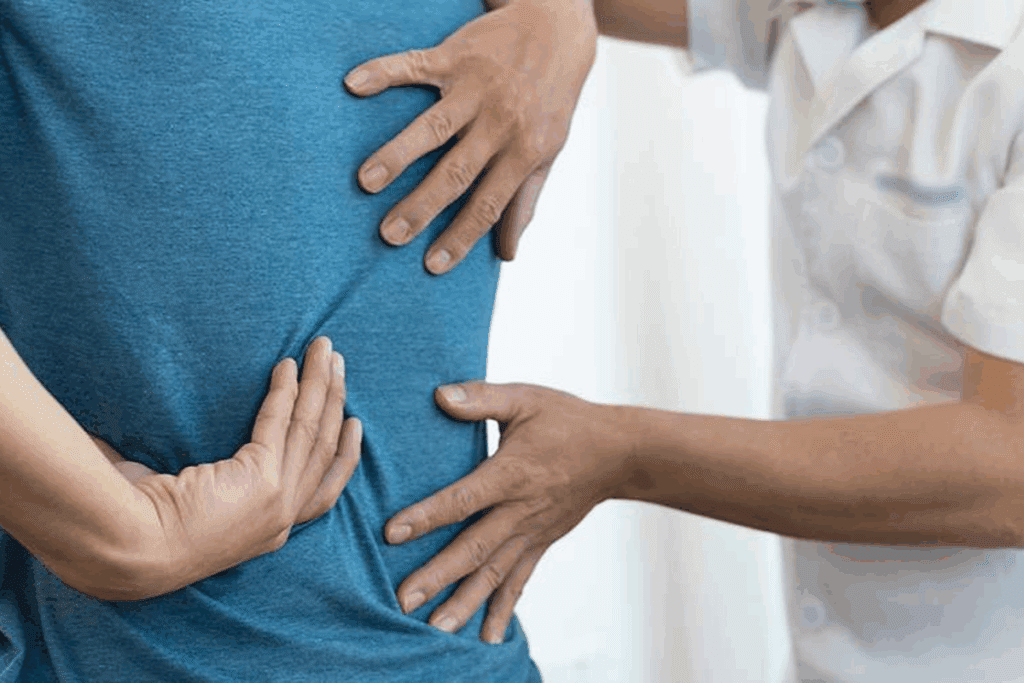
Spotting kidney stone symptoms early can greatly improve treatment results. Kidney stones often show different symptoms, like flank pain that shifts as the stone moves.
Classic Pain Patterns
Kidney stone pain is usually very severe. It can spread from the back or side to the lower abdomen or groin. This pattern is a clear sign of a kidney stone.
Kidney Stone Pain Comes and Goes
Kidney stone pain can be unpredictable. It might stay the same or change as the stone moves. Knowing this pattern helps doctors diagnose the issue.
Non-Painful Kidney Stones
Not all kidney stones hurt. Some people might not feel any pain, mainly if the stone is small and doesn’t block urine. Yet, other symptoms could be present.
Kidney Stones and Dark Urine
Dark or bloody urine is another sign of kidney stones. Blood in the urine can make it look darker or brownish. This is a clear sign to see a doctor.
It’s vital to recognize these symptoms to get medical help quickly. If you notice any of these signs, see a healthcare professional right away for the right diagnosis and treatment.
Hydration: Your First Line of Defense
Drinking enough water is key to preventing kidney stones. It helps keep your urine diluted. This makes it harder for minerals to form stones.
Optimal Daily Fluid Intake
Studies show drinking 2 to 3 quarts of water a day can help. This is very important for those who often get kidney stones.
Key Recommendation: Try to drink at least 2 to 3 quarts (about 2 to 3 liters) every day. This can help stop stones from forming.
Best Types of Fluids
Water is the best drink for staying hydrated. But, other drinks can also help. Just remember what’s in them.
- Water: The top choice for staying hydrated because it has no calories or sugar.
- Other fluids: Drinks like juice and tea can count towards your daily fluid. But watch out for added sugars and caffeine.
Tip: Avoid drinks with lots of sugar, salt, or caffeine. They can harm your health and raise the risk of kidney stones.
Monitoring Hydration Status
It’s easy to check if you’re drinking enough water. Just look at your urine color. It should be pale yellow. Dark yellow or amber means you need more water.
Actionable Tip: Keep an eye on your urine color. If it’s always dark, drink more water.
Medical Treatments to Help Pass Kidney Stones
Medical treatments can make passing kidney stones easier. There are many options to help with pain and stone passage.
What Is Flomax for Kidney Stones
Flomax, or tamsulosin, is a medication for kidney stone symptoms. It relaxes the ureter muscles, helping the stone move.
Does Flomax Help Pass Kidney Stones
Studies show Flomax helps with passing large kidney stones. It eases the pain and discomfort during stone passage.
Pain Management Options
Pain control is key in treating kidney stones. Over-the-counter pain relievers like ibuprofen work for mild pain. For stronger pain, doctors might prescribe other meds.
Other Medications That May Help
Other meds can also help with kidney stone symptoms. Anti-nausea medications can reduce nausea and vomiting.
Always follow your doctor’s advice on medications for kidney stones. They tailor treatments based on the stone’s size, location, and your health.
Identifying Real Life Kidney Stones in Toilet
Identifying kidney stones is key to understanding why they happen. If you’ve passed stones, note their look and save them for analysis.
What to Look For When Passing Stones
Look for small, hard mineral deposits that are yellow or brown. They can be smooth or jagged and vary in size. Knowing the stone’s characteristics can tell you a lot about it.
How Do You Pee Out Kidney Stones
To pass kidney stones, try to catch them in a strainer or cheesecloth. Drinking plenty of water is also important.
Black Kidney Stones in Urine
Black kidney stones are rare and might signal a health issue. If you see black stones, see a doctor to find out why.
Collecting and Analyzing Passed Stones
Storing and analyzing passed stones can reveal a lot. Save them in a clean container and talk to a doctor. This can help prevent future stones.
By following these steps, you can better manage your kidney stone condition. This can also lower the chance of future stones.
Step-by-Step Guide to Passing Stones at Home
Passing kidney stones can be painful. We’re here to help you through it at home. You’ll need the right environment, techniques, and to keep an eye on your progress.
Creating a Stone-Passing Environment
Creating a good environment can help a lot. Drinking lots of water is key. It helps flush out the stone. Try to drink 8-10 glasses of water a day.
Some medicines can also help. Pain relievers can ease the pain. Alpha blockers can relax muscles in the ureter, making it easier for the stone to pass.
Movement and Position Techniques
Moving around can also help. Staying active can dislodge the stone. This can help it move through the urinary tract.
- Walking: Regular walks can help stimulate the passage of the stone.
- Changing positions: Sometimes, changing your position can help the stone move. For example, lying on your side or standing up and walking around can be beneficial.
Can Kidney Stones Break Up in the Bladder
Kidney stones usually form in the kidney but can move to the bladder. Sometimes, they can break up as they move. But, it’s more common for them to pass whole.
“The likelihood of a kidney stone breaking up in the bladder depends on its size and composition. Larger stones are more likely to cause problems and may require medical intervention.”
Tracking Your Progress
It’s important to keep track of how you’re doing. Watch your hydration, pain levels, and any symptom changes.
| Symptom | Tracking Tips |
| Hydration | Monitor your urine color; it should be pale yellow when well-hydrated. |
| Pain Levels | Use a pain diary to track the intensity and frequency of pain. |
| Symptom Changes | Note any changes in your symptoms, such as increased frequency or severity. |
When to Seek Medical Attention
Knowing when to get medical help for kidney stones is important. Many stones can be treated at home. But, some symptoms mean you need a doctor to avoid serious problems.
Warning Signs of Complications
Severe pain, fever, chills, and trouble urinating are warning signs. These could mean the stone is blocking or infecting your urinary tract. If you have these symptoms, get medical help fast.
Cramping with Kidney Stones
Cramping from kidney stones can be very painful. It might feel like it’s coming from your back or side and moving to your lower belly or groin. Severe or ongoing cramping could mean a blockage or infection.
Fever and Infection Concerns
A fever with kidney stone symptoms could mean an infection. Infections from stones are serious and need quick medical attention. If you have a fever and other symptoms like pain or trouble urinating, see a doctor.
When Home Treatment Isn’t Enough
Many kidney stones can be treated with water and pain relief at home. But, some cases need medical help. If your symptoms get worse or you can’t pass the stone, you might need a doctor.
It’s important to listen to your body if you have kidney stones. Knowing when to get medical help can help you get better faster.
Conclusion: Prevention Strategies for Future Kidney Stones
To prevent future kidney stones, we need a complete plan. This includes changing our diet, making lifestyle changes, and sometimes using medicine. We suggest eating less oxalate and sodium, drinking more water, and taking certain drugs to stop stones from forming.
What we eat is key to avoiding kidney stones. Making smart food choices can greatly lower our risk. Drinking plenty of water is also important. It helps to dilute the minerals in our urine, making it harder for stones to form.
By using prevention strategies, we can manage kidney stones better. We work with doctors to create a plan that fits our needs. This helps us avoid getting more stones in the future.
Combining these strategies can stop future kidney stones and improve our health. Good prevention can lower the chance of getting more stones. This makes life better for people dealing with this issue.
FAQ
What are kidney stones and how are they formed?
Kidney stones form when urine has too many substances that crystals can form from. These include calcium oxalate, uric acid, and others.
How do kidney stones travel through the body?
Kidney stones move from the kidney to the ureter and then to the bladder. They pass through the urethra next.
What is Flomax used for in the context of kidney stones?
Flomax helps relax muscles in the prostate and bladder neck. This makes it easier to urinate and pass stones.
Does Flomax help pass kidney stones?
Yes, Flomax helps by relaxing the ureter muscles. This makes it easier for stones to pass.
Can kidney stones stay in the kidney?
Yes, stones can stay in the kidney. But they can also move through the urinary tract and cause problems if stuck.
Can kidney stones stay in the bladder?
Yes, stones can stay in the bladder. But they usually pass out through the urethra.
What are the symptoms of kidney stones?
Symptoms include severe pain in the side or back, below the ribs. Pain can also radiate to the lower abdomen or groin. Dark or foul-smelling urine is another sign.
Why do kidney stones cause dark urine?
Dark urine can be caused by blood or other substances in the urine from stones.
Are kidney stones painful?
Yes, kidney stones are very painful. Pain is often severe and debilitating.
Can kidney stones be non-painful?
Yes, some stones may not cause pain. This is more likely if they are small and pass easily.
How can I help pass kidney stones at home?
To help pass stones at home, stay hydrated and move around. Try to create a comfortable environment for passing the stone.
What is the optimal daily fluid intake to prevent kidney stones?
Drink at least 8-10 glasses of water a day to prevent stones. Needs may vary.
When should I seek medical attention for kidney stones?
Seek medical help for severe pain, fever, vomiting, or trouble passing urine.
Can kidney stones break up in the bladder?
Yes, stones can break up in the bladder. But this doesn’t always happen.
What are the warning signs of complications from kidney stones?
Warning signs include severe pain, fever, vomiting, and trouble urinating.
How can I prevent future kidney stones?
Prevent future stones by staying hydrated, eating a balanced diet, and making lifestyle changes as advised by your healthcare provider.
References
- Bocchino, A. C., Bentsianov, B., Gross, I., & Valenzuela, R. J. (2023). Low-intensity extracorporeal shock wave therapy for vasculogenic erectile dysfunction: Evidence from randomized controlled trials and meta-analyses. World Journal of Men’s Health, 41(1), 102-114. https://pmc.ncbi.nlm.nih.gov/articles/PMC9995960/



 Departments
 Related Videos
 Our Doctors
 News
News