Reconstructive surgery transforms lives by fixing form and function after injuries or diseases. It’s not just about looks; it’s about healing. A great example is breast reconstruction after a mastectomy. This surgery aims to bring back the breast’s shape, look, and size after cancer surgery.

We know how vital personalized care is in these delicate surgeries. We make sure each patient gets a treatment plan that fits their needs and hopes. Breast reconstruction can use implants or the patient’s own tissues.
Our skilled surgeons team up with patients to pick the best reconstructive methods. This might include implants or using the patient’s own tissue.
Key Takeaways
- Breast reconstruction is a common example of reconstructive surgery.
- Personalized care is key in these procedures.
- Reconstruction can use implants or the patient’s own tissue.
- Experienced surgeons help patients choose the best options.
- Reconstructive surgery fixes form and function after injuries or diseases.
The Fundamentals of Reconstructive Surgery
Reconstructive surgery helps fix form and function after health issues or injuries. It’s a key part of healthcare, making life better for many. In 2024, over 38 million plastic surgery procedures were done, with many being reconstructive.
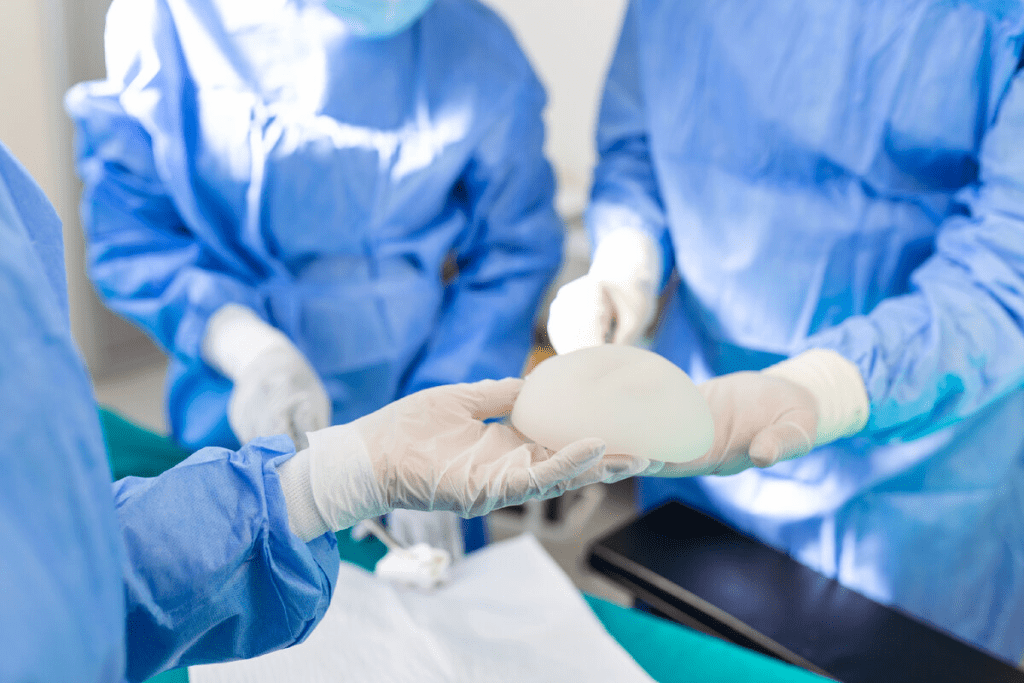
Reconstructive surgery fixes things after trauma, disease, or birth defects. It’s not just about looks; it’s about health and function too. This surgery is different from cosmetic surgery, which is more about looks.
Definition and Medical Purpose
At its heart, reconstructive surgery is about restoring health and functionality. It uses surgery to fix or replace damaged tissues and skin. It aims to help patients physically and emotionally.
It’s used for many reasons, like:
- Congenital anomalies
- Trauma or injury
- Disease (such as cancer)
- Infection
Distinction Between Reconstructive and Cosmetic Procedures
Reconstructive and cosmetic surgeries are different, even though they’re both plastic surgery. Cosmetic surgery is for looks, while reconstructive surgery fixes health issues. It’s about more than looks; it’s about health and confidence.
Experts say the difference between these surgeries is key. It shows the different reasons and results. We focus on both physical and emotional care in reconstructive surgery.
Breast Reconstruction: A Primary Example of Reconstructive Surgery
Breast reconstruction is a key example of reconstructive surgery. It helps women who have had a mastectomy due to breast cancer. This surgery is not just about fixing the body. It’s also about healing the heart.
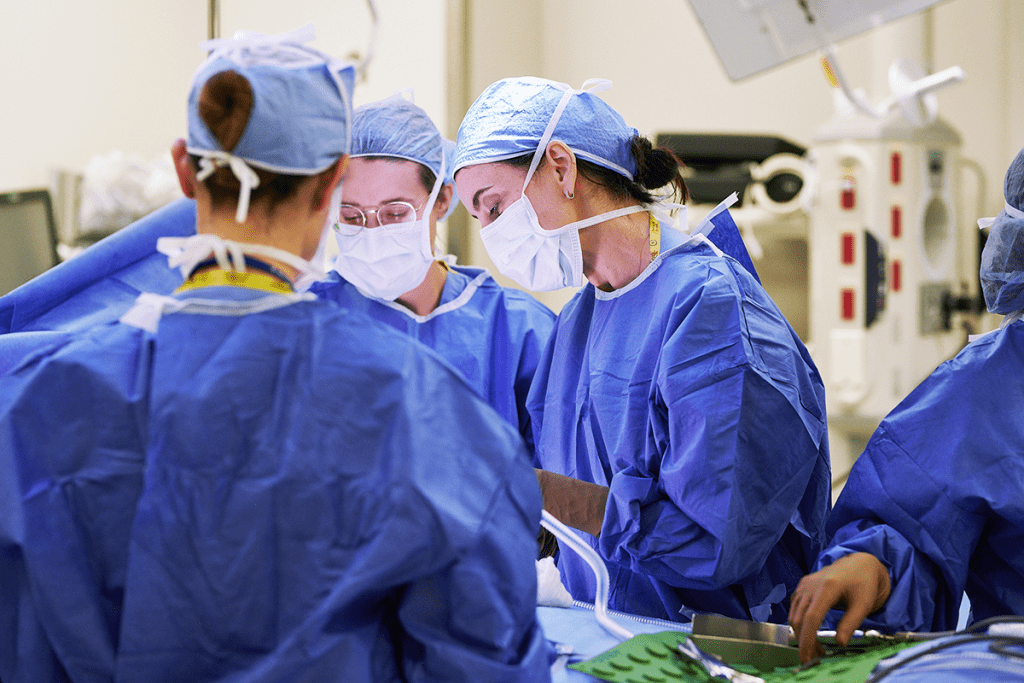
Post-Mastectomy Reconstruction Techniques
There are two main ways to do breast reconstruction. These are implant-based and autologous tissue transfer. The choice depends on the patient’s wishes, body type, and the extent.
Implant-based reconstruction uses silicone or saline implants to make a new breast. It’s chosen often because it’s less invasive than the other method.
Autologous tissue transfer moves tissue from one part of the body to the chest. This method can make the breast feel and look more natural.
Recovery Timeline and Expected Outcomes
The recovery time for breast reconstruction varies. It depends on the method used and the patient’s health. Usually, it takes weeks to months to recover fully.
- Right after surgery, rest and avoid hard activities.
- Regular check-ups are key to tracking healing.
- It can take months for implants to settle or for transferred tissue to heal.
Psychological and Quality of Life Benefits
Breast reconstruction offers big psychological benefits. It can boost self-esteem and body image. It also improves a woman’s quality of life after a mastectomy.
Choosing to have breast reconstruction is a personal decision. It depends on health, body shape, and personal wishes. Our surgeons help patients choose the right method. They aim for physical and emotional healing.
7 Common Types of Facial Reconstruction Surgeries
Facial reconstruction covers many surgeries to fix and restore facial features. These surgeries help those with trauma, birth defects, or other facial issues. They improve looks and function.
Cleft Lip and Palate Repair
Cleft lip and palate repair fixes birth defects in the upper lip and the roof. This surgery boosts looks, feeding, speech, and oral health. We use the top techniques for the best results.
Facial Trauma Reconstruction
Facial trauma reconstruction fixes damage from accidents or violence. It aims to bring back the face’s natural look and function. Our team tackles tough cases with the latest methods.
Rhinoplasty for Breathing Difficulties
Rhinoplasty, or nose surgery, is not just for looks. It’s also for breathing issues. It can make breathing better while making the nose look better. We tailor care to each patient’s needs.
Facial Reanimation for Paralysis
Facial reanimation surgery helps those with facial paralysis. This can come from a stroke or nerve damage. It aims to bring back facial movement and expression. Our surgeons work with patients to find the best treatment.
These surgeries show the wide range of treatments for facial issues. They fix birth defects, trauma, or improve function. Our team offers caring and expert care.
- Cleft lip and palate repair improves both appearance and oral health.
- Facial trauma reconstruction restores natural appearance and function.
- Rhinoplasty can improve breathing difficulties and enhance nasal aesthetics.
- Facial reanimation surgery restores facial movement and expression.
We tailor solutions to meet our patients’ diverse needs. This supports their medical, emotional, and psychological well-being.
Reconstructive Procedures for Burn Survivors
Reconstructive procedures are key for burn survivors. They help restore function and appearance. This complex process uses various surgical techniques to improve survivors’ lives.
Burn injuries deeply affect a person’s life. They impact physical health, emotions, and the mind. Our team offers full care for burn survivors, meeting their complex needs.
Acute Burn Reconstruction Techniques
Acute burn reconstruction is immediate surgery to fix the initial damage. It’s vital for:
- Removing dead tissue to prevent infection
- Covering the wound with skin grafts or substitutes to promote healing
- Restoring blood flow to damaged areas
Our surgeons use the latest methods, including skin substitutes and grafts, for the best recovery.
Secondary Reconstructive Procedures
After healing, secondary procedures improve function and appearance. These may include:
- Scar revision to reduce scars
- Contracture release to improve movement
- Reconstruction of damaged areas with tissue transfer
These procedures are customized for each patient. They aim to boost both function and looks.
Functional and Aesthetic Outcomes
The goal of reconstructive procedures is to achieve the best outcomes. By using both acute and secondary techniques, we improve survivors’ lives.
Our approach is holistic. We focus on physical, emotional, and mental well-being. We see reconstructive surgery as essential for burn survivors, helping restore function and appearance.
Limb and Extremity Reconstructive Surgery
Limb and extremity reconstructive surgery fixes damaged limbs. It’s key for those with trauma, disease, or birth defects. This surgery aims to restore both form and function.
Restoring Function through Hand and Finger Reconstruction
Hand and finger surgery is vital in limb repair. Traumatic injuries can severely limit hand use. We use microsurgery to fix tissues and improve hand function.
Our goal is to help patients use their hands again. This includes doing everyday tasks with ease.
First, we assess the injury. Then, we create a custom surgery plan. Microsurgical techniques help reconnect blood vessels and nerves. This promotes healing and brings back sensation and movement.
Lower Extremity Salvage Procedures
Lower extremity salvage is critical. It helps those with severe leg injuries or conditions. We use various methods, like debridement and wound care, to save the limb.
- Debridement and wound care to promote healing
- Bone reconstruction to restore structural integrity
- Soft tissue coverage to protect the limb
Microsurgical Replantation Techniques
Microsurgical replantation attaches severed limbs or digits. It’s a precise and complex procedure. We have a high success rate in limb replantation, greatly improving patients’ lives.
The success of replantation depends on injury severity and timely treatment. We work with emergency services to ensure quick care.
Congenital Deformity Correction
Congenital limb deformities are complex. We tailor surgeries to meet each patient’s needs. Our goal is to enhance both function and appearance.
- Initial assessment to determine the extent of the deformity
- Surgical planning to correct the deformity
- Post-operative care to ensure optimal recovery
Our precise and caring approach helps patients regain independence. It improves their overall well-being.
Global Statistics and Trends in Reconstructive Surgery
Reconstructive surgery is growing fast and covers a wide range of procedures. It’s a big field with lots of surgeries done every year.
In 2024, over 38 million plastic surgery procedures were done globally. A big part of these were reconstructive surgeries. This shows more people need these surgeries worldwide.
Leading Countries in Surgical Volume
The United States, Brazil, and Germany lead in reconstructive surgery. They have strong healthcare systems and many skilled surgeons.
These countries do a lot more reconstructive surgeries than others. It shows they have a good setup for surgical care.
Patient Demographics and Common Procedures
Patients for reconstructive surgery come from all ages. This shows the surgery helps with many different issues, like birth defects and injuries.
Some common surgeries include fixing breasts, faces, and limbs. This variety shows how complex and flexible reconstructive surgery is.
Turkey: An Emerging Center for Reconstructive Excellence
Turkey is becoming a big name in reconstructive surgery. It’s known for its new ideas and top-notch care. Its location between Europe and the Middle East makes it popular with patients from abroad.
Turkey’s fame in reconstructive surgery is growing. Many patients choose it for its quality care and good prices.
Innovations Advancing Modern Reconstructive Surgery
The field of reconstructive surgery is changing fast. New technologies like 3D printing, tissue engineering, and computer-assisted surgery are making a big difference. These tools help doctors plan and perform surgeries better than ever before.
3D Printing Applications in Surgical Planning
3D printing is changing how doctors plan surgeries. It lets them create exact models of patients’ bodies. These models help doctors understand complex body parts, plan detailed surgeries, and talk better with patients.
Using 3D printing can make surgeries shorter and more successful. It’s a big step forward in making patients better faster.
Tissue Engineering and Regenerative Medicine
Tissue engineering and regenerative medicine are key to new surgery methods. They use special materials, stem cells, and growth factors to fix damaged tissues. This way, doctors can help patients heal better and longer.
Computer-Assisted and Robotic Surgical Techniques
Computer-assisted and robotic surgery are making surgeries safer and more precise. Robotic systems give doctors better control and vision. This is great for tricky surgeries like fixing damaged faces or replanting body parts.
Virtual Reality in Surgical Training
Virtual reality (VR) is helping doctors train better. It lets them practice surgeries in a safe, real-like setting. This is super helpful for learning complex surgeries where every detail counts.
We’re always looking for new ways to use technology in surgery. By using the latest tools, we can give our patients the best care. This means better results and a better life for them.
Conclusion: The Transformative Impact of Reconstructive Surgery
Reconstructive surgery changes lives by fixing not just how we look but also how we feel. It brings back confidence and improves our quality of life. The word “plastic surgery” comes from the Greek “plastikos,” meaning to shape or mold. This shows how these surgeries can truly change us.
Reconstructive surgery includes many techniques, such as fixing breasts or faces. Each method is made to solve different physical and emotional problems. It not only makes us look better but also boosts our self-esteem and happiness.
At its heart, reconstructive surgery is about giving people back their lives. We aim to offer top-notch healthcare that’s both new and focused on the patient. Our care is kind, skilled, and made just for each person.
FAQ
What is reconstructive surgery?
Reconstructive surgery is a type of surgery that fixes problems caused by injury, disease, or birth defects. It aims to make things look and work right again.
What is the difference between reconstructive and cosmetic surgery?
Cosmetic surgery is about making people look better. Reconstructive surgery is about fixing problems to improve life quality. It’s not just about looks, but also health and function.
What are the common examples of reconstructive surgery?
Common examples include fixing breasts after mastectomy, repairing cleft lips and palates, and fixing facial and limb injuries. These surgeries help patients feel better and look normal again.
What is breast reconstruction, and what are the techniques used?
Breast reconstruction helps women who have had their breasts removed due to cancer. It uses implants or the patient’s own tissue to rebuild the breast.
What is facial reconstruction surgery, and what conditions does it address?
Facial reconstruction fixes problems that affect how we look and function. It treats cleft lips and palates, facial injuries, and breathing issues. It’s about fixing both looks and health.
How does reconstructive surgery help burn survivors?
Burn survivors get many surgeries to fix their skin and improve how they look and function. These surgeries are key to their recovery.
What is limb and extremity reconstructive surgery?
This surgery fixes limbs damaged by injury, disease, or birth defects. It includes hand and finger repairs and saving lower limbs. It’s all about restoring function and appearance.
What are the latest advancements in reconstructive surgery?
New tech like 3D printing, tissue engineering, and virtual reality are changing surgery. They make procedures safer, more precise, and effective.
Why is Turkey considered an emerging center for reconstructive excellence?
Turkey is known for its innovative and high-quality reconstructive surgery. It’s becoming a major player in the field, known worldwide.
What is the significance of personalized care in reconstructive surgery?
Personalized care is key in reconstructive surgery. It means each patient gets a treatment plan that fits their needs. It addresses both physical and emotional health.
References
- Zhong, T., Liu, Q., Huang, W., & Chen, B. (2022). Implant‘based versus autologous reconstruction after mastectomy for breast cancer: A systematic review and meta-analysis. Plastic and Reconstructive Surgery, xx(x), xx“xx.https://pubmed.ncbi.nlm.nih.gov/35291333/ PubMed
- Jarrell, J. L., & Herlin, C. A. (2021). Three-dimensional printing in plastic surgery: Current applications, future directions, and ethical implications. Plastic and Reconstructive Surgery “ Global Open, 9(3), e3465.https://journals.lww.com/prsgo/fulltext/2021/03000/Three_dimensional_Printing_in_Plastic_Surgery_.30.aspx Lippincott Journals+1
- Lou, H., & Chen, W. (2021). The accuracy of clinical 3D printing in reconstructive surgery: literature review and in vivo validation study. Gland Surgery.https://pmc.ncbi.nlm.nih.gov/articles/PMC8340329/ PMC