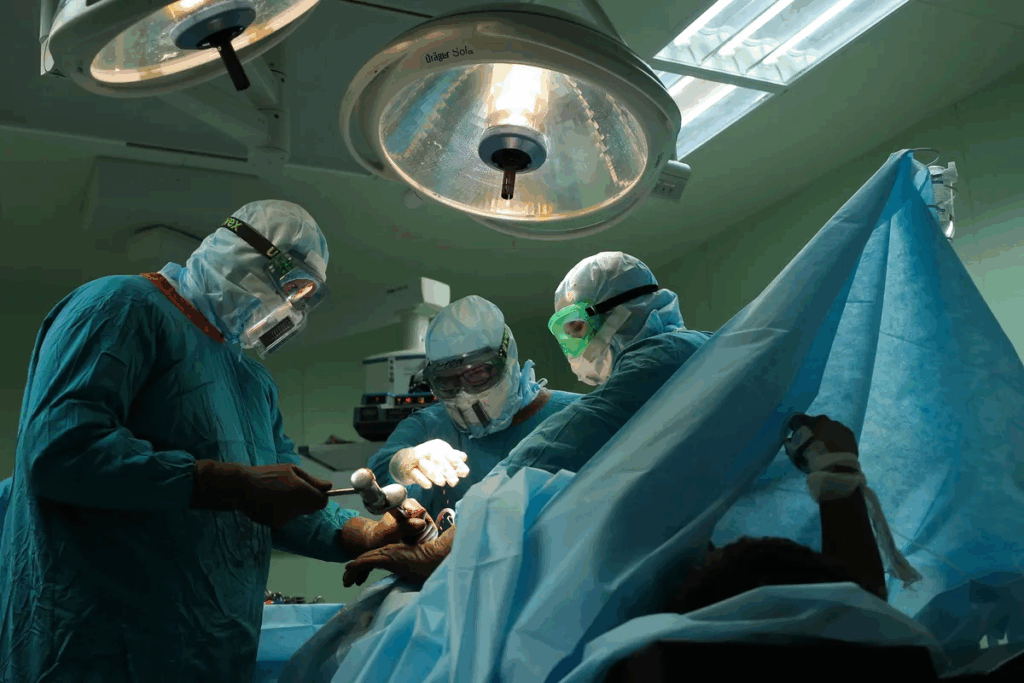
Recovering from hip spacer surgery is a complex process. It needs careful planning and following medical advice. The first week is key in setting the stage for long-term recovery. At Liv Hospital, we offer trustworthy orthopedic care and patient-centered care to help you heal.Essential tips and timeline for managing recovery after hip spacer surgery (Often for infection).
Knowing the recovery timeline helps you feel confident about your recovery. Studies show that recovery times vary for hip spacer procedures. We will guide you through the important steps and things to consider for a successful recovery after hip spacer surgery.
Key Takeaways
- Careful planning is key for a successful recovery.
- The first week after surgery is critical for long-term recovery.
- Patient-centered care supports healing and optimal outcomes.
- Understanding the recovery timeline boosts confidence.
- Liv Hospital combines orthopedic expertise with compassionate care.
Understanding Hip Spacer Surgery
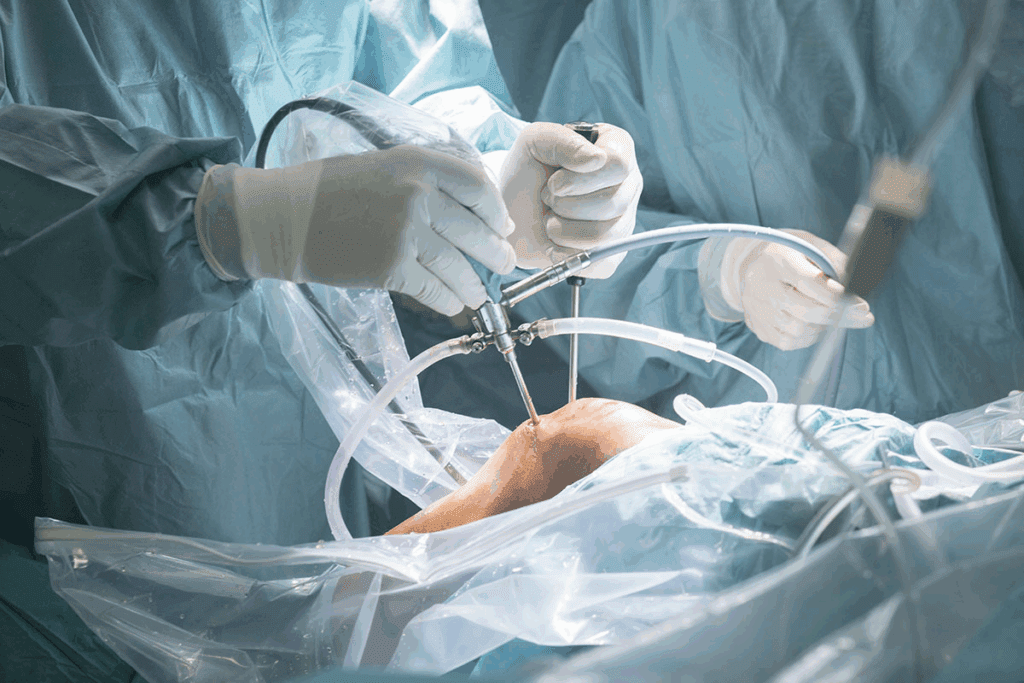
It’s key to know about hip spacer surgery if you’re having a second hip surgery. This surgery is needed when a first hip replacement didn’t work out, like if it got infected or came loose.
What is a Hip Spacer?
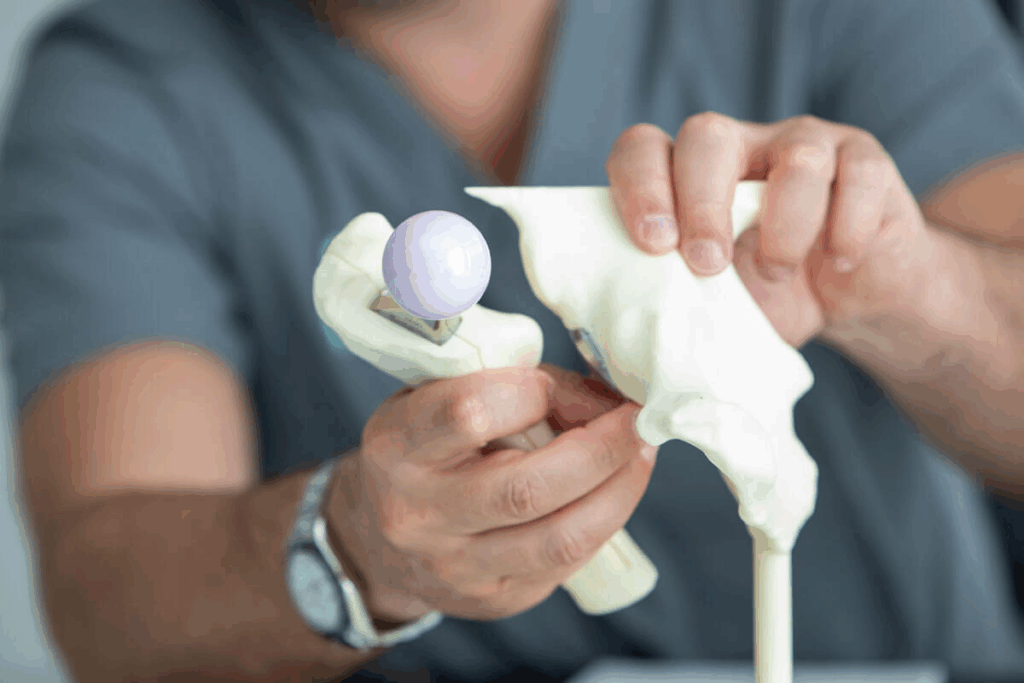
A hip spacer is a temporary part used in a two-part surgery. It keeps the joint working and fights infection until a new part is put in.
This middle time, which is three to six months, is very important. It lets the antibiotics in the spacer work on the infection.
Reasons for Hip Spacer Placement
Mostly, hip spacers are used for people with infected hip replacements. The spacer has antibiotics to kill the infection before a new hip is put in.
- Infection Management: The main reason for a hip spacer is to fight infection around the hip prosthesis.
- Maintaining Joint Function: Hip spacers keep some joint movement and function during the wait.
- Antibiotic Delivery: The spacer has antibiotics to directly fight the infection, making it more effective.
Single-Stage vs. Two-Stage Revision Approaches
Choosing between single-stage and two-stage surgery depends on the infection’s severity and the patient’s health.
Single-Stage Revision: This method removes the infected part and puts in a new one right away. It’s not used often because of infection risks.
Two-Stage Revision: This method is safer. It removes the infected part and puts in a spacer first. After a few months, a new part is put in.
Preparing for Recovery Before Surgery
To make your recovery after hip spacer surgery comfortable and safe, prepare your home well. Having the right supplies and a prepared living space is key. This ensures a smooth recovery process.
Home Modifications for Safety
It’s important to make your home safe and easy to move around in. Here are some tips:
- Remove tripping hazards like loose rugs and cords
- Put handrails in places like bathrooms and hallways
- Make sure your home is well-lit
These changes can greatly lower the chance of accidents while you’re recovering.
Gathering Necessary Supplies and Equipment
Having the right things at home can greatly improve your recovery. Think about getting:
- Comfortable clothes that are easy to wear
- Assistive devices like walkers or canes
- Personal care items that are easy to reach
Also, having a friend or family member prepare meals can be a big help.
Setting Up a Recovery Area
Creating a special recovery area in your home can make things easier. This area should be:
- Quiet and free from distractions
- Stocked with water, medications, and a phone
- Comfortably furnished with pillows and blankets
By following these steps, you can set up a supportive recovery space. This will help you recover smoothly after hip spacer surgery. It will also align with the average hip surgery recovery time and improve your recovery after hip replacement timeline.
The Immediate Post-Operative Period
The days after hip spacer surgery are key for a good recovery. Patients are watched closely by doctors to manage pain and prevent problems. They also start moving early to help with healing.
Hospital Recovery Protocol
After your surgery, doctors will keep an eye on your health and help with pain. They want you to start moving right away. This helps avoid blood clots and keeps blood flowing well.
Key components of the hospital recovery protocol include:
- Continuous monitoring of vital signs
- Pain management through medication and other strategies
- Early mobilization to prevent complications
- Wound care and infection prevention measures
Pain Management Strategies
Managing pain well is important for a good recovery. We use medicines and other methods to help. Our goal is to keep you comfortable while helping you move and feel better.
Some common pain management strategies include:
- Patient-controlled analgesia (PCA) pumps
- Oral pain medications
- Regional anesthesia techniques
Initial Mobility Expectations
Moving early, within 48 hours, helps a lot. Most patients start walking and doing light exercises right after surgery. Our physical therapists will teach you how to move safely and help you get stronger.
Knowing what to expect right after surgery helps you prepare for a good recovery. Our team is here to give you the best care and support every step of the way.
Early Mobilization: The First 48 Hours
Moving early after hip spacer surgery is key to a good recovery. Studies show that moving early can lower the risk of problems and speed up healing.
Benefits of Early Movement
Moving early after surgery is important for several reasons. It stops blood clots, boosts blood flow, and keeps the joint moving. A study in the Journal of Orthopaedic Trauma found that early movement cuts down on deep vein thrombosis and improves results.
Benefits | Description |
Prevents Blood Clots | Early movement helps reduce the risk of blood clots forming in the legs. |
Improves Circulation | Movement enhances blood flow, promoting healing and reducing swelling. |
Maintains Joint Mobility | Gentle exercises help maintain flexibility and range of motion in the hip joint. |
Safe Movement Techniques
Safe movement is key in the first 48 hours after surgery. Patients should use walkers or crutches for support. It’s important to avoid heavy weight on the operated hip and move slowly.
Medical Expert, an orthopedic surgeon, says, “Early mobilization is not just about getting the patient moving; it’s about doing so safely to avoid complications.”
“The key to successful recovery is a balance between rest and controlled movement.”
Working With Hospital Physical Therapists
Hospital physical therapists are vital in teaching safe movement and exercises. They help patients learn to use assistive devices and create a recovery plan.
Working with physical therapists ensures a smooth recovery. They offer support and guidance, helping patients overcome early mobilization challenges.
Recovery After Hip Spacer Surgery: Weeks 1-2
Understanding what to expect in the first two weeks after hip spacer surgery can make recovery easier. You might need help with basic tasks like sitting, standing, or walking short distances. Your ability to move will be limited.
Transitioning Home
Getting ready to go home after hip spacer surgery is important. Make your living space safe by removing tripping hazards and installing handrails if needed. This will help you avoid accidents.
Having a support system is key. It could be a family member or a caregiver. They can help with daily tasks and offer emotional support.
Daily Care Routine
Creating a daily care routine is essential for recovery. This includes managing your medication, checking your wound, and eating a healthy diet. These steps help your body heal.
Make a schedule for your medication and doctor’s appointments. Eating a balanced diet full of nutrients also supports healing and reduces complications.
Managing Mobility Restrictions
Following mobility restrictions is critical after hip spacer surgery. Avoid bending, lifting, or twisting to prevent putting too much strain on your hip. Using walkers or crutches can help you move safely.
We will help you create a plan for managing your mobility. This plan will help you gradually increase your activity level safely.
Knowing what to expect in the first two weeks after hip spacer surgery helps you navigate recovery better. Our team is here to support you. We’ll guide you on daily care and managing your mobility.
Physical Therapy Regimen
A good physical therapy plan is key to getting strong and moving well after hip spacer surgery. Therapy starts soon after surgery, usually in the first few days. It keeps going on an outpatient basis after you go home.
In-Hospital Physical Therapy
In-hospital therapy is very important in the early stages of recovery. Early mobilization helps avoid problems like blood clots and stiff joints. Physical therapists help patients do simple exercises like ankle pumps and leg lifts. These exercises boost circulation and strengthen the hips.
Therapists also teach patients how to move safely and increase their mobility. They tailor this advice to each patient’s needs and progress.
Outpatient Therapy Schedule
After you leave the hospital, you’ll go to outpatient therapy. You’ll go two to three times weekly. This regular schedule keeps the recovery moving forward.
Outpatient therapy focuses on making exercises more challenging. It aims to improve strength, flexibility, and range of motion. Therapists also teach patients how to do daily tasks safely and easily.
Key Exercises and Their Benefits
The therapy plan includes various exercises to aid in recovery. Some important ones are:
- Ankle Pumps: Boosts circulation and prevents blood clots.
- Gentle Leg Lifts: Builds muscle strength around the hip.
- Hip Abductions: Improves hip stability and strength.
These exercises are adjusted based on the patient’s progress and needs.
By sticking to a structured physical therapy plan, patients can see big improvements in their mobility and strength. This greatly helps their overall recovery.
Managing Daily Activities During Recovery
Managing daily activities well is key to a smooth recovery after hip spacer surgery. We need to adjust our routines to help our body heal. This is important during the recovery process.
Bathing and Personal Care Strategies
Bathing and personal care need special care during recovery. Using a shower chair or bench helps prevent falls and eases hip strain. Grab bars in the bathroom offer extra support and stability.
Here are some tips for easier bathing:
- Get everything ready before you shower.
- Use a handheld showerhead to avoid stretching.
- Stay away from hot water to avoid dizziness.
Dressing Techniques
Dressing can be tough after hip spacer surgery, like putting on pants and socks. Start with the lower body first, as it’s harder.
Here are some tips for dressing easier:
- Use a dressing stick or reacher to avoid bending.
- Wear loose, comfy clothes that are easy to put on and take off.
- Dress while sitting down to avoid falling.
Safe Household Navigation
It’s important to move safely around your home during recovery. Remove tripping hazards like throw rugs and electrical cords to clear the path.
For safe movement, consider these tips:
Action | Safety Tip |
Using Stairs | Hold the handrail and take one step at a time. |
Walking | Take small steps and use a walker or crutches for support. |
Getting Up from a Fall | Call for help and avoid putting weight on the affected hip. |
By following these tips, patients can lower the risk of complications and make recovery smoother. It’s also wise to get advice from your surgeon or physical therapist on managing daily activities after hip spacer surgery.
The Interim Period for Two-Stage Revisions
The time between two-stage revisions is key for patients. They must adjust to a temporary hip spacer. This period, usually three to six months, is vital for treatment success.
Living With a Temporary Spacer
Adapting to a temporary hip spacer is a big change. The spacer helps keep the joint working and fights infection. Patients need to follow their doctor’s advice closely during this time.
Key considerations for living with a temporary spacer include:
- Understanding the purpose and function of the antibiotic spacer
- Adhering to post-operative instructions for wound care and dressing
- Recognizing the signs of possible complications, like infection or spacer movement
Activity Limitations and Adaptations
Patients must watch their activity levels during this time. They need to avoid heavy lifting and bending. This helps prevent the spacer from moving or getting in the way of healing.
Some common activity limitations include:
- Avoiding heavy lifting or bending
- Limiting weight-bearing activities on the affected hip
- Using assistive devices, like walkers or canes, for mobility
Monitoring for Infection Resolution
Keeping an eye on infection signs is important. Patients should stay in close touch with their doctors. This helps track progress and make any needed changes.
Indicators of infection resolution may include:
- Less pain and swelling
- Normal lab results, like white blood cell count and ESR
- Better function overall
Nutritional and Psychological Support
Good nutrition and emotional health are key to recovering well after hip spacer surgery. A balanced diet helps the body heal. Emotional support helps patients deal with recovery’s challenges.
Dietary Recommendations for Healing
Eating right is vital for recovery. It gives the body what it needs to heal. We suggest:
- Protein-rich foods to help repair and grow tissues.
- Calcium and vitamin D for strong bones.
- Hydration to keep the body healthy.
- Fruits and vegetables for important vitamins and minerals.
It’s also wise to limit or avoid foods high in sugar, salt, and unhealthy fats. They can slow healing.
Managing Emotional Challenges
Recovering from hip spacer surgery can be tough emotionally. Patients may feel frustrated or anxious. We recommend:
- Open communication with loved ones about your feelings and needs.
- Seeking professional help if you’re feeling overwhelmed.
- Staying connected with friends and family for support.
By facing the emotional side of recovery and getting help when needed, patients can handle challenges better.
Building a Support Network
A strong support network is essential for a smooth recovery. This network can include:
- Family and friends for emotional support and help.
- Healthcare professionals for medical advice and therapy.
- Support groups for sharing experiences and advice.
With a good support network, patients can make their recovery better and feel better overall.
Long-Term Recovery Timeline
Knowing the long-term recovery timeline is key for those having hip spacer surgery. The path to full recovery takes many months, with different stages. “Recovery is not just about healing from the surgery itself, but also about regaining strength and mobility,” say healthcare experts.
Months 1-3 Milestones
The first three months after surgery are vital. Patients start to regain basic mobility and begin physical therapy. It’s important to start with simple exercises and slowly increase them as advised by physical therapists.
Key milestones in these months include:
- Being able to do daily tasks with little help
- Improving range of motion through exercises
- Getting better at moving around with walking aids
Months 3-6 Progress
Months 3-6 see big improvements in mobility and strength. This time, physical therapy gets more intense. It aims to boost muscle strength and improve how well you can function.
Notable progress in this phase may include:
- Not needing walking aids as much
- Getting better at balance and coordination
- Being able to do more strenuous activities
Complete Strength Restoration (6-12 Months)
Getting back to full strength takes six to twelve months. During this time, patients keep up with physical therapy. They focus on advanced exercises to boost strength and mobility.
“The first year after surgery is key for full recovery and getting back to pre-surgery levels,” says a top orthopedic specialist.
Understanding the long-term recovery timeline helps patients prepare for their journey. It sets realistic goals and helps them work with their healthcare team for the best results.
Conclusion
Recovering from hip spacer surgery takes time, patience, and following doctor’s orders. It’s important to manage pain, swelling, and attend therapy. Making your home safe also helps a lot.
Knowing about recovery after hip spacer surgery and the hip revision recovery timeline helps a lot. Everyone recovers at their own pace. Knowing what to expect can make things easier and less stressful.
Remember, recovering from hip replacement surgery is a big journey. This guide aims to help you through it. Stay informed and active in your recovery to get the best results.
FAQ
What is the typical recovery time for hip revision surgery?
Recovery from hip revision surgery can take 3-6 months to get back strength and mobility. Full recovery might take up to 6-12 months.
How painful is hip revision surgery?
Hip revision surgery can be painful. But, we use pain management during and after surgery to reduce discomfort. We work with patients to manage their pain well during recovery.
What are the benefits of early mobilization after hip spacer surgery?
Early movement after hip spacer surgery helps prevent blood clots and promotes healing. It also keeps the joint mobile. Physical therapists teach patients safe movement to aid in recovery.
How do I prepare my home for recovery after hip spacer surgery?
To get your home ready, remove tripping hazards and install handrails. Set up a comfy recovery area. Having supplies and equipment ready can also help your recovery.
What is the difference between single-stage and two-stage revision approaches?
Single-stage revision replaces the infected hip in one surgery. Two-stage revision removes the infected hip, uses a spacer, and then replaces the hip in a second surgery. The choice depends on the infection’s severity and the patient’s needs.
How often should I attend outpatient physical therapy after hip spacer surgery?
You should go to outpatient physical therapy 2-3 times a week. This helps regain strength and mobility. The frequency might change based on your progress and needs.
What dietary recommendations can aid in healing after hip spacer surgery?
Eating a balanced diet with proteins, vitamins, and minerals helps healing. We suggest talking to a nutritionist to create a recovery diet plan.
How long does it take to achieve complete strength restoration after hip spacer surgery?
It can take 6-12 months to fully regain strength after hip spacer surgery. A good physical therapy plan and following medical advice are key to full recovery.
What are the activity limitations during the interim period for two-stage revisions?
During the interim for two-stage revisions, avoid weight-bearing activities and high-impact movements. This helps keep the spacer in place and monitors for infection resolution.
How can I manage emotional challenges during recovery?
To handle emotional challenges, build a support network and stay connected with loved ones. Seek professional help when needed. We also offer resources and guidance for emotional recovery.
References
- Parvizi, J., Zmistowski, B., Berbari, E. F., Bauer, T. W., Springer, B. D., Della Valle, C. J., & et al. (2018). Management of periprosthetic joint infection: The Musculoskeletal Infection Society evidence-based and consensus expert opinion. The Journal of Arthroplasty, 33(5), 907-918.e1. https://pubmed.ncbi.nlm.nih.gov/29337273/