
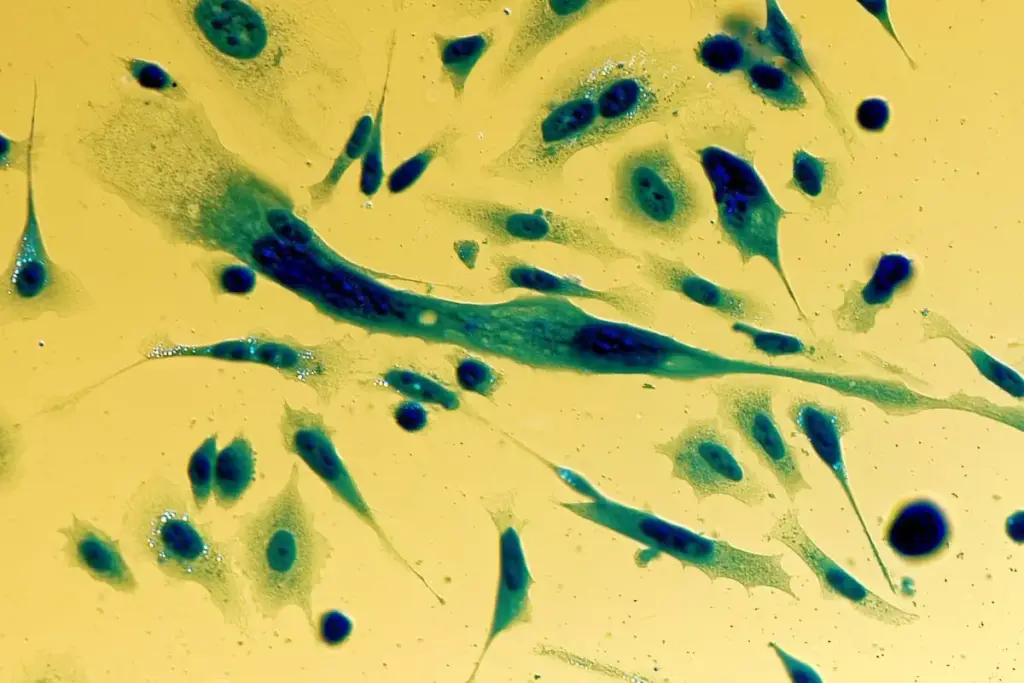
Waiting for prostate biopsy results can be very stressful for many men. In the United States, over a million biopsies are done every year. Knowing how long it takes to get results is very important.
What comes next? A guide to recovery from prostate biopsy, covering bleeding risks, activity restrictions, and pain management strategies.
The time it takes to get results varies a lot. This depends on the type of biopsy and where the sample is sent. Usually, it takes a few days to a couple of weeks.
We know how anxious waiting can be. We help you understand the biopsy process. We tell you what to expect and how long it will take to get your results. We make sure you know what’s happening every step of the way.
Key Takeaways
- The timeframe for receiving prostate biopsy results can vary.
- Several factors influence the duration, including the biopsy type and laboratory processing time.
- Patients typically wait a few days to a couple of weeks for results.
- Understanding the prostate biopsy process can help manage expectations.
- Our team is committed to guiding you through every step, ensuring you’re well-informed.
Understanding Prostate Biopsy
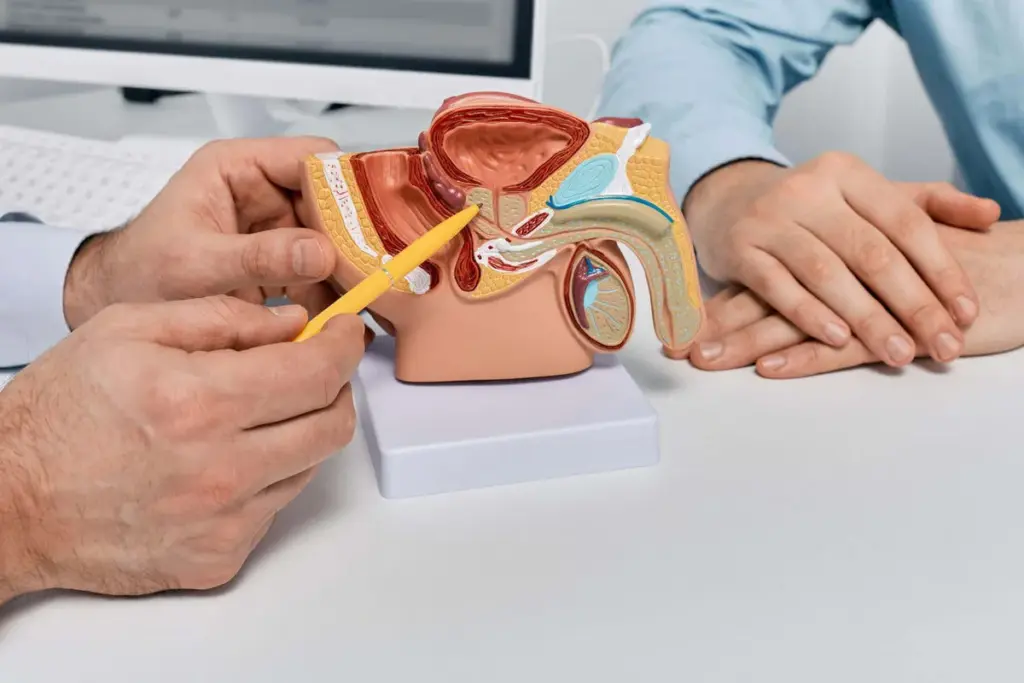
For many men, the thought of a prostate biopsy can be scary. But knowing what it is can help ease worries. A prostate biopsy is a test that takes tissue samples from the prostate gland for examination.
What is a Prostate Biopsy?
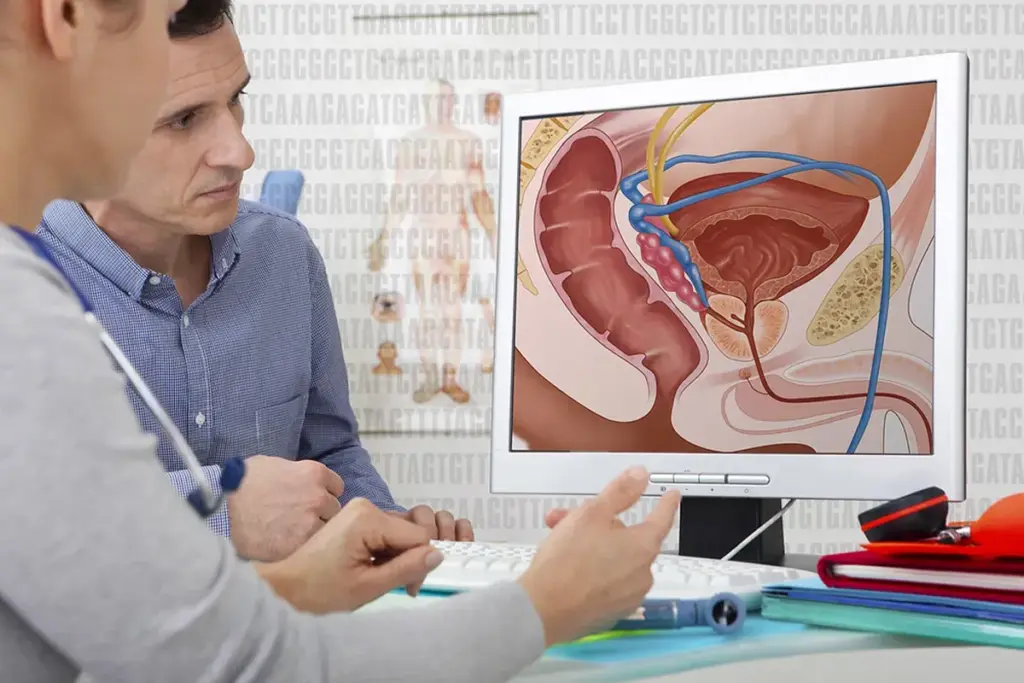
A prostate biopsy is a medical test where tissue from the prostate gland is taken. It’s done to check for prostate cancer or other issues. A urologist uses a special tool to get tissue samples during the biopsy.
Why is a Prostate Biopsy Performed?
We do a prostate biopsy to see if prostate cancer is there or to find other prostate problems. It’s usually done after tests like a digital rectal exam (DRE) or prostate-specific antigen (PSA) test show possible issues. Knowing why you need a biopsy can help you get ready for it.
Types of Prostate Biopsy Procedures
There are several prostate biopsy procedures, like transrectal ultrasound-guided biopsy, which is common. It uses ultrasound to guide the needle into the prostate. Other types include transperineal biopsy and MRI-guided biopsy, each with its own benefits. The choice depends on the patient’s health and the suspected problem’s location.
Knowing about the different biopsy types can help patients understand what to expect. We aim to support you fully during the diagnostic process.
The Prostate Biopsy Process
The prostate biopsy journey has several important steps. We help our patients understand each stage. This includes preparation and care after the procedure, making it as easy as possible.
Preparing for the Procedure
Getting ready for a prostate biopsy is key. We tell patients to stop certain medicines before the test to avoid problems. Also, a special bowel prep might be needed. It’s vital to follow these steps closely for a smooth test.
The Day of the Biopsy
On biopsy day, patients face some discomfort. Our team works hard to make it as comfortable as we can. The biopsy is quick, and most can go back to normal activities soon after.
Post-Procedure Care
After the test, we watch for any issues and guide on care. This includes knowing about possible side effects and recovery times. By following our advice, patients can avoid problems and recover well.
Knowing about the prostate biopsy process can ease worries. We’re here to support our patients at every step.
Timeline for Prostate Biopsy Results
Knowing when you’ll get your prostate biopsy results is key. It helps manage your hopes and worries. The wait time can vary, and knowing this can help you prepare.
Factors Influencing Result Time
Several things can change how long it takes to get your biopsy results. These include:
- The laboratory processing the sample
- The complexity of the case
- The workload of the pathology department
Laboratory Processing: Labs work at different speeds. Some use the latest tech to speed up tests. Others might take longer because they’re busier or have older equipment.
Typical Waiting Period
Patients usually wait a few days to a couple of weeks for their results. The exact time depends on the factors mentioned earlier.
|
Waiting Period |
Description |
|---|---|
|
3-5 days |
Results come fast, often when labs have a quick process. |
|
1-2 weeks |
This is the usual wait time for most labs. |
Urgent Biopsy Results
If your situation is urgent or serious, your results might come sooner. Urgent biopsy results can be ready in 24 to 48 hours.
Talking to your doctor about your situation is important. They can tell you when to expect your results and what might affect the wait.
Analyzing Prostate Biopsy Samples
Pathologists look at prostate biopsy samples to find any abnormal cell growth or cancer. This step is key in diagnosing prostate cancer or other issues. It needs a lot of care and precision.
The Role of Pathologists
Pathologists are very important in checking prostate biopsy samples. They look at the tissue samples under a microscope for any abnormal cell growth. The quality of the sample and the pathologist’s skill are key to a correct diagnosis.
We count on pathologists to give a detailed look at the biopsy samples. They use their knowledge to spot any cancer or other problems. Their work is essential for deciding what to do next for the patient.
Techniques Used in Analysis
There are different ways to analyze prostate biopsy samples. These include histopathology and molecular testing. Histopathology looks at the tissue structure under a microscope. Molecular testing finds specific genetic markers linked to prostate cancer.
- Histopathology: Gives detailed info on the tissue structure and any issues.
- Molecular Testing: Finds genetic markers that might show cancer or other conditions.
The Importance of Sample Quality
The quality of the prostate biopsy sample is very important for a correct diagnosis. A good sample lets pathologists give a reliable assessment of the prostate tissue. This is key for finding and understanding any abnormalities.
|
Sample Quality Factor |
Impact on Diagnosis |
|---|---|
|
Sample Size |
A bigger, well-represented sample leads to a more accurate diagnosis. |
|
Sample Handling |
Proper handling and storage of the sample prevent damage and ensure accuracy. |
|
Pathologist Expertise |
Skilled pathologists can spot subtle abnormalities that might be missed by others. |
Understanding the importance of sample quality and the methods used in analyzing prostate biopsy samples shows the complexity and care needed in diagnosing prostate conditions.
Communicating Results
Getting your prostate biopsy results is a big moment for your health. Waiting for them can be very stressful. It’s important that the news is shared clearly and with care.
Receiving Your Biopsy Results
Usually, your doctor will tell you about your biopsy results. They will explain what they found and what to do next. Some doctors call you, while others ask you to come in for a talk.
We make sure you get your results quickly, often within a few days or a week.
Deciphering Your Pathology Report
Your pathology report is a detailed document from your biopsy. It tells if cancer cells were found and their type. It can be hard to understand, but it’s key for your treatment plan. Here are important things to look for:
- Cancer Diagnosis: Shows if cancer cells were found.
- Gleason Score: Measures how aggressive the cancer is.
- Margin Status: Tells if cancer cells are at the biopsy’s edge.
Talking to your doctor about your report is very important. They can explain what it means and what to do next.
Preparing Questions for Your Doctor
It’s normal to have questions after getting your biopsy results. Being ready can help your talk with your doctor. Think about asking:
- What do my biopsy results mean for my health?
- What are my treatment options, and what are their side effects?
- Do I need more tests or procedures?
- How will my treatment plan be decided?
We are here to help you through your prostate biopsy journey. We want to support you in understanding your results and exploring your treatment options. Your health is our top concern, and we’re here to guide you.
Common Concerns After a Biopsy
After a prostate biopsy, knowing what to expect can help ease worries. The time after a biopsy can be uncertain for many. We will talk about common worries people have after a prostate biopsy.
Risks and Complications
While a prostate biopsy is generally safe, it is important to be aware of the potential risks, which may include infection, bleeding, and discomfort. It’s key to follow care instructions closely to lower these risks.
Infection is a possible issue, and antibiotics are often given to prevent it. Bleeding in semen or urine is common but usually goes away by itself.
Managing Pain and Discomfort
It’s important to manage pain and discomfort after a biopsy. Some pain can be handled with over-the-counter meds. Always follow your doctor’s advice on pain management.
- Take pain medication as directed by your doctor.
- Avoid strenuous activities for a few days post-biopsy.
- Apply warm compresses to alleviate discomfort.
Next Steps Following Results
The next steps depend on the biopsy results. If cancer is found, we’ll discuss treatment options. This could include surgery, radiation, or active surveillance, based on the cancer’s stage and your health.
If the results are not cancerous, we’ll keep a close eye on your prostate health. We might suggest more tests or changes to your screening schedule.
Emotional Impact of Prostate Biopsy Results
Prostate biopsy results can have a profound emotional impact. They affect patients in many ways. The wait for results can be very stressful, and the actual results can be just as impactful.
Patients might feel relief or distress based on the outcome. Everyone’s emotional journey is unique. It depends on their health, support system, and past experiences.
Getting biopsy results can be very stressful. Counseling and support groups are key in managing this stress. These resources offer a safe place to share feelings and get help.
It’s important to remember, patients are not alone. Healthcare providers offer both medical advice and emotional support. By recognizing the emotional impact, we can provide better care for patients’ physical and emotional needs.
Alternative Diagnostic Tests
There are other ways to check the prostate, aside from biopsies. MRI and ultrasound are two tests that can help doctors understand prostate health better. They help make decisions about diagnosis and treatment.
MRI and Ultrasound Options
MRI and ultrasound are tests used to look at the prostate. MRI gives detailed images of the prostate gland. It can spot problems that other tests might miss. Multiparametric MRI combines different techniques for a more detailed view.
Ultrasound uses sound waves to create prostate images. It’s often used during biopsies to guide the needle. But it can also be used alone to check prostate size and find issues.
When to Consider Alternatives
Choosing alternative tests depends on several factors. These include the patient’s health history, where the problem is in the prostate, and past biopsy results. For example, if a patient’s PSA levels are high but a biopsy was negative, MRI might be suggested.
Also, patients who can’t have a biopsy or are nervous about it might get these tests instead.
Benefits and Limitations
MRI and ultrasound have many benefits. They are less invasive than biopsies and give quick results. They can also pinpoint areas for a biopsy if needed.
But, it’s important to know their limits. They can show abnormalities but can’t always confirm prostate cancer. A biopsy is the best way to diagnose prostate cancer.
|
Diagnostic Test |
Benefits |
Limitations |
|---|---|---|
|
MRI |
Detailed images of the prostate, helpful in identifying abnormalities |
May not be suitable for patients with certain metal implants or claustrophobia |
|
Ultrasound |
Less invasive, can assess prostate size and detect abnormalities |
May not provide as much detail as MRI for certain conditions |
The Importance of Follow-Up Care
After a prostate biopsy, follow-up care is key to watching your prostate health. This time can be filled with worry and hope for the results. It’s not just about immediate health; it’s about keeping you well overall.
Scheduling Follow-Up Appointments
First, schedule visits with your doctor. These are important for checking on your recovery and talking about your biopsy results. Write down any questions or concerns before these visits. This way, you get the most out of your time with your doctor.
During these follow-up appointments, your doctor might do more tests or exams. It’s important to keep these appointments to catch any problems early.
Monitoring Prostate Health
Watching your prostate health is an ongoing task. It involves regular check-ups and screenings. Stay alert to any changes or symptoms and tell your doctor right away. This helps catch problems early.
Regular monitoring lets your healthcare team adjust your treatment as needed. This ensures you get the best care for your condition. Working with your doctor helps you manage prostate health better.
Lifestyle Modifications to Consider
Medical follow-up isn’t the only thing that matters. Making lifestyle changes can also help your prostate health. Try eating more fruits, vegetables, and whole grains. Regular exercise is also good for keeping a healthy weight and reducing health risks.
- Eating a balanced diet rich in nutrients
- Engaging in regular physical activity
- Managing stress through relaxation techniques
- Avoiding smoking and limiting alcohol consumption
By making these lifestyle changes, you can actively manage your prostate health. This improves your overall quality of life.
In conclusion, follow-up care is essential after a prostate biopsy. By keeping up with appointments, monitoring your health, and making lifestyle changes, you can achieve the best health outcomes. We’re here to support you every step of the way.
Advances in Biopsy Techniques
Medical technology is changing how we do prostate biopsies. Now, patients get more precise and safer tests. This change is thanks to new medical tech.
Latest Innovations in Prostate Biopsy
New methods in prostate biopsy are making diagnoses better and safer. Some big improvements include:
- MRI-guided biopsy: This method targets cancer spots better, cutting down on unnecessary tests and finding cancer more often.
- Transperineal biopsy: It’s safer than old methods, with less chance of infection.
- Advanced imaging techniques: Tools like MRI show cancer in the prostate more clearly, helping doctors make better diagnoses.
Future Trends in Prostate Cancer Detection
Future prostate cancer detection will blend imaging and biopsy even more. We expect to see:
- Increased use of artificial intelligence: AI will help doctors analyze samples and images, making diagnoses more accurate.
- Personalized medicine approaches: Treatments will be tailored to each patient, based on biopsy results, to better outcomes and fewer unnecessary treatments.
- Continued advancements in imaging technology: New imaging will show even more detail, helping manage prostate cancer better.
Impact on Patient Outcomes
These advances greatly improve patient care. They make diagnoses more accurate and biopsy safer. This leads to:
- More accurate diagnoses: New biopsy methods cut down on wrong or missed diagnoses.
- Reduced risk of complications: Safer biopsies mean fewer infections and other problems.
- Improved treatment planning: Accurate results help doctors plan treatments that work better for each patient.
Insurance and Cost Considerations
Understanding insurance and costs for prostate biopsy is key. We know medical costs can be tough to handle.
Understanding Your Insurance Coverage
Insurance for prostate biopsy varies. Check your policy or talk to your provider to see what’s covered.
Key factors to consider include:
- Procedure coverage
- Pre-approval requirements
- Out-of-pocket expenses
Managing Expenses
Patients might face costs like deductibles and copays. Talking to your healthcare provider can help plan your budget.
Additional costs may include:
- Pathology fees
- Follow-up appointments
Financial Assistance
If costs are a problem, help might be out there. Look into patient groups and non-profits for support.
By getting the hang of insurance and managing costs, patients can handle prostate biopsy expenses. We’re here to support you every step of the way.
Conclusion: Navigating Your Prostate Biopsy Journey
Going through a prostate biopsy can be tough. But, with the right info and support, patients can make smart choices about their health. We’ve covered everything from getting ready to follow-up care to help you understand the whole process.
Key Takeaways
It’s key to know about the prostate biopsy, from the procedure to what comes next. We talked about how long it takes to get results and what to do if you need them fast. This helps set realistic expectations.
Support for Patients
We urge patients to be active in their prostate health. Getting help from doctors when needed is important. This way, patients can get the best care for their prostate.
Our aim is to offer top-notch healthcare and support to patients worldwide. We want to help you feel confident as you go through your prostate biopsy journey. Taking care of your prostate is vital for your overall health, and we’re here to support you every step of the way.
FAQ
Is a prostate biopsy painful?
A prostate biopsy might cause some discomfort. But, how much pain you feel can vary. We use local anesthesia to help make the procedure less painful.
How long does a prostate biopsy take?
The biopsy itself usually takes 15 to 60 minutes. This time can change based on the type of biopsy and the case’s complexity.
Does a prostate biopsy damage the prostate?
When done by skilled healthcare professionals, a prostate biopsy is safe. Though there are risks, damaging the prostate is rare.
What are the side effects of a prostate biopsy?
You might feel discomfort, pain, or bleeding afterward. These symptoms are usually short-lived. They can be managed with medicine and changes in your daily life.
How long is the prostate biopsy recovery time?
Most people can get back to normal in a few days. But, it might take a week or two to fully recover.
What are the long-term side effects of a prostate biopsy?
Rarely, serious long-term side effects can happen. Some people might experience ongoing discomfort or changes in how they urinate or have sex.
How painful is a prostate biopsy?
Pain levels can differ from person to person. We use local anesthesia to reduce discomfort as much as possible.
What are the dangers of a prostate biopsy?
While safe most of the time, there are risks. These include infection, bleeding, and temporary changes in urination or sex life.
What is the process of a prostate biopsy?
The process includes preparation, the biopsy itself, and care after. We help guide you through each step for a smoother experience.
Can I have sex after a prostate biopsy?
We usually tell patients to avoid sex for a few days. This helps reduce the risk of complications.
How do I manage pain and discomfort after a prostate biopsy?
We suggest using medication and making lifestyle changes to manage pain. Following our advice can help you recover smoothly.
What are the benefits and limitations of alternative diagnostic tests like MRI and ultrasound?
Tests like MRI and ultrasound can offer useful information about the prostate. Yet, they might not be right for everyone. It’s best to talk to a healthcare professional about their benefits and limitations.
References
National Center for Biotechnology Information. Evidence-Based Medical Insight. Retrieved from https://pubmed.ncbi.nlm.nih.gov/—(see