
Cancer treatment has evolved a lot, with adjuvant chemotherapy being key for many cancer types. Did you know that almost 40% of cancer patients get chemotherapy as part of their treatment?
This treatment aims to kill any cancer cells left after the first treatment. It helps lower the chance of cancer coming back. Knowing which cancers need adjuvant chemotherapy is vital for good cancer care and oncology.
Key Takeaways
- Cancer treatment often involves a combination of therapies, including chemotherapy.
- Adjuvant chemotherapy is used to reduce the risk of cancer recurrence.
- Certain cancer types benefit significantly from adjuvant chemotherapy.
- Oncology professionals play a critical role in choosing the best treatment.
- Cancer care is becoming more personalized and effective.
What Is Adjuvant Chemotherapy and How Does It Work?
After primary cancer treatment, adjuvant chemotherapy is key. It aims to get rid of any cancer cells left behind. These cells might not show up on tests or scans. This treatment helps lower the chance of cancer coming back, improving patient results.
Definition and Purpose
Adjuvant chemotherapy is a treatment given after the first therapy, like surgery. It’s meant to kill any tiny cancer cells left behind. If not treated, these cells can cause cancer to come back.
The main goals of adjuvant chemotherapy are:
- To eliminate residual cancer cells
- To reduce the risk of cancer recurrence
- To improve overall survival rates
The Science Behind Adjuvant Treatment

Adjuvant chemotherapy works by targeting and killing cancer cells that have spread. This action reduces the chance of these cells forming new tumors.
| Cancer Type | Common Adjuvant Chemotherapy Regimens | Purpose |
| Breast Cancer | AC (Adriamycin and Cyclophosphamide), TC (Taxotere and Cyclophosphamide) | To eliminate microscopic cancer cells that may have spread |
| Colon Cancer | FOLFOX (5-FU, Leucovorin, and Oxaliplatin) | To reduce the risk of recurrence after surgery |
| Lung Cancer | Platinum-based regimens | To kill any remaining cancer cells in the lungs or elsewhere |
Adjuvant chemotherapy regimens change based on the cancer type and stage. Knowing these regimens and their purposes helps patients make informed treatment choices.
When Doctors Recommend Adjuvant Chemotherapy
Doctors carefully consider several factors before suggesting adjuvant chemotherapy. These include the cancer type and stage, and the patient’s health.
Risk Assessment Factors
Doctors look at different risk factors to estimate the chance of cancer coming back. These include:
- Cancer type and stage
- Tumor size and grade
- Lymph node involvement
- Patient’s overall health and age
- Genetic and molecular characteristics of the tumor
According to oncology experts,
“Adjuvant chemotherapy is a key treatment for those at high risk of recurrence. It boosts survival rates and lowers the chance of cancer coming back.”
Goals and Expected Outcomes
The main aim of adjuvant chemotherapy is to kill any cancer cells left after primary treatment. This lowers the risk of cancer coming back.
| Goal | Expected Outcome |
| Eliminate residual cancer cells | Reduced risk of recurrence |
| Improve survival rates | Increased long-term survival |
| Minimize cancer spread | Enhanced quality of life |
Understanding risk factors and goals helps doctors choose the best oncology treatment for patients.
Breast Cancer Adjuvant Chemotherapy Protocols
Adjuvant chemotherapy in breast cancer treatment depends on hormone and HER2 status. These factors help doctors tailor treatment to each patient’s cancer. This approach improves outcomes and lowers the chance of cancer coming back.
Hormone Receptor Status and Treatment Decisions
Hormone receptor status is key in deciding on adjuvant chemotherapy for breast cancer patients. Tumors that are estrogen or progesterone receptor-positive may benefit from hormone therapy. This therapy can lower the risk of cancer coming back. But, patients with hormone receptor-negative tumors might need chemotherapy as their main treatment.
HER2-Positive Breast Cancer Considerations
HER2-positive breast cancers are aggressive and have a higher risk of coming back. Treatment that combines chemotherapy with targeted therapy, like trastuzumab, has greatly improved outcomes. Adding pertuzumab to the treatment has also boosted survival rates.
Triple-Negative Breast Cancer Approaches
Triple-negative breast cancer (TNBC) lacks estrogen, progesterone receptors, and excess HER2 protein. For TNBC, chemotherapy is the main treatment. It often includes anthracyclines and taxanes. Researchers are working on new targeted therapies for TNBC patients.
Success Rates and Long-term Outcomes
The success of adjuvant chemotherapy in breast cancer is measured by survival rates and disease-free survival. Studies show that adjuvant chemotherapy greatly lowers the risk of cancer coming back. It also improves long-term outcomes for many breast cancer patients. Ongoing research aims to make treatment even better and improve patient outcomes.
Colorectal Cancers: Colon and Rectal Cancer Treatment
Colorectal cancer treatment has changed a lot. Adjuvant chemotherapy is key for stage II and III diseases. It helps improve survival rates and lower the chance of cancer coming back.
Stage II vs. Stage III Treatment Guidelines
Choosing adjuvant chemotherapy depends on the cancer stage. For stage II, doctors look at risk factors like tumor grade and lymphovascular invasion. Stage III cancer usually needs chemotherapy because of a higher risk of coming back.
Guidelines say stage III colon cancer patients should get adjuvant chemotherapy. They often use FOLFOX (fluorouracil, leucovorin, and oxaliplatin) or CAPOX (capecitabine and oxaliplatin).
FOLFOX and Other Common Regimens
FOLFOX is a common adjuvant chemotherapy for colorectal cancer. It mixes fluorouracil and leucovorin with oxaliplatin. This combo has been shown to improve survival in stage III colon cancer patients.
- FOLFOX: A mix of fluorouracil, leucovorin, and oxaliplatin.
- CAPOX: Uses capecitabine and oxaliplatin as an alternative.
- 5-FU/LV: Fluorouracil and leucovorin for those who can’t take oxaliplatin.
Duration of Therapy Considerations
How long adjuvant chemotherapy lasts is important. Most stage III colon cancer patients get 6 months of therapy. But, some studies suggest 3 months might be enough for those with lower-risk disease.
The right regimen and treatment length depend on the patient, tumor, and side effects.
Lung Cancer Adjuvant Therapy Approaches
In lung cancer treatment, adjuvant chemotherapy is key. It helps based on cancer type and stage. Non-small cell lung cancer (NSCLC) and small cell lung cancer (SCLC) have different treatments.
Non-Small Cell Lung Cancer Protocols
For NSCLC, chemotherapy is often used for stage II or III. It’s given after surgery. The aim is to kill any cancer cells left behind, lowering the chance of cancer coming back.
Chemotherapy Regimens: Common treatments for NSCLC include:
- Cisplatin-based regimens
- Vinorelbine plus cisplatin
- Docetaxel plus cisplatin
- Pemetrexed plus cisplatin (for non-squamous NSCLC)
A study in the New England Journal of Medicine showed benefits. Patients who got chemotherapy after surgery lived longer.
| Regimen | Patient Group | Survival Benefit |
| Cisplatin-based | Stage II-III NSCLC | Improved overall survival |
| Vinorelbine + Cisplatin | Stage II NSCLC | 5-year survival rate increase |
| Docetaxel + Cisplatin | Stage III NSCLC | Reduced recurrence risk |
Small Cell Lung Cancer Considerations
For SCLC, chemotherapy is a standard treatment. It’s often paired with radiation therapy. The chemotherapy used is more intense than for NSCLC.
“The use of adjuvant chemotherapy in SCLC has been shown to significantly improve patient outcomes, when combined with thoracic radiation therapy.” -NCCN Guidelines
Treatment Considerations: Choosing the right chemotherapy for SCLC is important. The stage of disease, patient health, and side effects are all considered.
Gynecologic Cancers Requiring Adjuvant Chemotherapy
Gynecologic cancers, like ovarian, cervical, and uterine cancer, often need adjuvant chemotherapy. This is part of their treatment plan. These cancers affect different parts of the female reproductive system. They need treatment plans based on their characteristics and stages.
Ovarian Cancer Treatment Strategies
Ovarian cancer is very dangerous and often found late. Adjuvant chemotherapy is key in treating ovarian cancer, after surgery. A mix of carboplatin and paclitaxel is often used. This mix has greatly improved survival rates.
- First-line treatment for ovarian cancer includes a platinum-based regimen.
- Adjuvant chemotherapy is given every 3 weeks for 3-6 cycles.
- Intraperitoneal chemotherapy is an option for stage III ovarian cancer patients.
Cervical Cancer Adjuvant Approaches
Cervical cancer treatment may include adjuvant chemotherapy after surgery or with chemoradiation. The choice to use adjuvant chemotherapy depends on surgery findings, like positive lymph nodes or close margins.
Cisplatin is a common chemotherapy drug for cervical cancer, used with radiation therapy. Adjuvant chemotherapy is also considered for patients with high-risk features after hysterectomy.
- Chemoradiation is the standard for locally advanced cervical cancer.
- Adjuvant chemotherapy is used for patients with high-risk features.
- Research is ongoing to find the best adjuvant treatments.
Uterine Cancer Considerations
Uterine cancer, also known as endometrial cancer, may need adjuvant chemotherapy in high-risk cases. The decision to use adjuvant chemotherapy depends on tumor grade, depth of invasion, and lymphovascular space invasion.
For advanced or recurrent uterine cancer, chemotherapy is key. Agents like carboplatin and paclitaxel are commonly used, similar to ovarian cancer treatment.
- Adjuvant chemotherapy is considered for high-risk early-stage uterine cancer.
- Chemotherapy is used for advanced or recurrent uterine cancer.
- Hormonal therapy is also considered for certain uterine cancer subtypes.
Gastrointestinal Cancers and Adjuvant Treatment
Gastrointestinal cancers include stomach, pancreatic, esophageal, and liver cancers. They often need adjuvant chemotherapy as part of treatment. Each cancer type is unique, requiring specific treatments to help patients.
Stomach Cancer Protocols
After surgery, stomach cancer patients often get adjuvant chemotherapy. The FLOT regimen is a promising treatment. It includes fluorouracil, leucovorin, oxaliplatin, and docetaxel.
Pancreatic Cancer Adjuvant Therapy
Pancreatic cancer treatment after surgery includes chemotherapy. Gemcitabine and FOLFIRINOX are common treatments. They help increase survival chances and lower the risk of cancer coming back.
Esophageal Cancer Treatment Guidelines
Esophageal cancer treatment often includes adjuvant chemotherapy after surgery. For those with advanced disease, cisplatin and fluorouracil are often used.
Liver Cancer Adjuvant Approaches
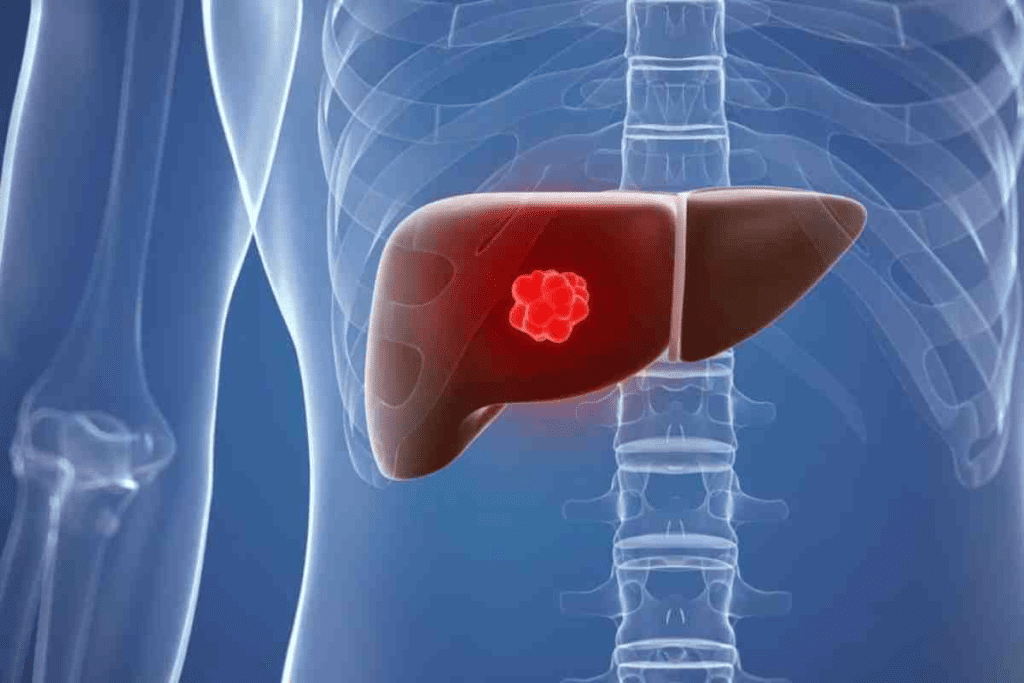
Adjuvant treatments for liver cancer are being studied. Sorafenib is being looked at to see if it can improve outcomes for high-risk patients.
Adjuvant chemotherapy is key in treating gastrointestinal cancers. Knowing the specific treatments for each cancer helps doctors create personalized care plans. This approach can lead to better patient outcomes.
| Cancer Type | Common Adjuvant Chemotherapy Regimens | Goals of Treatment |
| Stomach Cancer | FLOT (fluorouracil, leucovorin, oxaliplatin, docetaxel) | Improve survival, reduce recurrence |
| Pancreatic Cancer | Gemcitabine, FOLFIRINOX | Enhance overall survival, minimize recurrence |
| Esophageal Cancer | Cisplatin, fluorouracil | Improve local control, reduce recurrence |
| Liver Cancer | Sorafenib (under investigation) | Improve outcomes in high-risk patients |
Genitourinary Cancers: Bladder, Kidney, and Prostate
Genitourinary cancers include bladder, kidney, and prostate cancers. They often need adjuvant chemotherapy as part of treatment. These cancers are different but share treatment methods, like adjuvant therapies to lower recurrence risks.
Bladder Cancer Adjuvant Therapy
For bladder cancer, adjuvant chemotherapy is used for high-risk patients after surgery. It aims to kill any cancer cells left behind to prevent recurrence. Common chemotherapy regimens include gemcitabine and cisplatin, which improve survival rates.
- Gemcitabine and cisplatin are among the most commonly used agents.
- Adjuvant chemotherapy is typically considered for patients with muscle-invasive disease.
Kidney Cancer Treatment Considerations
In kidney cancer, adjuvant therapy’s role is complex. Surgery is the main treatment for localized disease. But, adjuvant therapies are being tested in clinical trials for high-risk patients. Targeted therapies and immunotherapies are being explored to reduce recurrence.
- Adjuvant trials are focusing on tyrosine kinase inhibitors and checkpoint inhibitors.
- Patient selection for adjuvant therapy is based on risk factors, including tumor size and grade.
Prostate Cancer: Limited Role of Adjuvant Chemotherapy
In prostate cancer, adjuvant chemotherapy is mostly used in high-risk cases. Hormonal therapy is more common in the adjuvant setting. But, chemotherapy might be considered for patients with certain high-risk features or hormone-refractory disease.
| Cancer Type | Common Adjuvant Treatments | Considerations |
| Bladder Cancer | Gemcitabine, Cisplatin | High-risk features post-surgery |
| Kidney Cancer | Targeted therapies, Immunotherapies | High-risk patients in clinical trials |
| Prostate Cancer | Hormonal therapy, Chemotherapy in select cases | High-risk or hormone-refractory disease |
Head and Neck Cancers
Adjuvant chemotherapy plays a key role in treating head and neck cancers. These cancers can occur in the mouth, throat, and nasal area. Treatment usually involves surgery, radiation, and chemotherapy.
HPV-Positive vs. HPV-Negative Disease
HPV status affects how head and neck cancers are treated. HPV-positive oropharyngeal cancers have a better outlook than HPV-negative ones. This is important for deciding on the right treatment.
For HPV-positive cancers, treatments might be less intense to avoid long-term side effects. But, HPV-negative cancers might need stronger treatments, like chemotherapy and radiation.
Combined Modality Approaches
Head and neck cancers are often treated with a mix of surgery, radiation, and chemotherapy. The choice and order of these treatments depend on the cancer’s stage, location, and type.
Adjuvant chemotherapy is used for patients with high-risk features. It aims to kill any remaining cancer cells and lower the chance of the cancer coming back.
| Treatment Modality | HPV-Positive | HPV-Negative |
| Surgery + Adjuvant Radiation | Often sufficient for early-stage | May require adjuvant chemotherapy |
| Adjuvant Chemotherapy | Considered for high-risk features | Frequently recommended |
| De-escalation Strategies | Under investigation to reduce toxicity | Not typically considered |
The table shows how treatments differ based on HPV status. HPV-positive patients might have more options, like less intense treatments. HPV-negative patients usually need stronger treatments.
Hematologic Malignancies: Leukemia and Lymphoma
Hematologic malignancies, like leukemia and lymphoma, often need adjuvant chemotherapy. These cancers affect the blood, bone marrow, and lymphatic system. They can be aggressive, requiring detailed treatment plans.
Acute Leukemias and Consolidation Therapy
Acute leukemias, such as ALL and AML, grow quickly. Adjuvant chemotherapy, or consolidation therapy, is key. It helps get rid of remaining cancer cells and lowers relapse risk.
The aim of consolidation therapy is to kill off more cancer cells after initial treatment. This phase is vital for long-term remission and possibly curing the disease.
Lymphoma Adjuvant Treatment Strategies
Lymphomas, including Hodgkin and non-Hodgkin types, may also benefit from adjuvant chemotherapy. The choice to use adjuvant treatment depends on several factors. These include the lymphoma’s stage and type, and the patient’s health.
| Lymphoma Type | Adjuvant Chemotherapy Regimen | Purpose |
| Hodgkin Lymphoma | BEACOPP or ABVD | To eliminate residual cancer cells and reduce relapse risk |
| Non-Hodgkin Lymphoma | R-CHOP or R-EPOCH | To consolidate remission and improve survival rates |
In conclusion, adjuvant chemotherapy is essential for treating hematologic malignancies like leukemia and lymphoma. Understanding the specific needs and treatment plans helps healthcare providers offer better care. This improves patient outcomes.
Rare Cancers: Sarcomas and Melanomas
Rare cancers, like sarcomas and melanomas, face unique challenges. They often need adjuvant chemotherapy. These cancers are rare and have different traits, making treatment tricky. It’s key to understand how adjuvant chemotherapy helps manage them.
Soft Tissue and Bone Sarcoma Protocols
Soft tissue and bone sarcomas come from mesenchymal cells. The debate on using adjuvant chemotherapy in sarcoma treatment is ongoing. It depends on the tumor’s grade, size, and where it is. For some high-risk patients, chemotherapy after surgery might be suggested to lower recurrence risk.
Key considerations for sarcoma adjuvant chemotherapy include:
- Tumor histology and grade
- Patient’s overall health and age
- Potential benefits vs. risks of chemotherapy
Melanoma Adjuvant Therapy Evolution
Melanoma, in its advanced stages, has seen big changes in adjuvant therapy. Immunotherapies and targeted therapies have changed how we treat it. Checkpoint inhibitors, for example, have shown to help high-risk melanoma patients live longer without the cancer coming back.
Recent developments in melanoma adjuvant therapy include:
- The use of checkpoint inhibitors to enhance immune response
- Targeted therapies for patients with specific genetic mutations
- Ongoing research into combination regimens for improved efficacy
As research keeps moving forward, we’ll learn more about treating rare cancers like sarcomas and melanomas. This could bring new hope to those facing these tough conditions.
Factors That Influence Adjuvant Chemotherapy Decisions
Understanding what affects adjuvant chemotherapy is key for good treatment plans. Decisions on adjuvant chemotherapy consider many factors. These include the tumor, the patient, and the treatment’s benefits and risks.
Tumor Characteristics and Biomarkers
Tumor size, grade, and stage are important in deciding on adjuvant chemotherapy. Biomarkers like hormone receptors in breast cancer or KRAS in colorectal cancer also play a big role. They help choose the right treatment.
Having certain biomarkers can guide the use of targeted therapies. For example, hormone receptor-positive breast cancer patients might get endocrine therapy.
Patient Age and Overall Health
Patient age and overall health are key in making adjuvant chemotherapy decisions. Older patients or those with health issues might face more risks. Younger patients with fewer health problems might do better with more intense treatments.
Looking at a patient’s performance status and health helps doctors weigh treatment benefits against risks. This approach makes sure treatments fit each patient’s unique situation.
Genetic and Molecular Considerations
Genetic and molecular testing have changed how we decide on adjuvant chemotherapy. Genetic mutations like BRCA1 and BRCA2 in breast and ovarian cancer affect treatment choices. Tumor molecular profiling helps find specific targets for therapy.
Using genetic and molecular considerations in treatment decisions helps understand tumors and patients better. This leads to more precise treatments, possibly improving results and reducing unnecessary treatments.
Common Side Effects of Adjuvant Chemotherapy
It’s important for patients and doctors to know about adjuvant chemotherapy side effects. This treatment helps lower cancer risk but can cause various side effects. These can affect how well a patient feels and their quality of life.
Short-Term Side Effects
Short-term side effects of adjuvant chemotherapy can be tough. They include fatigue, nausea, vomiting, hair loss, and a higher risk of infection. These usually go away after treatment ends.
Fatigue is a big problem for many patients. It makes everyday tasks hard and can affect overall well-being.
Long-Term and Late Effects
Adjuvant chemotherapy aims to kill any cancer cells left after primary treatment. But, it can also cause long-term or late effects. Long-term effects happen during or after treatment. Late effects might show up months or years later.
Examples of these effects include cardiotoxicity, neuropathy, and secondary cancers. The chance of these effects depends on the chemotherapy, dose, and patient factors.
Management Strategies
Managing adjuvant chemotherapy side effects is key to better patient outcomes. There are many ways to help, like medications, lifestyle changes, and supportive care.
| Side Effect | Management Strategy |
| Nausea and Vomiting | Antiemetic medications, dietary changes |
| Fatigue | Exercise, rest, nutritional support |
| Neuropathy | Medications for pain management, physical therapy |
Knowing about adjuvant chemotherapy side effects and using good management strategies helps patients through their treatment.
Adjuvant Chemotherapy vs. Neoadjuvant Chemotherapy
It’s important to know the difference between adjuvant and neoadjuvant chemotherapy for cancer treatment. Both are used in different ways to fight cancer. But they are used at different times and in different ways.
Timing Considerations
The main difference is when they are given. Neoadjuvant chemotherapy is given before the main treatment, like surgery. It helps shrink tumors, making them easier to remove.
Adjuvant chemotherapy is given after the main treatment. It helps kill any cancer cells left behind. This lowers the chance of cancer coming back.
Cancer Types Where Both Approaches Are Used
Some cancers can be treated with either adjuvant or neoadjuvant chemotherapy. For example, breast cancer and rectal cancer often get neoadjuvant chemotherapy first. This makes surgery easier. Then, adjuvant chemotherapy is used to make sure all cancer cells are gone.
- Breast Cancer: Neoadjuvant chemotherapy helps make breast-conserving surgery possible.
- Rectal Cancer: Neoadjuvant chemoradiation is used to shrink tumors before surgery.
- Other cancers like ovarian, esophageal, and lung cancer may also benefit from either approach based on the clinical scenario.
The choice between adjuvant and neoadjuvant chemotherapy depends on many things. These include the cancer type and stage, the patient’s health, and the tumor’s characteristics. Knowing these differences helps make cancer treatment better.
Emerging Trends in Adjuvant Cancer Treatment
The field of adjuvant cancer treatment is changing fast. New ways to treat cancer are being tested. These aim to help patients live longer and reduce cancer coming back.
Immunotherapy as Adjuvant Treatment
Immunotherapy is a new way to fight cancer. It uses the body’s immune system to attack cancer cells. Checkpoint inhibitors are a key part of this, helping the immune system work better.
Studies are looking at how immunotherapy works as an adjuvant treatment. Early results look good. They show patients might live longer without cancer coming back.
Targeted Therapies and Precision Medicine
Targeted therapies and precision medicine are also important. They focus on the specific genes or markers that make cancer grow. This means treatments can be more precise.
Precision medicine lets doctors choose the best treatment for each patient. This could make treatments work better and have fewer side effects.
| Therapy Type | Description | Benefits |
| Immunotherapy | Utilizes the immune system to combat cancer | Potential for improved disease-free survival |
| Targeted Therapies | Targets specific genetic mutations or biomarkers | Enhanced treatment efficacy, reduced side effects |
| Precision Medicine | Personalized treatment based on cancer characteristics | Improved patient outcomes, tailored treatment |
These new trends could change how we treat cancer. More research and trials are needed. They will help us understand and use these new methods in everyday care.
Conclusion: The Future of Adjuvant Chemotherapy
The world of adjuvant chemotherapy is changing fast. This is thanks to new research and trends in fighting cancer. As we learn more about tumors and their molecular makeup, we can make treatments more precise and effective.
Studies are looking into how immunotherapy and precision medicine can help in adjuvant settings. This gives hope to people with different cancers. These new methods could make treatments better and reduce side effects.
The future of adjuvant chemotherapy looks bright. It will likely involve more personalized care, better patient selection, and higher survival rates. By keeping up with these advancements, doctors can give patients the best care possible during their cancer treatment.
FAQ
What is adjuvant chemotherapy, and how does it differ from other types of chemotherapy?
Adjuvant chemotherapy is a treatment given after main therapy, like surgery. It aims to lower cancer coming back. It’s different because it treats cancer that’s not found after the first treatment.
Which cancers are typically treated with adjuvant chemotherapy?
It’s often used for breast, colon, rectal, lung, and ovarian cancers. The choice depends on the cancer type and stage.
How is the decision to use adjuvant chemotherapy made?
Doctors consider many factors like tumor details, biomarkers, and patient health. They look at the risk of cancer coming back and weigh benefits against side effects.
What are the common side effects of adjuvant chemotherapy?
Side effects include tiredness, nausea, hair loss, and infection risk. Long-term effects can be heart damage, nerve issues, and more cancers.
How does adjuvant chemotherapy differ from neoadjuvant chemotherapy?
An adjuvant is after main treatment, while neoadjuvant is before. Their timing and goals are different, based on the cancer and treatment plans.
What are the emerging trends in adjuvant cancer treatment?
New trends include immunotherapy, targeted therapies, and precision medicine. These aim to better outcomes and lessen side effects.
How effective is adjuvant chemotherapy in reducing cancer recurrence?
It can greatly lower cancer coming back in some types. Effectiveness depends on tumor details and treatment plan.
What is the role of biomarkers in adjuvant chemotherapy decisions?
Biomarkers help decide if adjuvant chemotherapy is needed and which treatment is best. They identify who will most benefit.
Can adjuvant chemotherapy be used in combination with other treatments?
Yes, it’s often combined with radiation, hormone, or targeted therapy. The mix depends on cancer type, stage, and goals.
How long does adjuvant chemotherapy typically last?
Its length varies by cancer type, treatment, and response. It can last from months to years.
Reference
- Sirohi, B., & Bahl, A. (2025). Updated insights into the impact of adjuvant chemotherapy on postoperative survival across cancer types: a systematic review. World Journal of Surgical Oncology, 23, 179. https://wjso.biomedcentral.com/articles/10.1186/s12957-025-03714-4