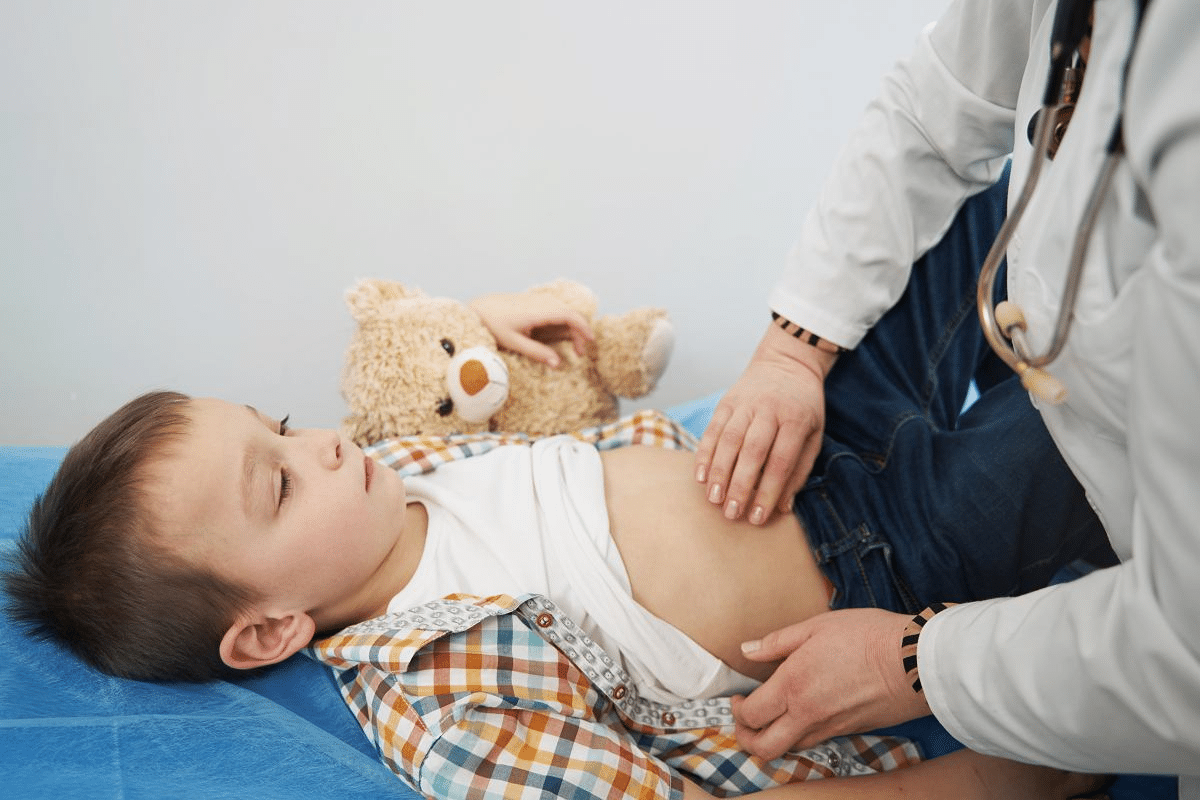
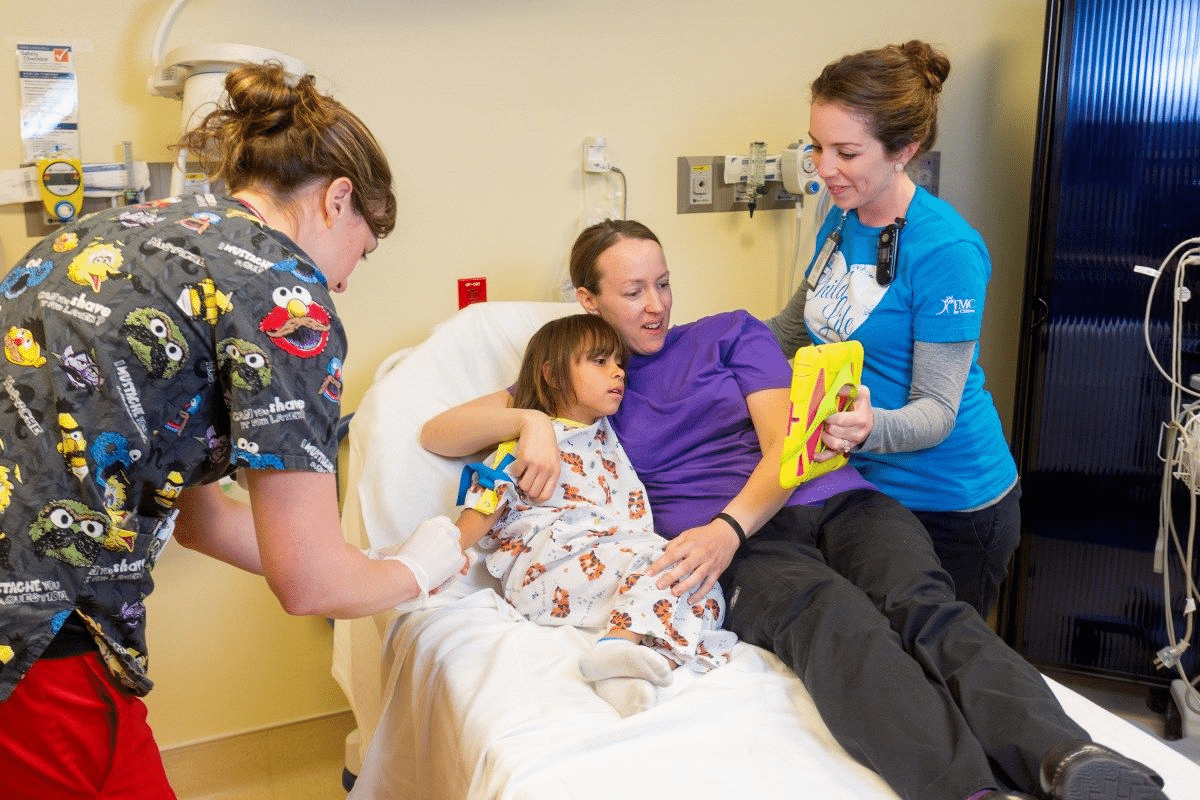
Recovery time after appendectomy in children is fast. specific guide. Learn how soon they can return to school and sports safely. Did you know that appendicitis is a big reason for emergency surgeries in kids? Over 70,000 kids have appendectomies every year in the United States. Knowing how to help your child recover is key to their quick return to normal life.
The typical recovery timeline can change based on the child’s health and the surgery’s complexity. Usually, kids need a few weeks to get better. During this time, they should rest and do less activity.
As a parent, it’s important to know what to expect during your child’s recovery. This means understanding the importance of rest and following the doctor’s instructions closely. This helps avoid any problems.
Key Takeaways
Appendicitis is a common condition requiring emergency surgery in children.
The recovery timeline varies based on individual health and surgical complexity.
Rest is key during the recovery period.
Following post-operative care instructions is vital to prevent complications.
An appendectomy is a common surgery for kids with appendicitis. This happens when the appendix gets inflamed, often from infection or blockage. Knowing about this surgery helps parents care for their child better during recovery.
What is an Appendectomy?
An appendectomy removes the appendix, a small tube attached to the large intestine. The surgery is done under general anesthesia, so the child won’t feel pain. There are two main ways to do it: open appendectomy with one big cut, or laparoscopic appendectomy with small cuts.
The choice depends on how bad the appendicitis is and the child’s health. Laparoscopic appendectomy is often chosen for its smaller scars and less pain. But the surgeon decides based on the child’s needs.
Reasons for Appendectomy in Kids
The main reason for an appendectomy in kids is to treat appendicitis. If not treated, it can cause the appendix to burst and spread infection. Removing the appendix prevents these serious problems and helps the child recover faster.
Other reasons include symptoms that show a high risk of rupture or when antibiotics don’t work. A doctor will decide if surgery is needed after checking the child’s condition.
Knowing why an appendectomy is needed helps parents make better choices for their child. It also shows how important following postoperative care guidelines is for a smooth recovery.
Typical Recovery Timeline
Understanding what to expect after an appendectomy can make recovery easier for kids and their parents. The recovery has several key phases, each with its own care needs and expectations.
Immediate Post-Operative Care
The first few hours after surgery are critical for a smooth recovery. Close monitoring for complications and managing pain are essential. Parents should watch their child closely for any unusual symptoms or reactions.
Children usually stay in the hospital for a few hours or overnight, depending on their case. Effective pain management is key, and doctors will help find the right pain plan. This may include medication and other strategies.
First Week Recovery Expectations
In the first week, kids may feel pain, tiredness, and nausea. Pain management is a top priority, with medication to help. It’s also important for kids to rest and avoid hard activities.
Parents can help by making sure their child eats well, stays hydrated, and gradually gets more active. This should be done as advised by their healthcare provider.
Returning to Normal Activities
As kids get better, they can start doing normal things again. It’s essential to follow the guidance from healthcare professionals. This is to avoid overdoing it and causing more problems.
Usually, kids can go back to school and light activities in a week or two. But, it may take a few weeks to fully recover. It’s important to watch for signs of complications like infection or severe pain. Parents should know when to get medical help.
Factors Affecting Recovery Time
Knowing what affects recovery time is key for parents. It helps them make sure their child heals well after an appendectomy. Several things can influence how fast a child recovers. Being aware of these can help manage expectations and support the child’s healing.
Age of the Child
The child’s age is a big factor in their recovery. Younger kids usually heal faster than older ones. This is because their bodies are more resilient and they often have fewer health issues. But, it’s important to follow the advice of healthcare professionals. They can give personalized guidance based on the child’s health and surgery details.
Type of Appendectomy Procedure
The type of surgery for the appendectomy also matters. There are mainly two types: open appendectomy and laparoscopic appendectomy. Laparoscopic surgery is less invasive and often leads to quicker recovery and less pain. But, the choice depends on the severity of the appendicitis and the surgeon’s judgment.
Pre-existing Health Conditions
Children with health issues may take longer to recover. Conditions like diabetes, asthma, or heart problems can slow healing. It’s important to tell the healthcare provider about any health conditions to get the right advice and care.
Also, nutrition considerations for healing and activity restrictions post-surgery are key. A balanced diet rich in nutrients helps the body heal. Following recommended activity levels also prevents complications and helps in a smoother recovery.
By understanding and managing these factors, parents can greatly help their child’s recovery. This helps them get back to normal activities quickly and safely.
Signs of Complications
Complications can happen after an appendectomy. Knowing the signs is important for managing them well. We’ll cover the key signs parents should watch for to help their child recover.
Recognizing Infections
Infections are a possible complication after an appendectomy. Look out for redness, swelling, or more pain around the surgery area. Also, watch for fever over 100.4°F (38°C), pus or discharge from the wound, and feeling unwell.
Signs of Infection
Description
Redness and Swelling
Increased redness or swelling around the surgical site
Fever
Temperature above 100.4°F (38°C)
Pus or Discharge
Presence of pus or discharge from the wound
If you see any of these signs, call the healthcare provider right away.
Identifying Pain Issues
Pain is a normal part of getting better, but some pain can mean trouble. Watch for severe or getting worse pain that doesn’t go away with medicine. Also, look out for pain spreading to other parts of the belly, or if the belly muscles tighten up.
Differentiating between normal post-surgical pain and pain that indicates a problem is crucial.
Pain Management Post-Surgery
The recovery after an appendectomy in kids depends a lot on managing pain well. It’s key to keep your child comfortable and pain-free for their recovery and happiness.
Medications Used
After an appendectomy, kids often take medicines to manage pain. Acetaminophen and ibuprofen are common choices to help with pain and swelling. Sometimes, stronger medicines might be given for a brief time.
It’s very important to follow the doctor’s advice on how much medicine to take and when. Keeping a pain diary can also help track your child’s pain. This way, you can adjust the medicine as needed.
Non-Pharmacological Pain Relief Techniques
There are also ways to manage pain without medicine. Rest and relaxation are very important. Making sure your child gets enough sleep can really help with recovery.
Using a warm compress on the belly can ease pain.
Short walks can help prevent stiffness and aid healing.
Distraction, like reading or playing games, can take their mind off pain.
Emotional support is also very important. Being there for your child and reassuring them can make them feel more at ease.
By using these methods together, you can help your child manage their pain well. This will help them recover smoothly from their surgery.
Nutritional Considerations
It’s important to make sure your child eats well after an appendectomy. Good nutrition helps them heal, prevents problems, and builds their strength back up.
Dietary Recommendations After Surgery
After surgery, your child needs a diet that’s easy on their stomach. They might start with liquids, then move to soft foods, and eventually back to regular meals.
Start with clear liquids like broth, water, or electrolyte-rich beverages.
Gradually introduce soft, easily digestible foods such as bananas, rice, applesauce, and toast.
Avoid spicy, fatty, or heavy foods that can be hard to digest.
Hydration Importance During Recovery
Drinking enough water is key during recovery. It helps prevent constipation, aids in healing, and keeps your child healthy.
Encourage your child to drink plenty of water throughout the day.
Monitor for signs of dehydration, such as dry mouth, fewer wet diapers, or dizziness.
Consider incorporating hydrating foods like watermelon, cucumbers, and broth-based soups into their diet.
A good meal plan can really help your child recover. Here’s a sample plan:
Meal Time
Food/Beverage
Description
Breakfast
Oatmeal with Banana
Gentle on the stomach, provides energy
Snack
Apple Sauce
Easy to digest, rich in fiber
Lunch
Chicken Broth
Hydrating, gentle on the digestive system
Snack
Yogurt
Provides probiotics for gut health
Dinner
Mashed Potatoes
Soft, easily digestible, rich in carbohydrates
Good nutrition and enough water are essential for your child’s recovery after an appendectomy. By sticking to these dietary tips and making sure they drink enough, you’ll help them heal and get back to normal.
Physical Activity and Limitations
After an appendectomy, kids need to rest and slowly start moving again. It’s important for parents to watch how much their child is doing. This helps avoid too much activity too soon.
Guidelines for Resuming Activities
Starting to move again after surgery should be slow. Kids should not do hard activities, lift heavy things, or bend a lot at first. As they get better, they can do more.
For the first week, limit activities to light stretching and short walks.
Avoid heavy lifting, bending, or strenuous exercises for at least two to three weeks post-surgery.
Gradually introduce more strenuous activities over the next few weeks, based on the child’s comfort and recovery progress.
Activity
Recommended Timing
Guidelines
Light Stretching/Walking
First Week
Start with short sessions and gradually increase duration.
Moderate Exercise
2-3 Weeks Post-Surgery
Introduce activities like cycling or swimming, avoiding high-impact movements.
Strenuous Activities
4-6 Weeks Post-Surgery
Resume contact sports or heavy lifting, ensuring the child feels comfortable and pain-free.
Importance of Gentle Movement
Moving gently is key during recovery. It helps avoid problems like blood clots and aids in healing. Short walks help kids get stronger and move better.
Benefits of Gentle Movement:
Reduces the risk of post-operative complications.
Promotes blood circulation and healing.
Helps in regaining strength and mobility.
By following these tips and knowing the value of gentle movement, parents can help their kids heal well after surgery.
Emotional Support for Recovery
Recovering from an appendectomy is not just about physical healing. It also involves emotional support. Helping children through this time means we must consider their emotional needs.
Coping with Surgery Anxiety
Children often feel anxious before and after surgery. We can make them feel better by staying calm and reassuring. Open communication is vital. We should let children share their feelings and worries.
Preparing the child in advance for what to expect during and after surgery.
Using age-appropriate language to explain the process.
Encouraging the child to ask questions and express their feelings.
Engaging in Play and Normalcy
Play is key to a child’s recovery, helping them feel normal again. Activities can be simple, like reading or playing quiet games. Watching a favorite movie is also great.
Gradually introduce activities the child enjoyed before surgery.
Encourage social interaction, such as video calls with friends or family.
Support the child in resuming their daily routine as advised by healthcare professionals.
Providing emotional support is vital for a child’s recovery, as it involves creating a nurturing environment that facilitates healing and enhances their well-being.
When to Contact a Doctor
Knowing when to see a doctor is key for your child’s recovery after surgery. As a parent, it’s important to know the signs of complications or when to get more medical help.
Red Flags to Watch For
Keep an eye on your child for signs of infection after an appendectomy. Look out for:
Increased pain or tenderness around the surgical site
Fever above 101.5°F (38.6°C)
Redness or swelling around the incision site
Pus or discharge from the wound
Vomiting or diarrhea that persists or worsens
If you see any of these symptoms, call your child’s healthcare provider right away.
Follow-Up Care Importance
Follow-up appointments with your child’s healthcare provider are very important. They help check on your child’s recovery and answer any questions. The healthcare provider will:
Check the surgical site for signs of infection or complications
Assess your child’s overall recovery progress
Address any questions or concerns you may have
To get the most from these appointments, consider the following:
Write down your questions or concerns beforehand
Bring any relevant medical records or test results
Be ready to talk about your child’s symptoms, medication, and recovery
Follow-Up Care Checklist
Importance
Action
Monitor surgical site
High
Check for signs of infection or complications
Assess recovery progress
High
Evaluate overall health and address concerns
Discuss questions and concerns
High
Write down questions and discuss with healthcare provider
By watching for signs of complications and talking openly with your child’s healthcare provider, you can help ensure a smooth recovery.
Preparing for Your Child’s Recovery
When your child has an appendectomy, getting your home ready is key. A well-prepared home can really help your child heal faster.
Creating a Comfortable Recovery Space
Make a quiet and comfy spot for your child to rest. Add extra pillows and blankets to their bed. Keep important things close by. This helps them recover without moving too much.
Involving Family Members in Care
Getting family involved in your child’s recovery is important. Ask family to help with meals and chores. This lets you focus on your child and helps them feel supported.
Looking into community resources can also be helpful. Check out local home care services or support groups. They can offer extra help while your child recovers.
FAQ
What is the typical recovery time after an appendectomy in children?
Kids usually take 1-3 weeks to recover from an appendectomy. But, it really depends on the child’s health and the surgery’s complexity.
How can I manage my child’s pain after an appendectomy?
Follow the pain plan given by your child’s doctor. This might include medicines and non-medical ways to feel better, like resting and moving gently.
What are the signs of complications that I should watch for after an appendectomy?
Keep an eye out for infection signs like fever, redness, or swelling around the incision. Also, watch for severe pain, vomiting, or trouble peeing. If you see these, call your child’s doctor right away.
What are the dietary recommendations after an appendectomy?
Feed your child a balanced diet with fruits, veggies, whole grains, and lean proteins. Make sure they drink lots of fluids too.
How can I support my child’s emotional recovery after an appendectomy?
Be there for your child emotionally. Create a comforting space and encourage them to move gently and play. This helps them feel better.
When can my child return to normal activities after an appendectomy?
It depends on how well your child recovers. Usually, they can start doing normal things in 1-3 weeks. But, always listen to your doctor’s advice.
How can I prepare my home for my child’s recovery?
Make your home safe and comfy for your child. Remove hazards, set up a cozy spot, and have important items like medicine and wound care ready.
What is the importance of follow-up care after an appendectomy?
Follow-up care is key to check on your child’s healing, remove stitches, and handle any issues. Make sure to go to all scheduled doctor visits.
How can I involve family members in my child’s care during recovery?
Get family to help by giving them tasks like cooking, wound care, or just being there for emotional support. Make sure they know the recovery plan and your child’s needs.
What are the long-term outcomes after an appendectomy in children?
Most kids fully recover from an appendectomy and get back to normal without lasting problems. But, always follow your doctor’s advice for the best results.