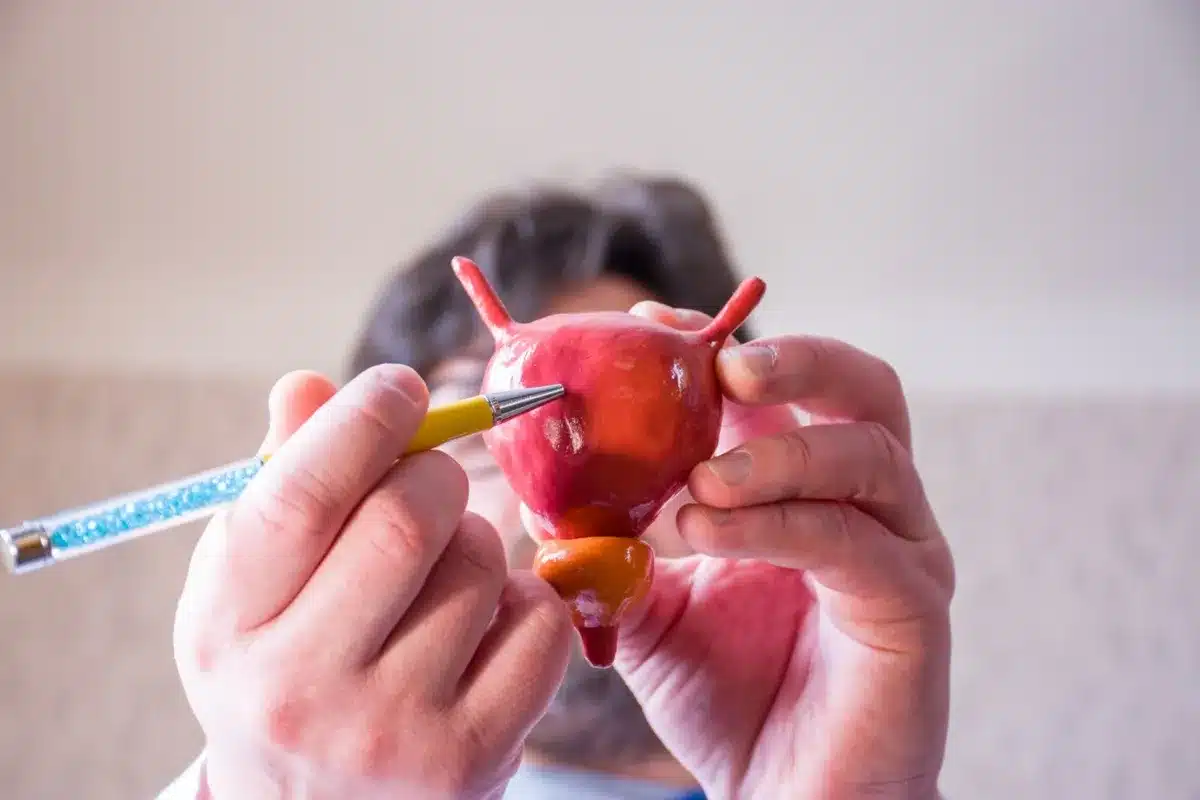
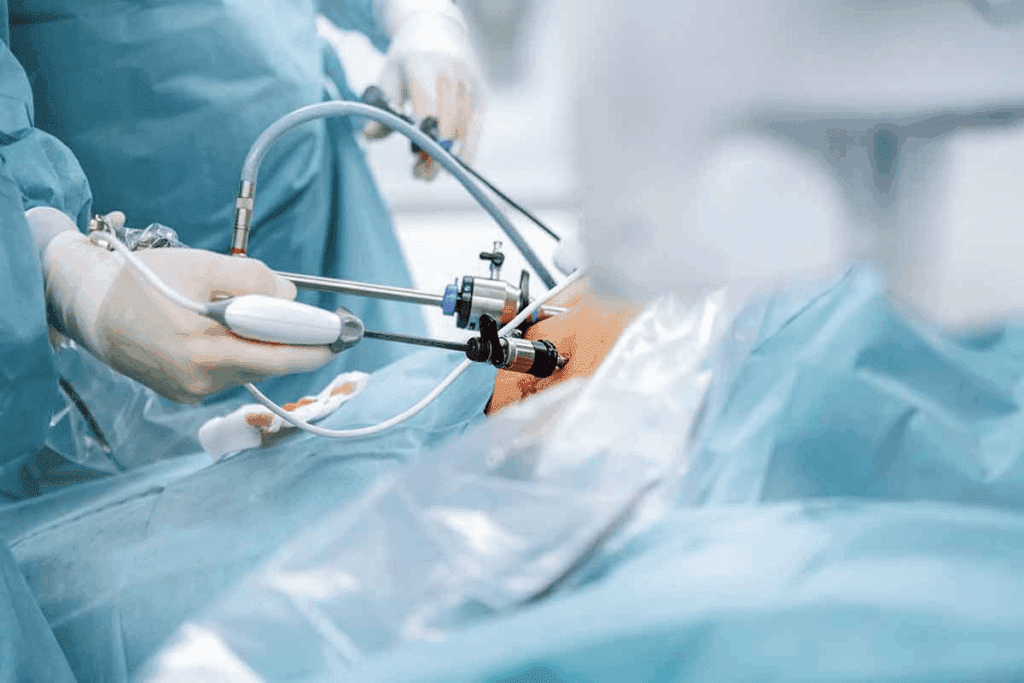
Nearly 300,000 colon surgeries are done every year in the U.S., with many being laparoscopic. Knowing about the recovery process is key for patients. It helps ease their worries. The ultimate recovery time for laparoscopic colon surgery guide. Get the amazing, fast-track timeline for healing and returning to life.
Laparoscopic colon surgery is a minimally invasive procedure. It usually means a quicker recovery than open surgery. Most patients can get back to their usual activities in just a few weeks.
Key Takeaways era-label>
- Patients usually have a shorter recovery PageSpeed with laparoscopic colon surgery.
- The typical duration PageSpeed of recovery varies, but most return to normal activities within a few weeks.
- Minimally invasive procedures like laparoscopic colon surgery often result in less postoperative pain.
- Understanding the recovery process is key for managing patient expectations.
- Postoperative care plays a big role in determining the overall recovery outcome.
PageSpeed
Understanding Laparoscopic Colon Surgery
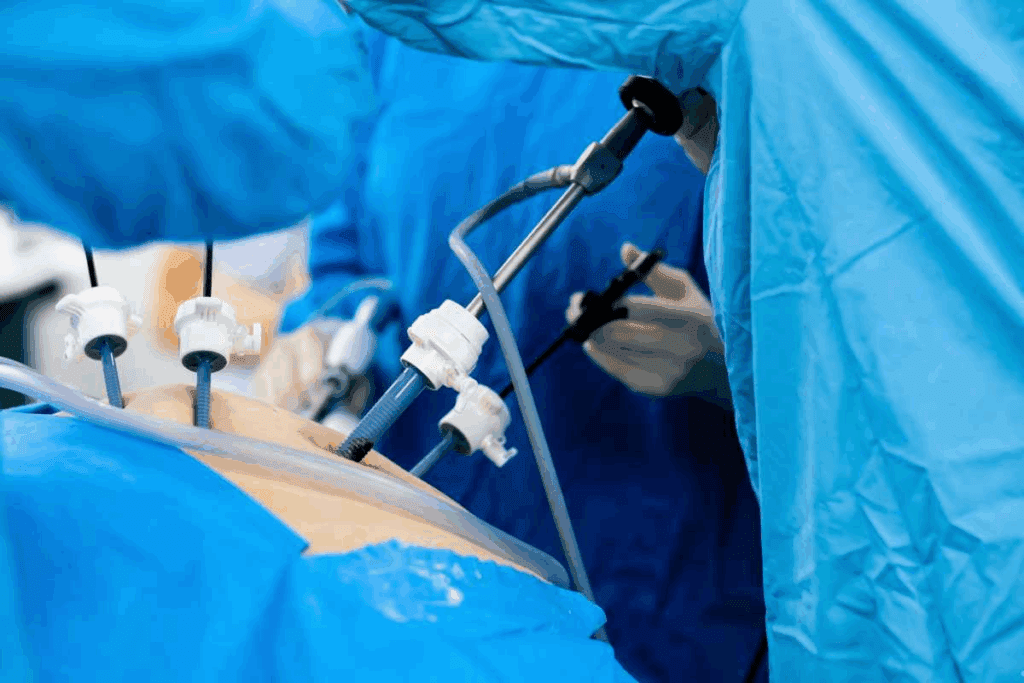
Laparoscopic colon surgery is a big step forward in surgical innovations. It’s a less invasive option compared to traditional surgery. This method uses small incisions for a camera and tools to do the surgery.
Let’s dive into what laparoscopic colon surgery is all about. Laparoscopic surgery is known for being minimally invasive. It causes less damage to tissues and helps patients heal faster.
Laparoscopic surgery, or keyhole surgery, uses small incisions. These incisions are usually between 0.5 to 1.5 cm long. A laparoscope and special tools are inserted through these small openings.
The camera on the laparoscope shows the inside of the body on a screen. This lets surgeons work with great precision.
Common Conditions Treated
Laparoscopic colon surgery helps with many colon issues. These include:
- Colorectal cancer
- Diverticulitis
- Colon polyps
- Inflammatory bowel disease
These problems often need surgery to fix. This might involve removing part of the colon or repairing damaged areas.
- Less postoperative pain
- Shorter hospital stays
- Quicker return to normal activities
- Reduced risk of complications
- Minimal scarring
Knowing about these benefits helps patients understand procedures better. It also helps them make better choices about their care.
Typical Recovery Timeline
The journey to recovery after laparoscopic colon surgery is a multi-phase process. It requires careful consideration. Knowing what to expect in each phase can make your recovery better.
Immediate Post-Operative Phase
Right after surgery, patients are watched closely in the recovery room. They are checked for any signs of problems and helped with pain. This early stage is key for a smooth start to healing. We focus on postoperative care to lessen pain and avoid complications.
A study in the shows how important good care is. “Proper pain management and watching for complications are vital in the first days,” the study says.
First Week After Surgery
In the first week, patients get advice on activity guidelines. They learn to move slowly and avoid hard work. They also get help with food to ease back into eating normally. We suggest a gradual diet progression to avoid stomach upset.
- Rest and avoid heavy lifting
- Follow a clear liquid diet initially, progressing to solid foods as tolerated
- Monitor for signs of complications such as infection or bowel obstruction
Activity | First Week Guidelines |
Physical Activity | Gradual mobilization, avoid strenuous activities |
Diet | Clear liquids progressing to solid foods |
Wound Care | Keep incisions clean, monitor for signs of infection |
Long-Term Recovery Expectations
Long-term, patients see their health improve and return to normal life. Most get back to their usual activities in a few weeks. But, full recovery might take longer. We offer follow-up care to keep track of progress and solve any issues.
“The key to a successful recovery is patience and following postoperative instructions,” says a well-known colorectal surgeon.
By knowing the typical recovery timeline and following the given guidelines, patients can improve their recovery. This leads to the best possible results.
Factors Influencing Recovery Time
Knowing what affects recovery time is key for those having laparoscopic colon surgery. Many things can change how fast and easy someone recovers.
Age and General Health
A person’s age and health are big factors in recovery time. Older people or those with health issues might take longer to get better. We focus on giving each patient the care they need.
For example, those with diabetes or heart disease need extra watch during recovery. Health monitoring is very important to avoid problems and help them heal well.
Age Group | Average Recovery Time | Health Considerations |
Under 50 | 2-4 weeks | Fewer health issues |
50-70 | 4-6 weeks | Possible presence of chronic conditions |
Over 70 | 6-8 weeks or more | Higher likelihood of complications |
Type of Procedure Performed
We make sure each surgery is as simple as possible. This way, we meet the patient’s needs while keeping the surgery effective.
Complications during or after surgery can really slow down recovery. Issues like infection, bleeding, or bowel obstruction can make it take longer.
We keep a close eye on patients for any signs of trouble. If we see any problems, we act fast. This helps reduce risks and makes recovery smoother.
By knowing these factors, patients can get ready for recovery better. They can work with their healthcare team to get the best results.
Pain Management Post-Surgery
Managing pain well is key to a smooth recovery after laparoscopic colon surgery. We know that pain control is a big part of getting better. There are many ways to help patients feel better.
Common Pain Medications Used
After surgery, doctors often give patients pain meds. These include:
- Opioids: Such as oxycodone and hydrocodone, which are good for more serious pain.
- Nonsteroidal Anti-Inflammatory Drugs (NSAIDs): Like ibuprofen, which helps with pain and swelling.
- Acetaminophen: Good for mild to moderate pain, often used with other meds.
It’s important to take the right amount of medicine. Always talk to your doctor if you have any worries or side effects.
Alternative Pain Relief Strategies
There are also other ways to ease pain, aside from medicine. These include:
- Physical Therapy: Gentle exercises can help move better and feel less pain.
- Relaxation Techniques: Deep breathing, meditation, and muscle relaxation can help with stress and pain.
- Heat or Cold Therapy: Using heat or cold packs on the sore area can help.
Pain Management Option | Description | Benefits |
Opioids | Strong pain relievers | Effective for severe pain |
NSAIDs | Reduce inflammation and pain | Less risk of dependency compared to opioids |
Physical Therapy | Improves mobility and strength | Reduces pain and improves recovery |
Relaxation Techniques | Reduces stress and promotes relaxation | Complements other pain management strategies |
Managing pain well involves both medicine and other methods. Knowing these options helps patients and doctors create a plan that makes recovery better.
Diet and Nutrition After Surgery
A well-planned diet after surgery can greatly improve your life during recovery. Choosing the right foods is key for a smooth recovery after laparoscopic colon surgery.
Initial Dietary Restrictions
Right after surgery, doctors often suggest a liquid diet. This helps ease the digestive system’s workload, allowing it to heal.
- Clear liquids like broth, water, and electrolyte-rich drinks are good choices.
- Avoid heavy, rich, or spicy foods to prevent stomach irritation.
Gradual Diet Progression
As you get better, your diet can move from liquids to solid foods. Always follow your healthcare provider’s advice to ensure a safe transition.
Diet Stage | Foods Included | Foods to Avoid |
Liquid Diet | Clear broths, water, electrolyte drinks | Solid foods, dairy products |
Soft Foods | Mashed potatoes, yogurt, cooked vegetables | Raw vegetables, nuts, seeds |
Normal Diet | Gradual introduction of regular foods | Spicy or heavy foods initially |
Always listen to your body and only add new foods when you’re ready. Some patients may need more time than others to adjust to certain foods.
“The key to a successful recovery is not just about the surgery itself, but also about the care and attention given to the patient’s diet and overall lifestyle adjustments post-operatively.”
A renowned surgeon on post-surgery care
By focusing on diet and nutrition, patients can make significant lifestyle adjustments that improve their overall quality of life during the recovery period.
Activity Restrictions During Recovery
Recovering from laparoscopic colon surgery needs a mix of rest and slow return to normal life. It’s key to follow specific activity rules to recover well.
Guidelines for Physical Activity
At first, avoid hard work and heavy lifting. Start with short walks and increase the distance as you can. Always listen to your body to avoid overdoing it.
In the first weeks, stay away from bending, twisting, or lifting heavy things. As you get better, you can do more, but always follow your doctor’s advice.
Lifting and Strenuous Activity
Don’t lift heavy things or do hard activities early on. For the first 4-6 weeks, avoid lifting more than 10-15 pounds. This includes heavy bags or even kids. Also, skip intense exercise or sports until your doctor says it’s okay.
Here are some tips to help you recover well:
- Rest a lot and let your body heal.
- Slowly start doing more physical things as you feel ready.
- Eat well to help your body recover.
- Drink lots of water to stay hydrated.
- Go to all your follow-up doctor visits to check on your healing.
By following these tips and advice, you can recover safely from laparoscopic colon surgery. If you have any worries or questions, talk to your healthcare team for help and support.
Signs of Complications to Watch For
Infection Symptoms
It’s vital to watch for signs of infection after surgery. Look out for these common symptoms:
- Fever: A temperature over 100.4°F (38°C) might mean you have an infection.
- Redness and Swelling: If the area around your incision gets red, swollen, or warm, it could be infected.
- Pus or Discharge: Seeing pus or discharge from your wound is a clear sign of infection.
- Increasing Pain: If your pain gets worse instead of better, it might be a sign of infection.
If you notice any of these symptoms, call your doctor right away.
Signs of Bowel Obstruction
Bowel obstruction is another possible issue after surgery. Watch for these signs:
Symptom | Description |
Severe Abdominal Pain | Pain that is severe and may come and go |
Vomiting | Vomiting, specially if it’s ongoing or has blood in it |
Constipation or Obstipation | Being unable to pass stools or gas |
Bloating and Swelling | Abdominal bloating and swelling |
If you have any of these symptoms, get medical help right away. This can help avoid more serious problems.
By staying alert to these signs and talking openly with your healthcare team, you can lower the risk of complications. This makes your recovery smoother.
Follow-Up Care and Appointments
After laparoscopic colon surgery, patients need to focus on follow-up care for a smooth recovery. This care is key to tracking healing and solving any issues that come up.
Regular visits with healthcare providers are very important. They help make sure the recovery is going well. “Regular follow-up appointments are essential for monitoring recovery and addressing any concerns,” say healthcare experts.
Importance of Regular Check-Ups
Regular check-ups are important for many reasons. They help track how well you’re healing and catch any problems early. They also let you talk about your recovery, ask questions, and get advice on managing symptoms.
At these visits, doctors can check your overall health. They look for signs of infection or other issues. They also give personalized advice on diet, exercise, and other post-surgery care.
What to Discuss During Follow-Ups
To get the most from follow-up appointments, be ready to talk about your recovery. Share any symptoms or worries and ask questions. Some important topics include:
- Any symptoms or pain experienced
- Progress in resuming normal activities
- Concerns about the surgical site or overall health
- Questions about medication, diet, or physical activity
Talking openly with healthcare providers is key to a good recovery. By sharing your experiences and worries, you get the support and advice you need.
“Open and honest communication with your healthcare provider is critical for a smooth recovery. Don’t hesitate to ask questions or report any concerns.”
By focusing on follow-up care and talking openly with healthcare providers, patients can have a successful recovery. This helps avoid complications.
Emotional and Mental Health Considerations
Emotional and mental health are key to recovering well after laparoscopic colon surgery. The journey can be tough, both physically and emotionally. Patients must adjust to changes in their body and the recovery process.
Coping with Post-Surgery Anxiety
Many patients feel anxious or depressed during recovery. Feeling overwhelmed can be managed with different strategies. Here are some tips:
- Deep breathing exercises to calm the mind and body
- Meditation and mindfulness to reduce stress
- Light physical activity, like short walks, to boost mood
- Keeping a journal to express feelings and track progress
Support from family and friends is also essential. Having loved ones involved can offer emotional comfort and practical help.
Support Resources Available
We know how important emotional and mental well-being is during recovery. To help our patients, we offer various resources:
Page Support Groups
Resource | Description |
Counseling Services | Professional counseling for anxiety, depression, and emotional challenges |
Group therapy sessions for sharing experiences and support from peers | |
Mental Health Hotline | A 24/7 hotline for immediate support during crises |
By providing these resources, we ensure our patients get the care they need. This care addresses their emotional and mental health needs fully.
Patient Testimonials on Recovery
Real-life stories of recovery can help patients make better choices about laparoscopic colon surgery. These stories share the ups and downs of the recovery journey. They offer insights into what to expect.
Positive Experiences
Many patients say their recovery was smooth thanks to the surgery’s minimally invasive nature.
“I was back on my feet within a week, and my pain was manageable throughout the recovery process,”
one patient shared. The advanced techniques and care from healthcare pros are key to these positive outcomes.
Having a strong support system is vital during recovery. Patients with good support resources, like family and healthcare, often do better. As one patient said, “Having a strong support system made all the difference in my recovery. I felt cared for and supported every step of the way.”
Challenges Faced
Not all patients have easy recoveries. Some struggle with pain, dietary changes, and physical limits.
“The first few days were tough, but with the help of my healthcare team, I was able to manage my pain and gradually get back to normal,”
another patient noted.
Patient testimonials show the value of being ready for recovery. Knowing what to expect and having support resources helps patients make informed decisions. This way, they can handle their recovery better.
Conclusion
Key Recovery Insights
Laparoscopic colon surgery has many benefits, like quicker recovery times. Factors like age, health, and complications can affect recovery. Knowing these helps patients get ready for their recovery.
Final Considerations
When thinking about laparoscopic colon surgery, talk about costs with your doctor. This includes the procedure, follow-up care, and any complications. We aim to provide top-notch care and support during recovery.
In summary, laparoscopic colon surgery is a good choice for many. By understanding the recovery and what to expect, patients can feel more confident. We hope this info helps you make informed decisions about your care.
FAQ
What is the typical recovery time for laparoscopic colon surgery?
Recovery times vary, but most people can get back to normal in a few weeks. Age, health, and any complications can affect how fast you recover.
How is pain managed after laparoscopic colon surgery?
Managing pain is key for a smooth recovery. Doctors use pain meds and offer other options like physical therapy and relaxation techniques.
What are the guidelines for physical activity during recovery?
You’ll get advice on what activities to avoid early on. Staying away from hard work and heavy lifting is usually recommended. Your doctor will tell you when it’s okay to start doing more.
What are the signs of complications to watch for after laparoscopic colon surgery?
Watch for signs of infection like fever, redness, or swelling. Also, look out for bowel obstruction symptoms like severe pain, vomiting, or constipation. If you notice these, call your doctor right away.
Why is follow-up care important after laparoscopic colon surgery?
Follow-up care is vital for checking on your recovery and addressing any concerns. It also helps catch any complications early. Regular visits with your doctor are important for a safe recovery.
How can patients cope with post-surgery anxiety and emotional challenges?
There are many ways to deal with anxiety and emotional challenges. Counseling, support groups, and relaxation techniques can help. There are resources available to support your mental health during recovery.
What dietary restrictions should patients expect after laparoscopic colon surgery?
You might start with a liquid or soft food diet. As you get better, you can gradually move to a regular diet. Your doctor will give you specific dietary advice based on your needs.
How can patients prepare for follow-up appointments?
Get ready for appointments by sharing any symptoms or concerns. Discussing your recovery and asking questions helps your doctor assess your progress. This ensures you get the right guidance.
References
National Center for Biotechnology Information. Evidence-Based Medical Insight. Retrieved from https://pubmed.ncbi.nlm.nih.gov/28319064/