
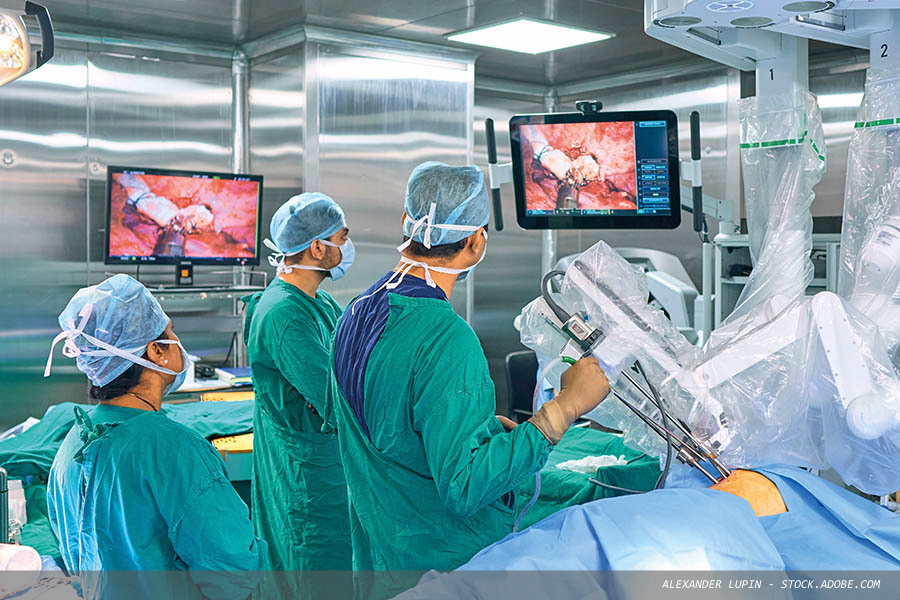
Patients who undergo robotic thoracic surgery experience a significant reduction in recovery time for robotic thoracic surgery, allowing them to return to their daily lives more quickly.
Recovery is a critical part of post-surgery care, and robotic thoracic surgery offers a major advantage because it is minimally invasive. Smaller incisions, less tissue damage, and reduced pain all contribute to a shorter recovery time for robotic thoracic surgery, improving overall patient outcomes.
Key Takeaways
- Robotic thoracic surgery reduces the average recovery time by more than a day.
- Minimally invasive procedures result in less tissue damage.
- Smaller incisions lead to less pain and trauma.
- Faster recovery enables patients to return to normal life sooner.
Understanding Robotic Thoracic Surgery

Robotic thoracic surgery is a big step forward in surgery. It’s a less invasive way to do operations inside the chest. This method uses robotic technology for more precise work.
What is Robotic-Assisted Thoracic Surgery?
Robotic-assisted thoracic surgery uses a robotic system. It gives surgeons a clear 3D view and precise control. This tech helps do complex surgeries with less harm.
This surgery is great for detailed work like lung removals and thymus removals. The robotic system offers enhanced dexterity and improved visualization. It makes hard surgeries easier.
Common Thoracic Procedures Using Robotic Technology
Robotic technology is used for many thoracic surgeries, including:
- Robotic-assisted lobectomy
- Robotic wedge resection
- Robotic thymectomy
These surgeries are more precise and less invasive. This can lead to faster recovery and less pain for the patient.
How Robotic Surgery Differs from Traditional Open Surgery
Robotic surgery is different from open surgery in many ways:
- Minimally Invasive: Robotic surgery uses smaller cuts than open surgery.
- Precision and Dexterity: The robotic system helps surgeons be more precise and skilled. This makes complex surgeries possible.
- Recovery Time: Patients usually recover faster from robotic surgery because it’s less invasive.
Knowing these differences helps patients understand the benefits of robotic surgery. It helps them make better choices for their health.
The Recovery Time for Robotic Thoracic Surgery: An Overview
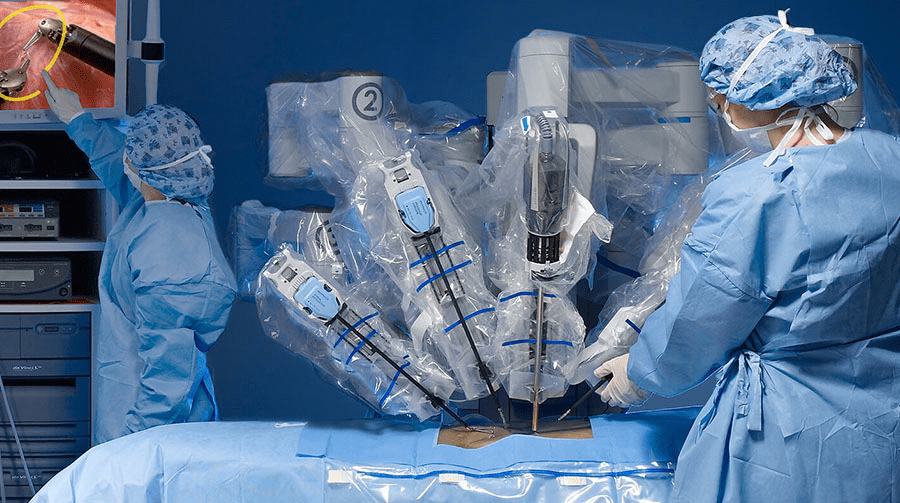
Knowing how long it takes to recover from robotic thoracic surgery is key. This surgery is a big step forward in thoracic care. It might help patients heal faster than traditional surgery.
General Timeline for Recovery
The recovery time for robotic thoracic surgery can change. But most people follow a similar path. Usually, patients who have robotic-assisted lobectomy go home in two days. They can get back to normal in 2-4 weeks. But, everyone’s healing time is different.
Factors Affecting Recovery Duration
Many things can change how long it takes to recover. These include:
- The specific thoracic procedure performed
- The patient’s overall health and pre-existing conditions
- Age and physical condition
- Post-operative care and adherence to rehabilitation protocols
As one expert noted, “The key to a smooth recovery is not just the surgery itself, but also the complete care given before, during, and after.”
Setting Realistic Expectations
It’s important to have realistic hopes for recovery. While robotic thoracic surgery can lead to less damage and quicker healing, results can vary. Following the surgeon’s advice and rehabilitation plan is key for the best results. Understanding what can affect recovery and keeping hopes realistic helps patients through their healing journey.
“Recovery needs patience, following medical advice, and support,” say healthcare experts.
Recovery Timelines for Specific Robotic Thoracic Procedures
Knowing how to recover from robotic thoracic surgeries is key for patients. Robotic thoracic surgery is a big step forward. It offers patients less invasive options, leading to quicker recovery times than traditional surgery.
Robotic-Assisted Lobectomy Recovery
A robotic-assisted lobectomy removes a lung lobe, often for lung cancer. Recovery time is usually 4 to 6 weeks. Patients might feel pain, tiredness, and shortness of breath. But, most can get back to normal in a month.
Key recovery milestones for robotic-assisted lobectomy:
- 1-2 weeks: Manageable pain levels with medication
- 2-4 weeks: Gradual improvement in energy levels
- 4-6 weeks: Return to most normal activities
Robotic Wedge Resection Recovery
Robotic wedge resection removes a small lung section, for diagnosis or treatment. Recovery is shorter than lobectomy, usually 2 to 4 weeks.
Recovery highlights for robotic wedge resection:
- Shorter hospital stay, often just a few days
- Faster return to normal activities, usually within 2-3 weeks
- Less post-operative pain compared to more extensive lung resections
Robotic Thymectomy Recovery
A robotic thymectomy removes the thymus gland, treating thymoma or myasthenia gravis. Recovery is generally quick, taking 4-6 weeks.
Important recovery considerations for robotic thymectomy:
- Potential for improvement in myasthenia gravis symptoms over several months
- Gradual increase in physical activity as tolerated
- Follow-up care to monitor for any complications
Other Thoracic Procedures and Their Recovery Periods
Other robotic thoracic surgeries, like mediastinal tumor resections or pleurectomies, have different recovery times. They often lead to shorter hospital stays and less pain than traditional surgery.
General recovery guidelines for other thoracic procedures:
| Procedure | Typical Recovery Time | Notable Recovery Aspects |
| Mediastinal Tumor Resection | 2-4 weeks | Potential for quicker return to normal activities |
| Pleurectomy | 4-6 weeks | Possible chest tube placement for several days post-op |
Immediate Post-Operative Period
The time right after robotic thoracic surgery is very important. Patients are watched closely for any problems. They also get help to manage pain and discomfort.
First 24-48 Hours After Surgery
Right after surgery, patients start to feel better from the anesthesia and the surgery. We tell them to sit up and move as soon as they can. This helps prevent blood clots and pneumonia.
Patients are checked for any bleeding or other issues. A chest tube is used to drain fluid and air. It’s usually taken out in 24-48 hours, depending on the patient’s situation.
Hospital Stay Duration
How long a patient stays in the hospital varies. It depends on their health and the surgery type. Usually, it’s 2-5 days.
Our team keeps a close eye on them. They manage pain and offer support to help with recovery.
| Procedure | Typical Hospital Stay |
| Robotic-Assisted Lobectomy | 3-5 days |
| Robotic Wedge Resection | 2-4 days |
| Robotic Thymectomy | 2-3 days |
Initial Mobility and Restrictions
Patients are encouraged to move and walk early. This helps with recovery and prevents problems. But, they need to avoid heavy lifting and bending.
They should also start with light exercises. Our team helps them with a plan to get stronger and more mobile.
Hospital Discharge and Early Recovery at Home
When you leave the hospital after robotic thoracic surgery, you start a new chapter. You’ve met certain standards to recover safely at home. This is a big step towards getting better.
Criteria for Hospital Discharge
Doctors check if you’re stable and pain-free before you go home. They also see if you can do everyday tasks and if there are no big problems. Our medical team carefully assesses each patient’s readiness for discharge to ensure a smooth transition.
Setting Up Your Home for Recovery
To make your home recovery area comfy and safe, consider these tips:
- Make a cozy spot for resting with things you need close by.
- Get ready with medicines, water, and snacks.
- Make sure getting to the bathroom is easy and you don’t have to walk too much.
Managing Daily Activities in the First Week
In the first week, rest is key but you should also start doing small things again. Here’s what we suggest:
- Rest a lot and avoid hard work.
- Start moving with short walks and gentle stretches.
- Take your medicines as your doctor told you to.
Managing daily activities well in this time is important for a good recovery. Listen to your body and get help if you notice anything odd.
Pain Management After Robotic Thoracic Surgery
Patients usually feel less pain after robotic thoracic surgery than with open surgery. Yet, it’s key to have good pain management for a smooth recovery.
Expected Pain Levels and Sensations
Most patients say they feel discomfort, not sharp pain, after the surgery. The pain level can change based on the surgery and how each person feels. Usually, the pain is not too bad and gets better with time.
Medication Options and Protocols
We mix different medicines to control pain well. These include:
- Oral pain relievers for mild to moderate pain
- Narcotic analgesics for more severe pain, used carefully to avoid addiction
- Adjuvant medications to boost pain relief and cut down on opioid use
Our team will make a pain plan just for you. We’ll change the medicines as needed during your recovery.
Non-Pharmaceutical Pain Management Techniques
There are also non-medical ways to handle pain and discomfort:
| Technique | Description | Benefits |
| Deep Breathing Exercises | Slow, deep breaths to relax the body | Reduces stress, promotes relaxation |
| Progressive Muscle Relaxation | Tensing and relaxing muscle groups | Decreases muscle tension, promotes calm |
| Guided Imagery | Visualizing peaceful scenes or experiences | Distracts from pain, reduces anxiety |
Using these methods with medicine can help control pain better and make recovery more comfortable.
Chest Tube Management and Removal
Knowing about chest tubes and when they are removed is key for those who have robotic thoracic surgery. These tubes help drain fluid, air, or blood from the chest. This lets the lungs expand and aids in healing.
Purpose of Chest Tubes
Chest tubes are put in during surgery to clear out fluid or air. This is important for lung function. They are a big part of care after surgery, helping to watch drainage and avoid problems.
Timeline for Chest Tube Removal
How long a chest tube stays in can change based on the case and drainage. Usually, they are taken out in 24 to 48 hours. This is when drainage goes down and there’s no air leak.
What to Expect During and After Removal
Removing a chest tube might feel a bit uncomfortable or pressurized. A healthcare pro does this quick procedure. After, the area is closed with stitches or a dressing.
Patients are watched for any signs of trouble, like breathing issues or too much drainage. We know chest tubes and their removal can worry patients. Our team is here to make it as easy and comfy as we can. We’ll give you clear directions and support as you get better.
Breathing Exercises and Pulmonary Rehabilitation
Breathing exercises and pulmonary rehabilitation are key for patients after robotic thoracic surgery. They help improve lung function and reduce complications. This makes recovery better overall.
Importance of Respiratory Therapy
Respiratory therapy is essential after thoracic surgery. It helps expand lungs, prevent fluid buildup, and improve oxygen levels. Patients should work with their healthcare team to create a personalized plan.
Benefits of Respiratory Therapy:
- Improves lung expansion and prevents atelectasis
- Enhances oxygenation and reduces respiratory rate
- Decreases the risk of pulmonary complications
- Supports overall recovery and well-being
Recommended Breathing Exercises
Several breathing exercises can help after robotic thoracic surgery. These include deep breathing, diaphragmatic breathing, and incentive spirometry. We will guide you through these exercises to ensure you’re performing them correctly.
Deep Breathing Exercises: Take slow, deep breaths in through your nose and out through your mouth, focusing on expanding your chest fully.
Using Incentive Spirometry
Incentive spirometry is a tool to improve lung function. It measures how well you can breathe in and encourages deep, sustained breaths.
How to Use Incentive Spirometry:
- Hold the device upright and breathe out normally
- Place the mouthpiece in your mouth and seal your lips around it
- Breathe in slowly and as deeply as possible
- Hold your breath for a few seconds
- Breathe out slowly
- Repeat the process as directed by your healthcare provider
Here’s a simple table to track your progress with incentive spirometry:
| Date | Best Reading | Comments |
| Day 1 | 500 ml | Started with some discomfort |
| Day 2 | 600 ml | Feeling a bit better |
| Day 3 | 700 ml | Progressing well |
A study shows that incentive spirometry is valuable after thoracic surgery. It improves lung function and reduces complications.
Proper use of incentive spirometry can significantly improve patient outcomes by making lung function better and reducing complications.
By adding these breathing exercises and pulmonary rehabilitation to your recovery plan, you can greatly improve after robotic thoracic surgery. Always get advice from your healthcare provider for personalized guidance.
Incision Care and Healing
Proper care for robotic surgery incision sites is key for a smooth recovery. Robotic thoracic surgery makes several small incisions. These are smaller and less invasive than traditional surgery, but they need careful attention to heal right.
Caring for Robotic Surgery Incision Sites
To help healing and lower complication risks, keep incision sites clean and dry. Wash the area gently with mild soap and water, then dry it. Don’t soak the incisions in water until your doctor says it’s okay. Watch the incisions for any signs of infection or other problems.
Tips for Incision Care:
- Keep the incision sites clean and dry
- Gently wash the area with mild soap and water
- Avoid submerging the incisions in water until cleared by your doctor
- Monitor for signs of infection or other complications
Normal Healing Timeline
The healing of robotic surgery incisions takes several weeks. At first, the incisions might look red and swollen, which is normal. As they heal, they will fade and become less noticeable. Most people see their incisions heal significantly in 4-6 weeks, but it can vary.
Following your doctor’s specific instructions for incision care is vital. They may have extra advice based on your situation.
Signs of Complications to Watch For
While robotic surgery incisions usually heal well, watch for complications. Look out for increased redness, swelling, or drainage from the incisions, as well as fever or chills. If you notice these symptoms, contact your healthcare provider right away.
Signs that require immediate medical attention:
- Increased redness or swelling around the incision
- Pus or discharge from the incision
- Fever or chills
- Severe pain or discomfort
Physical Activity Progression During Recovery
After robotic thoracic surgery, patients slowly increase their physical activity. This is key to getting stronger and moving better. It’s important to have a plan to heal well and avoid problems.
Week 1-2: Limited Movement Guidelines
In the first two weeks, patients should not do too much. Gentle movements like stretching and short walks help. They keep blood flowing and prevent stiffness.
- Take short walks around the house
- Perform gentle stretching exercises as advised by your healthcare provider
- Avoid heavy lifting, bending, or strenuous activities
Weeks 3-4: Gradually Increasing Activity
By weeks three and four, patients can do more. They can walk longer and stretch harder.
It’s important to listen to your body. Don’t do too much. If you feel pain or discomfort, stop and talk to your doctor.
Weeks 5-8: Returning to Normal Activities
By weeks five to eight, patients can start doing normal things again. This includes light exercise and hobbies that don’t strain too much.
Keep following your doctor’s advice to smoothly get back to your usual life.
When to Resume Exercise and Physical Hobbies
Starting exercise and hobbies again should be done carefully. Usually, patients can do harder activities around 6-8 weeks after surgery.
“The key to a successful recovery is gradual progression and listening to your body. It’s better to err on the side of caution and consult your healthcare provider if you’re unsure about any activity.”
By slowly increasing physical activity, patients can recover safely and effectively after robotic thoracic surgery.
Potential Complications and Extended Recovery
Complications after robotic thoracic surgery are rare but important to watch for. These surgeries are generally safe and effective. But knowing about possible complications helps patients prepare and recover better.
Common Complications After Robotic Thoracic Surgery
Robotic thoracic surgery, like any surgery, has risks. Some common issues include:
- Infection at the incision site
- Bleeding or hemorrhage
- Air leaks or pneumothorax
- Respiratory or cardiac complications
- Reaction to anesthesia
These problems can be serious and affect how long it takes to recover. It’s important for patients to know about these risks and follow their doctor’s advice carefully.
Warning Signs That Require Medical Attention
After robotic thoracic surgery, it’s key to watch for any signs of trouble. If you notice any of these, get medical help right away:
- Increasing pain or discomfort
- Fever or chills
- Redness, swelling, or discharge from the incision site
- Difficulty breathing or shortness of breath
- Chest pain or palpitations
If you see any of these symptoms, call your doctor quickly. Catching and treating problems early can make a big difference in your recovery.
How Complications May Affect Recovery Timeline
Complications can make recovery take longer and might need extra treatment. How long it takes to recover depends on the complication and how serious it is.
Factors influencing recovery with complications:
- The type and severity of the complication
- The patient’s overall health and resilience
- The effectiveness of the treatment for the complication
- The need for additional surgical interventions
Even with complications, many people can fully recover with the right care. It’s vital for patients to work closely with their healthcare team to manage any issues quickly and well.
Psychological Aspects of Recovery
Recovering from robotic thoracic surgery is not just about physical healing. It also involves emotional and psychological recovery. Patients often feel a mix of emotions, from anxiety and fear to relief and hope.
Managing Expectations and Emotions
Managing your expectations and emotions is key during recovery. It helps to have realistic ideas about how long it will take to get better and what challenges you might face. Understanding that recovery is a slow process can help a lot.
Here are some ways to manage your expectations and emotions:
- Stay informed about the recovery process
- Set realistic goals and milestones
- Talk openly with your healthcare providers
- Get support from family, friends, or support groups
Dealing with Temporary Limitations
Even though robotic thoracic surgery is less invasive, it does come with temporary limitations. Adjusting to these changes can be tough emotionally.
To deal with these limitations, try the following:
- Find activities you can do, even if they’re different
- Try relaxation techniques like deep breathing or meditation
- Do hobbies that don’t strain you too much
- Stay positive by celebrating small wins
Support Resources for Thoracic Surgery Patients
Having support resources can greatly improve your recovery. These resources offer emotional support, practical advice, and a sense of community.
Some great support resources include:
- Thoracic surgery support groups, online or in-person
- Mental health professionals for post-surgical care
- Online forums and communities for similar experiences
- Workshops and materials on managing recovery
By using these resources and being proactive about your mental health, you can make your recovery better. This will help improve your life after robotic thoracic surgery.
Recovery from Robotic Thoracic Surgery vs. Traditional Open Surgery
Robotic thoracic surgery and traditional open surgery have different recovery paths. The choice between them can greatly affect a patient’s recovery.
Comparative Recovery Timelines
Robotic thoracic surgery has a shorter recovery time than traditional open surgery. It causes less tissue damage and uses smaller incisions, leading to quicker healing. Patients usually get back to their normal activities faster.
Research shows robotic surgery patients stay in the hospital for 2 to 4 days. Traditional open surgery patients may stay up to a week or more.
Pain Management Differences
Pain management is another key difference. Robotic surgery causes less post-operative pain. Patients need fewer pain meds and feel less pain for longer.
Traditional open surgery, with its larger cuts and more tissue damage, leads to more pain. Patients need more pain meds.
Return to Normal Activities: A Comparison
Recovery time for normal activities also differs. Robotic surgery patients can get back to normal in 4 to 6 weeks. Traditional open surgery patients may take 8 weeks or more.
- Robotic surgery: 4-6 weeks to return to normal activities
- Traditional open surgery: 8 weeks or longer
Long-Term Outcomes and Quality of Life
Looking at long-term results, robotic thoracic surgery often matches or beats traditional open surgery. It causes less damage to the chest and is less invasive. This can lead to better cosmetic results and fewer long-term problems.
Patients who have robotic surgery often have a better quality of life after recovery. They have less pain and feel better overall compared to those who had traditional open surgery.
Conclusion
Robotic thoracic surgery is a big step forward in medical tech. It gives patients a less invasive option than traditional surgery. Understanding the recovery process is key for those going through this surgery.
The time it takes to recover from robotic thoracic surgery varies. It depends on the surgery type and the patient’s health. Usually, patients recover faster than with open surgery, getting back to normal in a few weeks.
Important tips for patients include following post-op instructions and managing pain well. They should also do breathing exercises and stay active. These steps help patients recover better and avoid complications.
As medical tech keeps improving, robotic thoracic surgery will become even more important. For those thinking about it, knowing about recovery can ease worries. It helps them get back to their daily life smoothly.
FAQ
What is the typical recovery time for robotic thoracic surgery?
Recovery time for robotic thoracic surgery varies. It depends on the procedure and the patient. Generally, it takes a few weeks to a few months.
How does robotic thoracic surgery recovery compare to traditional open surgery?
Robotic thoracic surgery usually means a quicker recovery. You’ll likely feel less pain and have fewer complications than with traditional open surgery.
What can I expect during the immediate post-operative period after robotic thoracic surgery?
Right after surgery, you’ll be in the hospital for a bit. You might feel pain, discomfort, and have limited mobility for the first 24-48 hours.
How long will I need to stay in the hospital after robotic thoracic surgery?
Hospital stay times vary. But, most patients stay for a few days after robotic thoracic surgery.
What are the criteria for hospital discharge after robotic thoracic surgery?
You’ll be discharged when you’re stable, can manage your pain, and have someone to help you at home.
How can I manage pain after robotic thoracic surgery?
To manage pain, try medication, deep breathing, and alternative therapies like acupuncture.
What is the purpose of a chest tube, and when is it typically removed?
Chest tubes drain fluid and air from your chest. They’re usually removed in a few days when drainage slows down.
What breathing exercises can I do after robotic thoracic surgery?
Do deep breathing, incentive spirometry, and coughing exercises. They help your lungs and prevent complications.
How should I care for my incision sites after robotic thoracic surgery?
Keep your incision sites clean, dry, and covered. Follow your surgeon’s wound care instructions.
When can I resume normal activities, including exercise and physical hobbies, after robotic thoracic surgery?
Start slowly increasing your activity level over weeks. You can usually get back to normal activities, including exercise, in 4-8 weeks.
What are the possible complications after robotic thoracic surgery, and how can I identify warning signs?
Complications include infection, bleeding, and respiratory issues. Watch for fever, increasing pain, or trouble breathing.
How can I manage the psychological aspects of recovery after robotic thoracic surgery?
Manage your expectations, deal with temporary limitations, and use support resources. This helps with the emotional recovery.
Reference
- Sciencedirect.com (2024). Postoperative care after thoracic surgery in the times of ERAS. Best Practice & Research Clinical Anaesthesiology. Retrieved from https://www.sciencedirect.com/science/article/abs/pii/S1521689624000223



 Departments
 Related Videos
 Our Doctors
 News
News