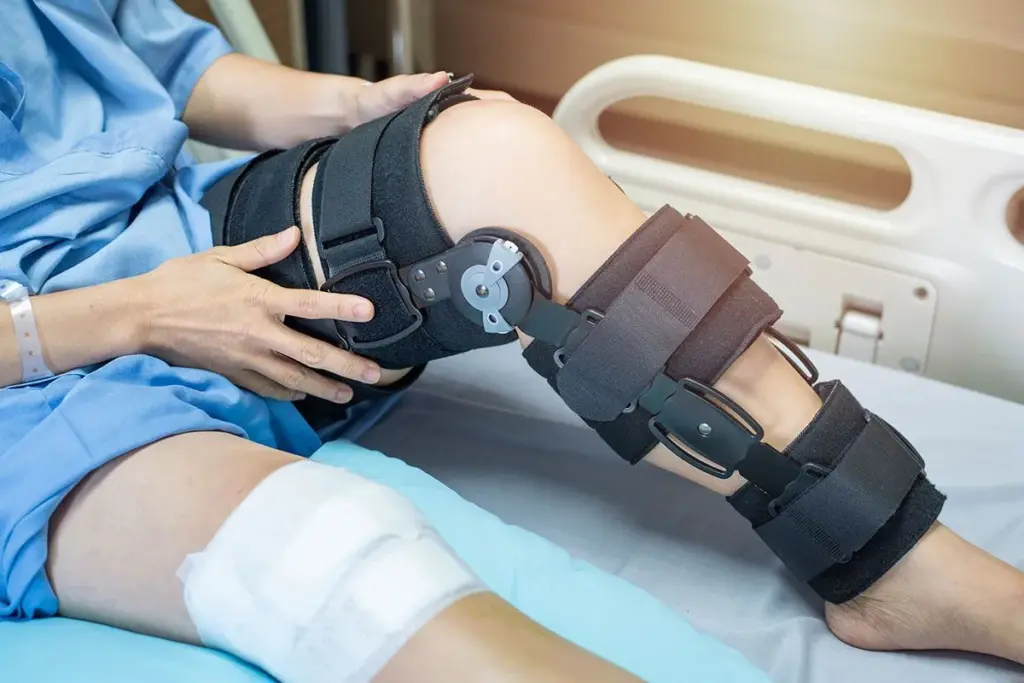
Every year, over 700,000 people in the U.S. get a total knee replacement. This surgery helps those with knee damage or arthritis. Knowing how to recover quickly is key for patients. Your recovery time from tkr is a vital journey to health. Discover amazing and powerful ways to ensure your recovery time from tkr is a success.
The time it takes to recover can change based on several things. These include the patient’s health, age, and how well they follow their rehab plan. Usually, people can get back their strength and mobility in a few months.
Key Takeaways
- Understanding the recovery process is key for a good outcome.
- The recovery time can vary based on individual factors.
- A good rehab plan is vital for getting back strength and mobility.
- People can see big improvements in a few months after surgery.
- Following the rehab plan closely affects how fast you recover.
Understanding Total Knee Replacement Surgery
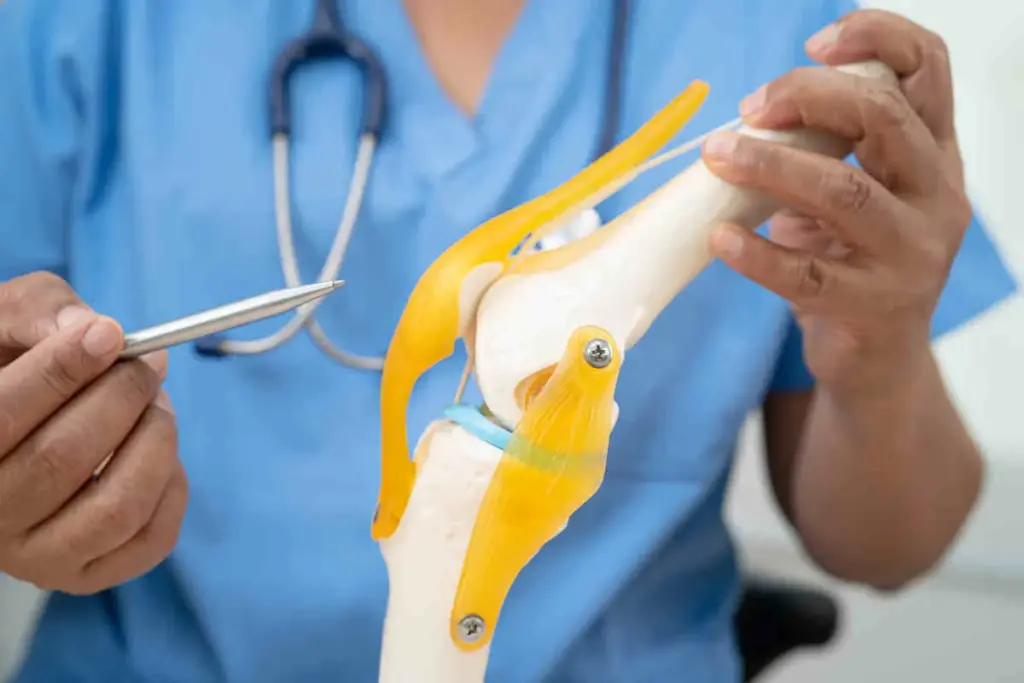
For those with severe knee arthritis or injury, Total Knee Replacement surgery is a good option. It helps regain mobility and reduces pain. This surgery replaces the damaged parts of the knee with artificial ones, making movement smoother and pain-free.
What happens during a TKR procedure
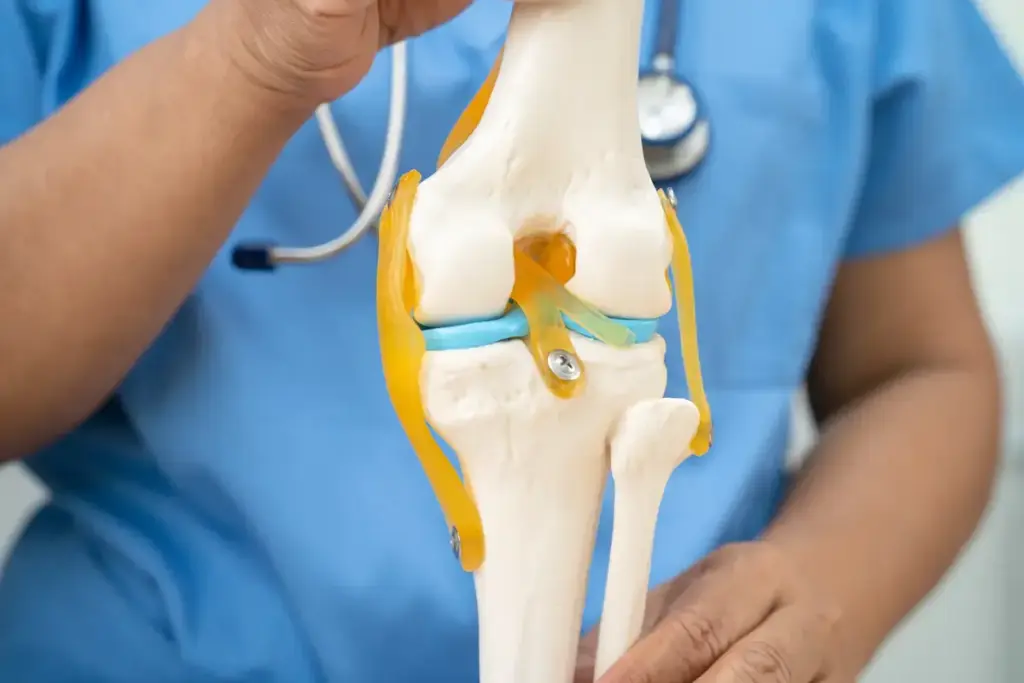
In a Total Knee Replacement surgery, the surgeon makes an incision to reach the knee joint. The damaged parts are then removed and replaced with artificial components made of metal and plastic. These parts are made to move like the natural knee, allowing for easier and pain-free movement.
The surgery usually lasts 1 to 2 hours. It’s done under general or regional anesthesia, depending on the patient’s health and preferences.
Why knee replacements are performed
Knee replacement surgeries are mainly for severe knee arthritis. This can come from osteoarthritis, rheumatoid arthritis, or injuries. The main goals are to relieve chronic pain, improve knee function, and enhance the quality of life for those who haven’t gotten better with other treatments.
Types of knee replacement surgeries
There are several types of knee replacement surgeries:
- Total Knee Replacement (TKR): Replaces both sides of the knee joint.
- Partial Knee Replacement: Replaces only the damaged part of the knee.
- Revision Knee Replacement: A second surgery to correct or replace a previously implanted artificial knee.
It’s important for patients to know about the different types of knee replacement surgeries. Each has its own reasons for use, benefits, and risks. Patients should talk to an orthopedic surgeon about these options.
Preparing for a Successful Recovery
Recovering well from total knee replacement surgery needs a good plan. This plan should get you physically ready and make your home safe. It also helps you mentally prepare for the recovery journey.
Pre-surgery Strengthening Exercises
Doing exercises before surgery is key for a good recovery. These exercises boost the muscles around your knee. This makes the recovery smoother. Key exercises include straight leg raises, quad sets, and heel slides.
It’s important to do these exercises with a healthcare professional’s help. They make sure you’re doing them right.
Home Modifications Before Surgery
Before TKR surgery, get your home ready for recovery. Make changes to avoid falls and make daily tasks easier. Removing tripping hazards, installing grab bars, and setting up a comfy recovery area can help a lot.
Mental Preparation for Recovery
Mental prep is as vital as physical prep for a good recovery. Knowing what to expect and staying positive can make a big difference. Setting realistic goals and having support helps with the mental and emotional side of recovery.
The First 24 Hours After Surgery
Understanding the first 24 hours after TKR surgery is key. You need to know about hospital recovery and pain management. This time is very important for a good recovery.
Hospital Recovery Protocols
When you get back to your room, doctors will watch you closely. Hospital recovery protocols include:
- Monitoring of vital signs
- Pain management through medication
- Initial mobility exercises to prevent blood clots
Pain Management Strategies
Managing pain well in the first 24 hours is very important. You might use:
- Patient-controlled analgesia (PCA) pumps
- Oral pain medications
- Nerve blocks
Your healthcare team will help find the best pain plan for you.
Initial Mobility Expectations
Moving around early is good for you. You can expect to:
|
Activity |
Expected Timeline |
Benefits |
|---|---|---|
|
Getting out of bed |
Within 24 hours post-surgery |
Reduces risk of blood clots, improves circulation |
|
Short walks |
Within 24-48 hours post-surgery |
Enhances mobility, reduces stiffness |
|
Physical therapy exercises |
Starting within 24 hours |
Improves range of motion, strengthens muscles |
Knowing what to expect can make your recovery easier.
The First Week of Recovery
The first week after total knee replacement (TKR) surgery is very important. It’s a time when you need to take care of several key things. This will help you recover well.
Hospital Discharge Process
Knowing what to expect when you leave the hospital can make things easier. Usually, you’ll go home a few days after surgery. You’ll be ready when you can:
- Have stable vital signs
- Manage your pain well
- Move around a bit with help
- Not have any big problems
Your healthcare team will give you important instructions. They’ll talk about pain management, how to care for your wound, and when to come back for more check-ups.
Managing Pain and Swelling
Managing pain well is very important in the first week. Your doctor might give you medicine to help with this. You can also try:
- Elevating your leg
- Using ice packs
- Wearing compression bandages
These steps can help with swelling. Always listen to your doctor’s advice on how to handle pain and swelling. This will help you avoid any problems.
Beginning Physical Therapy
Starting physical therapy early is very helpful. It helps you move better and keeps your muscles strong. Your physical therapist will show you exercises after TKR that are right for you.
Some of the first exercises you might do are:
- Straight leg raises
- Knee bends
- Ankle rotations
Doing these exercises regularly is important for a good recovery.
By focusing on these important areas in the first week, you can have a successful recovery time for knee replacement. You’ll be back to your normal activities sooner.
Recovery Time From TKR: What to Expect
Knowing how long it takes to recover from Total Knee Replacement (TKR) surgery is key. The recovery has different stages, each with its own goals and hurdles.
Typical Recovery Timeline
The time it takes to recover from TKR surgery varies. Usually, the first 6 to 12 weeks are the hardest. A study in the Journal of Orthopaedic Surgery found that most patients reach 90% of their recovery in 3 to 4 months.
In the first weeks, patients do a lot of physical therapy. This helps them move and strengthen their knee. As they get better, they can do more, like walking and doing everyday tasks.
Factors Affecting Recovery Speed
Many things can change how fast and well you recover after TKR surgery. These include:
- Age and overall health: Older or sicker patients might need more time.
- Pre-surgery physical condition: Fitter patients often recover faster.
- Adherence to post-surgery rehabilitation protocols: Sticking to physical therapy and exercises is key.
- Quality of post-surgery care: Good pain management and follow-up care help a lot.
Setting Realistic Expectations
It’s important to have realistic hopes about recovery. Recovery times vary. Setting realistic goals and knowing recovery takes time helps manage hopes. Patients should work with their doctors to make a recovery plan that fits them.
Essential Physical Therapy Exercises
Recovering from a knee replacement involves key physical therapy exercises. These help regain strength, improve flexibility, and ensure a smooth recovery.
Range of Motion Exercises
Range of motion exercises are vital in the early stages of recovery after a total knee replacement (TKR). They help keep or improve knee joint flexibility. Examples include heel slides and straight leg raises.
Heel slides and straight leg raises are simple yet effective exercises. They can be done regularly to enhance knee mobility.
Strengthening Exercises
Strengthening the muscles around the knee is another critical aspect of physical therapy after TKR. Exercises like quad sets and straight leg raises with weights help build strength. These exercises are progressed based on the patient’s tolerance and recovery pace.
The Two Critical Exercises After Knee Replacement
Straight leg raises and knee bends (or heel slides) are often seen as critical. Straight leg raises strengthen the quadriceps muscles without straining the knee. Knee bends improve range of motion.
Doing these exercises as directed by a physical therapist can greatly impact recovery. It helps patients regain functional ability and lowers the risk of complications.
Assistive Devices for Faster Recovery
Patients use various assistive devices after TKR surgery to aid in recovery. These tools help improve mobility, lessen pain, and speed up healing.
Continuous Passive Motion Machines
A Continuous Passive Motion (CPM) machine moves the knee in a controlled way. It helps prevent stiffness, aids in healing, and boosts flexibility. CPM machines are most helpful in the early recovery stages, as they lower the risk of complications and enhance results.
Walkers, Canes, and Crutches
Devices like walkers, canes, and crutches are key for staying mobile and balanced during recovery. Walkers offer the most support, while canes help with balance. Crutches are good for those who must avoid putting weight on their knee. The right choice depends on how mobile and comfortable the person is.
Specialized Recovery Equipment
There are also specialized recovery tools beyond the usual ones. Items like knee rollers, grabbers, and long-handled reachers make daily tasks easier and less taxing on the knee. Using these tools greatly improves the recovery experience, helping patients stay independent and comfortable.
In summary, the right use of assistive devices is critical for TKR surgery recovery. By knowing the options and their benefits, patients can make choices that support a quick and full recovery.
Pain Management Techniques
Pain management is key after knee replacement surgery. It helps patients do physical therapy, move better, and get back to daily life faster.
Medication Options
Medicines are a big part of managing pain after TKR. Opioids are used for pain, but doctors watch them closely because of addiction risks. Non-opioid analgesics like acetaminophen and NSAIDs help with pain and swelling.
“Pain is what the patient says it is,” a principle that guides healthcare providers in tailoring pain management to individual needs.
Ice and Elevation Techniques
Ice and elevation are also good for pain and swelling. Ice reduces inflammation, and elevating the leg helps with swelling by improving blood flow.
- Apply ice for 15-20 minutes, several times a day.
- Elevate the leg above the level of the heart to reduce swelling.
Alternative Pain Relief Methods
Some people find other ways to help with pain. These include:
- Acupuncture: This traditional Chinese medicine technique involves inserting thin needles into specific points on the body to stimulate healing and pain relief.
- Physical Therapy: Gentle exercises and stretches can help improve mobility and reduce pain.
- Relaxation Techniques: Methods such as deep breathing, meditation, and guided imagery can help reduce stress and promote relaxation, aiding in pain management.
|
Pain Relief Method |
Description |
Benefits |
|---|---|---|
|
Medication |
Use of opioids and non-opioid analgesics |
Effective for acute pain management |
|
Ice and Elevation |
Applying ice and elevating the leg |
Reduces inflammation and swelling |
|
Alternative Methods |
Acupuncture, physical therapy, relaxation techniques |
Holistic approach to pain management |
Using these pain management techniques together helps patients recover better after TKR. They can have a more comfortable and successful recovery.
Nutrition for Optimal Healing
The food you eat after a total knee replacement can affect how fast you recover. Eating a balanced diet with the right nutrients helps your body heal quicker. It also lowers the chance of complications.
Anti-inflammatory Foods
Eating foods that fight inflammation can reduce swelling and pain after surgery. Omega-3 fatty acids in foods like salmon and walnuts are great for this. Also, berries, leafy greens, and tomatoes are good choices.
Examples of Anti-inflammatory Foods:
- Fatty fish (salmon, sardines)
- Nuts and seeds (walnuts, chia seeds)
- Fruits (berries, oranges)
- Vegetables (leafy greens, tomatoes)
Protein for Tissue Repair
Protein is key for fixing and rebuilding tissues after surgery. Eating enough protein helps your body heal faster and get stronger. Good protein sources include lean meats, fish, eggs, dairy, and plant-based options like beans and tofu.
|
Protein Sources |
Examples |
Serving Size |
|---|---|---|
|
Lean Meats |
Chicken, turkey |
3 oz |
|
Fish |
Salmon, cod |
3 oz |
|
Plant-based |
Tofu, lentils |
1 cup |
Hydration Importance
Drinking enough water is essential for your health and recovery. It helps your body heal wounds, keeps your body temperature right, and ensures good blood flow. Try to drink at least eight glasses of water a day. If you’re active, you might need more.
By eating a balanced diet with anti-inflammatory foods, enough protein, and staying hydrated, you support your body’s healing after a total knee replacement.
Accelerating Your Recovery Process
To speed up recovery after TKR, using advanced recovery techniques and technology is key. These tools can greatly improve your recovery journey.
Advanced Recovery Techniques
Advanced recovery methods are vital for healing. Some include:
- Using electrical stimulation to boost muscle strength and lessen pain.
- Trying hydrotherapy for gentle movement and relaxation.
- Applying manual therapy to enhance joint mobility and reduce stiffness.
Technology and Devices That May Help
Technology has greatly changed recovery for TKR patients. Some helpful devices and technologies are:
- Continuous Passive Motion (CPM) machines for better knee mobility.
- Wearable devices to track progress and offer feedback.
- Virtual reality (VR) and augmented reality (AR) for immersive therapy.
The Role of Consistency in Recovery
Consistency is essential for a good recovery. Patients should:
- Stick to their physical therapy regimen as advised by their healthcare provider.
- Keep up with a consistent exercise schedule for ongoing progress.
- Check their progress regularly to adjust their recovery plan if needed.
By using advanced recovery techniques, technology, and staying consistent, patients can quickly recover from TKR.
Avoiding Common Recovery Setbacks
Patients can greatly improve their TKR recovery by knowing and avoiding common setbacks. Total knee replacement surgery is usually safe and works well. But, some complications can happen during recovery.
Preventing Infections
Infections are a big risk after TKR surgery. To lower this risk, patients must follow their doctor’s wound care advice. They should watch for signs of infection like redness, swelling, or fever. Keeping clean and taking all medicines as directed is key.
Managing Scar Tissue Formation
Scar tissue can limit movement and affect TKR surgery results. Physical therapy is very important in managing scar tissue. It helps improve flexibility and strength. Patients should work with their physical therapist to create a custom exercise plan.
Avoiding Falls and Injuries
Falls and injuries can slow down recovery and cause more problems. Patients should use aids like walkers or canes. They should wear shoes that don’t slip and make their homes safer to avoid falls.
Knowing about these setbacks and taking action can help patients recover better from TKR surgery. This way, they can get the best results from their surgery.
Returning to Daily Activities
Getting back to daily life after TKR surgery is a big step. Patients often ask when they can do things like household chores, drive, and go back to work.
Household Activities Timeline
Doing household chores is a big part of daily life. When you can start again depends on the task and how fast you recover. You might be able to do light tasks like dusting or folding laundry a few weeks after surgery.
|
Activity |
Timeline |
|---|---|
|
Light household chores |
2-4 weeks |
|
Moderate household chores (e.g., vacuuming) |
4-6 weeks |
|
Heavy household chores (e.g., mopping) |
6-8 weeks |
Driving After Knee Replacement
Many patients want to drive again soon after surgery. When you can drive depends on the car type, your pain level, and if you can stop safely.
Typically, patients can resume driving:
- Within 2-4 weeks if they have an automatic vehicle and are not taking strong pain medications.
- After 4-6 weeks if they have a manual transmission vehicle or are recovering from surgery on their right knee.
Returning to Work Considerations
Going back to work is a big step in recovery. When you can go back depends on your job, health, and how you’re recovering.
For desk jobs: You might go back to work in 2-4 weeks. Make sure your workspace is comfortable and you can take breaks.
For jobs involving physical labor: It might take 6-12 weeks or more. This depends on how hard your job is and how you’re recovering.
Talking to your healthcare provider about going back to work is important. They can help make the transition smooth.
Long-term Recovery Milestones
After TKR surgery, patients look forward to several recovery milestones. These show how well they’re doing in getting their knee back to normal. The road to full recovery is slow, but big steps are seen at certain times.
3-Month Recovery Benchmarks
By three months, most patients have made big strides. They often see:
- Less pain
- Better knee movement
- Stronger knee
- Easier daily tasks
They can usually walk on their own and start doing some light activities.
6-Month Recovery Expectations
At six months, patients see even more progress. They might notice:
- Stronger knee
- Better balance
- More flexibility
- Ability to do harder activities
Many can get back to most of what they did before surgery, with some exceptions.
One Year and Beyond
By one year, most patients have reached a high point in recovery. They often have:
- Little to no pain
- Good knee function
- Can do a wide range of activities
- Improved life quality
The table below shows the main recovery points at 3 months, 6 months, and 1 year after TKR surgery.
|
Recovery Milestone |
3 Months |
6 Months |
1 Year |
|---|---|---|---|
|
Range of Motion |
Improved |
Further Improved |
Near Normal |
|
Pain Level |
Reduced |
Minimal |
Minimal to None |
|
Activity Level |
Daily Activities |
Low-Impact Activities |
Most Pre-Surgery Activities |
Knowing these long-term recovery milestones helps patients set realistic goals. It keeps them motivated on their recovery path.
Conclusion
Recovering from total knee replacement surgery needs a full plan. This includes physical therapy, managing pain, and changing your lifestyle. A good recovery plan is key to getting back to normal.
The recovery path has several important steps. These include getting ready for surgery, caring for yourself after surgery, and long-term rehab. Knowing the total knee replacement recovery summary helps you understand the journey better.
Getting better from TKR surgery means doing exercises, using aids, and managing pain. Following a rehab plan and making lifestyle changes can greatly improve your knee and life quality.
In short, a successful conclusion of tkr recovery depends on a wide approach. It must cover physical, emotional, and practical needs. Being proactive and informed in your recovery can lead to a better, more active life.
FAQ
How long does it take to recover from a total knee replacement?
Recovery from a total knee replacement usually takes 3-6 months. But, it can vary. Factors like health, age, and surgery extent play a role.
What are the most critical exercises after knee replacement surgery?
Straight leg raises and knee bends are key. They help improve movement and strengthen muscles.
How can I manage pain after knee replacement surgery?
Managing pain includes using medicine, ice, and elevation. Acupuncture and physical therapy are also helpful.
What are the benefits of using assistive devices during recovery?
Devices like walkers and canes reduce fall risks. They improve mobility and ease knee stress during recovery.
How can I accelerate my recovery from a total knee replacement?
Fast recovery comes from good physical therapy, pain control, and nutrition. Advanced recovery methods and technology also help.
What are some common recovery setbacks to avoid?
Avoid infections, scar tissue, and falls. Follow wound care, go to physical therapy, and use assistive devices.
When can I return to daily activities after knee replacement surgery?
Returning to daily tasks varies. Most can do household chores in 4-6 weeks. Driving and work return in 4-8 and 6-12 weeks, respectively.
What are the long-term recovery milestones after knee replacement surgery?
Expect pain and function improvements at 3 months. Continued strengthening and range of motion at 6 months. Optimal recovery at 1 year and beyond.
How important is nutrition during the recovery process?
Nutrition is key. Anti-inflammatory foods, protein, and hydration aid healing, reduce inflammation, and support health.
Can I use technology to aid in my recovery?
Yes, technology like continuous passive motion machines and mobile apps helps. They improve movement, track progress, and offer personalized guidance.
References
National Center for Biotechnology Information. Evidence-Based Medical Insight. Retrieved from https://pmc.ncbi.nlm.nih.gov/articles/PMC11093842/