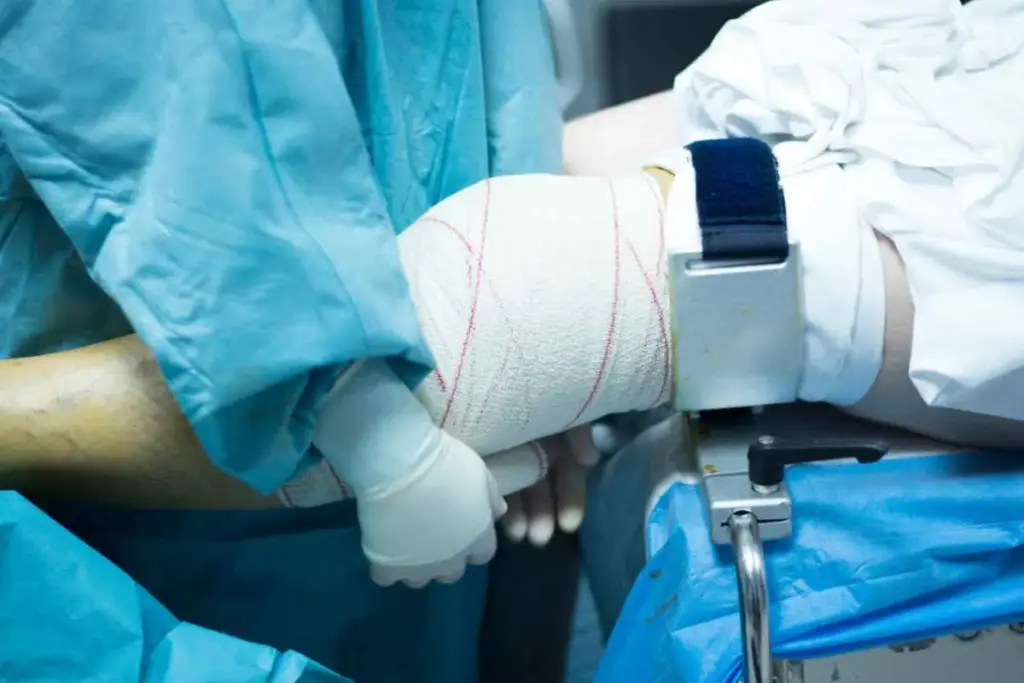
The recovery time from tkr is a vital phase of healing. Discover essential ways to shorten your recovery time from tkr and walk safely again.
After knee replacement surgery, you might want to walk again quickly. Regular exercise and physical therapy are key to getting your strength back and moving better.
Knowing how long it takes to recover is important. The knee replacement recuperation period can differ for everyone. But with the right exercise plan, you can get back to your normal life.
Key Takeaways
- Regular exercise helps restore strength and improve range of motion after knee replacement surgery.
- Physical therapy is vital for a smooth and effective rehabilitation process.
- Understanding the recovery timeline is essential for regaining mobility.
- A well-structured exercise plan can help you return to your daily activities.
- Knee replacement recuperation period varies from person to person.
Understanding Knee Surgery: Types and Procedures
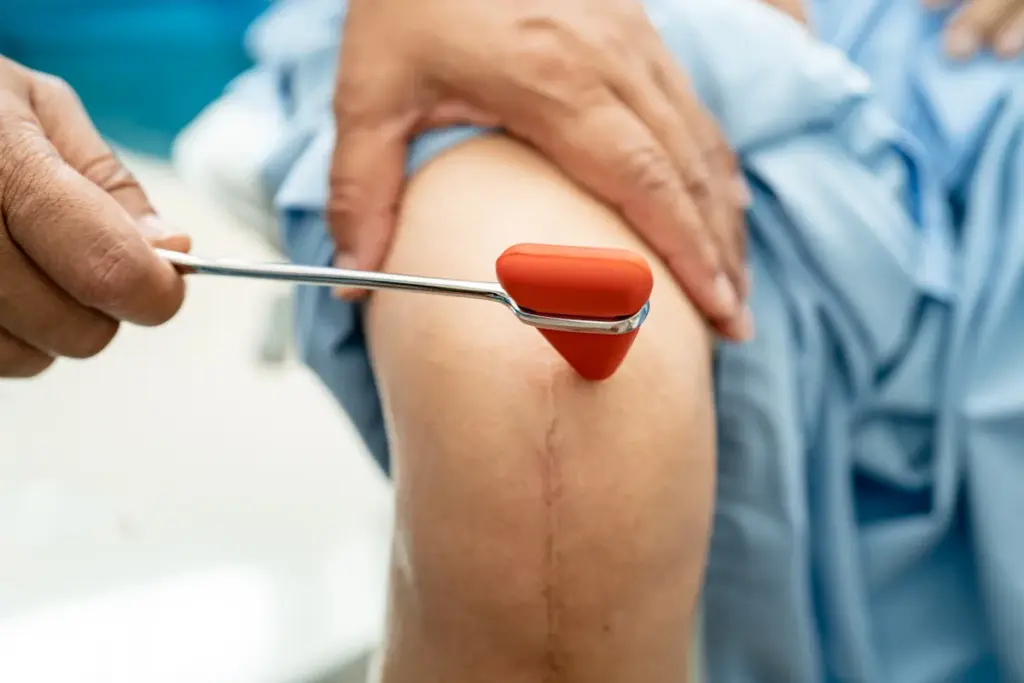
Knee surgery has changed a lot, with many options for patients. The right surgery depends on the patient’s condition, age, and health.
There are different knee surgeries, each with its own benefits. Knowing these differences helps set realistic recovery goals.
Total Knee Replacement (TKR) vs. Partial Knee Replacement
Total Knee Replacement (TKR) replaces the whole knee joint with artificial parts. It’s for those with severe arthritis or damage. Partial Knee Replacement, on the other hand, only fixes the damaged part, keeping the healthy parts.
TKR is for more severe damage, while Partial Knee Replacement is for localized issues. The choice impacts recovery time and rehabilitation needs.
|
Procedure |
Indications |
Recovery Time |
|---|---|---|
|
Total Knee Replacement |
Severe knee arthritis or significant joint damage |
Several months |
|
Partial Knee Replacement |
Localized knee damage |
Fewer weeks to several months |
Arthroscopic Knee Surgery
Arthroscopic knee surgery is a minimally invasive procedure. It uses a small camera and instruments through tiny cuts.
This surgery is for diagnosing and treating knee problems. It usually means less pain and quicker recovery than open surgery.
ACL Reconstruction
ACL Reconstruction fixes a torn ACL, common in athletes. It involves grafting a new ligament.
It’s for active people or those with knee instability. The surgery uses grafts from the patient or a donor.
Recovery includes a rehabilitation program to strengthen the knee. Physical therapy is key for regaining function and returning to activities.
Preparing for Knee Surgery: Steps to Optimize Recovery
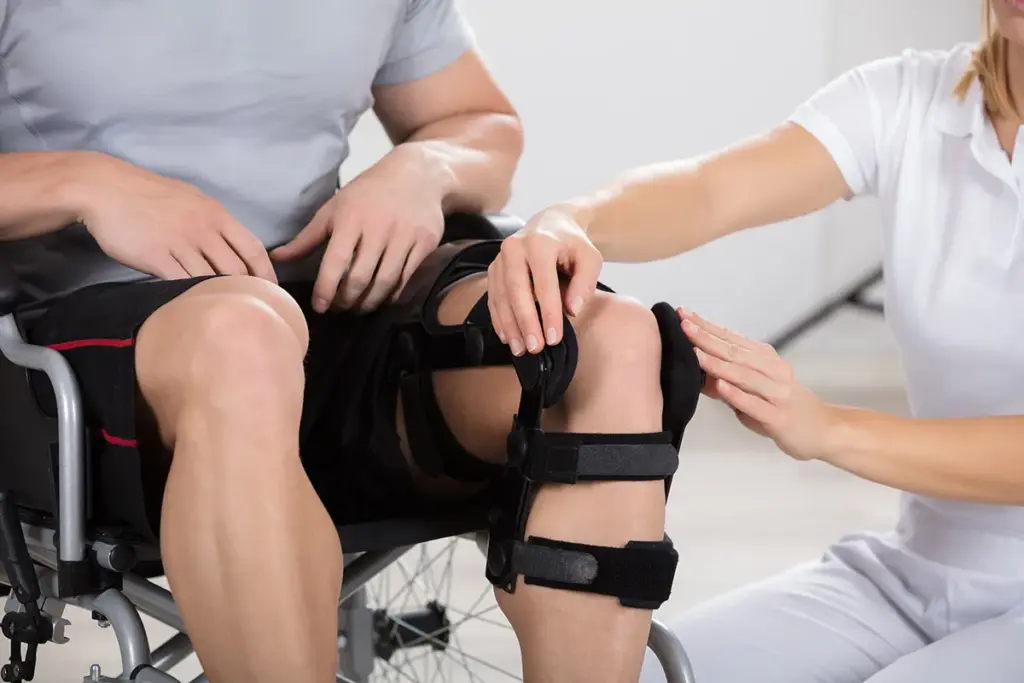
Getting ready for knee surgery can really help your knee replacement recuperation period. Taking steps ahead of time can make your recovery smoother and more effective.
Pre-Surgery Exercises to Build Strength
Doing pre-surgery exercises is key to building the strength and endurance you need for recovery. Focus on exercises that work your quadriceps, hamstrings, and hip muscles. Some good exercises include:
- Quad sets: Tighten your quadriceps muscles by straightening your knee.
- Straight leg raises: Lift your leg while keeping it straight.
- Hamstring curls: Strengthen the back of your thigh with curls.
These exercises will boost your knee’s function and lower the chance of complications during recovery.
Home Modifications for Post-Surgery Safety
Making home modifications is key for your safety during recovery. Think about these changes:
- Clearing clutter: Remove any tripping hazards from your home.
- Installing handrails: Add handrails in strategic locations, such as bathrooms and stairways.
- Creating a recovery zone: Designate a comfortable area for rest and recovery.
These changes will reduce the risk of falls and accidents, letting you focus on your recovery.
Mental Preparation and Expectation Setting
Mental preparation is as important as physical prep. Having realistic expectations and a positive mindset can greatly affect your recovery. Here are some tips:
- Educate yourself: Understand the surgery and recovery process.
- Set realistic goals: Break down your recovery into manageable milestones.
- Stay positive: Focus on the benefits of your surgery and the improvements it will bring.
By mentally preparing, you’ll be ready to face the challenges of recovery and achieve a successful outcome.
Immediate Post-Surgery Period: The First 24-48 Hours
The first 24 to 48 hours after surgery are critical. They focus on managing pain, watching for complications, and starting to move. Medical teams closely watch patients to help them recover well.
Hospital Stay Duration
Most patients leave the hospital in one to two days. How long you stay depends on your health and if any problems arise. Managing pain well and being able to move a bit are important for going home.
|
Factor |
Influence on Hospital Stay |
|---|---|
|
Overall Health |
Patients with fewer health issues tend to have shorter hospital stays. |
|
Pain Management |
Effective pain control can lead to earlier discharge. |
|
Initial Mobility |
The ability to move and walk with assistance can expedite discharge. |
Pain Management Techniques
Managing pain is key after surgery. Doctors use many ways to help with pain, like medicine and other methods. Multimodal pain management helps use fewer opioids and lowers side effects.
- Medication: A combination of opioids and non-opioids may be used.
- Cold Therapy: Applying ice to reduce swelling and pain.
- Elevation: Elevating the leg to decrease swelling.
Initial Movement Expectations
Moving early is important to avoid problems like blood clots and stiffness. Physical therapists help patients start moving and walking right after surgery. The goal is to slowly get stronger and more mobile.
Knowing what to expect in the first days after surgery helps. Focusing on pain, hospital time, and starting to move makes the early recovery easier to understand.
First Steps After Surgery: Days 2-7
The first week after knee surgery is very important. It involves physical therapy, managing pain, and using assistive devices. During this time, you start to move and get stronger. This is the start of your recovery journey.
Working with Physical Therapists
Physical therapy starts right after surgery. It focuses on getting your knee to move and get stronger. A physical therapist will teach you exercises that fit your needs. They help you recover well.
- First, you’ll do simple knee bends and straightens.
- Then, you’ll do exercises to make your knee stronger.
- They also teach you how to do daily tasks safely.
Assistive Devices for Walking
Devices like walkers and canes help you move early on. They make it easier to walk without putting too much pressure on your knee.
Types of Assistive Devices:
- Walkers give you lots of support and stability.
- Canes are used when you have more strength and balance.
- Crutches might be needed for extra support.
Managing Pain and Swelling
Managing pain is key in the early recovery. You might use medicine, rest, and ice to reduce swelling.
Pain Management Strategies:
- Take your pain medicine as directed.
- Elevate your leg to lower swelling.
- Use ice packs as your doctor tells you to.
Working with your healthcare team and using assistive devices helps a lot. Following a physical therapy plan is also important. This way, you can get through the early recovery with confidence. It’s all about getting back to your normal life.
The First Two Weeks: Early Recovery Milestones
Right after knee surgery, patients see big steps forward. They move better and feel less pain. This early time is key for a good recovery.
Typical Progress Markers
In the first two weeks, patients hit several important milestones. These include:
- Increased range of motion in the knee
- Reduced pain and discomfort
- Improved ability to perform daily activities
- Enhanced strength in the surrounding muscles
Physical therapy is very important for these gains. Patients work with therapists to create a plan that helps them heal and get stronger.
Home Care Requirements
Good home care is key in the early recovery phase. Patients need a safe place to heal. This means:
- Modifying the home to reduce fall risks
- Having necessary assistive devices, such as walkers or canes
- Arranging for help with daily tasks, such as cooking and cleaning
Family support is very helpful during this time. It helps patients stick to their recovery plan and handle daily tasks.
Warning Signs to Watch For
While recovery usually goes well, there are risks to watch out for. Warning signs include:
- Increased redness or swelling around the surgical site
- Elevated temperature or fever
- Severe pain not managed by medication
- Difficulty breathing or chest pain
Seeking medical help quickly is vital if these signs show up. Early action can stop serious problems and help recovery go smoothly.
Recovery Time from TKR: Typical Timeline and Expectations
Recovering from TKR surgery takes time and is influenced by many factors, including age. Most people need six months to a year to fully recover. The exact time can vary based on individual health.
Average Recovery Periods by Age Group
Age is a big factor in how fast you recover. Younger people usually heal faster than older adults. Here’s a look at average recovery times by age:
|
Age Group |
Average Recovery Time |
|---|---|
|
Less than 60 years |
3-6 months |
|
60-70 years |
4-8 months |
|
More than 70 years |
6-12 months |
Factors That Affect Recovery Speed
Several things can affect how fast you recover after TKR surgery. These include:
- Pre-existing health conditions: Conditions like diabetes, heart disease, and obesity can slow down recovery.
- Physical condition before surgery: Patients who are physically fit before surgery tend to recover faster.
- Adherence to rehabilitation protocols: Following the prescribed physical therapy regimen is key for a speedy recovery.
- Mental health: A positive mental attitude and low stress levels can help with a smoother recovery.
Setting Realistic Expectations
It’s important for patients to have realistic expectations about their recovery. Knowing that recovery is a gradual process can help manage expectations. Patients should be ready to invest time in rehabilitation and follow their healthcare provider’s advice for the best results.
Physical Therapy: The Key to Successful Recovery
Recovering from knee surgery needs a full plan, with physical therapy playing a big role. It helps patients get back their strength, movement, and range of motion. This is key to a successful recovery.
Types of Physical Therapy
There are different physical therapy options based on what each patient needs. The main types are inpatient and outpatient therapy.
Inpatient Physical Therapy happens in a hospital right after surgery. It’s for those who need a lot of care and intense rehab.
Outpatient Physical Therapy is done outside the hospital. It’s for those who can go home and get therapy. This is for those who don’t need to stay in the hospital or after inpatient therapy.
Frequency and Duration of Sessions
How often and how long physical therapy lasts can change a lot. It depends on the surgery, the patient’s health, and what they need to get better.
|
Type of Therapy |
Typical Frequency |
Average Duration |
|---|---|---|
|
Inpatient Therapy |
Daily sessions |
30 minutes to 1 hour |
|
Outpatient Therapy |
2-3 times a week |
30-60 minutes per session |
Working with Your Physical Therapist
Working well with your physical therapist is very important. Patients should talk about their goals, worries, and any problems they face during recovery.
By knowing about physical therapy and taking part in the rehab, patients can do their best after knee surgery.
After Knee Replacement: Two Critical Exercises for Recovery
Knee replacement recovery needs a variety of exercises. Two are key for getting back range of motion and strength. These exercises are vital for a smooth recovery, helping patients get back to their daily activities fast.
Range of Motion Exercises
Range of motion exercises are essential after knee surgery. They help the knee stay flexible and avoid stiffness. Important exercises include:
- Ankle pumps: Pumping the ankle up and down to improve circulation.
- Heel slides: Sliding the heel towards the buttocks to bend the knee.
- Straight leg raises: Lifting the leg straight up while lying down.
Do these exercises gently and within a comfortable range. This avoids putting too much strain on the new knee.
Strengthening Exercises
Strengthening the knee muscles is also key for recovery. Stronger muscles support the new knee better, improving function and reducing risks. Effective strengthening exercises are:
- Straight leg raises with weights: Adding weights to the straight leg raise to increase strength.
- Quad sets: Tightening the quadriceps muscles to strengthen the front of the thigh.
- Leg press: Using a leg press machine to strengthen the legs.
Start these exercises with a physical therapist’s guidance. This ensures proper technique and avoids overdoing it.
Strengthening Exercises
Strengthening the knee muscles is also key for recovery. Stronger muscles support the new knee better, improving function and reducing risks. Effective strengthening exercises are:
- Straight leg raises with weights: Adding weights to the straight leg raise to increase strength.
- Quad sets: Tightening the quadriceps muscles to strengthen the front of the thigh.
- Leg press: Using a leg press machine to strengthen the legs.
Start these exercises with a physical therapist’s guidance. This ensures proper technique and avoids overdoing it.
Progression of Exercise Intensity
As recovery goes on, exercises should get more intense. This can be done by adding more reps, sets, or weight. Keeping an eye on progress and adjusting the routine is key for the best results.
Tips for Progression:
- Increase the number of repetitions or sets as comfort and strength improve.
- Gradually add resistance or weights to strengthening exercises.
- Continue to challenge the knee within a comfortable range to promote further recovery.
By focusing on these exercises and increasing their intensity, patients can greatly improve their recovery after knee replacement surgery.
Walking Progression After Knee Surgery
Walking after knee surgery is key to recovery. Patients get better at moving around. They start using canes instead of walkers, build endurance, and learn to handle stairs and uneven ground.
From Walker to Cane: Typical Timeline
Switching from a walker to a cane is a big step. This usually happens in 2 to 4 weeks. It depends on the patient’s health, the surgery’s complexity, and how well they follow physical therapy.
Physical therapists check if patients are ready for the cane. They look at balance, strength, and walking ability without help.
|
Week |
Assistive Device |
Expected Mobility |
|---|---|---|
|
1-2 |
Walker |
Limited mobility, short distances |
|
2-4 |
Cane |
Increasing distances, improving balance |
|
4+ |
None |
Normal walking, minimal assistance |
Building Walking Endurance
Getting better at walking takes time and effort. Start with short walks and slowly increase the distance. This helps build strength and endurance.
Tips for Building Endurance:
- Start with short walks (5-10 minutes) and gradually increase the duration.
- Practice walking on different terrains to simulate real-life conditions.
- Use assistive devices as needed to ensure safety and confidence.
Navigating Stairs and Uneven Surfaces
Stairs and uneven ground are tough to handle after surgery. Patients learn how to safely go up and down stairs and handle uneven surfaces like gravel or grass.
Key Strategies:
- When navigating stairs, lead with the non-operated leg when ascending and the operated leg when descending.
- Use handrails for additional support and balance.
- Practice on stairs and uneven surfaces with a physical therapist or caregiver.
Pain Management Throughout Recovery
Managing pain well is key after knee surgery. A good pain plan helps patients do physical therapy and get back to normal faster.
Medication Options and Timelines
Medicines are important for pain after knee surgery. Doctors often use both opioid and non-opioid drugs. Patients usually stop using opioids in a few weeks. This is when their pain is better managed with other drugs.
|
Medication Type |
Typical Usage Timeline |
Purpose |
|---|---|---|
|
Opioids |
First few days to weeks |
Manage severe pain |
|
Non-Opioids (e.g., NSAIDs, Acetaminophen) |
Ongoing, potentially long-term |
Manage mild to moderate pain and inflammation |
Non-Pharmaceutical Pain Relief Methods
There are also ways to manage pain without drugs. These include:
- Applying ice or heat to the affected area
- Using compression bandages or sleeves
- Elevating the leg to reduce swelling
- Engaging in gentle exercises and physical therapy
- Practicing relaxation techniques such as deep breathing or meditation
When to Consult Your Doctor About Pain
Keep an eye on your pain and talk to your doctor if:
- Pain gets worse over time
- Pain stops you from doing physical therapy
- You have side effects from drugs
- You see signs of infection, like redness or fever
Your doctor can change your pain plan if needed. This helps you recover comfortably and effectively.
Returning to Daily Activities: Timeline and Tips
Understanding when to return to daily activities is crucial for a successful recovery after knee replacement surgery. Patients want to drive, work, and do household chores again. They look forward to getting back to their normal routines.
How Long After Knee Replacement Can You Drive?
Many patients wonder when they can drive again after surgery. The time it takes to drive again depends on several things. These include the type of car, whether it’s automatic or manual, and how well the patient is recovering.
For those with a right knee replacement, it’s usually safe to drive in 4 to 6 weeks. This gives the knee time to heal and the patient to get strong enough to drive safely. Those with a left knee replacement might be able to drive in 2 to 4 weeks. This is because the left leg is used less for driving.
Returning to Work: Timeframes by Occupation Type
The time to get back to work after surgery varies by job type. People with desk jobs can often return in 2 to 4 weeks. This is because desk jobs are less physically demanding.
Those in jobs requiring moderate physical activity, like nursing or teaching, might need 6 to 8 weeks. This allows the knee to heal enough to handle the job’s demands.
For physically demanding jobs, like construction, it can take 8 to 12 weeks or more. This is because such jobs are risky for the knee if it’s not fully healed.
|
Occupation Type |
Typical Return to Work Timeline |
|---|---|
|
Desk Jobs |
2-4 weeks |
|
Moderate Physical Activity |
6-8 weeks |
|
Physically Demanding Jobs |
8-12 weeks or more |
Household Activities and Self-Care
Patients often inquire about when they can resume household chores and self-care activities. Simple tasks like cooking and light cleaning can start in a few weeks. But, heavy lifting and vacuuming should be avoided for 6 to 8 weeks.
It’s important to follow the doctor’s advice and slowly increase activity. This ensures a safe and smooth recovery.
Knee Replacement Recovery Timeline for Elderly Patients
Elderly people may face a longer recovery from knee replacement surgery. This is because they might have other health issues and less physical strength. It’s important to know the special needs of older adults during this time.
Special Considerations for Older Adults
Older adults have unique challenges after knee surgery. They might have health problems like diabetes or heart disease. These can make healing harder. They also might have less muscle, making it tougher to get back on their feet.
Doctors need to consider these factors when helping patients recover. They might watch patients more closely and adjust their therapy plans. This helps the patient stay safe and comfortable.
Extended Recovery Expectations
Recovery for older adults after knee surgery takes longer. It can take several months to get back to normal. Being patient and sticking to the recovery plan is key.
During this time, patients should avoid heavy activities. This means no heavy lifting or bending. It helps the new knee heal properly.
Additional Support Systems Needed
Elderly patients often need more help during recovery. This can include home care, family support, and special therapy programs. Having a strong support system is very important.
It helps with daily tasks and provides emotional support. This is essential for a smooth recovery.
Permanent Restrictions After Knee Replacement
After a knee replacement, some activities are off-limits to keep your new knee safe. Most people can get back to their usual routines. But, some high-impact activities are not good for your new knee.
High-Impact Activities to Avoid
High-impact activities can harm your new knee. They can cause wear and tear or even damage. Here are some activities to avoid:
- Running or jogging
- Jumping or skipping
- High-impact aerobics
- Contact sports like football or hockey
While you can’t do these activities, there are low-impact options. This way, you can stay active without risking your knee.
Recommended Lifetime Exercise Options
Low-impact exercises are key for your knee’s health. Here are some good options:
- Swimming or water aerobics
- Cycling
- Walking or hiking
- Yoga or tai chi for flexibility and balance
These exercises help keep your knee moving well. They also strengthen the muscles around your knee, giving it more support.
Protecting Your New Knee Long-Term
To keep your knee safe, stay at a healthy weight. Extra weight can stress your knee. Also, see your healthcare provider regularly to check on your knee.
By following these tips and choosing the right activities, you can live a healthy and active life with your new knee.
Complications That May Delay Walking Progress
The road to recovery after knee surgery can hit bumps. Infection, stiffness, and blood clots are common hurdles. Knee replacement surgery helps a lot, but knowing about these issues is key for a smooth path to healing.
Infection: Signs and Treatment
Infection is a big worry after knee surgery. Look out for redness, swelling, more pain, and fever. If you see these signs, call your doctor right away.
Signs of Infection:
- Redness around the surgical site
- Swelling or warmth around the knee
- Increased pain or tenderness
- Fever above 100.4°F (38°C)
For infection, doctors usually give antibiotics. Sometimes, more surgery is needed to clean the area.
Stiffness and Limited Range of Motion
Stiffness and limited movement are common after surgery. Physical therapy is key to getting your knee moving again. Doing exercises helps improve flexibility and strength.
|
Exercise |
Purpose |
Frequency |
|---|---|---|
|
Straight Leg Raise |
Strengthens quadriceps muscles |
3 sets of 10 reps, daily |
|
Knee Flexion |
Improves knee flexibility |
3 sets of 10 reps, daily |
|
Wall Squats |
Strengthens leg muscles |
3 sets of 10 reps, daily |
Blood Clots and Other Serious Complications
Blood clots are a serious risk after surgery. They can cause swelling, pain, and redness in the leg. To prevent them, doctors might use blood-thinning meds and special devices.
Other serious problems include nerve damage, fractures, and reactions to anesthesia. It’s important to follow your doctor’s advice and go to all follow-up visits. This helps keep an eye on your recovery.
Long-Term Outcomes and Knee Replacement Healing Timeline
The success of knee replacement surgery depends on many things. This includes the patient’s health and following post-op care. Knowing the long-term outcomes and healing timeline is key as patients recover.
Six Months to One Year Progress
Most patients see big improvements in the first six months to a year after surgery. They notice better mobility and less pain.
- Improved range of motion
- Increased strength in the knee
- Enhanced ability to perform daily activities
- Reduced pain and discomfort
Physical therapy is key to reaching these milestones. Working with a physical therapist helps patients recover better and achieve the best results.
Expected Lifespan of Knee Replacements
Knee replacements are made to last a long time. They can last 15 to 20 years or more. Several things can affect how long a knee replacement lasts. These include the type of implant, the patient’s age and activity level, and any health conditions.
|
Factor |
Impact on Lifespan |
|---|---|
|
Type of Implant |
Modern implants are designed for durability |
|
Patient’s Age |
Younger patients may require more durable implants |
|
Activity Level |
High activity levels can affect implant longevity |
Quality of Life Improvements
Knee replacement surgery can greatly improve a person’s quality of life. It reduces pain and makes moving easier. This lets patients do things they love and live more fully.
Research shows knee replacement surgery can make a big difference. Patients often feel more independent, move better, and have less pain. They also feel better overall.
Understanding the long-term effects and healing timeline helps patients prepare. It sets them up for the best results from their surgery.
Conclusion: Keys to Successful Knee Surgery Recovery
Recovering well from knee surgery needs the right preparation, sticking to physical therapy, and managing your hopes. Knowing what to expect and the types of surgery helps a lot. This sets you up for success.
Important steps include doing exercises before surgery to get stronger, making your home safe after surgery, and getting mentally ready. Working with physical therapists and following their advice on exercises and tools is key. It helps you get your strength and mobility back.
It’s also important to know about possible problems like infections or blood clots. Knowing when to get medical help is vital. Being informed and taking action early can help avoid complications and make recovery smoother.
In the end, a good recovery from knee surgery depends on many things. These include getting ready, doing physical therapy, and having realistic hopes. By focusing on these, you can look forward to better mobility and a better life.
FAQ
How long does it take to recover from knee replacement surgery?
Recovery from knee replacement surgery can take several weeks to a few months. Most people take about 6-12 weeks to get back their strength and mobility.
What are the different types of knee surgeries, and how do they affect recovery?
There are several knee surgeries, like total knee replacement and partial knee replacement. Arthroscopic surgery and ACL reconstruction are also common. Each surgery has its own recovery time, with total knee replacement taking the longest.
How can I prepare for knee surgery to optimize my recovery?
To get ready for knee surgery, start by strengthening your knee with exercises. Make your home safe for after surgery. Also, mentally prepare for the recovery journey.
What can I expect during the immediate post-surgery period?
Right after surgery, you’ll spend time in the hospital. You’ll get help with pain and learn how to move. You’ll also start physical therapy to regain strength and mobility.
How long does it take to start walking after knee surgery?
You can start walking a few days after surgery. You might need to use walkers or canes at first.
What are the critical exercises for recovery after knee replacement?
Doing range of motion and strengthening exercises is key after knee replacement. These help improve flexibility and build strength around the knee.
How long after knee replacement can you drive?
When you can drive again after knee replacement varies. Most people can drive in 4-6 weeks, depending on the surgery and how well you recover.
Are there any permanent restrictions after knee replacement?
Yes, after knee replacement, avoid high-impact activities like running or jumping. Instead, choose low-impact exercises like cycling or swimming to keep your knee healthy.
What are the possible complications that may delay walking progress?
Complications like infection, stiffness, and blood clots can slow down walking after surgery. Watch for signs and talk to your doctor if you have concerns.
What is the expected lifespan of a knee replacement?
A knee replacement usually lasts 15-20 years. But, it depends on the implant type, your age, and how active you are.
How does age affect recovery from knee replacement surgery?
Older adults might need more time to recover and may need more support after knee replacement surgery. Consider these factors when planning your recovery.
What are the signs of successful recovery from knee replacement surgery?
A successful recovery shows big improvements in pain, mobility, and strength. This usually happens within the first year after surgery.
Reference
What’s important for recovery after a total knee replacement? A systematic review of mixed methods studies. https://pmc.ncbi.nlm.nih.gov/articles/PMC11093842/