

Prostate cancer is a common issue for men in the United States, says the American Cancer Society. Thanks to new technology, robotic prostatectomy is now a top choice for treatment. This surgery uses a robotic system to remove the prostate gland, aiming for better results and fewer side effects. The recovery time prostatectomy robotic is typically shorter than traditional surgery, with many patients returning to normal activities within 2 to 3 weeks. This improved prostate surgery recovery helps patients heal faster and experience less pain.
It’s key for patients to know about the recovery process before deciding on this surgery. While prostate surgery can be a big deal, knowing what to expect can ease worries. This article will dive into robotic prostatectomy and its recovery time, aiming to guide patients in making the right choice.
Key Takeaways
- Robotic prostatectomy is a precise surgical method for treating prostate cancer.
- Understanding the recovery process can help alleviate patient anxiety.
- The recovery time for robotic prostatectomy varies among individuals.
- Patients can expect a significant reduction in complications with robotic surgery.
- Proper post-operative care is key for a smooth recovery.
Understanding Prostate Surgery: Types and Approaches

It’s important for patients to know about the different prostate surgery types. This knowledge helps them make better choices for their treatment. Prostate surgery has changed a lot, now giving patients more options to treat their conditions.
There are many prostate surgery methods, like open radical prostatectomy, laparoscopic prostatectomy, and robotic-assisted prostatectomy. Each has its own benefits and is right for different patients.
Open Radical Prostatectomy
Open radical prostatectomy is a traditional surgery. It involves one big cut in the belly to reach the prostate. This method has been around for a long time and is often chosen for more serious prostate cancer cases.
Benefits: It gives the surgeon a direct way to the prostate, which can make the surgery simpler in some cases.
Laparoscopic Prostatectomy
Laparoscopic prostatectomy uses small cuts and tools to remove the prostate. It’s a less invasive method that causes less damage and leads to faster recovery times than open surgery.
Advantages: It results in less blood loss, smaller scars, and shorter hospital stays, making it a popular choice.
Robotic-Assisted Prostatectomy
Robotic-assisted prostatectomy uses the Da Vinci robotic system. It gives the surgeon better vision and tools for precise work. This method is known for its ability to preserve nerves better.
This approach is minimally invasive, leading to quicker recovery and less pain. The precision of robotic systems can also improve urinary and sexual function after surgery.
| Surgical Approach | Recovery Time | Blood Loss | Precision |
| Open Radical Prostatectomy | Longer | Higher | High |
| Laparoscopic Prostatectomy | Moderate | Moderate | High |
| Robotic-Assisted Prostatectomy | Shorter | Less | Very High |
The table shows the main differences between the three methods. It highlights how robotic-assisted prostatectomy is better for recovery and precision.
The Da Vinci Robotic Prostatectomy System Explained
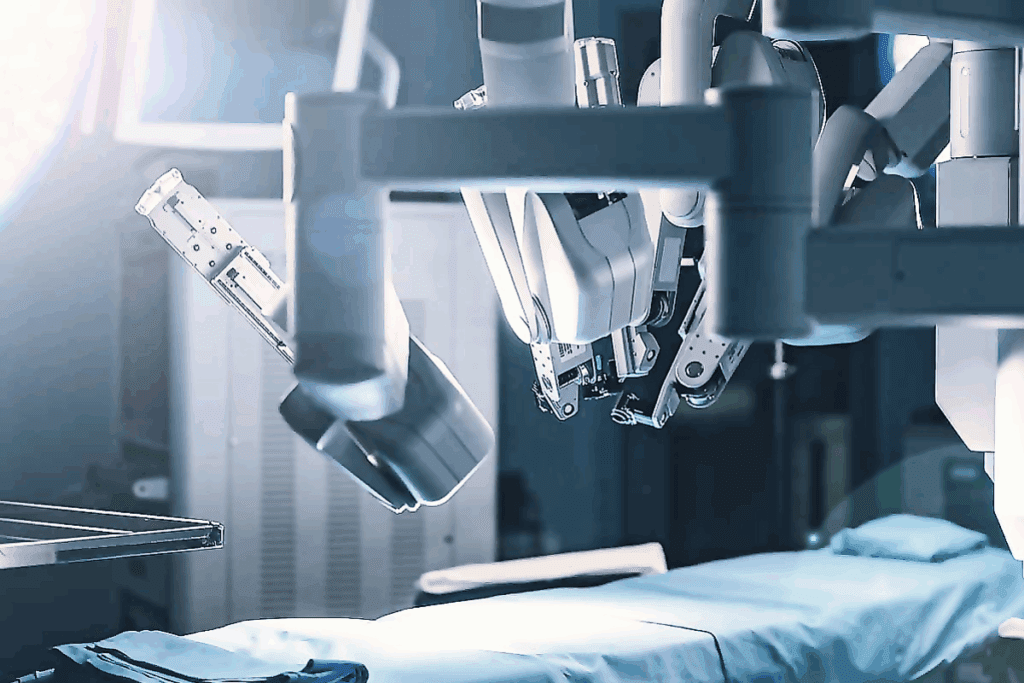
The Da Vinci system is a cutting-edge tool for robotic prostatectomy. It offers high-definition views and precise tools. This technology has greatly improved prostate surgery outcomes.
How the Da Vinci System Works
The Da Vinci system uses small incisions in the abdomen. Robotic arms are inserted through these incisions. These arms have surgical tools controlled by the surgeon at a console.
The system gives a 3D high-definition view of the surgery area. This allows for precise dissection and removal of the prostate gland.
The Da Vinci system’s ability to provide a magnified, 3D view of the surgical area enables surgeons to perform complex procedures with enhanced precision.
Benefits of Robotic Technology in Prostate Surgery
Robotic technology, like the Da Vinci system, has many benefits. These include:
- Reduced blood loss and fewer complications
- Less postoperative pain
- Shorter hospital stays
- Faster recovery times
- Improved precision and outcomes
Studies show that patients with the Da Vinci system have shorter recovery times and fewer complications. This is compared to traditional surgery methods.
Limitations of Robotic Surgery
While the Da Vinci system has many benefits, it also has some drawbacks. These include:
- High initial costs for the system
- The need for specialized training for surgeons
- Potential for technical issues during surgery
Despite these limitations, the Da Vinci system is a leading technology in robotic-assisted prostatectomy. It offers significant benefits to patients and surgeons.
How Long Does Robotic Prostate Surgery Take?
Knowing how long robotic prostate surgery takes is key for patients. It helps them plan for recovery and set realistic expectations.
Average Duration of the Procedure
The time for robotic prostate surgery varies. It depends on the surgeon’s skill, the case’s complexity, and the techniques used. Usually, the surgery lasts 2 to 4 hours.
Anesthesia Time and Recovery Room Stay
Patients also need to think about anesthesia time and recovery room stay. Anesthesia time is about 30 minutes to an hour longer than surgery. This is because of preparation and recovery from anesthesia. The recovery room stay is 1 to 2 hours, based on the patient’s health and hospital rules.
Comparison with Traditional Surgery Duration
Robotic prostate surgery and traditional open prostatectomy have similar surgery times. But, robotic surgery often leads to quicker recovery. It results in less blood loss, smaller cuts, and possibly less pain. This can mean a shorter hospital stay and faster healing.
| Aspect | Robotic Prostate Surgery | Traditional Open Prostatectomy |
| Surgery Time | 2-4 hours | 2-4 hours |
| Anesthesia Time | 2.5-5 hours | 2.5-5 hours |
| Recovery Room Stay | 1-2 hours | 1-2 hours |
| Hospital Stay | 1-2 days | 2-3 days |
Pain Expectations During Prostate Surgery
Advanced anesthesia and pain management make robotic prostate surgery pain-free for patients. This surgery uses precise robotic tools controlled by a skilled surgeon.
Anesthesia and Intraoperative Pain Management
Effective pain management starts with anesthesia. During robotic prostatectomy, patients get general anesthesia. This makes them unconscious and pain-free during the surgery. Anesthesiologists carefully monitor the patient’s vital signs to ensure their comfort and safety.
Intraoperative pain management is key in robotic prostate surgery. Even though patients are under general anesthesia, the surgical team uses extra strategies to reduce post-surgery discomfort. This includes local anesthetics and other pain medications.
What Patients Experience During the Procedure
Patients don’t feel pain or discomfort during robotic prostatectomy because they are under general anesthesia. It’s important to know what to expect after surgery. Patients should discuss their concerns and any fears about pain with their healthcare provider to understand what to anticipate.
Some key aspects of the procedure include:
- The use of general anesthesia to ensure a pain-free experience during surgery.
- The role of the anesthesiologist in monitoring and managing pain and vital signs.
- The possibility of some discomfort after surgery, which is managed with pain management strategies.
Knowing these details can help ease concerns and prepare patients for a smoother recovery. Robotic prostatectomy combines advanced surgery with effective pain management, making it a promising option for prostate surgery patients.
Immediate Post-Surgical Pain: The First 48 Hours
The first 48 hours after robotic prostatectomy are key for managing pain. Patients are watched closely in the hospital for any issues. They receive pain meds to keep discomfort low.
Common Pain Locations and Sensations
Patients may feel pain in the abdomen, back, or pelvic area after surgery. The pain can be mild or moderate, feeling like a dull ache. Some might also feel sharp pains or pressure in the pelvic area.
Hospital Pain Management Protocols
Hospitals have plans to manage pain after surgery. They use oral and IV pain meds, and sometimes epidural anesthesia. The aim is to control pain, helping patients rest and start their recovery.
What Makes Pain Better or Worse
Many things can change how much pain a patient feels. Moving too much can make pain worse. But resting and following pain management plans can help. A patient’s health and any other health issues also play a role in pain levels.
Understanding these factors and working with their healthcare team helps patients manage pain. This makes the first 48 hours after surgery easier. It sets the stage for a smoother recovery time prostatectomy robotic process.
Recovery Time for Robotic Prostatectomy: A Timeline
After robotic prostatectomy, patients go through several recovery phases. The time it takes to recover varies, but there’s a general pattern.
Days 1-7: The Initial Recovery Phase
The first week is when the body reacts to surgery. Patients might feel tired, uncomfortable, and a bit of pain. Rest and avoiding hard activities are key during this time. Most patients leave the hospital within a few days. It’s important to keep up with follow-up care to track healing.
Weeks 2-4: Returning to Normal Activities
By the second to fourth week, patients start to feel much better. Slowly increasing physical activity is advised, but avoid heavy lifting and hard exercises. Most can go back to work in 2-4 weeks, depending on their health and job type.
“The robotic-assisted prostatectomy has revolutionized the way prostate cancer is treated, giving patients a quicker recovery time than traditional surgery.”
Months 1-3: Long-term Healing
In the first three months, healing continues. While most men can get back to normal in weeks, full recovery takes months. Regular check-ups with healthcare providers are essential to track progress and address any issues.
Knowing the recovery timeline for robotic prostatectomy helps patients prepare. By understanding what’s ahead, they can manage their recovery better and get the best results.
Pain Management Strategies After Prostate Surgery
Managing pain after prostate surgery is key. A mix of medicine and non-medical methods can help. This combo aims to reduce pain and aid in a smooth recovery.
Medication Options and Protocols
Patients after robotic prostatectomy often get pain meds. The type and amount depend on the patient and the surgeon’s plan.
- Opioid analgesics: Used for more serious pain.
- Non-opioid analgesics: For less severe pain, like acetaminophen or NSAIDs.
It’s important to stick to your medication plan. Always talk to your doctor before changing anything.
Non-Pharmaceutical Pain Relief Methods
There are also non-medical ways to handle pain:
| Method | Description | Benefits |
| Heat or Cold Therapy | Using heat or cold packs on the area. | Helps with pain and swelling. |
| Relaxation Techniques | Deep breathing, meditation, or yoga. | Helps with stress and relaxation. |
| Physical Activity | Gentle exercises as your doctor suggests. | Boosts blood flow and eases stiffness. |
“Pain is what happens when we lose our ability to be present in the moment.” – Deepak Chopra
When to Contact Your Doctor About Pain
Keep an eye on your pain and call your doctor if:
- Your pain gets worse or doesn’t go away with meds.
- You see signs of infection, like fever or redness.
- You notice anything unusual or have concerns.
Your healthcare team is there to help you. If you have questions or worries, don’t hesitate to ask.
Comparing Pain Levels: Robotic vs. Traditional Prostatectomy
Robotic prostatectomy is becoming more popular because it might cause less pain and faster recovery than traditional surgery. It’s important for patients to know the differences in pain and recovery times between these methods.
Pain Differences Between Surgical Approaches
Research shows robotic prostatectomy leads to less pain and quicker recovery than traditional surgery. The robotic method uses smaller incisions, causing less tissue damage and pain after surgery.
On the other hand, traditional surgery has a bigger incision, leading to more tissue damage and pain. The less invasive robotic approach also lowers the risk of complications.
Recovery Time Comparisons
Recovery time is key for patients after prostate surgery. Robotic prostatectomy usually means a shorter recovery period than traditional surgery. Patients often get back to their usual activities in a few weeks, while traditional surgery takes longer.
Studies show the robotic prostatectomy recovery time is much shorter than traditional surgery. This is because robotic surgery is more precise and less invasive.
Patient Satisfaction Studies
Studies on patient satisfaction show robotic prostatectomy makes people happier than traditional surgery. This is because of less pain, fewer complications, and quicker recovery.
Looking at patient surveys, the minimally invasive prostatectomy recovery time and less pain are key to satisfaction. Patients like the less invasive nature of robotic surgery, making their recovery more comfortable.
Common Complications That May Increase Pain
After robotic prostatectomy, some complications can make pain worse. This surgery aims to reduce trauma and quicken recovery. Knowing about these complications helps manage pain better.
Urinary Catheter Discomfort
Discomfort from the urinary catheter is common after this surgery. Patients might feel irritation, urgency, or pain in the urethra. It’s important to manage this to control pain overall.
Infection and Wound Healing Issues
Infections and wound healing problems can also increase pain. Signs of infection include redness, swelling, or fever. Quick medical help is needed to treat these and prevent more issues.
Bladder Spasms and Urinary Problems
Bladder spasms, feeling like sharp pains or cramps, are another issue. These can be treated with medication. Knowing the cause helps lessen their pain impact.
Bowel Function Complications
Some patients face bowel problems like constipation after the surgery. Changing diet and using medication can help. This reduces discomfort.
Following postoperative care instructions from your healthcare team is key. It helps avoid complications and manage pain during recovery.
Postoperative Care for Robotic Prostatectomy
After robotic prostatectomy, the care you get is key to your recovery. It helps you heal well, lowers the chance of problems, and speeds up your getting back to normal.
Home Care Instructions
When you go home, you’ll get clear instructions to help you recover. These include:
- Resting well and not doing too much
- Using pain meds as told to
- Eating healthy to help your body heal
- Watching the surgery area for infection signs
Table: Sample Home Care Instructions
| Activity | Instructions | Duration |
| Rest | Avoid heavy lifting and bending | 2 weeks |
| Pain Management | Take pain medication as directed | As needed |
| Diet | Eat a balanced diet rich in fruits and vegetables | Ongoing |
Follow-up Appointment Schedule
Seeing your doctor after surgery is important. You’ll likely have:
- A visit within 1-2 weeks
- More visits if needed
- Urinary catheter removal in a few weeks
Going to all your follow-up appointments is vital. It helps catch and fix any problems early.
Monitoring Recovery Progress
Keep an eye on how your body is doing after surgery. Tell your doctor if you notice anything odd. Watch for:
- How much pain you have and if it’s being managed
- Any issues with urination
- How the surgery site is healing
By following your care plan, going to all your doctor’s visits, and watching your body, you can make your recovery smoother after robotic prostatectomy.
Real Patient Experiences with Robotic Prostatectomy Pain
Real patient stories give us a peek into the pain and recovery after robotic prostatectomy. By looking at what patients say and surveys, we learn about the ups and downs of this surgery.
Patient Testimonials and Survey Results
Many men say they recovered quickly after robotic prostatectomy, getting back to normal in weeks. A survey by the Prostate Cancer Foundation found patients liked the robotic method for its less invasive nature and less pain during healing.
John, for example, was back to his usual self in about three weeks. He found the pain manageable and was surprised by how fast he healed compared to others who had traditional surgery.
“The robotic prostatectomy was a game-changer for me. I had minimal pain and was able to return to work within two weeks.”
Unexpected Pain Points Reported by Patients
Even though robotic prostatectomy is less painful than traditional surgery, some men face unexpected pain. Common issues include discomfort from the urinary catheter and bladder spasms.
- Urinary catheter discomfort: Many patients find the catheter uncomfortable or painful, which is usually removed a week or two after surgery.
- Bladder spasms: Some men experience painful bladder spasms, which might need extra medication to control.
Positive Experiences and Success Stories
Most patients have positive stories about robotic prostatectomy. They highlight how effective it is in treating prostate cancer and how quickly they recover.
| Aspect of Recovery | Average Experience | Range of Experiences |
| Return to Normal Activities | 3 weeks | 1-6 weeks |
| Pain Level (Scale of 1-10) | 4 | 2-7 |
| Duration of Catheter Use | 1 week | 5-14 days |
The table shows that while recovery times vary, most men can get back to normal in a month. They also manage their pain well.
By knowing what others have gone through, men thinking about robotic prostatectomy can better prepare for recovery. They’ll understand what to expect in terms of pain and discomfort.
Preparing for Surgery to Minimize Pain and Discomfort
To have a smooth recovery from robotic prostate surgery, prepare well. This means getting ready physically, mentally, and logistically. A good plan can help reduce pain and discomfort, making recovery better.
Physical Preparation Strategies
Getting your body ready is key before surgery. Regular exercise, like walking or light cardio, boosts health and lowers risks. Also, eat well, drink lots of water, and avoid smoking and alcohol.
It’s also important to stop certain medications that might affect surgery or healing. Always follow your surgeon’s advice on medications.
Mental and Emotional Readiness
Mental prep is as vital as physical prep. Use meditation, deep breathing exercises, or counseling to handle stress and anxiety about surgery.
Here’s what to do:
- Learn about surgery and recovery.
- Talk to your healthcare provider about worries.
- Have a strong support network of family and friends.
Setting Up Your Home for Comfortable Recovery
Getting your home ready is also important. This means:
- Having someone stay with you for a few days.
- Preparing meals in advance or getting them delivered.
- Setting up a cozy recovery area with pillows, blankets, and entertainment.
A well-prepared home can make recovery less stressful and help you focus on getting better.
| Preparation Area | Actions | Benefits |
| Physical Preparation | Exercise, healthy diet, stop smoking | Reduced complications, faster recovery |
| Mental and Emotional Readiness | Meditation, counseling, education | Less stress and anxiety |
| Home Setup | Arrange for help, prepare meals, comfortable recovery area | Safe and comfortable recovery environment |
Conclusion: Balancing Pain Expectations with Surgical Benefits
Robotic prostatectomy is a big step in treating prostate cancer. Knowing how it heals is key for patients. The surgery might hurt a bit and take time to get better. But, the good news is that it can really help fight prostate cancer.
The recovery time prostatectomy robotic procedures usually follow a set plan. Most people get back to their usual life in a few weeks. Research shows that robotic prostatectomy recovery time is often shorter than old-school surgery. Patients also feel less pain and have fewer problems.
It’s important for patients to think about both the pain and the surgery’s benefits. Knowing the prostate surgery recovery time helps patients make smart choices. Good pain management and care after surgery can make a big difference. This can make the whole experience better and more successful.
FAQ
How long does robotic prostate surgery typically take?
Robotic prostate surgery usually takes 2-4 hours. This depends on the surgery’s complexity and the surgeon’s experience.
What is the recovery time for robotic prostatectomy?
Recovery time varies, but most can get back to normal in 2-4 weeks. Full recovery takes several months.
How painful is robotic prostate surgery?
Patients don’t feel pain during the surgery because it’s done under general anesthesia. Afterward, pain is managed with medication. It’s usually less than with traditional surgery.
What are the benefits of robotic-assisted prostatectomy compared to traditional surgery?
Robotic-assisted surgery has many benefits. It uses smaller incisions, results in less blood loss, and has fewer complications. Recovery times are also faster.
How is pain managed after robotic prostatectomy?
Pain management includes medication and non-pharmaceutical methods. This includes ice packs and rest.
What are the common complications that may arise after robotic prostatectomy?
Common complications include urinary catheter discomfort, infection, and wound healing issues. Other issues are bladder spasms and bowel function problems.
How can I prepare for robotic prostatectomy to minimize pain and discomfort?
To prepare, maintain a healthy lifestyle and follow pre-operative instructions. Set up your home for comfortable recovery. Arrange for post-operative care and support.
What is the Da Vinci robotic system used for in prostate surgery?
The Da Vinci robotic system is used for robotic-assisted prostatectomy. It allows for precise and minimally invasive surgery with enhanced visualization and dexterity.
How does the Da Vinci robotic system work?
The Da Vinci system works through a console where the surgeon controls robotic arms. These arms have surgical instruments. They allow for precise movements and enhanced visualization through a high-definition 3D camera.
What is the average hospital stay after robotic prostatectomy?
The average hospital stay is 1-2 days. This depends on the patient’s recovery and the surgeon’s protocols.
When can I return to normal activities after robotic prostatectomy?
Most patients can return to normal activities in 2-4 weeks. This can vary based on the patient’s health and the surgery specifics.
Reference
- Lemoine, A., et al. (2021). PROSPECT Guidelines Update for Evidence-Based Pain Management after Robotic Prostatectomy. Société française d’anesthésie et de réanimation. Retrieved from https://pubmed.ncbi.nlm.nih.gov/34197976/



 Departments
 Related Videos
 Our Doctors
 News
News