

Is your rectum healthy? Learn amazing ways to spot scary cancer and find powerful, vital signals that require immediate medical care.
Rectal cancer is becoming more common among younger people. It often shows signs that are easy to miss. It’s key to spot these signs early, as it can greatly improve treatment chances.
At first, rectal cancer might not show any symptoms. But, if you notice changes in your bowel habits or rectal bleeding, it’s important. You might also feel abdominal pain or lose weight without reason. Catching these signs early is vital for managing the disease well.
Key Takeaways
- Rectal cancer can be asymptomatic in its early stages.
- Common symptoms include changes in bowel habits and rectal bleeding.
- Early detection significantly improves treatment outcomes.
- Awareness and screening are crucial for timely diagnosis.
- Recognizing symptoms early is vital for effective management.
The Alarming Rise of Rectal Cancer Cases
Recent studies show a worrying rise in rectal cancer among the young. This is alarming because it points to a change in who gets this disease.
Current Statistics and Trends
Rectal cancer cases are going up in all age groups, but most in those under 50. shows a near doubling in this age group since 1995.
Let’s look at the numbers:
|
Year |
Incidence Rate in Adults Under 50 |
Percentage Change |
|---|---|---|
|
1995 |
12.1 per 100,000 |
– |
|
2020 |
22.4 per 100,000 |
+85% |
The Doubling of Cases in Adults Under 50
The rise in rectal cancer among those under 50 is a big worry. It means we need to rethink how we screen and talk about this disease.
What’s behind this rise includes:
- Changes in lifestyle and diet
- More obesity and smoking
- Genetic factors
Understanding these causes enables us to develop effective strategies for prevention and early detection of the disease. Continuous monitoring of these trends is crucial to adapt our strategies in the fight against rectal cancer.
Understanding the Rectum and Its Vulnerability to Cancer
It’s important to know about the rectum’s anatomy to understand how rectal cancer starts. The rectum is the last part of the large intestine. It’s key to our digestive system.
Anatomy and Function of the Rectum
The rectum is part of the large intestine. It holds feces until they leave the body. Its unique anatomy makes it prone to diseases, including cancer. The lining of the rectum can also get cancerous.
The rectum’s role is tied to the health of the gut. Problems here can lead to rectal disorders. Some of these can raise the risk of rectal cancer.
How Cancer Develops in Rectal Tissue
Cancer in the rectum starts with abnormal cell growth in the lining. These cells can grow into tumors. If not treated, these tumors can grow deeper and spread.
Knowing the risk factors and symptoms of rectal cancer is key. Good rectal health comes from a healthy diet, exercise, and avoiding harmful substances. This can lower the risk of rectal cancer.
Primary Warning Signs That Should Never Be Ignored
Knowing the warning signs of rectal cancer can save lives. Spotting these signs early can greatly improve treatment results and survival chances. We’ll cover the key symptoms that mean it’s time to see a doctor.
Rectal Bleeding: Characteristics and Patterns
Rectal bleeding is a common and scary symptom of rectal cancer. The bleeding can be different in how much and how often it happens. It’s important to pay attention to the bleeding’s color and if it’s mixed with stool or not.
Bright red blood on the surface of the stool or on toilet paper is a common sign. But dark or black stools can also mean bleeding, just from higher up in the gut.
Changes in Bowel Habits (Diarrhea or Constipation)
Changes in bowel habits, like diarrhea or constipation, are big signs of bowel cancer. These changes can be persistent diarrhea, constipation, or switching between the two. They might mean a tumor is blocking the rectum or messing with bowel function.
If you suddenly and for more than a few days have a change in bowel habits, see a doctor right away.
- Diarrhea that lasts more than a week
- Constipation that’s new or getting worse
- Switching between diarrhea and constipation
Narrow Stools and Their Significance
Narrow stools, or “pencil-thin,” can mean a tumor is blocking the rectum. The tumor makes the rectum narrower, so the stool gets thinner as it goes through. While other things can cause narrow stools, seeing a doctor is key to check for rectal cancer.
Being aware of these warning signs can help catch rectal cancer early. If you or someone you know has these symptoms, get medical help fast.
Abdominal and Pelvic Pain as Indicators
Pain in the abdominal and pelvic areas can signal rectal cancer. It’s important to understand this pain well for early detection. Different types of pain can show up, and knowing them is key.
Location and Quality of Cancer-Related Pain
The pain from rectal cancer can feel different for everyone. It usually happens in the lower belly or pelvic area. The pain can be a dull ache or sharp and stabbing.
The pain’s intensity and how it feels can tell us a lot. For example, pain that gets worse over time might mean something serious like rectal cancer.
|
Pain Characteristic |
Description |
|---|---|
|
Location |
Lower abdomen or pelvic area |
|
Nature |
Dull ache or sharp, stabbing sensations |
|
Intensity |
Varies from mild to severe |
Differentiating Cancer Pain from Other Conditions
Telling cancer pain from other types can be hard because symptoms can be similar. But, some signs can point to rectal cancer pain.
For instance, pain from rectal cancer might come with other signs like changes in bowel habits or bleeding. It’s crucial to get a full check-up to figure out the cause of the pain.
If you have ongoing or severe pain in your belly or pelvis, especially with other symptoms, see a doctor right away.
The Critical Link Between Iron-Deficiency Anemia and Rectal Cancer

Rectal cancer can show up in an unexpected way: iron-deficiency anemia. This happens when the body lacks enough iron for hemoglobin. Hemoglobin is a protein in red blood cells that carries oxygen. Chronic bleeding from rectal cancer often leads to this anemia.
How Rectal Cancer Causes Anemia
Rectal cancer can cause ongoing blood loss. This loss drains the body’s iron stores. As the cancer grows, it can bleed in the rectum, either openly or secretly.
This blood loss, over time, lowers the body’s iron. Without enough iron, the body can’t make enough hemoglobin. This leads to anemia, affecting your quality of life.
It’s important to know that iron-deficiency anemia is more than just a lack of iron. It can signal a serious issue like rectal cancer. The ongoing bleeding from rectal cancer is a major reason for anemia.
Symptoms of Anemia to Watch For
The signs of iron-deficiency anemia can really affect your life. They include:
- Persistent fatigue and weakness
- Shortness of breath
- Dizziness or lightheadedness
- Headaches
- Cold hands and feet
These symptoms happen because the body’s tissues don’t get enough oxygen. This is because of the lack of hemoglobin. Spotting these symptoms early can help find and treat the cause, like rectal cancer.
We need to watch our health closely. If these symptoms last, we should see a doctor. Finding rectal cancer and its problems, like iron-deficiency anemia, early can greatly improve treatment results.
Secondary Symptoms That Amplify Suspicion
Some secondary symptoms can make you suspect rectal cancer more. These signs are not specific but can be key when other symptoms are present. They might show the cancer is advanced or affecting your body a lot.
Unexplained Weight Loss
Unexplained weight loss is a big secondary symptom for rectal cancer. The cancer can change how your body uses energy, causing unintentional weight loss. If you lose a lot of weight without changing your diet or exercise, see a doctor. For more on early signs of rectal cancer, check .
Persistent Fatigue and Weakness
Persistent fatigue and weakness are common in rectal cancer. The cancer can cause anemia by bleeding in the digestive tract. This leads to fewer red blood cells and less oxygen to tissues, making you tired and weak. If you’re always tired and can’t get better with rest, talk to your doctor.
Feeling of Incomplete Evacuation
The feeling of incomplete evacuation is another symptom linked to rectal cancer. This happens when a tumor blocks part of the rectum. It makes you feel like you’re not fully emptying your bowel. This symptom can be uncomfortable and should be checked by a doctor.
In summary, while these secondary symptoms aren’t only for rectal cancer, they can raise suspicion when seen with primary signs. Being aware of these symptoms and seeking medical assistance promptly if they persist or worsen is vital.
Symptom Combinations That Significantly Increase Risk
Research shows that some symptom combinations raise the risk of rectal cancer. When you have several symptoms, it means you might have a serious issue. It’s important to see a doctor right away. We’ll look at how certain symptoms increase the risk of rectal cancer and why you should get medical help if you have many symptoms.
Research on Multiple Symptom Presentation
Studies have looked into how having many symptoms affects rectal cancer risk. The presence of multiple symptoms can significantly heighten the risk. This is because different symptoms might show different parts of the disease or different ways cancer can start.
The Sixfold Risk Increase with Three or More Symptoms
Research shows a big risk increase for those with three or more symptoms. This sixfold increase in risk shows how important it is to notice and act on many symptoms. Symptoms like rectal bleeding, changes in bowel habits, and abdominal pain are key.
|
Number of Symptoms |
Risk Level |
|---|---|
|
1 symptom |
Baseline risk |
|
2 symptoms |
Moderately increased risk |
|
3 or more symptoms |
Sixfold increased risk |
Understanding how symptom combinations affect rectal cancer risk can be tricky. Visual aids can help make this clearer.
Knowing which symptom combinations raise rectal cancer risk helps people get medical help sooner. This can lead to better outcomes. It’s key for both patients and doctors to know these risk factors to catch and treat cancer early.
Gender-Specific Considerations in Rectal Cancer
It’s key for doctors to know how rectal cancer affects men and women differently. This knowledge helps them give better care. Symptoms of rectal cancer can show up in unique ways for each gender, affecting how it’s diagnosed and treated.
Unique Symptoms and Presentation in Women
Women with rectal cancer might have symptoms that seem like other health issues. For example, rectal bleeding might be thought of as a menstrual problem. This can lead to a delay in finding out what’s really wrong.
Women often have symptoms like stomach pain, changes in bowel movements, and feeling very tired. These symptoms can be confusing because they can mean many things.
How Symptoms May Differ Between Men and Women
Research shows men and women have different first symptoms of rectal cancer. Men usually notice rectal bleeding and changes in bowel habits first.
|
Symptom |
Men |
Women |
|---|---|---|
|
Rectal Bleeding |
Common initial symptom |
Often attributed to other conditions |
|
Abdominal Pain |
Less common as initial symptom |
More common, often nonspecific |
|
Changes in Bowel Habits |
Common |
Common, often attributed to other conditions |
It’s important to understand these differences to catch rectal cancer early. This way, doctors can give the right care on time.
Risk Factors That Should Heighten Vigilance
Understanding the risk factors for rectal cancer is essential for early detection. Certain factors make you more likely to get rectal cancer. By being aware, you can take steps to protect your health.
Family History and Genetic Predisposition
Family history is a big deal when it comes to rectal cancer risk. If a close relative has had rectal cancer, you’re at higher risk. Genetic predisposition from conditions like Lynch syndrome or Familial Adenomatous Polyposis (FAP) also raises your risk.
If you have a family history or genetic predisposition, talk to your doctor about screening and prevention.
Lifestyle and Dietary Influences
What you eat and how you live can affect your risk of rectal cancer. Eating less fiber and more processed meat, not exercising, being overweight, and smoking can increase your risk. On the other hand, eating more fruits, veggies, and whole grains, and staying active can lower your risk.
Choosing a healthy lifestyle can help a lot. Try to eat well and stay active.
Pre-existing Conditions
Some health conditions make you more likely to get rectal cancer. Inflammatory bowel diseases (IBD) like Crohn’s disease and ulcerative colitis are examples. The risk is higher if you’ve had IBD for a long time.
If you have a pre-existing condition, work closely with your doctor. They can help you manage your condition and watch for signs of rectal cancer.
|
Risk Factor |
Description |
Associated Risk |
|---|---|---|
|
Family History |
First-degree relative with rectal cancer |
Increased |
|
Genetic Predisposition |
Conditions like Lynch syndrome or FAP |
High |
|
Low Fiber Diet |
Diet lacking sufficient fiber |
Increased |
|
High Processed Meat Consumption |
Frequent consumption of processed meats |
Increased |
|
Lack of Physical Activity |
Sedentary lifestyle |
Increased |
|
Obesity |
Being overweight or obese |
Increased |
|
Smoking |
Tobacco smoking |
Increased |
|
Inflammatory Bowel Disease |
Conditions like Crohn’s disease or ulcerative colitis |
High |
Conditions That Mimic Rectal Cancer Symptoms
Many conditions can make it hard to tell if someone has rectal cancer. It’s important to know about these to make the right diagnosis and treatment. We’ll look at the main conditions that can seem like rectal cancer.
Inflammatory Bowel Diseases (Crohn’s and Ulcerative Colitis)
Inflammatory bowel diseases (IBD), like Crohn’s and ulcerative colitis, can have symptoms similar to rectal cancer. These include bleeding, diarrhea, pain, and weight loss. IBD causes long-term inflammation in the gut, which can lead to serious problems if not treated.
It’s key to tell IBD apart from rectal cancer because their treatments are different. Doctors often use endoscopy and biopsies to figure out what’s wrong.
Hemorrhoids and Anal Fissures
Hemorrhoids and anal fissures can also cause symptoms like rectal bleeding and pain. Hemorrhoids are swollen veins in the rectum or anus. Anal fissures are tears in the anus lining.
|
Condition |
Common Symptoms |
Differential Diagnostic Features |
|---|---|---|
|
Hemorrhoids |
Bleeding, pain, itching |
Visible swelling, pain during defecation |
|
Anal Fissures |
Pain, bleeding |
Sharp pain during defecation, visible tear |
|
Rectal Cancer |
Bleeding, change in bowel habits |
Mass detected on examination, biopsy findings |
Even though these conditions are usually not serious, they can be very uncomfortable. It’s important to tell them apart from rectal cancer with the right tests.
Irritable Bowel Syndrome and Functional Disorders
Irritable bowel syndrome (IBS) and other functional disorders can also have symptoms that might seem like rectal cancer. These include changes in bowel habits and discomfort. IBS is a long-term condition that causes pain and changes in bowel movements without a clear reason.
“The diagnosis of IBS is based on symptom criteria and the exclusion of other organic causes, including rectal cancer.”
To tell IBS and other functional disorders apart from rectal cancer, careful evaluation and tests are needed. A detailed medical history and the right tests can help make the right diagnosis.
Knowing about conditions that can seem like rectal cancer is key for doctors to make the right diagnosis and treatment. By understanding the similarities and differences, we can improve care and outcomes for patients.
When to Seek Medical Attention for Rectal Symptoms
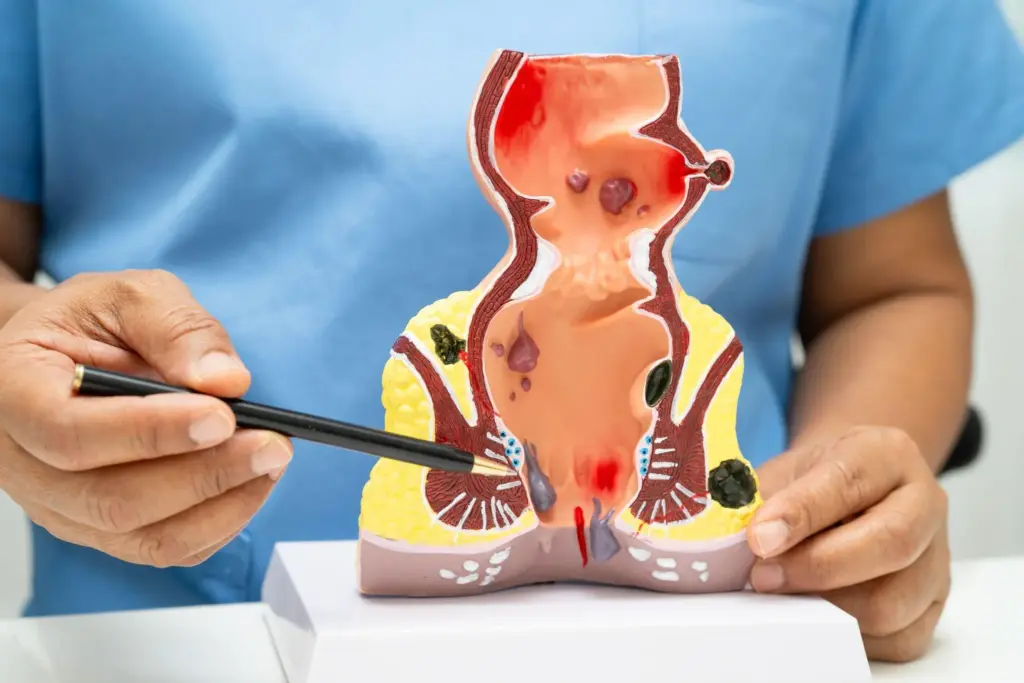
Knowing when to see a doctor for rectal symptoms is key. Symptoms can be mild or severe, like bleeding, changes in bowel habits, or pain.
Urgent vs. Non-urgent Presentations
Distinguishing between symptoms requiring immediate attention and those that can be addressed later is crucial. Severe rectal bleeding, intense abdominal pain, or big changes in bowel habits are urgent and need fast medical help.
But, symptoms like mild discomfort or small changes in bowel movements might not be as urgent. Still, they should be checked by a doctor.
What Information to Prepare for Your Doctor’s Visit
Before you go, write down all about your symptoms. Include when they started, how bad they are, and what makes them better or worse. Keeping a symptom diary is very helpful.
Also, list all your medicines, medical history, and any questions you have. Being ready helps your doctor’s visit go smoothly.
Being well-prepared helps a lot with your medical check-up and treatment plan.
The Diagnostic Journey for Suspected Rectal Cancer
The diagnostic process for rectal cancer includes multiple essential steps. These include physical exams, imaging studies, and endoscopic procedures. This process can seem complex and scary. But it’s key to figuring out if you have cancer and how far it has spread.
Initial Assessment and Physical Examination
The first step is an initial assessment. We collect your medical history and do a physical exam. This helps us find signs that might point to rectal cancer.
A healthcare provider might do a digital rectal exam (DRE). This is to feel for any unusual areas in the rectum.
“A thorough initial assessment is vital in guiding further diagnostic tests and ensuring that patients receive timely and appropriate care,” emphasizes the importance of this initial step.
Imaging Studies and Their Findings
Imaging studies are crucial for diagnosing rectal cancer. They help us see the tumor and its size. They also check if the cancer has spread.
Common imaging tests include:
- Magnetic Resonance Imaging (MRI)
- Computed Tomography (CT) scans
- Endorectal Ultrasound
These tests let us see the tumor’s size and location. They also check for cancer in nearby lymph nodes or distant organs.
Endoscopic Procedures and Biopsy
Endoscopic procedures let us see inside the rectum. They also help us get tissue samples for biopsy. The most common procedures are:
- Flexible Sigmoidoscopy
- Colonoscopy
During these tests, we take a sample of the suspicious tissue. This sample is then checked under a microscope for cancer cells.
Biopsy results are critical in confirming the diagnosis of rectal cancer and determining the type and grade of the tumor.
Every step in the diagnostic journey is important. It helps us understand the cancer better. Knowing about the process helps patients prepare and make informed decisions about their care.
Screening Recommendations for Early Detection
Screening is key in catching rectal cancer early. This can greatly improve treatment results. It’s a vital step in preventing and finding rectal cancer early, which can lower death rates.
Current Guidelines by Age and Risk Group
Guidelines say people at average risk should start screening at 45. But, those with a family history or other risk factors might need to start sooner. We’ll look at the specific rules and how they apply to different groups.
Average Risk Individuals: If you don’t have a family history or other risk factors, start screening at 45.
High-Risk Individuals: If you have a family history of rectal cancer or other risk factors, start screening 10 years before your relative was diagnosed.
Screening Options and Their Effectiveness
There are several ways to screen for rectal cancer, each with its own strengths. We’ll go over these options to help you make a smart choice for your health.
- Colonoscopy: Seen as the top choice for screening, it lets doctors remove polyps and take biopsies of suspicious areas.
- Fecal Immunochemical Test (FIT): A simple test that finds blood in your stool, which could mean rectal cancer.
- CT Colonography: A scan that looks at the colon and rectum, good for spotting big polyps and cancers.
Knowing about screening options and guidelines helps you take charge of your health. This can lower your risk of dying from rectal cancer.
The Multidisciplinary Approach to Rectal Cancer Diagnosis
Diagnosing and treating rectal cancer needs a team effort. We think a team-based approach is key. It makes sure patients get care that fits their needs perfectly.
The Team of Specialists Involved
Many specialists work together to tackle rectal cancer. Surgeons are crucial for surgeries. Oncologists help plan treatments like chemotherapy. Radiologists read scans to help plan treatment.
Gastroenterologists and pathologists are also important. They do tests and check samples to confirm cancer. This helps figure out the cancer’s type and how serious it is.
Coordinated Care Pathways
Having a plan for care is vital. We create plans that consider the patient’s health and cancer stage. We also think about what the patient prefers.
Good teamwork is key. Specialists, nurses, and others talk often. This makes sure care is smooth from start to finish.
Using a team approach and coordinated care, we can help patients with rectal cancer. This way, we can make their lives better and longer.
Conclusion: Taking Action Against Rectal Cancer
Rectal cancer is a growing concern, especially among adults under 50. Knowing the symptoms and risk factors is key for early detection and prevention. Symptoms like rectal bleeding, changes in bowel habits, and abdominal pain are important to watch for.
Early detection greatly improves treatment outcomes. It’s vital to follow screening guidelines. We urge readers to be vigilant about their health and seek medical help if symptoms persist or worry them. By taking action and staying informed, we can fight against rectal cancer together.
Being aware of rectal cancer is crucial for prevention. By staying informed, people can make better health choices. We must keep promoting awareness and education on rectal cancer. This way, everyone can protect their health.
FAQ
What are the common symptoms of rectal cancer?
Common symptoms include rectal bleeding, changes in bowel habits, and narrow stools. You might also feel abdominal pain or lose weight without reason. Spotting these symptoms early is key to getting the right treatment.
Why is rectal cancer on the rise among younger adults?
Rectal cancer is becoming more common in people under 50. It’s doubled in this age group. The reasons are not clear, but lifestyle, diet, and genetics might play a part.
How does rectal cancer develop?
Rectal cancer starts in the rectal tissue, often from a polyp or abnormal cell growth. Knowing how the rectum works helps understand how cancer can develop there.
What is the significance of rectal bleeding?
Rectal bleeding is a big warning sign that needs a doctor’s check-up. It could mean cancer, but it can also be from other issues like hemorrhoids or fissures.
How does iron-deficiency anemia relate to rectal cancer?
Blood loss from rectal cancer can cause iron-deficiency anemia. This leads to tiredness, weakness, and shortness of breath. Anemia is a sign that might point to rectal cancer.
What are the secondary symptoms that may indicate rectal cancer?
Signs like unexplained weight loss, persistent fatigue, and feeling like you can’t fully empty your bowels can hint at rectal cancer. These symptoms are not specific but can be important clues.
How do symptom combinations affect the risk of rectal cancer?
Having several symptoms at once raises the risk of rectal cancer. If you have three or more symptoms, your risk goes up sixfold. This shows why seeing a doctor quickly is so important.
Are there gender-specific differences in rectal cancer symptoms?
Yes, men and women might experience rectal cancer differently. Women might have unique symptoms. It’s important to understand these differences for accurate diagnosis and treatment.
What are the risk factors for rectal cancer?
Risk factors include family history, genetics, lifestyle, and diet. Conditions like inflammatory bowel disease also increase risk. Knowing these factors helps in prevention and early detection.
How is rectal cancer diagnosed?
Diagnosing rectal cancer involves a team effort. It starts with an initial check-up, followed by imaging, endoscopy, and biopsy. Specialists work together to create a treatment plan.
What are the current screening recommendations for rectal cancer?
Screening guidelines depend on age and risk level. For most, screening starts at 45. Options include colonoscopy, fecal tests, and more, each with its own benefits.
When should I seek medical attention for rectal symptoms?
If you have ongoing or severe symptoms like bleeding, changes in bowel habits, or pain, see a doctor. Bringing a detailed medical history and symptom diary can help with diagnosis.
What conditions can mimic rectal cancer symptoms?
Symptoms can also be caused by conditions like inflammatory bowel diseases, hemorrhoids, fissures, and irritable bowel syndrome. It’s crucial to tell these apart from rectal cancer for proper care.
What is the importance of a multidisciplinary approach to rectal cancer diagnosis and treatment?
A team of specialists is key to creating a treatment plan that fits the patient. This team includes gastroenterologists, surgeons, oncologists, and radiologists. They work together for comprehensive care.
Reference:
National Cancer Institute (NCI) – Cancer Currents Blog (Colorectal Cancer in Young People: Warning Signs):https://www.cancer.gov/news-events/cancer-currents-blog/2023/colorectal-cancer-young-people-warning-signs