
Many people struggle with addiction and substance abuse. They often do not seek help because of stigma, fear of social judgment, and lack of awareness about addiction as a treatable illness.
It’s important to understand why people might not want to go to rehab. They might be worried about being judged by others.
Deciding to go to rehab is a big choice. It’s influenced by personal beliefs and what others think. By understanding these challenges, we can help create a supportive place for people to get the help they need.
Key Takeaways
- Stigma and fear of judgment are significant barriers to seeking rehab.
- Lack of awareness about addiction as a treatable condition contributes to refusal.
- Understanding these reasons is key to improving rehab outcomes.
- Personal beliefs and societal pressures affect the decision to seek rehab.
- Creating a supportive environment can encourage individuals to seek help.
What Rehab Means in Modern Healthcare
Rehabilitation, or rehab, is key in today’s healthcare. It helps those struggling with addiction. It also aids those with physical or mental health issues.
Definition and Types of Rehabilitation Programs
Rehab programs vary to meet different needs. They include:
- Inpatient Rehab: Patients live at the facility.
- Outpatient Rehab: Patients go home after treatment.
- Specialized Rehab: Programs for specific issues, like addiction or physical rehab.
These programs mix medical care, therapy, and counselling. They tackle addiction and health problems from all angles.
The Critical Role of Rehab in the Recovery Journey
Rehab is essential for healing. It offers a supportive setting for growth. It helps people understand their issues, learn coping skills, and aim for a better life.
The main goal of rehab is to treat the root causes of addiction or illness. This way, it supports long-term recovery.
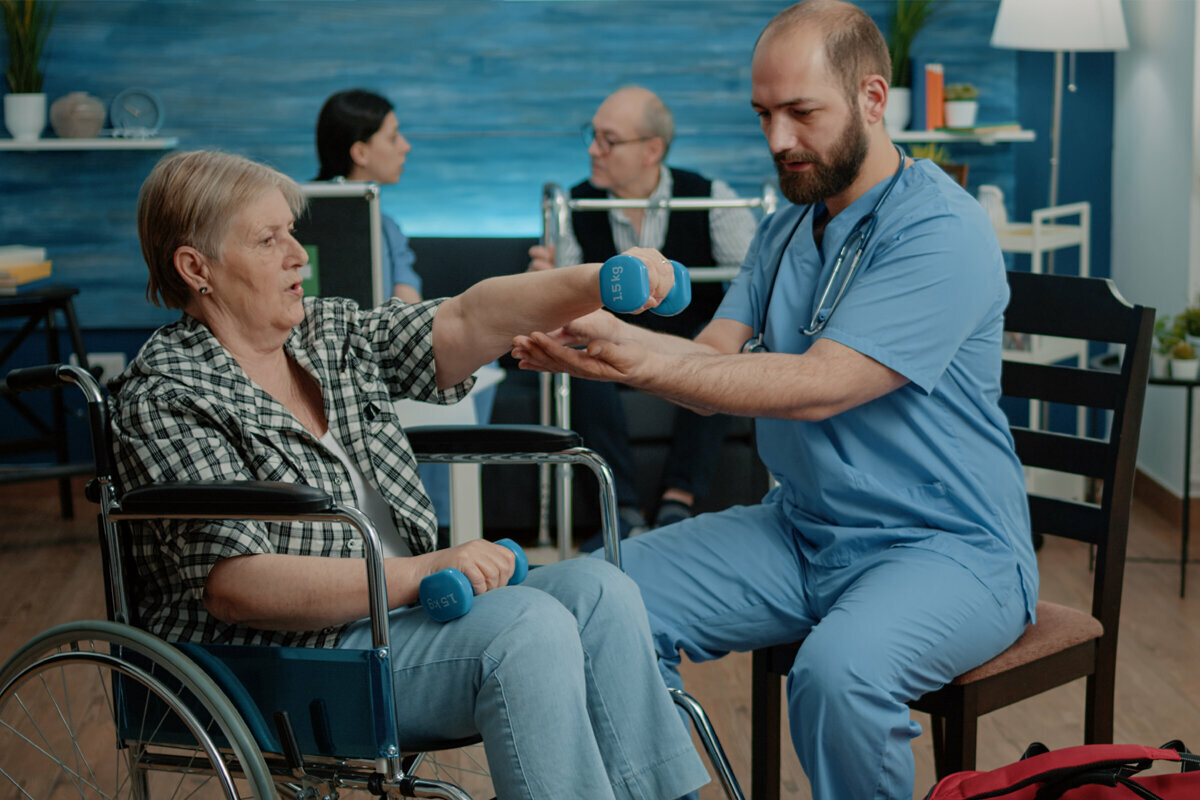
Knowing what rehab is and its types helps people choose the right treatment. It’s the first step towards a healthier life.
The Addiction Crisis in America
The United States is facing a severe addiction crisis, impacting millions. Substance use disorders have become a major public health issue. Over 20 million Americans are struggling with these conditions.
Current Statistics on Substance Use Disorders in the US
Recent data shows the crisis’s depth:
- Over 70,000 Americans died from drug overdoses in 2020 alone.
- The opioid crisis is a big part of these deaths.
- Substance use disorders affect people of all ages, genders, and backgrounds.
The Treatment Gap: Numbers and Impact
Despite the dire numbers, there’s a big gap in treatment. Key points include:
- Only about 10% of those with substance use disorders get help.
- Barriers to treatment include lack of insurance, transportation issues, and stigma.
- The lack of treatment worsens the crisis, leading to more deaths and costs.
To tackle the addiction crisis, we need a broad approach. This includes education, making treatment easier to get, and reducing stigma around seeking help.
The Power of Stigma in Treatment Avoidance
Rehabilitation stigma stops many from getting help for addiction. The fear of being judged or labelled is too much for some. This fear makes them stay away from rehab.

Social Judgment and Public Perception
Social views and public opinion help keep rehab stigma alive. People often see getting help as a weakness, not a recovery step. This wrong view comes from bad media and society’s negative views on addiction.
- Negative Media Portrayals: Stories that make rehab and addiction look bad.
- Societal Attitudes: Beliefs that addiction is a moral issue, not a health problem.
How Stigma Varies Across Different Communities
Stigma changes a lot in different places. It depends on culture, money, and who you are. For example, in some places, asking for help is a big no-no. But in others, it’s okay.
- Culture shapes how we see and feel stigma.
- Money can affect who gets help and how much stigma they face.
- Things like age and gender also change how stigma feels.
Knowing these differences is key to fighting stigma. It helps us get more people to seek the help they need.
Lack of Awareness: Addiction as a Treatable Illness
Many people don’t know that addiction can be treated. This lack of awareness stops them from getting help. Even though science has made big steps, some see addiction as a moral issue, not a medical one.
The Medical Reality vs. Public Understanding
Doctors know addiction is a chronic disease. It changes how the brain works. But many people don’t get this. They think it’s a personal problem, not something that can be fixed with medicine.
How Misinformation Prevents People from Seeking Help
False beliefs about addiction stop people from getting help. If they think it can’t be treated, they won’t look for help. It’s important to teach people about the success of treatment programs.
Knowing addiction is a treatable illness is the first step to recovery. We need to spread the word and give out correct info. This way, people can see there are ways to beat addiction.
Financial Barriers: The Cost of Getting Better
The cost of rehab is a big problem for many people with addiction. It’s not just the person who struggles; it also affects their family.
Treatment Costs and Economic Realities
The cost of rehab is complex. Prices vary based on the program type, length, and services. Outpatient programs might be cheaper, but inpatient care can be very expensive.
Studies show rehab in the U.S. can cost between $5,000 and $50,000 a month.
“The financial burden of addiction treatment is a significant barrier to care. Insurance coverage and personal financial resources play a critical role in determining access to treatment.”
Insurance Challenges and Coverage Gaps
Insurance is key to getting rehab. But many plans have high deductibles, copays, and limits. Pre-authorization requirements and out-of-network services make it hard to get the care needed.
To tackle these financial hurdles, we need better insurance, more financial help, and policy changes. These changes should make rehab more affordable.
Accessibility Issues Across Different Populations
Accessibility challenges vary among different populations. This affects their ability to get rehabilitation services. Factors like where they live, their age, and their income play a big role.
Geographic and Transportation Barriers
Geographic and transportation barriers make it hard for many to get to rehab services. In rural areas, there are fewer healthcare facilities. This makes it tough for people to get to rehab programs.
Also, not having public transport in these areas makes things worse. Many people can’t find a way to get help.
Special Challenges for Elderly and Displaced Individuals
The elderly and displaced individuals have special challenges. Older people might have trouble moving or thinking clearly. This makes it hard for them to get around healthcare.
People who have been displaced face problems too. Their unstable living situations make it hard to keep up with treatment.
Waiting Lists and Limited Program Availability
Also, waiting lists and limited program availability are big hurdles. Many rehab centers can’t take everyone. This leads to long waits that scare people away.
There aren’t enough programs for everyone’s needs. This limits who can get the care they need.
Age-Related Resistance to Rehabilitation
Age affects how people feel about rehab. Different ages face different challenges. Knowing these helps create better ways to get people to accept rehab.
Denial and Perceived Invincibility Among Young Adults
Young adults often think they can handle things on their own. They believe they’re invincible and don’t need help. Denial is a big problem because it stops them from seeing how serious their issues are.
Co-occurring Health Issues and Unique Concerns Among Older Adults
Older adults have their own set of problems. They deal with health issues and worries that make rehab hard. They fear losing their independence and worry about being a burden.
To help, we need to tailor rehab to each age group’s needs. Understanding and tackling these issues can lead to better rehab plans.
Fear of the Unknown: The Rehab Process
Rehab can be scary because it’s unknown. People worry about physical withdrawal, privacy, and the whole process.
Anxiety About Withdrawal and Physical Discomfort
Withdrawal is a big fear in rehab. People worry about the pain and discomfort it can cause. Medical detoxification helps make this part safer and less painful.
A well-known addiction expert says, “The fear of withdrawal is a big barrier. But with the right medical care, it can be handled well.” This shows why getting professional help is key.
Concerns About Privacy and Life Disruption
Privacy is another big worry. People fear their rehab choice will be public, affecting their life and work. Confidentiality is a big deal in rehab, with strict privacy rules.
- Rehab centers have private, secure places.
- Staff keep things confidential.
- Flexible schedules help keep life going.
The Fear of Failure or Relapse
Feeling like you might fail or relapse is common. People worry they can’t beat their addiction or will slip up after treatment. Evidence-based treatment programs aim to lower this risk. They use many therapies and support systems for each person.
“Recovery is not a one-size-fits-all process. It requires a personalized approach that addresses the unique needs and circumstances of each individual.” –
says, Director of NIDA
By facing these fears, people can start their recovery journey with more confidence. Rehab is a journey, and with the right support, overcoming challenges is possible.
Family Dynamics and Their Influence on Treatment Decisions
Understanding family dynamics is key to tackling the reluctance to go to rehab. The way families interact and their environment can greatly affect someone’s choice to get help for substance use disorders.
Enabling Behaviours That Prevent Seeking Help
Enabling behaviours are actions that help someone keep using substances. These can include making excuses or giving money for drugs. These actions can stop people from realizing they need help. For example, a family member might always help out with money problems caused by drug use, making the consequences less immediate.
The Complex Role of Family Support and Pressure
Family support can also be very helpful. Supportive family members can offer emotional support, help with daily tasks, and find treatment programs. But the line between support and pressure can be thin. Too much pressure can make someone resist and deny the need for help.
Families can help by showing concern without being too pushy. They should set clear boundaries and learn about treatment. This way, they can support recovery instead of enabling drug use.
The Evidence: Rehab Effectiveness and Outcomes
Studies show that rehab greatly improves recovery chances. The evidence is strong, with many studies pointing to the benefits of full treatment programs.
Success Rates: A Significant Difference for Completers
Research shows a big gap in relapse rates between those who finish rehab and those who don’t. 42% of early leavers relapse, while those who complete the program have much lower rates. This highlights the importance of finishing a rehab program for lasting recovery.
“The completion of a rehab program is a critical factor in determining long-term recovery success,” a study on substance use disorder treatment outcomes found. Many studies agree, saying that rehab’s support and structure are key to its success.
Factors Influencing Long-term Recovery Success
Several things help in achieving long-term recovery. These include:
- The type and quality of the rehab program
- The presence of ongoing support systems
- Individual commitment to recovery
- Addressing co-occurring mental health issues
Understanding these factors helps individuals plan their recovery better. Experts say, “long-term recovery is not just about finishing a program, but about ongoing effort and support.”
Long-term recovery success depends on many factors. It’s important to have access to quality rehab programs and ongoing support for those fighting substance use disorders.
Innovative Approaches to Breaking Treatment Barriers
The path to recovery faces many obstacles. But new ways are making rehab better. Now, rehab centers use multidisciplinary treatment models to give full care to those in need.
Livhospital.com’s Multidisciplinary Treatment Model
Livhospital.com leads with a mix of therapies for whole care. This method makes sure each patient gets a plan that fits them best. It makes rehab more effective.
Evidence-Based Practices and International Quality Standards
Using evidence-based practices is key in today’s rehab. Centers like Livhospital.com follow global standards. This means their treatments are proven to work, helping patients get better.
Technology and Telehealth Solutions for Accessibility
Telehealth solutions have made getting rehab easier. Now, people can get help from home. This breaks down barriers like distance and travel.
- Increased accessibility to care
- Personalized treatment plans
- Enhanced patient engagement through technology
In summary, new methods like multidisciplinary models, evidence-based practices, and telehealth are changing rehab. These steps help rehab centers support people on their recovery path.
Conclusion: Changing the Conversation About Rehabilitation
Understanding the complexities of rehabilitation is key to helping those in need. We must change how we talk about it. This includes recognizing the many challenges people face, like stigma, lack of awareness, and financial issues.
Rehabilitation is a critical part of overcoming substance use disorders. It’s vital in today’s healthcare. By changing our conversation, we can create a supportive space. This encourages people to seek help without fear of judgment.
There are many reasons why people might not go to rehab. Often, it’s because of misunderstandings about the process. Teaching the public about rehab’s benefits can help. New approaches, like using technology and telehealth, also make rehab more accessible.
Together, we can change the conversation around rehab. This will help create a culture that supports recovery. It will lead to better outcomes for those struggling with substance use disorders. And it will help make our society healthier.
FAQ
Why has America ignored its best addiction treatment?
America has faced challenges in addressing its addiction crisis. Stigma, lack of awareness, and financial barriers have made it hard to access quality treatment.
What does rehab mean?
Rehab, short for rehabilitation, is a treatment program to help people overcome addiction. It includes medical, psychological, and social support.
Why do people go to rehab?
People go to rehab for professional help with addiction. They manage withdrawal symptoms and learn coping strategies for long-term recovery.
What are the reasons not to do drugs?
Not doing drugs is important. It avoids addiction, health risks, overdose dangers, and damage to relationships and careers.
How do you get someone to go to rehab?
Support and understanding are key to getting someone to rehab. Encourage them to seek help and address their fears about rehab.
Should I go to rehab?
If you’re struggling with addiction, rehab can be a vital step. Consider your needs and circumstances when deciding.
What are the benefits of being drug-free?
Being drug-free improves health, relationships, and productivity. It also reduces overdose risks, leading to a better life.
Why not do drugs?
Avoiding drugs is important. They can lead to addiction, health issues, and harm to personal and professional life.
It doesn’t matter rehab?
Rehab is effective for addiction and recovery. The right approach can greatly improve outcomes.
Rehab no no?
Rehab is a necessary treatment for many. It shows strength and a willingness to seek help, not weakness.
Going to rehab?
Choosing rehab is empowering. It offers a supportive environment and professional guidance for recovery.
I don’t want to go to rehab.
If rehab seems daunting, consider its benefits. Talk to a healthcare professional to find the best treatment for you.
Reference
- Rosa, W. E., Levoy, K., Doyon, K., et al. (2023). Integrating evidence-based communication principles into routine cancer care. Supportive Care in Cancer. https://doi.org/10.1007/s00520-023-08020-x