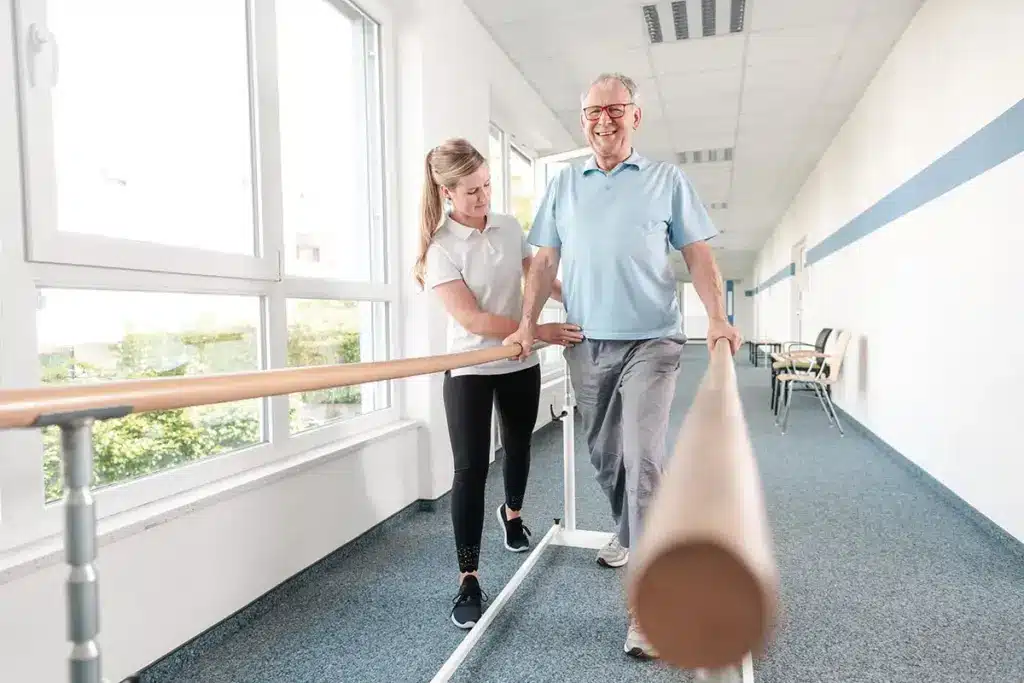
Did you know millions of people worldwide go through rehabilitation each year? They do this to get better after injuries, illnesses, or surgeries. This important step helps them get their strength, mobility, and independence back.
Rehabilitation offers many services, like different therapies and treatments. These are made to help patients’ physical and emotional health. It’s key for patients and their families to know what these services include.
In this article, we’ll look at the wide range of services in rehabilitation. We’ll give you insights into what rehab means and what rehabilitation is all about.
Start your rehabilitation journey today and discover an amazing path to powerful health and a successful return to daily life.
Key Takeaways
- Rehabilitation includes various therapies to support physical recovery.
- It encompasses treatments designed to help patients regain mobility and independence.
- Rehabilitation services are tailored to individual patient needs.
- The primary goal of rehabilitation is to enhance patients’ physical, emotional, and social well-being.
- Rehabilitation plays a critical role in the recovery process.
Understanding Rehabilitation: Definition and Purpose
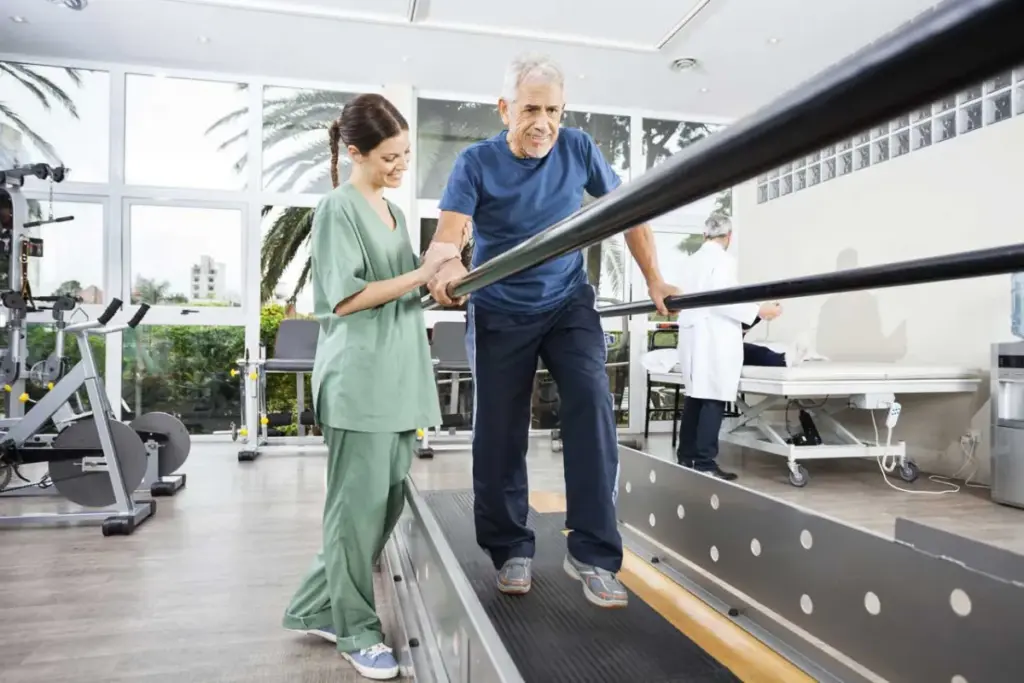
Rehabilitation helps people regain their independence and quality of life. It’s a process that restores physical, cognitive, and emotional well-being. New neurotechnology has made rehabilitation more effective, giving hope to those in need.
The Core Meaning of Rehabilitation
“Rehabilitation” means helping someone who is ill, injured, or disabled to recover. Rehabilitative care meets each person’s unique needs. It creates a supportive environment for recovery and independence.
Goals and Objectives of Rehabilitation Programs
The main goals of rehabilitation programs are to improve function and promote independence. Programs are customized to address physical, occupational, or speech needs. The aim is to help individuals reach their full capacity and rejoin their communities.
Knowing the rehabilitation def and its goals helps us see the value of personalized care. Treatment plans are made to fit each patient’s needs. This ensures they get the best care, whether it’s physical, occupational, or speech therapy.
Types of Rehabilitation Services
Rehabilitation services are not the same for everyone. They are tailored to meet the unique needs of each patient. Our services are designed to help with a wide range of needs.
Physical Rehabilitation
Physical rehabilitation helps patients regain strength and mobility. It’s important for those recovering from injuries or surgeries. Physical therapy plays a big role, using exercises to improve movement and reduce pain.
New technologies, like AI-powered brain-computer interfaces, are making physical therapy better. They offer new ways for people to recover.
Occupational Rehabilitation
Occupational rehabilitation helps people do daily activities and return to work. It focuses on improving the ability to perform essential tasks. Occupational therapists help develop strategies and use adaptive equipment.
For example, someone recovering from a stroke might learn new ways to dress or cook. This helps them regain independence.
Speech and Language Rehabilitation
Speech and language rehabilitation helps those with communication challenges. This includes people with stroke, brain injury, or neurological disorders. Speech-language pathologists work to improve speech, language, and swallowing skills.
“Speech therapy can significantly improve the quality of life for individuals with communication disorders, enabling them to express themselves more effectively.”
Cognitive Rehabilitation
Cognitive rehabilitation addresses cognitive challenges from brain injuries or conditions. It helps with memory loss, attention deficits, and problem-solving. Cognitive therapists use various strategies and exercises to help patients regain function.
A good cognitive rehabilitation program includes memory aids, attention training, and techniques to help with daily tasks.
|
Type of Rehabilitation |
Focus |
Key Components |
|---|---|---|
|
Physical Rehabilitation |
Regaining physical strength and mobility |
Physical therapy, exercises, pain management |
|
Occupational Rehabilitation |
Performing daily activities and work |
Adaptive equipment, task-specific training |
|
Speech and Language Rehabilitation |
Improving communication skills |
Speech therapy, language exercises |
|
Cognitive Rehabilitation |
Addressing cognitive difficulties |
Memory aids, attention training, compensatory techniques |
Medical Components of Rehabilitation
A good rehabilitation clinic uses many medical parts to help patients. We know that fixing someone takes more than one thing. We mix different medical parts to get the best results for our patients.
Diagnostic Assessments
Diagnostic tests are key in rehab. They help us see what’s wrong and plan how to fix it. We use tools like scans and tests to get all the info we need.
Our team does deep checks. They look at the patient’s past, current problems, and how they move. This helps us make a rehab plan just for them.
Treatment Planning
Planning treatment is a team effort. It includes our team, the patient, and their family. We set goals and make a plan that fits the patient’s needs.
Our plans might include physical therapy, occupational therapy, and managing medicines. We watch how the patient is doing and change the plan if needed. This helps them get the best results.
Medication Management
Managing medicines is very important, mainly for those with complex health issues. We make sure medicines work well and are safe. This helps avoid bad side effects.
We keep an eye on the medicines the patient takes. We change them if needed to help them reach their rehab goals. We also teach patients and their families about medicines and how to use them right.
Digital treatments are also useful, like for brain problems. We keep up with new digital treatments. We use them when it helps our patients get better faster and feel better.
Therapeutic Interventions in Rehabilitation
Therapeutic interventions are key in the rehabilitation process. They offer treatments tailored to each patient’s needs. These efforts help patients recover, regain strength, and improve their life quality.
Physical Therapy Techniques
Physical therapy is a vital part of rehabilitation. It helps patients regain mobility and strength. Techniques include exercises, manual therapy, and the use of heat and cold therapy.
Studies show AI-driven rehabilitation therapies are effective. They are being used more in physical therapy. These therapies provide personalized plans and real-time monitoring, improving the rehabilitation process.
|
Therapy Type |
Description |
Benefits |
|---|---|---|
|
Exercise Therapy |
Tailored exercises to improve strength and mobility |
Enhances physical function, reduces pain |
|
Manual Therapy |
Hands-on techniques to improve joint mobility and reduce pain |
Improves range of motion, reduces stiffness |
|
Modalities |
Use of heat, cold, or electrical stimulation to aid recovery |
Reduces pain and inflammation, promotes healing |
Occupational Therapy Approaches
Occupational therapy helps patients with daily activities and independence. Therapists use adaptive equipment and cognitive rehabilitation to help patients reach their goals.
This therapy is great for patients with strokes, brain injuries, or conditions affecting daily tasks.
Speech Therapy Methods
Speech therapy is key for patients with communication disorders. These disorders can come from strokes, brain injuries, or developmental conditions. Speech therapists use language exercises and cognitive strategies to improve communication skills.
Psychological Counseling
Psychological counseling is essential in rehabilitation. It addresses patients’ emotional and mental health needs. Counselors offer support and guidance to help patients cope and adjust.
By using these interventions, rehabilitation programs offer complete care. They address physical, emotional, and social needs of patients.
Rehabilitation Settings and Facilities
The place where you get rehabilitation matters a lot. You can choose from inpatient centers to getting care at home. Each facility is made to meet different patient needs, helping them get better.
Inpatient Rehabilitation Centers
Inpatient centers offer a lot of therapy and medical help. They have the latest technology and a team of experts. Here, patients get a place to focus on getting better.
Outpatient Rehabilitation Clinics
Outpatient clinics are for those who don’t need to stay in the hospital but need therapy. They offer many services like physical and speech therapy. This way, patients can keep up with their daily life while getting treatment.
Home-Based Rehabilitation
Home-based care lets patients get treatment in their own home. It’s great for those who can’t move around much or like getting care at home. Programs here are made just for the patient, including physical and occupational therapy.
Every setting has its own benefits. The right choice depends on the patient’s needs and what they prefer. By having different places for care, we make sure patients get the best help they need.
The Rehabilitation Team: Key Professionals
A good rehab program needs a team of many healthcare experts. We know that success comes from teamwork and the skills of each member. Together, they offer complete care.
New tech in neurotechnology has brought new rehab therapies. This shows the importance of a team with different skills. This team helps patients reach their recovery goals.
Physicians and Medical Specialists
Doctors and specialists are key in rehab. They guide the care and make sure patients get the right treatment. Their knowledge is key for medical care during rehab.
Therapists and Rehabilitation Specialists
Therapists like physical, occupational, and speech therapists lead in rehab therapy. They help patients get back to normal, improve movement, and live better. Their skills are vital for making plans that fit each patient’s needs.
Case Managers and Social Workers
Case managers and social workers support patients and families. They help with healthcare systems, care services, and emotional challenges. Their work is key for full support beyond medical needs.
In summary, the rehab team is essential for good care. Their teamwork and skills offer top-notch, focused care for those in rehab.
Specialized Rehabilitation Programs
We offer a variety of rehabilitation programs tailored to meet individual needs. These programs ensure complete care for different health conditions. They are designed to address specific needs, providing focused therapy and support.
Substance Abuse Rehabilitation
Our substance abuse program helps individuals overcome addiction. It combines medical treatment, counseling, and support groups. This approach ensures patients get the care they need for long-term recovery.
Key components of our substance abuse rehabilitation include:
- Initial assessment and personalized treatment planning
- Medication-assisted treatment to manage withdrawal symptoms
- Individual and group therapy sessions to address underlying issues
- Support groups to foster a sense of community and accountability
Cardiac Rehabilitation
Our cardiac rehabilitation program is for patients recovering from heart surgery or heart attack. It aims to improve heart health through monitored exercise and education. It also offers support.
Benefits of cardiac rehabilitation include:
- Improved heart function and reduced symptoms
- Enhanced overall physical fitness and stamina
- Better management of heart disease risk factors
Neurological Rehabilitation
Neurological rehabilitation helps patients recover from injuries or diseases like stroke or spinal cord injury. Our program includes physical, occupational, and speech therapy. It helps patients regain lost functions.
Components of neurological rehabilitation include:
- Physical therapy to improve mobility and strength
- Occupational therapy to enhance daily living skills
- Speech therapy to improve communication
Orthopedic Rehabilitation
Orthopedic rehabilitation is for those recovering from surgeries or injuries like joint replacements or fractures. Our program aims to restore function, reduce pain, and improve mobility.
Key elements of orthopedic rehabilitation include:
- Personalized exercise programs to improve strength and flexibility
- Pain management techniques to minimize discomfort
- Education on proper body mechanics to prevent future injuries
Recent breakthroughs in AI-powered rehabilitation show promise in treating various conditions. This technology enhances the effectiveness of our programs. By combining technology with expert care, we offer complete rehabilitation services. These services support recovery and improve quality of life.
Community Rehabilitation Programs
Community rehabilitation programs are key in helping people in their local areas. They offer a wide range of services. This helps people get back on their feet and fit back into their communities.
Structure and Services
These programs offer many services to meet local needs. Services include physical therapy, occupational therapy, speech therapy, and counseling. They aim to help people recover from various issues.
Community-based programs are effective because they use familiar settings. This makes patients feel more comfortable. It also brings families and the community into the healing process.
Benefits of Community-Based Rehabilitation
Community-based rehab has many benefits. Firstly, it improves patient outcomes by providing ongoing care. It also helps lower healthcare costs by reducing hospital stays and readmissions.
Studies show these programs lead to happier patients and better results. This is because they offer care that’s tailored to each person’s needs. They take a holistic approach to healing.
|
Benefits |
Description |
Impact |
|---|---|---|
|
Improved Patient Outcomes |
Continuous care and support |
Better recovery rates |
|
Reduced Healthcare Costs |
Minimized hospital stays and readmissions |
Cost-effective care |
|
Enhanced Patient Satisfaction |
Personalized and holistic care |
Higher satisfaction rates |
Access and Eligibility
Who can get into these programs depends on their needs and what’s available locally. Eligibility criteria may vary, but generally, these programs are open to individuals requiring rehabilitation services.
We make sure people know about these programs. We accept referrals from healthcare providers, family, and even from the individuals themselves. Making these services accessible is key to helping those in need.
The Rehabilitation Process
Digital therapeutics have made a big difference in rehab, making care more personal and effective. The rehab process is complex, with many stages tailored to each patient’s needs.
Initial Assessment and Evaluation
The first step is the initial assessment and evaluation. Healthcare pros do detailed checks to understand the patient’s condition. They find out what the patient can do and what they need help with.
Comprehensive assessments include medical and physical checks, and sometimes, mental health checks. These help create a personalized rehabilitation plan that meets the patient’s specific needs and goals.
Goal Setting and Treatment Planning
After the initial check, the team sets goals and plans treatment. They work with the patient to set realistic goals. These goals are based on the patient’s condition, personal wishes, and what they hope to achieve.
The treatment plan outlines how to reach these goals. It includes therapies like physical therapy, occupational therapy, and speech therapy. The plan is made just for the patient and can change as needed.
Implementation and Monitoring
The next step is putting the treatment plan into action. The team uses different therapies to help the patient reach their goals. This phase is ongoing, with regular checks on how the patient is doing.
Regular checks help see if the plan is working. The team works with the patient and their family to make sure care is complete and supportive.
“Rehabilitation is a team effort, requiring collaboration between healthcare professionals, patients, and their families to achieve the best possible outcomes.”
Discharge Planning and Follow-up
The last stage is planning for discharge and follow-up care. As the patient gets ready to leave, the team plans for their return home or another care setting.
Follow-up care is key after discharge. It makes sure the patient keeps getting the support they need. This might include check-ups and home visits to see how they’re doing.
Understanding and going through the rehab process well can lead to big improvements in function and life quality. We’re dedicated to giving full and caring support at every stage of the rehab journey.
Assistive Technology and Adaptive Equipment in Rehabilitation
Assistive technology and adaptive equipment are key in helping people overcome physical and mental challenges during rehab. They are vital for better patient results and more independence.
New assistive technology has greatly improved life for those with disabilities. It offers new ways to interact, move, and live daily. These advancements are essential for full rehab services.
Mobility Aids and Devices
Mobility aids and devices are very important for people with physical disabilities. They help them move and do daily tasks. Examples include:
- Wheelchairs and mobility scooters
- Walkers and canes
- Exoskeletons and prosthetic limbs
These tools help with movement, reduce tiredness, and boost independence. Our rehab services offer a variety of mobility aids and devices for each person’s needs.
Communication Tools
Communication tools are key for those with speech or language issues. They help people talk and interact with others. Examples include:
- Augmentative and Alternative Communication (AAC) devices
- Speech-generating devices
- Communication boards
These tools let people share their needs, wants, and thoughts. They help with social interaction and reduce frustration.
Home Modification Equipment
Home modification equipment makes living spaces safe and accessible for people with disabilities. Examples include:
|
Equipment Type |
Description |
Benefits |
|---|---|---|
|
Grab Bars |
Installed in bathrooms and hallways |
Enhances safety, reduces fall risk |
|
Ramps |
Provides wheelchair access |
Promotes independence, improves mobility |
|
Adjustable Furniture |
Adaptable to individual needs |
Enhances comfort, supports daily living |
By using assistive technology and adaptive equipment in rehab, we can greatly improve patient results and quality of life.
Insurance Coverage and Financial Aspects of Rehabilitation
Insurance coverage is key to getting into rehabilitation programs. It can be tough to figure out the financial side of rehab. But knowing what insurance you have can make things easier.
Private Insurance Policies
Private insurance is also important for rehab coverage. Many plans cover physical, occupational, and speech therapy. But, how much they cover can really vary.
When you’re looking for rehab, make sure to check your insurance. Know about any costs you might have to pay, like copays and deductibles. It’s a good idea to talk to your insurance company about what’s covered.
Out-of-Pocket Costs and Financial Assistance
Even with insurance, you might have to pay some money for rehab. This can include copays, deductibles, and things not covered by insurance. If money is tight, there are programs to help.
We can help you find ways to lower these costs. This includes things like sliding scale fees, grants, and other financial help. Knowing about these options can really help with the cost of rehab.
Measuring Outcomes and Effectiveness in Rehabilitation
Measuring outcomes in rehabilitation is key to knowing how well treatments work. It helps healthcare providers make better decisions for patient care. Studies show it’s important to measure outcomes to see if treatments are successful.
Common Assessment Tools
Rehabilitation programs use many tools to check patient progress. These tools help see how well patients are doing and if treatments are working.
- Functional Independence Measure (FIM)
- Barthel Index
- Pain Assessment Scales
- Range of Motion (ROM) Measurements
These tools are important for knowing where patients start, tracking their progress, and changing treatment plans if needed.
Quality of Life Measurements
Measuring quality of life is also key in rehabilitation. It shows how well patients are doing overall. This helps healthcare providers see how treatments affect patients’ lives.
|
Quality of Life Measurement Tool |
Description |
|---|---|
|
SF-36 Health Survey |
A survey that checks many health and well-being areas |
|
EQ-5D |
A questionnaire that looks at health in five areas |
Using these tools, healthcare providers can understand how well treatments work.
Long-term Success Indicators
Long-term success is important to see if rehabilitation programs really work. These indicators help see if patients keep improving over time.
Key long-term success indicators include:
- Patient-reported outcomes
- Readmission rates
- Long-term functional status
By focusing on these, rehabilitation programs can find ways to get better results in the long run.
We know that measuring outcomes in rehabilitation is an ongoing task. It needs constant checking and getting better. By using common tools, quality of life measures, and long-term indicators, we can make rehabilitation services better.
Challenges and Barriers in Accessing Rehabilitation Services
Getting equal access to rehab services is a big challenge worldwide. Many things can stop people from getting the care they need. This affects how well rehab programs work.
Geographic and Transportation Barriers
Getting to rehab services can be hard because of where they are and how to get there. Many rehab centers are in cities, making it tough for people in rural areas to get there. Lack of transportation is another big problem. It stops patients from going to their appointments.
To solve these problems, community rehab programs are starting up. They offer services closer to home. Telemedicine and home-based rehab are also being looked at as ways to make it easier to get care.
Financial Constraints
Money is a big barrier to getting rehab services. The cost of care can be too high, and many people don’t have enough insurance. Out-of-pocket costs can be very hard for people to handle. This can mean they delay or skip getting the care they need.
|
Financial Barrier |
Impact on Rehabilitation Access |
Potential Solution |
|---|---|---|
|
Lack of Insurance Coverage |
Delayed or foregone care |
Expand insurance coverage for rehab services |
|
High Out-of-Pocket Costs |
Financial burden on patients |
Implement financial assistance programs |
|
Limited Financial Resources |
Reduced access to necessary care |
Develop community-based financial support |
Cultural and Language Barriers
Cultural and language differences can also make it hard to get rehab services. Different beliefs about health and disability can affect how people see and use rehab care. Language barriers can cause misunderstandings and bad communication between doctors and patients.
To beat these barriers, rehab programs are using culturally sensitive care. They also offer language help, like interpreters and translated materials. This makes sure everyone can understand and use the rehab process.
Conclusion: The Future of Rehabilitation Services
The field of rehabilitation services is changing fast. New technology and care models are leading the way. Digital therapeutics are making treatments better and getting patients more involved.
Rehab services are getting better at meeting individual needs. Technology helps plan treatments, manage medicines, and improve therapy. This makes care more effective and personal.
We see a bright future for rehabilitation. It will keep getting better, focusing on better patient results and quality of life. Expect more community programs, tech, and equipment to help people adapt.
The future of rehab looks promising. We’re dedicated to top-notch healthcare and support for patients from around the world.
FAQ
What is rehabilitation?
Rehabilitation helps people get back to their normal lives. It includes many therapies to improve physical, mental, and emotional health. The goal is to help patients regain strength, move better, and live independently.
What are the primary goals of rehabilitation programs?
The main goals are to improve physical, mental, and emotional health. This helps patients become independent again. They can then do everyday tasks on their own.
What types of rehabilitation services are available?
There are many services like physical, occupational, speech, and cognitive therapy. Each one meets different needs and goals.
What is the role of assistive technology in rehabilitation?
Assistive technology is key in helping people regain independence. It includes tools like mobility aids, communication devices, and home modifications.
What are the common challenges and barriers in accessing rehabilitation services?
Challenges include distance, cost, and language barriers. It’s important to address these to make care more inclusive and accessible.
How are outcomes and effectiveness measured in rehabilitation?
Success is measured with tools like assessments and quality of life checks. These help healthcare teams see if treatment is working.
What is the role of a multidisciplinary team in rehabilitation?
A team of doctors, therapists, and others is vital. They work together to meet each patient’s unique needs and goals.
What are specialized rehabilitation programs?
These programs focus on specific areas like substance abuse or neurological disorders. They offer tailored treatments and support.
What is community rehabilitation, and what services do they offer?
Community programs offer vital support and services. They provide therapies, counseling, and education. This helps people stay independent and active in their communities.
World Health Organization. Evidence-Based Medical Insight. Retrieved from https://www.who.int/news-room/fact-sheets/detail/rehabilitation