

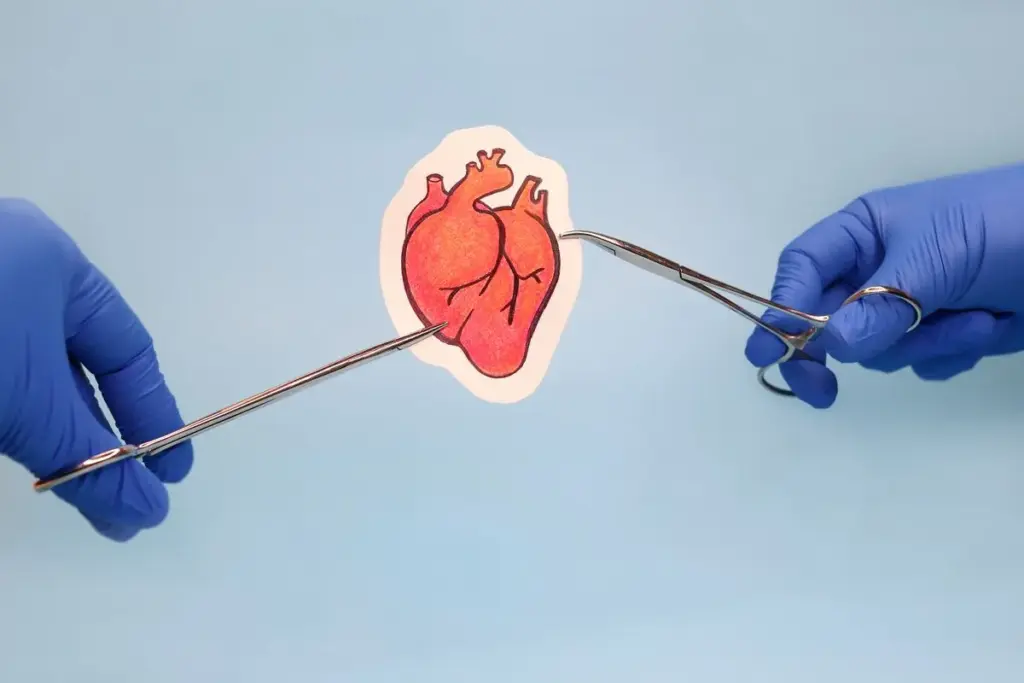
Patients often ask if they’ll be shaved before heart surgery. The answer varies based on the procedure and the surgeon’s choice. But, removing hair is key to avoiding infections during cardiac procedures.
The Centers for Disease Control and Prevention (CDC) and top cardiac surgery guidelines suggest using clippers right before surgery for hair removal. This guide will cover the best ways to remove hair before cardiac procedures. It aims to keep patients safe and lower the risk of infections.
Key Takeaways
- The method of hair removal before heart surgery is key to avoiding infections.
- The CDC advises using clippers right before surgery for hair removal.
- Not all patients need hair removal before cardiac procedures.
- The choice to remove hair depends on the procedure and the surgeon’s preference.
- Using the right hair removal techniques can lower infection risk and ensure patient safety.
The Standard Procedure Before Heart Surgery
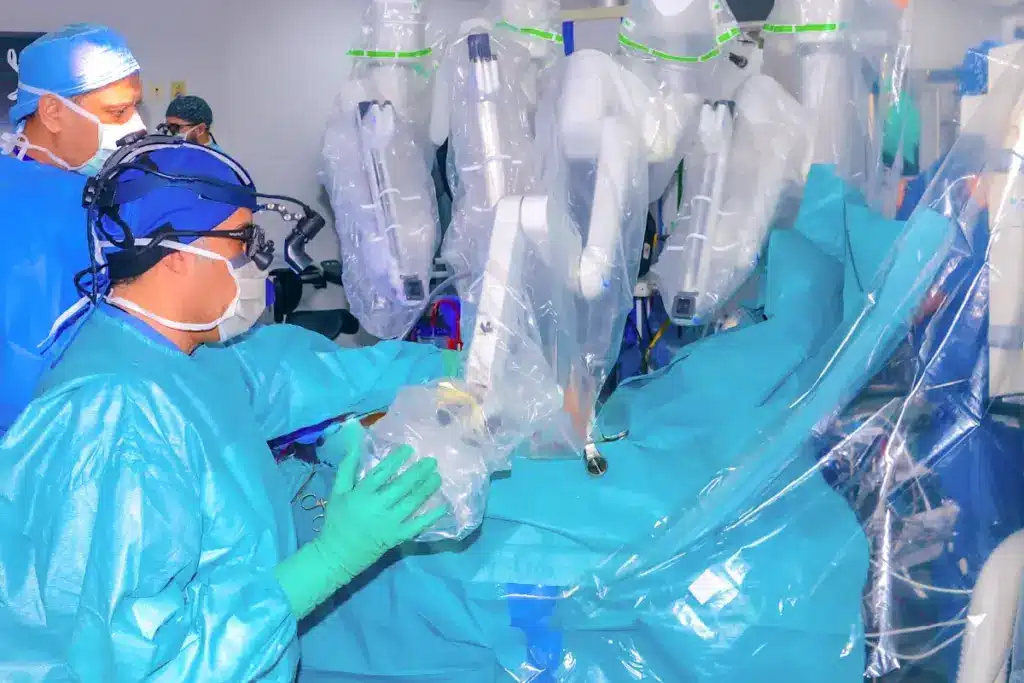
Before heart surgery, patients prepare in many ways. These steps help make the surgery safe and successful. They are key to reducing risks and getting the patient ready for surgery.
Common Preoperative Preparations
Preparations include medical checks, adjusting medications, and hygiene practices. Patients often shower with antiseptic soap to lower infection risk. They also have tests like blood work and heart scans to check their health.
Removing body hair from the surgery area is also important. It helps prevent infections by removing hair that could hold bacteria.
The Role of Hair Removal in Surgical Preparation
Hair removal is a big part of getting ready for surgery. It aims to keep the area clean and free of hair to lower infection risk. Nearly 80% of hospitals now use clippers instead of razors for this reason. Razors can increase the risk of infections, while clippers are safer.
- Hair removal helps in reducing the risk of SSIs.
- Clippers are the preferred method over razors due to lower infection risks.
- Proper hair removal techniques are critical for patient safety.
Understanding the importance of these preparations, including hair removal, helps patients get ready for heart surgery. It ensures a better chance of a successful outcome.
Why Hair Removal is Necessary for Cardiac Surgery
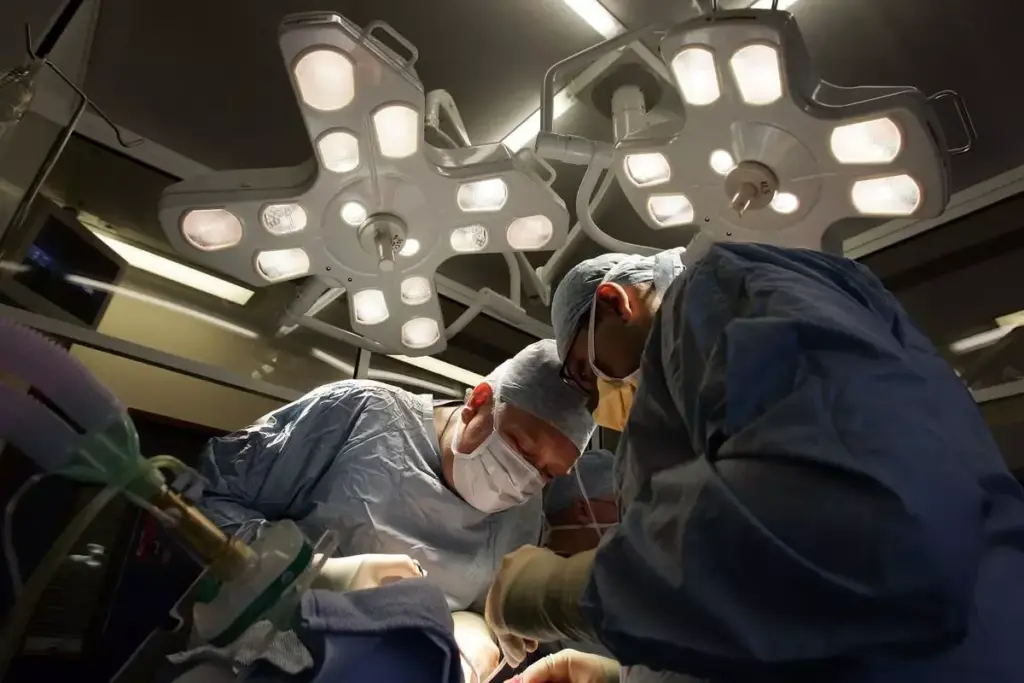
Hair removal before cardiac surgery is very important. It helps make sure the surgery goes well and the patient gets the best care.
Surgical Site Access Requirements
One key reason for hair removal is to let surgeons easily access the area they need to work on. They need clear visibility and access for precise work in cardiac surgery. Hair can get in the way and make it hard to prepare the skin right.
Infection Prevention Considerations
How hair is removed is also important for infection prevention. Clipping is better than shaving because it doesn’t hurt the skin as much. This helps avoid infections, which can be very serious.
Adhesive Application for Monitoring Equipment
Hair removal is also needed for sticking down monitoring equipment and other devices. Good adhesion is key for keeping an eye on the patient during and after surgery. Without removing hair, these devices might not stick right, which could harm the patient’s care.
In short, removing hair before cardiac surgery is important for many reasons. It helps with access, prevents infections, and makes sure monitoring equipment works right. All these are key for the best results for patients having heart surgery.
Evolution of Hair Removal Practices in Cardiac Care
The way we remove hair before heart surgery has changed a lot. These changes come from new discoveries on keeping patients safe and preventing infections.
Historical Approaches to Preoperative Hair Removal
Long ago, doctors used to shave patients before surgery. They thought it would stop infections by removing bacteria-harboring hair. But, research showed shaving might actually cause more infections because it hurts the skin.
As more evidence came in, doctors started to prefer clipping over shaving. Clipping is gentler on the skin and lowers the chance of infections.
Modern Evidence-Based Protocols
Today, heart surgery prep focuses on safe hair removal methods. Clipping is now the go-to because it’s safer and works well.
|
Method |
Infection Rate |
Skin Trauma |
|---|---|---|
|
Shaving |
5-10% |
High |
|
Clipping |
2-3% |
Low |
Switching to clipping has greatly improved patient safety. It’s a big step forward in making sure patients do well before surgery. As heart care keeps getting better, using proven hair removal methods will stay key.
Methods of Removing Body Hair Before Heart Surgery
Getting ready for cardiac surgery means removing body hair in different ways. Each method has its own good and bad points. Choosing the right one is key to avoid infections and make the surgery a success.
Clipping: The Preferred Method
Clipping is the top choice for removing body hair before heart surgery. It uses clippers to cut hair close to the skin without causing cuts. This method is safer than others because it lowers the chance of infection.
The lower risk of microtrauma to the skin is a big plus. It means fewer chances for bacteria to get in.
Shaving: Traditional but Riskier Approach
Shaving with a razor is an old way to remove hair but it’s riskier. It can cause tiny cuts in the skin, which can lead to infections. Even though it makes the skin smooth, the dangers make clipping a better choice for getting ready for surgery.
Depilatory Creams: Limited Applications
Depilatory creams melt hair at the skin’s surface, making it easy to remove. But, they’re not often used for heart surgery prep because they can irritate the skin. They’re mainly used where other methods won’t work.
In short, the method for removing body hair before heart surgery is very important. Clipping is the safest and most effective choice. But, shaving and depilatory creams have their own uses based on the situation.
Clippers vs. Razors: The Statistical Difference
Using clippers instead of razors for hair removal before surgery is backed by strong data. This change is not just a choice but is based on evidence. It shows clippers are better at reducing problems linked to heart surgery.
Infection Rate Comparisons: A Significant Disparity
Research shows that how hair is removed before surgery affects infection rates. Razors lead to 5-10% infection rates, while clippers keep it at 2-3%. Razors cause skin irritation, raising the risk of infection.
Clippers are safer for avoiding SSIs, making them a top pick for hair removal in heart surgery.
Tissue Trauma Differences
Razors often cause small cuts and scratches on the skin, which bacteria can enter. Clippers, on the other hand, cut hair without touching the skin. This makes clippers safer for the skin.
Clippers are gentler, which lowers infection risks and helps patients recover faster from heart surgery.
Hospital Adoption Rates: The 80% Shift to Clippers
Hospitals are now using clippers more, with about 80% choosing them for heart surgery patients. This change shows hospitals are serious about reducing infection risks and improving care.
Adopting clippers is a big step towards making patient care safer and better in heart surgery.
Surgical Site Infections: Understanding the Risks
It’s important to know about the risks of surgical site infections in cardiac surgery. These infections can happen after heart surgery. They can make recovery harder and affect a patient’s health.
Common Pathogens in Cardiac Surgery
Patients undergoing cardiac surgery face the risk of SSIs from different pathogens. Staphylococcus aureus and coagulase-negative staphylococci are common culprits. These bacteria can come from the patient themselves or from outside sources.
Risk Factors for Developing SSIs
Several factors can increase the risk of SSIs in cardiac surgery patients. These include diabetes, obesity, and smoking. Also, longer surgeries and the use of certain devices can play a role.
Impact on Patient Outcomes and Recovery
SSIs can have a big impact on patient outcomes. They can lead to more illness, longer hospital stays, and higher costs. They can also make recovery harder, sometimes requiring more surgery or longer antibiotic use.
To reduce these risks, healthcare teams use strict infection control and proper antibiotics. They also carefully prepare and select patients for surgery.
CDC Guidelines for Preoperative Hair Removal
The Centers for Disease Control and Prevention (CDC) has important rules for hair removal before surgery, mainly for heart procedures. These rules help lower the chance of infections at the surgery site. They make sure patients are safe during heart surgery.
The CDC says hair removal should only happen when it’s really needed. If it does, it should be done with clippers right before surgery. This is because shaving can cause tiny cuts in the skin, raising the risk of infections.
Official Recommendations for Cardiac Procedures
For heart surgeries, the CDC warns against using razors because they can lead to more infections. Clippers are the better choice for hair removal when it’s needed. The guidelines stress the need to remove hair only where the surgery will happen. This helps avoid hurting the skin too much.
Implementation in Hospital Settings
Hospitals need to train their staff on using clippers correctly and follow preoperative rules. Many hospitals have switched to clippers over razors. Some studies show over 80% of hospitals now use clippers for preoperative care.
|
Method |
Infection Rate |
Tissue Trauma |
|---|---|---|
|
Clippers |
2-3% |
Minimal |
|
Razor Shaving |
5-10% |
Significant |
By sticking to CDC guidelines and using proven methods, hospitals can greatly lower the risk of infections. This improves the results of heart surgery for patients.
Cardiac Surgery-Specific Hair Removal Protocols
Different cardiac surgeries need special hair removal protocols for the best results. Preparing the surgical site is key for success and to avoid infections.
Chest Area Preparation for Sternotomy
For surgeries like sternotomy and coronary artery bypass grafting (CABG), the chest is important. The team removes hair from the chest to keep the area clean and easy to access. This step is vital to lower infection risks and allow the team to work freely on the sternum.
Leg Preparation for Bypass Grafting
In CABG, bypass grafting might use leg grafts. So, hair removal on the legs is sometimes needed. The amount of hair removed depends on the grafting method and the patient’s body.
Groin Area Preparation for Catheterization
For catheterization procedures, like cardiac catheterization or LVAD insertion, the groin area must be prepared. Removing hair here reduces infection risks at the catheter site and ensures a clean area for the procedure.
These hair removal protocols are tailored for each cardiac surgery. They aim to keep the surgical site clean while avoiding skin problems or other issues.
Timing of Hair Removal: Why It Matters
The timing of hair removal before heart surgery is very important. It helps lower the risk of infections at the surgical site. Choosing when to remove hair is a big decision that affects patient safety and the success of the surgery.
Immediate Preoperative vs. Earlier Removal
There are two main ways to handle hair removal timing: immediate preoperative removal and earlier removal. Immediate removal happens right before surgery, usually in the operating room. This method is thought to lower infection risk by keeping the skin covered longer.
Earlier removal is done hours or a day before surgery. While it might seem easier, research shows it could raise the risk of infections. This is because the skin is exposed for longer.
Comparison of Hair Removal Timing Approaches
|
Timing Approach |
Infection Risk |
Recommended |
|---|---|---|
|
Immediate Preoperative |
Lower |
Yes |
|
Earlier Removal |
Higher |
No |
Research on Optimal Timing to Reduce Infection
Many studies have looked into the best time for hair removal to lower infection risk. They found that removing hair right before surgery is safer than doing it earlier.
“The timing of hair removal is a critical aspect of preoperative care. Immediate preoperative hair removal has been shown to reduce the incidence of surgical site infections.”
Journal of Surgical Research
A study in the Journal of Surgical Research found that the right timing of hair removal can cut down on infections. It stresses the need to follow evidence-based guidelines for preoperative care.
In conclusion, the timing of hair removal before heart surgery is key to preoperative care. It directly affects patient outcomes. By knowing the importance of timing, healthcare providers can reduce infection risks and improve patient results in cardiac procedures.
The Patient Experience: What to Expect
When you’re having cardiac surgery, knowing about hair removal is key. It helps lower your stress and makes getting ready easier.
Areas Typically Prepared for Different Cardiac Procedures
The body parts ready for surgery change with each procedure. For example, a sternotomy opens the chest. On the other hand, bypass grafting might need the legs prepared.
Knowing what areas will be prepared helps you get ready both mentally and physically.
Privacy and Dignity Considerations
Hospitals and surgical teams focus on keeping your privacy and dignity. They try to keep you covered during hair removal and make sure you’re comfortable.
Talk to your team about your hair removal concerns or preferences.
Communication with Your Surgical Team
Talking well with your surgical team is important. Ask them about hair removal methods and the body parts they’ll prepare.
Good communication can clear up worries and make sure your needs are met.
|
Cardiac Procedure |
Areas Prepared |
Considerations |
|---|---|---|
|
Sternotomy |
Chest area |
Careful handling to avoid skin irritation |
|
Bypass Grafting |
Chest and leg areas |
Preparation of graft sites |
|
Catheterization |
Groin area |
Precision to avoid infection |
By knowing what to expect and talking well with your team, you can feel more at ease and confident during preparation.
Why You Should Never Self-Shave Before Surgery
Medical experts advise against shaving yourself before surgery. They say it can lead to infections and other problems. Patients might think it’s harmless, but it can harm their surgery and recovery.
Increased Infection Risks from Home Shaving
Shaving yourself before surgery raises the risk of infections. It can cause small cuts or scratches on the skin. These can let bacteria in, which is a big worry in surgeries like heart surgery.
A study showed a big difference in infection rates. Patients who shaved themselves had an 8% infection rate. Those who didn’t shave had a 2% rate. The table below shows the data:
|
Shaving Method |
Infection Rate |
|---|---|
|
Self-Shaving |
8% |
|
Professional Clipping |
2% |
Microtrauma to the Skin
Shaving yourself can hurt your skin. It makes it more likely to get infected and makes surgery harder. Razors or clippers can cause small injuries if not used carefully.
“The use of razors or clippers by untrained individuals can lead to nicks and cuts, which are possible sites for bacterial colonization and subsequent infection.”
Association of Surgical Technologists
Professional Association Warnings Against Self-Preparation
Groups like the Association of periOperative Registered Nurses (AORN) and the Centers for Disease Control and Prevention (CDC) warn against self-shaving. They say it’s important to prepare properly before surgery to avoid risks.
By not shaving yourself before surgery, you can lower your risk of problems. This makes your surgery and recovery smoother.
Special Considerations for Different Patient Groups
Cardiac surgery hair removal needs to fit each patient’s unique situation. Different groups face special challenges that need careful thought for the best results.
Considerations for Women
Women in cardiac surgery need hair removal that’s gentle on sensitive areas. Clippers are often the best choice to avoid skin problems.
Considerations for Men
Men’s body hair is different from women’s, affecting hair removal. But, using clippers or safe methods is key to avoid infections.
Pediatric Patients Undergoing Cardiac Surgery
Kids need extra care because their skin is very sensitive. Hair removal must be gentle to avoid pain and risks.
Patients with Sensitive Skin or Dermatological Conditions
Those with sensitive skin or skin issues face a big challenge. Their skin might react badly to hair removal, so picking the right method is critical.
The table below highlights important points for each patient group:
|
Patient Group |
Hair Removal Considerations |
Preferred Method |
|---|---|---|
|
Women |
Sensitive areas, varying hair growth patterns |
Clippers |
|
Men |
Dense body hair |
Clippers |
|
Pediatric Patients |
Sensitive skin, risk of irritation |
Gentle clippers or alternative methods |
|
Patients with Sensitive Skin or Dermatological Conditions |
Risk of adverse skin reactions |
Carefully selected methods, potentially avoiding certain areas |
Post-Surgery Hair Regrowth and Care
Hair regrowth after heart surgery is common and needs careful attention. Patients may feel itchy and uncomfortable as hair grows back in surgical areas.
Managing Itching and Discomfort During Recovery
Itching and discomfort are common during recovery. To handle these, follow these tips:
- Gently clean the affected area with mild soap and water.
- Avoid scratching the itchy area to prevent infection or further irritation.
- Apply a moisturizer or lotion recommended by your healthcare provider to soothe the skin.
- Wear loose, comfortable clothing to reduce irritation.
Using a cold compress or taking an oral antihistamine (as directed by your doctor) can also help alleviate itching. If the itching becomes severe or is accompanied by redness, swelling, or increased pain, it’s important to contact your healthcare provider for advice.
When to Seek Medical Attention for Incision Site Issues
While some itching and discomfort are normal, certain signs indicate a need for medical attention. Patients should seek immediate care if they notice:
- Increased redness or swelling around the incision site.
- Pus or discharge from the incision.
- A foul odor from the incision site.
- Severe pain that is not managed with prescribed medication.
- Fever or chills.
Monitoring the incision site closely and reporting any concerning changes to your healthcare provider is vital for a smooth recovery. Proper post-surgery care can significantly impact the healing process and overall outcome.
Hospital Protocols
This is to keep patients safe and prevent infections. It shows the hospital’s dedication to top-notch care based on solid evidence.
Staff Training and Competency Standards
Staff get detailed training on hair removal before surgery. They learn how to remove hair safely to avoid infections. The hospital sets high standards for staff skills, making sure they know the latest in preoperative care.
Key aspects of staff training include:
- Understanding the risks of bad hair removal
- Learning to use clippers and other tools correctly
- Knowing how to avoid hurting the skin during hair removal
Patient-Centered Approach to Preoperative Preparation
They make sure patients are at ease and know what’s happening. This includes explaining why hair removal is needed and how it’s done.
The patient-centered approach involves:
- Sharing all the details about preoperative steps
- Talking to patients about their worries and questions
- Making sure patients’ privacy and dignity are respected
This way, they make sure hair removal before heart surgery is both safe and caring. This approach helps the hospital achieve its goal of outstanding patient care.
International Standards in Preoperative Hair Removal
Preoperative hair removal practices differ worldwide, yet some standards are the same. The need for safe and effective hair removal is clear, more so in cardiac surgery. This is because the risk of surgical site infections (SSIs) is high.
Preoperative hair removal is more than just a protocol. It’s about keeping patients safe and improving surgical results. Each region has its own guidelines and practices. These are shaped by local healthcare standards, technology, and clinical evidence.
European Guidelines for Cardiac Surgery Preparation
In Europe, preoperative hair removal for cardiac surgery follows strict protocols. These protocols focus on patient safety and infection control. The European Centre for Disease Prevention and Control (ECDC) sets guidelines that many European countries follow.
Key aspects of European guidelines include:
- Preference for clipping over shaving to minimize skin trauma
- Use of antiseptic solutions for skin preparation
- Removal of hair only in the immediate vicinity of the surgical site
Asian Practices in Preoperative Care
In Asia, preoperative care for cardiac surgery also stresses the need for proper hair removal. Practices vary across countries and healthcare institutions. Yet, there’s a growing trend towards adopting evidence-based guidelines like those in Europe.
|
Region |
Preferred Hair Removal Method |
Antiseptic Use |
|---|---|---|
|
Europe |
Clipping |
Commonly used |
|
Asia |
Varies (Clipping and Shaving) |
Increasingly adopted |
The table above highlights the main differences and similarities in preoperative hair removal practices between Europe and Asia.
Conclusion: The Future of Preoperative Hair Removal
Cardiac surgery is always getting better, and so is preoperative hair removal. This step is crucial for preventing infections and ensuring preparedness for surgery. Now, using clippers instead of razors has cut down on infections a lot.
The future of hair removal before surgery will keep getting better thanks to new research. They make sure staff are well-trained and focus on what’s best for the patient.
Patients can help by understanding how important hair removal is before surgery. It helps them get ready and lowers the chance of problems. As medical tech improves, keeping hair removal a top priority will lead to better care and recovery for everyone.
FAQ
Why is hair removal necessary before heart surgery?
Hair removal is key before heart surgery. It gives doctors clear access to the area they need to work on. It also helps prevent infections and lets them use special adhesives for monitoring.
What are the recommended methods for hair removal before cardiac surgery?
For cardiac surgery, clipping is the top choice. It’s safer than shaving because it lowers the risk of infection and skin damage.
Can I shave myself before heart surgery?
No, shaving yourself before heart surgery is not a good idea. It can lead to infections and harm the skin. Experts advise against doing it yourself.
What are the risks associated with surgical site infections in cardiac surgery?
Infections at the surgical site in cardiac surgery can come from common germs. They can be worse if the patient is not healthy or if the surgery is complex. These infections can really affect how well a patient recovers.
How is hair removal performed before cardiac surgery?
Trained healthcare professionals usually do hair removal before cardiac surgery. They use clippers or other safe methods. It’s best to do it right before surgery to lower the risk of infection.
Are there special considerations for different patient groups undergoing cardiac surgery?
Yes, different patients need special care for hair removal before cardiac surgery. This includes women, men, kids, and those with sensitive skin or skin problems.
What are the CDC guidelines for preoperative hair removal?
The CDC says to think carefully about how to remove hair before surgery. They recommend using clippers over razors to cut down on infection risks.
How should I manage hair regrowth and discomfort after cardiac surgery?
To deal with itching and discomfort after surgery, use gentle skin care. Avoid scratching the incision area. Knowing when to get medical help for any issues is important.
What is the best method for removing body hair before surgery?
Clipping is the best way to remove body hair before surgery. It’s safer than shaving because it causes less skin damage and infection risk.
Are there any alternative hair removal methods that can be used before cardiac surgery?
While clipping is the top choice, some might use depilatory creams. But, they’re not as common because they can irritate the skin and have other drawbacks.
How do hospitals approach hair removal before cardiac surgery?
Hospitals have trained staff for hair removal. They focus on the patient and follow the best practices to reduce infection risks.
Are there international standards for preoperative hair removal?
Yes, there are global standards and guidelines for removing hair before surgery. Practices can vary, though, depending on the region, like in Europe and Asia.
References
- Preoperative hair removal to reduce surgical site infection
- Source: National Center for Biotechnology Information (NCBI) and PubMed Central (PMC)
- URL: https://pmc.ncbi.nlm.nih.gov/articles/PMC8406791/
- Randomized clinical trial of preoperative skin preparation with 2% chlorhexidine versus conventional hair shaving in percutaneous coronary intervention
- Source: National Center for Biotechnology Information (NCBI) and PubMed Central (PMC)1
- URL: https://pmc.ncbi.nlm.nih.gov/articles/PMC8036030/
- Clipping versus Shaving: Who Wins in the End? Infection Risk and Hair Removal Guidelines
- Source: HMP Global Learning Network
- URL: https://www.hmpgloballearningnetwork.com/site/cathlab/articles/clipping-versus-shaving-who-wins-end-infection-risk-and-hair-removal-guidelines
- Source: https://jamanetwork.com/journals/jamasurgery/fullarticle/2732511
- Source: https://www.ast.org/uploadedfiles/main_site/content/about_us/standard_skin_prep.pdf
National Center for Biotechnology Information. Evidence-Based Medical Insight. Retrieved from https://pmc.ncbi.nlm.nih.gov/articles/PMC8406791/[1

























