
Acute urinary retention is a condition where people suddenly can’t empty their bladder. It affects millions worldwide, greatly impacting their quality of life.retention definitionUrinary Retention: Incomplete Bladder Emptying
We understand how important it is to know about urinary retention. This knowledge helps us tackle its causes and symptoms. If ignored, it can cause serious problems like kidney damage and infections.
As healthcare providers, we aim to give top-notch care and support to those with this condition. Knowing the dangers of acute urinary retention helps us provide better treatment. This way, we can improve patient outcomes.
Key Takeaways
- Acute urinary retention is a sudden inability to empty the bladder.
- It can lead to severe complications if left untreated.
- Understanding the causes and symptoms is key for effective treatment.
- Proper diagnosis is essential to address the condition.
- Comprehensive care and support are vital for patient recovery.
What is Acute Urinary Retention?

Acute urinary retention is when you can’t empty your bladder. It’s a serious issue that causes a lot of discomfort. We’ll look into what it is, its types, and symptoms.
Overview of Urinary Retention
Urinary retention means you can’t fully urinate or empty your bladder. It can be either acute or chronic. Acute urinary retention happens suddenly, while chronic is a long-term problem. Knowing the difference is key to managing it right.
Types of Urinary Retention
Urinary retention comes in two forms: acute and chronic. Acute is sudden and often requires quick medical help. Chronic is a long-term issue that might not always hurt.
- Acute Urinary Retention: Sudden onset, often painful, and considered a medical emergency.
- Chronic Urinary Retention: Long-term condition that may not always present with pain.
Symptoms of Acute Urinary Retention
The symptoms of acute urinary retention include not being able to urinate and severe pain in the lower abdomen. You might also feel a strong urge to urinate. Other signs include overflow incontinence, where urine leaks out even when you can’t fully empty your bladder.
Symptom | Description |
|---|---|
Inability to Urinate | Failure to pass urine despite a full bladder. |
Lower Abdominal Pain | Severe pain in the lower abdomen due to a distended bladder. |
Overflow Incontinence | Leakage of urine despite the inability to fully empty the bladder. |
Causes of Acute Urinary Retention
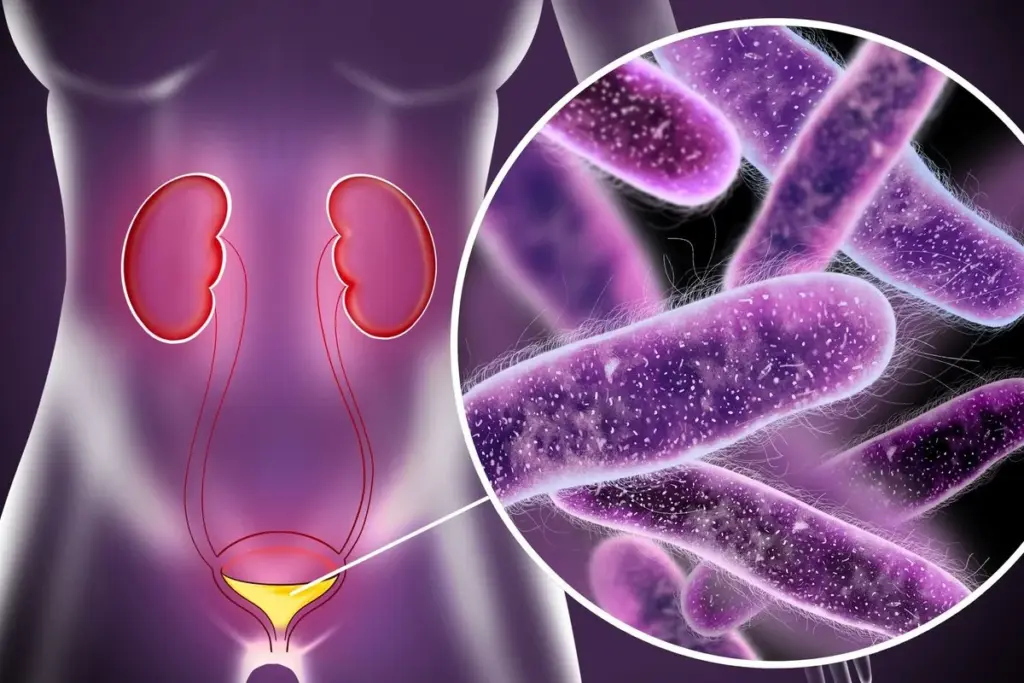
Many conditions and factors can cause acute urinary retention. Knowing these causes helps in diagnosing and treating the issue.
Obstructive Causes
Obstructions are a big reason for acute urinary retention. These can be due to benign prostatic hyperplasia (BPH), urethral strictures, or kidney stones. In men, an enlarged prostate can block the urethra, stopping urine flow.
Neurogenic Disorders
Neurogenic disorders affect the nerves that control the bladder. These include diabetes, multiple sclerosis, and spinal cord injuries. These conditions can mess up the bladder’s function, causing retention.
The nerves that control the bladder can get damaged. This makes it hard to empty the bladder.
Medications and Their Effects
Some medications can lead to acute urinary retention. These include anticholinergics, antidepressants, and alpha-blockers. These drugs are used for different health issues but can cause urinary retention as a side effect.
For example, anticholinergics can weaken bladder muscle contractions. This makes it harder to urinate. Accurate diagnosis, including the urinary retention icd10 code, is key for managing these cases.
In summary, acute urinary retention can be caused by many factors. These include obstructive conditions, neurogenic disorders, and certain medications. Understanding these causes is essential for proper diagnosis and treatment.
Symptoms of Acute Urinary Retention
It’s important to know the symptoms of acute urinary retention. This helps in managing and treating the condition. We will cover common and severe symptoms. This will help patients know when to see a doctor.
Common Symptoms to Watch For
Urinary retention can really affect your life. You might find it hard to start urinating, have a weak flow, or need to go often. These issues can make daily life tough.
Starting to urinate can be hard. Even when you feel the urge, it’s hard to start. You might also have a weak or interrupted flow. This makes it hard to empty your bladder fully.
- Straining to urinate
- Prolonged urination
- Feeling of incomplete bladder emptying
Severe Symptoms and Emergencies
Severe cases of acute urinary retention can be very uncomfortable. Symptoms include severe pain in the lower abdomen, not being able to urinate, and overflow incontinence.
Severe abdominal pain is a big warning sign. It means your bladder might be too full and could rupture. This is a serious issue that needs quick medical help.
Symptom | Description | Severity |
|---|---|---|
Difficulty starting urination | Struggling to initiate urination | Mild to Moderate |
Weak urine flow | Reduced flow of urine | Mild to Moderate |
Severe abdominal pain | Significant pain in the lower abdomen | Severe |
Inability to urinate | Complete inability to urinate | Severe |
Knowing these symptoms and their severity is key. It helps both patients and doctors catch acute urinary retention early. If you experience severe symptoms, get medical help right away.
Diagnosis of Acute Urinary Retention
Diagnosing acute urinary retention involves several steps. We look at the patient’s history, do a physical check, and use tests. It’s important to find the cause quickly to help manage it.
Medical History and Examination
We start by asking about symptoms and medical history. This helps us find the cause. For men, we also do a digital rectal exam to check the prostate and urinary system.
Diagnostic Tests Used
There are several tests to confirm the diagnosis and see how severe it is. These include:
- Urinalysis to check for infection or blood in the urine
- Ultrasound to measure post-void residual urine volume
- Urodynamic studies to assess bladder function
These tests give us important info about the urinary tract. They help us understand what urine retention means for patients.
Role of Imaging in Diagnosis
Imaging like ultrasound or CT scans is key in diagnosing urinary retention. They help find blockages, like kidney stones or tumors. To define retention of urine accurately, we often need imaging.
“Imaging is a critical tool in diagnosing urinary retention. It lets us see the urinary tract and find any blockages or issues.”
Treatment Options for Acute Urinary Retention
It’s important to know how to treat acute urinary retention. This helps manage the condition and avoid complications. We’ll look at the different ways to treat it.
Immediate Relief Techniques
Quick relief is key for those with acute urinary retention. The main method is catheterization. This involves putting a catheter in the bladder to remove urine.
There are two types of catheterization: intermittent and indwelling. The right choice depends on the patient’s needs and medical history.
Long-term Management Strategies
Once immediate relief is achieved, long-term strategies are needed. These help prevent the condition from coming back and address the root causes. This might include medications to relax muscles or treat underlying issues.
Changing your lifestyle is also important. This includes making dietary changes, managing fluids, and doing pelvic floor exercises.
Treatment Approach | Description | Benefits |
|---|---|---|
Catheterization | Draining urine from the bladder using a catheter | Immediate relief, effective for acute cases |
Medications | Using drugs to relax prostate or bladder muscles | Reduces symptoms, treats underlying conditions |
Lifestyle Changes | Dietary adjustments, fluid management, pelvic floor exercises | Prevents recurrence, improves overall urinary health |
Potential Complications of Acute Urinary Retention
It’s important to know the risks of acute urinary retention. If not treated, it can cause serious health problems. We’ll look at these risks and why you should see a doctor.
Kidney Damage Risks
Acute urinary retention can harm your kidneys. The urine buildup puts pressure on the urinary tract. This can hurt your kidney function over time.
The ICD10 code for urine retention is used to track this issue. It shows how serious it is for doctors to diagnose.
Bladder Dysfunction
Bladder problems can also happen from acute urinary retention. Long-term retention can damage the bladder muscles. This makes it hard for the bladder to empty properly.
Seeing a doctor quickly can stop these problems. Early treatment can prevent kidney and bladder issues. We talk about the definition of retention and its health effects. This helps people get the care they need to avoid long-term damage.
Preventive Measures for Acute Urinary Retention
To prevent acute urinary retention, we need to make lifestyle changes and get regular check-ups. Knowing the risks and taking action early can help a lot.
Lifestyle Modifications
Healthy choices are key to avoiding urinary retention. Keeping a healthy weight, drinking enough water, and avoiding constipation are important. A diet full of fiber can help prevent constipation, which is a risk factor.
- Eat a balanced diet with plenty of fruits, vegetables, and whole grains.
- Stay hydrated by drinking plenty of water throughout the day.
- Exercise regularly to maintain a healthy weight and improve overall health.
There are also specific foods that can help. Drinking more water can prevent urinary tract infections, which can lead to retention. The urinary retention icd10 code (R33.0 for acute urinary retention) is used to track this condition.
Regular Medical Checkups
Regular doctor visits are vital for preventing and managing urinary retention. Doctors can check your health, find risk factors, and give advice tailored to you.
Checkup Frequency | Recommended Actions |
|---|---|
Annual Checkup | Review medical history, assess overall health, and discuss any urinary issues. |
Bi-Annual Checkup | Monitor urinary health, check for signs of urinary retention, and adjust treatment plans as necessary. |
As Needed | Seek immediate medical attention if symptoms of acute urinary retention occur, such as inability to urinate or severe pain. |
By making lifestyle changes and getting regular check-ups, we can prevent urinary retention. It’s important to stay proactive about our health and work with doctors to manage risks.
Impact on Quality of Life
Understanding the impact of acute urinary retention on quality of life is key. This condition can greatly disrupt daily activities and overall well-being.
Physical Health Consequences
The physical health effects of acute urinary retention are significant. Prolonged inability to urinate can cause discomfort and pain. It may also lead to serious issues like urinary tract infections or kidney damage.
Often, immediate medical intervention, such as catheterization, is needed to relieve the retention. If not treated, it can cause long-term damage to the bladder and kidneys. The bladder muscle can become overstretched and weakened, making it hard to urinate normally even after the initial cause is addressed.
Psychological Effects
The psychological effects of acute urinary retention are also important. The sudden onset can be distressing and frightening, causing anxiety about future episodes. Patients may feel embarrassment or stigma about their condition, which can be hard to deal with.
The uncertainty of when another episode might happen can greatly reduce quality of life. It affects daily routines, social interactions, and mental health.
When to Seek Medical Attention
Acute urinary retention needs quick medical help. We’ll show you the signs that mean you should see a doctor right away. Knowing urinary retention meaning and its health effects is key to managing it well.
Signs That Require Immediate Care
If you notice any of these symptoms, get medical help fast:
- Painful urination or trouble peeing
- Blood in your urine
- Fever with urinary symptoms
- Can’t control when you pee
- Severe belly pain
These signs might mean a serious problem that needs quick doctor care. If you’re not sure about your symptoms, it’s safer to talk to a doctor.
Routine Screening Recommendations
People at risk for urinary retention should get checked regularly. See a urologist often, if you’ve had urinary problems before or are older. Early checks can catch issues early and stop them from getting worse.
To define retains in health terms, urinary retention is more than just a symptom. It’s a condition that can really affect your life. Regular tests can spot problems before they get bad.
Spotting and treating urinary retention early can make a big difference. By knowing when to get help and getting regular check-ups, you can keep your urinary system healthy.
The Role of Healthcare Professionals
A team of healthcare experts is key for treating acute urinary retention. They work together to give the best care. This team includes skilled urologists and other specialists.
Importance of Urologists
Urologists are vital in diagnosing and treating urinary retention. They handle urinary tract problems like blockages and nerve issues. They do tests, read results, and create treatment plans for each patient.
For example, they can find the cause of retention, like BPH, and treat it. Their knowledge is essential for complex cases and effective care.
Multidisciplinary Approach to Treatment
Managing acute urinary retention needs a team effort. This team includes urologists, primary care doctors, nurses, and physical therapists. Each member plays a part in patient care.
Healthcare Professional | Role in Managing Acute Urinary Retention |
|---|---|
Urologist | Diagnoses and treats urinary tract issues, performs surgical interventions when necessary. |
Primary Care Physician | Provides initial assessment, refers patients to specialists, and manages overall health. |
Nurse | Assists in patient care, educates patients on self-care practices, and monitors patient progress. |
Physical Therapist | Helps patients with pelvic floor dysfunction through targeted exercises and therapies. |
This team works together to give patients the care they need. The icd10 code for urine retention helps with billing and insurance. Knowing the urinary retention definition is key for proper care. It’s about not being able to fully empty the bladder, which can cause problems.
Conclusion and Summary of Key Points
It’s important to know about acute urinary retention to get help quickly. We’ve looked into what it is. It means you can’t fully empty your bladder, and it’s a serious issue that needs fast action.
Key Takeaways
There are many reasons why you might have acute urinary retention. It could be because of blockages, like an enlarged prostate, or because of nerve problems or certain medicines. Knowing the signs, like trouble starting to pee, a weak flow, and pain, is key to getting help.
Importance of Awareness
Knowing about acute urinary retention and how to manage it can stop serious problems. Like kidney damage or bladder issues. By understanding what it is and its risks, you can help keep your urinary system healthy.
We stress the need for regular doctor visits and a team effort in treatment. This includes urologists and other doctors. Together, we can offer the best care for those dealing with acute urinary retention.
FAQ
What is acute urinary retention?
Acute urinary retention is when you suddenly can’t empty your bladder. It’s painful and serious, needing quick medical help.
What are the common causes of acute urinary retention?
It can be caused by blockages like benign prostatic hyperplasia. Neurological problems and some medicines also play a role.
How is acute urinary retention diagnosed?
Doctors use a detailed medical history and physical check-up. They might also do ultrasound and urodynamic studies to find the cause.
What are the symptoms of acute urinary retention?
Symptoms include not being able to urinate and feeling a lot of pain. Severe cases might show bloody urine or stomach pain, needing urgent care.
How is acute urinary retention treated?
Treatment starts with catheterization for immediate relief. Long-term, it depends on the cause, which might include medication, lifestyle changes, or surgery.
Can acute urinary retention be prevented?
Yes, by making lifestyle changes and managing health conditions. Regular check-ups also help monitor bladder health.
What are the possible complications of untreated acute urinary retention?
Untreated can cause kidney damage, bladder problems, and increase UTI risk. It’s serious and needs attention.
When should I seek medical attention for urinary retention?
Seek help for sudden inability to urinate, severe pain, or other severe symptoms. Regular screenings are also key, for those at risk.
How does acute urinary retention affect quality of life?
It can greatly affect physical and mental health. It causes discomfort, anxiety, and disrupts daily life.
What is the role of healthcare professionals in managing acute urinary retention?
Doctors, mainly urologists, are key in diagnosing and treating it. A team approach is often needed for full care.
What is the ICD10 code for urinary retention?
The ICD10 code for acute urinary retention is R33.0. Other codes might apply based on the cause and situation.
How does urinary retention differ from nocturia?
Urinary retention is not being able to empty the bladder. Nocturia is needing to urinate a lot at night. They are different issues with different effects.
References
National Center for Biotechnology Information. Evidence-Based Medical Insight. Retrieved from https://pubmed.ncbi.nlm.nih.gov/33084902/