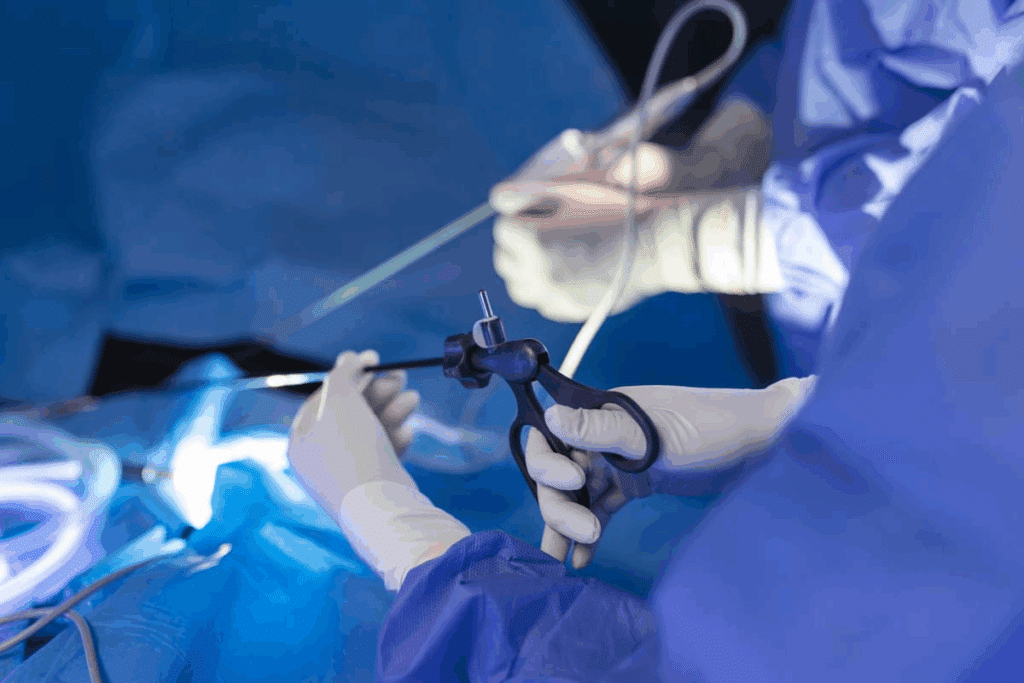
Nearly 1.5 million laparoscopic procedures are done every year in the United States. Many of these involve students who must return to school after their surgery.Plan the return to school after laparoscopy. Learn why most kids need 3-7 days off to manage pain and fatigue properly.
Laparoscopy is known for being less invasive. This means it usually leads to quicker recovery times than open surgery. But, how fast you recover can vary a lot. This depends on the type of surgery, your health, and how old you are.
It’s important for students to understand the recovery process. This helps them plan their recovery period well. We’ll explain what to expect during recovery and what affects how long it takes. This guide is for students and their families.
Key Takeaways
- Laparoscopy recovery times can vary based on individual health and procedure type.
- Understanding the recovery process is key to planning a successful return to academic activities.
- Factors such as age and overall health play a significant role in determining recovery time.
- A well-planned recovery strategy can help minimize the impact on schoolwork.
- Support from family and healthcare providers is important during the recovery period.
What is Laparoscopy?
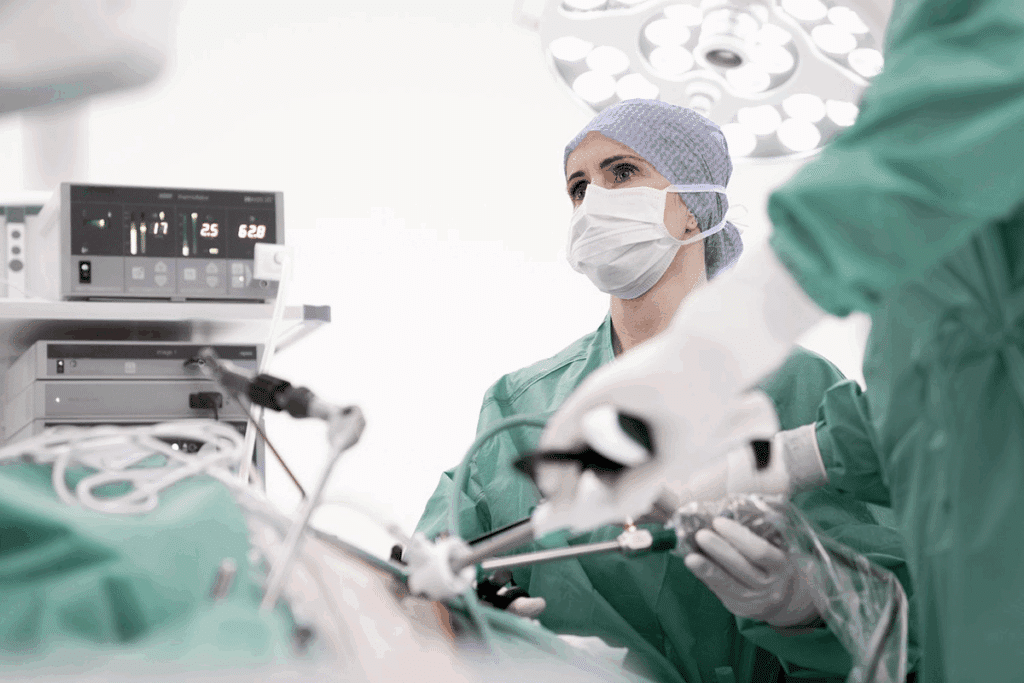
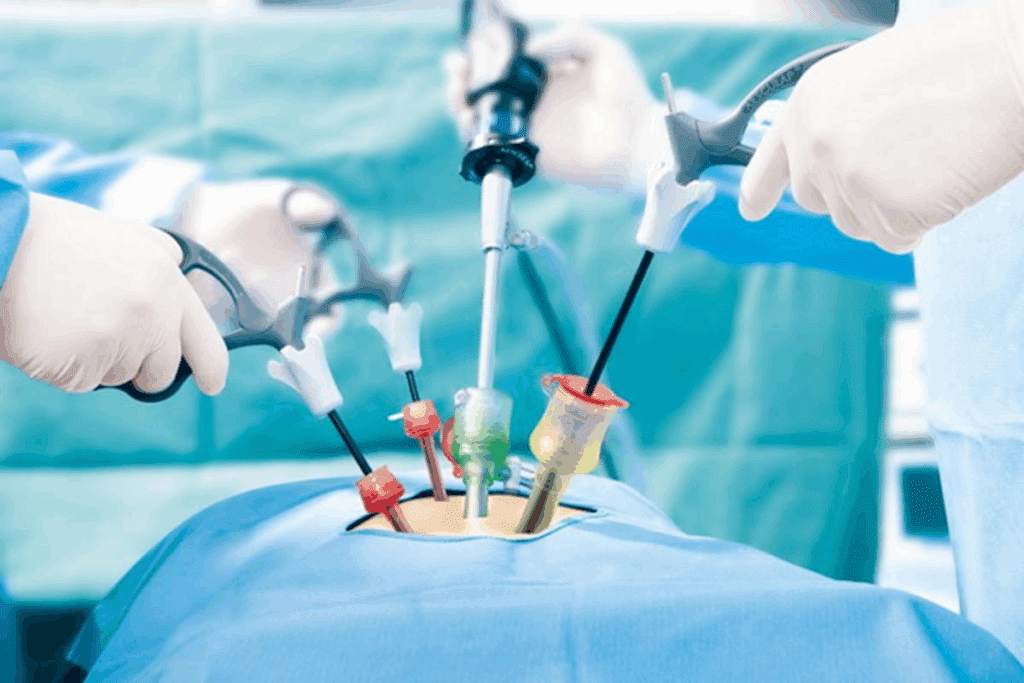
Laparoscopy is a new way to do surgery that’s less invasive than old methods. It uses small cuts in the body to insert a thin, lighted tube with a camera and tools. This method helps us see inside the body and treat many health issues.
Definition and Purpose
Laparoscopy lets us see inside the abdomen without big cuts. It helps us find and fix problems in the belly and pelvis. We use it to look at organs, take samples, and do surgeries.
Common Conditions Treated
Laparoscopy helps with endometriosis, ovarian cysts, and ectopic pregnancies. It’s also used for gallbladder removal, hernia repair, and some hysterectomies. Its flexibility makes it a key part of surgery today.
| Condition | Description | Treatment Approach |
| Endometriosis | A condition where tissue similar to the lining inside the uterus is found outside the uterus, causing pain and discomfort. | Laparoscopic surgery to remove endometrial lesions. |
| Ovarian Cysts | Fluid-filled sacs on the ovaries that can cause pain and complications if they rupture or twist. | Laparoscopic ovarian cystectomy to remove the cyst. |
| Ectopic Pregnancy | A pregnancy in which the fertilized egg implants outside the uterus, often requiring immediate medical attention. | Laparoscopic surgery to remove the ectopic pregnancy. |
Advantages Over Traditional Surgery
Laparoscopy has big benefits over old surgery methods. It uses smaller incisions, causes less pain, and leads to shorter recovery times. It’s safer and heals faster, with less scarring.
Choosing laparoscopy means patients can get back to school sooner. This is great for students who have to keep up with school while they heal.
Recovery Timeline After Laparoscopy
Knowing what to expect after laparoscopy can make going back to school easier. The time it takes to recover varies. It depends on your health, how complex the surgery was, and how well you follow your doctor’s advice.
Immediate Post-Operation Recovery
Right after surgery, you’ll rest for a few hours in the hospital or clinic. Medical staff will watch for any problems and help with pain. It’s important to have someone with you for at least 24 hours after you get home.
At first, you might feel very tired or confused because of the anesthesia. You might also feel pain in your belly, shoulder, or neck. This pain is usually managed with medicine your doctor prescribed.
Initial Days: What to Expect
In the first days, you might feel uncomfortable, tired, and possibly sick to your stomach. Resting is very important during this time. Try to do only what you really need to do.
- Slowly start doing more as you feel better.
- Avoid lifting heavy things, bending, or doing hard activities.
- Take your medicine as your doctor told you to.
A well-known surgeon, says,
“The key to a smooth recovery is not to rush back into normal activities too quickly. Patients should listen to their bodies and adjust their pace.”
Factors Affecting Recovery Time
Several things can affect how long it takes to recover. These include:
| Factor | Description | Impact on Recovery |
| Overall Health | Pre-existing health conditions | Can prolong or complicate recovery |
| Complexity of Procedure | Extent of the surgical intervention | More complex procedures may require longer recovery |
| Post-Operative Care | Adherence to post-surgery instructions | Proper care can expedite recovery |
Knowing about these factors and what to expect can help students and their families plan for going back to school. It makes the transition smoother and reduces the chance of problems.
Typical Symptoms After Laparoscopy
Knowing what symptoms to expect after laparoscopy is key for a smooth recovery. After a laparoscopy, patients may feel a variety of symptoms. These come from the surgery and how the body reacts to it.
Pain and Discomfort
Pain or discomfort at the surgical site is common after laparoscopy. The pain’s intensity can vary. Doctors usually prescribe pain medication to manage it.
“Pain after laparoscopy is generally a sign of the body’s healing process, but it should be monitored closely to avoid any complications.”
It’s important to take the pain medication as directed to control the pain.
Nausea and Fatigue
Nausea and fatigue are also common symptoms after laparoscopy. These can be due to the anesthesia. Nausea can be managed by eating small, frequent meals and staying hydrated. Fatigue means you need rest and should avoid hard activities.
It’s important to listen to your body and not rush back to normal too quickly.
Importance of Monitoring Symptoms
While these symptoms are usually temporary, it’s vital to monitor them closely. If pain gets worse, nausea doesn’t go away, or fatigue is too much, seek medical help. Regular check-ups with healthcare providers can catch any issues early. Monitoring symptoms is key to a successful return to school and daily life.
In summary, knowing the typical symptoms after laparoscopy and how to manage them is important. Understanding what to expect helps plan a smooth return to school.
Guidelines for Resuming Activities
Knowing when and how to start activities again after laparoscopy is key for a good recovery. Most people can get back to normal in a week or two. But, it’s important to follow certain rules for a safe and effective recovery.
When to Return to School
Deciding when to go back to school depends on how you’re feeling. Usually, people can go back in one to two weeks. But, this can change based on the surgery type and your health.
Before going back, think about a few things:
- Your pain and discomfort
- Your energy and focus
- Any advice from your doctor
Talking to your teachers or school staff can also help make the transition smoother.
Activities to Avoid
There are some activities you should avoid during recovery. These include:
| Activity | Reason to Avoid |
| Heavy lifting | Strains the abdominal muscles |
| Strenuous exercise | Increases the risk of bleeding or injury |
| Bending or twisting | Puts pressure on the abdominal area |
Listening to Your Body
Listening to your body is very important when recovering from laparoscopy. If you feel pain, discomfort, or tiredness, it’s a sign to slow down and rest.
“The key to a successful recovery is not to rush back into your normal activities too quickly. It’s better to err on the side of caution and take the time you need to heal properly.”
— Medical Expert
By listening to your body and following these guidelines, you can safely and effectively return to your normal activities, including school.
Communicating with School Authorities
Talking to school authorities is key for a smooth return to classes after laparoscopy. Letting them know about your health and needs can greatly improve your recovery.
Informing Teachers and Staff
Telling your teachers and school staff about your surgery is important. Share your recovery needs and any limits you face. It’s a good idea to meet with your teachers to plan for any help you might need.
Keeping your teachers in the loop helps them support you better. This lets you focus on getting better without stress.
Documentation Needed
You might need a doctor’s note for school accommodations. This note should explain your condition, recovery time, and any special needs.
Check with your school to see what they need and make sure you have the right papers.
Creating a Support Plan
Work with your school to make a plan just for you. This could mean flexible homework, changes to your class schedule, or breaks during the day.
Having a plan helps keep your schoolwork on track while you recover. It makes your return to school easier.
Every school is different, so the steps you take will vary. But, by talking openly with your school and being proactive, you can make a supportive environment. This helps your recovery and school success.
Tips for a Smooth Transition Back to School
Going back to school after laparoscopic surgery needs careful planning. You must think about many things that affect your recovery and happiness. It’s key to get ready for school in a way that helps you feel better.
Preparing Academically
Getting ready for school before you go back is very important. It helps you feel less stressed and makes the transition easier. Here are some helpful tips:
- Review and Catch Up: Look over your class notes and get up to date on any work you missed.
- Communicate with Teachers: Tell your teachers about your surgery. Talk about any help you might need or extra time on assignments.
- Organize Your Materials: Make sure you have everything you need for class. Set up your study area to help you work better.
Managing Pain and Discomfort
It’s important to handle pain and discomfort well when you go back to school. Here are some ways to do that:
- Follow Your Doctor’s Instructions: Stick to the pain management plan your doctor gave you.
- Take Regular Breaks: Rest and stretch often to help with pain and avoid getting too tired.
- Use Comfort Measures: Use comfy chairs, heating pads (if your doctor says it’s okay), or other things to help with pain.
Staying Hydrated and Nourished
Drinking enough water and eating well are key for getting better and staying healthy. Here are some tips to help you:
- Drink Plenty of Water: Try to drink at least eight glasses of water a day to stay hydrated.
- Eat Nutrient-Rich Foods: Eat foods that are good for you, like fruits, veggies, lean proteins, and whole grains.
- Avoid Heavy Meals: Eat smaller meals more often to make digestion easier and avoid feeling uncomfortable.
By following these tips, you can make going back to school after laparoscopy easier. This way, you can focus on getting better and doing well in school.
Specific Considerations for Different Age Groups
Different age groups face unique challenges when returning to school after laparoscopic surgery. The recovery process and the ability to resume academic activities can vary significantly. This depends on whether the individual is a child, adolescent, college student, or has special education needs.
Children and Adolescents
For younger individuals, it’s important to balance rest and recovery with schoolwork and social interactions. Parents and teachers should work together to create a supportive environment. This might include temporary adjustments to their school schedule or workload.
Children and adolescents may also need guidance on managing their energy levels and avoiding strenuous activities. Encouraging them to listen to their bodies and take regular breaks can help prevent overexertion.
College Students
College students often face additional challenges, such as managing their own schedules and balancing academic responsibilities. It’s essential for them to prioritize their recovery and not overcommit themselves too quickly. Communicating with professors and academic advisors can help in securing necessary accommodations, such as extensions on assignments or temporary leaves of absence.
College students should also be aware of the resources available to them. This includes counseling services or academic support, which can help mitigate the stress of returning to school after surgery.
Special Education Considerations
For students with special education needs, returning to school after a laparoscopy requires careful planning and coordination with educators. Developing an individualized support plan that addresses their specific needs is essential. This plan should be created in collaboration with healthcare providers, teachers, and parents to ensure a complete approach.
It’s also important to consider any impacts on their Individualized Education Program (IEP). Make adjustments as necessary to support their academic and physical recovery.
Recognizing Possible Complications
It’s important to know about possible complications after laparoscopy. This ensures your safety and helps you get back to school quickly. Laparoscopy is usually safe, but knowing about possible issues can help spot problems early.
When to Seek Medical Attention
Knowing when to get medical help after laparoscopy is key. If you have any of these symptoms, call your doctor right away:
- Severe pain that doesn’t go away with medicine
- Heavy bleeding or bleeding that won’t stop
- Fever over 100.4°F (38°C)
- Increasing redness or swelling around the incisions
- Drainage or pus from the incisions
Signs of Infection
Infection is a possible complication after laparoscopy. Spotting signs early can prevent serious problems. Look out for these signs of infection:
| Signs | Description |
| Increased redness or swelling | Around the incision sites, indicating a possible infection |
| Fever | A body temperature above 100.4°F (38°C) |
| Pus or discharge | Noticing drainage or pus from the incision sites |
| Increasing pain | Pain that gets worse over time, and is severe |
Other Red Flags
There are other complications to watch for, like:
- Bleeding complications: Heavy or persistent bleeding that doesn’t stop with pressure
- Respiratory issues: Trouble breathing or feeling short of breath
- Adverse reactions: Bad reactions to medicines or anesthesia used during the procedure
If you notice any of these symptoms, get medical help right away.
Incorporating Rest and Self-Care
Recovering from laparoscopy is more than just physical healing. It also means paying attention to rest and self-care as you go back to school. We know it’s tough to balance recovery with school demands. But with the right strategies, you can get through this period well.
Importance of Sleep
Sleep is key to recovery. It helps your body fix itself, build muscle, and boost your immune system. Aim for 7-9 hours of sleep each night to aid in your recovery. A consistent sleep schedule and a calm environment can help a lot.
Stress Management Techniques
Stress management is critical during recovery. Too much stress can slow down healing and harm your well-being. Deep breathing exercises, meditation, and gentle yoga can lower stress and help you relax. Adding these to your daily routine can greatly improve your recovery.
Making Time for Recovery
It’s important to give yourself time to recover without rushing back to school. Prioritize your health by taking breaks, doing things you enjoy, and not pushing too hard. This way, you’ll come back to school feeling refreshed and focused.
Talking to your healthcare provider and school about your recovery plan is a good idea. This ensures a smooth transition. By focusing on rest and self-care, you can improve your healing and get back to school successfully.
Encouraging a Positive Mindset
Recovering from laparoscopy and going back to school can be tough. But, having a positive mindset can really help. It’s not just about getting better physically. You also need to stay mentally strong.
Coping Strategies
It’s important to find ways to deal with stress and challenges when you return to school. Here are some tips:
- Goal Setting: Setting achievable goals helps you stay on track and keeps you motivated.
- Mindfulness and Relaxation: Mindfulness, meditation, or deep breathing can lower stress and boost your mood.
- Time Management: Organizing your time well helps you balance school work with recovery.
Using these strategies can help you overcome the hurdles of recovery and school life.
Building a Support Network
Having a strong support network is key for a smooth recovery and successful return to school. This network should include family, friends, teachers, and healthcare professionals.
| Support Source | Role | Benefits |
| Family and Friends | Emotional Support | Less stress, better mental health |
| Teachers and School Staff | Academic Accommodations | Flexible schedules, easier assignments |
| Healthcare Professionals | Medical Guidance | Right recovery, fewer complications |
Building and using this support network can greatly improve your recovery and school success.
Conclusion: Your Path to Recovery
Going back to school after laparoscopy needs careful planning and patience. We’ve covered the key points to think about. This includes understanding laparoscopy, knowing the recovery time, and managing symptoms.
Key Takeaways for a Smooth Recovery
It’s important to follow the rules for getting back to activities. Also, talk clearly with school officials and make time for rest and self-care. This way, you can smoothly get back to school after laparoscopy.
Empowering a Full Recovery
Stay true to your recovery plan and use coping strategies. Building a support network helps you face any hurdles. With the right mindset, you can get back to school and your studies.
Understanding the recovery process and taking action helps you fully recover. We’re here to support you all the way.
FAQ
How long does it take to recover from a laparoscopy?
Recovery time after a laparoscopy varies. It depends on the person and the surgery type. Most people can get back to normal in a few days to a week.
When can I return to school after a laparoscopy?
Going back to school after a laparoscopy depends on your recovery. It also depends on your schoolwork. Usually, students can go back in a few days to a week. Always listen to your doctor’s advice.
What are the common symptoms after a laparoscopy?
Symptoms after a laparoscopy include pain, discomfort, nausea, and fatigue. These symptoms are usually mild and short-lived. But, it’s important to watch them and get medical help if they get worse or last too long.
How can I manage pain and discomfort after a laparoscopy?
Managing pain and discomfort involves following your doctor’s pain medication advice. Rest and relaxation also help. Eating well and staying hydrated is beneficial too.
What activities should I avoid after a laparoscopy?
Avoid strenuous activities, heavy lifting, and bending for a few days to a week. Don’t drive until you’re off pain meds and feel safe driving.
How can I prepare academically for returning to school after a laparoscopy?
Stay on top of your schoolwork before surgery. Keep up with assignments and notes. Talk to teachers about any needed accommodations when you return.
What should I discuss with my school authorities after a laparoscopy?
Inform your teachers and school staff about your surgery. Provide any medical documents needed. Discuss any support or accommodations you might need.
Are there any specific considerations for different age groups returning to school after a laparoscopy?
Yes, age groups have different needs. Children and teens might need more support. College students might need to adjust their course load or schedule.
What are the signs of potentially complications after a laparoscopy?
Look out for severe pain, heavy bleeding, fever, and signs of infection. If you see these, get medical help right away.
How can I maintain a positive mindset during recovery?
Focus on your progress and use stress management techniques. Build a support network of family, friends, and healthcare professionals.
What is the importance of rest and self-care during laparoscopy recovery?
Rest and self-care are key for healing. Get enough sleep, eat well, and do things that reduce stress.
Can I attend school after laparoscopic surgery?
Yes, you can go to school after surgery. Just make sure to follow your doctor’s advice and take care of yourself.
How long is the laparoscopy recovery period?
Recovery time varies, but most people can get back to normal in a few days to a week.
What are the benefits of laparoscopy over traditional open surgery?
Laparoscopy offers smaller incisions, less pain, and quicker recovery. It’s a preferred choice for many patients.
References
National Institutes of Health. Evidence-Based Medical Insight. Retrieved from https://www.niddk.nih.gov/health-information/liver-disease/ruptured-gallbladder