
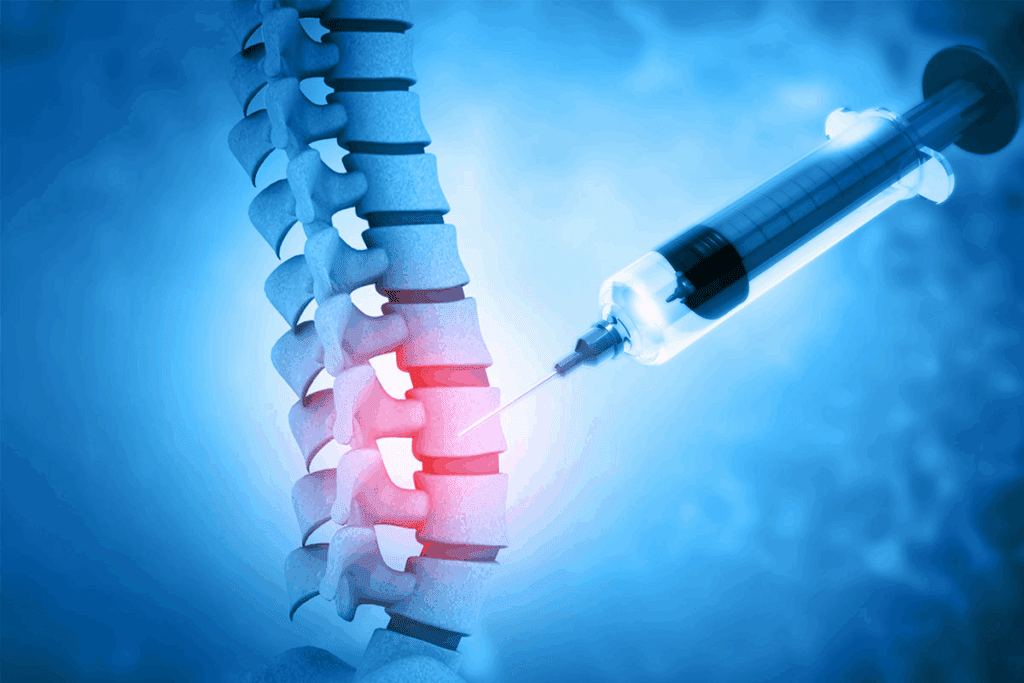
If you’re thinking about radiofrequency ablation for back pain, knowing about the recovery process is key. At Liv Hospital, we focus on keeping patients safe and getting good results from every RFA back procedure. Radiofrequency ablation is a small procedure that helps by blocking pain signals. What isRFA recovery really like? Learn 7 critical facts about the recovery process for radiofrequency ablation of the back.
Many patients worry about recovery. Usually, RFA recovery means a bit of soreness and swelling for a day or two. Our team is here to help you through it, making sure your recovery is easy and effective.
Key Takeaways
- Radiofrequency ablation is a minimally invasive procedure for chronic pain relief.
- RFA recovery typically involves mild soreness and swelling.
- Symptoms usually resolve within 1-2 days.
- Liv Hospital prioritizes patient safety and reliable outcomes.
- Understanding the recovery timeline is important for patients.
What is Radiofrequency Ablation and How Does it Work?

Radiofrequency ablation (RFA) is a new way to treat chronic back pain. It’s getting a lot of attention. We use RFA to target nerves that carry pain signals.
RFA is a small procedure that uses radio waves to heat and kill nerves. This helps people with chronic back pain. It’s good for treating facet joint arthritis and sacroiliac joint pain.
The Science Behind RFA Technology
RFA uses radio waves to heat up nerves. This heat stops the nerves from sending pain signals to the brain. The procedure involves a needle electrode near the nerve, guided by images.
This technology is precise. It targets the right nerves without harming other tissues. It’s a good choice for those who want pain relief without big surgery.
Common Back Conditions Treated with RFA
RFA helps with facet joint arthritis and sacroiliac joint pain. These problems cause long-term pain in the lower back. They can really affect a person’s life.
| Condition | Description | RFA Treatment Effectiveness |
| Facet Joint Arthritis | Inflammation and degeneration of the facet joints in the spine. | High success rate in reducing pain |
| Sacroiliac Joint Pain | Pain originating from the sacroiliac joints, often due to inflammation or degeneration. | Effective in managing chronic pain |
| Lumbar Facet Syndrome | Pain caused by the facet joints in the lumbar region. | Significant pain relief reported |
Knowing how RFA works and what it treats helps patients make better choices. Our team offers full care and support. We help from the first visit to after the treatment.
The RFA Recovery Process: What to Expect

Knowing what to expect after Radiofrequency Ablation (RFA) helps patients prepare. They can manage their expectations and heal smoothly. Most patients feel better in a few days, with some soreness and swelling.
Immediate Post-Procedure Effects
Right after RFA, patients might feel sore at the treated spot. This soreness is usually mild and short-lived. It’s best to rest the rest of the day after the procedure.
Some might feel numbness or tingling where the treatment was done. But these feelings usually go away in a few hours.
When Full Pain Relief Typically Begins
Full pain relief from RFA can take 1-3 weeks. This is because the nerves need time to break down after the treatment. We tell patients to be patient and wait until this time has passed to see results.
Patients can usually go back to their normal activities in 24-48 hours. But, they should avoid hard activities for longer.
Following the post-procedure instructions is key for a good recovery and pain relief. This way, patients can get the most out of RFA and enjoy lasting relief from back pain.
Step-by-Step Guide to the RFA Back Procedure
Understanding the RFA back procedure is key for those with chronic back pain. It uses radiofrequency energy to destroy nerve fibers. This helps relieve chronic pain for many patients.
Pre-Procedure Preparation
Before the RFA back procedure, patients need to get ready. They must have a medical check to see if they’re a good candidate. It’s important to tell your doctor about any medications, like blood thinners. Also, make sure someone can drive you home because you might be sleepy after the treatment.
- Stop taking blood thinners as advised by your doctor
- Discuss any allergies or medical conditions with your healthcare provider
- Follow any specific fasting instructions provided
The Lumbar Radiofrequency Ablation Procedure
The procedure is done in a clean place, like an operating room. The patient lies on their stomach or at an angle to reach the lower back. The area is cleaned and numbed with a local anesthetic.
To start, a special needle is placed near the nerve under X-ray. Then, a radiofrequency electrode is put through the needle. The nerve is heated, which destroys it. This can give up to 70 percent pain relief for chronic back pain.
Comparing Different Types of Spinal RFA Treatments
Spinal RFA treatments offer several options for managing chronic back pain. These include lumbar and cervical radiofrequency ablation. Each treatment can be tailored to address specific conditions in different parts of the spine. It’s important for patients and healthcare providers to understand the differences.
Lumbar Radiofrequency Ablation Specifics
Lumbar radiofrequency ablation targets nerves in the lower back. It helps treat chronic pain caused by facet joint arthritis or degeneration. This procedure is very helpful for those with lower back pain.
The specifics of lumbar RFA include:
- Targeting the medial branch nerves that supply the facet joints in the lumbar region.
- Using fluoroscopic guidance to ensure accurate placement of the RFA electrode.
- Creating a lesion on the nerve to disrupt pain signal transmission.
Lumbar RFA has been shown to provide significant pain relief for many patients. But results can vary based on the condition’s severity and the patient’s health.
Cervical Neck Ablation Recovery
Cervical neck ablation treats neck pain from the cervical facet joints. Recovery from cervical RFA is usually quick. Most patients can go back to normal activities within a few days.
Key aspects of cervical neck ablation recovery include:
- Possible soreness or stiffness at the procedure site, typically managed with over-the-counter pain medications.
- Avoiding heavy lifting or bending for a short period post-procedure.
- Gradually returning to normal activities as comfort allows.
| Characteristics | Lumbar RFA | Cervical RFA |
| Target Area | Lower back (Lumbar region) | Neck (Cervical region) |
| Primary Use | Chronic lower back pain | Chronic neck pain |
| Recovery Time | Typically a few days to a week | Generally a few days |
| Common Side Effects | Soreness at the electrode site | Neck stiffness, soreness |
In conclusion, both lumbar and cervical radiofrequency ablation are effective treatments for chronic pain. Knowing the specifics of each procedure and recovery can help patients make informed decisions about their care.
Understanding RFA Recovery: Timeline and Milestones
Recovering from Radiofrequency Ablation (RFA) is different for everyone. Knowing the general timeline helps manage expectations. The recovery period is key for the best results from the procedure.
Short-Term Recovery (First Week)
In the first week after RFA, some discomfort, soreness, or numbness at the treatment site is common. This is part of the back ablation recovery time and usually goes away as the body heals. It’s important to follow a gentle recovery plan, avoiding hard activities and heavy lifting.
During this time, some patients might feel a temporary increase in pain, known as a “flare-up.” But this usually goes away in a few days. It’s key to manage pain well during this phase for a smooth rfa recovery process.
Long-Term Recovery (1-3 Months)
As we enter the long-term recovery phase, most patients see big improvements in their symptoms. Maximum pain relief from an RFA back procedure often comes in 2-3 weeks. But it can take up to three months to see the full benefits. This time is important for the nerve ablation recovery time, as nerves heal and adjust.
During this time, patients can slowly go back to their usual activities, including exercise. It’s vital to keep up with healthcare visits to check on progress and address any issues that come up during recovery.
Knowing the rfa recovery timeline helps patients set realistic goals and make informed choices about their treatment. By understanding what to expect in the short and long term, people can better handle the recovery process and get the best results from their RFA treatment.
Nerve Ablation Recovery Time: Factors That Affect Healing
Nerve ablation recovery time depends on many factors. These include biological and lifestyle elements. Knowing these can help patients plan better and make smart choices about their treatment.
Biological Factors in Nerve Regeneration
Biological factors greatly affect nerve ablation recovery time. Nerve regeneration is different for everyone. Age, health, and other medical conditions can change how fast you recover.
Younger people usually heal faster because their bodies can regenerate cells better. The severity of nerve damage also matters. Those with more damage might need more time to recover. Plus, how well your body can regenerate nerves can affect how soon you feel better.
Lifestyle Factors That Impact Recovery
Lifestyle choices also play a big role in nerve ablation recovery. Diet and nutrition are key for healing. Eating well can help, while bad eating habits can slow recovery.
Other lifestyle factors like physical activity levels, stress management, and following care instructions are important too. Staying active, managing stress, and following doctor’s advice can help you recover faster and better.
Understanding both biological and lifestyle factors can help patients prepare for recovery. This way, they can get the best results from their treatment.
RFA Injections vs. Other Back Pain Treatments
RFA injections are a new way to treat chronic back pain. They offer a choice other than traditional methods. It’s important to know how they compare to steroid injections and surgery.
Comparing Ablation Injections to Steroid Injections
Steroid injections are used to reduce inflammation in the spine. But, their effects don’t last long, and you might need more injections. RFA injections, on the other hand, destroy the nerves that send pain signals. This can give longer-lasting relief, as shown in a study by theNational Center for Biotechnology Information.
Choosing between the two depends on how long the pain relief lasts and possible side effects. Steroid injections might give quick relief but it fades over time. RFA injections, being more lasting, can help for up to a year or more.
| Treatment | Duration of Relief | Potential Side Effects |
| Steroid Injections | Temporary (weeks to months) | Infection, nerve damage, increased blood sugar |
| RFA Injections | Longer-lasting (up to a year or more) | Nerve damage, infection, temporary discomfort at the injection site |
RFA as an Alternative to Surgery
For many, surgery is a last choice for back pain. But, RFA injections can be a good alternative. They can avoid the risks and recovery time of surgery. Research shows RFA can help up to 70% of patients.
Choosing RFA over surgery depends on several things. These include the cause of pain, your health, and what treatments you’ve tried before. Talking to a healthcare provider can help you decide what’s best for you.
Success Rates and Effectiveness of Radiofrequency Ablation of Back
RFA is a minimally invasive procedure that has become popular for its ability to provide significant pain relief. It is used to treat chronic back pain, mainly for those who have not seen results from other treatments.
The success of RFA in treating back pain varies based on several factors. These include the type of back pain and the patient’s overall health. Studies have shown that RFA can be effective for certain types of back pain, improving many people’s quality of life.
Statistical Outcomes for Different Back Conditions
Research on RFA for back pain has shown promising results. For example, a study on lumbar RFA found that about 60-80% of patients experienced significant pain relief for up to a year or more.
- Lumbar facet joint pain: Studies have reported success rates ranging from 60% to 80%.
- Cervical facet joint pain: RFA has shown effectiveness in reducing pain in a significant proportion of patients.
- Sacroiliac joint pain: Emerging evidence suggests RFA can provide substantial relief for this condition.
Patient Selection for Optimal Results
Choosing the right patients is key for the best results with RFA. Ideal candidates typically have:
- Chronic back pain that has not responded to conservative treatments.
- A confirmed diagnosis of a condition known to respond well to RFA, such as facet joint syndrome.
- No significant psychological or psychiatric comorbidities that could impact pain perception.
By carefully selecting patients and understanding the statistical outcomes for different back conditions, healthcare providers can offer RFA as a viable treatment option for those suffering from chronic back pain.
Conclusion: Making Informed Decisions About RFA for Chronic Back Pain
Learning about RFA recovery and the procedure helps patients make smart choices. Radiofrequency ablation (RFA) is a small procedure that can greatly reduce chronic back pain.
We’ve looked at the RFA recovery process and the steps of the RFA back procedure. We also discussed the different spinal RFA treatments, like the lumbar radiofrequency ablation procedure. Knowing the recovery timeline helps patients understand their treatment better.
Factors like biology and lifestyle affect healing and nerve growth. RFA injections are a good option compared to other treatments like steroid injections and surgery. RFA has a high success rate and can help with many back conditions.
With the right information, patients can make informed choices about their care. This can lead to a pain-free life. We suggest talking to a healthcare provider to see if RFA is right for you.
FAQ
What is the typical recovery time for Radiofrequency Ablation (RFA) of the back?
Recovery from RFA of the back varies. Most people can get back to normal in a few days to a week. But, it might take weeks or months to feel the full pain relief.
What are the immediate post-procedure effects after RFA?
Right after RFA, you might feel soreness, numbness, or discomfort where the procedure was done. These feelings are usually short-lived. You can manage them with over-the-counter pain meds.
How does RFA compare to steroid injections for back pain relief?
RFA and steroid injections both help with back pain but in different ways. Steroid injections give temporary relief by reducing inflammation. RFA, on the other hand, can offer longer-lasting pain relief by destroying the nerves that send pain signals.
Can I undergo RFA if I have had previous back surgery?
Having had back surgery before doesn’t mean you can’t have RFA. But, it depends on several factors like the type of surgery and your current back condition. We look at each case carefully.
What are the possible risks or complications with RFA?
Like any medical procedure, RFA has risks like infection, nerve damage, and temporary discomfort. But, these risks are low when done by experienced professionals.
How long does the pain relief from RFA typically last?
Pain relief from RFA varies. On average, people get relief for 6 to 12 months or more. It depends on the condition treated and individual factors.
Are there any specific activities I should avoid after RFA?
After RFA, avoid heavy lifting, bending, or strenuous activities for a few days to a week. Your healthcare provider will give you specific instructions based on your condition and the procedure.
Can RFA be repeated if the pain returns?
Yes, RFA can be repeated if pain comes back. The procedure can be safely repeated as needed, depending on your condition and how you responded to the first treatment.
How does cervical neck ablation recovery compare to lumbar RFA recovery?
Recovery from cervical neck ablation and lumbar RFA is similar but can differ. Both procedures have similar recovery times. But, discomfort and side effects can vary based on the location and individual factors.
What factors can influence the success of RFA for back pain?
Several factors can affect RFA’s success for back pain. These include the accuracy of the diagnosis, the practitioner’s skill, and your overall health. Choosing the right patient is key for the best results.
References
Bamias, A., et al. (2017). Current clinical practice guidelines for the treatment of renal cell carcinoma: A systematic review. Cancer Treatment Reviews, 53, 107-116. https://www.ncbi.nlm.nih.gov/pmc/articles/PMC5469586/