
Cardiac arrest happens when the heart’s electrical system fails. It’s a sudden loss of heart function. Knowing about arrhythmia, or an irregular heartbeat, is key to keeping the heart healthy.
What ruins your heart rhythm? Discover the shocking causes behind arrhythmias, from genetics to lifestyle, and learn how to fix them fast.
Cardiac arrhythmia is serious and can be deadly if not treated right. We’re diving into what arrhythmia is, how common it is, and why knowing its causes matters. Our goal is to give you a clear, easy-to-understand guide for our global audience looking for top-notch medical care and support.
Key Takeaways
- Arrhythmia is a condition that affects the heart’s electrical system.
- Understanding arrhythmia is key to keeping the heart healthy.
- Cardiac arrhythmia can be life-threatening if not managed well.
- Knowing the signs of arrhythmia is vital for early detection.
- Many factors can lead to arrhythmia.
The Normal Heart Rhythm and How It Works
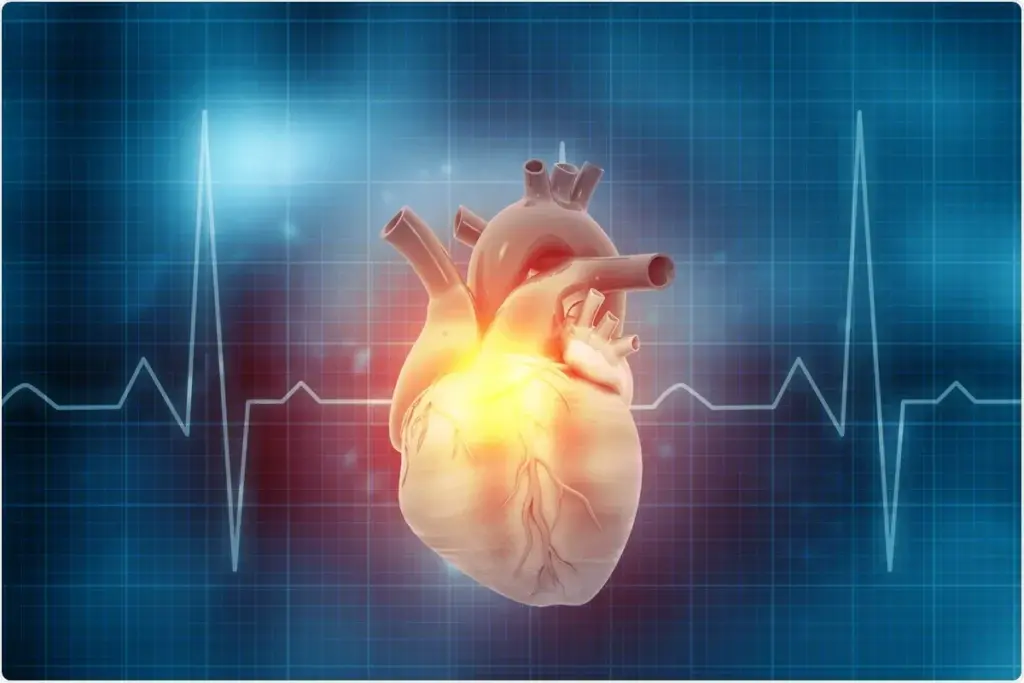
A normal heartbeat comes from a complex electrical system. This system is key for a regular heart rhythm, or sinus rhythm. It makes sure the heart beats well and in sync.
The Heart’s Electrical Conduction System
The heart’s electrical system starts with the sinoatrial (SA) node in the right atrium. This small group of cells is the heart’s natural pacemaker. It sends out electrical impulses that make the heart contract.
These impulses go through the atrioventricular (AV) node, which delays them. This delay lets the atria fully contract before the ventricles do.
The signal then moves through the Bundle of His, a group of special fibers. It divides into the left and right bundle branches, then into Purkinje fibers. These fibers spread the impulse to the ventricles, making them contract and pump blood.
What Creates a Healthy Sinus Rhythm
A healthy sinus rhythm has a consistent heartbeat, usually between 60 to 100 beats per minute at rest. It depends on the SA node and the electrical system working right. A balanced autonomic nervous system, the right electrolyte levels, and no heart problems also help.
When the heart’s electrical system works well, it beats regularly and efficiently. This ensures blood is pumped effectively to meet the body’s needs. Knowing how this system works helps us understand arrhythmias and how to treat them.
Defining Arrhythmia: When Normal Rhythm Becomes Irregular
An irregular heartbeat, or arrhythmia, happens when the heart’s electrical signals go awry. This can make the heart beat too fast, too slow, or irregularly. Arrhythmias can affect anyone, at any age, and in any health condition.
Types of Heart Rhythm Disorders
Arrhythmias fall into several categories based on their cause and nature. The most common ones are:
- Atrial Fibrillation (AFib): A rapid and irregular heartbeat that occurs when the upper chambers of the heart beat too quickly.
- Ventricular Tachycardia (V-tach): A fast heartbeat that originates in the lower chambers of the heart.
- Supraventricular Tachycardia (SVT): A rapid heartbeat that occurs when the upper chambers of the heart beat too quickly.
|
Type of Arrhythmia |
Description |
Symptoms |
|---|---|---|
|
Atrial Fibrillation |
Rapid and irregular heartbeat |
Palpitations, shortness of breath |
|
Ventricular Tachycardia |
Fast heartbeat originating in lower chambers |
Dizziness, chest pain |
|
Supraventricular Tachycardia |
Rapid heartbeat originating in upper chambers |
Palpitations, lightheadedness |
How Arrhythmias Affect the Body
Arrhythmias can impact the body in various ways, depending on their type and severity. Symptoms include palpitations, shortness of breath, dizziness, and chest pain. In severe cases, they can lead to serious issues like stroke or heart failure.
It’s important to understand the different types of arrhythmias and their effects. Recognizing symptoms and knowing the causes helps healthcare professionals create effective treatment plans. This approach improves patient outcomes and manages arrhythmias better.
Coronary Artery Disease: The Leading Cause of Arrhythmia
Coronary artery disease is a big reason for arrhythmias. It affects the heart’s electrical signals. The disease narrows or blocks the coronary arteries due to plaque buildup.
Disruption of Electrical Signals
Blocked arteries mess with the heart’s electrical signals. When arteries are narrowed or blocked, the heart muscle doesn’t get enough oxygen and nutrients. This makes the heart muscle ischemic.
Ischemia changes the heart’s electrical properties, leading to irregular heartbeats or arrhythmias. The disrupted areas can become electrically unstable, causing arrhythmias.
Ischemia is key in arrhythmia development. Not enough blood to the heart muscle can cause arrhythmias, from mild to severe. Managing coronary artery disease is vital to prevent arrhythmias.
The Connection Between Ischemia and Irregular Heartbeat
Ischemia and arrhythmia are closely linked. Ischemia can alter the heart’s electrical system, causing irregular rhythms. This can happen during heart attacks or chronic ischemia.
The irregular heartbeat can be the heart’s way to cope with reduced blood flow or a direct effect of ischemia on the electrical system.
It’s important to understand this link to manage coronary artery disease. Early intervention can prevent arrhythmias. Managing ischemia through medical therapy or lifestyle changes can reduce arrhythmia risk.
Statistics on CAD-Related Arrhythmias
Coronary artery disease is a major risk factor for arrhythmias. For example, atrial fibrillation is more common in those with CAD. CAD increases the risk and complicates managing arrhythmias.
A lot of patients with coronary artery disease will get arrhythmias. This highlights the need for care that addresses CAD and its complications, like arrhythmias.
Heart Attack and Myocardial Scarring as Arrhythmia Triggers
Myocardial infarction, or a heart attack, is a big reason for arrhythmias. It can change the heart’s structure and function. This can mess up its electrical system.
Acute Electrical Disruption During Heart Attacks
A heart attack can cause sudden electrical problems. This is because the heart muscle doesn’t get enough blood. This can lead to arrhythmias, some of which are very serious.
Key factors contributing to acute electrical disruption include:
- Ischemia-induced changes in ion channel function
- Release of intracellular components due to cell damage
- Inflammatory responses to myocardial injury
How Scar Tissue Creates Arrhythmogenic Substrates
After a heart attack, scar tissue forms in the heart. This scar tissue can lead to arrhythmias. It messes up the heart’s electrical signals.
Scar tissue can cause the heart to beat irregularly. The size, location, and type of scar tissue affect the risk of arrhythmia.
Post-Heart Attack Arrhythmia Risk Assessment
It’s important to check for arrhythmia risk after a heart attack. Doctors look at how much damage the heart took, if there’s heart failure, and if there’s electrical problems.
|
Risk Factor |
Description |
Impact on Arrhythmia Risk |
|---|---|---|
|
Extent of Myocardial Damage |
Size and location of the infarcted area |
Larger infarcts increase arrhythmia risk |
|
Presence of Heart Failure |
Reduced ejection fraction and symptoms of heart failure |
Increases risk of arrhythmias, particular ventricular arrhythmias |
|
Electrical Instability |
Evidence of arrhythmias during or after the heart attack |
Higher risk of recurrent or sustained arrhythmias |
Doctors use these factors to find out who’s at risk for arrhythmias after a heart attack. They then work to lower these risks.
Hypertension’s Impact on Heart Rhythm Disturbances
High blood pressure can lead to changes in the heart’s electrical system. This increases the risk of irregular heartbeats. We will look at how hypertension affects heart rhythm and how to prevent arrhythmias.
Mechanisms of Hypertension-Induced Electrical Remodeling
Hypertension makes the heart work harder, changing its structure and function. This can lead to electrical remodeling, where the heart’s electrical pathways change. This can cause arrhythmias.
The heart muscle thickens, known as hypertrophy, disrupting electrical signals. Hypertension also causes scarring in the heart, adding to electrical disturbances.
Blood Pressure Management for Arrhythmia Prevention
Managing hypertension is key to preventing arrhythmias. Blood pressure management includes lifestyle changes and, if needed, medication. Controlling blood pressure reduces the risk of arrhythmias.
Lifestyle changes include a healthy diet, regular exercise, stress management, and avoiding alcohol and tobacco. If needed, medications can help control blood pressure and lower arrhythmia risk.
- Monitoring blood pressure regularly
- Adopting a heart-healthy diet
- Engaging in regular physical activity
- Managing stress through relaxation techniques
Structural Heart Abnormalities That Cause Rhythm Problems
The heart’s structure is key to keeping a regular beat. Abnormalities can disrupt this, causing irregular heartbeats.
Congenital Heart Defects and Arrhythmia Risk
Congenital heart defects are present at birth. They can affect the heart’s walls, valves, or blood vessels. This can lead to irregular heartbeats.
People with complex congenital heart defects face a higher risk of arrhythmias. These can range from simple palpitations to serious conditions.
Common defects include atrial septal defects and ventricular septal defects. Tetralogy of Fallot is another. Surgery can sometimes cause arrhythmias later on, so monitoring is key.
Valve Disorders Affecting Cardiac Conduction
Valve disorders can also cause arrhythmias. Diseased or dysfunctional valves strain the heart, disrupting its electrical activity. Mitral valve prolapse is a condition where the valve doesn’t close right, linked to arrhythmias.
Severe valve disorders like aortic stenosis increase arrhythmia risk. Treatment, whether through medication or surgery, is vital.
Cardiomyopathy and Heart Chamber Enlargement
Cardiomyopathy affects the heart muscle, causing it to become enlarged or rigid. This can lead to heart failure and arrhythmias. Different types of cardiomyopathy affect the heart’s electrical system in various ways.
Cardiomyopathy can stretch and disrupt the heart’s electrical pathways. Managing it through lifestyle changes, medications, and devices is essential.
Lifestyle Factors Disrupting Normal Heart Rhythm
Our daily habits and lifestyle choices can greatly affect our heart’s rhythm. This can lead to arrhythmias. Many factors impact heart health, but some lifestyle choices directly affect the heart’s electrical system.
Stimulants: Caffeine, Alcohol, and Nicotine
Stimulants can make the heart beat faster and change its rhythm. Common ones are caffeine, alcohol, and nicotine.
- Caffeine: Found in coffee, tea, and some energy drinks, caffeine can stimulate the heart. This can lead to arrhythmias in some people.
- Alcohol: Drinking too much can affect heart rhythm, mainly in those with heart conditions.
- Nicotine: A stimulant in tobacco, nicotine can increase heart rate. This can cause arrhythmias.
Stress, Anxiety, and Emotional Triggers
Stress and anxiety can harm heart health. Emotional stress can trigger heart rhythm changes.
|
Stress Factor |
Impact on Heart Rhythm |
|---|---|
|
Acute Stress |
Can trigger immediate changes in heart rate and rhythm |
|
Chronic Stress |
May lead to long-term changes in heart rhythm and increased risk of arrhythmias |
|
Anxiety Disorders |
Can contribute to ongoing stress and heart rhythm disturbances |
Sleep Apnea and Other Sleep Disorders
Sleep disorders, like sleep apnea, can harm heart health. Sleep apnea causes breathing pauses during sleep, affecting heart rhythm.
Sleep apnea is when breathing stops and starts during sleep. This can cause arrhythmias because of the heart’s lack of oxygen.
Other sleep disorders can also harm the heart. It’s key to address sleep issues to keep a healthy heart rhythm.
Electrolyte Imbalances: Silent Arrhythmia Triggers
The balance of electrolytes in our body is key to a normal heart rhythm. Electrolytes are charged minerals that help our body work right, including the heart. If these electrolytes get out of balance, it can cause arrhythmias.
Critical Electrolytes for Heart Rhythm
Some electrolytes are more important for a healthy heart rhythm. These are:
- Potassium: Helps control the heart’s electrical activity.
- Magnesium: Important for the heart muscle to work right.
- Calcium: Needed for the heart muscle to contract and relax.
An imbalance in any of these can mess up the heart’s rhythm. For example, too little potassium (hypokalemia) can cause irregular heartbeats. Too much potassium (hyperkalemia) can lead to serious arrhythmias.
Medical Conditions Causing Electrolyte Disturbances
Many medical conditions can cause electrolyte imbalances. These include:
- Kidney Disease: The kidneys help keep electrolytes balanced. Kidney disease can upset this balance.
- Hormonal Imbalances: Hormonal issues, like thyroid problems, can affect electrolyte levels.
- Gastrointestinal Disorders: Issues like diarrhea or vomiting can cause big electrolyte losses.
It’s important to understand and manage these conditions to prevent electrolyte imbalances and arrhythmias. Keeping electrolytes in balance helps keep the heart healthy and reduces the risk of arrhythmias.
Age-Related Changes in Heart Rhythm Function
Aging can affect the heart’s electrical system. As we get older, our heart’s rhythm can change. These changes raise the risk of arrhythmias, more so in older adults.
Natural Aging of the Cardiac Conduction System
The heart’s electrical system controls our heartbeat. With age, this system changes. The number of pacemaker cells in the sinoatrial node goes down. There’s also more fibrotic tissue in the heart’s electrical paths.
Key age-related changes include:
- Reduction in pacemaker cells
- Increased fibrosis in the electrical conduction system
- Changes in the heart’s structure, such as increased left atrial size
Why Atrial Fibrillation Increases with Age
Atrial fibrillation (AFib) is a common heart rhythm disorder. Its occurrence grows with age. The risk of AFib doubles every decade after 50.
The reasons for this increase are multifactorial:
- Age-related wear and tear on the heart
- Higher prevalence of underlying heart disease
- Increased fibrosis and electrical remodeling
Understanding these changes is key for managing arrhythmias in older adults. By knowing the factors behind arrhythmias, healthcare providers can help improve outcomes.
Thyroid Dysfunction and Cardiac Rhythm Abnormalities
The thyroid gland is key in controlling heart rhythm. When it doesn’t work right, arrhythmias can happen. This is because thyroid hormones affect how fast and strong the heart beats.
Thyroid problems can cause heart rhythm issues. Both too much and too little thyroid hormone can lead to arrhythmias. They affect the heart in different ways.
Hyperthyroidism: Triggering Rapid Arrhythmias
Hyperthyroidism means the thyroid makes too much hormone. This can make the heart beat too fast and cause arrhythmias. The extra hormone can also make the heart work too hard.
- Atrial fibrillation, a common arrhythmia in hyperthyroid patients
- Supraventricular tachycardia, leading to rapid heart rates
- Increased contractility, potentially resulting in heart failure if left untreated
It’s important to treat hyperthyroidism to manage arrhythmias. Restoring normal thyroid hormone levels can help a lot.
Hypothyroidism: Causing Bradyarrhythmias
Hypothyroidism means the thyroid doesn’t make enough hormone. This can slow down the heart and cause bradyarrhythmias. The lack of hormone can also make the heart rate too slow.
|
Condition |
Effect on Heart Rate |
Potential Arrhythmia |
|---|---|---|
|
Hypothyroidism |
Decreased heart rate |
Bradyarrhythmias |
|
Hyperthyroidism |
Increased heart rate |
Tachyarrhythmias |
Managing hypothyroidism with hormone replacement can help. It can make the heart rate normal and lower the risk of bradyarrhythmias.
In conclusion, thyroid problems are a big deal for heart rhythm issues. Knowing how the thyroid and heart work together is key for good treatment.
Medications and Substances That Trigger Arrhythmias
Certain medications and substances can affect heart rhythm, leading to arrhythmias. It’s important to know how different drugs and substances can impact the heart.
Prescription Drugs with Pro-Arrhythmic Effects
Some prescription drugs can cause or worsen arrhythmias. These include certain antiarrhythmic drugs, antibiotics, and antipsychotics. For example, some antiarrhythmic drugs can actually cause arrhythmias in some patients.
|
Drug Category |
Examples |
Potential Arrhythmia Risk |
|---|---|---|
|
Antiarrhythmic Drugs |
Flecainide, Sotalol |
Proarrhythmia, Torsades de Pointes |
|
Antibiotics |
Erythromycin, Clarithromycin |
QT interval prolongation, Torsades de Pointes |
|
Antipsychotics |
Quetiapine, Haloperidol |
QT interval prolongation, Arrhythmias |
Over-the-Counter Medications and Supplements
OTC medications and dietary supplements can also increase arrhythmia risk. Cold medications and decongestants with stimulants can raise heart rate. Some dietary supplements, like those with ephedra or high caffeine, can have similar effects.
Common OTC Medications and Supplements to Use with Caution:
- Cold medicines containing pseudoephedrine
- Decongestants with phenylephrine
- Supplements containing ephedra or bitter orange
- High-caffeine energy drinks or supplements
Recreational Drugs and Arrhythmia Risk
Recreational drugs, including illicit substances and excessive alcohol, can increase arrhythmia risk. Stimulants like cocaine and amphetamines can cause tachycardia and other arrhythmias. Excessive alcohol can lead to both acute and chronic arrhythmia problems.
It’s important to understand the risks of various medications and substances to prevent and manage arrhythmias. Patients should talk to their healthcare provider about their medications and substance use to reduce arrhythmia risk.
Diagnosing the Root Cause of Your Arrhythmia
To treat arrhythmia well, finding its root cause is key. This involves many tests and working with experts. It’s a detailed process.
Essential Diagnostic Tests and Procedures
Several tests are vital for finding arrhythmia’s cause. These include:
- Electrocardiogram (ECG) to record the heart’s electrical activity
- Holter monitor or event recorder for prolonged monitoring
- Echocardiogram to assess heart structure and function
- Stress test to evaluate heart rhythm during physical activity
- Blood tests to check for electrolyte imbalances or thyroid issues
These tests help doctors understand the heart’s electrical system. They look for any problems.
|
Diagnostic Test |
Purpose |
|---|---|
|
Electrocardiogram (ECG) |
Records the heart’s electrical activity |
|
Holter Monitor |
Monitors heart rhythm over 24-48 hours |
|
Echocardiogram |
Assesses heart structure and function |
Working with Cardiologists and Electrophysiologists
Cardiologists and electrophysiologists are key in treating arrhythmia. They have special training in heart rhythm disorders. They offer personalized care.
Working with these experts ensures patients get the best care. They address all aspects of arrhythmia, from diagnosis to treatment.
Conclusion: Addressing the Underlying Causes for Effective Treatment
To treat arrhythmia well, we must understand and tackle its root causes. This article has looked at many factors that lead to irregular heartbeats. These include heart disease, heart attacks, high blood pressure, and more.
By focusing on these causes, people can better manage their arrhythmia. They might work with heart doctors to create a treatment plan. This plan could include changing their lifestyle, taking medicine, or other steps.
It’s key to tackle the causes of arrhythmia for the best treatment results. This approach helps lower the risk of serious problems. It also improves life quality and heart health.
FAQ
What is arrhythmia and how does it affect the body?
Arrhythmia is when your heartbeat is not regular. It can make you feel dizzy, short of breath, or have palpitations. This happens when the heart’s electrical system gets disrupted.
What are the different types of heart rhythm disorders?
Heart rhythm disorders include atrial fibrillation, ventricular tachycardia, and bradycardia. Each type needs a different treatment plan.
How does coronary artery disease contribute to arrhythmia?
Coronary artery disease can disrupt the heart’s electrical signals. Blocked arteries can cause ischemia, leading to irregular heartbeats.
Can a heart attack trigger arrhythmia?
Yes, a heart attack can cause arrhythmia by disrupting the heart’s electrical signals. The risk depends on the heart attack’s severity.
How does hypertension affect heart rhythm?
Hypertension can change the heart’s electrical signals, leading to arrhythmia. Keeping blood pressure under control is key to preventing arrhythmia.
What lifestyle factors can disrupt normal heart rhythm?
Lifestyle factors like stimulant use, stress, anxiety, and sleep disorders can affect heart rhythm. Healthy choices can help prevent arrhythmia.
How do electrolyte imbalances trigger arrhythmias?
Electrolyte imbalances, like potassium, sodium, and calcium issues, can cause arrhythmias. Kidney disease can lead to these imbalances.
How does age affect heart rhythm function?
Age can change heart rhythm function. Atrial fibrillation is more common with age. The heart’s natural aging can also lead to arrhythmia.
Can thyroid dysfunction cause cardiac rhythm abnormalities?
Yes, thyroid issues like hyperthyroidism and hypothyroidism can affect heart rhythm. Treating thyroid problems is important for managing arrhythmia.
What medications and substances can trigger arrhythmias?
Some medications and substances can trigger arrhythmias. It’s important to talk to a healthcare provider about your medication use.
How is the root cause of arrhythmia diagnosed?
Diagnosing arrhythmia involves tests like electrocardiograms and electrophysiology studies. Working with cardiologists and electrophysiologists is key for accurate diagnosis and treatment.
References
National Center for Biotechnology Information. Evidence-Based Medical Insight. Retrieved from https://www.ncbi.nlm.nih.gov/pmc/articles/PMC3920619/