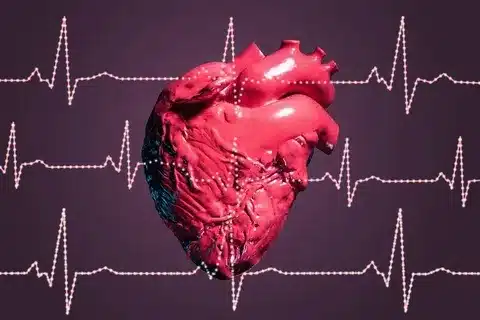
Atrial fibrillation, a type of irregular heartbeat, affects millions worldwide. He stressed the need to understand its triggers. What triggers bad rhythm? Caffeine and stress. Get best avoidance tips. Identifying triggers is vital for keeping your heart safe and amazing.
An irregular heartbeat, or arrhythmia, happens when the heart’s rhythm is disrupted. This can be due to many factors. These include problems with the heart’s electrical system, known as cardiac electrophysiology.
Knowing what causes an irregular heartbeat is key to keeping your heart healthy. An electrophysiology study can help find and treat arrhythmias.
Key Takeaways
- Irregular heartbeats, or arrhythmias, are a common condition affecting millions worldwide.
- Understanding the triggers of irregular heartbeats is critical for heart health.
- Cardiac electrophysiology is vital in diagnosing and treating arrhythmias.
- An electrophysiology study is a valuable tool in diagnosing heart rhythm disorders.
Understanding the Heart’s Normal Rhythm

Knowing how the heart keeps its rhythm is key to spotting problems. The heart’s rhythm is regulated by a complex electrical system that ensures coordinated and efficient beats.
The Cardiac Conduction System
The cardiac conduction system is a network of special cells. These cells send out electrical impulses that start the heartbeat. The system includes the SA node, AV node, bundle of His, and Purkinje fibers. Each part is essential for the heartbeat.
Electrical Pathways in the Heart
The heart’s electrical pathways send impulses from the SA node to the ventricles. This ensures the heart’s chambers beat in sync. The electrical conduction system is key to a normal heart rhythm. Any issues can cause arrhythmias.
- The sinoatrial (SA) node serves as the heart’s natural pacemaker, initiating the heartbeat.
- The AV node delays the impulse, letting the atria fully contract before the ventricles.
- The bundle of His and Purkinje fibers spread the impulse to the ventricles, making them contract.
Normal Heart Rate Variations
A normal heart rate varies, usually between 60 to 100 beats per minute (bpm) in adults. Age, fitness level, and emotional state can change heart rate. For example, athletes often have a lower resting heart rate because of their fitness.
It’s important to know that normal heart rate variations happen for different reasons. Understanding these variations helps us tell normal from irregular heart rhythms.
What Defines an Irregular Heartbeat?
The heart’s rhythm is controlled by its electrical system. Any disruption in this system can cause irregular heartbeats. Knowing what defines an irregular heartbeat is key for diagnosis and treatment.
Arrhythmia vs. Normal Heart Rhythm Variations
Not all heart rhythm changes are arrhythmias. Normal heart rhythms can vary slightly among individuals. They can be influenced by fitness, stress, and the time of day. But, an arrhythmia is a significant deviation from the normal heartbeat, being too fast, too slow, or irregular.
For example, atrial fibrillation is an arrhythmia with rapid and irregular heartbeats. Yet, heart rate changes due to exercise or stress are usually normal.
The Role of the Heart’s Electrical System
The heart’s electrical system is complex. It starts with the sinoatrial (SA) node, the heart’s natural pacemaker. It generates electrical impulses that travel through the heart, causing it to contract and pump blood.
Any disruption in this system can cause irregular heartbeats. For instance, a blockage or delay in electrical conduction can lead to arrhythmias like heart block or bundle branch block.
Measuring and Detecting Irregularities
Detecting irregular heartbeats involves various tests. An electrocardiogram (ECG or EKG) is a common test to measure heart electrical activity. Other tests include Holter monitoring and electrophysiology studies (EPS), which record heart electrical activity.
Common Types of Cardiac Arrhythmias
The heart’s rhythm can be disrupted in several ways, leading to various types of arrhythmias. These disruptions can occur in different parts of the heart, resulting in a range of conditions that affect heart health. Understanding these different types is key for effective diagnosis and treatment.
Atrial Fibrillation
Atrial fibrillation (AFib) is a common arrhythmia. It’s marked by an irregular and often rapid heart rate. This happens when the upper chambers of the heart (atria) beat chaotically, out of sync with the lower chambers (ventricles).
AFib can cause symptoms like heart palpitations, shortness of breath, and fatigue. Diamond Dallas Page, a famous wrestler, has talked openly about his AFib. He highlights the need for awareness and management of this condition.
AFib raises the risk of stroke, heart failure, and other heart problems. Treatment includes medications to control heart rate or rhythm, electrical cardioversion, and catheter ablation.
Ventricular Tachycardia
Ventricular tachycardia (VT) is a serious arrhythmia that starts in the heart’s ventricles. It’s characterized by a fast heart rate, usually over 100 beats per minute. If not treated quickly, it can turn into ventricular fibrillation.
Symptoms of VT include palpitations, dizziness, and shortness of breath. It’s often linked to heart disease or structural heart issues.
Treatment for VT may involve medications, cardioversion, or implantable cardioverter-defibrillators (ICDs) to restore a normal heart rhythm.
Bradycardia
Bradycardia is when the heart beats too slowly, less than 60 beats per minute. It can be caused by aging, heart disease, or certain medications. Symptoms may include fatigue, dizziness, and shortness of breath.
In some cases, bradycardia may not cause symptoms and may not need treatment.
When treatment is needed, it may involve pacemakers to regulate the heart’s rhythm.
Premature Contractions
Premature contractions, or extrasystoles, happen when the heart beats too early. They can start in the atria (atrial premature contractions) or ventricles (ventricular premature contractions). While often harmless, frequent premature contractions can lead to arrhythmias.
Management may include lifestyle changes, like reducing caffeine and stress, or medications in some cases.
|
Type of Arrhythmia |
Characteristics |
Common Symptoms |
Treatment Options |
|---|---|---|---|
|
Atrial Fibrillation |
Irregular, rapid heart rate |
Palpitations, shortness of breath, fatigue |
Medications, cardioversion, catheter ablation |
|
Ventricular Tachycardia |
Fast heart rate originating in ventricles |
Palpitations, dizziness, shortness of breath |
Medications, cardioversion, ICDs |
|
Bradycardia |
Slow heart rate |
Fatigue, dizziness, shortness of breath |
Pacemakers |
|
Premature Contractions |
Early heartbeats |
Often asymptomatic, palpitations |
Lifestyle changes, medications |
Physical Factors That Disrupt Heart Rhythm
Our heart’s rhythm can be affected by many physical factors. It’s important to know these for good heart health. Several physical conditions can change how the heart works, so it’s key to manage them.
Structural Heart Abnormalities
Structural heart abnormalities mean the heart’s shape is not right. These can mess with the heart’s electrical system, causing irregular beats. Issues with heart valves or chambers can also disrupt blood and electrical signals.
Coronary Artery Disease
Coronary artery disease happens when the heart’s blood supply gets blocked. This can cut down blood flow to the heart, leading to arrhythmias. It’s a big risk for heart rhythm problems.
Heart Attack Aftermath
A heart attack blocks blood to the heart, damaging muscle. This damage can cause scarring, affecting the heart’s electrical system. It’s vital to understand heart attack effects for heart health.
Congenital Heart Defects
Congenital heart defects are heart problems at birth. They can mess with the heart’s electrical system, causing irregular beats. Some may not be found until later, so it’s important to watch for heart issues.
Knowing these physical factors helps us manage heart health and avoid irregular heartbeats. Working with doctors is key to treating any heart rhythm problems.
Lifestyle Triggers of Irregular Heartbeats
Certain lifestyle factors can disrupt the heart’s normal rhythm, leading to arrhythmias. We will explore how daily habits and choices can impact heart health.
Caffeine and Stimulants
Caffeine and other stimulants can trigger irregular heartbeats in some individuals. High levels of caffeine consumption have been linked to an increased risk of arrhythmias. We recommend being mindful of caffeine intake, specially for those who are sensitive to its effects.
- Limit caffeine to 2-3 cups per day
- Avoid energy drinks and stimulant-rich products
- Be aware of hidden sources of caffeine in medications and foods
Alcohol Consumption
Alcohol consumption is another lifestyle factor that can contribute to irregular heartbeats. Binge drinking, in particular, can lead to arrhythmias. We advise moderation in alcohol consumption to minimize the risk.
“The relationship between alcohol and arrhythmias is complex, and individual tolerance plays a significant role.”
Tobacco and Nicotine
Tobacco and nicotine use are well-known risk factors for heart disease and arrhythmias. Nicotine can stimulate the heart, leading to irregular heartbeats. We strongly recommend avoiding tobacco products and nicotine-containing e-cigarettes.
- Avoid smoking and tobacco products
- Limit exposure to secondhand smoke
- Be cautious with nicotine replacement therapy
Lack of Sleep
Adequate sleep is essential for maintaining a healthy heart rhythm. Sleep deprivation can lead to arrhythmias and other cardiovascular issues. We recommend establishing a consistent sleep schedule and creating a sleep-conducive environment.
- Aim for 7-8 hours of sleep per night
- Establish a bedtime routine
- Avoid screens before bedtime
Medical Conditions That Affect Heart Rhythm
Many medical conditions can change the heart’s rhythm. Some might not seem related to heart health at first. It’s important to know about these conditions to manage their heart health impact.
Thyroid Disorders
Thyroid issues, like hyperthyroidism and hypothyroidism, can really affect the heart’s rhythm. An overactive or underactive thyroid can change heart rate and rhythm. This might cause arrhythmias.
- Hyperthyroidism: Can make the heart beat faster and might cause atrial fibrillation.
- Hypothyroidism: Can slow down the heart rate and change the heart’s electrical activity.
Diabetes
Diabetes can also impact heart rhythm. High blood sugar can damage nerves controlling the heart, leading to arrhythmias.
Key Considerations:
- Keeping blood sugar in check is key.
- It’s important to regularly check heart health for those with diabetes.
Sleep Apnea
Sleep apnea, which causes breathing pauses during sleep, can affect heart rhythm. These pauses can change heart rate and rhythm.
Treating sleep apnea can ease heart pressure and lower arrhythmia risk.
Electrolyte Imbalances
Electrolytes like potassium and magnesium are key for the heart’s electrical activity. Imbalances can disrupt rhythm, leading to serious arrhythmias.
- Potassium: Crucial for normal heart rhythm.
- Magnesium: Helps control the heart’s electrical activity.
It’s vital to recognize and manage these conditions for heart health. Knowing how thyroid issues, diabetes, sleep apnea, and electrolyte imbalances affect heart rhythm helps us take action.
Medication-Related Arrhythmia Triggers
Some medications can cause irregular heartbeats, even though they’re meant to help. This shows how drugs can affect the heart’s electrical system in ways we don’t always expect.
Over-the-Counter Medications
OTC meds are common for many health issues. But, some can mess with heart rhythm. For example, decongestants in cold meds can raise heart rate and lead to arrhythmias in some people.
Prescription Drugs with Cardiac Effects
Prescription meds, even for non-heart issues, can have heart side effects. Some antidepressants and antipsychotics can lengthen the QT interval. This raises the risk of a dangerous arrhythmia called Torsades de Pointes.
Antiarrhythmic Medication Paradox
Some meds meant to fix irregular heartbeats can actually make things worse. This shows we need to pick patients carefully and watch them closely when using these drugs.
Supplement Interactions
Dietary supplements seem safe but can mess with meds and heart rhythm. For example, St. John’s Wort can change how antiarrhythmic drugs work, possibly causing more harm.
|
Medication Category |
Potential Effect on Heart Rhythm |
Examples |
|---|---|---|
|
Over-the-Counter Medications |
Increase heart rate, trigger arrhythmias |
Cold medications with decongestants |
|
Prescription Drugs |
Prolong QT interval, increase arrhythmia risk |
Certain antidepressants, antipsychotics |
|
Antiarrhythmic Medications |
Paradoxically exacerbate or trigger arrhythmias |
Class III antiarrhythmic drugs |
|
Dietary Supplements |
Interact with medications, affect heart rhythm |
St. John’s Wort |
Psychological Factors and Heart Rhythm
Our mental state and heart health are closely linked. Psychological factors play a big role in how our heart beats. It’s key to understand how these factors affect our heart as we face life’s challenges.
Stress and Anxiety
Stress and anxiety can really mess with our heart rhythm. When we’re stressed, our body goes into “fight or flight” mode. This releases hormones like adrenaline, making our heart rate go up and sometimes causing arrhythmias. It’s important to manage stress and anxiety to keep our heart healthy.
Practices like meditation, deep breathing, and yoga can help. Adding these to our daily life can make our heart rhythm more stable and improve our overall health.
Depression
Depression also affects our heart rhythm. People with depression are more likely to get heart diseases, including arrhythmias. Depression can harm our heart through inflammation and changes in heart rate variability, though we don’t know all the details.
“The relationship between depression and cardiovascular disease is complex and bidirectional. Depression can increase the risk of cardiovascular disease, and conversely, cardiovascular disease can contribute to the development of depression.”
Panic Attacks
Panic attacks can really mess with our heart rhythm, causing palpitations and tachycardia. The rush of adrenaline and stress hormones during a panic attack can disrupt our heart rhythm, leading to arrhythmias. Therapy and relaxation techniques can help manage panic attacks and protect our heart health.
Emotional Trauma
Emotional trauma, like past abuse or loss, can also affect our heart rhythm. The stress from unresolved trauma can harm our heart over time. Getting help for emotional trauma is key to protecting our heart health.
|
Psychological Factor |
Impact on Heart Rhythm |
Management Strategies |
|---|---|---|
|
Stress and Anxiety |
Increased heart rate, arrhythmias |
Meditation, deep breathing, yoga |
|
Depression |
Increased risk of cardiovascular disease |
Therapy, medication, lifestyle changes |
|
Panic Attacks |
Palpitations, tachycardia |
Cognitive-behavioral therapy (CBT), relaxation techniques |
|
Emotional Trauma |
Chronic stress, long-term cardiovascular effects |
Therapeutic interventions, stress management |
It’s vital to understand how our mental state affects our heart rhythm. By recognizing the impact of stress, anxiety, depression, panic attacks, and emotional trauma, we can take steps to manage them. This helps keep our heart healthy.
Environmental Triggers of Arrhythmias
Many environmental factors can cause arrhythmias. Our surroundings greatly affect our heart health. We will look at how extreme temperatures, high altitude, air pollution, and electromagnetic fields can disrupt heart rhythm.
Extreme Temperatures
Extreme temperatures, whether hot or cold, can affect heart rhythm. Heatwaves can cause dehydration, leading to electrolyte imbalances and arrhythmias. Cold temperatures can make blood vessels constrict, raising blood pressure and causing irregular heartbeats.
People with heart conditions should be careful in extreme weather. Drinking plenty of water and keeping a stable body temperature can help.
High Altitude
High altitudes can risk arrhythmias due to lower oxygen levels. At high elevations, the body may struggle to adapt, leading to irregular heartbeats. Altitude sickness can make this worse, so it’s important to acclimate slowly when traveling to high places.
Air Pollution
Air pollution can also trigger arrhythmias. Poor air quality, like fine particulate matter (PM2.5), increases cardiovascular risks, including arrhythmias. Reducing exposure to air pollution by staying indoors during peak times and using air purifiers can help.
Electromagnetic Fields
Electromagnetic fields (EMFs) are everywhere in our modern world. Devices like smartphones, microwaves, and power lines emit them. Some studies suggest EMFs could disrupt heart rhythm. More research is needed to understand their impact on heart health.
Knowing these environmental triggers helps us protect our heart health. Avoiding extreme temperatures, being careful at high altitudes, reducing air pollution, and being mindful of EMF levels are all important steps.
Recognizing Symptoms of Irregular Heart Rhythm
It’s key to know the signs of irregular heartbeats to manage and treat them well. We’ll cover the common symptoms of irregular heart rhythms. These can differ from person to person.
Palpitations and Fluttering
Palpitations are a common sign of irregular heart rhythm. It feels like your heart is beating irregularly or strongly. This sensation can be like a fluttering or pounding in the chest.
Dizziness and Fainting
Dizziness and fainting can happen when your heart beats irregularly. This is because your heart isn’t pumping enough blood. These symptoms are serious and might need immediate medical attention.
Chest Discomfort
Chest discomfort or pain can be linked to irregular heart rhythms. But it’s more often seen in other heart issues. The pain might feel like pressure, tightness, or pain in the chest.
Fatigue and Weakness
Fatigue and weakness can be signs of irregular heart rhythms. They happen when your heart doesn’t pump well. This leads to reduced energy levels.
|
Symptom |
Description |
|---|---|
|
Palpitations |
Sensation of irregular or forceful heartbeat |
|
Dizziness/Fainting |
Inadequate blood flow causing dizziness or loss of consciousness |
|
Chest Discomfort |
Pressure, tightness, or pain in the chest |
|
Fatigue/Weakness |
Reduced energy due to inefficient heart pumping |
The Science of Cardiac Electrophysiology and Rhythm
The heartbeat is controlled by a complex electrical system. Understanding this system is key for diagnosing and treating heart rhythm disorders. Cardiac electrophysiology studies the heart’s electrical properties and how they affect its function.
What is Cardiac Electrophysiology?
Cardiac electrophysiology is a part of cardiology that deals with heart rhythm disorders. It looks at the electrical signals that control the heartbeat. It also studies how these signals are made and spread through the heart.
Electrophysiology studies (EPS) are important in this field. They help doctors map the heart’s electrical activity. This helps find areas that don’t work right.
How Electrical Signals Control Heart Rhythm
The heartbeat starts with electrical signals from the sinoatrial (SA) node, the heart’s natural pacemaker. These signals then go through the atrioventricular (AV) node and along the bundle of His. This makes the heart muscle contract.
The proper functioning of this electrical system is key for a normal heart rhythm. Any problems can cause arrhythmias, which can be mild or serious.
Mapping Electrical Activity in the Heart
Mapping the heart’s electrical activity is vital for diagnosing and treating arrhythmias. This is usually done with electrocardiograms (ECGs) or EPS.
Doctors analyze the electrical signals to find abnormal patterns. They then plan treatments based on this.
Advances in EP Research
New research in EP has brought new treatments for arrhythmias. These include catheter ablation and implantable cardioverter-defibrillators (ICDs).
These new treatments have greatly improved care for patients with heart rhythm disorders. They offer hope for those living with these conditions.
Diagnostic Procedures for Heart Rhythm Disorders
To diagnose heart rhythm disorders, we use many tools. These tests help us find out what’s wrong with the heart’s rhythm. We look at the heart’s activity to find the cause of any problems.
Electrocardiogram (ECG/EKG)
An electrocardiogram (ECG or EKG) is a key tool. It records the heart’s electrical signals for a short time. This test is easy and quick, showing us if the heart is beating right.
Holter and Event Monitors
Holter monitors and event monitors watch the heart for longer. A Holter monitor tracks the heart for 24 to 48 hours. An event monitor can be worn for weeks to catch rare heart issues.
Electrophysiology Studies (EPS)
Electrophysiology studies (EPS) use catheters to see the heart’s electrical signals up close. This test is more detailed and helps find complex heart problems. It’s great for tricky cases.
Cardiac MRI and CT Scans
Cardiac MRI and CT scans give us clear pictures of the heart. They show how the heart works and if there are any problems. These tests help us see the heart’s health and find any issues.
|
Diagnostic Procedure |
Description |
Duration |
Invasiveness |
|---|---|---|---|
|
Electrocardiogram (ECG/EKG) |
Records heart’s electrical activity |
Short (minutes) |
Non-invasive |
|
Holter Monitor |
Continuous recording over 24-48 hours |
24-48 hours |
Non-invasive |
|
Event Monitor |
Records heart activity over several weeks |
Several weeks |
Non-invasive |
|
Electrophysiology Studies (EPS) |
Directly records heart’s electrical activity via catheters |
Variable |
Invasive |
|
Cardiac MRI/CT Scans |
Provides detailed images of heart structure and function |
Variable |
Non-invasive |
Treatment Approaches for Irregular Heartbeats
Treatment for irregular heartbeats has grown a lot. Now, patients have many options. We’ll look at medicines, procedures, and devices used to manage these heart issues.
Medications to Control Heart Rhythm
Medicines are key in treating irregular heartbeats. Anti-arrhythmic medications help control the heart’s rhythm. They make sure the heart beats regularly.
For example, beta blockers and calcium channel blockers slow the heart rate. This helps the heart work better. Sometimes, anti-coagulant medications are given to prevent stroke in people with atrial fibrillation. It’s important to work with a doctor to find the right medicine and watch for side effects.
Cardioversion Procedures
Cardioversion is a way to fix irregular heartbeats. It uses a controlled electric shock to get the heart back to normal. Diamond Dallas Page had this procedure to manage his heart rhythm.
There are different ways to do cardioversion. The choice depends on the patient’s condition and medical history.
Catheter Ablation
Catheter ablation is a procedure to treat irregular heartbeats. It destroys the bad electrical pathways in the heart. A catheter is used to reach the heart and destroy the problem area.
This procedure is often used for SVT and atrial fibrillation. It can greatly improve a patient’s life by getting rid of symptoms.
Pacemakers and ICDs
Pacemakers and ICDs are devices that help manage irregular heartbeats. Pacemakers send electrical impulses to keep the heart rhythm steady. They are implanted under the skin.
ICDs, or implantable cardioverter-defibrillators, prevent sudden death by shocking the heart in emergencies. Both devices can treat many arrhythmias, like bradycardia and ventricular tachycardia.
Knowing about these treatments helps patients work with doctors to find the best plan. This improves their life and lowers the risk of serious problems.
Preventing Arrhythmia Episodes
To prevent arrhythmia episodes, we need to make lifestyle changes and know what triggers them. Understanding what causes irregular heartbeats helps us take steps to reduce them.
Heart-Healthy Diet Choices
Eating a heart-healthy diet is key. Include foods like salmon and walnuts, which are rich in omega-3 fatty acids. Also, eat lots of fruits, vegetables, and whole grains. Try to eat less saturated fats, sodium, and sugar.
Stay away from processed and fried foods. They’re not good for your heart.
Regular Physical Activity
Regular exercise is also important. Try to do at least 150 minutes of moderate exercise or 75 minutes of vigorous exercise each week. Good activities include brisk walking, cycling, or swimming.
Exercise not only makes your heart healthier. It also helps reduce stress and anxiety, which can cause arrhythmias.
Stress Management Techniques
Managing stress is vital for those who get arrhythmia episodes. Try meditation, deep breathing exercises, and yoga to lower stress. Also, get enough sleep and take breaks during the day.
Avoiding Known Triggers
Knowing and avoiding triggers is important. Stay away from too much caffeine and alcohol, quit smoking, and avoid pollutants. By being aware of these triggers and making smart choices, you can lower your risk of arrhythmia episodes.
When to Seek Emergency Care
If you’re feeling irregular heartbeats, it’s important to know when to get help fast. Arrhythmias can show up in different ways, some needing quick medical help.
Warning Signs of Serious Arrhythmias
Severe arrhythmias have clear warning signs. Look out for severe palpitations, chest pain, or trouble breathing. Knowing these signs helps you get help quickly.
Symptoms That Require Immediate Attention
Some symptoms need help right away. These include:
- Severe chest pain or discomfort
- Difficulty breathing or shortness of breath
- Dizziness or fainting spells
- Rapid or irregular heartbeat
What to Tell Emergency Responders
When you call for emergency care, give clear and quick info. Share:
- Your medical history, including heart conditions
- Your current medications
- The symptoms you’re feeling and when they started
Preparing for Emergency Situations
Being ready for emergencies is important. This means:
- Having a plan, like knowing where to find emergency services
- Keeping your medical info easy to find
- Telling family or caregivers about your health and what to do in an emergency
|
Preparation Step |
Description |
|---|---|
|
Know Your Emergency Services |
Identify the nearest hospital or emergency care facility. |
|
Keep Medical Information Handy |
Have your medical history and current medications easily accessible. |
|
Inform Family and Caregivers |
Ensure they know how to respond in an emergency. |
Being ready and knowing when to get emergency care can greatly improve your chances of dealing with arrhythmia episodes well.
Conclusion
Understanding irregular heartbeats is key to keeping our hearts healthy. We’ve looked at why they happen, how to spot them, and how to treat them. Learning about cardiac electrophysiology helps us understand our heart’s rhythm better.
Getting medical help early is vital to avoid serious problems. We’ve talked about how doctors diagnose and treat irregular heartbeats. This includes medicines, procedures like cardioversion, and even pacemakers. By focusing on heart health, we can lower our risk of heart rhythm issues.
In the end, taking care of our heart is a team effort. It involves making healthy lifestyle choices, following medical advice, and keeping an eye on our heart health. With the help of doctors and the latest in cardiac science, we can keep our hearts in top shape.
FAQ
What is an irregular heartbeat?
An irregular heartbeat, or arrhythmia, is when the heart beats too slow, too fast, or in an odd pattern. It can happen for many reasons, like lifestyle choices, health issues, or some medicines.
What is cardiac electrophysiology?
Cardiac electrophysiology studies the heart’s electrical system and how it controls rhythm. It uses tests like electrocardiograms and electrophysiology studies to understand the heart’s electrical activity.
What are the common symptoms of irregular heart rhythm?
Symptoms of irregular heart rhythm include palpitations, dizziness, fainting, chest discomfort, fatigue, and weakness. If you notice any of these, you should see a doctor right away.
What are the treatment approaches for irregular heartbeats?
Treatments for irregular heartbeats include medicines, cardioversion, catheter ablation, and devices like pacemakers and ICDs. The right treatment depends on the cause and your health.
How can I prevent arrhythmia episodes?
To prevent arrhythmia episodes, make healthy lifestyle choices. Eat well, exercise regularly, manage stress, and avoid triggers. Also, take care of any health conditions and follow your treatment plan.
When should I seek emergency care for arrhythmias?
Seek emergency care for severe chest pain, shortness of breath, or fainting. Also, get help right away if you have heart disease or symptoms get worse.
What is an electrophysiology study (EPS)?
An electrophysiology study (EPS) is a test that checks the heart’s electrical activity. It uses catheters to record signals and find abnormal rhythms.
Can lifestyle factors trigger irregular heartbeats?
Yes, lifestyle choices like caffeine, alcohol, tobacco, and lack of sleep can cause irregular heartbeats. Healthy choices can lower your risk of arrhythmias.
Can certain medications trigger arrhythmias?
Yes, some medicines, including over-the-counter and prescription drugs, can cause arrhythmias. Always talk to your doctor about your medicines and their effects on your heart.
How are irregular heartbeats diagnosed?
Tests like electrocardiograms, Holter and event monitors, electrophysiology studies, and MRI and CT scans diagnose irregular heartbeats. These tests help find the cause and guide treatment.
National Center for Biotechnology Information. Evidence-Based Medical Insight. Retrieved from https://www.ncbi.nlm.nih.gov/books/NBK526072/



 Departments
 Related Videos
 Our Doctors
 News
News