
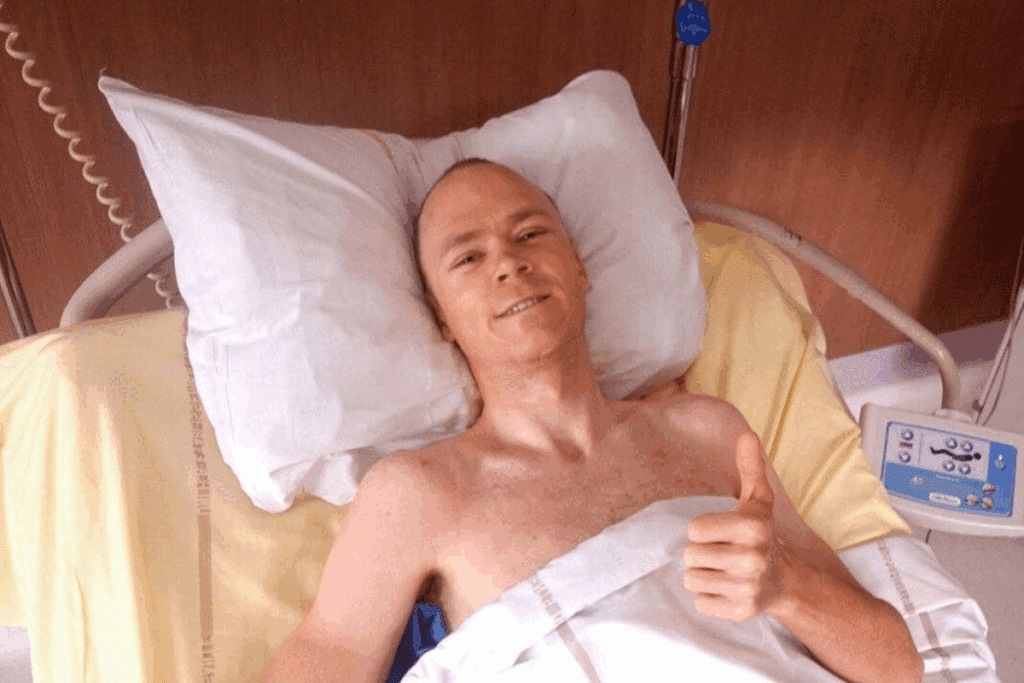
Going through lung surgery can be scary, and many wonder about the surgery itself. A big question is if ribs get broken during it.
About 30% of lung surgeries use a thoracotomy incision. This is when the chest is opened to reach the lungs. We’ll look at the different lung surgery techniques, from the old ways to the new, less invasive ones.
Where Do Most Lung Cancers Start? Understanding Lung Cancer OriginWe aim to give a clear picture of what happens during lung surgery, especially addressing concerns about ribs broken for lung surgery. We’ll focus on how surgeons try to avoid hurting the rib cage during the procedure.
Key Takeaways
- Lung surgery can involve various techniques, including traditional and minimally invasive methods.
- A thoracotomy incision is a common approach used in approximately 30% of lung surgeries.
- Modern techniques aim to minimize trauma to the rib cage.
- Understanding the surgical process can help alleviate concerns.
- Surgeons take measures to ensure the best possible outcomes.
Understanding Lung Surgery Basics
Lung surgery needs precision and a deep understanding of the thoracic anatomy. It treats lung diseases like lung cancer, infections, and birth defects.The type of surgery is determined by the patient’s overall health and the extent of the disease.
Common Reasons for Lung Surgery
Lung surgery is key for diagnosing and treating lung cancer. It also removes damaged lung tissue, treats infections, and fixes birth defects. Sometimes, rib resection in lung surgery is needed to reach the lungs or remove chest wall tumors.
Types of Lung Surgical Procedures
There are many pulmonary surgery types, like lobectomy, pneumonectomy, and wedge resection. The choice depends on the condition and the patient’s health. Surgeons use various techniques to reduce chest and rib damage.
The Importance of Surgical Access to the Lungs
Getting to the lungs is vital in lung cancer surgery and other procedures. Surgeons plan carefully to access the lungs well while protecting nearby tissues. They might use open thoracotomy or video-assisted thoracoscopic surgery (VATS).
Ribs Broken for Lung Surgery: The Truth
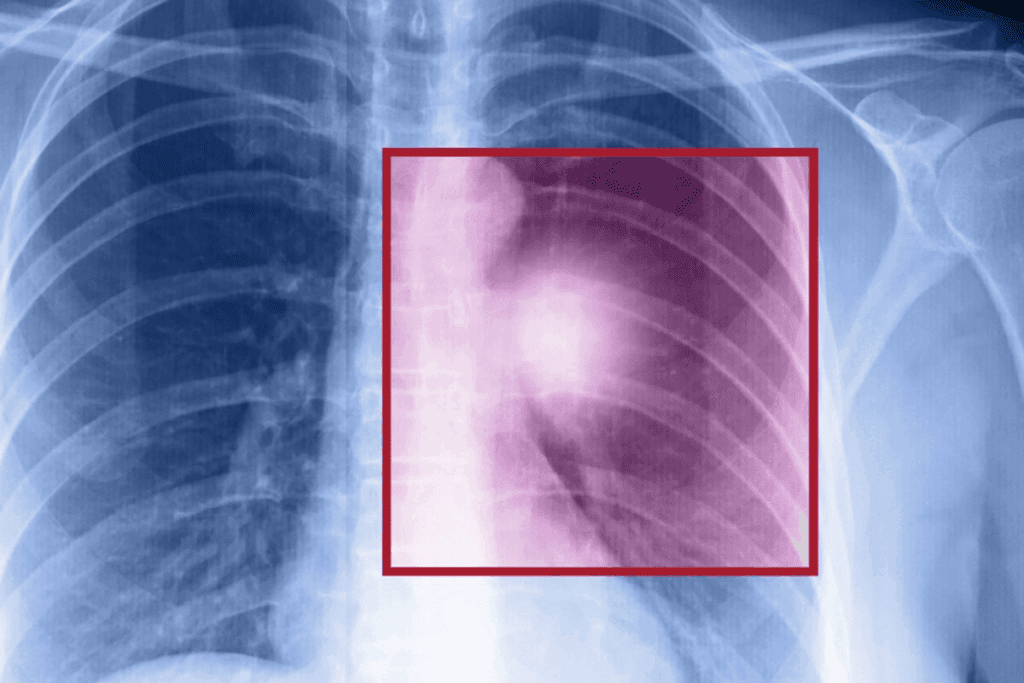
The idea that ribs are always broken during lung surgery is not true. Lung surgery, or thoracic surgery, includes many procedures. These may need different ways to open the chest.
Historical Approaches to Chest Access
Older methods to reach the lungs often hurt the rib cage a lot. Traditional thoracotomy, for example, might cut or spread the ribs. This gave a clear view but caused pain and longer healing times.
Modern Surgical Considerations for Rib Integrity
Now, doctors try to hurt the chest less during lung surgery. New methods like Video-Assisted Thoracoscopic Surgery (VATS) and robotic surgery are popular. They use small cuts and less harm to the ribs, leading to less pain and quicker healing.
A study in the Journal of Trauma and Acute Care Surgery showed rib fractures are common in lung surgery, mainly in older people. This shows why keeping the ribs safe is key in planning surgery. Doctors now think about the patient’s health, the condition, and the best surgery method to reduce risks.
When Rib Disruption May Be Necessary
Even with new techniques, sometimes breaking ribs is needed. If a tumor is big or touches the chest wall, a bigger surgery might be required. The choice to break or remove ribs depends on the patient’s situation and what’s best for them.
The main goal of lung surgery is to treat the problem well while keeping the patient safe. Knowing about old and new surgery methods helps patients understand their care better.
Traditional Thoracotomy: The Rib-Spreading Approach

Traditional thoracotomy is a key method in thoracic surgery. It balances the need for access with the risk to rib integrity. This method involves a big incision in the chest to reach the lungs.
How a Standard Thoracotomy Is Performed
A standard thoracotomy makes an incision between the ribs. It’s usually done on the side or back of the chest. The surgeon then goes through muscles and soft tissues to get to the ribs.
They use a rib retractor to spread the ribs apart. This opens up the chest cavity for surgery. The goal is to get good access without harming too much.
Rib Spreading vs. Rib Breaking
“Rib spreading” and “rib breaking” mean different things in thoracotomy. Spreading means gently moving the ribs apart. Breaking means forcing them apart, which can cause fractures.
Studies show that thoracotomy can lead to a lot of pain and problems after surgery. The extent of rib damage depends on the surgeon, the patient, and the surgery needs.
Potential Impact on Rib Integrity
The effect of thoracotomy on rib health is a big worry. Spreading or breaking ribs can cause pain and structural problems. These issues can be severe and affect patient care.
Some surgeries, like video-assisted thoracoscopic surgery (VATS), might be better for avoiding rib damage. Yet, traditional thoracotomy is often necessary. Advances in surgery are helping to make outcomes better for patients.
Posterolateral Thoracotomy and Rib Management
Posterolateral thoracotomy is a surgical method that needs careful rib management. This helps avoid trauma and ensures a smooth recovery. It involves making an incision on the back of the chest wall to access the thoracic cavity.
Technique and Approach
The posterolateral thoracotomy technique requires a deep understanding of the rib cage and muscles. Surgeons must plan the incision carefully to avoid damaging ribs and nerves. They often retract or divide ribs to reach the lungs.
One major concern is rib fractures from surgery, which can make recovery harder. Surgeons work hard to avoid this by planning and executing the surgery with precision.
Effects on the Rib Cage
Studies have found that posterolateral thoracotomy increases the risk of rib fractures and pain after surgery. A study in the Journal of Surgical Research highlighted the need for careful rib management due to significant trauma.
The lobectomy incision, often used in this surgery, needs precise closure to prevent issues. Keeping the rib cage intact is key for good breathing and recovery.
Recovery Considerations
Recovering from posterolateral thoracotomy requires a detailed plan, including pain management and physical therapy. Effective postoperative care is vital to avoid complications and help patients get back to normal.
Patients are closely watched for any rib-related problems. Quick action is taken to address these issues. The aim is to reduce long-term effects on the patient’s life quality.
Anterolateral and Muscle-Sparing Thoracotomies
Anterolateral and muscle-sparing thoracotomies are big steps forward in lung surgery. They offer a gentler way to open the chest compared to older methods. This approach aims to lessen pain and improve recovery for patients.
Surgical Technique Differences
Anterolateral thoracotomies make a cut on the front side of the chest. This lets surgeons get to the lungs with less harm to the muscles around. Muscle-sparing goes even further by avoiding muscle cuts, which helps keep muscle function and cuts down on pain.
The main difference is how they get to the chest. Smaller cuts and special tools help avoid hurting the ribs and tissues too much.
Rib Preservation Strategies
Keeping the ribs safe is key in these surgeries. Surgeons use special tools and careful planning to protect the ribs. This way, they avoid breaking or damaging them.
They also use imaging during surgery to guide them. This helps them avoid hurting the ribs and other parts of the chest.
Patient Outcomes
Studies show that these surgeries lead to less pain and better results for patients. They cause less damage to the chest and keep more muscle function. This means patients can get back to normal faster and with fewer complications.
People who have these surgeries often feel less pain and can get back to their lives sooner. This shows how valuable these new techniques are in modern lung surgery.
Video-Assisted Thoracoscopic Surgery (VATS): A Rib-Preserving Alternative
Video-Assisted Thoracoscopic Surgery (VATS) has changed thoracic surgery. It’s a way to treat lung diseases without harming the ribs. This method uses small cuts for a camera and tools, avoiding big incisions.
Differences from Open Thoracotomy
VATS is different from open thoracotomy. It doesn’t need a big cut or breaking ribs. Instead, it uses small ports to see and fix the lung.
This method minimizes trauma to the chest wall. It also lowers the chance of problems from rib damage. This is good news for patients with lung diseases.
VATS keeps the rib cage whole. This means less post-surgical rib pain and a quicker recovery. Patients get better faster.
Port Placement and Rib Considerations
Where the ports go in VATS is very important. Surgeons plan this carefully to avoid hurting ribs or nerves. They use special techniques to move tools around without harming tissue.
Research shows VATS can lower the risk of rib breaks and other problems. This is because it’s gentler on the chest area.
Benefits for Rib Integrity and Recovery
VATS is great for keeping ribs safe and helping patients get better. It causes less pain and helps patients heal faster. People who have VATS usually have less pain and stay in the hospital less than those with open surgery.
Also, VATS helps patients recover better in the long run. They can get back to their normal life sooner.
Robotic-Assisted Thoracic Surgery and Rib Preservation
Robotic-assisted thoracic surgery is a new way to do lung surgery. It makes surgery more precise and cuts down on recovery time. This technology has changed thoracic surgery a lot, helping patients a lot.
Advanced Technology in Lung Surgery
Robotic systems have made lung surgery better. They give surgeons more control and clear views, making tough surgeries easier. This tech lets surgeons do more detailed work, sometimes without breaking ribs.
Rib-Sparing Advantages
Robotic surgery is great for keeping ribs intact. It uses small cuts and precise tools, hurting the chest less. This can mean:
- Less pain after surgery
- Quicker recovery
- Lower chance of long-term chest problems
- Better-looking scars
Limitations and Considerations
But, there are downsides to robotic surgery. These include:
| Limitation | Description | Potential Impact |
| High initial costs | Robots are expensive | Not all places can afford them |
| Steep learning curve | Doctors need special training | Longer surgeries at first |
| Limited availability | Robots are not everywhere | Patients might have to travel |
In summary, robotic surgery is a big step forward in lung surgery. It helps a lot with keeping ribs safe and improving patient care. Even with some challenges, its benefits are worth looking into for both doctors and patients.
Intentional Rib Resection in Lung Cancer Surgery
When lung cancer reaches the chest wall, surgeons might remove the affected ribs. This is to make sure all cancer is gone. It’s a key part of treating lung cancer.
When Rib Removal Is Medically Necessary
Rib removal is needed when lung cancer touches the chest wall. This can happen to one or more ribs. Taking out the affected area is key to removing the tumor completely.
Doctors decide on rib removal after looking at images and sometimes during surgery. Chest wall resection is a big deal. It needs careful planning for the best results.
- Tumor size and location
- Extent of chest wall invasion
- Patient’s overall health and lung function
Chest Wall Involvement in Lung Cancer
Lung cancer touching the chest wall is tough for surgeons. How much of the chest wall is involved affects the surgery’s complexity. This includes if rib removal in thoracic surgery is needed.
In some cases, the tumor sticks to or goes into the ribs. This means removing the tumor and the affected chest wall together. This method tries to get rid of all cancerous tissue.
Reconstruction Techniques After Rib Removal
After taking out the ribs, fixing the chest wall is key. This helps keep it stable and protects important parts. Doctors use different methods, like prosthetics and muscle flaps.
Rebuilding aims to:
- Make the chest wall strong again
- Stop the chest wall from moving in a bad way
- Keep vital parts safe
These methods help patients do better after chest wall resection for lung cancer.
Complications Related to Rib Damage During Lung Surgery
Surgeons work hard to avoid damaging ribs during lung surgery. Even with new techniques, complications can happen. It’s important for both doctors and patients to know about these risks.
Rib Fractures and Stress Injuries
Rib fractures and stress injuries are common problems after lung surgery. These can happen because of the surgery’s physical stress. Studies show these injuries can cause a lot of pain and discomfort after surgery.
Table: Comparison of Rib Fracture Complications in Different Surgical Approaches
| Surgical Approach | Incidence of Rib Fractures | Postoperative Pain Level |
| Traditional Thoracotomy | Higher | Severe |
| VATS (Video-Assisted Thoracoscopic Surgery) | Lower | Moderate |
| Robotic-Assisted Surgery | Lowest | Mild |
Intercostal Nerve Damage
Damage to the intercostal nerves can also occur. This can happen when nerves are compressed, stretched, or injured during surgery. It can lead to long-lasting pain and discomfort.
Long-Term Structural Issues
Long-term problems can also arise from rib damage. These might include chronic pain, deformities, or limited mobility. Knowing about these risks helps manage patient care and expectations.
Recovering from rib surgery needs a full plan. This includes managing pain, physical therapy, and watching for complications. Understanding the risks helps doctors support patients better during recovery.
Post-Surgical Pain Management for Rib-Related Discomfort
Managing pain after lung surgery is key, with a focus on rib discomfort. It’s a complex task that needs a variety of approaches. This ensures patients are comfortable and recover well.
Medication Approaches
Medicines are essential for pain control after surgery. Opioids are used for quick pain relief but are watched closely due to side effects and addiction risks. Non-opioid analgesics, like NSAIDs and acetaminophen, help reduce pain without opioids.
We adjust medication plans based on each patient’s needs. This includes the surgery’s extent, the patient’s health, and past pain experiences.
Regional Anesthesia Techniques
Regional anesthesia, like epidural anesthesia and paravertebral blocks, blocks pain signals from the surgery area. This method can cut down on opioid use, reducing side effects.
We combine regional anesthesia with other pain management methods. This aims to improve patient comfort and recovery.
Non-Pharmacological Pain Management
Non-medical methods are also vital for pain control. Breathing exercises, physical therapy, and cognitive behavioral therapy help manage pain and enhance recovery.
We suggest these non-medical strategies as part of a complete pain management plan. It’s tailored to each patient’s needs and preferences.
Recovery Timeline After Rib-Affecting Lung Surgery
After lung surgery, patients often wonder about their recovery. The time it takes to recover can vary a lot. This depends on the surgery type and the patient’s health.
Immediate Post-Operative Period
The first few days after surgery are very important. Patients usually stay in the hospital for 3 to 7 days. During this time, doctors watch for any problems and help with pain.
Pain management is key. Doctors use medicines and special techniques to reduce pain. Patients also do breathing exercises to avoid lung problems.
Weeks 1-6 After Surgery
In the first six weeks, patients start to feel better slowly. But, how fast they recover depends on the surgery and their health.
| Week | Typical Recovery Milestones |
| 1-2 | Gradual reduction in pain, improvement in breathing |
| 3-4 | Increased mobility, return to light activities |
| 5-6 | Further improvement in strength, more strenuous activities may be resumed |
Long-Term Recovery and Rib Healing
Recovery can take months after the first six weeks. The ribs need time to heal, more so if they were moved or broken during surgery.
Following a structured rehabilitation program is important. This may include physical therapy and lung exercises. It can take 3 to 6 months to fully recover. Some patients might need up to a year to get back to their old strength and endurance.
Physical Therapy and Rehabilitation for Rib Recovery
Physical therapy is key for lung surgery recovery, focusing on rib healing. Patients must regain strength and lung function to live normally again. We offer detailed rehabilitation plans for each patient.
Breathing Exercises and Pulmonary Rehabilitation
Breathing exercises are vital in pulmonary rehab. They boost lung function and respiratory health. Diaphragmatic breathing, for example, increases oxygen intake and lowers complication risks.
Pulmonary rehab aims to manage symptoms and enhance daily life. Our teams create personalized plans to meet each patient’s needs and goals.
Mobilization and Strengthening
Mobilization and strengthening are essential for post-surgery recovery. Gentle exercises prevent stiffness and aid healing. Strengthening boosts muscle and endurance. We tailor exercises to each patient’s recovery stage.
Starting exercises early is important to avoid complications and aid recovery. As patients get better, their exercises become more challenging to improve their recovery.
Return to Normal Activities
Getting back to normal activities is a big step in recovery. We guide patients on safely resuming daily tasks and activities. This includes advice on lifting and bending to protect the rib cage.
Our aim is to support patients in fully recovering and reaching their pre-surgery activity level. Through physical therapy and rehab, we help patients overcome rib recovery challenges and enhance their life quality.
Advances in Rib Protection During Lung Surgery
New surgical technologies have led to better ways to protect ribs during lung surgery. These advancements are key to better patient care and fewer complications after surgery.
Innovative Surgical Instruments
Video-assisted thoracoscopic surgery (VATS) is a big step in protecting ribs. It uses a camera and small instruments through tiny cuts. This method cuts down on the chance of rib fractures from surgery and makes recovery faster.
Surgeons also use special tools to gently handle the rib cage. These tools help them move carefully during surgery.
Improved Retractor Designs
Retractors are important in thoracic surgery for seeing the lungs. New designs put less pressure on the ribs, lowering the risk of fractures. These tools spread out the force better, protecting the ribs.
Surgical Planning to Minimize Rib Impact
Now, surgical planning techniques use 3D images to plan safer surgeries. Surgeons pick the best approach to avoid harming the ribs. This careful planning helps in choosing the right incisions and methods.
This detailed planning, along with new tools and retractors, greatly improves rib protection. Patients see shorter recovery times and fewer complications from rib damage.
Patient Considerations When Facing Lung Surgery
When you’re getting ready for lung surgery, think about what can affect your recovery. Lung surgery, like lobectomy, can use different methods. Each method has its own way of handling ribs and recovery.
Questions to Ask Your Surgeon About Rib Preservation
Talking to your surgeon about rib preservation is key. You might ask, “What surgical approach will be used for my lobectomy incision?” or “How will you ensure rib protection during the procedure?” Knowing how your surgeon will protect your ribs can ease worries about pain and recovery.
It’s also good to ask about the pulmonary procedures you’ll have. Knowing what to expect can help you get ready physically and mentally for surgery.
Understanding Surgical Approach Options
There are many ways to do lung surgery, like traditional thoracotomy, video-assisted thoracoscopic surgery (VATS), and robotic-assisted thoracic surgery. Each has its own benefits and effects on ribs.
- VATS is a less invasive method that might protect your ribs better by not needing to break them.
- Robotic-assisted surgery offers precise work and could also reduce rib damage.
- Traditional thoracotomy is more invasive but needed for complex cases.
Talking to your surgeon about these options can help you understand which is best for you. It can also help you know how it might affect your recovery.
Preparing for Possible Rib-Related Recovery Issues
Recovering from lung surgery can mean dealing with pain and discomfort from the incision and rib area. It’s important to know about possible rib problems and how they’ll be handled.
Talk to your surgeon about post-surgical pain management. This includes what medicines you’ll take and other ways to feel better. Knowing what to expect during recovery can help you plan for the care you’ll need.
Being informed and asking the right questions can help you through lung surgery and recovery. This way, you can get the best health outcome.
Conclusion
Understanding lung surgery is key for patients facing these procedures. Modern methods aim to reduce harm to the ribs. This helps in a smoother recovery.
There are different ways to access the lungs, like VATS and robotic surgery. These methods help protect the ribs and lessen pain after surgery.
The choice of surgery depends on the patient’s health and the disease type. Surgeons use new technology to improve results and lower risks. They focus on keeping the ribs safe and manage pain well.
Knowing about surgery and recovery helps patients make better choices. We suggest talking to doctors to get the best care.
FAQ
Are ribs typically broken during lung surgery?
Not always. Modern surgery tries to keep the ribs intact. The choice to break or not depends on the patient and the surgery type.
What is the difference between rib spreading and rib breaking during lung surgery?
Rib spreading uses retractors to open the chest. Breaking ribs is more invasive. Spreading is usually less painful.
What are the benefits of Video-Assisted Thoracoscopic Surgery (VATS) for rib integrity?
VATS makes small cuts and uses a camera. It’s less damaging to the chest and ribs. This reduces pain and complications after surgery.
Can robotic-assisted thoracic surgery help preserve rib integrity?
Yes, it uses advanced tech for precise surgery. This method is better for the chest and ribs, with clearer views.
What happens if a lung tumor invades the chest wall and ribs?
Sometimes, tumors need ribs removed. The decision is based on the case. Reconstruction helps fix the chest wall.
How is postoperative pain managed after lung surgery, particularlly when ribs are affected?
Pain management uses meds, anesthesia, and other methods. The goal is to ease discomfort and aid recovery, focusing on rib pain.
What is the typical recovery timeline after lung surgery, and how do the ribs heal?
Recovery has several stages, from right after surgery to long-term. Rib healing takes weeks to months. A rehab plan helps with recovery.
What role does physical therapy play in rib recovery after lung surgery?
Physical therapy is key for rib recovery. It includes breathing exercises and strengthening. These help the ribs and overall health.
What advances have been made in rib protection during lung surgery?
Thoracic surgery is improving. New tools and techniques aim to reduce rib damage. This leads to better patient outcomes.
What should patients ask their surgeon about rib preservation before undergoing lung surgery?
Ask about the surgery plan and rib protection. Knowing the risks helps prepare for recovery.
Reference
- Bastone, S. A., et al. (2024). Incidence and impact of involuntary rib fracture after thoracotomy: A retrospective analysis. Journal of Thoracic Surgery, 48(8), e1234-e1245. https://pmc.ncbi.nlm.nih.gov/articles/PMC11602850/