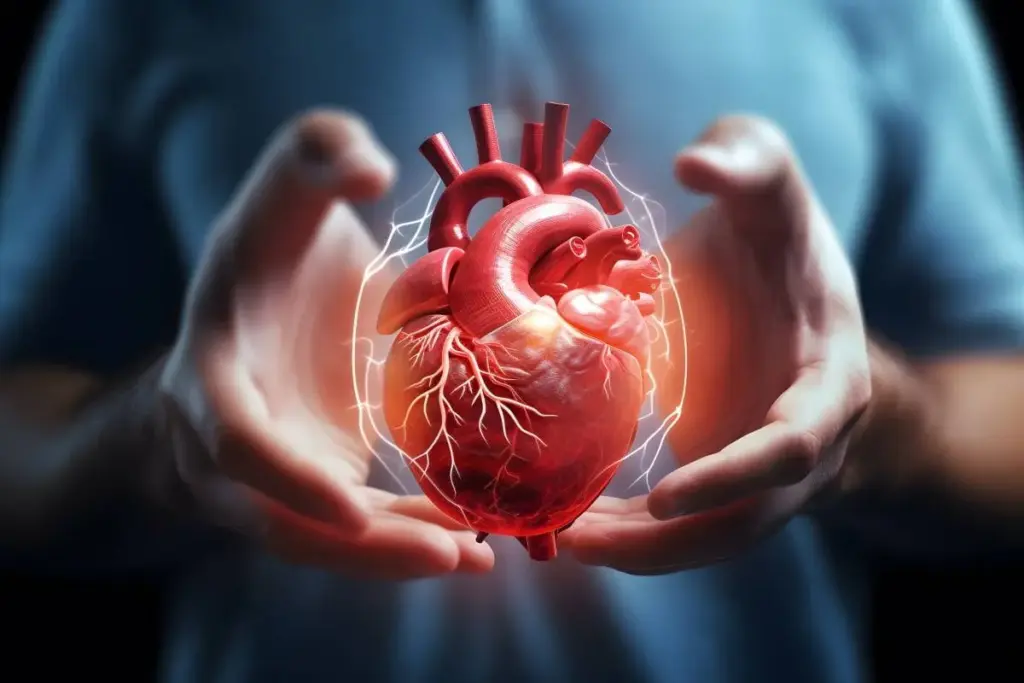
Who has the risk for congenital heart disease? Learn the crucial factors and powerful causes that make some individuals more likely to get it.
Congenital heart disease is a common issue in newborns worldwide. It affects 1 in 100 births. Knowing who is at risk can help in early detection and treatment.
Some factors make it more likely for a baby to have congenital heart disease. A family history of heart defects is a big factor. So is the presence of genetic factors. By knowing these, we can better support those at higher risk.
Key Takeaways
- Congenital heart disease is a significant condition affecting newborns globally.
- Family history of heart defects is a key risk factor.
- Genetic factors also play a role in the likelihood of congenital heart disease.
- Early detection is essential for effective management.
- Understanding risk factors helps in prevention and support.
Understanding Congenital Heart Disease
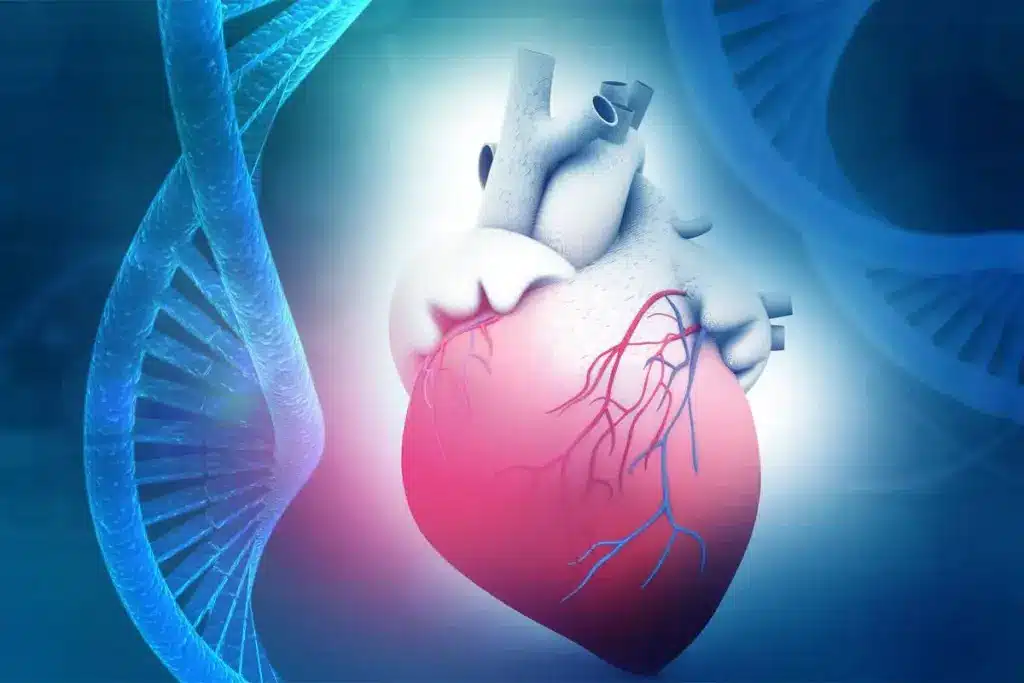
To understand congenital heart disease, we need to know its definition, types, and how common it is. It’s a group of heart problems that start in the womb. These issues can change how the heart works and lead to health problems.
Definition and Prevalence in the United States
Congenital heart defects are heart problems that babies are born with. Studies show they happen in about 8 out of every 1,000 births in the U.S. This highlights the significant health issue that congenital heart defects represent.
Congenital heart defects can be simple or very serious. Knowing how common they are helps us plan better for treatment and research.
Common Types of Congenital Heart Defects
The most common heart defects include:
- Ventricular septal defects (VSDs), which involve a hole in the wall between the heart’s two ventricles.
- Atrial septal defects (ASDs), characterized by a hole in the wall between the heart’s two upper chambers.
- Tetralogy of Fallot, a combination of four heart defects that can lead to cyanosis and other complications.
These defects can be found before or after birth. How they are treated depends on how serious they are. Thanks to new medical and surgical methods, more people with these defects are living better lives.
Looking into what causes congenital heart disease, it’s important to talk about certain medications in pregnancy. Some medicines taken by pregnant women can raise the risk of heart defects in babies. This shows why it’s so important to be careful with medicines during pregnancy.
The Risk for Congenital Heart Disease: An Overview
Congenital heart disease is a condition that can be influenced by many factors. Knowing these risks is key to preventing and catching it early.
How Risk Factors Interact
Risk factors for congenital heart disease don’t work alone. They interact in complex ways that can greatly affect a child’s heart health. For example, diabetes and high blood pressure in moms during pregnancy can up the risk of heart defects in babies.
Genetic predispositions, environmental exposures, and lifestyle choices also play a role. A family history of heart defects can increase a child’s risk. This risk can grow if the mom is exposed to toxins or has health issues during pregnancy.
Relative vs. Absolute Risk
It’s important to know the difference between relative and absolute risk. Relative risk compares the risk of heart disease with and without a certain factor. Absolute risk is the total chance of heart disease in a group of people.
Knowing both helps doctors and parents understand risks. For example, a risk factor might raise the relative risk of heart disease. But if the disease is rare, the absolute risk might be low.
Modifiable vs. Non-Modifiable Risk Factors
Risk factors can be changed or not. Non-modifiable factors include genetics and family history. Modifiable factors, like diabetes and high blood pressure, can be managed.
Managing diabetes and blood pressure during pregnancy can lower the risk of heart disease in babies. This shows how important it is to control these conditions.
|
Risk Factor |
Modifiability |
Impact on Congenital Heart Disease |
|---|---|---|
|
Maternal Diabetes |
Modifiable |
Increased risk with poor control |
|
Hypertension during Pregnancy |
Modifiable |
Increased risk with unmanaged hypertension |
|
Family History of Heart Defects |
Non-Modifiable |
Increased risk |
Genetic Predisposition to Congenital Heart Defects
Understanding the genetic basis of congenital heart defects is key. It helps identify those at higher risk, like those with a family history. Genetic predisposition is a big factor in congenital heart disease. Certain genes can make these defects more likely.
Family History of Heart Defects
A family history of heart defects raises the risk of congenital heart disease. Research shows that having a first-degree relative with a heart defect increases your risk. Having more family members with heart defects raises the risk even more, pointing to a genetic link.
“The familial occurrence of congenital heart defects suggests a strong genetic component,” researchers say. This highlights the need for genetic counseling in families with heart defect history.
Inherited Genetic Mutations
Inherited genetic mutations can lead to congenital heart defects. Certain genetic syndromes, like Down syndrome, raise the risk of heart defects. Genetic testing can spot some of these mutations, leading to early intervention.
Some genetic mutations that cause heart defects are inherited in an autosomal dominant pattern. This means one copy of the mutated gene is enough to increase risk. Other mutations might be recessive or have variable penetrance, making risk prediction tricky.
- Genetic counseling is recommended for families with a history of congenital heart defects.
- Early prenatal screening can help identify heart defects early.
- Knowing the genetic basis of congenital heart defects helps in making treatment decisions.
Chromosomal Disorders and Heart Development
Chromosomal abnormalities play a big role in heart development. They can lead to various congenital heart defects. This is important to understand in treating heart diseases.
Down Syndrome (Trisomy 21)
Down syndrome, or Trisomy 21, happens when there’s an extra chromosome 21. It increases the risk of heart defects in about 50% of those with it. Common heart issues include atrioventricular septal defect and ventricular septal defect.
Turner Syndrome
Turner syndrome affects females and happens when they’re missing an X chromosome. It often leads to heart problems, like a bicuspid aortic valve. Other heart issues include coarctation of the aorta and high blood pressure.
DiGeorge Syndrome (22q11.2 Deletion)
DiGeorge syndrome, or 22q11.2 deletion syndrome, is caused by a missing piece of chromosome 22. It leads to various congenital anomalies, including heart defects. Common heart issues include truncus arteriosus and tetralogy of Fallot.
Other Chromosomal Abnormalities
Other chromosomal issues can also affect heart development. Edwards syndrome and Patau syndrome, for example, are linked to complex heart defects. Knowing about these disorders helps in managing heart defects.
|
Chromosomal Disorder |
Common Congenital Heart Defects |
|---|---|
|
Down Syndrome (Trisomy 21) |
Atrioventricular septal defect, ventricular septal defect, patent ductus arteriosus |
|
Turner Syndrome |
Bicuspid aortic valve, coarctation of the aorta, hypertension |
|
DiGeorge Syndrome (22q11.2 Deletion) |
Truncus arteriosus, tetralogy of Fallot, interrupted aortic arch |
Maternal Age Factors
The age of a mother at pregnancy time can greatly affect the chance of congenital heart defects. We need to look at both the biological and environmental factors. This is key to understanding the link between maternal age and congenital heart disease.
Advanced Maternal Age (35+)
Being 35 or older at delivery time raises the risk of pregnancy issues, including congenital heart disease. Studies show older mothers are more likely to have children with heart defects. The reasons are not clear, but egg aging and uterine changes might play a part.
“As women wait longer to have children, the risks to the fetus grow,” a study points out.
“The risk of congenital heart defects increases with maternal age, specially after 35.”
Very Young Maternal Age
Young mothers, under 20, also face higher risks of congenital heart disease. Teen pregnancies are linked to more pregnancy problems, including heart defects. Poor prenatal care, low income, and lifestyle choices might add to these risks.
Both young and older mothers face unique challenges. Knowing these risks helps in giving the right care and advice to expectant mothers.
Maternal Diabetes and Blood Sugar Control
The connection between maternal diabetes and heart defects in babies is clear. This shows how key blood sugar control is during pregnancy.
Diabetes in moms, whether it’s pre-existing or gestational, can harm a baby’s heart. Studies show that high blood sugar early in pregnancy raises the risk of heart defects.
Pre-existing Diabetes
Women with diabetes before pregnancy face a higher risk of heart issues in their babies. This risk is linked to how well blood sugar is managed during the first eight weeks of pregnancy.
- Type 1 Diabetes: This is when the body can’t make insulin, so insulin is needed.
- Type 2 Diabetes: It’s about insulin resistance and not making enough insulin, often managed with diet, exercise, and meds.
Gestational Diabetes
Gestational diabetes happens during pregnancy, usually in the second or third trimester. It’s caused by hormonal changes and insulin resistance. It’s managed with diet and exercise, but sometimes insulin or meds are needed.
Even though gestational diabetes usually goes away after pregnancy, it can affect fetal development. This is if blood sugar levels aren’t kept in check.
Blood Sugar Management During Pregnancy
Keeping blood sugar in check is key to lowering the risk of heart defects. This means:
- Checking blood glucose often.
- Eating a balanced diet and following a meal plan.
- Staying active.
- Changing insulin or meds as advised by a healthcare provider.
Getting preconception counseling is also important for women with diabetes. It helps get blood sugar levels right before getting pregnant.
By knowing the risks of maternal diabetes and managing blood sugar well, we can lower the chance of heart disease in babies.
Hypertension and Cardiovascular Conditions in Mothers
Hypertension in pregnant women can harm the heart of the unborn baby. It affects how the heart develops in the womb. We will look into how high blood pressure during pregnancy impacts the fetus.
Chronic Hypertension
Chronic hypertension is high blood pressure that’s there before pregnancy or shows up early in it. It raises the risk of heart problems in the baby. Managing chronic hypertension is key to reduce risks.
Pregnancy-Induced Hypertension
Pregnancy-induced hypertension starts after 20 weeks. It can cause pre-eclampsia and affect the baby’s heart. Keeping an eye on blood pressure is important for early action.
Pre-eclampsia
Pre-eclampsia is high blood pressure with damage to organs like the liver and kidneys. It increases the risk of heart defects in the baby. Early detection and management are vital to avoid problems.
Maternal Congenital Heart Disease
Women with heart defects face more risks during pregnancy. They might pass on heart problems to their child. Preconception counseling and careful management are key for these women.
Managing hypertension and heart conditions in pregnancy involves:
- Regular prenatal care to monitor blood pressure and overall health
- Lifestyle modifications such as diet and exercise
- Medication management for chronic conditions
- Monitoring for signs of pre-eclampsia and other complications
Understanding and managing hypertension and heart conditions in pregnancy can lower the risk of heart disease in babies. It improves health outcomes for both mothers and their children.
Substance Use During Pregnancy
Using harmful substances during pregnancy can harm a baby’s heart. It risks the health of both the mom and the unborn child.
Smoking and Tobacco Exposure
Smoking and tobacco use during pregnancy can harm a baby’s heart. Maternal smoking can cause low birth weight and heart defects. It’s key to avoid tobacco during pregnancy.
Smoking affects a baby’s heart in many ways. It can cause fetal hypoxia, or a lack of oxygen. This can mess up heart development.
|
Risks Associated with Smoking |
Potential Outcomes |
|---|---|
|
Maternal smoking |
Congenital heart defects, low birth weight |
|
Tobacco exposure |
Increased risk of heart defects, fetal hypoxia |
Alcohol Consumption During Pregnancy
Drinking alcohol during pregnancy is risky for heart health. Fetal Alcohol Spectrum Disorders (FASD) can cause developmental and cognitive issues.
Alcohol can harm a baby’s heart. It can cause structural and functional problems. Pregnant women should avoid alcohol to reduce risks.
Illicit Drug Use
Illicit drug use during pregnancy is dangerous. Substances like cocaine and methamphetamine can lead to premature birth and low birth weight.
Drug use can cause neonatal abstinence syndrome (NAS). This is when newborns go through withdrawal. It’s vital to get help for substance use during pregnancy.
Medication Exposure in Pregnancy
Medication use in pregnancy is a complex issue. It’s important to balance the need for treatment with the risks to the fetus. This balance is key.
Prescription Medications Linked to CHD
Certain prescription drugs can increase the risk of congenital heart defects (CHD). For example, anticonvulsants like valproate and phenytoin are linked to a higher CHD risk. Also, certain antidepressants, such as SSRIs, might be associated with CHD, though the evidence is not solid.
Pregnant women or those planning to conceive should talk to their healthcare provider about their medications. They need to weigh the risks and benefits of their drugs to protect the fetus.
Over-the-Counter Medications to Avoid
Over-the-counter (OTC) drugs also carry risks during pregnancy. Nonsteroidal anti-inflammatory drugs (NSAIDs) like ibuprofen should be used with caution, mainly in the third trimester. They can cause the ductus arteriosus to close early. Some antihistamines and decongestants in cold meds might also be risky, mainly if taken in large amounts or with other drugs.
Pregnant women should always check with their healthcare provider before taking any OTC medication. This ensures they make safe choices for their health and their baby’s.
Balancing Medication Needs with Pregnancy Risks
Managing medication needs during pregnancy requires a careful approach. Healthcare providers work with pregnant women to review their medication needs. They might switch to safer options, adjust dosages, or closely watch the fetus for any issues.
For women with chronic conditions, preconception counseling is very helpful. It helps them get their health in check before pregnancy, reducing medication risks.
The goal is to keep both mother and baby healthy. By managing medication use carefully and making informed choices, we can lower the risk of congenital heart defects and other pregnancy complications.
Nutritional Deficiencies and Dietary Factors
Pregnancy is a time when what you eat matters a lot. A balanced diet is key for the baby’s health. Without the right nutrients, the baby’s heart can be at risk.
Folic Acid Deficiency
Folic acid is very important for preventing birth defects. It helps the baby’s brain and spine develop right. Without enough folic acid, the risk of heart problems goes up. So, it’s important for moms-to-be to get enough from food or supplements.
Vitamin B Deficiencies
Vitamins B6 and B12 are important for the heart. Not having enough can raise the risk of heart issues. Pregnant women should eat well or take supplements to get these vitamins.
Poor Overall Nutrition
Eating poorly can harm the baby’s development. It can lead to heart problems. Moms should eat a variety of foods like fruits, veggies, whole grains, and lean meats.
Obesity and Maternal Diet
Being overweight before pregnancy can also be a problem. It can increase the risk of heart defects in the baby. Staying healthy through diet and exercise is a good idea for those trying to conceive.
In short, what you eat and your weight matter a lot. Eating right and staying healthy can help prevent heart problems in babies. It’s all about taking care of yourself and your baby.
Infections During Pregnancy
Certain infections during pregnancy can raise the risk of heart defects in babies. We’ll look at how rubella, cytomegalovirus (CMV), and influenza affect the heart of a developing fetus.
Rubella (German measles)
Rubella in early pregnancy can greatly increase the chance of heart defects. The risk is even higher if it happens in the first trimester.
Cytomegalovirus (CMV)
Cytomegalovirus is a common virus that can affect anyone. If a pregnant woman gets CMV, it can harm her baby’s heart and cause other problems.
Influenza and other viral infections
Influenza, or the flu, can be very serious for pregnant women. While the exact link to heart defects is being studied, severe flu can harm the baby’s development.
Fever and hyperthermia effects
High fever from infections like the flu can harm the fetus. It’s important for pregnant women to stay hydrated and keep their fever down.
|
Infection |
Risk to Fetal Heart Development |
|---|---|
|
Rubella |
High risk of congenital heart defects if infected during the first trimester. |
|
Cytomegalovirus (CMV) |
Potential for congenital heart defects and other complications. |
|
Influenza |
Severe illness and high fever may impact fetal development. |
Environmental Exposures and Toxins
Understanding how environmental exposures affect congenital heart disease is key during pregnancy. These exposures can impact fetal development. It’s vital to know about them.
Organic Solvents and Chemicals
Organic solvents and chemicals can raise the risk of heart defects in babies. They’re found in many places, like work areas and home cleaning products. Pregnant women should be careful with products that have solvents like benzene or toluene.
Some chemicals, like those in dry cleaning or paint thinners, might also increase heart defect risks. To protect yourself, use protective gear and follow safety rules when handling these chemicals.
Heavy Metals Exposure
Heavy metals, like lead, mercury, and arsenic, are harmful to fetal development. They can be in water, some fish, and polluted air. High exposure levels are linked to health problems, including heart disease.
Mercury is a big concern because it can reach the fetus. Pregnant women should eat less fish with high mercury, like shark and swordfish. They should also check local advisories on fish from local waters.
Air Pollution
Air pollution is a major factor affecting heart health in fetuses. Poor air quality, like fine particulate matter (PM2.5), can increase heart defect risks.
Living in polluted areas during pregnancy can also raise heart defect risks. Pregnant women should watch local air quality indexes. They should wear masks when outdoors during bad air quality.
Radiation Exposure
Ionizing radiation is a risk for congenital heart disease. Pregnant women might get exposed through medical imaging or work environments.
It’s important for pregnant women to tell their healthcare providers about their pregnancy before any imaging. Try to use imaging methods that don’t use radiation when possible.
|
Environmental Exposure |
Potential Risk |
Precautionary Measures |
|---|---|---|
|
Organic Solvents |
Increased risk of congenital heart defects |
Minimize use of products containing solvents, use protective gear |
|
Heavy Metals |
Developmental issues, including heart defects |
Avoid contaminated water, limit consumption of high-mercury fish |
|
Air Pollution |
Increased risk of congenital heart defects |
Monitor air quality, wear masks during poor air quality |
|
Radiation |
Increased risk of congenital heart disease |
Inform healthcare providers of pregnancy status, use alternative imaging when possible |
Multiple Pregnancy Considerations
Multiple pregnancies, like twins and triplets, come with unique challenges. As more women have twins, it’s key to know the risks and take the right steps.
Twins, Triplets, and Higher-Order Multiples
Having twins or more can lead to more health issues than single births. These issues might include early birth, low birth weight, and high blood pressure. There’s also a higher chance of heart problems in babies born in multiple pregnancies.
A study in the Journal of Reproductive Medicine found twins face a higher risk of heart defects. This shows why it’s vital to watch closely and get special care for moms of multiples.
|
Pregnancy Type |
Risk of Congenital Heart Defects |
Preterm Labor Risk |
|---|---|---|
|
Singleton |
0.8% |
10% |
|
Twins |
1.2% |
60% |
|
Triplets |
1.5% |
90% |
Twin-to-Twin Transfusion Syndrome
Twin-to-twin transfusion syndrome (TTTS) happens in identical twins sharing a placenta. It occurs when blood exchange is not balanced, causing one twin to get too little blood and the other too much.
TTTS can cause serious problems, like heart failure and growth issues. Spotting it early through ultrasound is key to treating it and saving the babies.
“The timely diagnosis and treatment of TTTS are critical to improving the survival rates and reducing the risk of long-term complications for affected twins.”
Monochorionic vs. Dichorionic Twins
Knowing if twins are monochorionic or dichorionic is important. Monochorionic twins share a placenta, raising the risk of TTTS. Dichorionic twins have separate placentas, lowering the risk of TTTS but not all risks.
Understanding the type of twinning helps in managing the pregnancy and preparing for possible issues.
Prenatal Care Access and Quality
Early and consistent prenatal care is key to preventing and managing congenital heart disease. Access to quality prenatal care greatly impacts the detection and management of congenital heart defects.
Early and Consistent Prenatal Care
Regular prenatal check-ups help healthcare providers closely monitor fetal development. They can spot issues early. Studies show prenatal care can improve outcomes for babies with congenital heart defects by allowing for timely interventions and preparing for after birth care.
Socioeconomic Factors Affecting Care
Socioeconomic factors like income, education, and healthcare access can greatly affect prenatal care quality. Women from lower socioeconomic backgrounds may struggle to get consistent prenatal care. This can impact the detection and management of congenital heart disease.
Healthcare Disparities in CHD Detection
Healthcare disparities can lead to differences in detecting and managing congenital heart disease. It’s vital to address these disparities to ensure fair care for all pregnant women, no matter their socioeconomic status or location.
Rural vs. Urban Access to Specialized Care
The location of prenatal care services can affect access to specialized care. Rural areas often struggle to access specialized healthcare services, including for congenital heart disease, compared to urban areas.
By understanding these factors and improving prenatal care access, we can better detect and manage congenital heart disease. This will improve outcomes for affected families.
Prenatal Screening and Detection
Medical technology has improved a lot. Now, prenatal screening is key in finding heart problems in fetuses. It helps spot congenital heart defects early, making it easier to manage and decide what to do next.
Ultrasound Screening
Ultrasound is a big part of prenatal care. It uses sound waves to see the fetus. Doctors can check the heart’s shape and how it works.
Routine ultrasound exams can find many heart defects. But, how well they work depends on the doctor’s skill and the ultrasound machine’s quality.
Fetal Echocardiography
Fetal echocardiography is a special ultrasound for the heart. It shows detailed pictures of the heart. This helps doctors find complex heart defects.
This test is suggested for high-risk pregnancies. This includes families with heart defect history or if an abnormality is seen on a routine ultrasound.
Non-Invasive Prenatal Testing (NIPT)
NIPT checks the mother’s blood for cell-free DNA. It looks for chromosomal problems, like those linked to heart defects.
NIPT isn’t a definitive test. But, it can show if a pregnancy is at higher risk. This might lead to more tests, like fetal echocardiography.
Amniocentesis and CVS for Genetic Testing
Amniocentesis and CVS are tests that take fetal cells. They look for genetic issues.
These tests can find chromosomal problems linked to heart disease. This gives important info to parents and doctors.
Prevention Strategies for High-Risk Populations
For those at high risk, stopping congenital heart disease is a team effort. It includes making lifestyle changes, managing health, and planning before pregnancy. Let’s dive into these steps to see how they work together.
Preconception Counseling and Planning
Preconception counseling is key for those at risk of congenital heart disease. It checks health, family history, and risk factors. Prospective parents should talk to their doctor about their health before getting pregnant.
Good planning means managing health issues, staying healthy before pregnancy, and knowing about medication risks. This can greatly lower the risk of heart problems in babies.
Managing Chronic Health Conditions
Controlling chronic health issues is essential to prevent congenital heart disease. Conditions like diabetes, high blood pressure, and obesity can harm fetal development. It’s important for diabetic patients to keep their blood sugar in check and for everyone to keep blood pressure normal.
Doctors are key in helping patients manage their health before and during pregnancy. They guide on medication, lifestyle changes, and monitoring to ensure the best results.
Lifestyle Modifications
Making lifestyle changes is a big part of preventing congenital heart disease. Avoiding harmful substances like tobacco and alcohol, eating well, and taking enough folic acid are important. Women should also aim for a healthy weight before pregnancy, as being overweight is a risk factor.
By changing their lifestyle, people can lower their risk of congenital heart disease. They also improve their health and well-being.
Supplementation Recommendations
Some supplements can help prevent congenital heart disease. Folic acid is recommended for all pregnant women to prevent neural tube defects and heart issues. Other nutrients are also important during pregnancy.
Prospective parents should talk to their doctor about supplements. This ensures they get the right nutrients without too much.
Conclusion
Congenital heart disease is a complex condition. It is influenced by genetics, environment, and lifestyle. Understanding these factors is key to reducing congenital heart defects.
Managing chronic health conditions and making lifestyle changes are important. Good prenatal care is also vital. Prenatal screening helps find issues early, leading to better outcomes.
Early and consistent prenatal care is essential. It lets healthcare providers monitor fetal development and manage risks. This way, we can help those with congenital heart disease.
FAQ
What are the main risk factors for congenital heart disease?
Risk factors include genetic predispositions and maternal health issues like diabetes and hypertension. Substance use during pregnancy and certain medications also play a role. Nutritional deficiencies, infections, and environmental toxins are other factors.
How does a family history of heart defects impact the risk of congenital heart disease?
A family history of heart defects can raise the risk of congenital heart disease. This is because genetic mutations can be passed down. It’s important to talk to a healthcare provider if there’s a family history.
What is the impact of maternal diabetes on the risk of congenital heart disease?
Maternal diabetes, whether pre-existing or gestational, can increase the risk. Keeping blood sugar levels under control is key. Women with diabetes should work closely with their healthcare provider.
How does advanced maternal age affect the risk of congenital heart disease?
Advanced maternal age, 35 years or older, raises the risk of congenital heart disease. This is due to the increased risk of chromosomal abnormalities. Women of advanced age should undergo prenatal screening.
What role do nutritional factors play in the risk of congenital heart disease?
Nutritional factors, like folic acid and vitamin B deficiencies, can affect the risk. A balanced diet and folic acid supplementation are recommended during pregnancy.
How do infections during pregnancy affect the risk of congenital heart disease?
Infections like rubella and CMV can increase the risk. Pregnant women should prevent infections and seek medical care if exposed or showing symptoms.
What is the significance of prenatal screening in detecting congenital heart disease?
Prenatal screening, including ultrasound and fetal echocardiography, is vital. It helps detect congenital heart disease early. Early detection improves management and planning for the newborn.
Can lifestyle modifications help prevent congenital heart disease?
Yes, lifestyle changes can reduce the risk. Managing chronic conditions, avoiding substance use, and maintaining a healthy diet are important. Proper prenatal care is also key.
How do environmental exposures impact the risk of congenital heart disease?
Exposure to toxins like organic solvents and heavy metals can increase the risk. Pregnant women should minimize exposure to protect their unborn child.
What is the importance of preconception counseling for preventing congenital heart disease?
Preconception counseling is vital for managing risk factors before pregnancy. It helps women with chronic conditions like diabetes optimize their health. This reduces the risk of congenital heart disease.
References
National Center for Biotechnology Information. Evidence-Based Medical Insight. Retrieved from https://pubmed.ncbi.nlm.nih.gov/22078432/