Spinal stenosis affects millions globally, causing a lot of pain and disability. Nearly 250,000 adults in the United States are diagnosed with lumbar spinal stenosis annually. Many face the tough choice of whether to have surgery.
For those with spinal stenosis, the thought of surgery is scary. But, not getting surgery can make symptoms worse and lead to serious problems. We’ll look at what happens if you don’t have surgery for spinal stenosis. We’ll also talk about why it’s key to think about all your options.
Key Takeaways
- Understanding the risks associated with untreated spinal stenosis.
- The possible outcomes of not having spinal stenosis surgery.
- Exploring other treatments for spinal stenosis.
- The importance of talking to a healthcare professional for advice.
- Things to think about when choosing a treatment for spinal stenosis.
Understanding Spinal Stenosis and Its Natural Progression
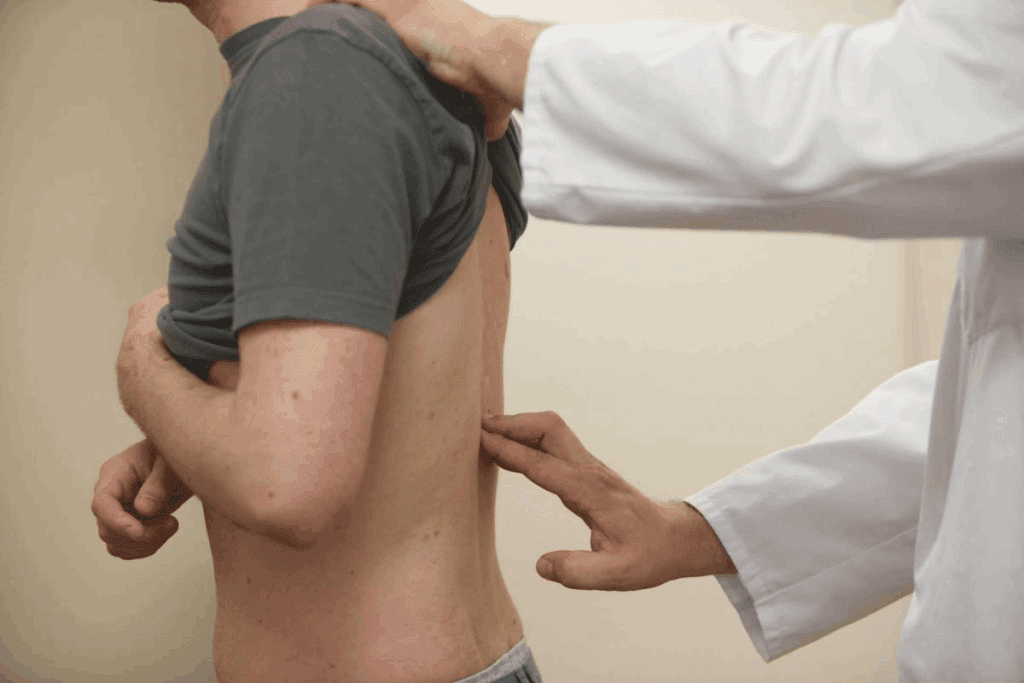
Spinal stenosis can start slowly but can really affect your life. It happens when the spinal canal gets smaller. This can press on nerves, causing pain, discomfort, and making it hard to move.
What Is Spinal Stenosis?
Spinal stenosis is when the spinal canal gets narrower. This puts pressure on the spinal cord or nerves. It can happen because of age, disk problems, or injuries.
It can happen in different parts of the spine. But the lower back, or lumbar region, is most often affected. This is called lumbar spinal stenosis.
How Spinal Stenosis Typically Progresses Without Intervention
If not treated, spinal stenosis can get worse. The spinal canal gets even narrower. This makes nerve compression worse.
Not treating it can lead to serious problems. You might have chronic pain, become more disabled, and have a lower quality of life. As it gets worse, pain can change and pain meds might not work as well.
| Symptoms | Short-Term Effects | Long-Term Effects |
| Pain and discomfort | Increased pain | Chronic pain |
| Numbness or tingling | Intermittent numbness | Permanent nerve damage |
| Weakness | Muscle weakness | Significant muscle atrophy |
The Risks of Not Having Spinal Stenosis Surgery
Choosing not to have spinal stenosis surgery can lead to serious health issues. These problems can affect how we live our daily lives. Not getting surgery can cause short-term and long-term health problems.
Short-Term Consequences
Not having surgery can make pain worse. Pain management becomes very hard. The pain from untreated stenosis can get so bad it hurts to move or stand for long.
This can make simple tasks hard. It might even make us less active. This can lead to more health problems.
Long-Term Complications
Untreated spinal stenosis can cause more serious problems over time. Spinal stenosis chronic pain can make life hard. It can also hurt our mental health.
Long-term nerve compression can cause permanent damage. This can lead to numbness, weakness, or even paralysis. It can make it hard to move and be independent.
It’s important to manage pain well. But, without surgery, these efforts may not work for long. This shows why surgery should be considered.
Pain Management Challenges with Untreated Stenosis
Managing pain from untreated spinal stenosis is tough. It affects patients’ physical, emotional, and mental health. Without treatment, the pain gets harder to handle.
Evolving Pain Patterns
The pain from untreated spinal stenosis can get worse over time. At first, it might be manageable with simple treatments. But as it gets worse, the pain can become constant and hard to treat.
This change in pain is due to nerve compression and spinal damage. As stenosis gets worse, patients may face nerve damage. This can lead to new, hard-to-manage pain types.
Effectiveness of Pain Medications Over Time
Pain meds for spinal stenosis pain may stop working over time. At first, NSAIDs or steroids can help a lot. But as spinal stenosis nerve damage grows, these meds may not work as well.
Long-term use of pain meds can cause side effects and addiction. Patients with untreated stenosis may lose mobility due to pain. It’s key for doctors to keep adjusting treatment plans to meet changing needs.
In summary, managing pain from untreated spinal stenosis needs a careful and flexible approach. As the condition worsens, treatment plans must change to tackle new pain patterns and prevent untreated stenosis mobility loss.
Potential for Nerve Damage and Neurological Complications
Untreated spinal stenosis can lead to nerve damage and neurological problems. As it gets worse, nerves get compressed, causing serious health issues.
How Compression Affects Nerve Health
Spinal stenosis compresses nerves, harming their health. As it worsens, nerves get more compressed, leading to damage. This can cause pain, numbness, and weakness in affected areas.
Nerve compression can also cause nerve root damage and cauda equina syndrome. These are serious conditions that need immediate medical help. This shows why it’s key to watch spinal stenosis and treat worsening symptoms.
Signs of Worsening Neurological Function
It’s important to know when spinal stenosis is getting worse. Look for increasing pain, numbness or tingling in the legs, and weakness or loss of mobility. Untreated spinal stenosis can cause mobility loss and greatly affect your quality of life.
Some people may see spinal stenosis worsening without surgery, raising the risk of neurological problems. It’s vital to notice warning signs like sudden severe pain or loss of bladder control for timely action.
There’s also a risk of spinal stenosis and paralysis. While rare, paralysis can happen if nerve compression is severe and lasts long.
Knowing these risks and recognizing worsening neurological signs can help those with spinal stenosis make better treatment choices.
Untreated Spinal Stenosis Muscle Weakness and Physical Decline
Untreated spinal stenosis can cause muscle weakness and physical decline. This affects a person’s quality of life. As the condition worsens, nerve compression leads to lasting and severe symptoms.
How Stenosis Leads to Muscle Weakness
Spinal stenosis causes muscle weakness by pressing on nerves. These nerves control muscle function. When compressed, they can’t send signals to muscles, causing weakness and possibly muscle shrinkage over time.
The worsening of untreated spinal stenosis slowly reduces physical abilities. Even simple tasks become hard, and moving around becomes much harder.
Cascading Physical Effects
The long-term effects of untreated spinal stenosis go beyond muscle weakness. As physical abilities decline, people face many other problems, including:
- Decreased mobility and flexibility
- Increased risk of falls due to weakness and loss of balance
- Difficulty performing daily activities
- Potential for further injury or complications
It’s vital to tackle spinal stenosis early to avoid these issues. Knowing the risks of untreated spinal stenosis helps people make better care choices.
Impact on Mobility and Daily Activities
Living with spinal stenosis means adapting to new challenges. Everyday tasks become harder because of limited mobility. As the condition worsens, it’s harder to stay independent and enjoy activities.
Progressive Limitations in Movement
Spinal stenosis can greatly limit movement. The narrowing of the spinal canal can press nerves, causing pain, numbness, and weakness in the legs. This makes it hard to walk, stand, or sit for long.
Common limitations include:
- Reduced walking distance without pain
- Difficulty standing up from a seated position
- Increased pain when standing or walking
- Numbness or weakness in the legs
Adaptations Required for Daily Living
As mobility gets worse, people with spinal stenosis need big changes in their daily lives. They might use canes or walkers, change their homes, or plan their days for more rest.
Some common adaptations include:
- Using assistive devices for mobility
- Modifying home environments (e.g., installing handrails or ramps)
- Adjusting daily routines to include more rest
- Seeking help from others for tasks that become too challenging
These changes help people stay independent and enjoy life, even with spinal stenosis.
Spinal Stenosis Progression Without Surgery: Quality of Life Impact
Spinal stenosis affects daily life in many ways. Without surgery, people often see a big drop in their quality of life.
Psychological Effects of Chronic Stenosis
Untreated spinal stenosis can cause depression and anxiety. The ongoing pain and frustration hurt mental health. It’s key to treat these psychological effects too.
Living with chronic stenosis can make people feel alone. The constant pain and limited mobility hurt personal relationships and overall happiness.
Social and Relationship Consequences
As spinal stenosis gets worse, it’s hard to do social things, work, or enjoy hobbies. This can make people feel lonely and disconnected from others.
The strain on personal relationships is big. Caregivers may have to help more, which is hard for everyone. It’s important to think about these effects when deciding about surgery.
Knowing about spinal stenosis permanent damage and looking at spinal stenosis surgery alternatives helps people make better choices. By tackling the mental, social, and physical sides of spinal stenosis, we can improve life for those with this condition.
Risk of Developing Permanent Damage
Spinal stenosis can cause severe nerve damage if not treated. This happens when the spinal canal narrows, pressing on nerves. We’ll look at the dangers of not treating spinal stenosis and the lasting damage it can cause.
When Nerve Compression Becomes Irreversible
Nerve compression from spinal stenosis can become permanent if not treated quickly. Long-term nerve compression can cause permanent damage. This damage can lead to ongoing pain, numbness, and weakness in the limbs.
Signs of permanent nerve damage include constant numbness, tingling, and weakness in the legs or arms. In severe cases, it can even cause loss of bladder or bowel control. It’s important to catch these symptoms early to avoid lasting harm.
Spinal Stenosis Permanent Damage Outcomes
The effects of permanent damage from spinal stenosis can be severe. Patients may face chronic pain, limited mobility, and a lower quality of life. While some treatments can help manage symptoms, the damage cannot be undone.
- Permanent numbness or tingling in the limbs
- Chronic pain that is difficult to manage
- Muscle weakness or paralysis
- Loss of bladder or bowel control
Early treatment is key to avoiding these outcomes. We suggest looking into spinal stenosis treatment options, including both conservative treatments and surgery, to find the best approach.
It’s vital to understand the risks of permanent damage from spinal stenosis to make informed treatment choices. We encourage patients to talk to healthcare professionals about their options to avoid long-term problems.
Spinal Stenosis and the Risk of Paralysis
Spinal stenosis is a serious condition that can lead to paralysis. It happens when the spinal canal gets too narrow. This can press on the spinal cord and nerves, causing severe problems.
Understanding the Real Paralysis Risk
Not all spinal stenosis cases lead to paralysis. But, in severe cases, it can cause serious nerve damage. We will look at what increases this risk and how to lower it.
Factors contributing to paralysis risk include:
- The severity of spinal stenosis
- The location of the stenosis
- The presence of other spinal conditions
Warning Signs That Require Immediate Attention
It’s important to know the signs of possible paralysis. Look out for sudden weakness, loss of bladder or bowel control, and numbness. These symptoms need quick medical help.
Patients should seek help right away if they notice these signs.
There are other treatments like minimally invasive procedures and complementary and alternative medicine. These can help manage spinal stenosis and lower the risk of complications.
Knowing about spinal stenosis risks and exploring other treatments can help patients make better choices. It’s best to talk to a healthcare provider about these options.
Conservative Treatment Options for Managing Spinal Stenosis
For those with spinal stenosis, trying conservative treatments is key. These options help manage symptoms and improve life quality. They can reduce pain and boost mobility, helping patients stay independent and active.
Physical Therapy Approaches
Physical therapy is vital for spinal stenosis. It includes exercises to strengthen the spine’s muscles, improve flexibility, and lessen pain. “Physical therapy can be highly effective in managing spinal stenosis symptoms,” as it tackles the main causes of pain and aids in healing.
It’s important to have a physical therapy plan that includes exercises for better posture, stronger core muscles, and more flexibility. This not only helps manage symptoms but also prevents future problems.
Medication Management Strategies
Medicine is key in controlling spinal stenosis pain. We suggest using over-the-counter pain relievers and sometimes prescription drugs to manage pain and swelling well.
Working with a healthcare provider to find the right medication is essential. “The goal is to find a balance between pain relief and minimizing side effects,” ensuring the treatment doesn’t harm the patient’s quality of life.
Lifestyle Modifications
Making lifestyle changes is also important for spinal stenosis management. Simple steps like keeping a healthy weight, improving posture, and avoiding activities that worsen symptoms can help a lot.
We also suggest trying alternative pain management methods like chiropractic care or acupuncture. Some people find these helpful in managing their symptoms. “Adopting a holistic approach to health can lead to better outcomes,” as it covers both physical and emotional health.
By using these conservative treatments, people with spinal stenosis can see big improvements in their symptoms and life quality. It’s about finding the best treatment mix for each person, with the help of healthcare experts.
Alternative Treatments to Spinal Stenosis Surgery
There are now many non-surgical treatments for spinal stenosis. These options are becoming more popular as medical technology improves. They help patients feel better and live better lives.
Minimally Invasive Procedures
Minimally invasive procedures are a good choice for many. They aim to lessen symptoms with less damage and faster healing than traditional surgery. Some common ones include:
- Epidural Steroid Injections: These injections put steroids near the spinal cord to reduce inflammation and pain.
- Facet Joint Injections: Steroids or numbing meds are injected into facet joints to ease pain and swelling.
- Radiofrequency Ablation: This uses radio waves to heat and destroy pain-carrying nerves.
Complementary and Alternative Medicine Options
Complementary and alternative medicine (CAM) offers more ways to manage spinal stenosis. These treatments can be used with or without traditional methods. Some popular CAM options are:
- Physical Therapy: Personalized exercise programs can improve flexibility, strength, and posture, easing spine pressure.
- Chiropractic Care: Spinal adjustments can help align the spine and reduce nerve pressure.
- Acupuncture: Thin needles are inserted into the body to stimulate healing and pain relief.
Emerging Non-Surgical Treatments
New non-surgical treatments for spinal stenosis are being researched. Some promising ones include:
- Stem Cell Therapy: Treatments using stem cells to repair damaged spinal tissues.
- Biologics: Therapies using biological agents to fight inflammation and promote healing.
- Advanced Physical Therapy Modalities: New physical therapy technologies, like virtual reality, are being explored.
It’s important to know when treatment failure happens. This might mean trying new or more intense treatments. By looking at how the disease is progressing, we can choose the best treatment.
Spinal Stenosis Disability: Functional and Legal Considerations
Spinal stenosis affects how well you can function and your legal rights. It’s important to know both the impact on your daily life and the legal help available.
Functional Disability Assessment
Checking how spinal stenosis impacts your daily life is key. It helps figure out what support and changes you might need.
The process includes:
- Looking at your medical history and current symptoms
- Checking your physical strength, flexibility, and how far you can move
- Seeing how you do with everyday tasks
- Using special tools and questionnaires to measure your disability
| Assessment Criteria | Description | Impact on Daily Life |
| Physical Examination | Checks your strength, flexibility, and movement | Affects your ability to do daily tasks and stay independent |
| Daily Activities Assessment | Looks at your ability to walk, stand, and lift | Changes your quality of life and social activities |
| Standardized Tools and Questionnaires | Measures your disability level with proven methods | Helps decide if you need support and changes |
Disability Benefits and Legal Protections
If spinal stenosis makes it hard to work, you might get disability benefits. Knowing your legal rights and how to apply is important.
In the U.S., the Social Security Administration (SSA) offers disability benefits. You need to show that your condition makes it hard to work.
Key Legal Protections:
- The Americans with Disabilities Act (ADA) stops discrimination against people with disabilities
- The SSA gives money to those who qualify
- Some states have extra help and resources
Choosing the right treatment and knowing how spinal stenosis affects you are key. It’s important to get all the help and resources you can. This will help you manage your condition better.
When to Reconsider Surgery: Recognizing Treatment Failure
If conservative treatments for spinal stenosis don’t work, it’s time to think about surgery. Spinal stenosis narrows the spine, putting pressure on nerves. This can cause pain, numbness, or weakness.
While many find relief with non-surgical treatments, others may see their symptoms get worse. It’s important to know when to move on to surgery.
Red Flags That Conservative Treatment Is No Longer Sufficient
There are signs that show non-surgical treatments aren’t working anymore. These include:
- Increasing pain that interferes with daily activities
- Worsening numbness or weakness in the legs
- Decreased mobility or difficulty walking
- Loss of bladder or bowel control
- Failure to improve with physical therapy or medication
“The goal of treatment is to improve quality of life. When non-surgical treatments fail, surgery can be a viable option to alleviate symptoms and restore function.”
Objective Measures of Disease Progression
It’s important to use objective measures to see how spinal stenosis is getting worse. These include:
| Measure | Description | Indicators of Progression |
| Neurological Examination | Assessment of nerve function and muscle strength | Decline in muscle strength, reflex changes |
| Imaging Studies | Use of MRI or CT scans to visualize spinal stenosis | Increased narrowing of the spinal canal, nerve compression |
| Functional Capacity | Evaluation of a patient’s ability to perform daily activities | Decreased walking distance, increased pain with activity |
By watching these measures and knowing the signs that treatments aren’t working, doctors can help patients decide on the next steps. This might include surgery.
Conclusion:
Spinal stenosis can really affect your life if not treated right. It’s key to know the risks of not getting surgery and the treatment choices available. Understanding your options enables you to make informed treatment decisions. Not getting surgery can lead to ongoing pain, nerve harm, and less mobility. It’s important to think about these risks and the good things surgery and other treatments can do. Things like physical therapy and changing your lifestyle can also help. By looking at all the facts and talking to doctors, you can make a good choice about your treatment. This way, you can find the best path to feeling better and living better.
FAQ
What is spinal stenosis, and how does it progress if left untreated?
Spinal stenosis is when the spinal canal gets narrower. This puts pressure on the spinal cord and nerves. If not treated, it can get worse, causing more pain, less mobility, and serious nerve problems.
What are the risks of not having spinal stenosis surgery?
Not getting surgery can lead to more pain, less movement, and chronic pain. It can also cause nerve damage, muscle weakness, and even paralysis. Waiting too long can cause permanent harm and lower your quality of life.
How does untreated spinal stenosis affect pain management?
Untreated spinal stenosis makes pain harder to manage. Over time, pain meds may not work as well. You might need other treatments to help manage your pain.
Can spinal stenosis cause nerve damage if left untreated?
Yes, it can. The pressure on nerves can cause numbness, tingling, and weakness. This can lead to permanent nerve damage if not treated.
What are the signs of worsening neurological function in spinal stenosis?
Look out for numbness, tingling, weakness, loss of bladder or bowel control, and trouble walking. If you notice these, get medical help right away.
How does untreated spinal stenosis impact mobility and daily activities?
It can make moving harder and daily tasks more challenging. You might need to find new ways to do things to stay independent.
What is the risk of paralysis associated with spinal stenosis?
Paralysis is rare but possible if the spinal cord is compressed too much and for too long. Watch for sudden numbness or weakness as a warning sign.
Are there alternative treatments to spinal stenosis surgery?
Yes, there are. Options include minimally invasive procedures, physical therapy, and medication. You can also try lifestyle changes and alternative medicine like acupuncture and chiropractic care.
How is spinal stenosis disability assessed, and what are the legal protections?
Disability assessment looks at how spinal stenosis affects your daily life. You might be eligible for disability benefits and legal protections, like the Americans with Disabilities Act, if it severely impacts you.
When should I reconsider surgery for spinal stenosis?
Think about surgery if other treatments don’t work anymore or if you notice red flags like more pain, numbness, or weakness. Imaging studies can also show if surgery is needed.
What are the long-term effects of untreated spinal stenosis?
Untreated spinal stenosis can cause chronic pain, limited mobility, nerve damage, and permanent disability. It can greatly reduce your quality of life, making early treatment key.
Can spinal stenosis be managed without surgery?
Yes, it can. You can try physical therapy, medication, and lifestyle changes to manage it. But if these don’t work, surgery might be needed.
References
- Benoist, M. (2002). The natural history of lumbar degenerative spinal stenosis: A comprehensive review. Joint Bone Spine, 69(5), 450-457. https://www.sciencedirect.com/science/article/abs/pii/S1297319X02004293