
Dr. Robert Liston was a pioneering surgeon known for his speed and skill. In an era before anesthesia, speed was key. Liston’s remarkable abilities earned him the title of the “fastest knife in the West End.”
Liston’s techniques and innovations saved countless lives. They also left a lasting impact on surgery. His legacy inspires surgeons today, teaching them about precision, skill, and quick decision-making.
Key Takeaways
- Dr. Robert Liston was renowned for his speed and skill as a surgeon.
- He earned the nickname “the fastest knife in the West End” due to his remarkable surgical abilities.
- Liston’s innovations and techniques significantly impacted the field of surgery.
- His legacy continues to influence modern surgical practices.
- Liston’s work remains a testament to the importance of precision and swift decision-making in surgery.
The Surgical Speed Champion of the 19th Century
In the 19th century, before anesthesia, speed was key in surgery. Robert Liston was the top in this area. He was known for his amazing skill and quickness in the operating room.
The “Fastest Knife in the West End”
Liston was called “the fastest knife in the West End.” This was because of his incredible speed and precision. His quick surgeries were not just about skill. They were also about saving lives.
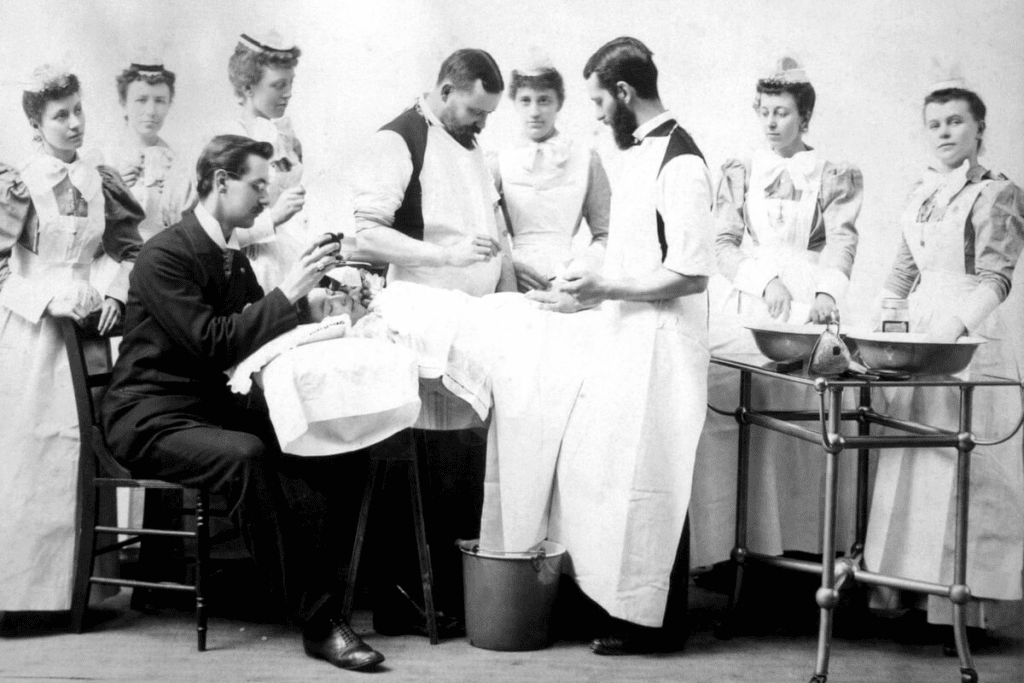
Why Speed Mattered in Pre-Anesthetic Surgery
Before anesthesia, surgery was very painful for patients. Speed was vital to lessen their suffering and avoid complications. Dr. Liston’s fast methods greatly helped patients, making him a true pioneer.
Robert Liston: Biography of a Surgical Pioneer
Robert Liston was known for his speed and skill in surgery. He made a lasting impact on the medical field. His career showed his dedication and new ways of doing surgery.
Early Life and Medical Education
Robert Liston was born on October 28, 1794, in Ecclesmachan, West Lothian, Scotland. His family had a history of medicine. His father, also named Robert Liston, was a minister and surgeon.
He studied medicine at the University of Edinburgh. There, he developed a strong interest in surgery.
Rise to Prominence in London’s Medical Community
Liston moved to London and quickly became famous. He taught at the Hunterian School of Medicine and later at University College London. He was appointed Professor of Clinical Surgery there.
His amazing surgical skills and teaching abilities made him a top figure in London’s medical world.

The Extraordinary Techniques of Robert Liston
Robert Liston was a master surgeon in the 19th century. He created new methods that made surgeries better and faster. His work greatly improved patient care and reduced surgery times.
The Sub-30-Second Amputation Method
Liston was known for amputations that took less than 30 seconds. This rapid surgical approach was key before anesthesia. It lessened pain and lowered the chance of problems.
His quick and precise work made him famous. He was seen as one of the fastest surgeons around.
The Liston Knife and Other Specialized Tools
Liston used a famous Liston Knife in his surgeries. It had a long, straight blade for fast cuts. He also had other specialized surgical instruments that helped him succeed.
Famous Cases That Defined Liston’s Reputation
Robert Liston was known as a surgical pioneer. He was famous for his speed and skill in surgery. His peers respected and admired him for these qualities.
The Record-Breaking Leg Amputation
Liston performed a leg amputation in under 2.5 minutes. This was a remarkable feat for his time. It showed his technical skill and the value of speed in surgery.
The significance of this operation was in reducing patient suffering. Liston’s speed and precision were key to a successful outcome. This was done without the use of anesthesia.
Other Remarkable Surgical Achievements
Liston also excelled in other complex surgeries. He used the Liston Knife for its speed and efficiency. This tool was a highlight of his skill.
He was also known for his work on aneurysms and innovative surgical solutions. Liston’s contributions went beyond speed. He was a true innovator in surgery.
Dr. Liston’s impact on surgery is lasting. His focus on speed, skill, and innovation is as relevant today as it was in his time. His influence on surgical techniques is clear.
The Controversial Side of Surgical Speed
Robert Liston’s legacy is mixed, thanks to a famous operation that has sparked debate. His fast surgical methods were groundbreaking but raised big questions about safety and death rates.
The Infamous 300% Mortality Rate Operation
One of Liston’s surgeries is infamous for its 300% death rate. This involved three patients and a surgical assistant who died from an infection. It shows the dangers of putting speed before safety in surgery.
Ethical Considerations in Rapid Surgery
The ethics of Liston’s quick surgeries are a topic of ongoing debate. Speed is important in some surgeries, but safety and proper protocols must come first. Liston’s 300% mortality rate operation is a cautionary tale about the risks of speeding up surgery too much.
Key considerations include:
- Balancing speed with safety protocols
- Ensuring proper patient care and follow-up
- Avoiding unnecessary risks during surgery
Robert Liston’s story teaches us about the need for ethical considerations in surgery. Speed is good, but it should never harm the patient’s health.
Medicine and Surgery in the 19th Century
Robert Liston’s time was filled with big changes in surgery but also big challenges in medicine. The 19th century saw a lot of progress in medicine, but there were many hurdles for surgeons and patients.
Limited Understanding of Infection and Sterilization
One big problem was the limited understanding of infection and sterilization. Surgeons like Liston worked without knowing about germs or the need for antiseptics. This led to many infections after surgery.
- Lack of antiseptic practices
- Inadequate understanding of germ theory
- High risk of post-operative infections
Patient Experiences During the Pre-Anesthetic Era
Patients going through surgery back then faced a lot of pain and distress. The absence of effective anesthesia meant surgeries had to be done fast. Liston showed this with his quick work.
- Patients were often restrained or held down
- Surgery was a last resort due to the associated pain
- Rapid surgery was key to lessening patient suffering
The struggles of surgeons and patients in the 19th century show the tough times in medicine then. Knowing these challenges helps us appreciate the work of pioneers like Robert Liston.
From Liston to Modern Surgical Excellence
Robert Liston’s work has greatly influenced modern surgery. His innovative methods have set the stage for today’s surgical achievements. The field has evolved with new technology, a better understanding of the body, and improved care for patients.
Evolution of Surgical Priorities Over Time
Surgical priorities have changed a lot over the years. Now, precision, safety, and patient outcomes are key. Anesthesia has made complex surgeries possible without the rush of earlier times.
Also, the use of sterile techniques and antibiotics has cut down on infections after surgery. This has made surgeries safer and more effective.
Medical technology has also advanced, with robotic surgery and imaging. These tools help surgeons work more accurately and with less harm to patients. This leads to faster recovery times.
Conclusion: The Enduring Legacy of History’s Fastest Surgeon
Robert Liston’s career as the “fastest surgeon” of his time is unforgettable. His groundbreaking techniques and record-breaking surgeries inspire surgeons today.
His legacy goes beyond his speed. It includes his role in shaping surgical practices and his dedication to patient care. As surgery evolves, Liston’s achievements mark a key milestone.
Liston’s work continues to shape modern surgery. His focus on precision, speed, and innovation is a reminder to always strive for excellence in medicine.
FAQ’s:
Who was Robert Liston?
Robert Liston was a Scottish surgeon. He was known as the “fastest knife in the West End.” This was because of his incredible speed and skill in surgery during the 19th century.
What was Robert Liston’s significance in the history of surgery?
Robert Liston was a pioneer in surgery. He was famous for his speed and technique. These were key in reducing patient pain and improving survival rates before anesthesia.
What is the Liston Knife?
The Liston Knife is a special surgical tool. It was developed by Robert Liston. It’s designed for making quick and precise incisions, a key part of his surgical method.
What was notable about Robert Liston’s amputation method?
Robert Liston’s amputation method was very fast. He could do an amputation in under 30 seconds. This showed his exceptional skill and speed as a surgeon.
What is the infamous 300% mortality rate associated with Robert Liston?
The infamous 300% mortality rate is linked to one of Robert Liston’s operations. In this case, three out of four patients died. This highlights the risks and challenges of surgery back then.
How did Robert Liston’s emphasis on speed impact his surgical practice?
Robert Liston’s focus on speed was both good and bad. It helped reduce patient suffering and improve survival rates in some cases. But it also raised concerns about errors and complications.
What were the challenges faced by surgeons and patients during the 19th century?
Surgeons and patients in the 19th century faced big challenges. They didn’t fully understand infection and sterilization. They also lacked anesthesia, making surgery very painful and risky.
How have surgical practices evolved from Robert Liston’s time?
Surgical practices have changed a lot from Robert Liston’s era. Advances in anesthesia, infection control, and techniques have improved patient outcomes and lowered mortality rates.
What is Robert Liston’s lasting legacy in the field of surgery?
Robert Liston’s legacy continues to shape modern surgery. His focus on speed, skill, and innovation remains important in today’s surgical practices.
References:
- Hawk, A. J. (2021). Built for speed”Robert Liston’s surgical technique. The Journal of Surgical Research, 262, 220-226. Details Liston’s pioneering surgical techniques, including his rapid amputations before anesthesia and innovations such as his uniquely designed amputation knives and bone-cutting forceps that improved patient outcomes. Retrieved from https ://www.ncbi.nlm.nih.gov/pmc/articles/PMC8083913/[] yal College of Surgeons of
- Edinburgh. (2005). Robert Liston. highlights Liston’s speed and skill in surgery during the 19th century, his tenure as Professor of Clinical Surgery at University College London, and his role in the early adoption of anesthesia in Europe. Retrieved from https://archiveandlibrary.rcsed.ac.uk/surgeon/3770447-robert-liston[2] –
- Wikipedia contributors. (2005). Robert Liston. *Wikpedia*. It is a comprehensive biography including his contributions as the first to perform a public operation under ether anesthesia in Europe, his surgical speed, innovations, and impact on modern surgical practice. Retrieved on http://en.wikipedia.org/wiki/Robert_Liston[3]