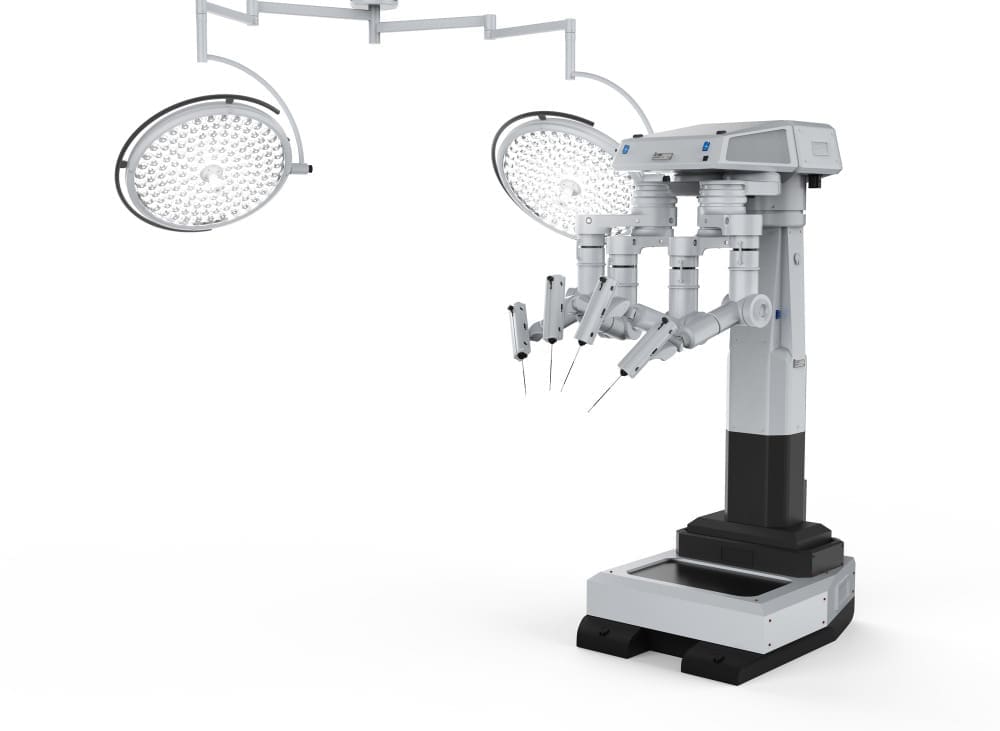
We are seeing big changes in surgery with robot-assisted surgery. By 2025, this tech will get even better, making surgeries more precise and safe. We aim to bring the best in medical tech to our patients worldwide.
The advantages of robotic surgery are clear. Patients are getting better results, with less pain and fewer problems after surgery. Our focus on patients and quality makes us leaders in this new era of surgery.
Key Takeaways
- Enhanced precision and control in surgical procedures
- Improved patient outcomes with fewer complications
- Reduced postoperative pain and recovery time
- Increased patient safety through advanced technology
- Commitment to delivering world-class healthcare
The Evolution of Surgical Robotics Through 2025
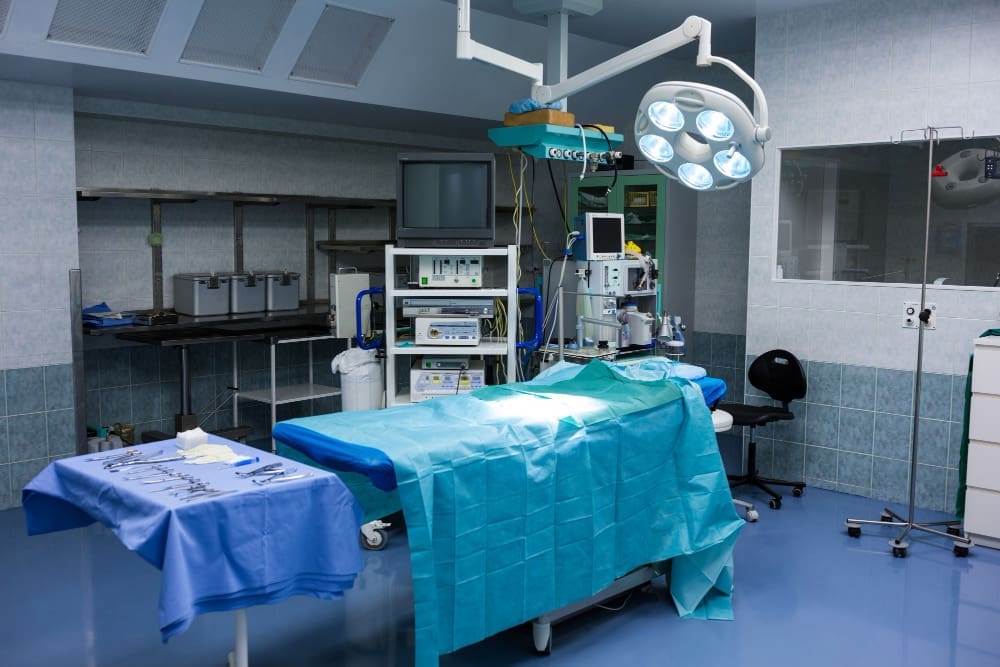
The journey of surgical robotics has been truly revolutionary. It has changed how surgeries are done and made them better for patients.
Historical Development of Medical Robotic Surgery
The history of surgical robotics is rich and fascinating. Early systems set the stage for today’s advanced robotic surgery. These systems now offer better vision and control over instruments.
From the first robotic surgeries to today’s advanced systems, we’ve seen big improvements. These advancements have made surgeries easier and more precise, helping patients get better results.
Revolutionary Advancements from 2020 to 2025
Between 2020 and 2025, surgical robotics saw major leaps forward. New control interfaces and AI-assisted systems were introduced. These tools have made complex surgeries easier and more accurate, leading to better patient care.
Some key advancements include:
- Enhanced visualization systems for clearer views during surgery
- Improved instrument control for more precise tissue manipulation
- AI and machine learning for better surgical planning and execution
These changes have not only made surgeries more precise but also opened up new possibilities. As we continue to innovate, our goal is to provide the best care to our patients.
Understanding Modern Robotic Surgery Systems in 2025
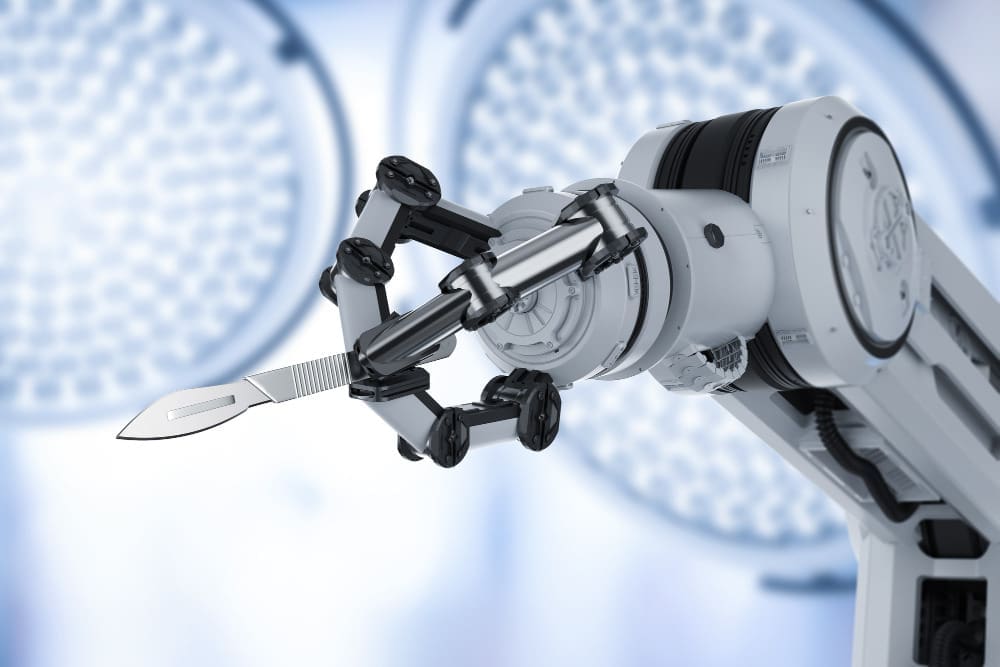
Modern robotic surgery systems are leading the way in medical innovation. They offer unmatched precision and control in 2025. These systems have changed surgery, making complex procedures easier and more accurate for surgeons.
The key parts of these advanced robots include high-definition visualization, precise tools, and easy-to-use controls. High-definition visualization lets surgeons see the surgical area clearly. This helps them navigate complex body parts better.
Core Components of Advanced Surgical Robots
Advanced surgical robots have several important parts that make them effective:
- High-Definition Visualization Systems: These systems give a clear view of the surgical area. This helps surgeons navigate with precision.
- Precise Instrumentation: The tools in robotic surgery mimic a surgeon’s hands. They offer dexterity and control in delicate operations.
- Intuitive Control Interfaces: These interfaces make it easy for surgeons to use the robots. They translate the surgeon’s movements into precise actions.
Next-Generation Control Interfaces
The next-generation control interfaces in modern robotic surgery systems are very impactful. They allow surgeons to work with more precision and control. This makes surgical procedures simpler.
A leading expert in the field says, “Advanced robotics in surgery is changing how we do complex procedures. It offers patients better results and quicker recovery times.” This shows the big impact of modern robotic surgery systems on patient care.
The benefits of these systems are many. They include better surgical accuracy, shorter recovery times, and less scarring. As we move into 2025, robotic surgery will become even more vital in medicine.
Robot Assisted Surgery Advantages: The Complete Picture
Robot-assisted surgery has changed the medical world a lot. It brings many benefits that make patient care better. At our place, we use this tech to give our patients the best care.
How Robotics in Surgery Transforms Patient Care
Robotics in surgery has changed how we care for patients. We use advanced robots for complex surgeries. This means we can do surgeries with greater precision and less invasive methods. Patients recover faster and with less pain.
Research shows robotic surgery leads to less blood loss, less pain after surgery, and faster recovery. These benefits make patients happier and more satisfied with their care.
Comparing Traditional vs. Robotic Surgical Approaches
Robot-assisted surgery is different from traditional surgery in many ways. It offers improved precision, less blood loss, and better views. Many patients prefer it. To learn more, visit our page on robotic surgery.
Robot-assisted surgery has many benefits. Our experience shows it leads to better results for patients. We’re dedicated to using the latest medical tech to care for our patients.
Benefit #1: Enhanced Precision and Surgical Accuracy
Advanced robotics have made surgical procedures more precise. Several key technologies make robotic surgery better than traditional methods.
Three-Dimensional Visualization Technology
Robotic surgery systems offer three-dimensional visualization. This technology gives surgeons a clear view of the surgical site. It helps them navigate complex areas with more accuracy.
Superior Instrument Control in Confined Spaces
Robotic systems have superior instrument control in tight spots. The advanced tools allow for precise movements. This reduces damage to tissues and improves surgery results.
Elimination of Hand Tremors and Motion Scaling
Robotic surgery also removes hand tremors with motion scaling. This technology removes natural tremors, ensuring precise movements. Motion scaling allows for fine-tuned actions, making delicate procedures easier.
These technologies together bring enhanced precision and surgical accuracy. They are key to better patient outcomes. Robotic surgery lets us do complex procedures with confidence and precision, leading to faster recovery and fewer complications.
Benefit #2: Minimally Invasive Procedures with Smaller Incisions
Robotic surgery lets surgeons make smaller cuts, which means less damage and scarring. This new way of surgery has made patients’ outcomes better. It also cuts down on the harm from old-school open surgery.
Reduced Tissue Trauma During Surgery
Robotic surgery is super precise, which means it causes less tissue trauma. This is really good for delicate surgeries where you don’t want to mess up the surrounding tissues.
Less tissue damage means fewer complications and quicker healing. It also means less pain after surgery because there’s less damage.
Minimal Scarring and Improved Cosmetic Results
One big plus of robotic surgery is the smaller scars. These minimal scars look better and are less likely to cause problems.
Patients love the cosmetic results because the scars are smaller. This is really important for surgeries in places you can see, like the face or neck.
Access to Hard-to-Reach Anatomical Areas
Robotic surgery lets doctors get to tricky spots that were hard to reach before. This means more surgeries can be done minimally invasively.
For example, robotic systems can do detailed work in tight spaces, like the pelvis or thorax. This lets us tackle conditions that were too risky or complicated before.
| Benefits | Traditional Surgery | Robotic Surgery |
|---|---|---|
| Incision Size | Large | Small |
| Tissue Trauma | High | Low |
| Scarring | Significant | Minimal |
To learn more about robotic surgery and how it’s changing care, check out our page on robotic surgery.
Benefit #3: Significantly Reduced Blood Loss
Robotic surgery makes surgeries more precise, cutting down on bleeding. This is a big plus for patients and is a key benefit of robot-assisted surgery.
Precision Cutting and Tissue Manipulation
Robotic systems let surgeons cut and move tissues with more control. This means less bleeding and fewer blood transfusions. Studies prove that robotic surgery leads to less blood loss than traditional methods.
The advanced tech of robotic surgery makes dissection and tissue manipulation more precise. This cuts down on bleeding, leading to quicker recovery times and better health for patients.
Impact on Transfusion Requirements and Recovery
Less blood loss in robotic surgery means fewer blood transfusions. This lowers the risk of complications from transfusions.
| Surgical Approach | Blood Loss | Transfusion Rate |
|---|---|---|
| Robotic Surgery | Significantly Reduced | Lower |
| Traditional Surgery | Higher | Higher |
The table shows robotic surgery has less blood loss and lower transfusion rates than traditional surgery. This results in quicker recovery and better outcomes for patients.
“The precision and control offered by robotic surgery systems have transformed the way we approach complex surgical procedures, significantly reducing the risk of bleeding and improving patient care.”
The precision of robotic surgery systems reduces blood loss and boosts the success of surgeries. This leads to better recovery and satisfaction for patients.
Benefit #4: Faster Recovery and Shorter Hospital Stays
Robotic surgery leads to quicker recovery and shorter hospital stays. This advanced method improves patient results and cuts down on healthcare costs.
Reduced Post-Operative Pain Management
Robotic surgery causes less tissue trauma and smaller cuts, leading to less pain after surgery. Research shows patients need less pain medication and face fewer pain-related issues.
The precision of robotic systems means tissues are handled more gently. This reduces damage and speeds up healing.
Accelerated Return to Daily Activities
Robotic surgery’s minimally invasive nature lets patients recover faster and get back to their daily lives sooner. This is great for those with busy lives or who need to get back to work or family duties quickly.
A study showed patients who had robotic surgery could get back to normal activities significantly sooner than those who had traditional surgery.
Economic Impact of Shorter Hospitalizations
Shorter hospital stays from robotic surgery have a big economic impact. Lower healthcare costs mean more resources for other patients.
| Aspect | Traditional Surgery | Robotic Surgery |
|---|---|---|
| Average Hospital Stay | 5-7 days | 2-3 days |
| Recovery Time | 6-8 weeks | 3-4 weeks |
| Cost of Care | Higher | Lower |
The table shows robotic surgery’s benefits in hospital stay, recovery time, and healthcare costs.
By using robotic surgery, we improve patient care and make healthcare more efficient.
Benefit #5: Lower Complication Rates
Robotic surgery leads to fewer complications, making patients’ outcomes better. We’ve seen a big drop in problems linked to robotic-assisted surgeries compared to old methods.
Robotic surgery uses cutting-edge tech to cut down on complications. It shines in two main areas: lowering infection risk and reducing post-surgery problems.
Reduced Infection Risk with Robotic Approaches
The robotic way of surgery means smaller cuts. This means less damage to tissue and a lower chance of infection. Research shows robotic systems’ precision leads to fewer infections, helping patients do better.
- Smaller incisions cut down infection risk
- Precision surgery means less tissue damage
- Robotic systems use advanced sterilization
Decreased Post-Surgical Complications
Any surgery can lead to post-surgery issues. But robotic surgery cuts down these problems with exact dissection and careful closure. This accuracy lowers the chance of complications like adhesions and bowel injuries.
- Precision dissection cuts down adhesion risk
- Meticulous closure techniques lower post-op problems
- Clearer views help avoid harming important structures
Robotic surgery’s advanced features help lower complication rates. This boosts patient results and makes healthcare more efficient.
Benefit #6: Advantages for Robotic Surgeons
Robotic surgery is great for surgeons too. It makes their work easier and more comfortable. This helps them do complex surgeries better and work in a better environment.
Ergonomic Benefits and Reduced Fatigue
Robotic surgery systems are made to be easy on surgeons. They help reduce tiredness during long surgeries. Surgeons can stay focused because of the comfy seats and easy controls.
Key ergonomic features include:
- Adjustable console settings to fit different surgeons
- Intuitive controls that lessen hand strain
- High-resolution 3D visualization to cut down eye strain
Enhanced Visualization and Surgical Planning
Robotic surgery offers better views of the surgery area. This makes planning and doing surgeries more precise. Surgeons can see the area clearly, making it easier to work through complex parts.
The benefits of enhanced visualization include:
- More accurate dissecting and suturing
- Clearer view of anatomical structures
- Ability to handle complex cases better
Advanced Training and Skill Development
Robotic surgery systems also help surgeons learn and get better. They offer training and feedback in real time. This lets surgeons keep improving and learn new techniques.
Training benefits include:
- Simulation-based training for new surgeons
- Real-time feedback during procedures
- Continuous skill development and assessment
Robotic surgery systems make surgery better for surgeons. They offer comfort, clear views, and training. This leads to better care and results for patients.
Benefit #7: AI-Integration and Surgical Intelligence
As we move into 2025, AI is changing robotic surgery a lot. It’s making surgeries more precise and effective. This is thanks to AI and machine learning.
AI-Assisted Guidance Systems are leading this change. They offer real-time help and advice during surgery. This boosts the skills of robotic surgical systems.
AI-Assisted Guidance Systems in 2025
In 2025, AI-assisted systems will be used more in robotic surgery. They use smart algorithms to give surgeons data and insights in real-time. This helps them make better decisions during tough surgeries.
Real-time data analysis helps surgeons make smarter choices. This lowers the chance of problems and improves how patients do after surgery.
Machine Learning for Procedural Optimization
Machine learning is key in AI for robotic surgery. It looks at data from many surgeries to find patterns. This helps improve surgical techniques.
This procedural optimization makes surgeries more efficient and consistent. It benefits patients by giving them better care and shorter recovery times.
We’re dedicated to using these new tech advancements. We want to give our patients the best care possible. This means using the latest in robotic surgery technology.
Benefit #8: Expanded Range of Treatable Conditions
Robotic surgery systems bring precision and control to the table. This has allowed us to tackle tough cases with confidence. It has changed the medical field by making it possible to treat more complex conditions with ease and accuracy.
Most Common Robotic Surgery Procedures in 2025
In 2025, we’ll see more complex surgeries being done. These will include operations in urology, gynecology, cardiothoracic surgery, and gastrointestinal surgery. These procedures were once too hard or impossible to do.
Common robotic surgery procedures include:
- Prostatectomies
- Hysterectomies and myomectomies
- Mitral valve repairs
- Colorectal resections
Previously Challenging Cases Now Treatable
Robotic surgery has made it possible to treat a wide range of conditions. It offers better visualization, precision, and control. This has opened up new possibilities for surgeons to do complex procedures with better results.
Thanks to robotic surgery, we can now handle cases that were once too risky or untreatable. This has greatly improved patient care and outcomes. It gives new hope to those who had limited treatment options before.
The future of robotic surgery looks bright. We can expect even more advancements that will let us treat even more conditions.
Conclusion: The Future of Robotic Surgery Beyond 2025
Looking ahead, robotic surgery will see big changes. Studies, like those in Springer, show how it will get more precise and clear. It will also become more accessible to people everywhere.
The future looks bright for robotic surgery. We expect to see more treatments and better results for patients. This will happen thanks to ongoing improvements in the field.
We’re dedicated to top-notch healthcare for our patients around the world. As technology grows, we’ll keep leading in robotic surgery. This means our patients will get the newest and best treatments available.
FAQ
What are the benefits of robotic surgery?
Robotic surgery brings many benefits. It offers precise and minimally invasive procedures. This leads to less blood loss and faster recovery times. It also has ergonomic benefits for surgeons and better visualization.
How does robotic surgery improve patient outcomes?
Robotic surgery improves outcomes by reducing tissue trauma and scarring. It also helps patients recover faster. Surgeons can do complex procedures more easily and accurately, improving patient health.
What are the most common robotic surgery procedures in 2025?
In 2025, robotic surgery will be used for complex operations. These were hard or impossible before. The precision and control of robotic systems make these procedures possible.
How does AI integration enhance robotic surgery?
AI integration boosts robotic surgery by providing real-time support. It optimizes procedures and improves outcomes. AI and machine learning help make surgeries more precise and effective.
What are the advantages of robotic surgery for surgeons?
Robotic surgery benefits surgeons in many ways. It offers ergonomic benefits, reduces fatigue, and enhances visualization. It also provides training and skill development opportunities.
How does robotic surgery reduce complication rates?
Robotic surgery lowers complication rates by reducing infection risk. It promotes a smoother recovery and allows for precise procedures. This leads to better outcomes for patients.
What is the future of robotic surgery?
Robotic surgery’s future looks bright. Advancements and innovations will continue to improve it. We can expect better precision, visualization, and accessibility, leading to higher patient care levels.
How does robotic surgery compare to traditional surgical approaches?
Robotic surgery has many advantages over traditional methods. It offers improved precision, less blood loss, and faster recovery. It also makes complex procedures easier and more accurate, leading to better patient outcomes.
What are the core components of modern robotic surgery systems?
Modern robotic surgery systems have key components. These include high-definition visualization, precise instruments, and intuitive controls. Together, they enable surgeons to perform complex procedures with precision and control.
FAQ
What are the benefits of robotic surgery?
Robotic surgery brings many benefits. It offers precise and minimally invasive procedures. This leads to less blood loss and faster recovery times. It also has ergonomic benefits for surgeons and better visualization.
How does robotic surgery improve patient outcomes?
Robotic surgery improves outcomes by reducing tissue trauma and scarring. It also helps patients recover faster. Surgeons can do complex procedures more easily and accurately, improving patient health.
What are the most common robotic surgery procedures in 2025?
In 2025, robotic surgery will be used for complex operations. These were hard or impossible before. The precision and control of robotic systems make these procedures possible.
How does AI integration enhance robotic surgery?
AI integration boosts robotic surgery by providing real-time support. It optimizes procedures and improves outcomes. AI and machine learning help make surgeries more precise and effective.
What are the advantages of robotic surgery for surgeons?
Robotic surgery benefits surgeons in many ways. It offers ergonomic benefits, reduces fatigue, and enhances visualization. It also provides training and skill development opportunities.
How does robotic surgery reduce complication rates?
Robotic surgery lowers complication rates by reducing infection risk. It promotes a smoother recovery and allows for precise procedures. This leads to better outcomes for patients.
What is the future of robotic surgery?
Robotic surgery’s future looks bright. Advancements and innovations will continue to improve it. We can expect better precision, visualization, and accessibility, leading to higher patient care levels.
How does robotic surgery compare to traditional surgical approaches?
Robotic surgery has many advantages over traditional methods. It offers improved precision, less blood loss, and faster recovery. It also makes complex procedures easier and more accurate, leading to better patient outcomes.
What are the core components of modern robotic surgery systems?
Modern robotic surgery systems have key components. These include high-definition visualization, precise instruments, and intuitive controls. Together, they enable surgeons to perform complex procedures with precision and control.
References
National Center for Biotechnology Information (NCBI). Advancements in Robotic Surgery: A Comprehensive Overview of Current Utilizations and Upcoming Frontiers. https://pmc.ncbi.nlm.nih.gov/articles/PMC10784205/
American Medical Association (AMA) Journal of Ethics. Robotic‑Assisted Surgery — Better? https://journalofethics.ama-assn.org/article/robotic-assisted-surgery-better/2023-08
Washington Health News. Advantages of Robotic‑Assisted Surgery. https://www.washingtonhealth.com/news/2025/january/advantages-of-robotic-assisted-surgery/