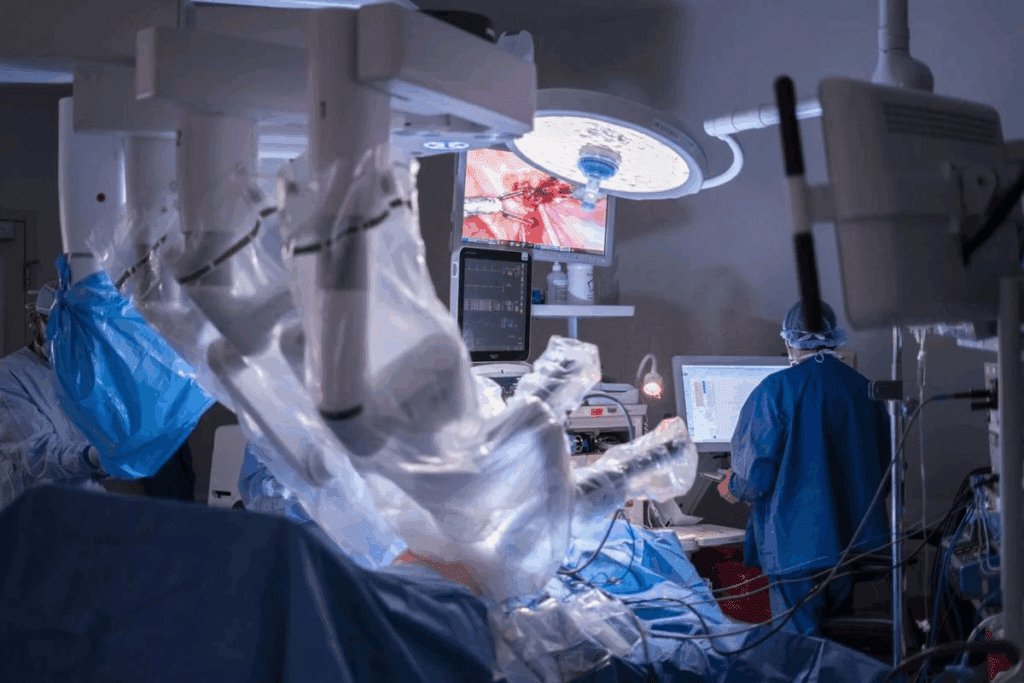
Diverticulitis affects millions of Americans, causing severe abdominal pain and discomfort. Advanced surgical technology has led to the development of minimally invasive surgery options, such as robotic colon surgery, to treat this condition.Robotic colon surgery for diverticulitis removes diseased bowel segments. Learn minimally invasive benefits and recovery timeline.
Robotic-assisted surgery offers a precise and effective treatment for diverticulitis, reducing recovery time and scarring. This innovative surgical approach allows surgeons to perform complex procedures with enhanced visualization and dexterity.
By understanding the benefits of robotic colon surgery, patients can make informed decisions about their diverticulitis treatment options.
Key Takeaways
- Robotic colon surgery is a minimally invasive treatment option for diverticulitis.
- Advanced surgical technology enhances precision and effectiveness.
- Reduced recovery time and scarring are significant benefits.
- Robotic-assisted surgery allows for complex procedures with improved visualization.
- Patients can make informed decisions about their treatment options.
Understanding Diverticulitis and Its Impact
Diverticulitis happens when small pouches in the colon get inflamed. This can make life hard, causing pain and discomfort. It can also lead to serious problems if not treated right.
What Causes Diverticulitis
The exact reason for diverticulitis isn’t always known. But, a diet low in fiber, age, and lifestyle choices play big roles. A diet without enough fiber can cause constipation, leading to more pressure in the colon. This can make the pouches in the colon get inflamed.
Key factors that contribute to diverticulitis:
- A low-fiber diet
- Age over 40
- Obesity
- Lack of physical activity
- Smoking
Symptoms and Complications
Symptoms of diverticulitis can vary. They might include stomach pain, changes in bowel movements, and fever. If not treated, it can cause abscesses, perforations, and peritonitis.
| Symptom/Complication | Description |
| Abdominal Pain | Often severe and typically felt in the lower left abdomen |
| Fever | Can be present, indicating infection |
| Changes in Bowel Habits | Constipation or diarrhea |
| Abscess or Perforation | Serious complications that may require urgent medical attention |
When Surgery Becomes Necessary
Surgery is usually for those with many episodes, complications, or when other treatments don’t work. The choice to have surgery depends on weighing the benefits against the risks. It also looks at how the condition affects the patient’s life.
Knowing about diverticulitis’s causes, symptoms, and complications is key to finding the right treatment. For many, changing their lifestyle and medical care are enough. But for others, surgery might be needed to stop symptoms and prevent more problems.
Traditional Surgical Approaches for Diverticulitis
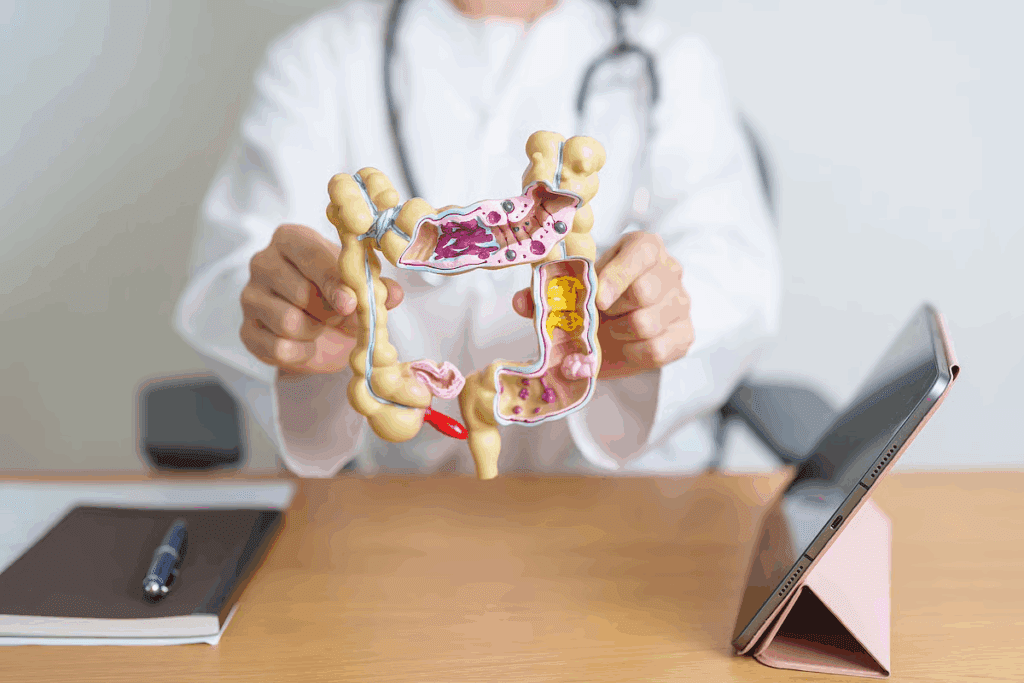
Surgery has long been a key part of treating diverticulitis. Open colectomy and laparoscopic surgery are the traditional methods. They are used for complicated cases, with different levels of invasiveness and recovery times.
Open Colectomy
Open colectomy involves a big incision in the belly to reach the colon. It lets the surgeon see and remove the bad part of the colon. Key aspects of open colectomy include:
- A bigger cut, which can hurt more tissue
- Direct view of the surgery area
- Longer recovery because of the big cut
Laparoscopic Surgery
Laparoscopic surgery uses small cuts for a laparoscope and tools. It’s a less invasive way to take out the bad colon part. The benefits of laparoscopic surgery include:
- Smaller cuts mean less tissue damage
- Less pain after surgery
- Shorter hospital stays and faster recovery than open surgery
Limitations of Conventional Techniques
Open colectomy and laparoscopic surgery are good for diverticulitis, but they have downsides. These include:
- Recovery times vary, with open surgery taking longer
- Risks of complications like infections or adhesions
- Limited control and view in laparoscopic surgery for complex cases
These issues have led to new, advanced surgeries like robotic colon surgery. It offers better precision, flexibility, and view.
Robotic Colon Surgery for Diverticulitis: An Overview
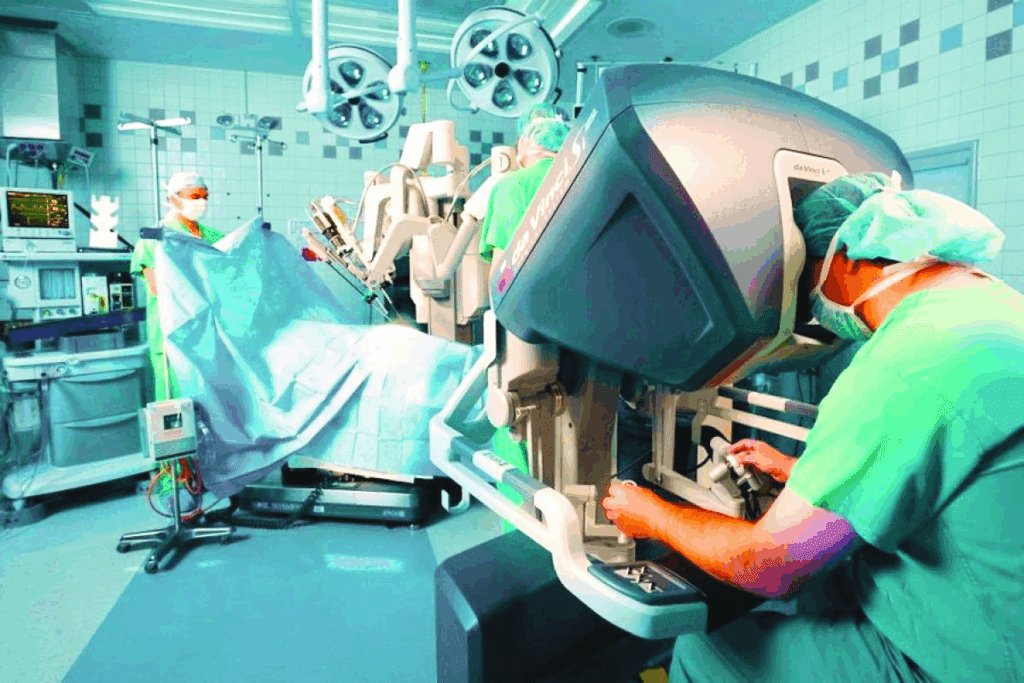
Robotic-assisted colon surgery is a new way to treat diverticulitis. It uses advanced technology to help patients get better faster. This method is more precise and less invasive than old ways of surgery.
History and Development
The first robotic surgical systems came out in the 1990s. Over the years, the technology has grown a lot. The Da Vinci Surgical System has been key in making robotic surgery better. It lets surgeons do complex tasks with more accuracy and flexibility.
The Da Vinci Surgical System
The Da Vinci Surgical System is a top choice for robotic surgery. It has a high-definition 3D visualization system and robotic arms with wristed instruments. This makes it easier for surgeons to do detailed work during surgery.
Key Technological Components
Robotic colon surgery uses robotic arms, high-definition visualization systems, and intuitive control systems. These work together to give surgeons great precision and control. This helps them do complex surgeries with less invasion.
Robotic technology in colon surgery has many benefits. It can lead to less blood loss, shorter hospital stays, and quicker recovery. As the technology gets better, robotic colon surgery will likely play a bigger role in treating diverticulitis.
How Robotic-Assisted Surgery Works
To understand robotic-assisted surgery, we need to look at its main parts and what they do. It combines cutting-edge tech and surgical skills to improve patient care.
The Surgeon’s Console
The surgeon’s console is the heart of the robotic surgery system. The surgeon sits here and controls the robotic arms with hand controls and foot pedals. These tools turn the surgeon’s actions into exact movements.
High-definition 3D visualization lets the surgeon see the surgery area clearly. This helps them do complex surgeries better.
Robotic Arms and Instruments
The robotic arms have special tools that can be swapped out during surgery. These tools are made to move like a human hand but are more precise and flexible.
The robotic arms are guided by the surgeon’s console. This allows for precise dissection, suturing, and tissue manipulation.
3D Visualization Systems
The 3D visualization system gives a clear view of the surgery area. It helps the surgeon move through complex anatomy easily. This system makes doing detailed surgeries safer.
The mix of 3D visualization and precise tools helps surgeons get better results for their patients.
The Robotic Colon Surgery Procedure Step by Step
The robotic colon surgery is a detailed process. It needs careful planning and execution for the best results. This is true for patients with diverticulitis.
Pre-operative Planning
Before surgery, a detailed planning phase is key. This includes tests to check the patient’s health and the diverticulitis’s extent. Imaging studies like CT scans help surgeons plan the best approach.
The team also looks at the patient’s medical history. They check for past surgeries, allergies, and medications. This helps reduce risks and makes the surgery smoother.
Anesthesia and Positioning
On surgery day, the patient gets general anesthesia. This keeps them comfortable and pain-free. They are then placed on the table for the best access to the area.
The robotic technology allows for precise movements. This leads to less pain and quicker recovery times.
Port Placement and Docking
Next, small incisions are made in the abdomen. Trochars, or ports, are inserted through these. The robotic system is then docked to these ports for precise control.
Docking is critical. It ensures the robotic arms are correctly aligned with the patient’s anatomy.
The Resection Process
With the robotic system ready, the surgeon starts the resection. They carefully dissect and remove the affected colon part. The robotic instruments offer better dexterity and visualization, allowing for precise work.
Robotic technology in colon surgery for diverticulitis leads to fewer complications. It also means patients can return to normal activities faster.
Benefits of Robotic-Assisted Colorectal Surgery
Robotic-assisted surgery has changed colorectal surgery a lot. It brings better precision and recovery. This new method is better than old ways, making care and surgery more efficient.
Enhanced Surgical Precision
Robotic-assisted surgery is very precise. It lets surgeons do complex tasks with high accuracy. This reduces the chance of problems.
A study in the Journal of Robotic Surgery says, “The precision offered by robotic systems has been shown to improve outcomes in colorectal surgery.”
Reduced Blood Loss
This surgery also means less blood loss. The robotic tools move very carefully, causing less damage. This is good for patients, as too much blood loss can be dangerous.
Shorter Hospital Stays
Patients usually stay in the hospital less with robotic surgery. It’s less invasive, so there’s less pain and quicker healing.
Faster Return to Normal Activities
Because of the quick recovery, patients can get back to their lives faster. They have less pain and fewer problems, making their lives better.
In summary, robotic-assisted surgery has many benefits. It offers better precision, less blood loss, shorter stays, and quicker recovery. As surgery keeps getting better, robotic technology will be key in helping patients.
Preparing for Robotic Colon Surgery
The journey to robotic colon surgery starts with careful preparation and evaluation. Knowing what to expect can make patients feel more at ease and ready for their surgery.
Pre-surgical Testing and Evaluation
Before robotic colon surgery, patients must go through several tests and evaluations. These may include:
- Blood tests to check for any underlying conditions that could affect surgery.
- Imaging tests such as CT scans or MRI to provide detailed images of the colon.
- Cardiac evaluation to assess heart health, for those with a history of heart conditions.
These tests help the surgical team understand the patient’s health and identify any risks.
Dietary and Medication Guidelines
Patients will get specific instructions on their diet and medications before surgery. This may include:
- Dietary changes to help cleanse the colon and reduce complications.
- Medication adjustments to avoid drugs that could interfere with surgery or recovery.
Following these guidelines is key to minimizing risks and ensuring a smooth surgery.
What to Expect Before Surgery
On the day before surgery, patients should:
- Follow the dietary instructions given by their healthcare team.
- Arrange for someone to drive them home after the procedure.
- Plan to rest and avoid strenuous activities.
Knowing what to expect can help reduce anxiety and make the process smoother.
Questions to Ask Your Surgeon
It’s important for patients to ask their surgeon any questions they have about the procedure. Some key questions to consider include:
- What are the possible risks and complications of robotic colon surgery?
- How will pain be managed after the surgery?
- What is the expected recovery time, and when can normal activities be resumed?
Asking these questions can help patients feel more informed and prepared for their surgery.
Recovery After Robotic Colon Surgery
The recovery after robotic colon surgery involves several steps. These include immediate care, hospital stay, and recovery at home. Knowing what to expect can help patients prepare and recover well.
Immediate Post-operative Care
Right after surgery, patients go to the recovery room. Here, they are watched closely for any problems. Post-operative care focuses on pain management, infection prevention, and checking on recovery progress. Some discomfort is normal but is usually managed with medicine.
Hospital Stay Duration
The time spent in the hospital varies based on the patient’s condition and surgery complexity. Most patients stay a few days. During this time, doctors manage pain, watch for infections, and guide on care at home.
At-home Recovery Timeline
After leaving the hospital, recovery continues at home. The at-home recovery timeline can differ, but most take weeks to fully heal. It’s key to follow the surgeon’s advice on wound care, medication, and follow-up visits.
- Rest and avoid strenuous activities
- Follow dietary guidelines provided by your healthcare team
- Monitor your incision site for signs of infection
Physical Activity Restrictions
Patients are told to avoid heavy lifting, bending, and hard work for a while. Physical activity restrictions help prevent issues and aid healing. The exact rules and how long to follow them will be told by your doctor.
- Avoid heavy lifting for at least 4-6 weeks
- Gradually increase activity levels as advised by your surgeon
- Attend follow-up appointments to monitor your recovery
By knowing the recovery process and following post-operative advice, patients can improve their recovery after robotic colon surgery. This helps reduce the chance of complications.
Potential Risks and Complications
Robotic colon surgery has many benefits, but it also comes with risks. Like any surgery, it can have complications.
Surgery-specific Complications
Robotic colon surgery has its own risks, like bowel injury and bleeding. Bowel injury can cause leaks and infections. Surgeons plan carefully and use precise techniques to avoid these problems.
The robotic system’s precision might lower the risk of complications. But, the technology’s complexity can also bring unique risks, like mechanical failure, which is rare.
General Surgical Risks
General risks include infection, blood clots, and reactions to anesthesia. Infection is a concern with any surgery. To prevent it, antibiotics and sterile techniques are used.
- Infection
- Blood clots
- Adverse reactions to anesthesia
- Respiratory complications
These risks are managed by choosing the right patients, evaluating them before surgery, and caring for them after.
Long-term Considerations
After robotic colon surgery, patients might face long-term risks like adhesions and hernias. They are watched for these issues during follow-up visits.
Some patients might have bowel changes or other symptoms after surgery. These can usually be managed but can affect daily life.
Risk Mitigation Strategies
Surgeons use many strategies to reduce risks. These include careful surgery, thorough checks before surgery, and good care after. Teaching patients about their recovery is also key.
“The key to minimizing complications is a combination of skilled surgical technique, advanced technology, and complete patient care.”
— Expert in Robotic Surgery
By knowing the risks and taking steps to avoid them, patients can have a safer and better surgery experience.
Patient Outcomes and Success Rates
Robotic colon surgery for diverticulitis shows great success. It brings better precision, less recovery time, and better results for patients.
Clinical Studies and Research Findings
Many studies have looked into robotic colon surgery for diverticulitis. They show it leads to fewer complications, less blood loss, and shorter hospital stays. For example, a study in the Journal of Robotic Surgery found lower post-operative complications in robotic colectomy patients.
Long-term Results
Long-term data show robotic colon surgery works well for diverticulitis. Most patients see symptom relief and better quality of life. A study in Surgical Endoscopy found sustained benefits for five years after robotic surgery.
Quality of Life Improvements
Robotic colon surgery greatly improves life for diverticulitis patients. It causes less pain, less scarring, and a quicker recovery. Patients are very happy with their results, saying it has greatly improved their well-being.
Recurrence Rates After Surgery
Reducing recurrence is key in diverticulitis surgery success. Studies show robotic surgery lowers this risk. A study in the Journal of Gastrointestinal Surgery found lower recurrence rates with robotic colectomy.
In summary, robotic colon surgery for diverticulitis has excellent outcomes. Clinical studies and research back its safety and effectiveness. It offers patients better results, quality of life, and lower recurrence risk.
Conclusion
Robotic colon surgery represents a major advancement in treating diverticulitis. It offers many advantages over old surgical methods. The precision and flexibility of robotic surgery help surgeons do complex tasks better. This means fewer complications and quicker healing.
Robotic surgery also means less blood loss, shorter hospital stays, and quicker recovery. These benefits make it a great choice for those with diverticulitis. As technology gets better, robotic colon surgery will likely improve even more.
Knowing the benefits of robotic surgery helps patients make better choices. As doctors keep improving this technology, robotic colon surgery will become a top choice for treating diverticulitis. It promises better results and a better life for patients.
FAQ
What is robotic colon surgery for diverticulitis?
Robotic colon surgery for diverticulitis is a new way to remove part of the colon. It uses a robotic system, like the Da Vinci Surgical System. This method is more precise, causes less blood loss, and helps patients recover faster than traditional surgery.
How does robotic-assisted surgery work?
In robotic-assisted surgery, a surgeon controls robotic arms from a console. The console shows a 3D view of the area being operated on. This setup allows for very precise movements, making complex surgeries easier.
What are the benefits of robotic colon surgery?
Robotic colon surgery is better because it’s more precise and causes less blood loss. Patients usually stay in the hospital for less time and can get back to normal activities faster. It also leads to less pain and fewer complications after surgery.
How do I prepare for robotic colon surgery?
To prepare, you’ll need to have tests and follow certain diet and medication rules. You should also know what to expect before, during, and after the surgery. It’s important to ask your surgeon any questions you have.
What is the recovery process like after robotic colon surgery?
After surgery, you’ll get care in the hospital and then at home. You’ll need to follow instructions on physical activity and watch for any complications. Most people can get back to their usual activities in a few weeks.
What are the possible risks and complications of robotic colon surgery?
Robotic colon surgery is generally safe, but there are risks. These include surgery-specific problems, general surgical risks, and long-term issues. To reduce these risks, careful patient selection and precise surgery are key, along with good post-operative care.
How successful is robotic colon surgery for diverticulitis?
Studies show robotic colon surgery for diverticulitis is very successful. Patients often see big improvements in their quality of life and have low rates of the problem coming back. The long-term results are usually good, with few complications.
What is the cost of robotic colon surgery?
The cost of robotic colon surgery varies based on location, surgeon fees, and hospital charges. Even though it’s pricier than traditional surgery, the benefits like shorter hospital stays and fewer complications can make it worth it.
How does robotic colon surgery compare to traditional colon surgery?
Robotic colon surgery has many advantages over traditional surgery. It’s less invasive, more precise, and leads to faster recovery. While traditional surgery might be needed in some cases, robotic surgery is often a better option for many patients.
References
- Haas, E. M., et al. (2023). Success rates and outcomes of the robotic natural orifice intracorporeal anastomosis with extraction (NICE) procedure for diverticulitis: A comparative analysis of uncomplicated and complicated cases. Surgical Endoscopy. https://pubmed.ncbi.nlm.nih.gov/37002495/