

Robotic hernia surgery is a minimally invasive procedure that has revolutionized the way hernia repair is performed. According to this technology allows for more precise movements and greater visualization, resulting in less trauma to the patient.
The benefits of this surgery include less pain and faster recovery time. However, patients often wonder about robotic hernia surgery recovery pain and what to expect after the procedure.
This article aims to provide an overview of the pain associated with robotic hernia surgery and offer guidance on managing post-operative pain.
Key Takeaways
- Robotic hernia surgery is a minimally invasive procedure.
- The technology allows for more precise movements and greater visualization.
- Patients experience less pain and faster recovery time.
- Effective pain management is crucial for a smooth recovery.
- Understanding the pain associated with robotic hernia surgery can help patients prepare.
Understanding Robotic Hernia Surgery
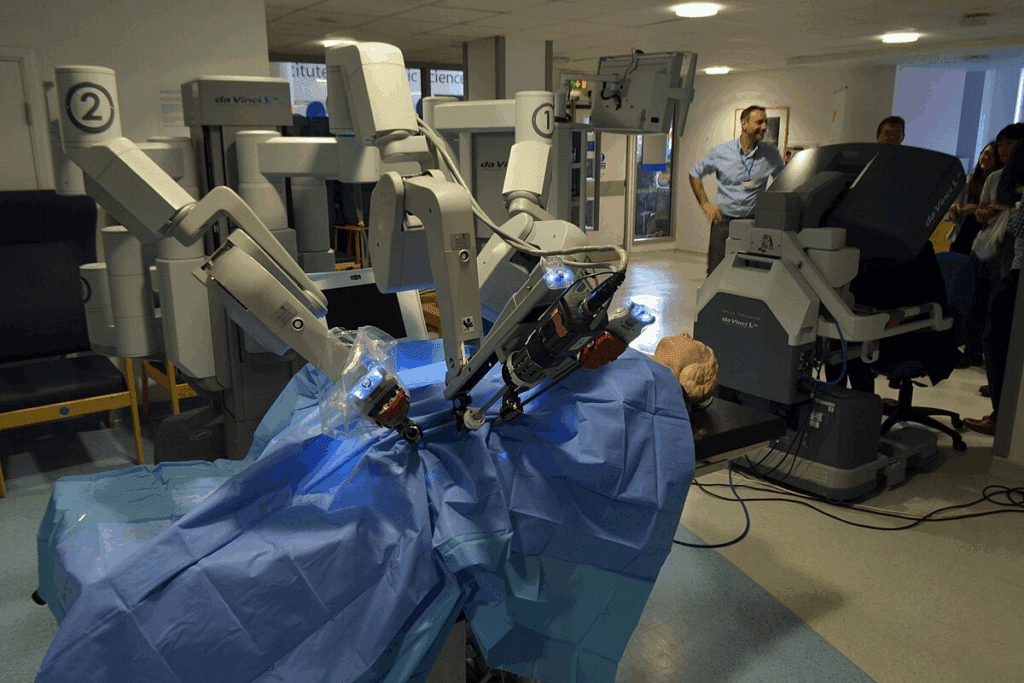
Understanding the nuances of robotic hernia surgery is crucial for patients considering this modern surgical approach. Robotic hernia surgery, a form of minimally invasive surgery, has gained popularity due to its precision and reduced recovery time.
Robotic surgery is distinct from traditional open surgery and laparoscopic surgery. It offers three-dimensional imaging of the inside of the abdomen, allowing for more precise movements and a more detailed view of the surgical site. This technology enables surgeons to perform complex procedures with enhanced accuracy, potentially leading to better outcomes and fewer complications.
What Makes Robotic Surgery Different
The primary difference between robotic and other forms of hernia surgery lies in its technological advancements. Robotic systems provide a high-definition, 3D view of the surgical area, allowing for more precise dissection and repair of hernias. Additionally, the robotic instruments have a greater range of motion than those used in traditional laparoscopic surgery, enabling more intricate repairs.
As noted by a leading surgeon, “Robotic hernia repair combines the benefits of minimally invasive surgery with the precision of robotic technology, potentially reducing the risk of complications and promoting faster recovery.” This highlights the significance of understanding the technology behind robotic hernia surgery.
Types of Hernias Treated with Robotic Surgery
Robotic surgery can be used to treat various types of hernias, including inguinal hernias, ventral hernias, and incisional hernias. The versatility of robotic systems allows surgeons to adapt their techniques to different hernia types and complexities.
- Inguinal hernias: These occur when tissue, such as part of the intestine, protrudes through a weak spot in the abdominal muscles.
- Ventral hernias: These hernias occur in the abdominal wall, away from the groin area.
- Incisional hernias: These develop through a scar or incision in the abdominal wall, resulting from previous abdominal surgery.
By understanding the capabilities and benefits of robotic hernia surgery, patients can make informed decisions about their treatment options.
Robotic Hernia Surgery Recovery Pain: What to Expect
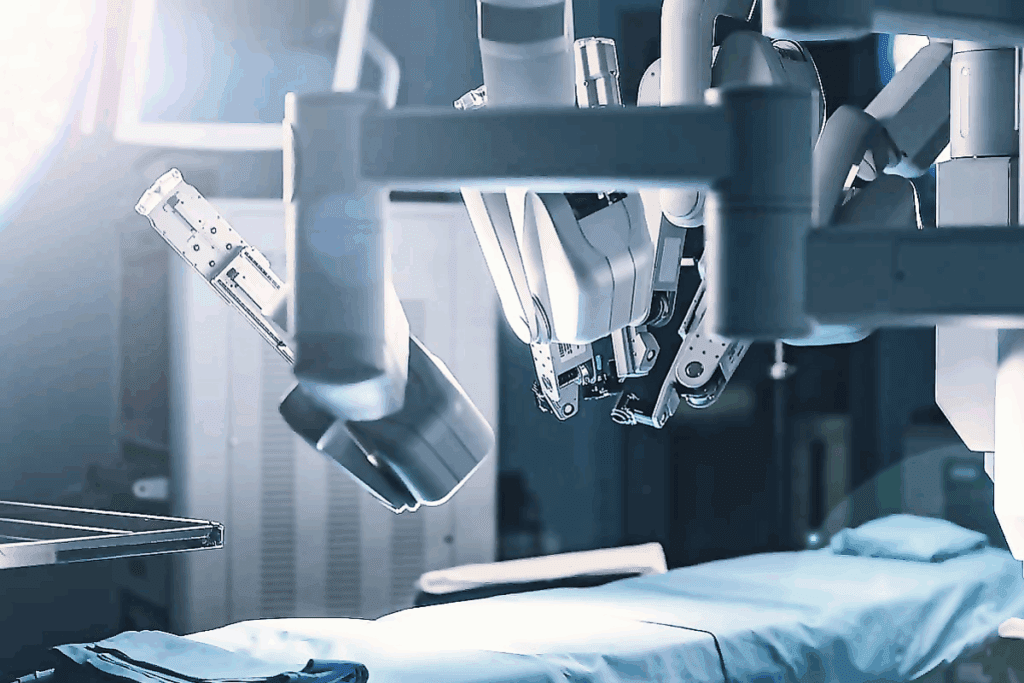
Patients undergoing robotic hernia surgery often wonder about the level of pain they might experience during recovery. Understanding the pain associated with robotic hernia surgery recovery is crucial for managing expectations and ensuring a smooth healing process.
Pain Mechanisms Following Robotic Procedures
The pain following robotic hernia surgery is primarily due to the injury caused to the skin, muscles, and nerves during the operation. According to medical sources, this type of pain is a natural response to the surgical trauma.
Pain Management: Effective pain management is key to a comfortable recovery. Patients are typically prescribed medication to manage their pain, which can be adjusted based on their individual needs.
Average Pain Levels on the 1-10 Scale
Patients often rate their pain on a scale of 1 to 10, with 1 being minimal discomfort and 10 being extreme pain. On average, patients report their pain levels immediately after robotic hernia surgery to be around 6 or 7 out of 10.
| Time Frame | Average Pain Level (1-10) |
| Immediate Post-Surgery | 6-7 |
| First 24 Hours | 5-6 |
| 2-3 Days Post-Surgery | 3-4 |
| 1 Week Post-Surgery | 1-2 |
The table above illustrates the average pain levels reported by patients at different stages of their recovery. It’s essential to note that individual experiences may vary, and some patients may experience more or less pain than these averages.
Understanding the hernia surgery pain timeline helps patients prepare for their recovery. While robotic hernia surgery is considered to have a relatively quick recovery, managing pain effectively is crucial for returning to normal activities.
Pain Expectations: Day of Surgery
The day of robotic hernia surgery is a critical period where managing pain effectively becomes a top priority. Patients undergoing this procedure often have concerns about the level of discomfort they might experience immediately after the operation.
Immediate Post-Operative Experience
After the robotic hernia repair, patients are taken to the recovery room where medical staff closely monitor their condition. It’s common to experience some level of post-surgical pain hernia as the effects of anesthesia wear off. The robotic procedure pain is typically managed through a combination of medications and other pain relief strategies.
Patients may feel groggy and disoriented initially, but as they regain full consciousness, they become more aware of their surroundings and any discomfort they are experiencing. The surgical team is prepared to address any concerns and adjust pain management plans as needed.
Hospital Pain Management Protocol
Hospitals have well-established pain management protocols in place to ensure that patients receive appropriate care following hernia repair discomfort. These protocols often involve a multi-faceted approach, including:
- Administration of pain relief medications, which can range from over-the-counter pain relievers to stronger prescription medications.
- Monitoring of pain levels to adjust medication dosages or switch to different medications if necessary.
- Use of alternative pain management techniques, such as ice or heat therapy, to complement pharmaceutical interventions.
By effectively managing post-surgical pain hernia, hospitals aim to minimize patient discomfort, reduce the risk of complications, and facilitate a smoother recovery process. Patients are encouraged to communicate their pain levels to their healthcare providers to ensure that their pain is adequately addressed.
First 24-48 Hours: Peak Pain Period
Pain levels tend to peak in the initial 24-48 hours after robotic hernia surgery, making effective pain management crucial. During this period, patients are advised to rest when feeling tired and to start walking as soon as possible to boost blood flow and prevent complications.
Typical Pain Intensity on the Pain Scale
The intensity of pain after robotic hernia surgery can vary among individuals, but most patients report moderate to severe pain during the first 48 hours. On a pain scale of 1-10, with 10 being the worst pain, patients often rate their pain between 6 and 8. Effective hernia surgery pain medication is usually prescribed to manage this discomfort.
| Pain Scale | Typical Pain Level | Common Pain Descriptions |
| 1-3 | Mild | Discomfort, slight ache |
| 4-6 | Moderate | Aching, soreness |
| 7-10 | Severe | Sharp pain, significant discomfort |
Common Pain Locations and Sensations
Pain following robotic hernia recovery is not limited to the surgical site. Patients may experience pain or discomfort in the abdomen, groin, or even in the shoulders or back due to the gas used during surgery. The pain can be described as sharp, dull, aching, or throbbing. Understanding these sensations can help patients better cope with their recovery.
In comparison to traditional open surgery or even laparoscopic hernia pain, robotic surgery often results in less tissue trauma, potentially leading to less post-operative pain for some patients. However, individual experiences can vary widely.
Days 3-7: The Transition Phase
As patients progress through their recovery, days 3-7 mark a significant transition phase after robotic hernia surgery. During this period, patients often start to feel better, with a noticeable reduction in pain levels.
Expected Pain Reduction Timeline
According to medical insights, patients typically experience a significant improvement in their condition within a few days post-surgery, with substantial recovery observed within 7 days. The pain is expected to decrease gradually, allowing patients to resume their normal activities.
Key milestones during this phase include:
- Reduced need for pain medication
- Improved mobility and reduced discomfort
- Gradual return to light activities
A study noted that, “Patients undergoing robotic hernia surgery often report a decrease in pain levels around the third to seventh day post-operative, aligning with the body’s natural healing process.”
“The recovery process is generally smooth, with most patients experiencing significant pain reduction within the first week.”
| Day | Expected Pain Level | Activity Level |
| 3 | Moderate | Limited light activities |
| 5 | Mild to Moderate | Gradual increase in activity |
| 7 | Mild | Return to most daily activities |
Warning Signs of Abnormal Pain
While some discomfort is normal, there are warning signs that may indicate complications. These include:
- Increasing pain or pain that doesn’t improve with medication
- Redness, swelling, or discharge from the surgical site
- Fever or chills
It’s crucial for patients to monitor their condition closely and seek medical attention if they experience any of these symptoms.
Weeks 1-2: Returning to Daily Activities
As patients progress through their recovery, weeks 1-2 after robotic hernia surgery mark a significant period for returning to daily activities. During this time, patients typically start to feel more comfortable and are able to gradually increase their level of activity.
Activity Restrictions to Minimize Pain
To minimize post-op pain hernia discomfort, it’s essential to follow certain activity restrictions. Avoiding strenuous activities such as biking or weight lifting until the doctor advises it’s safe to do so is highly recommended. Patients should also be cautious with bending, lifting, or any actions that might put strain on the abdominal area.
Light activities like walking are generally encouraged as they help promote healing and reduce the risk of complications. However, it’s crucial to listen to your body and not push beyond what feels comfortable.
Typical Pain Triggers During Recovery
During the first couple of weeks, certain actions can trigger or increase hernia operation pain. Common pain triggers include coughing, sneezing, or sudden movements. Patients may also experience discomfort when transitioning from a lying down to a standing position.
Understanding these potential pain triggers can help patients prepare and manage their pain more effectively. For instance, supporting the abdominal area with a pillow when coughing or sneezing can help alleviate some of the discomfort.
As patients navigate the recovery process, it’s essential to be mindful of their body’s signals and adjust their activities accordingly. By doing so, they can facilitate a smoother robotic hernia healing process and minimize unnecessary pain.
Long-Term Pain Expectations
The long-term pain expectations following robotic hernia surgery are a significant consideration for patients and healthcare providers alike. As with any surgical procedure, understanding the recovery process and potential complications is crucial for managing expectations and ensuring a smooth recovery.
When Pain Should Fully Resolve
In most cases, patients can expect their pain to significantly decrease within a few weeks after robotic hernia surgery. According to medical guidelines, if pain persists longer than three months, it is considered prolonged, and the care team may suggest visiting a pain clinic for further evaluation.
Typical Recovery Timeline:
- Most patients experience significant pain reduction within 2-4 weeks.
- Pain should continue to decrease over the following months.
- If pain persists beyond 3 months, further evaluation is recommended.
Chronic Pain Possibilities and Prevalence
Chronic pain after robotic hernia surgery, although not common, is a possibility. Studies indicate that a small percentage of patients may experience persistent pain. Factors influencing chronic pain include the complexity of the hernia, surgical technique, and individual patient characteristics.
| Factors Influencing Chronic Pain | Description |
| Hernia Complexity | More complex hernias may result in longer recovery times and higher risk of chronic pain. |
| Surgical Technique | The skill of the surgeon and the specific techniques used can impact post-operative pain. |
| Patient Characteristics | Individual factors such as age, overall health, and pain tolerance can influence recovery. |
Understanding these factors can help patients and healthcare providers manage expectations and take proactive steps to minimize the risk of chronic pain.
By being informed about the potential for chronic pain and the factors that influence it, patients can better navigate their recovery journey after robotic hernia surgery.
Robotic vs. Traditional Hernia Surgery: Pain Comparison
Comparing robotic hernia surgery to traditional and laparoscopic techniques reveals distinct differences in pain management and recovery. The advancement in robotic technology has led to improved outcomes for patients undergoing hernia repair.
Open Surgery Pain Levels
Traditional open surgery for hernia repair involves a larger incision, which can lead to higher levels of post-operative pain. According to the robotic hernia repair surgery offers several benefits, including less pain and faster recovery compared to traditional open surgery.
The pain associated with open surgery can be significant in the initial stages of recovery, often requiring stronger pain management strategies. Studies have shown that patients who undergo open surgery may experience more pain in the first few days following the procedure.
Laparoscopic vs. Robotic Pain Outcomes
Laparoscopic hernia surgery, a minimally invasive technique, generally results in less pain compared to open surgery. However, robotic hernia surgery further refines this approach, offering enhanced precision and flexibility.
- Robotic surgery allows for more precise dissection and mesh placement.
- The robotic system’s enhanced visualization can lead to less tissue trauma.
- Patients often report less post-operative pain with robotic surgery compared to laparoscopic methods.
Recovery Time Differences
The recovery time for hernia surgery patients can vary significantly depending on the surgical method used. Robotic hernia surgery is associated with a faster recovery time due to its minimally invasive nature and reduced tissue trauma.
“Robotic hernia repair has revolutionized the field of hernia surgery, offering patients a quicker return to normal activities and reduced post-operative pain.”
Key differences in recovery times include:
- Robotic surgery typically allows patients to return to daily activities within a week.
- Laparoscopic surgery may have a slightly longer recovery period.
- Open surgery often requires the longest recovery time, sometimes extending beyond two weeks.
Understanding these differences is crucial for patients to have realistic hernia surgery expectations and to make informed decisions about their care.
Medication Options for Hernia Surgery Pain Management
Effective pain management is crucial for a smooth recovery after hernia surgery. Patients often have questions about the types of medications available to manage their pain effectively.
Prescription Pain Medications
Initially, patients may be prescribed narcotic pain medications to manage the immediate post-surgical pain. These medications are effective but are generally recommended for short-term use due to their potential for dependency.
Narcotic pain medications are often necessary for the first few days following surgery. However, it’s essential to follow the prescribed dosage carefully to minimize the risk of side effects.
Over-the-Counter Options
As the pain becomes more manageable, patients are often transitioned to over-the-counter (OTC) pain medications such as ibuprofen or acetaminophen. These medications can help control pain and reduce inflammation.
According to medical professionals, “Using OTC pain relievers like ibuprofen can be an effective way to manage post-surgical pain without the risks associated with narcotics.”
Potential Side Effects and Concerns
While pain medications are crucial for managing post-surgical pain, they can have side effects. Common side effects include nausea, dizziness, and constipation. It’s crucial for patients to be aware of these potential issues and discuss any concerns with their healthcare provider.
“Pain management after hernia surgery is not just about prescribing medication; it’s about ensuring that patients are comfortable and able to recover without unnecessary complications.”
Patients should be informed about the risks and benefits of their pain management options to make informed decisions about their care.
Non-Pharmaceutical Pain Relief Strategies
There are several non-pharmaceutical approaches that can help mitigate the pain experienced after robotic hernia surgery. These methods focus on enhancing patient comfort and facilitating a smoother post-surgical recovery.
Ice and Heat Therapy
One effective method for managing pain is through the application of ice or heat. Ice therapy is typically used in the initial stages post-surgery to reduce swelling and numb the pain. It’s recommended to apply ice packs wrapped in a cloth to avoid direct contact with the skin.
Heat therapy, on the other hand, is usually introduced a few days after surgery to relax muscles and increase blood flow to the area, promoting healing. Patients should start with short sessions and adjust according to their comfort level.
Positioning and Movement Techniques
Proper positioning and gentle movement can significantly impact hernia surgery comfort. Patients are advised to avoid heavy lifting, bending, or strenuous activities that could strain the surgical site. Gentle walking is encouraged as it helps improve circulation and prevents complications.
When resting, patients should consider positions that reduce strain on the abdomen, such as lying on their back with knees bent or using a pillow under the knees to take pressure off the lower back.
Relaxation and Breathing Exercises
Relaxation techniques and breathing exercises can also play a crucial role in pain management. Deep breathing can help reduce stress and promote relaxation, making it easier to cope with post-operative pain.
Guided imagery, meditation, or progressive muscle relaxation are other techniques that patients can explore to enhance their robotic hernia experience by reducing anxiety and discomfort.
By incorporating these non-pharmaceutical pain relief strategies, patients can potentially reduce their reliance on pain medication and improve their overall recovery experience.
Factors That Influence Post-Operative Pain Levels
Several key factors contribute to the level of pain patients experience after undergoing robotic hernia surgery. Understanding these factors can help in managing expectations and potentially minimizing discomfort during the recovery period.
Patient-Specific Variables
Individual patient characteristics play a significant role in determining post-operative pain levels. Factors such as age, overall health, and pain tolerance can significantly influence how much pain a patient experiences. For instance, younger patients might recover more quickly and experience less pain compared to older patients.
| Patient Variable | Impact on Pain |
| Age | Younger patients tend to experience less pain |
| Overall Health | Patients with fewer health issues tend to recover more easily |
| Pain Tolerance | Higher pain tolerance can reduce perceived pain levels |
Surgical Technique Considerations
The technique used during robotic hernia surgery can also impact post-operative pain. The skill of the surgeon, the specific robotic system used, and the approach (e.g., the number of incisions) can all influence the extent of tissue trauma and, consequently, the level of pain experienced.
“The precision of robotic surgery allows for minimal tissue damage, potentially reducing post-operative pain.”
Hernia Size and Complexity
The size and complexity of the hernia being treated are additional factors that can affect post-operative pain levels. Larger or more complex hernias may require more extensive surgery, potentially leading to greater discomfort during recovery.
By understanding these factors, patients can better prepare themselves for the recovery process and discuss potential pain management strategies with their healthcare provider.
Common Complications That Increase Pain
Understanding the potential complications of robotic hernia surgery is crucial for managing post-operative pain effectively. While robotic hernia surgery is considered safe, certain complications can arise that may significantly impact the level of pain experienced during recovery.
Infection Signs and Symptoms
Infection is a serious complication that can increase pain after robotic hernia surgery. Signs of infection include redness, swelling, increased pain, and fever. It’s essential to monitor the surgical site closely and report any concerning symptoms to your healthcare provider promptly.
Mesh-Related Complications
Mesh-related complications, such as mesh migration or erosion, can cause significant pain. These complications may require additional surgical intervention to resolve. Understanding the risks associated with mesh use is vital for managing expectations regarding post-operative pain.
Nerve Entrapment Concerns
Nerve entrapment is another complication that can lead to increased pain following robotic hernia surgery. This occurs when nerves are damaged or pinched during the procedure, leading to chronic pain. Recognizing the signs of nerve entrapment early can help in addressing the issue promptly.
| Complication | Symptoms | Potential Impact on Pain |
| Infection | Redness, swelling, fever | Increased pain, potentially severe |
| Mesh-Related Issues | Chronic pain, mesh migration | Significant pain, potential for chronic pain |
| Nerve Entrapment | Chronic pain, numbness | Chronic pain, potentially debilitating |
Being aware of these potential complications and their impact on pain can help patients and healthcare providers work together to manage pain more effectively and improve outcomes after robotic hernia surgery.
Patient Experiences: Real Stories of Robotic Hernia Recovery
Real patient experiences provide valuable insights into the recovery journey after robotic hernia surgery. These stories help prospective patients understand what to expect and how to manage their recovery effectively.
Minimal Pain Experiences
Some patients report minimal pain during their recovery from robotic hernia surgery. For instance, a 45-year-old male patient described his experience as having “less pain than expected” and was able to return to normal activities within a week.
- Effective pain management strategies
- Quick return to daily activities
- Minimal discomfort reported
Moderate to Severe Pain Experiences
On the other hand, some patients experience moderate to severe pain. A 60-year-old female patient reported significant pain in the first 48 hours, which was managed with prescription medication. She noted that the pain gradually decreased over the next two weeks.
- Initial pain was managed with medication
- Pain decreased over time
- Importance of following post-operative instructions
Common Themes in Patient Testimonials
Despite varying levels of pain, several common themes emerge from patient testimonials. These include the importance of following post-operative instructions, the role of effective pain management, and the benefits of robotic surgery in terms of hernia surgery comfort and post-surgical recovery.
Patients also highlight the significance of mental preparation and support systems during the recovery period. A strong support system can greatly enhance a patient’s robotic hernia experience, making the recovery process smoother.
When to Contact Your Doctor About Pain
Understanding when to seek medical attention for pain after robotic hernia surgery is crucial for a smooth recovery. While some discomfort is expected, there are specific instances when your pain may indicate a need for immediate medical evaluation.
Red Flags That Require Immediate Attention
Certain symptoms accompanying pain necessitate urgent contact with your healthcare provider. These include:
- Severe pain that is not managed with prescribed medication
- Increasing pain over time, rather than decreasing
- Pain accompanied by fever, redness, or swelling at the surgical site
- Nausea or vomiting that prevents keeping down medication or fluids
Distinguishing Normal vs. Abnormal Pain
Normal pain after robotic hernia surgery typically decreases over time and is managed with medication. Abnormal pain, on the other hand, may be severe, persistent, or accompanied by other concerning symptoms.
| Pain Characteristic | Normal Pain | Abnormal Pain |
| Intensity | Mild to moderate, manageable with medication | Severe, not relieved by medication |
| Duration | Decreases over time | Persists or worsens |
| Associated Symptoms | Minimal, if any | Fever, redness, swelling, nausea |
It’s essential to be aware of these differences to ensure timely intervention if complications arise. If you’re unsure about the nature of your pain, it’s always best to consult with your healthcare provider.
Preparing for Surgery to Minimize Post-Operative Pain
Before undergoing robotic hernia surgery, patients can prepare themselves physically and mentally to minimize post-operative pain. A well-prepared patient can significantly reduce their recovery time and improve their overall outcome.
Pre-Surgery Physical Conditioning
Physical conditioning before surgery can play a crucial role in reducing post-operative pain. Engaging in regular exercise, such as walking or light cardio, can improve circulation and overall health, making the body more resilient to surgery.
- Start with low-intensity exercises and gradually increase the intensity
- Focus on exercises that strengthen the core muscles
- Avoid heavy lifting or strenuous activities that may strain the hernia
Mental Preparation Techniques
Mental preparation is equally important as physical conditioning. Techniques such as meditation, deep breathing, or yoga can help reduce stress and anxiety related to the surgery.
Some effective mental preparation techniques include:
- Visualization: Imagine a successful surgery and recovery
- Mindfulness: Practice being present and focused on the current moment
- Positive affirmations: Repeat positive statements to boost confidence and reduce anxiety
Setting Up Your Home for Recovery
Setting up the home for recovery is a crucial step in minimizing post-operative pain. Having necessary supplies and support in place can make a significant difference.
| Supply | Purpose |
| Comfortable clothing | Ease of movement and comfort during recovery |
| Pain management medication | Effective pain management as prescribed by the doctor |
| Ice packs or heating pads | Relief from pain and discomfort |
By preparing physically, mentally, and setting up the home for recovery, patients can significantly reduce their post-operative pain and improve their overall robotic surgery recovery experience.
Conclusion: The Reality of Pain After Robotic Hernia Surgery
Robotic hernia surgery recovery pain is a significant concern for patients undergoing this procedure. Understanding the pain associated with robotic hernia surgery and effective hernia surgery pain management strategies can help alleviate anxiety and promote a smoother recovery.
As discussed, post-operative pain hernia experiences vary among individuals, influenced by factors such as patient-specific variables, surgical technique, and hernia size. While some patients report minimal pain, others may experience moderate to severe discomfort.
By understanding what to expect during the recovery period and utilizing effective pain management techniques, patients can minimize their discomfort and return to daily activities more quickly. It is essential to follow the guidance of healthcare professionals and report any concerns or abnormal pain to ensure optimal outcomes.
FAQ
How long does pain last after robotic hernia surgery?
Pain typically peaks in the first 24-48 hours after surgery and gradually decreases over the next few weeks, with most patients experiencing significant improvement by the end of week 1-2.
What are the most common pain locations after robotic hernia surgery?
Common pain locations include the groin area, abdomen, and lower back, with some patients experiencing referred pain in the thighs or hips.
How does robotic hernia surgery pain compare to traditional open surgery?
Robotic hernia surgery is generally associated with less pain and faster recovery compared to traditional open surgery, due to smaller incisions and less tissue trauma.
What are the benefits of robotic surgery for hernia repair?
Robotic surgery offers benefits including smaller scars, less pain, and faster recovery, as well as improved precision and visualization for the surgeon.
What pain management options are available after robotic hernia surgery?
Pain management options include prescription pain medications, over-the-counter pain relievers, and non-pharmaceutical strategies such as ice and heat therapy, positioning techniques, and relaxation exercises.
How can I minimize post-operative pain after robotic hernia surgery?
To minimize post-operative pain, patients can prepare by maintaining physical conditioning, practicing mental preparation techniques, and setting up their home for recovery, as well as following their surgeon’s instructions for pain management and activity restrictions.
What are the warning signs of abnormal pain after robotic hernia surgery?
Warning signs of abnormal pain include severe or worsening pain, pain that is not relieved by medication, and pain accompanied by other symptoms such as fever, redness, or swelling.
Can I experience chronic pain after robotic hernia surgery?
While rare, some patients may experience chronic pain after robotic hernia surgery, which can be related to factors such as nerve entrapment, mesh-related complications, or individual patient factors.
How soon can I return to daily activities after robotic hernia surgery?
Patients can typically return to light daily activities within 1-2 weeks after surgery, with more strenuous activities restricted for 3-6 weeks, depending on individual recovery and surgeon instructions.
What are the potential complications that can increase pain after robotic hernia surgery?
Potential complications that can increase pain include infection, mesh-related issues, and nerve entrapment, which can be identified by warning signs such as increasing pain, fever, or swelling.
Reference:
PMC Article: Enhanced recovery after robotic ventral hernia repair. https://pmc.ncbi.nlm.nih.gov/articles/PMC10891254/