
Having a robotic hysterectomy can be scary, and worries about postoperative pain are normal. Many women are anxious about how much pain they will feel after the surgery.
It’s important to manage your expectations for a better recovery. Everyone’s experience is different, but knowing what to expect with pain management can help a lot.
We want to give you all the details about recovering from this surgery. By talking about robotic hysterectomy pain, we hope to help you feel more prepared and comfortable during your recovery.
Key Takeaways
- Understanding postoperative pain expectations can lead to a smoother recovery.
- Pain management strategies are key to reducing discomfort.
- Everyone’s pain experience is different.
- Good care and support are vital for managing pain after surgery.
- Knowing what to expect can help reduce anxiety.
Understanding Robotic Hysterectomy Procedures
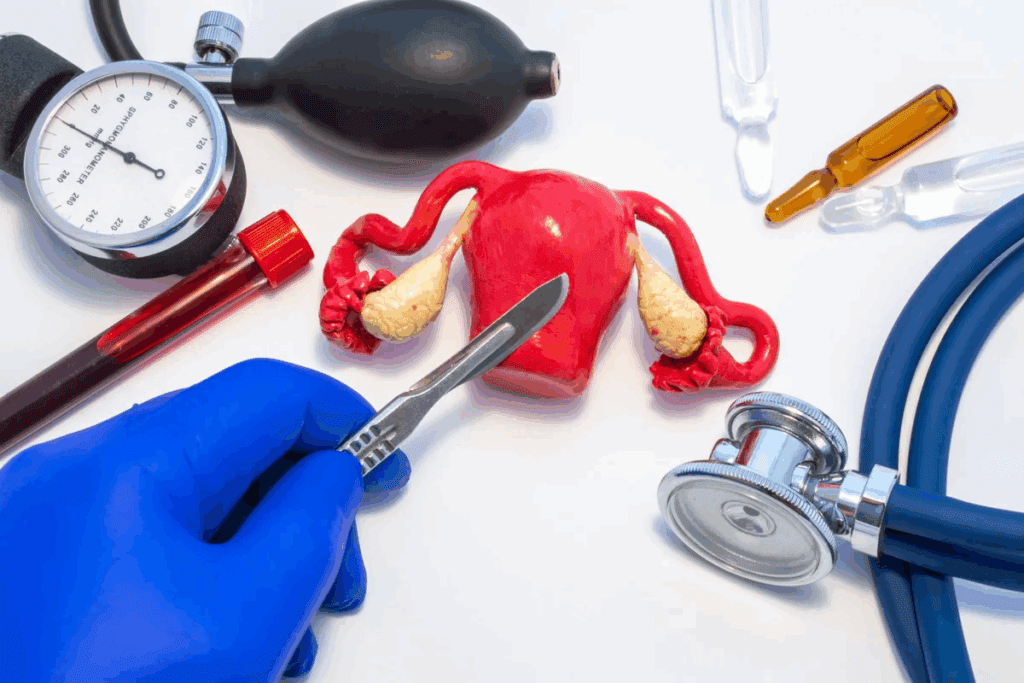
Robotic hysterectomy is a key option for those looking into advanced surgery. It’s a big step forward in gynecological surgery, making it a less invasive choice than traditional surgery.
What Is a Robotic Hysterectomy?
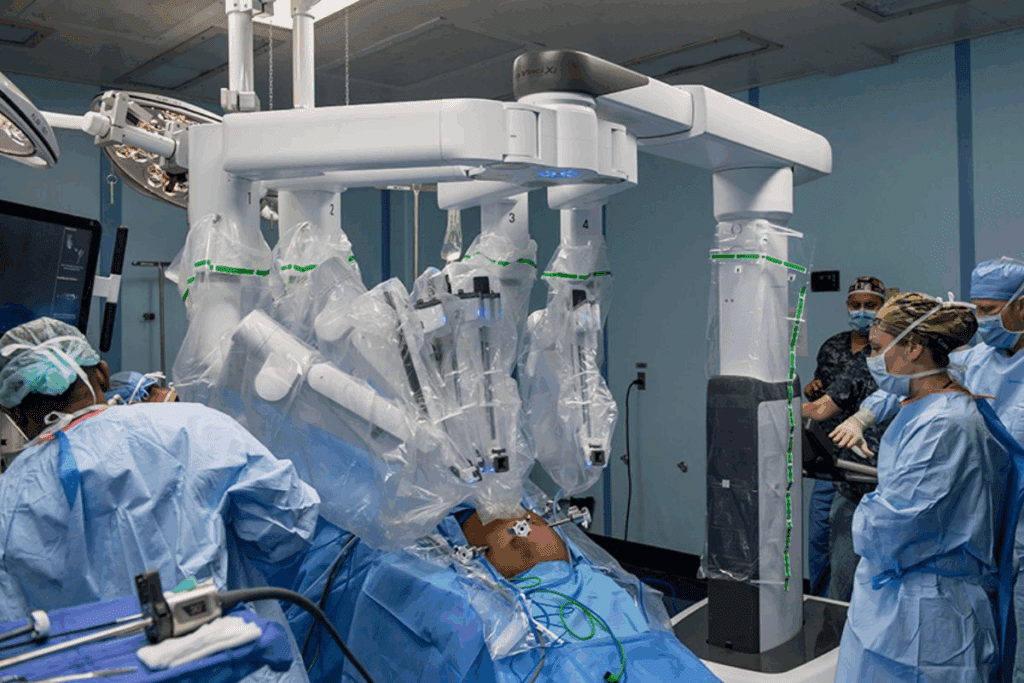
A robotic hysterectomy removes the uterus with the help of a robotic system. It uses the da Vinci Surgical System. This system gives surgeons a clear 3D view and precise control. It makes complex surgeries possible with less invasion.
How the da Vinci Surgical System Works
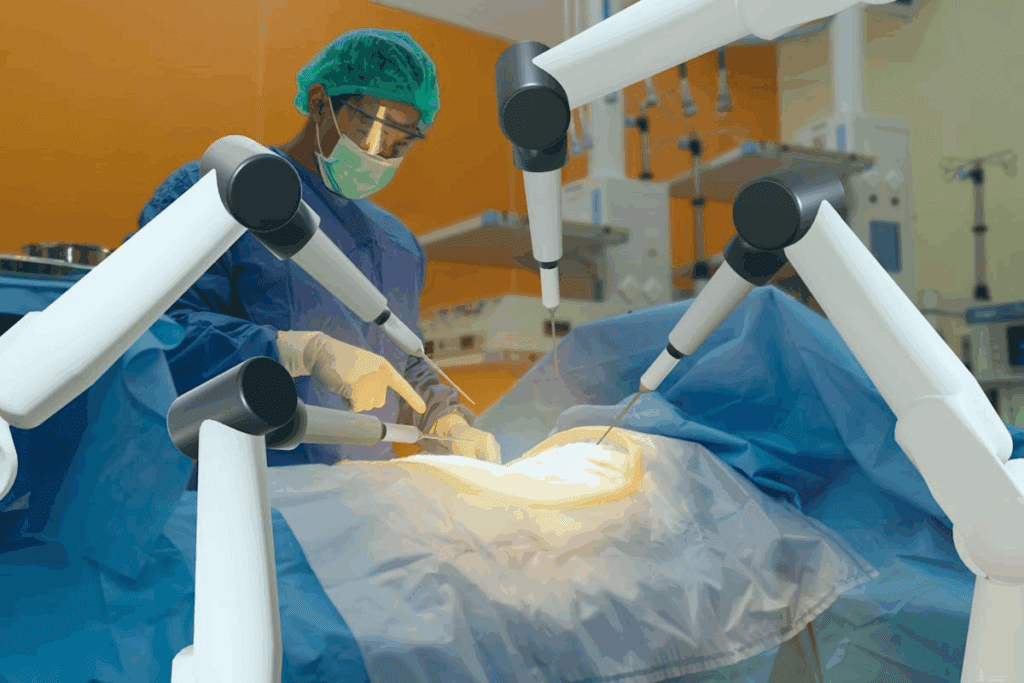
The da Vinci Surgical System is a top-notch robotic tool for surgeries like hysterectomies. It has a surgeon’s console, robotic arms, and a 3D vision system. Surgeons control the arms from the console, making precise movements.
Benefits of Minimally Invasive Gynecological Surgery
Minimally invasive surgery, like robotic hysterectomy, has many advantages. These include:
- Less blood loss during the procedure
- Smaller incisions, resulting in less scarring
- Quicker recovery times, allowing patients to return to their normal activities sooner
- Reduced risk of complications and infections
Thanks to the da Vinci Surgical System, robotic hysterectomy is safer and more effective for patients.
Preparing for Surgery: Pain Expectations
Understanding what to expect with postoperative pain is key before a robotic hysterectomy. This knowledge helps manage pain and improves your recovery.
Pre-Surgery Consultations and Pain Discussions
Talk to your healthcare provider about pain before surgery. This talk is important to know what pain you might feel and how to handle it. Preoperative education is key for managing pain and keeping patients happy, studies show.
Setting Realistic Expectations
It’s important to have realistic pain expectations after surgery. Your doctor will explain the usual pain levels and how to manage it. Knowing what to expect helps you deal with recovery better.
Preparing Your Home for Recovery
Getting your home ready for recovery is also vital. Make sure you have what you need close and set up a comfy place to rest. Simple steps can reduce discomfort and help your recovery.
By focusing on preoperative care, pain expectations, and recovery prep, you can improve your experience after a robotic hysterectomy. We’re here to help you through every step, ensuring you get the best care.
Robotic Hysterectomy Pain: What to Expect
Knowing what pain to expect after a robotic hysterectomy can help ease worries. Pain levels vary, but we can share common experiences and what might affect them.
Pain Scale and Average Patient Experiences
Patients use a pain scale from 0 to 10 to rate their pain. A 0 means no pain, and 10 is the worst. Most say their pain is between 2 and 4 after a robotic hysterectomy.
Factors That Influence Pain Levels
Several things can change how much pain you feel after a robotic hysterectomy. These include:
- How much pain you can handle
- The surgery’s complexity
- Your overall health
- How well pain management works
Good pain management is key for a smooth recovery. This might include medicines and other methods.
Comparing Pain to Traditional Hysterectomy
Research shows robotic hysterectomy patients often feel less pain than those with traditional surgery. This is because robotic surgery is minimally invasive. It means smaller cuts and less damage to tissues.
| Aspect | Robotic Hysterectomy | Traditional Hysterectomy |
| Pain Level | Generally lower (2-4 on pain scale) | Often higher (5-7 on pain scale) |
| Incision Size | Smaller incisions | Larger incision |
| Recovery Time | Typically shorter | Often longer |
Knowing these differences can help you prepare for recovery and pain after a robotic hysterectomy.
Immediate Post-Surgery Pain
Managing pain right after a robotic hysterectomy is very important. It helps patients feel better and avoid complications. Good pain care is key for a smooth recovery.
Recovery Room Experience
In the recovery room, doctors watch for pain closely. They make sure patients get the right pain relief. This might include medicines or other treatments based on each person’s needs.
First 24 Hours After Surgery
The first day after surgery is usually the most painful. Doctors keep a close eye on patients and adjust pain treatments as needed. It’s important for patients to tell their doctors how much pain they’re in.
Key aspects of pain management during the first 24 hours include:
- Regular assessment of pain levels
- Adjustment of pain medications as needed
- Use of additional pain relief strategies such as ice packs or heat therapy
Hospital Pain Management Protocol
Hospitals have plans to manage pain after surgery. These plans might include NSAIDs, opioids, and other treatments. The aim is to find the best pain relief for each patient.
By focusing on pain management, we help patients recover better from robotic hysterectomy. Our team is dedicated to providing caring and effective care during this important time.
Incisional Discomfort After Robotic Surgery
It’s important to know about incisional discomfort after robotic surgery. This helps manage expectations and recovery. Robotic hysterectomy uses small incisions, usually 1 to 2 cm, for instruments and camera. These small cuts help reduce pain compared to open surgery.
Size and Number of Incisions
The size and number of incisions can change based on the procedure and patient. Usually, three to four small incisions are made for robotic surgery. These small cuts cause less damage and trauma, leading to less pain and faster healing.
Types of Incisional Pain
Patients might feel different kinds of pain after robotic surgery. They might experience sharp pain as the cuts heal, or dull aching as their body adjusts. Knowing these types of pain helps manage discomfort better.
Timeline for Incision Healing
Healing time for incisions varies, but usually, it starts within a few weeks. Most people see a big drop in discomfort 2 to 4 weeks post-surgery. Following post-op care is key to proper healing and avoiding complications.
Understanding incisional discomfort helps prepare for recovery. Knowing about incision size, pain types, and healing time is important. Our team is here to offer full care and support for a smooth recovery.
Pelvic Cramping and Internal Pain
Understanding pelvic cramping and internal pain after a robotic hysterectomy is key. These feelings are part of healing and the body’s response to surgery.
Causes of Internal Discomfort
Internal discomfort after a robotic hysterectomy comes from several sources. The surgery itself and the body’s healing process play big roles. The movement of internal organs during surgery can irritate and inflame, causing pain and cramping.
Key Factors Influencing Internal Discomfort:
- Surgical technique and extent of the procedure
- Individual pain tolerance
- Overall health and presence of any comorbidities
Duration of Pelvic Cramping
Pelvic cramping is usually most intense in the first few days after surgery. It then starts to lessen as the body heals. The time it takes for cramping to lessen can vary, but most women see a big drop in 2-4 weeks.
| Time Frame | Expected Level of Pelvic Cramping |
| First 24-48 hours | Severe |
| 1-2 weeks | Moderate |
| 2-4 weeks | Mild |
| After 4 weeks | Minimal to None |
Normal vs. Abnormal Internal Sensations
Some discomfort is normal after a robotic hysterectomy. But, it’s important to know the difference between normal and abnormal sensations. Normal discomfort usually gets better with time and prescribed pain meds. Abnormal sensations, like severe or persistent pain, need to be told to your doctor.
Following your doctor’s advice on managing pain is vital. If you notice anything unusual, don’t hesitate to reach out to your healthcare provider.
Shoulder and Gas-Related Discomfort
Women often feel shoulder pain and gas discomfort after a robotic hysterectomy. This is because of the carbon dioxide gas used during the surgery. This gas makes the abdomen inflate, giving surgeons a clear view.
Why Shoulder Pain Occurs
Shoulder pain after a robotic hysterectomy comes from the carbon dioxide gas. This gas can irritate the diaphragm, causing pain in the shoulder. The phrenic nerve, which connects the abdomen to the neck, can also get irritated, leading to this pain.
This pain is temporary. Knowing why it happens can help patients feel better and manage their discomfort.
Managing CO2 Gas Pain
There are ways to deal with CO2 gas pain. Walking and gentle movement help the body get rid of the gas faster. Applying a warm compress to the shoulder or abdomen can also help. Over-the-counter pain meds can ease the discomfort.
It’s important to follow your doctor’s advice on pain management. Everyone recovers differently, and personalized guidance can help a lot.
Typical Duration of Gas-Related Symptoms
Gas-related symptoms, like shoulder pain, usually go away in a few days after surgery. As the body absorbs the gas, the pain lessens. Most people see a big improvement in 3 to 5 days.
Knowing how long symptoms last can help with planning your recovery. If pain doesn’t go away or gets worse, see your doctor to check for any issues.
Back Pain and Abdominal Bloating
Many women feel back pain and bloating after a robotic hysterectomy. These symptoms can worry you, but knowing why they happen and how to handle them can make recovery easier.
Causes of Post-Surgical Back Pain
Back pain after a robotic hysterectomy comes from several reasons. The surgery itself, the CO2 gas used, and swelling are common causes. Even though the da Vinci Surgical System is less invasive, it can cause temporary pain.
A study in the Journal of Minimally Invasive Gynecology found that CO2 gas can irritate the diaphragm. This leads to shoulder and back pain, and discomfort from gas retention.
“The use of CO2 gas during laparoscopic procedures can lead to diaphragmatic irritation, referred pain in the shoulder and back, and discomfort due to gas retention”Journal of Minimally Invasive Gynecology
Managing Abdominal Distension
To manage bloating, try gentle movements like short walks. These can help your bowels and relieve gas. Over-the-counter simethicone can also ease gas discomfort. Avoid heavy lifting and bending to protect your abdominal muscles.
| Strategy | Description | Benefits |
| Gentle Movement | Short walks and light stretching | Stimulates bowel function, relieves gas retention |
| Over-the-counter Medication | Simethicone | Alleviates gas discomfort |
| Avoiding Heavy Lifting | Refraining from heavy lifting and bending | Reduces strain on abdominal muscles |
When Bloating Should Subside
Abdominal bloating and back pain usually go away in a few days to a week. But, it depends on your health, the surgery’s extent, and how active you are. If bloating lasts or you have severe pain, fever, or other issues, see a doctor.
Understanding back pain and bloating, and using good management strategies, can make recovery easier. Always follow your doctor’s instructions and talk about any worries you have.
Vaginal Cuff Pain and Healing
The vaginal cuff is key in healing after a hysterectomy. It’s the area where the vagina closes off after the uterus is removed. Healing this area well is important to avoid problems later on.
The Anatomy and Importance of the Vaginal Cuff
The vaginal cuff is the top part of the vagina closed off after the uterus is removed. Knowing about its anatomy and role in recovery is vital for those who have had a hysterectomy. Healing the vaginal cuff is a big part of getting better, affecting the patient’s health and well-being.
Patients might feel some pain or discomfort in the vaginal cuff area while it heals. This pain can differ from person to person. It depends on the surgery method and the patient’s health.
Expected Discomfort During the Healing Process
It’s normal for patients to feel some pain or discomfort in the vaginal cuff area while it heals. This can be numbness, itching, or sharp pains. How bad and how long this pain lasts can vary a lot.
- Mild discomfort: Some patients might feel just a little discomfort that can be handled with over-the-counter pain meds.
- Moderate to severe pain: Others might feel more pain that needs prescription pain meds.
Knowing what to expect can help patients manage their recovery better. It also helps them know when to get medical help if needed.
Signs of Proper Versus Problematic Healing
It’s important for patients to know the signs of healing versus complications. Proper healing means pain and discomfort getting better over time.
Signs of proper healing include:
- A decrease in pain or discomfort over time
- Minimal to no bleeding or discharge
- No signs of infection, such as fever or foul-smelling discharge
On the other hand, signs of problematic healing or complications include:
- Increasing pain or discomfort
- Excessive bleeding or foul-smelling discharge
- Fever or chills
If patients see these symptoms, they should get medical help right away.
Understanding the vaginal cuff’s role in recovery and knowing the signs of healing can help patients navigate their journey after a hysterectomy better.
Secondary Discomforts: Nausea, Fatigue, and Constipation
After a robotic hysterectomy, patients often face nausea, fatigue, and constipation. The surgery, anesthesia, and pain meds can cause these issues. It’s a normal part of healing.
Anesthesia-Related Side Effects
Anesthesia makes surgery painless but can cause side effects. Nausea and vomiting are common. We treat these with meds and tell patients to drink lots of water.
The type and amount of anesthesia used can affect how bad these side effects are. Our anesthesiologists work hard to reduce risks and help patients recover smoothly.
Managing Post-Surgical Constipation
Constipation is common after surgery, due to pain meds and less movement. To fight it, we suggest drinking lots of water, eating fiber-rich foods, and slowly getting back to exercise.
- Drink plenty of water
- Eat foods rich in fiber like fruits, vegetables, and whole grains
- Engage in light physical activity as recommended by your healthcare provider
For constipation, we might suggest over-the-counter laxatives or stool softeners.
Energy Levels During Recovery
Fatigue is normal after surgery. Rest is key to recovery. We tell patients to listen to their bodies and not rush back too fast.
Slowly getting back to exercise helps. Eating a balanced diet also supports healing.
Pain Management Strategies
A good plan for managing pain can make your recovery after a robotic hysterectomy better. It’s best to use both medicines and non-medical ways to stay comfortable and recover well.
Prescription Medications: NSAIDs and Opioids
Medicines are key in controlling pain after surgery. NSAIDs (Non-Steroidal Anti-Inflammatory Drugs) and opioids are often given to help with pain after a robotic hysterectomy.
- NSAIDs cut down inflammation and ease mild to moderate pain.
- Opioids are stronger for more serious pain, used right after surgery.
| Medication Type | Use | Benefits |
| NSAIDs | Mild to moderate pain | Reduces inflammation, fewer side effects compared to opioids |
| Opioids | Severe pain | Effective for acute pain management |
Non-Pharmaceutical Approaches
There are also non-medical ways to handle pain and discomfort. Rest, relaxation techniques, and physical therapy are good options.
- Rest and not doing too much can lessen pain.
- Relaxation techniques like deep breathing, meditation, and guided imagery can help reduce stress and pain.
Ice Packs and Heat Therapy
Ice packs and heat therapy are simple but effective for pain and discomfort.
- Ice packs can lessen swelling and numb pain early after surgery.
- Heat therapy, like a warm bath or heating pad, can relax muscles and improve blood flow, helping with healing.
Using these methods together can help patients manage their pain and improve their recovery after a robotic hysterectomy.
Physical Therapy and Rehabilitation
Physical therapy is key in recovering from a robotic hysterectomy. It helps patients get stronger and feel better. Gentle exercises and targeted therapy can speed up healing and lessen pain.
When to Begin Physical Activity
Your doctor will tell you when to start moving after surgery. Usually, it’s with small steps and short walks a few days after. Slowly adding more activity helps avoid problems and aids in healing.
Recommended Exercises for Recovery
Exercises like pelvic tilts, deep breathing, and gentle stretching help a lot. They improve blood flow, reduce stiffness, and strengthen the pelvic floor. Start these exercises slowly and with a healthcare expert’s help to do them right and safely.
Working with a Pelvic Floor Specialist
A pelvic floor specialist offers custom advice on exercises and techniques. This is great for those with pelvic issues like incontinence or pain. They help create a recovery plan that fits your needs for better healing.
Adding physical therapy and rehabilitation to your recovery plan can make it smoother. Talk to your doctor about these options to find what’s best for you.
When to Seek Medical Attention
Knowing when to get medical help after a robotic hysterectomy is vital. It helps avoid serious problems. Most women do well, but knowing what to watch for is important.
Warning Signs of Complications
Some symptoms after robotic hysterectomy mean you need to see a doctor right away. These include:
- Severe pain that doesn’t go away with medicine
- Heavy bleeding or clots bigger than a golf ball
- Fever over 100.4°F (38°C)
- Redness, swelling, or discharge from the cuts
- Difficulty urinating or severe constipation
If you have any of these, act fast.
Distinguishing Normal from Abnormal Pain
Some pain is okay after surgery. But, it’s key to tell normal pain from pain that might mean a problem. “Pain that gets worse or comes with other bad symptoms might mean something’s wrong.”
One patient said,
“I knew something was wrong when my pain suddenly became unbearable and was accompanied by a fever.”
Emergency Situations
If you have severe abdominal pain, heavy vaginal bleeding, or signs of infection, get emergency help. These are serious and need quick action.
Knowing these important signs and acting quickly can greatly help your recovery. Always be safe and talk to your doctor if you’re not sure about your symptoms.
Recovery Timeline and Returning to Normal Activities
Knowing how long it takes to recover from a robotic hysterectomy is key. It helps you plan when you’ll get back to normal. Everyone recovers differently, but most see big improvements in a few weeks.
First Week After Surgery
The first week is tough. You might feel sore, tired, and in pain. These feelings are managed with medicine. Resting and avoiding hard work is important.
Having someone at home to help is a big plus. In the first week, you might see some bleeding or discharge. This should get less over time. Always watch your temperature and tell your doctor if it’s high or if bleeding is heavy.
Weeks 2-6 Recovery Milestones
By the second week, you might start to feel better and less pain. By weeks 2-6, you can start doing light exercises and driving again. But, make sure your doctor says it’s okay.
Starting a pelvic floor rehabilitation program is a good idea. It helps your pelvic area get stronger. Going to your doctor’s follow-up appointments is also important to check on your healing.
Long-Term Recovery Expectations
Recovery times can vary, but most women get back to full activities in 6-8 weeks. But, it’s important to listen to your body and not rush. It might take up to 12 weeks to fully recover, including doing heavy lifting.
Staying healthy with a good diet and exercise is good for you. It can also help prevent future health problems.
Conclusion
Knowing how to recover from a robotic hysterectomy is key for a smooth recovery. It’s important to understand pain management and what to expect. This helps patients prepare for the recovery journey.
Managing pain well is a big part of getting better after a robotic hysterectomy. Using both medicines and non-medical methods helps reduce pain. This makes the recovery process better.
Every person’s recovery from a robotic hysterectomy is different. Working with healthcare providers and following a care plan helps a lot. This way, patients can get back to their normal life faster.
FAQ
What is the typical recovery time after a robotic hysterectomy?
Recovery times can differ, but most women can get back to normal in 4-6 weeks after surgery.
How much pain can I expect after a robotic hysterectomy?
Pain levels vary. But, many women find they have less pain with robotic hysterectomy than with traditional methods.
What are the common types of pain experienced after a robotic hysterectomy?
Women often feel pain at the incision site, pelvic cramps, and sometimes shoulder, back, or vaginal pain.
How is pain managed after a robotic hysterectomy?
Doctors use a mix of medicines and non-medical methods. This includes rest, ice packs, and heat therapy.
What are the benefits of robotic-assisted surgery compared to traditional open surgery?
Robotic surgery has less blood loss, smaller cuts, and faster recovery times.
How can I manage gas-related discomfort after a robotic hysterectomy?
To ease gas pain, try gentle movement, avoid heavy lifting, and use pain meds as needed.
When should I seek medical attention after a robotic hysterectomy?
Get medical help if you have severe pain, heavy bleeding, fever, or other signs of trouble.
Can I resume normal activities immediately after a robotic hysterectomy?
No, start with gentle activities slowly. Your doctor will guide you to help with healing and better results.
How long does it take for incisions to heal after a robotic hysterectomy?
Incisions usually heal in a few weeks. Some discomfort is normal during this time.
What are the signs of proper healing versus possible complications after a robotic hysterectomy?
Healing signs include getting better symptoms. Complications might include severe pain, heavy bleeding, or fever.
Reference:
Analysis of postoperative pain in robotic versus traditional hysterectomy:PubMed, 2014. https://pubmed.ncbi.nlm.nih.gov/27637237