
Advanced medical technology has changed orthopedic surgery a lot. The robotic-assisted knee replacement is a big step forward. It uses robots to help surgeons do their job better and with less harm to the patient. Is there a Robotic knee replacement age eligibility limit? Find the crucial facts on who qualifies for this amazing procedure based on age.
Many people wonder if there’s an age limit for this surgery. But, the truth is, there isn’t a strict age limit. It depends on how healthy you are and what you need. This makes it possible for many different people to get this surgery.
Key Takeaways
- The decision for robotic knee replacement is based on individual health and needs, not age.
- Robotic-assisted surgery is precise and can be less invasive.
- Patients of various ages can be candidates for robotic knee surgery.
- Age considerations are part of a full evaluation for knee replacement.
- Robotic technology helps surgeons do complex procedures better.
Understanding Robotic Knee Replacement Surgery
Robotic knee replacement surgery is a big step forward in orthopedic care. It brings better precision and results for patients. This method uses a robotic arm and 3D images for exact bone cuts and alignment.
The tech behind robotic knee surgery has grown a lot. It changes how surgeons do knee replacements. Now, they can be more precise than ever before.
What Makes Robotic Knee Surgery Different
Robotic knee surgery is unique because of its advanced tech. It uses 3D images and robotic arms for enhanced precision. This leads to better results and longer-lasting implants.
“The precision and customization afforded by robotic technology have significantly improved the outcomes of knee replacement surgeries, providing patients with a more reliable and effective solution.”
The Evolution of Knee Replacement Technology

Knee replacement tech has seen big changes. From computer-assisted surgery to robotic systems, these advancements have improved patient care. They’ve also cut down recovery times.
| Technology | Description | Benefits |
| 3D Imaging | Provides detailed preoperative planning and intraoperative guidance | Enhanced precision, better implant alignment |
| Robotic Arms | Executes precise bone cuts and implant placement | Improved accuracy, reduced human error |
| Computer-Assisted Surgery | Assists in preoperative planning and surgical execution | Better outcomes, reduced recovery time |
Current Robotic Systems Used in Orthopedics
There are many robotic systems used in orthopedics today. Each has its own special features and benefits. They’re designed to make orthopedic surgeries, like knee replacements, more precise and effective.
Knowing about robotic knee replacement surgery helps patients and doctors make better choices. It’s about finding the best treatment for knee issues.
The Myth of Age Limits in Knee Replacement
Orthopedic surgery has made big strides, moving away from just looking at age. Now, doctors focus more on how well a patient can handle surgery. This change shows a deeper understanding of health, beyond just age.
Historical Age Restrictions for Joint Replacement
Before, age was a big hurdle for knee replacement. Older people were seen as too weak, while younger ones were too active. Back then, age limits were mainly about the implant lasting long enough and the patient recovering well.
Older implants didn’t last as long, and surgery risks were higher. This made doctors hesitant to operate on both the young and the old.
How Modern Approaches Have Changed
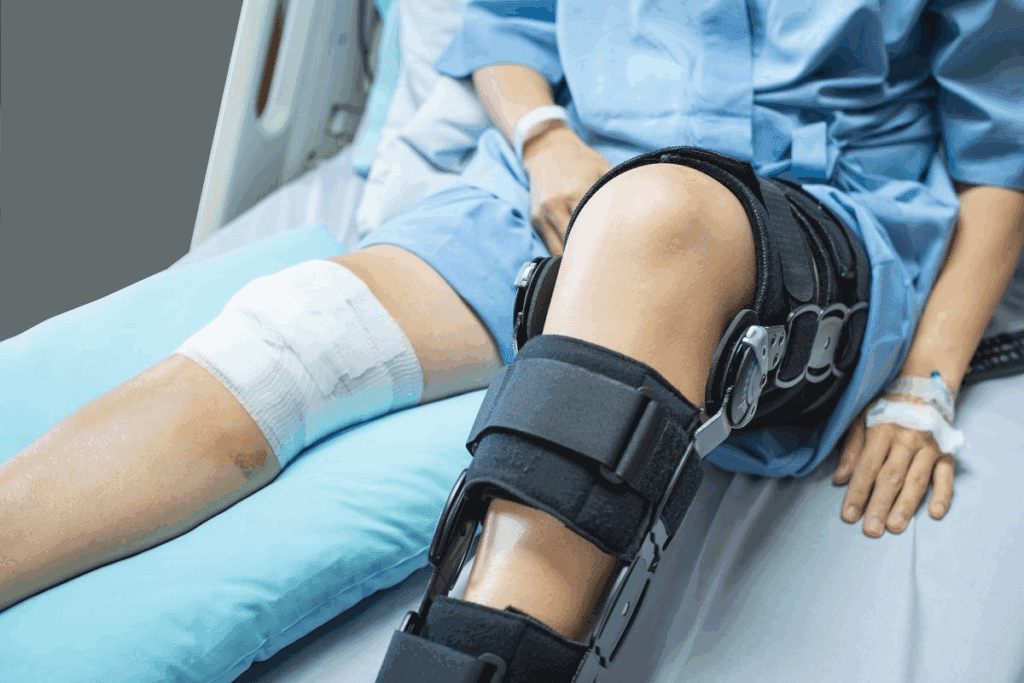
Today, orthopedic surgery has changed a lot. New tech, like robotic surgery, has made knee replacements more precise. Now, it’s not just about age, but also about the patient’s health and how surgery can help them.
Robotic systems help make surgery more tailored to each patient. This can lead to better results and longer-lasting implants. So, knee replacement is now an option for more people.
| Aspect | Traditional Approach | Modern Approach |
| Age Consideration | Strict age limits | Individualized assessment |
| Surgical Technology | Conventional surgical techniques | Robotic-assisted surgery |
| Patient Evaluation | Primarily based on age and general health | Comprehensive assessment including functional status and quality of life |
Individualized Assessment vs. Chronological Age
Now, deciding on knee replacement looks at many factors, not just age. Doctors consider the patient’s health, how severe their condition is, and how surgery will affect their life.
This new way of thinking means more people can get knee replacements. They can enjoy better mobility and less pain.
Robotic Knee Replacement Age Eligibility: Key Factors
Deciding if someone is eligible for robotic knee replacement involves a detailed check-up. This check-up makes sure each patient gets the right care for their needs.
Health Status Considerations
A person’s health is very important when deciding if they can have robotic knee replacement surgery. Doctors look at things like diabetes, heart disease, weight, and overall health. For example, someone with well-controlled diabetes might be a good candidate, but someone with serious health problems might need more checks or other treatments.
Health factors in knee surgery are key to understanding the risks and what to expect. Doctors think about how a patient’s health might affect their recovery and how long the new knee will last.
Functional Requirements
How well a patient can move and how bad their knee problems are also matter a lot. People with serious knee damage or who haven’t gotten better with other treatments might benefit from robotic knee replacement. This surgery can help fix the knee and improve life quality.
Looking at a patient’s functional capacity helps doctors figure out if robotic knee replacement will help. It also helps set what to expect after surgery.
Quality of Life Impact
How knee problems affect a person’s life is also important. Those with chronic pain, limited movement, or who have had to change their life a lot because of their knee might see big improvements with surgery.
Doctors check how knee replacement surgery criteria are met by looking at how bad the symptoms are and how they affect daily life. This helps make the right choice about robotic knee replacement.
By looking at health, how well a patient can function, and how knee problems affect their life, doctors can decide if robotic knee replacement is right. This leads to better patient outcomes by age.
Knee Replacement in Elderly Patients
Robotic knee replacement is changing the lives of elderly patients. It offers personalized and precise care. More seniors are choosing knee replacement to ease pain and boost mobility.
Benefits for Seniors Over 70
Seniors over 70 see big benefits from knee replacement surgery. They enjoy improved mobility and a better quality of life. Robotic tech ensures precise alignment, key for older adults with complex knee anatomy.
The personalized approach of robotic knee replacement makes surgery fit each patient’s needs. This can lead to better results and happier patients.
Special Considerations for Octogenarians
For those in their 80s, surgeons consider more factors. They look at overall health, bone density, and any other health issues. These can impact surgery and recovery.
- Careful preoperative planning to minimize risks
- Close monitoring during the recovery period
- Personalized rehabilitation plans to ensure safe and effective recovery
Success Rates in the Elderly Population
Studies show elderly patients get a lot of relief from knee replacement surgery. Success rates are high, even for those in their 80s. But, results can vary based on health and other factors.
Elderly patients should talk to their orthopedic surgeon. Discuss their situation, expected outcomes, and any surgery concerns.
Younger Patients and Robotic Knee Replacement
Robotic technology in knee surgery is changing the game for younger patients with knee pain. It’s becoming a top choice for them because it’s so precise and can lead to better results.
Considerations for Patients Under 60
Younger patients face unique challenges with knee surgery. One big worry is how long the implant will last. They want something that will last a long time because they have many years ahead of them.
Activity level expectations are also key. Younger folks are often more active, which can wear out the implant faster. But, robotic surgery can place the implant more accurately, which might help it last longer and work better.
Activity Level Expectations
Younger patients usually want to stay active after surgery. They might do everything from cycling to skiing. The implant needs to be able to handle these activities well.
“The goal of knee replacement in younger patients is not just to alleviate pain but to restore function and allow patients to return to their active lifestyles.A Orthopedic Surgeon
Implant Longevity Concerns
Younger patients worry a lot about how long their implants will last. Robotic surgery helps by placing the implant more accurately. This can make the implant last longer.
| Factor | Impact on Implant Longevity | Robotic Knee Replacement Benefit |
| Precision in Implant Placement | Reduces wear and tear | Enhanced accuracy |
| Alignment | Improves functional outcome | Better alignment |
| Soft Tissue Balancing | Enhances stability | Improved soft tissue handling |
In short, robotic knee replacement is a big win for younger patients. It offers precise placement and could lead to better results. It tackles the worries about staying active and how long the implant will last, helping them live better lives.
Medical Conditions That Influence Age Considerations
Some health issues can affect whether someone needs a robotic knee replacement. Certain conditions can make surgery easier or harder. It’s important to look at each patient’s health carefully.
Osteoarthritis Severity
Osteoarthritis often leads to knee surgery. How bad the osteoarthritis is matters a lot. If it’s severe, surgery might be the best choice to ease pain and improve function.
- Symptoms of advanced osteoarthritis: Chronic pain, stiffness, and limited mobility.
- Diagnostic tools: X-rays, MRI scans, and physical exams help figure out how bad it is.
Bone Density and Quality
Bone health is key for a successful knee surgery. If bones are weak, implants might not work well or could break during healing.
- Assessing bone density: DEXA scans are used to check bone health.
- Improving bone quality: Doctors might suggest special diets or exercises to strengthen bones.
Comorbidities and Their Impact
Having other health issues can affect knee surgery results. Problems like diabetes, heart disease, and obesity can make surgery and recovery harder.
- Managing comorbidities: It’s important to control these conditions before surgery.
- Risk assessment: People with these issues might need a closer look before surgery.
Healthcare teams look at these factors to decide if robotic knee surgery is right for different age groups.
Robotic Technology Benefits Across Age Groups
Knee replacement surgery has improved a lot with robotic technology. It now offers better precision and recovery for all ages. This is great for both young people wanting to stay active and older folks wanting to move better and feel less pain.
Precision and Customization
Robotic-assisted surgery brings precision and customization to knee replacements. Surgeons can make a plan just for the patient, based on their body. This ensures the implant fits perfectly, which is key for a successful surgery.
A study in an orthopedic journal found robotic knee replacements have less implant misalignment than old methods. This precision helps all ages, making the implant work better and last longer.
“The precision offered by robotic technology in knee replacement surgery is unparalleled, allowing for a level of customization that was previously unattainable.”
Reduced Surgical Trauma
Robotic surgery also means less damage to the patient. It’s less invasive, which leads to fewer problems and an easier recovery. This is a big plus for older patients, who face more risks with bigger surgeries.
| Benefit | Description | Age Group Impact |
| Precision | Accurate implant placement | Beneficial for all ages |
| Customization | Personalized surgical plan | Improves implant longevity |
| Reduced Trauma | Less damage to surrounding tissue | Particularly beneficial for older patients |
Faster Recovery
The mix of precision, customization, and less damage leads to faster recovery for robotic knee replacement patients. With less invasive surgery and a better fit, patients can get back to their lives sooner.
Robotic technology keeps getting better, and its benefits for all ages are clear. It offers better precision, less damage, and quicker healing. Robotic-assisted knee replacement is changing orthopedic care for the better.
Recovery Expectations by Age
How well you recover after a robotic knee replacement depends on your age. Knowing what to expect helps set realistic goals and ensures a good outcome.
Recovery Timeline for Younger Patients
Younger people usually recover faster. This is because they are generally healthier and more active. They often feel less pain and can get back to their usual activities quicker.
- Faster recovery of strength and mobility
- Less risk of complications
- Quicker return to daily activities and sports
Recovery Timeline for Older Patients
Older patients might take longer to recover. This is because they might have other health issues or be less physically strong. But, with the right care and therapy, many older patients see big improvements in their life quality.
Key considerations for older patients include:
- Managing comorbid conditions effectively
- Adhering to a tailored rehabilitation program
- Monitoring for possible complications
Physical Therapy Requirements
Physical therapy is key for everyone, no matter their age. It helps regain strength, improve movement, and lower the chance of problems.
Effective physical therapy means a custom exercise plan, getting stronger, and learning to do daily tasks again. This helps you recover smoothly.
Surgical Risks by Age Group
Robotic knee replacement surgery comes with risks that change with age. Knowing these risks helps set realistic expectations and make better choices about surgery.
Anesthesia Considerations
Anesthesia is key in surgery, and its risks grow with age. Older patients face higher risks because of health issues and less body strength. Careful preoperative assessment and personalized anesthesia plans can lessen these risks.
Infection and Complication Rates
Infections and complications are big worries in surgery. Robotic knee replacement has made these risks lower, but age can play a part. Strict infection control measures and postoperative care protocols are vital to keep risks low for everyone.
Long-term Outcomes Based on Age
How well a robotic knee replacement works long-term can depend on the patient’s age. Younger patients might want to stay active more, which can affect the implant’s life. Knowing these differences helps improve long-term success and patient happiness.
Thinking about how age affects surgery risks helps doctors give better advice and plans. This can lead to better results for patients getting robotic knee replacement surgery.
Implant Longevity and Revision Surgery
Knee implant longevity depends on many things, like the patient’s age and how active they are. As robotic knee replacement surgery gets better, knowing how long implants last and when they might need to be replaced is key.
Expected Lifespan of Modern Knee Implants
Today’s knee implants are more durable and work better than before. They usually last 15 to 20 years. This depends on the implant type, the patient’s health, and their lifestyle. Robotic technology in surgery makes implants more precise and tailored, which might make them last longer.
Key factors influencing implant lifespan include:
- Patient age and activity level
- Implant material and design
- Surgical technique and precision
- Post-operative care and rehabilitation
Age-Related Wear Patterns
Age affects how much wear and tear knee implants get. Older patients are often less active, which means less wear on the implant. Younger, more active patients might wear out their implants faster. Knowing this helps doctors and patients make better choices about implants.
Revision Surgery Considerations
Revision surgery is important for patients who need a new implant. It’s needed when an old implant wears out or fails. Robotic technology can help make this surgery more precise, which might lead to better results.
When considering revision surgery, patients should discuss the following with their orthopedic surgeon:
- The reasons for revision surgery
- The risks and benefits associated with the procedure
- Expected outcomes and recovery timeline
Alternative Treatments Before Considering Surgery
Before surgery, people often try other treatments. They look for ways to manage knee problems without surgery. This is a team effort between patients and doctors.
Conservative Management Options
Non-surgical methods are used first. These aim to ease knee pain and improve movement. Here are some:
- Physical Therapy: Special exercises to strengthen the knee muscles, making it more stable and less painful.
- Medications: Drugs to reduce inflammation and pain.
- Lifestyle Modifications: Losing weight, doing low-impact exercises, and avoiding activities that hurt the knee.
- Assistive Devices: Using canes, walkers, or knee braces to lessen knee stress.
Minimally Invasive Procedures
If non-surgical methods don’t work, doctors might suggest less invasive surgeries. These include:
- Corticosteroid Injections: To cut down inflammation and pain.
- Viscosupplementation: Injecting hyaluronic acid to make the knee joint move better and hurt less.
- Arthroscopy: A small camera and tools are used to clean the joint, fix damaged tissues, or remove loose pieces.
When to Transition to Surgical Intervention
Deciding on surgery, like robotic knee replacement, comes when other treatments fail. Several things are considered:
| Criteria | Description | Impact on Decision |
| Severity of Symptoms | How much pain and how much it affects daily life | More severe symptoms might mean surgery is needed |
| Response to Conservative Management | How well non-surgical treatments work | If they don’t work well, surgery might be considered |
| Patient’s Overall Health | Health conditions, age, and overall health | Important for understanding the risks of surgery |
| Quality of Life | How much knee problems affect daily life and happiness | Big impact might mean looking into surgery |
Knowing these factors helps both patients and doctors decide when surgery is the best choice.
The Decision-Making Process
Choosing robotic knee replacement surgery is a big decision. It starts with a meeting with orthopedic specialists. This first step is key to understanding your knee problems and if robotic surgery is right for you.
Consultation with Orthopedic Specialists
During the consultation, you’ll get a full check-up and talk with specialists. They’ll look at your medical history, do a physical exam, and might take X-rays or MRI scans. They’ll decide if robotic knee replacement is a good choice for you.
Key aspects discussed during the consultation include:
- Your overall health and any other health issues
- The extent of your knee damage or arthritis
- Any past treatments or surgeries
- What you hope to achieve and your lifestyle
Evaluating Quality of Life Impact
It’s important to think about how surgery will change your life. You’ll consider if it will reduce pain, improve how you move, and let you do more things you enjoy.
Factors influencing quality of life include:
- How much pain you’re in and how it affects your day
- Your current mobility and independence
- How you might feel and move after surgery
Shared Decision Making Approach
It’s important to work together with your doctor to make a decision. You’ll talk about the good and bad of robotic knee replacement, other options, and what to expect when you recover.
A shared decision-making approach ensures that:
| Aspect | Description | Benefit |
| Patient Education | Patients are fully informed about their condition and treatment options. | Empowers patients to make informed decisions. |
| Personalized Care | Treatment plans are tailored to the individual’s needs and preferences. | Improves patient satisfaction and outcomes. |
| Risk Management | Potential risks and complications are discussed and mitigated. | Reduces anxiety and improves trust in the treatment plan. |
By following this structured decision-making process, patients can make informed choices about their care, leading to better outcomes and higher satisfaction with their treatment.
Insurance and Financial Considerations by Age
It’s important to know about insurance when thinking about robotic knee replacement surgery. The cost of this advanced procedure changes with age, insurance, and other factors.
Medicare Coverage for Robotic Procedures
For those 65 and older, Medicare is key. Medicare usually covers knee replacement, including robotic surgeries, if it’s needed. But, how much it covers depends on your Medicare plan and any extra insurance.
Key aspects of Medicare coverage to consider:
- Medicare Part A covers inpatient hospital stays
- Medicare Part B covers outpatient services, including doctor visits
- Medicare Advantage plans may offer additional benefits
Private Insurance Considerations
For those under 65 or with private insurance, coverage varies. Private insurers have their own rules for robotic surgeries. They might need you to get approval first or limit what they cover.
| Insurance Type | Typical Coverage | Out-of-Pocket Costs |
| Medicare | Generally covers medically necessary procedures | 20% of Medicare-approved amount after deductible |
| Private Insurance | Varies by plan; may require pre-approval | Depends on plan’s deductible, copay, and coinsurance |
Out-of-Pocket Expenses
Patients should also think about costs not covered by insurance. These can include deductibles, copays, and costs for physical therapy or other care after surgery.
Knowing about insurance and costs helps patients make good choices about their care. It’s all about understanding the process better.
Conclusion: Finding Your Personal Answer to Age Eligibility
Figuring out if you’re right for robotic knee replacement surgery takes a deep look at your health, needs, and life quality. Your age isn’t the only thing that matters.
When it comes to knee surgery, each person’s situation is unique. Doctors look at how bad your osteoarthritis is, your bone health, and any other health issues you might have. This way, the surgery is planned just for you.
Being eligible for robotic knee replacement isn’t just about how old you are. It’s about how well you’re doing overall and how the surgery could help you. Talking with your doctor about your age and health can help decide the best treatment for you.
The main aim is to make your life better and help you move more easily. Knowing what affects your eligibility for robotic knee replacement surgery is a big step towards a good outcome.
FAQ
What is the typical age range for robotic knee replacement surgery?
There’s no age limit for robotic knee replacement surgery. It depends on your health, how well you function, and how it affects your life.
How does robotic technology improve knee replacement outcomes?
Robotic technology makes surgery more precise and custom. It also reduces trauma. This leads to quicker recovery and better results for all ages.
Are there any age-related considerations for knee replacement surgery?
Age isn’t the only factor. Older patients might have more health issues. Younger patients might want to stay active. Both are important in deciding if surgery is right.
What are the benefits of robotic knee replacement for elderly patients?
Elderly patients benefit from robotic knee replacement. It’s less invasive, leading to faster recovery. It also ensures more accurate results, making it good for seniors over 70.
How does osteoarthritis severity impact the decision for knee replacement surgery?
How severe osteoarthritis is plays a big role. More severe cases often need surgery.
What are the considerations for younger patients undergoing robotic knee replacement?
Younger patients are considered for robotic knee replacement. It’s based on their activity level and concerns about how long the implant will last. Robotic technology offers precision and customization benefits.
How does bone density affect knee replacement surgery outcomes?
Bone density is key in knee replacement surgery. Poor bone quality can affect how well the implant works and lasts.
What are the alternative treatments available before considering knee replacement surgery?
Before surgery, options like physical therapy and medication are tried. Minimally invasive procedures, like injections and arthroscopy, are also considered.
How does the recovery timeline differ for younger versus older patients after knee replacement surgery?
Both young and old can benefit from robotic knee replacement. But older patients might need more time to recover. This is because they have less physical strength.
What are the insurance and financial considerations for robotic knee replacement surgery?
Insurance coverage and costs vary. It’s important to talk to your insurance about the financial side of robotic knee replacement surgery.
How is the decision made to undergo knee replacement surgery?
Deciding on knee replacement surgery involves talking to orthopedic specialists. It’s about how it affects your quality of life. A shared decision-making approach is used.
What are the expected lifespan and wear patterns of modern knee implants?
Modern knee implants are made to last 15 to 20 years or more. Wear patterns depend on age, activity level, and implant design.
What are the surgical risks associated with knee replacement across different age groups?
Surgical risks vary by age. Older patients face higher risks due to health issues. Anesthesia, infection rates, and long-term outcomes differ across age groups.
Reference:
- (NCBI, 2024) Reports patient satisfaction rates exceeding 90% with robotic-assisted total knee arthroplasty, across a wide age group up to 86 years old, reflecting evolving positive outcomes in elderly populations., https://pmc.ncbi.nlm.nih.gov/articles/PMC10960738