

Every year, over 790,000 knee replacement surgeries happen in the United States. Many of these use robotic technology. This has made people wonder if robotic knee surgery is better.
When thinking about surgery, knowing the good and bad of robotic knee replacement is key. This article will look at the benefits and challenges of this new surgery. We’ll also compare it to traditional knee surgery methods.
Key Takeaways
- Robotic technology is increasingly being used in knee replacement surgeries.
- The benefits and drawbacks of robotic knee surgery will be examined.
- A comparison with traditional knee surgery methods will be provided.
- The recovery process for robotic knee replacement will be discussed.
- Understanding the advantages and disadvantages is key for patients.
Understanding Knee Replacement Surgery
Knee replacement surgery is a solution for those with chronic knee pain and limited mobility. It’s for people with severe arthritis or knee damage. The surgery replaces the damaged joint with artificial parts, easing pain and improving function.
Common Reasons for Knee Replacement
The main reason for knee replacement surgery is to reduce pain and disability from knee arthritis. Osteoarthritis is the top cause, where cartilage in the knee joint breaks down. Other conditions like rheumatoid arthritis and post-traumatic arthritis also lead to knee replacement.
- Severe knee pain that interferes with daily activities
- Significant knee deformity or loss of knee function
- Failure of conservative treatments to provide relief
Traditional Knee Replacement Techniques
Traditional knee replacement surgery involves an incision over the knee. The surgeon removes damaged cartilage and bone, then replaces them with artificial parts. This method relies on the surgeon’s skill to align and position the prosthetic correctly.
|
Technique |
Description |
Advantages |
|---|---|---|
|
Conventional Knee Replacement |
Involves a single large incision to access the knee joint |
Well-established technique, widely practiced |
|
Minimally Invasive Surgery |
Uses smaller incisions and specialized instruments |
Less tissue damage, quicker recovery |
Evolution of Knee Replacement Procedures
Knee replacement surgery has seen significant improvements over the years. New techniques like minimally invasive surgery and computer navigation aim to improve precision and reduce tissue damage.
New technologies and materials are continually being integrated. This helps provide better outcomes and longer-lasting implants for patients.
What Is Robotic Knee Replacement?
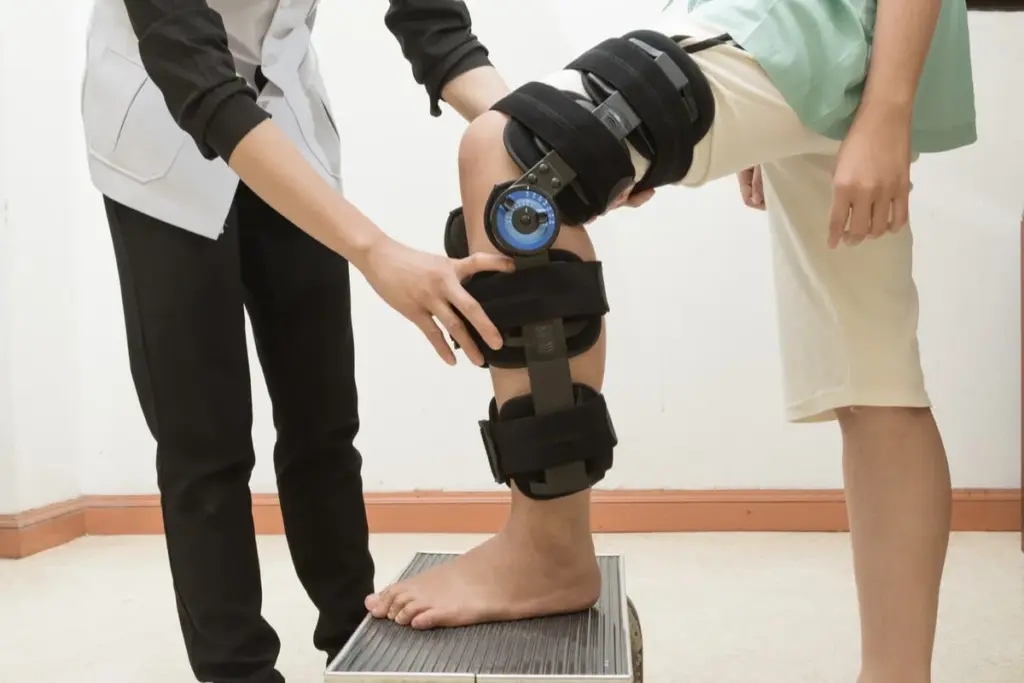
Robotic knee replacement is changing orthopedic surgery with its high precision. It uses robotic systems to help surgeons during knee replacement. This can lead to better results and quicker recovery times.
Definition and Technology Behind Robotic Systems
Robotic knee replacement uses advanced robotic systems to improve surgery. These systems have imaging tech, precise arms, and software for a precise surgery. They make the surgery more accurate and tailored to the patient.
The tech behind it lets surgeons plan the surgery in 3D before starting. This planning helps them place the implant perfectly. This is key for a successful surgery.
Popular Robotic Platforms Used in Knee Surgery
There are several robotic platforms for knee surgery, each with its own benefits. The ROBODOC and MAKO systems are among the most used. They are key in orthopedic surgery.
These platforms offer enhanced precision and can do complex surgeries more accurately. They also let surgeons make changes during the surgery. This improves the surgery’s outcome.
How Robotic Assistance Works During Surgery
In robotic-assisted knee replacement, the robotic system works with the surgeon. The surgery starts with a 3D model of the knee for planning.
During the surgery, the robotic system gives feedback and guidance. This ensures the surgery follows the plan. The surgeon and the robotic system work together for better implant placement and alignment.
Traditional vs. Robotic Knee Replacement: Key Differences

Knee replacement surgery has changed a lot. Now, robotic-assisted procedures offer big advantages over old methods. The main differences are in several key areas.
Surgical Precision and Accuracy
Robotic knee replacement systems bring better precision and accuracy to surgery. Robotic technology allows for precise preoperative planning and execution, cutting down on human mistakes. Studies show robotic-assisted surgeries place implants more accurately than traditional methods.
Incision Size and Tissue Damage
The size of the incision and tissue damage vary between traditional and robotic knee replacement. Robotic surgery uses smaller incisions and causes less tissue disruption. This results in less pain after surgery and faster recovery times for patients.
Implant Positioning and Alignment
Getting the implant in the right position and alignment is key for a knee replacement’s success. Robotic systems help surgeons get the best alignment, which can lead to better long-term results. Here’s a comparison:
|
Aspect |
Traditional Knee Replacement |
Robotic Knee Replacement |
|---|---|---|
|
Implant Positioning |
Manual alignment, with room for error |
Robotic-assisted, precise alignment |
|
Alignment Accuracy |
Varies, depends on surgeon’s skill |
High accuracy, thanks to robotic tech |
Operating Room Setup and Requirements
The setup for robotic knee replacement surgery is different from traditional knee replacement. Robotic systems need special equipment and training. The operating room must also be set up to fit the robotic technology. This might mean more space and longer setup times.
Benefits of Robotic Knee Replacement Surgery
Robotic knee replacement surgery is becoming more popular. It offers many benefits, like better results and quicker recovery times. This new method is changing orthopedic surgery for the better.
Improved Surgical Precision
One big benefit of robotic knee replacement is better precision. Robotic systems help surgeons be more accurate. This means better placement of implants and better results.
Personalized Implant Positioning
Robotic tech allows for personalized implant positioning. It’s tailored to each patient’s body. This leads to better joint function and a more natural feel after surgery. The implants are placed perfectly, thanks to robotic systems.
Potential for Better Long-term Outcomes
Robotic knee replacement surgery could lead to better long-term outcomes. The precision helps ensure implants are correctly placed. This might reduce complications and make implants last longer.
Reduced Soft Tissue Damage
Robotic knee surgery also means less damage to soft tissues. The systems make precise cuts and use less invasive methods. This results in less pain and faster healing for patients.
In summary, robotic knee replacement offers many advantages. These include better precision, personalized care, and less tissue damage. As technology advances, more people will choose robotic knee surgery for their needs.
Potential Drawbacks of Robotic-Assisted Knee Surgery
Robotic-assisted knee surgery has many benefits but also some challenges. It’s important for surgeons and patients to know about these limitations as the technology improves.
Learning Curve for Surgeons
One big challenge is the steep learning curve for surgeons. They need a lot of training to use the robotic systems. This can take a lot of time and effort.
Technology Limitations and Malfunctions
Robotic systems in knee surgery can have limitations and malfunctions. If there are technical problems during surgery, it can lead to complications. It’s important to keep the equipment in good shape and have backup plans.
Extended Operating Time
Robotic-assisted knee surgery takes longer than traditional methods. The setup and use of the robotic system add to the surgery time. But, the precision of robotic systems might make up for this by helping patients recover faster.
Increased Upfront Costs
The cost of robotic technology is high, leading to higher upfront costs for hospitals. These costs are usually passed on to patients, making the surgery more expensive. Patients need to weigh the costs against the benefits.
The challenges of robotic-assisted knee surgery need careful thought and planning. While there are drawbacks, the advantages might be worth it for many. It’s important for patients to talk to their orthopedic surgeons to make an informed choice.
Recovery After Robotic Knee Replacement
Knowing the recovery timeline and process is key for those thinking about robotic knee replacement surgery. This surgery is popular because it’s precise and causes less tissue damage. This can make recovery smoother.
Typical Recovery Timeline
The recovery after robotic knee replacement is similar to traditional knee replacement. Most people start seeing improvements in a few weeks. Typically, the initial recovery phase lasts about 6 to 12 weeks. During this time, patients regain a lot of mobility and strength.
Physical Therapy Requirements
Physical therapy is very important after robotic knee replacement. Patients start therapy soon after surgery. They do exercises to improve range of motion, strengthen muscles, and enhance knee function. A well-structured physical therapy program can significantly impact the overall recovery outcome.
“The goal of physical therapy is to help patients regain their independence and return to their normal activities as quickly as possible.” – Orthopedic Rehabilitation Specialist
Pain Management Differences
Pain management after robotic knee replacement might be different because the surgery is less invasive. Some studies show that patients might feel less postoperative pain and need fewer pain meds.
Comparison to Traditional Recovery Process
The recovery process for robotic knee replacement is similar to traditional knee replacement but has some advantages. The robotic approach can lead to reduced tissue trauma and more precise implant positioning. These benefits can result in a faster and more comfortable recovery for some.
In conclusion, recovery after robotic knee replacement involves a detailed plan. This includes a structured physical therapy program and effective pain management. As with any surgery, results can vary. Patients should talk to their orthopedic surgeon to understand their specific recovery expectations.
Ideal Candidates for Robotic Knee Replacement
Robotic knee replacement has many benefits. But, it’s important to find the right people for this advanced surgery. The right choice depends on the case’s complexity, the patient’s health, and the surgeon’s skills.
Patient Selection Criteria
Several factors are looked at when choosing patients for robotic knee replacement. These include how damaged the knee is, the patient’s overall health, and past surgeries. Those with severe knee damage or past surgeries might get the most from robotic systems.
A detailed check-up, including scans and physical tests, is part of the selection. This helps decide if robotic knee replacement is the best choice.
When Traditional Methods Might Be Preferred
Robotic knee replacement has its perks, but traditional methods might be better in some cases. For example, if the knee is very damaged or has lost a lot of bone, traditional surgery might be better. Also, patients with certain health issues might do better with traditional surgery.
Pre-Surgical Considerations
Before robotic knee replacement, several things need to be done. These include making sure the patient is healthy, managing any health issues, and getting ready for recovery.
|
Pre-Surgical Consideration |
Description |
Importance |
|---|---|---|
|
Health Optimization |
Managing chronic conditions like diabetes or hypertension |
High |
|
Medication Management |
Adjusting medications that may affect surgery or recovery |
High |
|
Preoperative Education |
Educating the patient about the procedure and recovery expectations |
Medium |
Age and Health Factors
Age and health are key in deciding if someone is right for robotic knee replacement. While age isn’t a big deal, older patients or those with health issues need careful thought. The choice to use robotic knee replacement depends on the person’s health and how much they could benefit.
The Surgeon’s Perspective on Robotic Knee Surgery
Surgeons have different views on robotic knee surgery. Some are very excited, while others are more cautious. It’s important to understand what surgeons think about this new method.
Learning Curve and Training Requirements
Robotic knee surgery requires a lot of training for surgeons. Some learn quickly, but others find it harder. To help, training programs are being set up. They focus on learning the technology and planning for success.
Surgeon Satisfaction and Adoption Rates
Many surgeons are happy with robotic knee surgery. They like the precision and control it offers. Because of this, more surgeons and hospitals are using it.
Expert Opinions on Effectiveness
Orthopedic surgery experts have mixed opinions on robotic knee surgery. Some think it leads to better results and accuracy. Others want more research. But most agree it’s a big step forward.
Challenges in Implementation
Starting robotic knee surgery is not easy. It’s expensive and requires special training. There are also worries about technical problems during surgery. Overcoming these issues is key for its success.
Clinical Evidence: Does Robotic Knee Replacement Deliver Better Results?
The research on robotic knee replacement is both hopeful and complex. It’s important to understand its benefits and challenges. This knowledge helps both patients and doctors make informed decisions.
Recent Clinical Studies and Their Findings
Recent studies have looked into robotic knee replacement surgery. A study in a Journal found it improves implant placement. This is better than traditional methods.
Key findings from recent studies include:
- Improved implant positioning and alignment
- Better functional outcomes in the short term
- Potential for reduced complications
A study compared robotic and traditional knee replacement surgeries. It found robotic surgery led to better implant alignment. This means more accurate placement.
“Robotic-assisted total knee arthroplasty showed significantly better mechanical axis alignment compared with conventional total knee arthroplasty.”
Patient-Reported Outcome Measures
Patient-reported outcome measures (PROMs) are key in judging knee replacement success. Studies show robotic knee replacement patients are happier and function better.
|
Outcome Measure |
Robotic Knee Replacement |
Traditional Knee Replacement |
|---|---|---|
|
Pain Scores |
Lower |
Higher |
|
Functional Ability |
Improved |
Comparable |
|
Patient Satisfaction |
Higher |
Lower |
Long-term Implant Survival Rates
Long-term implant survival rates are vital in judging knee replacement success. Robotic knee replacement is new, but early data looks promising.
Limitations of Current Research
Despite positive findings, current research has its limits. We need longer studies, more patients, and a wider range of people.
An orthopedic surgeon said, “The early results are good, but we need more data. We must understand both the benefits and risks of robotic knee replacement.”
Making the Decision: Is Robotic Knee Surgery Right for You?
Robotic knee surgery has many benefits, but is it right for you? Choosing the best surgery for your knee depends on your health, how bad your knee is, and what you prefer.
Questions to Ask Your Orthopedic Surgeon
Talking to your orthopedic surgeon is key to making a good choice. Ask them these questions:
- What experience do you have with robotic knee replacement systems?
- How will robotic assistance improve my surgical outcome?
- Are there any specific benefits of robotic surgery that apply to my condition?
- What are the possible risks and complications of robotic knee surgery?
Personal Factors to Consider
Several personal factors can affect if robotic knee surgery is right for you. These include:
- Age and overall health: Older patients or those with certain health conditions may benefit differently from robotic surgery.
- Severity of knee damage: The extent of knee degeneration or damage can affect the suitability of robotic assistance.
- Activity level and expectations: Patients with high activity levels or specific expectations for their recovery may find robotic surgery more aligned with their needs.
Weighing Benefits Against Costs
Robotic knee surgery has many benefits, but think about the costs too. These costs include:
- Increased upfront costs: Robotic systems are typically more expensive than traditional surgical methods.
- Potential for better outcomes: Improved precision and potentially faster recovery times may lead to long-term cost savings.
- Insurance coverage: Understanding what your insurance covers and what out-of-pocket expenses you may incur is critical.
Second Opinion Considerations
Getting a second opinion can give you more confidence in your choice. When you get a second opinion:
- Consider consulting with a different orthopedic surgeon or a specialist in robotic surgery.
- Ask about their experience with cases similar to yours.
- Discuss any differing opinions or recommendations you receive.
By thinking about these factors and talking to your healthcare provider, you can decide if robotic knee surgery is right for you.
Finding the Right Hospital and Surgeon for Robotic Knee Replacement
Choosing the right hospital and surgeon for robotic knee replacement is key. This surgery is complex and needs advanced tech and a skilled surgeon.
Surgeon Experience and Certification
When looking for a surgeon, check their robotic knee replacement experience. A surgeon with lots of robotic surgeries done is more likely to succeed. Make sure they are certified and have special training in orthopedic surgery and robotic tech.
Key factors to consider include:
- The number of robotic knee replacement surgeries they have performed
- Their success rate and complication rate
- Patient reviews and testimonials
Hospital Volume and Success Rates
The number of robotic knee surgeries a hospital does matters. Hospitals that do more tend to have better results. Look at their success and patient satisfaction rates.
Questions to ask the hospital include:
- How many robotic knee replacement surgeries do you perform annually?
- What are your infection and complication rates?
- Can you share patient testimonials or reviews?
Questions to Ask Before Scheduling Surgery
Before choosing a surgeon and hospital, ask important questions. Find out about the surgeon’s experience, the tech used, and the care before, during, and after surgery. Also, understand the costs and what insurance covers.
Some critical questions to ask include:
- What is your experience with robotic knee replacement?
- What robotic system do you use, and why?
- What are the expected outcomes, and how will success be measured?
Resources for Hospital and Surgeon Research
There are many resources to help you research. Online review sites, hospital ratings, and medical societies offer useful info. Always ask for references or get a second opinion to make sure you’re making the right choice.
By carefully looking at these factors and doing your research, you can find the best hospital and surgeon for your robotic knee replacement. This will help you have a successful and satisfying surgery.
Conclusion: Is Robotic Surgery Better for Your Knee Replacement?
Choosing robotic knee replacement means looking at its good and bad sides. It brings better precision and custom fit for implants. But, it also has a learning curve for doctors, tech limits, and higher costs upfront.
Thinking about knee replacement surgery means looking at these points and what you need. Talking to an orthopedic doctor can help decide if robotic knee surgery fits you. By looking at the latest studies and your own case, you can choose wisely if is robotic knee replacement better for you.
So, picking robotic knee replacement should be after knowing its pros and cons. And also thinking about your health and what you hope to get from the surgery.
FAQ
What is robotic knee replacement surgery?
Robotic knee replacement surgery is a modern orthopedic procedure. It uses a robotic system to help the surgeon. This method aims for more precise and accurate implant placement, leading to better results and quicker recovery.
How does robotic knee replacement differ from traditional knee replacement?
Robotic knee replacement uses advanced technology for better precision. It allows for custom implant placement and less damage to soft tissues. This could result in better long-term results compared to traditional methods.
What are the benefits of robotic knee replacement surgery?
Robotic knee replacement offers several advantages. It ensures precise and personalized implant placement. This can lead to better outcomes and less pain. It also might result in a faster recovery.
Are there any potentially drawbacks to robotic-assisted knee surgery?
Yes, there are some downsides. Surgeons need to learn how to use the technology, and there could be malfunctions. It might also take longer to operate and cost more upfront.
How long does it take to recover from robotic knee replacement surgery?
Recovery times vary, but it usually takes weeks to months. Physical therapy is key to regain strength and mobility.
Who is a good candidate for robotic knee replacement?
Those with severe knee arthritis or degenerative conditions are good candidates. The decision depends on overall health, age, and condition severity.
How do I choose the right surgeon and hospital for robotic knee replacement?
Look for experienced surgeons and successful hospitals. Ask questions and research before making a decision.
What questions should I ask my orthopedic surgeon about robotic knee replacement?
Ask about their experience with the technology and the benefits and risks. Also, inquire about what to expect during recovery.
Is robotic knee replacement surgery more expensive than traditional knee replacement?
Yes, it might be pricier due to the robotic equipment and surgeon’s fee. But, it could offer better outcomes and faster recovery, making it worth the cost.
What are the long-term outcomes of robotic knee replacement surgery?
Early studies suggest it may improve implant survival rates and patient satisfaction. More research is needed for definitive results.
Can I get a second opinion on whether robotic knee replacement is right for me?
Absolutely, getting a second opinion is wise. It helps you make an informed decision and ensures you’re getting the best care.
Reference
National Center for Biotechnology Information. Evidence-Based Medical Insight. Retrieved from https://pmc.ncbi.nlm.nih.gov/articles/PMC9428725/