

Robotic surgery has changed the medical world. It brings patients quicker, less invasive procedures. But, many wonder how long these surgeries last.
The time for robotic surgery changes with each procedure. For example, a robotic hysterectomy usually takes 2 to 4 hours.
Knowing how long robotic surgeries like robotic myomectomy take helps patients get ready. It also sets the right expectations.
Key Takeaways
- The duration of robotic surgery varies based on the procedure.
- Robotic hysterectomy can take between 2 to 4 hours.
- Robotic myomectomy is another common procedure with variable surgery times.
- Understanding surgery duration helps in better preparation.
- Robotic surgery offers benefits like quicker recovery times.
Understanding Robotic Surgery: An Overview
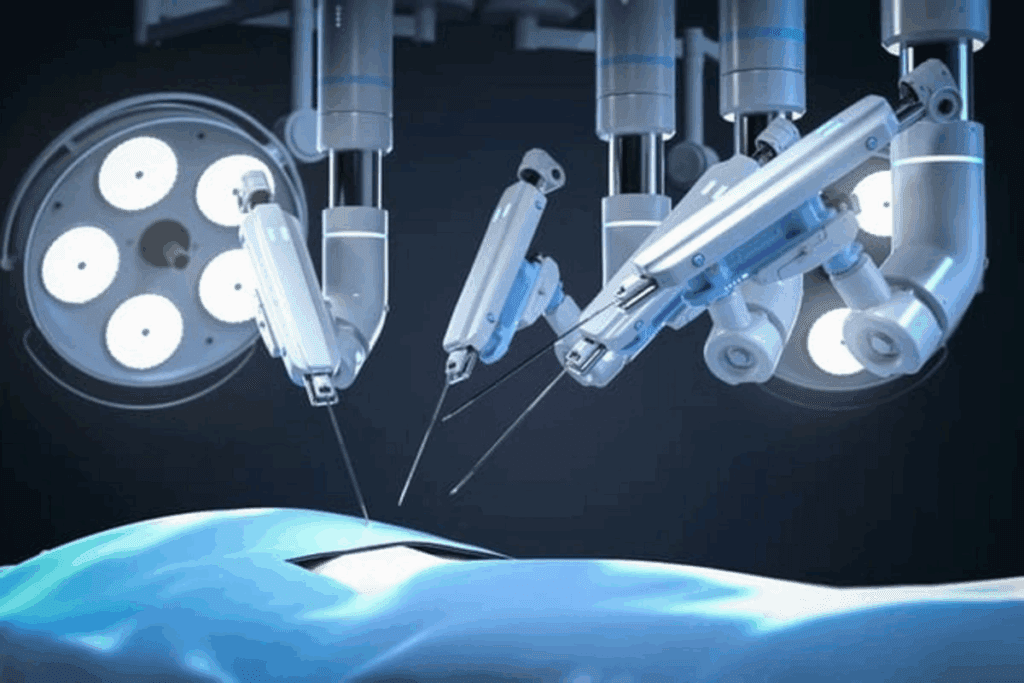
Robotic surgery has changed the medical world. It brings precision and less invasiveness. Surgeons can now do complex surgeries with better accuracy and control.
What is Robotic-Assisted Surgery?
Robotic-assisted surgery uses robotic arms controlled by a surgeon. It offers better dexterity, flexibility, and precision. This makes it great for surgeries like gynecologic and prostate ones.
The robotic system gives a clear, 3D view of the surgery area. This helps the surgeon work more accurately.
The Evolution of Surgical Robotics
The growth of surgical robotics has been slow but steady. The first robotic system was approved by the FDA in 2000. Since then, there have been big improvements.
These include better visualization, more precision, and more capabilities. Now, robotic surgery is used in many medical fields. It offers patients less invasive treatment options.
Common Robotic Surgical Systems
There are several robotic surgical systems out there. The da Vinci Surgical System is one of the most popular. It has advanced robotic arms and a high-definition 3D camera.
Other systems like the Robotic Surgical System and the Senhance Surgical System also exist. Each has its own special features and benefits.
Robotic surgery has changed surgery for the better. It leads to faster recovery, less pain, and smaller scars. As technology gets better, we’ll see even more advanced systems in the future.
Factors Affecting Robotic Surgery Duration

The time it takes for robotic surgery depends on several things. These include the surgeon’s skill and how complex the surgery is. Knowing these factors helps both doctors and patients understand what to expect and how to get the best results.
Surgeon Experience and Learning Curve
The surgeon’s experience greatly affects how long robotic surgery takes. More experienced surgeons do surgeries faster and with fewer problems. Learning to use robotic surgery tools is hard. Surgeons need a lot of training and practice to get good at it.
“The learning curve for robotic surgery is significant, and surgeons must be committed to ongoing training and professional development to master the techniques involved.”
A Robotic Surgeon
Patient-Specific Factors
Things about the patient, like their health and age, can also change how long a surgery takes. For example, patients who have had surgery before or have certain health issues might need more time and care.
| Patient Factor | Impact on Surgery Duration |
| Previous Surgeries | Increased complexity and time |
| Comorbidities | Potential for longer surgery and recovery |
| Age | May require more time due to potential health issues |
Complexity of the Procedure
The complexity of the surgery is another big factor. More complicated surgeries, like those with many sites or tricky dissections, take longer.
Operating Room Setup and Preparation Time
The time it takes to set up the operating room also affects the surgery’s length. This includes getting the robotic tools ready, preparing the patient, and making sure all needed tools are there.
Efficient operating room setup is key to avoid delays and start the surgery on time. Hospitals and teams that improve their setup can make robotic surgeries shorter.
Robotic Myomectomy: Procedure and Duration
Robotic-assisted myomectomy is a big step forward in gynecological surgery. It gives surgeons better control and a clearer view. This method helps remove uterine fibroids, which are non-cancerous growths causing symptoms like heavy bleeding and pain.
What is a Robotic Myomectomy?
A robotic myomectomy is a surgery that uses a robotic system to help remove fibroids. This system offers a detailed 3D view of the area. It helps the surgeon to cut and remove the fibroids accurately.
Average Duration of Robotic Myomectomy
The time it takes for a robotic myomectomy varies. It usually lasts from 2 to 4 hours. The exact time depends on the size and number of fibroids being removed.
Factors Affecting Myomectomy Duration
Several things can affect how long a robotic myomectomy takes. These include:
- The size and number of fibroids
- The surgeon’s experience with robotic surgery
- The patient’s health and body type
Comparison with Traditional Myomectomy Techniques
Robotic myomectomy has many benefits over traditional surgery. It results in less blood loss, less pain, and a faster recovery. Here’s a comparison:
| Criteria | Robotic Myomectomy | Traditional Myomectomy |
| Recovery Time | 1-2 weeks | 4-6 weeks |
| Blood Loss | Minimal | Moderate to Significant |
| Postoperative Pain | Less | More |
Recovery Advantages of Robotic Approach
The robotic method has big advantages for recovery. It means less pain and a quicker return to daily activities. Patients usually can get back to their normal life in 1-2 weeks after surgery.
Robotic Hysterectomy: Time Considerations
Understanding the time needed for robotic hysterectomy is key for patients. This surgery removes the uterus with robotic help. It’s known for being less invasive and leading to quicker healing.
Types of Robotic Hysterectomies
There are different types of robotic hysterectomies. These include total, subtotal, and radical hysterectomies. The right one depends on the patient’s health and the doctor’s advice.
- Total hysterectomy removes the whole uterus.
- Subtotal hysterectomy takes out the uterus but keeps the cervix.
- Radical hysterectomy removes the uterus, cervix, and part of the vagina, often for cancer.
How Long Does a Robotic Hysterectomy Take?
The time for a robotic hysterectomy varies. It usually takes 2 to 4 hours. The complexity of the case, the surgeon’s skill, and the patient’s health play a role.
| Procedure Type | Average Duration | Factors Affecting Duration |
| Total Robotic Hysterectomy | 2-3 hours | Surgeon’s experience, patient’s health |
| Subtotal Robotic Hysterectomy | 1.5-2.5 hours | Complexity of the case, adhesions |
| Radical Robotic Hysterectomy | 3-4 hours | Cancer stage, patient’s overall condition |
Post-Operative Recovery Timeline
Recovery from robotic hysterectomy is quicker than open surgery. Most patients go home in a day or two. It takes 4-6 weeks to fully recover.
Patient Experiences and Satisfaction Rates
Patients are often very happy with robotic hysterectomy. They report less pain and can get back to normal faster. Most studies show patients are back to their routine in a few weeks.
Key benefits include less recovery time, less pain, and minimal scars. But, following post-op instructions is crucial for a smooth recovery.
Robotic Surgery for Digestive System Procedures
Robotic surgery has changed the game for digestive system procedures. It brings better precision and flexibility. This tech lets surgeons do complex surgeries with more ease and accuracy, leading to better results for patients.
Sigmoid Resection and Colon Resection
Robotic sigmoid resection helps with diverticulitis or sigmoid colon cancer. The robotic system makes precise cuts and removes the bad part of the colon. The average time for a robotic sigmoid resection is 2 to 4 hours, depending on the case and the surgeon.
Colon resection removes a sick part of the colon. Robotic help makes the surgery better, possibly cutting down recovery time. Robotic colon resection often means fewer problems and shorter hospital stays.
Robotic Gallbladder Surgery
Robotic gallbladder surgery, or cholecystectomy, removes the gallbladder, often for gallstones. It’s a less invasive option than open surgery. Robotic gallbladder surgery usually takes 1 to 2 hours, but it can vary.
Comparative Analysis with Laparoscopic Approaches
Robotic surgery and laparoscopic methods are both minimally invasive. But robotic surgery is more precise and flexible. Robotic surgery often means less blood loss and shorter hospital stays than laparoscopic. Still, the choice depends on the procedure, patient, and surgeon.
In summary, robotic surgery for digestive system procedures is a big step forward. It offers better precision, recovery, and outcomes. As tech improves, we’ll see even more benefits in robotic surgery for various digestive issues.
Robotic Thoracic Procedures: Duration and Considerations
Thoracic surgery has made big strides with robotic technology. This technology improves the surgeon’s skills and patient results. Robotic thoracic procedures are precise and less invasive, which can shorten recovery times.
Duration of Robotic Lung Surgery
The time needed for robotic lung surgery depends on the surgery’s complexity and the patient’s health. These surgeries usually last from 2 to 6 hours.
Factors Affecting Thoracic Procedure Duration
Many things can change how long thoracic procedures take. These include the surgeon’s skill, the patient’s health, and the surgery method.
| Factor | Impact on Duration |
| Surgeon Experience | More experienced surgeons tend to complete procedures more efficiently. |
| Patient Health | Patients with complicating health issues may require longer surgery times. |
Recovery Timeline After Robotic Thoracic Surgery
The recovery timeline after robotic thoracic surgery is usually shorter than traditional surgery. Most patients can get back to normal in just a few weeks.
Bariatric Robotic Surgery: Time and Technique
Robotic surgery in bariatrics has made big improvements. It brings better precision, flexibility, and clear views. These are key for complex surgeries.
Common Bariatric Procedures Using Robotics
Robotic bariatric surgery includes several key procedures:
- Gastric Bypass Surgery: Creates a small stomach pouch and reroutes the intestine.
- Sleeve Gastrectomy: Removes a big part of the stomach, leaving a narrow sleeve.
- Adjustable Gastric Banding: Places an adjustable band around the upper stomach.
Average Duration of Robotic Bariatric Surgeries
The time needed for robotic bariatric surgeries varies. It depends on the surgery’s complexity and the patient’s health. On average, these surgeries last from 60 to 180 minutes.
Special Considerations for Bariatric Patients
Bariatric patients need thorough checks before and after surgery. Their health, BMI, and past surgeries are important. They help decide if the surgery will work.
Long-term Outcomes and Follow-up Requirements
The long-term results of robotic bariatric surgery are usually good. Patients often lose a lot of weight and see better health. They need regular check-ups to keep track of their progress and handle any issues.
Preparing for Robotic Surgery: What Patients Should Know
Before robotic surgery, patients need to know what to expect. They should understand the preparations and tests needed. This helps set realistic expectations for the procedure and recovery.
Pre-Surgical Preparation and Testing
Preparation includes blood work, imaging studies, and a detailed medical history review. These steps are key to check the patient’s health and spot any risks.
Understanding Surgical Images and Planning
Surgical images are crucial for planning robotic surgery. Advanced imaging lets surgeons see the anatomy and plan the best approach. “The use of high-definition 3D visualization systems allows for precise dissection and reconstruction.”
Setting Realistic Expectations About Duration
Knowing the procedure time is key for realistic expectations. The time needed can change based on the surgery’s complexity and the patient’s health.
Questions to Ask Your Surgeon About Procedure Time
- How long will the surgery take?
- What are the factors that could affect the duration?
- What is the expected recovery time?
By asking these questions, patients can better understand what to expect. They can prepare better for the surgery.
Conclusion: The Future of Robotic Surgery and Operating Times
Robotic surgery is getting better, with new tech aimed at making operations shorter and more effective. The future looks bright, with better training for surgeons, improved robotic systems, and better care for patients.
The time it takes for robotic surgeries depends on several things. These include the type of surgery, the surgeon’s experience, and the patient’s health. Knowing these factors helps set realistic goals and improve results.
As technology keeps getting better, we’ll see even shorter surgeries and better results for patients. Artificial intelligence, better imaging, and more user-friendly robots will be key in this progress.
Robotic surgery is set to stay a leading choice in surgery, offering patients less invasive options. This means fewer complications and faster recovery times.
FAQ
How long does a robotic hysterectomy take?
A robotic hysterectomy usually lasts between 1 to 3 hours. This time can change based on how complex the surgery is and the surgeon’s skill.
What factors affect the duration of robotic surgery?
Many things can change how long robotic surgery takes. These include the surgeon’s experience, the patient’s health, how complex the surgery is, and how ready the operating room is.
How long does robotic lung surgery take?
Robotic lung surgery can last from 2 to 4 hours. It depends on the type of surgery and the patient’s health.
What is the average duration of robotic myomectomy?
Robotic myomectomy usually takes 1 to 2 hours. This can change based on how big and many fibroids are being removed.
How long does robotic gallbladder surgery take?
Robotic gallbladder surgery, or robotic cholecystectomy, usually takes 1 to 2 hours.
What are the benefits of robotic surgery compared to traditional methods?
Robotic surgery has many benefits. It uses smaller cuts, leads to less blood loss, lowers the risk of complications, and results in faster healing than traditional surgery.
How long is the recovery time after robotic thoracic surgery?
Recovery from robotic thoracic surgery varies. Most patients stay in the hospital for a few days. They may need several weeks to fully heal.
What are the common bariatric procedures that use robotic surgery?
Robotic surgery is used in some bariatric procedures. These include robotic gastric bypass and robotic sleeve gastrectomy. They help with weight loss in obese patients.
How long does bariatric robotic surgery take?
Bariatric robotic surgery can take 2 to 4 hours. The exact time depends on the procedure and the patient’s health.
What should patients know when preparing for robotic surgery?
Patients should know about the preparation and tests before surgery. They should also understand the planning process and have realistic expectations about the surgery and recovery time.
References
- Quaas, A. M., & Khandwala, R. S. (2010). Robotic myomectomy: A review of indications and outcomes. American Journal of Obstetrics and Gynecology, 202(2), 139-146. https://www.ncbi.nlm.nih.gov/pmc/articles/PMC3046743/