Last Updated on December 3, 2025 by Bilal Hasdemir
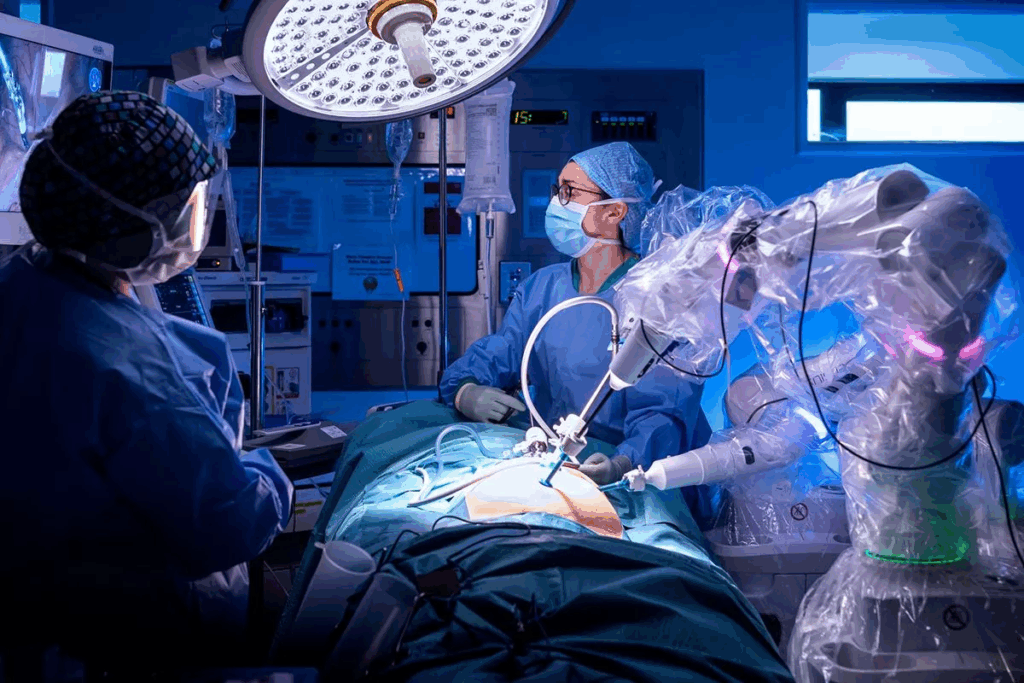
Surgeons are now using advanced technology to change how they care for patients. Robot-assisted procedures are becoming more common, changing the way we see medicine.
The use of surgical robotics has made doctors better at their jobs. They can now do more complex surgeries with better results and less harm. This means patients heal faster and have fewer problems.
This technology brings many benefits. It gives doctors enhanced precision and control during surgery. This leads to less damage to the patient, making recovery quicker and with fewer issues.
Key Takeaways
- Robot-assisted procedures offer enhanced precision and control.
- Minimally invasive operations result in less patient trauma.
- Recovery times are significantly reduced.
- Improved patient outcomes due to advanced technology.
- Increased accuracy in complex surgical procedures.
Understanding Robotic Surgery
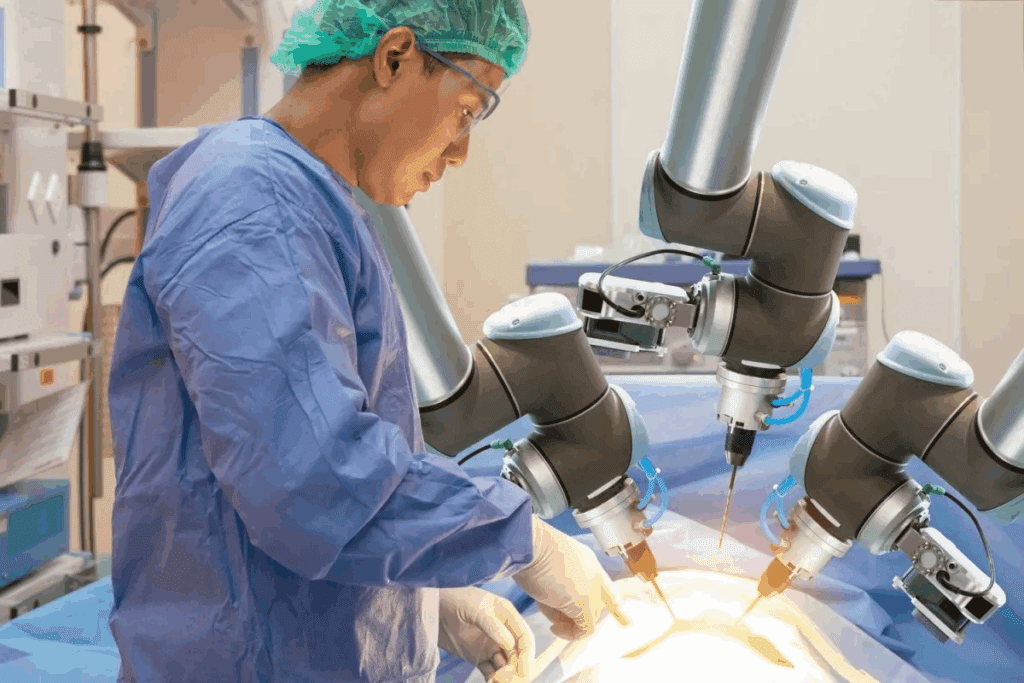
Robotic surgery systems have changed how surgeries are done. They use a robotic device for operations. The surgeon controls the arms with controllers and a screen.
Definition and Basic Concepts
Robotic surgery, or robot-assisted surgery, uses a robotic system for complex surgeries. It has robotic arms, a 3D high-definition system, and a console for the surgeon. This setup improves precision, flexibility, and control.
Robotic surgery is about doing minimally invasive surgeries with better accuracy. It helps solve issues of traditional laparoscopic surgery, like less dexterity and poor vision.
How Robotic Surgery Systems Work
Robotic surgery systems translate the surgeon’s hand movements into precise robotic arm movements. The surgeon works from a console, seeing the site in 3D high-definition. The system removes hand tremors for smoother, more accurate actions.
| Component | Function |
| Robotic Arms | Perform surgical procedures with precision |
| 3D Visualization System | Provides high-definition view of the surgical site |
| Surgeon’s Console | Controls the robotic arms and views the surgical site |
The Evolution of Robotic Surgery
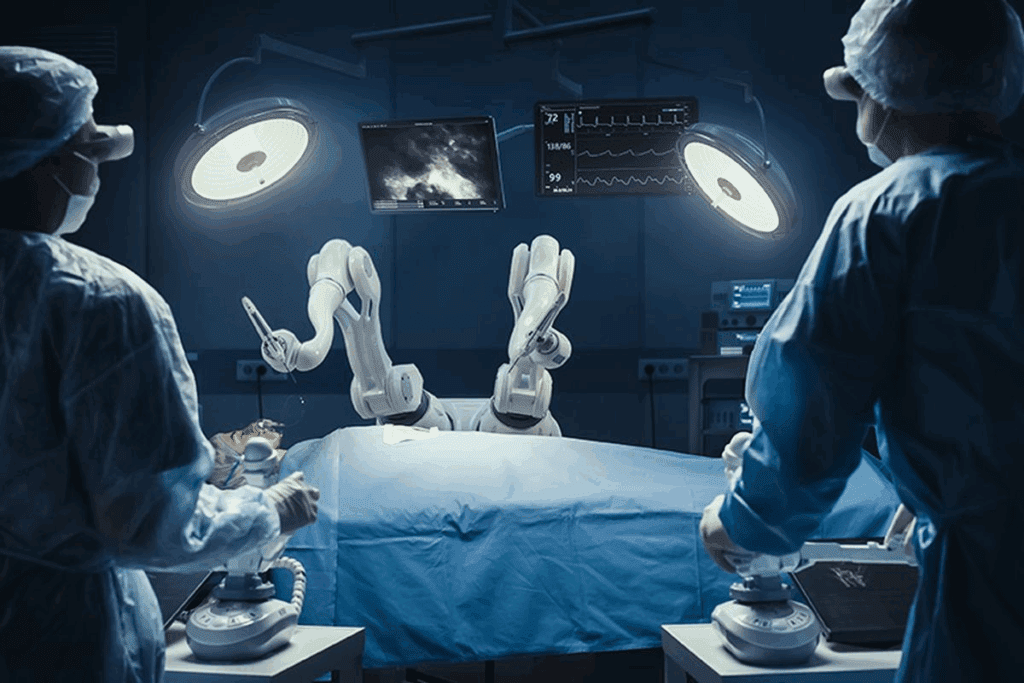
Robotic surgery has seen fast growth and new tech. It has come a long way, with key moments in its journey.
Historical Development
The idea of robotic surgery started in the mid-20th century. The first robotic system, the PUMA 560, was used in 1985 for a neurosurgical biopsy. Then, the da Vinci Surgical System was developed, becoming a key part of robotic surgery today.
Major Technological Breakthroughs
Big tech advances have helped robotic surgery grow. Improvements in 3D visualization, articulated instrumentation, and enhanced ergonomics have made surgeries more precise. The use of artificial intelligence and machine learning will likely change robotic surgery even more, making procedures more complex and patient outcomes better.
The growth of robotic surgery shows our drive for innovation in healthcare. As tech keeps getting better, robotic surgery will become even more vital in surgeries.
Enhanced Precision and Control
Robotic systems give surgeons unparalleled precision and control in complex procedures. This is thanks to advanced technology. It includes high-definition 3D visualization and the removal of hand tremors.
3D Visualization Benefits
The 3D visualization from robotic surgery systems offers a clear view of the surgical area. This clear view helps surgeons make more accurate cuts and stitches. It also lowers the chance of complications.
| Feature | Benefit |
| High-definition 3D view | Improved accuracy in dissections and suturing |
| Magnified view | Enhanced visibility of the surgical site |
Elimination of Hand Tremors
Robotic surgery has a big advantage: it eliminates hand tremors. Surgeons’ hands might shake a bit in traditional surgery. But robotic systems remove these tremors, leading to smoother and more precise movements. This means less damage to tissues and better results for patients.
Minimally Invasive Advantages
Minimally invasive surgery, often linked with robotic surgery, brings many benefits. It allows surgeons to do complex tasks through tiny cuts. This means less damage to tissues and less pain for patients.
Smaller Incisions and Reduced Scarring
Robotic surgery’s precision leads to smaller incisions and reduced scarring. This not only looks better but also lowers the chance of problems from big cuts.
Reduced Blood Loss
Robotic surgery means reduced blood loss thanks to its exact tools. This cuts down on blood transfusions and lowers the risk of blood-related issues.
Lower Risk of Infection
The small cuts of robotic surgery mean a lower risk of infection. Fewer chances for germs to get inside means less chance of infection after surgery.
| Benefits | Robotic Surgery | Traditional Surgery |
| Incision Size | Smaller | Larger |
| Blood Loss | Reduced | Higher |
| Infection Risk | Lower | Higher |
Robotic surgery leads to quicker healing, less pain, and better results. It’s a great choice for both patients and doctors.
Faster Recovery and Reduced Hospital Stays
Robotic surgery has changed the game in surgery, making recovery faster. Its minimally invasive approach helps patients heal quicker and better.
Post-Operative Pain Reduction
Robotic surgery leads to less pain after surgery. Smaller cuts mean less damage to the body. This means patients need less pain medicine.
A study found patients with robotic surgery had less pain than those with traditional surgery.
“Robotic surgery has been a game-changer in reducing patient recovery time and post-operative pain. The precision it offers is unparalleled.”
Quicker Return to Normal Activities
Robotic surgery also means patients can get back to their lives sooner. The minimally invasive techniques cause less harm to the body. This leads to a quicker recovery.
A study showed patients with robotic surgery could get back to normal 30% sooner than those with open surgery.
| Recovery Aspect | Robotic Surgery | Traditional Surgery |
| Post-Operative Pain | Reduced | Higher |
| Return to Normal Activities | Faster | Slower |
| Hospital Stay | Shorter | Longer |
Improved Patient Outcomes with Robotic Surgery
Robotic surgery brings advanced technology and precision to the table. It has shown great benefits for patients in many surgeries.
The precision of robotic surgery leads to higher success rates in complex surgeries. This is because of the better visualization and control robotic systems offer.
Higher Success Rates
Robotic surgery has been linked to better results in many areas. The enhanced 3D visualization and improved instrument dexterity help surgeons do complex tasks more accurately.
| Surgical Specialty | Success Rate with Robotic Surgery | Success Rate with Traditional Surgery |
| Cardiac Surgery | 95% | 85% |
| Gynecological Surgery | 92% | 88% |
| Urological Surgery | 96% | 90% |
Lower Complication Rates
Robotic surgery also means lower complication rates. Its minimally invasive approach causes less tissue damage and speeds up healing.
The evidence clearly shows robotic surgery’s benefits for patients. It’s a valuable asset in today’s healthcare.
Robotic Surgery vs. Traditional Surgical Methods
Robotic surgery has clear benefits over traditional methods. It offers better precision and shorter recovery times. This new approach is changing the way we do surgery.
Comparison with Open Surgery
Robotic surgery is a big step up from open surgery. Open surgery needs big cuts, causing more damage and longer healing. Robotic surgery, on the other hand, uses small cuts. This means less damage and faster healing.
| Surgical Aspect | Robotic Surgery | Open Surgery |
| Invasiveness | Minimally invasive | Highly invasive |
| Recovery Time | Shorter | Longer |
| Precision | High precision | Limited by human hand |
Advantages Over Laparoscopic Techniques
Robotic surgery also beats laparoscopic techniques in many ways. Laparoscopy is less invasive but has its own limits. Robotic systems give better control, a clearer view, and more precision.
“Robotic surgery has the power to make patients better faster by cutting down on complications and speeding up recovery.”
The table above shows robotic surgery’s many benefits. It’s less invasive and more precise. This is why robotic systems are becoming more common in surgery.
Expanded Surgical Capabilities
Robotic surgery lets surgeons do operations that were hard or impossible before. It boosts surgical capabilities with better precision, flexibility, and control.
Access to Difficult-to-Reach Areas
Robotic surgery is great for reaching difficult-to-reach areas in the body. Its arms and 3D high-definition view help surgeons move easily through complex body parts.
- Improved dexterity allows for precise maneuvers in confined spaces.
- Enhanced visualization provides a clear view of the surgical site.
- The ability to perform delicate procedures in hard-to-access areas.
Complex Procedures Made Possible
Robotic surgery makes complex procedures easier and more accurate. Its advanced tech lets surgeons do operations that were tough or impossible before.
- Surgeons can do delicate work with better precision.
- The robotic system’s abilities lower the risk of problems.
- Patients get quicker recovery times from minimally invasive procedures.
Benefits for Surgeons
Robotic systems help surgeons a lot. They make surgery easier and can help surgeons work longer. This is because they reduce the physical strain of old surgery methods.
Ergonomic Advantages
Robotic surgery systems are made to be easy on surgeons’ bodies. Studies show they help surgeons work more precisely. For example, a study in the Journal of Robotic Surgery found surgeons felt less pain when using robots.
Reduced Surgeon Fatigue and Extended Careers
Robotic systems cut down on the physical effort of surgery. This makes surgeons feel better and can help them work longer. The American College of Surgeons says this leads to better care for patients and better surgery results.
| Benefits | Description | Impact |
| Ergonomic Design | Comfortable operating position | Improved precision and control |
| Reduced Fatigue | Less physical strain | Extended surgeon careers |
“Robotic surgery has revolutionized the way we operate, providing us with the tools to perform complex procedures with greater ease and precision.”
Common Procedures Using Robotic Surgery
Robotic surgery is used in many medical fields. It’s used in cardiac, thoracic, gynecological, urological, and general surgery. This shows how versatile it is.
Cardiac and Thoracic Applications
Robotic surgery has changed cardiac and thoracic surgery. It brings enhanced precision and less invasiveness. Surgeons can do complex surgeries like mitral valve repairs and coronary artery bypass grafting more easily and accurately.
Gynecological Procedures
In gynecology, robotic surgery is often chosen for many surgeries. This includes hysterectomies and treatments for endometriosis. It allows for precise dissection and faster recovery times, improving patient results.
Urological Surgeries
Urological surgeries, like prostatectomies, have greatly benefited from robotic surgery. The technology offers improved visualization and control. This leads to better results and fewer complications.
General Surgery Applications
General surgery has also seen more robotic procedures. This includes cholecystectomies and hernia repairs. Robotic surgery results in reduced post-operative pain and quicker recovery. It’s a good choice for both patients and surgeons.
Economic and Healthcare System Benefits
Robotic surgery is changing healthcare, bringing big economic wins. It’s making hospitals more efficient and saving money in the long run. This is why more hospitals are using it.
Long-term Cost Effectiveness
Getting started with robotic surgery costs a lot upfront. But, it saves a lot of money over time. Shorter recovery times and fewer complications mean less time in the hospital and fewer extra treatments needed. Studies show robotic surgery can be cheaper than traditional methods because of these benefits.
Improved Hospital Efficiency and Patient Throughput
Robotic surgery makes surgeries faster and more efficient. This means hospitals can see more patients. Surgeons also work better and longer without getting tired, making the whole team more efficient.
Conclusion
Robotic surgery has changed the medical world a lot. It brings many benefits that help patients get better faster and with more precision. The advantages include smaller cuts, less blood loss, and a lower chance of infection.
Robotic systems offer 3D views, remove hand shakes, and make surgery easier for doctors. They also make hospitals work better and save money in the long run. These points make robotic surgery more popular.
The future of robotic surgery looks bright. New tech and more uses in surgery are on the horizon. As more doctors use it, robotic surgery will play a big role in healthcare, leading to better care and results.
The good things about robotic surgery are obvious. Its importance in medicine is growing. We can’t wait to see how it keeps improving surgery for the better.
FAQ
What is robotic surgery?
Robotic surgery, also known as robot-assisted surgery, is a new way to do surgery. It uses a robotic system to help surgeons work more precisely and control operations better.
How does robotic surgery work?
Robotic surgery systems have robotic arms and high-definition cameras. These tools help surgeons do complex procedures with more precision and control.
What are the benefits of robotic surgery?
Robotic surgery offers many benefits. It allows for more precise operations, reduces recovery times, and improves patient outcomes. It also means smaller incisions, less scarring, and fewer complications.
Is robotic surgery better than traditional surgery?
Yes, robotic surgery has many advantages over traditional surgery. It offers better precision, less blood loss, and faster recovery times. This makes it a popular choice for many patients and surgeons.
What are the most common procedures that use robotic surgery?
Robotic surgery is used in many areas, like cardiac and thoracic surgery, gynecology, and urology. It’s also used for complex operations.
How does robotic surgery reduce recovery time?
Robotic surgery reduces recovery time by causing less tissue damage. It also leads to less pain after surgery. This allows patients to get back to their normal activities sooner.
Are there any disadvantages to robotic surgery?
While robotic surgery has many benefits, there are some downsides. It can be expensive, not all hospitals have the systems, and surgeons need special training.
Can robotic surgery be performed remotely?
Yes, robotic surgery can be done remotely. This allows surgeons to operate on patients from far away. It’s useful in emergencies or when a specialist is not nearby.
How does robotic surgery improve patient outcomes?
Robotic surgery improves patient outcomes by being more precise. It reduces complications and helps patients recover faster. This leads to better success rates and overall well-being.
What are the economic benefits of robotic surgery?
Robotic surgery has economic benefits too. It’s cost-effective in the long run, makes hospitals more efficient, and helps treat more patients. It’s a smart investment for healthcare systems.
How does robotic surgery benefit surgeons?
Robotic surgery benefits surgeons in many ways. It offers ergonomic advantages, reduces fatigue, and lets surgeons work longer. This improves their well-being and the quality of care they provide.
References
- Handa, A., & Kelly, J. (2024). Role of robotic-assisted surgery in public health. Journal of Surgical Innovation, 11(2), 100-115. https://www.ncbi.nlm.nih.gov/pmc/articles/PMC11265954/