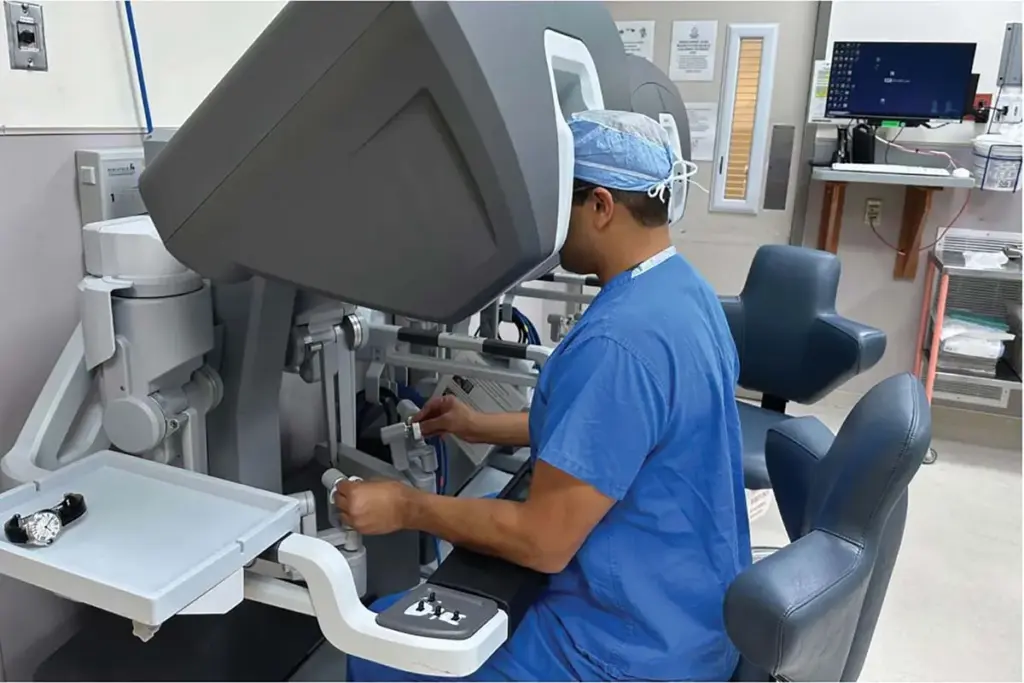
Robotic surgery has changed the medical world, giving patients a new, less invasive option. Over 6.1 million surgeries worldwide have used surgical robots. This technology is becoming more common.
Surgical robotics has changed how surgeons work, making them more precise and in control. But, is robotic surgery really a major surgery?
Key Takeaways
- Robotic surgery is a cutting-edge medical technology.
- It offers patients a less invasive surgical option.
- Surgical robots have been used in over 6 million procedures worldwide.
- The technology provides enhanced precision and control for surgeons.
- Robotic surgery is transforming the medical field.
Understanding Robotic Surgery: A Modern Surgical Approach
Robotic surgery is a new way to do surgery. It uses robots to help with tricky operations. This method has changed surgery for the better.
Definition and Basic Principles
Robotic surgery, or robot-assisted surgery, lets surgeons do operations with more accuracy. It uses a robot to make small instruments move inside the body. This is based on what the surgeon does at a console.
The robot setup includes:
- A console where the surgeon sits and controls the robotic arms
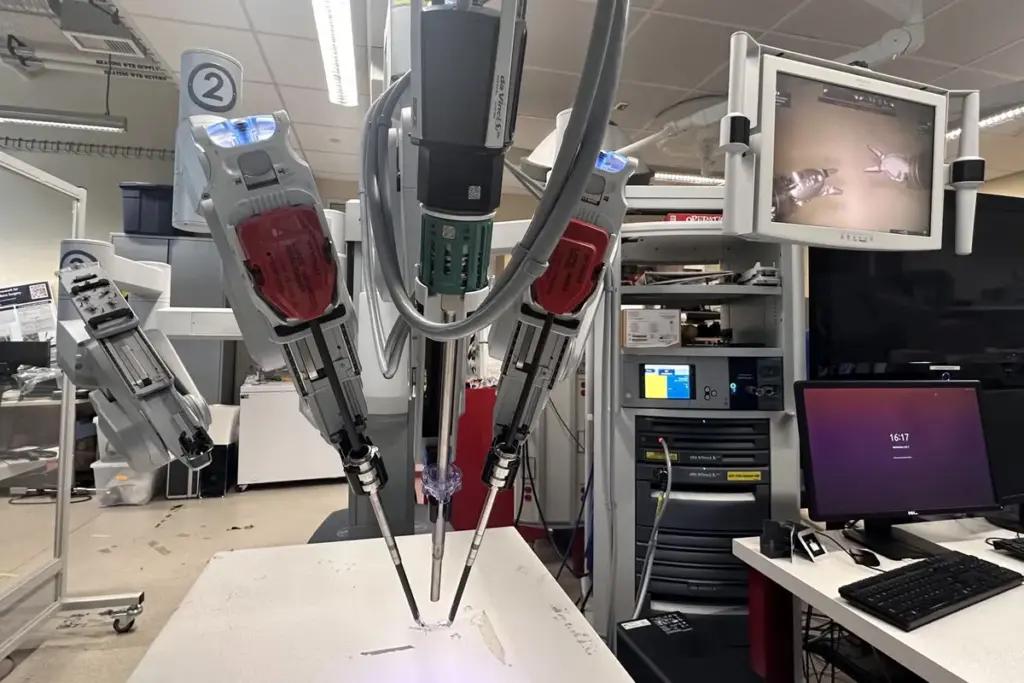
- A patient-side cart with robotic arms that hold surgical instruments
- A high-definition 3D vision system that provides a clear view of the surgical site
Key advantages of robotic surgery include:
- Enhanced dexterity and precision
- Improved visualization through 3D imaging
- Reduced blood loss and trauma
- Shorter hospital stays and faster recovery
Historical Development of Surgical Robotics
The idea of robotic surgery has grown a lot in the last few decades. The first robotic system, ROBODOC, came out in the 1990s for bone work. But, the Da Vinci Surgical System really made robotic surgery popular.
Robot surgery has gotten better over time. Now, it’s used in many areas like urology, gynecology, and heart surgery. This shows how far technology has come.
As technology keeps getting better, we’ll see even more precise surgery. This will help patients get better faster and with less pain.
What Qualifies as “Major Surgery”?
Major surgery is a big medical procedure that needs a lot of thought. It involves a big cut or going into the body deeply. It also means a long time to get better.
Medical Definition of Major Surgery
Major surgery means a big cut or going into the body deeply. Doctors say it takes a long time to recover. It can really change how a person lives.
The medical definition of major surgery includes complex and risky procedures. These need general anesthesia and a long stay in the hospital.
Classification Criteria for Surgical Procedures
Surgeries are sorted by how complex and risky they are. The classification criteria look at the cut size, procedure length, and recovery time.
|
Criteria |
Major Surgery |
Minor Surgery |
|---|---|---|
|
Incision Size |
Large or significant |
Small or minimal |
|
Recovery Time |
Prolonged, often weeks or months |
Short, often days or weeks |
|
Anesthesia |
General anesthesia |
Local or regional anesthesia |
|
Hospital Stay |
Significant, often several days |
Minimal, often outpatient |
In conclusion, major surgery is a complex and invasive medical procedure. It needs careful thought and planning. Knowing the classification criteria for surgical procedures helps doctors and patients make smart choices.
Robotic Surgery vs. Traditional Open Surgery
Robotic surgery and traditional open surgery have big differences. Robotic surgery uses advanced robots for precise, less invasive procedures. It’s a big step forward in surgery.
Key Differences in Surgical Approach
Robotic surgery and traditional open surgery differ a lot. Open surgery needs big cuts for direct access. But, robotic surgery uses small cuts for a camera and arms. This way, it’s more precise and less painful for the patient.
Robotic systems also offer better dexterity and visualization. The surgeon sees everything in 3D and can move instruments with more control. This makes complex surgeries more accurate.
Invasiveness Comparison
Robotic surgery is less invasive than open surgery. It has smaller cuts, leading to less blood loss and less tissue damage. This means patients recover faster and have fewer complications.
- Smaller incisions
- Reduced blood loss
- Less tissue trauma
- Quicker recovery times
While open surgery is needed for some cases, robotic surgery is a big leap. It’s a less invasive option with many benefits for patients.
Robotic Surgery vs. Laparoscopic Surgery
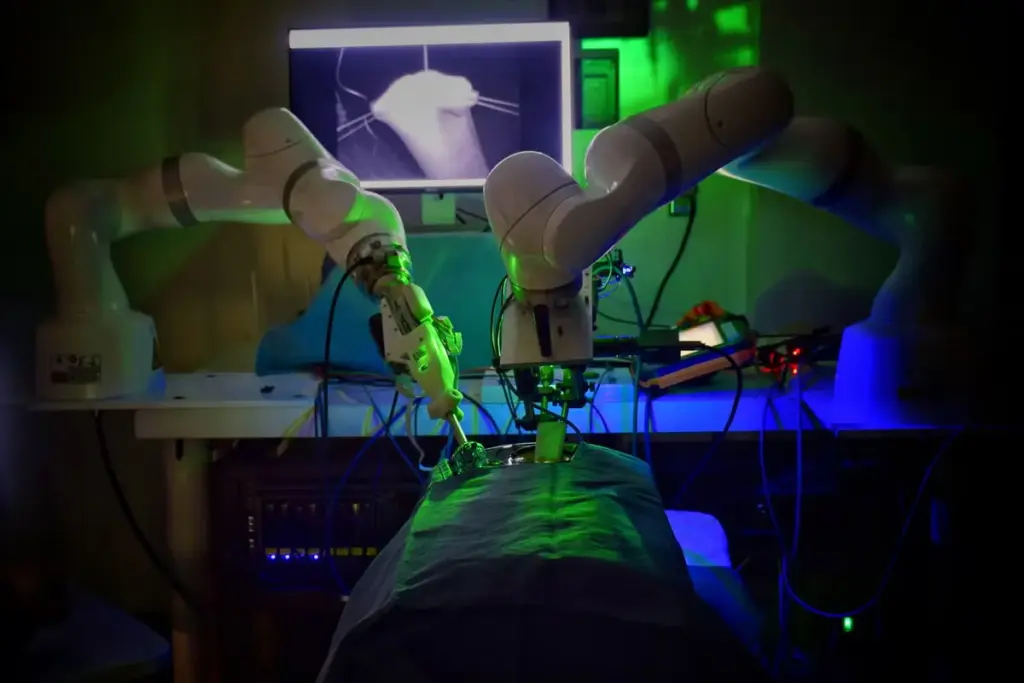
It’s important to know the differences between robotic and laparoscopic surgery. Both are minimally invasive, but they use different methods and technology.
Similarities Between Minimally Invasive Approaches
Robotic and laparoscopic surgeries are similar in some ways. They both use small incisions for instruments and a camera. This means less damage to tissues, less pain, and faster recovery times than open surgery.
Both methods use a camera for a clear view of the surgery area. This helps surgeons do complex tasks with more precision. They also lead to less blood loss and shorter hospital stays.
Technological Advantages of Robotic Systems
Robotic surgery, like the Da Vinci Surgical System, has big advantages. It offers better dexterity and precision with its robotic instruments. These instruments can move like a human hand.
Robotic systems also give a 3D view of the surgery area. This makes dissection and suturing more precise. Plus, they can reduce hand tremors, making the surgery even more precise.
The table below shows the main differences between robotic and laparoscopic surgery:
|
Feature |
Robotic Surgery |
Laparoscopic Surgery |
|---|---|---|
|
Instrumentation |
Highly articulated instruments with enhanced dexterity |
Straight instruments with limited articulation |
|
Visualization |
3D visualization with high-definition clarity |
2D or 3D visualization, depending on the system |
|
Tremor Filtering |
Yes, enhances precision |
No, relies on surgeon’s hand stability |
|
Surgeon Comfort |
Ergonomic console reduces fatigue |
Variable, often requires standing for long periods |
In summary, robotic surgery is more advanced than laparoscopic surgery. It offers better precision and outcomes for patients.
The Da Vinci Surgical System: Leading Robotic Technology
The Da Vinci Surgical System is known for its advanced robotic technology. It improves surgical precision and control. This system is key in robotic surgery, helping surgeons do complex procedures more easily and accurately.
Components and Functionality
The Da Vinci System has several important parts. These include a surgeon’s console, a patient-side cart with robotic arms, and a 3D vision system. The surgeon’s console lets surgeons control the robotic arms with great precision. The patient-side cart has instruments that move like the surgeon’s hands, making precise cuts and stitches.
The high-definition 3D vision system gives a clear view of the surgery area. This helps surgeons see and work on complex areas better. The system is designed to help with detailed surgeries, leading to better results and faster recovery times for patients.
Evolution of Da Vinci Systems
The Da Vinci System has evolved a lot over the years. The Da Vinci Si and Da Vinci Xi models have better vision, more flexibility, and are easier for surgeons to use.
|
Model |
Key Features |
Release Year |
|---|---|---|
|
Da Vinci |
Initial robotic surgical system |
1999 |
|
Da Vinci S |
Enhanced visualization and flexibility |
2006 |
|
Da Vinci Si |
Improved ergonomics and dual-console capability |
2009 |
|
Da Vinci Xi |
Advanced instrumentation and visualization |
2014 |
The Da Vinci Systems keep getting better. They are now a top choice in robotic surgery. They offer surgeons and patients the latest in solving complex surgical problems.
Other Prominent Robotic Surgical Systems
The world of robotic surgery is growing fast. Systems like Senhance and ROSA are leading the way. They help make surgeries more precise, cut down recovery time, and boost patient results.
Senhance Surgical System
The Senhance Surgical System is a top choice for laparoscopic surgery. It gives surgeons better control and precision in complex operations.
Key Features of Senhance:
- Advanced instrumentation with reusable components
- Enhanced visualization through 3D imaging
- Improved ergonomics for surgeons
ROSA Robotic Surgical Assistant
ROSA is a robotic helper for many surgeries, like neurosurgery and orthopedic ones. It’s known for its high precision and flexibility, making complex surgeries more accurate.
Capabilities of ROSA:
- High-precision robotic arm for delicate procedures
- Advanced planning software for surgical preparation
- Compatibility with various surgical instruments and implants
Emerging Platforms in Surgical Robotics
The field of surgical robotics is always changing. New systems are coming out to meet different surgical needs. These new systems aim to improve surgery, better patient results, and open up more robotic procedures.
Trends in Emerging Platforms:
- Miniaturization of robotic systems for increased precision
- Integration of artificial intelligence for enhanced surgical planning
- Development of robotic systems for specialized surgical applications
|
Robotic System |
Key Features |
Applications |
|---|---|---|
|
Senhance |
Advanced instrumentation, 3D visualization, ergonomic design |
Laparoscopic surgery, general surgery |
|
ROSA |
High-precision robotic arm, advanced planning software |
Neurosurgery, orthopedic surgery |
|
Emerging Platforms |
Miniaturization, AI integration, specialized applications |
Various surgical specialties |
Common Types of Robotic Surgical Procedures
Robotic surgery is changing how we do surgery in many fields. It brings precision and less invasion to many procedures.
Urological Applications
Robotic surgery is key in urology, like in prostatectomies. It helps keep more tissue and nerves safe.
Here’s a table of common urological surgeries done with robots:
|
Procedure |
Description |
Benefits |
|---|---|---|
|
Robotic Prostatectomy |
Removal of the prostate gland |
Less blood loss, quicker recovery |
|
Robotic Nephrectomy |
Removal of a kidney |
Minimally invasive, less post-operative pain |
|
Robotic Pyeloplasty |
Repair of the renal pelvis |
High precision, reduced risk of complications |
Gynecological Procedures
In gynecology, robotic surgery helps with many surgeries, like hysterectomies and treating endometriosis. It offers better vision and control, leading to better results.
Cardiac and Thoracic Surgery
Robotic cardiac and thoracic surgery is a big step forward. It makes surgeries like mitral valve repair and thymectomy more precise and less invasive.
Robotic systems in these surgeries lead to less harm and quicker healing.
General Surgery Applications
General surgeons use robots for surgeries like cholecystectomies and hernia repairs. Robots help with better accuracy and fewer complications after surgery.
As robots get better, they will help more in general surgery. This means safer and more effective treatments for patients.
Is Robotic Surgery Considered Major Surgery?
To figure out if robotic surgery is major, we need to look at both the medical side and what patients think. Whether it’s major or minor surgery depends on the procedure type, how complex it is, and the patient’s health.
Clinical Classification Perspective
Doctors usually say a surgery is major or minor based on how invasive it is, the risks, and how long it takes to recover. Even though robotic surgery is less invasive, it can be major if it’s complex or risky.
“Robotic surgery is not just about the size of the incision; it’s about the complexity and precision of the procedure.” This shows why we must look at the medical side to decide if robotic surgery is major.
- Complexity of the procedure
- Risk involved
- Expected recovery time
Robotic surgeries, like those with the Da Vinci Surgical System, are very detailed and need a lot of skill. Even though they’re less invasive than open surgeries, they can be major because of their complexity.
Patient Experience Perspective
Patients have different experiences with robotic surgery compared to traditional surgery. How fast they recover, how much pain they feel, and how it affects their daily life are important.
As “patients are increasingly becoming more involved in their healthcare decisions”, it’s key to understand what they think about robotic surgery. Many patients say they feel less pain and recover faster with robotic surgery than with open surgery.
|
Aspect |
Robotic Surgery |
Traditional Open Surgery |
|---|---|---|
|
Recovery Time |
Typically shorter |
Often longer |
|
Pain Levels |
Generally less |
Usually more |
In conclusion, whether robotic surgery is major depends on both medical criteria and patient experience. It might be seen as major by doctors because of its complexity. But patients often find it less invasive and beneficial.
Patient Selection and Candidacy for Robotic Surgery
Choosing the right patients for robotic surgery is key to its success. Not every patient is a good fit for this advanced technique. Doctors look at many factors to decide who can safely and effectively benefit from robotic surgery.
Ideal Candidates for Robotic Procedures
Typically, patients with these conditions are good candidates for robotic surgery:
- Those with conditions like some urological, gynecological, or cardiac issues that robotic surgery can treat well.
- People who are generally healthy, except for the surgery they need.
- Individuals who are not severely overweight or have other issues that could make surgery or recovery harder.
Table: Factors Influencing Patient Selection for Robotic Surgery
|
Factor |
Ideal Condition |
Potential Contraindication |
|---|---|---|
|
Overall Health |
Good general health |
Severe comorbidities |
|
Body Mass Index (BMI) |
Normal or slightly elevated BMI |
Severe obesity |
|
Previous Surgeries |
Minimal previous abdominal surgeries |
Extensive previous abdominal surgeries |
Contraindications and Limitations
Robotic surgery is a big step forward in minimally invasive treatments. But, there are some cases where it’s not the best choice. These include:
- Patients with severe adhesions from past surgeries.
- Those with major heart or lung problems that might make surgery too risky.
It’s vital for doctors to carefully choose who gets robotic surgery. This helps ensure the best results and keeps risks low.
Benefits of Robotic-Assisted Surgery
Robotic-assisted surgery uses advanced technology. It offers many benefits over traditional surgery. This modern method is becoming more popular because it can improve patient results.
Enhanced Surgical Precision
Robotic-assisted surgery is known for its precision. It gives surgeons high-definition 3D views and precise tools. This makes dissections and suturing more accurate.
Robotic systems also help surgeons do complex tasks with less risk. For example, in prostatectomies, it helps preserve tissues and nerves better.
Reduced Blood Loss and Trauma
Robotic surgery leads to less blood loss and tissue damage. It uses smaller incisions, causing less harm. This can also mean less pain and complications after surgery.
- Less invasive procedures result in smaller scars.
- Reduced risk of infection due to smaller incisions.
- Less blood loss during surgery.
Shorter Hospital Stays
Patients who have robotic surgery often stay in the hospital less. The minimally invasive nature of robotic surgery means quicker recovery. This leads to faster discharge and lower healthcare costs.
Less trauma and blood loss also mean faster recovery. This is great for people with busy lives or those who need to get back to work fast.
Potential Risks and Complications
Robotic surgery, like any surgery, has its own risks. It offers many benefits, but knowing the risks is key for making good choices.
Common Complications in Robotic Surgery
Robotic surgery is precise but can cause problems like infections and bleeding. It can also harm nearby tissues or organs. The robotic system’s complexity might lead to mechanical failures or learning curve issues.
Robotic surgery has specific risks, including:
- Technical malfunctions
- Patient positioning injuries
- Complications related to insufflation (e.g., gas embolism)
Risk Comparison with Traditional Approaches
Robotic surgery has a different risk profile than traditional methods. It often means less blood loss and fewer wound healing issues. But, it might have unique risks like robotic system failures.
|
Complication |
Robotic Surgery |
Traditional Open Surgery |
|---|---|---|
|
Blood Loss |
Generally less |
Can be significant |
|
Infection Risk |
Lower due to smaller incisions |
Higher due to larger incision |
|
Recovery Time |
Typically shorter |
Often longer |
|
Technical Malfunctions |
Possible, though rare |
Not applicable |
The comparison shows robotic surgery has unique risks but also benefits. It can reduce blood loss and recovery times. Knowing these points is vital for patients and doctors when choosing a surgical method.
The Patient Experience During Robotic Surgery
Understanding what patients go through during robotic surgery is key to better care. Robotic surgery is advanced, but it also needs careful attention to patient care during the procedure.
Anesthesia Requirements
Anesthesia is very important for the patient’s experience during robotic surgery. General anesthesia is usually needed for most robotic surgeries. This ensures the patient is comfortable and can’t move.
The type and amount of anesthesia depend on the patient’s health, the surgery’s complexity, and other factors.
Intraoperative Monitoring and Positioning
Monitoring the patient during surgery is vital for safety. This includes watching vital signs and other important health indicators.
How the patient is positioned is also very important. It affects the surgery’s success and the patient’s comfort and safety.
Getting the patient’s position right is a big job. It helps avoid problems like nerve damage or pressure injuries.
Recovery After Robotic Surgery
The journey to full recovery after robotic surgery has several stages. Robotic surgery is known for being less invasive. This means less damage and trauma compared to traditional surgery. It also leads to a shorter and more comfortable recovery for patients.
Typical Recovery Timeline
The recovery time after robotic surgery varies. It depends on the procedure, the patient’s health, and how they heal. But, most patients follow a similar recovery path.
- Immediate Post-Surgery (0-2 days): Patients are watched in the hospital for a few hours or overnight. Managing pain is key during this time.
- Early Recovery (2-7 days): Patients can start with light activities a few days after. It may take weeks to fully regain strength and return to normal activities.
- Late Recovery (4-6 weeks): Most can get back to their usual life, including work and exercise, in 4 to 6 weeks.
Post-Operative Care Considerations
Proper care after surgery is vital for a smooth recovery. Patients must follow their surgeon’s advice on wound care, medication, and follow-up visits.
|
Care Aspect |
Description |
Importance |
|---|---|---|
|
Wound Care |
Keeping the surgical site clean and dry |
High |
|
Medication |
Following the prescribed pain and antibiotic regimens |
High |
|
Follow-Up Appointments |
Going to scheduled check-ups with the healthcare provider |
High |
|
Activity Level |
Increasing physical activity as advised by the surgeon |
Medium |
Understanding the recovery timeline and following care instructions helps patients heal better after robotic surgery.
Future Directions in Robotic Surgical Technology
Robotic surgical technology is on the verge of a new era. This is thanks to advancements in artificial intelligence and miniaturization. These changes will make robotic surgery more precise, flexible, and accessible.
Artificial Intelligence Integration
The use of artificial intelligence (AI) in robotic surgery is set to change the game. AI will give surgeons real-time data and insights during operations. It can predict complications, suggest new techniques, and improve precision.
AI can also look at past surgeries to find patterns and best practices. This helps improve future operations. The partnership between AI and human surgeons will raise the bar in robotic surgery.
Miniaturization and Enhanced Capabilities
Miniaturization is another key trend in robotic surgery. Smaller, more agile robots will soon perform complex surgeries with less invasiveness. This means quicker recovery times and fewer complications.
|
Feature |
Current Robotic Systems |
Future Miniaturized Systems |
|---|---|---|
|
Size |
Large, multi-arm systems |
Compact, flexible designs |
|
Invasiveness |
Minimally invasive |
Even less invasive |
|
Precision |
High precision |
Enhanced precision |
Remote Surgery and Telemedicine Applications
The future of robotic surgery includes remote surgery and telemedicine applications. Thanks to 5G networks and robotic tech, surgeons can operate from afar. This will bring specialized care to remote or underserved areas.
This development will also improve surgical training and collaboration. Surgeons can assist in operations in real-time, no matter where they are.
Conclusion
Robotic surgery is a big step forward in surgical technology. It brings many advantages, like better precision, less blood loss, and shorter hospital stays. This method is different from traditional surgery because it’s less invasive.
The use of robotic surgery is on the rise. New technologies, like artificial intelligence and smaller robots, are being developed. These innovations aim to make robotic surgery even better.
In conclusion, robotic surgery is set to grow even more. Its benefits and the ongoing improvements in surgical technology will drive this growth. As it evolves, robotic surgery will play a bigger role in today’s surgery.
FAQ
What is robotic surgery?
Robotic surgery, also known as robot-assisted surgery, is a minimally invasive procedure. It uses a robotic system to help with the operation. The Da Vinci Surgical System is a well-known example of this technology.
Is robotic surgery considered major surgery?
Whether robotic surgery is major or minor depends on the procedure and the patient’s health. It’s often used for complex operations. Yet, its minimally invasive nature can lead to less trauma and quicker recovery than traditional surgery.
What are the benefits of robotic-assisted surgery?
Robotic-assisted surgery offers many benefits. It improves surgical precision, reduces blood loss and trauma, and shortens hospital stays. The robotic system’s 3D visualization and precise tools help surgeons perform complex tasks with better accuracy.
What types of procedures are commonly performed using robotic surgery?
Robotic surgery is used in many medical fields. This includes urology, gynecology, cardiac and thoracic surgery, and general surgery. Common procedures include prostatectomies, hysterectomies, and coronary artery bypass grafting.
How does robotic surgery compare to traditional open surgery?
Robotic surgery is less invasive than traditional open surgery. It results in smaller incisions, less blood loss, and less trauma. This can mean faster recovery times and shorter hospital stays.
What are the possible risks and complications of robotic surgery?
Robotic surgery, like any surgery, has risks and complications. These can include infection, bleeding, and reactions to anesthesia. But, the risk profile is often similar to or lower than traditional surgery.
How is patient selection determined for robotic surgery?
The right candidates for robotic surgery have conditions that can be treated minimally invasively. The patient’s health, the procedure’s complexity, and the surgeon’s robotic experience are considered.
What is the typical recovery timeline after robotic surgery?
Recovery times after robotic surgery vary by procedure and patient. Generally, patients can get back to normal in a few weeks. Some procedures may allow for same-day or next-day discharge.
How is robotic surgery expected to evolve in the future?
Robotic surgery’s future looks promising. Advances in artificial intelligence, miniaturization, and remote surgery capabilities are expected. These will likely improve precision, accessibility, and effectiveness of robotic surgery.
What is the role of the Da Vinci Surgical System in robotic surgery?
The Da Vinci Surgical System is a leading robotic platform for various procedures. Its advanced tools and 3D visualization enable surgeons to perform complex operations with greater precision and control.
Are there other robotic surgical systems available?
Yes, other robotic systems like the Senhance Surgical System and ROSA Robotic Surgical Assistant exist. They offer different features and capabilities for robotic surgery.
References
Robotic Surgery: A Major Elite Medical Miracle
https://pubmed.ncbi.nlm.nih.gov/37621804/