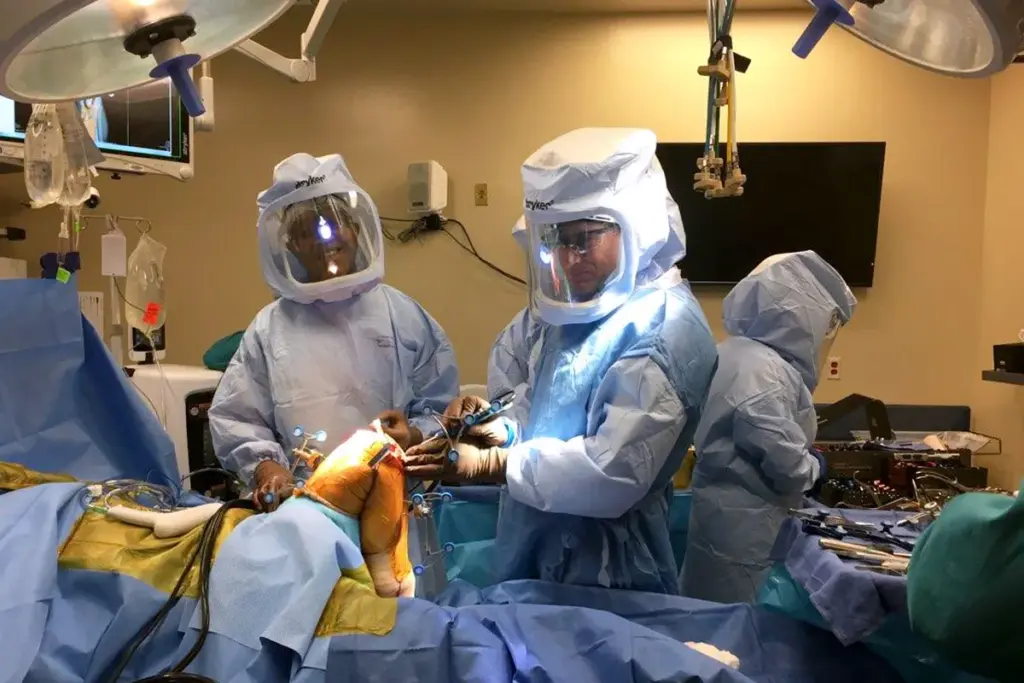
Nearly 1.9 million surgeries used robot-assisted technology in 2020. This shows a big move towards less invasive treatments.
Robot-assisted surgeries are becoming more popular. They might help patients recover faster and have better results. It’s important to know how surgical robotics helps in medical care.
This article looks into if robotic surgery really helps patients get better faster than old surgery methods.
Key Takeaways
- Robotic surgery uses robotic systems to help surgeons during operations.
- The precision of these systems can cause less damage to tissues.
- Robotic surgery often means less pain after surgery.
- Patients might stay in the hospital for less time after robotic surgery.
- Robotic surgery could lower the chance of complications.
The Evolution of Robotic Surgery in Modern Medicine
Robotic surgery has changed how doctors operate. It lets surgeons do complex tasks with better precision and control. This new way of surgery is called robot-assisted surgery.
Defining Surgical Robotics and Assisted Procedures
Surgical robotics uses robots to help doctors during surgery. These systems have a control console, robotic arms, and a 3D vision system. Robot-assisted procedures make surgeries more precise and reduce risks.
Historical Development of Surgical Robots
The first robotic surgery system was approved in 2000. Significant advancements have been made in robotic technology. This has led to more doctors using robots in surgery. The field is always growing, with new research and technology.
How Robotic Surgery Works: Technology Behind the Operating Room
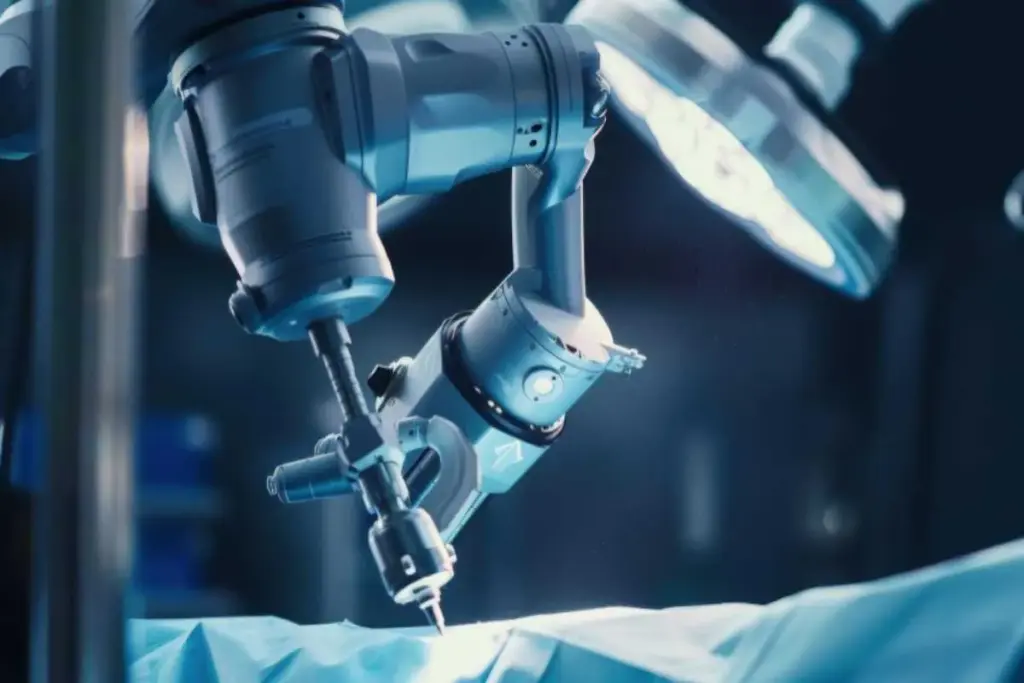
The technology behind robotic surgery is changing the medical world. It gives surgeons advanced tools for complex procedures with better precision.
Components of Robotic Surgical Systems
Robotic surgical systems have several key parts. They work together for precise surgeries. These parts include:
- A high-definition 3D vision system for a clear view of the area.
- Specialized instruments that mimic a surgeon’s hands.
- A console for the surgeon to control the robotic arms.
These components help surgeons do complex procedures with enhanced dexterity and control.
The Surgeon’s Control and Visualization Advantages
Robotic surgery gives surgeons more control. The robotic system’s console lets them move instruments with great precision. This reduces surgery risks.
The high-definition 3D visualization also helps. It lets surgeons see the area better, making dissection and suturing more accurate.
Together, better control and vision make robotic surgery very effective. It’s a key tool in today’s medicine.
Comparing Robotic Surgery to Traditional Surgical Approaches
Robotic surgery has changed the way we do surgery. It’s more precise and less invasive than old methods. Knowing the differences is key for patients and doctors.
Open Surgery vs. Minimally Invasive Techniques
Open surgery means big cuts to get to the problem area. It can hurt a lot, take longer to heal, and have more risks. On the other hand, robotic surgery uses small cuts, causing less harm and quicker recovery.
A study in the Journal of Surgical Research found robotic surgery has less blood loss and shorter stays in the hospital than open surgery.
A top surgeon, said, “Robotic surgery is a big step forward. It cuts down recovery time and improves results.”
|
Surgical Approach |
Incision Size |
Recovery Time |
Tissue Trauma |
|---|---|---|---|
|
Open Surgery |
Large |
Longer |
Significant |
|
Robotic Surgery |
Small |
Shorter |
Minimal |
|
Laparoscopic Surgery |
Small |
Variable |
Moderate |
Laparoscopic Surgery vs. Robot-Assisted Procedures
Laparoscopic surgery uses a laparoscope for small cuts. It’s good but not as good as robotic surgery in some ways. Robotic surgery gives better control and a clearer view of the area.
Robotic surgery has some big advantages over laparoscopic surgery:
- More precise and controlled
- Better view
- More flexible for complex tasks
In summary, robotic surgery is better than old methods in many ways. It causes less damage, has smaller cuts, and can lead to faster healing. As technology keeps improving, knowing these differences will help make better choices for surgery.
The Da Vinci Surgical System and Other Leading Platforms
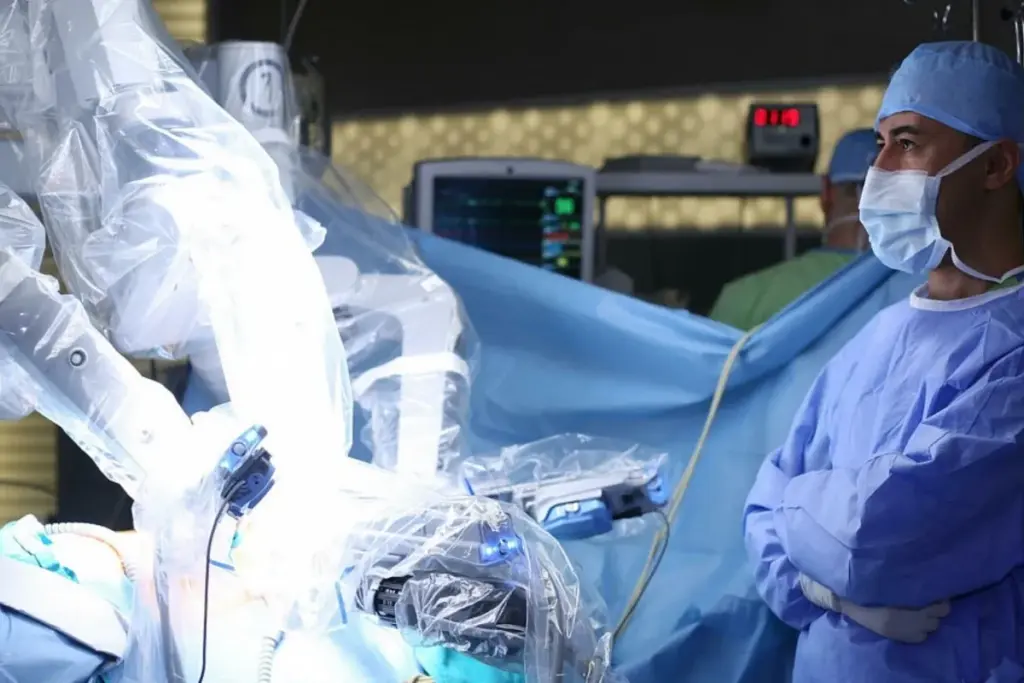
The Da Vinci Surgical System is a top choice among robotic surgical platforms. It leads in robotic surgery, bringing many benefits to surgeons and patients. Its advanced technology is a big reason why.
Capabilities and Features of the Da Vinci System
The Da Vinci System is known for its high-definition 3D visualization and precise instrumentation. These features help surgeons do complex procedures with better accuracy and less invasion. The system’s design lets surgeons move instruments naturally, reducing fatigue during long surgeries.
Some key features of the Da Vinci System include:
- Enhanced visualization with 3D imaging
- Instruments with wristed movements for greater dexterity
- Reduced blood loss and trauma to the patient
- Faster recovery times compared to traditional surgery
Alternative Robotic Surgical Platforms
While the Da Vinci System is widely used, other systems are also making big contributions. For example, the Robotic Surgical System by Medtronic and the Versius Surgical Robotic System by CMR Surgical are getting attention for their new ideas and abilities.
|
Robotic Surgical System |
Key Features |
Manufacturer |
|---|---|---|
|
Da Vinci Surgical System |
3D visualization, precise instrumentation |
Intuitive Surgical |
|
Robotic Surgical System |
Advanced energy instruments, integrated imaging |
Medtronic |
|
Versius Surgical Robotic System |
Modular design, flexible instrumentation |
CMR Surgical |
The field of robotic surgery is growing fast, with new systems coming out. These innovations aim to improve patient care and expand what robotic surgery can do.
Mechanisms of Faster Recovery with Robotic Surgery
Robotic surgery is changing how we recover from surgery. It uses advanced technology to reduce trauma and improve outcomes. The reasons for this faster recovery are complex, involving the tech and how it affects the body.
Precision and Tissue Preservation
Robotic surgery’s main advantage is its precision. It lets surgeons work with great accuracy, harming less tissue. This precision in robotic surgery is key to keeping important structures safe and lowering complication risks.
Patients feel less trauma because of this. This leads to faster recovery with robotic surgery.
The high-definition view from robotic systems also helps. Surgeons can see the area they’re working on clearly. This makes dissection more precise and reduces damage to nearby tissues. This is very important in complex surgeries where the difference between success and failure is small.
Smaller Incisions and Reduced Trauma
Robotic surgery uses small incisions, unlike traditional open surgery. These smaller incisions cause less tissue damage and blood loss. Both are key for quicker healing.
Patients feel less pain after surgery and need less pain medicine. This makes their recovery better.
The benefits of small incisions are well-known. Robotic surgery takes these benefits further. It lowers the chance of infection and speeds up healing. This is a big reason why patients recover faster with robotic surgery.
|
Aspect |
Robotic Surgery |
Traditional Surgery |
|---|---|---|
|
Incision Size |
Smaller |
Larger |
|
Tissue Trauma |
Reduced |
Higher |
|
Recovery Time |
Faster |
Longer |
The table above shows the main differences between robotic and traditional surgery. These differences lead to faster recovery with robotic surgery. This makes it a good choice for patients and surgeons.
Recovery Timeline Comparisons: What the Data Shows
Studies show robotic surgery can greatly affect recovery times for many surgeries. As robotic surgery grows, it’s key to look at how it compares to traditional surgery in recovery times.
Hospital Stay Duration After Robotic vs. Traditional Surgery
Looking at hospital stays after surgery is important. Research shows robotic surgery patients often stay less time in the hospital than traditional surgery patients. A study in the Journal of Robotic Surgery found robotic surgery patients stayed 2.4 days on average. Traditional surgery patients stayed 4.2 days.
The shorter stays are due to robotic surgery’s minimally invasive nature. This means less damage to the body, leading to faster recovery and earlier discharge.
Return to Daily Activities and Work Timeframes
How quickly patients can go back to daily life and work is also key. Studies indicate robotic surgery patients return faster than traditional surgery patients. A study in the Journal of Surgical Endoscopy found robotic surgery patients returned to work 2 weeks sooner.
A top robotic surgeon, says, “Robotic surgery helps patients recover faster and get back to normal sooner. This is thanks to its precision and minimal invasiveness.” A meta-analysis of several studies confirmed robotic surgery’s benefits, including less pain and fewer complications.
“Robotic surgery has changed how we do complex surgeries. The data is clear: it leads to shorter hospital stays and quicker returns to normal activities.”
Robotic Surgeon
Pain Management Advantages After Robotic Surgery
Robotic surgery uses advanced technology to help manage pain better. This is because it’s precise and minimally invasive. These features make it a great option for many surgeries.
Reduced Opioid Requirements and Pain Scores
Research shows robotic surgery patients need less pain medicine than traditional surgery patients. This is good news because it means less chance of opioid addiction. The small cuts and less damage from robotic surgery also lead to less pain for patients.
Patient-Reported Pain Experiences
Patients who have robotic surgery often say they feel less pain and discomfort after. The minimally invasive nature and precision of robotic surgery cause less harm to the body. This makes recovery more comfortable.
The pain management benefits of robotic surgery are important for both patients and doctors. As robotic surgery keeps improving, knowing these benefits helps make better choices.
Common Robotic Surgical Procedures and Their Recovery Profiles
Robotic surgery has changed many medical fields. It makes recovery faster and reduces complications. This tech is used in urology, gynecology, cardiothoracic surgery, and general surgery.
Urological Procedures
Robotic-assisted surgeries like prostatectomy and nephrectomy are common now. They use robotic tech for precision and less invasion. This means patients stay in the hospital less and recover faster.
Studies show robotic prostatectomy has less blood loss and fewer problems than open surgery.
Gynecological Surgeries
In gynecology, robotic surgery is used for hysterectomy and myomectomy. The robotic system helps with precise dissection and suturing. This reduces complications and speeds up healing.
Patients often have less pain and can get back to normal faster.
Cardiac and Thoracic Applications
Robotic-assisted cardiac and thoracic surgeries are growing. Procedures like mitral valve repair and thoracic lobectomy are done. The robotic method causes less chest trauma.
This leads to less pain, lower infection risk, and shorter hospital stays. Patients can get back to their daily lives sooner.
General Surgery Applications
In general surgery, robotic tech is used for colorectal surgery and hernia repair. The robotic system makes complex surgeries easier. This reduces complications and speeds up recovery.
Robotic surgery across these specialties has many benefits. It reduces recovery time, postoperative pain, and improves outcomes. As tech advances, more procedures will be done robotically, improving patient care even more.
Scientific Evidence Supporting Faster Recovery with Robotic Surgery
Robotic surgery is getting better, and we need to look closely at the evidence. Research shows it’s often better than traditional surgery. This is because it offers new ways to do operations.
Meta-Analyses and Systematic Reviews
Many studies have looked into how robotic surgery works. A study in the Journal of Robotic Surgery found it leads to shorter hospital stays and fewer problems. Another study in Surgical Endoscopy showed it cuts down on blood loss and complications.
“Robotic surgery has the power to change surgery. It gives surgeons better views, precision, and control.”
A robotic surgeon
Looking at all the research, robotic surgery seems to help patients recover faster. Here’s a table with some key findings:
|
Study |
Procedure |
Outcome |
|---|---|---|
|
Journal of Robotic Surgery |
Robotic-assisted prostatectomy |
Shorter hospital stay |
|
Surgical Endoscopy |
Robotic-assisted hysterectomy |
Reduced blood loss |
|
European Urology |
Robotic-assisted nephrectomy |
Fewer postoperative complications |
Limitations and Controversies in Current Research
Even though robotic surgery looks good, there are downsides. Some worry about the high cost and the need for special training. Also, different studies make it hard to agree on everything.
We need more research to understand robotic surgery fully. But, what we have so far shows it can help patients recover better.
Potential Risks and Complications of Robotic-Assisted Surgery
Robotic-assisted surgery has many benefits but also risks and complications. It’s important for patients and doctors to know about these risks.
Procedure-Specific Complications
Complications can vary with each surgery type. For example, surgeries near nerves and blood vessels might risk damage. Common issues include infections, bleeding, and reactions to anesthesia.
|
Surgical Procedure |
Potential Complications |
|---|---|
|
Prostatectomy |
Incontinence, Impotence |
|
Hysterectomy |
Bleeding, Infection, Damage to surrounding organs |
|
Cardiac Surgery |
Stroke, Bleeding, Infection |
Technology-Related Risks and Limitations
Robotic surgery can face tech-related risks like system failures and data loss. These issues can affect the surgery’s success.
The tech’s lack of touch feedback is another challenge. But, new tech advancements are making these surgeries safer and more effective.
Patient Selection Criteria for Optimal Robotic Surgery Outcomes
The benefits of robotic surgery are best when patients are chosen carefully. This approach makes sure the surgery works well for them. It also helps avoid any risks.
Choosing the right patients means looking at several things. These include the type of condition, the patient’s health, and past surgeries. This helps doctors pick who will get the most from robotic surgery.
Ideal Candidates for Robot-Assisted Procedures
People with certain conditions do best with robotic surgery. For example, those needing urological or gynecological surgeries see big benefits. This is because robotic surgery is precise and less invasive.
|
Condition |
Robotic Surgery Benefits |
Traditional Surgery Considerations |
|---|---|---|
|
Urological cancers |
Precision, less blood loss |
Complex cases may require open surgery |
|
Gynecological conditions |
Minimal scarring, faster recovery |
Adhesions from previous surgeries may complicate robotic approach |
When Traditional Approaches May Be Preferable
In some cases, traditional surgery is better. This is true for people who are very overweight or have had many surgeries before. They might face more risks with robotic surgery.
Choosing between robotic and traditional surgery depends on each patient’s needs. Doctors make this decision carefully. This way, they can get the best results for their patients.
The Importance of Surgeon Experience in Robotic Surgery Recovery
Surgeon experience is key in robotic surgery success. The surgeon’s skill and knowledge greatly affect the procedure’s outcome and recovery.
Learning Curve and Proficiency Metrics
Robotic surgery technology is new for surgeons. They need to do many procedures to get good at it. Metrics like operation time, complication rates, and patient outcomes show a surgeon’s skill.
|
Proficiency Metrics |
Description |
Target Value |
|---|---|---|
|
Operation Time |
Time taken to complete the surgery |
< 2 hours |
|
Complication Rates |
Rate of complications during and after surgery |
< 5% |
|
Patient Outcomes |
Recovery rate and quality of life post-surgery |
High recovery rate |
Finding Qualified Robotic Surgeons
Patients can find good robotic surgeons by doing some research. Look for surgeons with special training and lots of experience. Check their credentials, read reviews, and ask your doctor for advice.
Choosing an experienced robotic surgeon can lead to better results and a smoother recovery.
Patient Testimonials: Real-World Recovery Experiences
Patients who have had robotic surgery share their stories. These stories help us understand the good and bad sides of robotic surgery. They give us a clear view of what to expect during recovery.
Success Stories and Positive Outcomes
Many patients have had great results after robotic surgery. For example, a man who had a robotic prostatectomy was back to normal in just a few weeks. He barely felt any pain. These stories show the benefits of robotic surgery, like less recovery time and less pain after surgery.
- Faster return to daily activities
- Minimal scarring
- Reduced risk of complications
Challenges and Unexpected Recovery Issues
Not all patients have the same experience. Some face challenges during recovery. For instance, a woman who had a robotic hysterectomy felt very tired at first. Her story shows why personalized care and clear pre-surgery talks are key.
- Importance of preoperative counseling
- Need for personalized care plans
- Potential for unexpected recovery issues
Looking at these real stories helps us understand robotic surgery better. It shows the good and bad sides. This knowledge helps doctors give better care to their patients.
Future Innovations in Robotic Surgery and Recovery Enhancement
Robotic surgery is on the verge of a new era. Innovations promise to make recovery better. The field is growing fast, thanks to new tech and a need for less invasive surgeries.
Next-Generation Surgical Robotics
New surgical robots will be more precise, flexible, and clear. These changes will make surgeries less invasive. This means patients will heal faster and face fewer problems.
Improved robotic arms will let surgeons do complex tasks more easily and accurately.
Artificial Intelligence and Machine Learning Applications
Artificial intelligence (AI) and machine learning (ML) are changing robotic surgery. AI can look at lots of data to guess patient outcomes and find problems. ML helps robots get better with practice and adapt to new situations.
Telesurgery and Remote Possibilities
Telesurgery lets surgeons do operations from far away. This tech could bring more care to places that need it. With high-speed data networks and advanced robotics, surgeons can work on patients worldwide. This could save lives by cutting down on travel.
These new ideas in robotic surgery will make recovery better and reach more people. As tech keeps getting better, we’ll see even more advanced robots. They will change surgery in big ways.
Conclusion: Is Recovery Truly Faster with Robotic Surgery?
Robotic surgery has changed the medical world, giving a new way to do surgeries. It offers a faster recovery compared to old methods. This is based on the information from different parts of this article.
Studies show robotic surgery leads to quicker healing. It uses precise tools, makes smaller cuts, and hurts less tissue. This means patients have shorter stays in the hospital, feel less pain, and get back to their daily lives faster.
Even though robotic surgery has its risks, the benefits of quicker healing are big. New technologies and artificial intelligence will likely make recovery even better.
To sum up, the data shows robotic surgery helps people recover faster. It’s a good choice for those wanting to get back to their lives quickly and healthily.
FAQ
What is robotic surgery?
Robotic surgery, also known as robot-assisted surgery, is a minimally invasive procedure. It uses a robotic system to help with the operation. The Da Vinci Surgical System is a well-known example.
How does robotic surgery compare to traditional open surgery?
Robotic surgery often means smaller cuts and less damage to tissue. It might also lead to faster healing times. But, the benefits and risks can vary based on the procedure and the patient.
What are the benefits of robotic surgery in terms of recovery?
Robotic surgery can mean quicker healing due to its minimally invasive nature. Patients might feel less pain, stay in the hospital for less time, and get back to their daily lives faster.
Are there any risks or complications associated with robotic surgery?
Like any surgery, robotic surgery has risks and complications. These can include specific to the procedure and technology issues. But, these risks can be lowered with the right patient selection, surgeon experience, and safety protocols.
How do I know if I’m a good candidate for robotic surgery?
Good candidates for robotic surgery have conditions that can be treated with minimally invasive methods. Your health, medical history, and the procedure you need will play a role. Talk to a qualified robotic surgeon to see if it’s right for you.
What is the role of surgeon experience in robotic surgery?
Surgeon experience and skill are key in robotic surgery. They affect the safety and success of the procedure. Look for surgeons who have specialized training and a good track record with robotic surgery.
Can robotic surgery be used for complex procedures?
Yes, robotic surgery is used for many complex procedures in different fields. It’s great for complex cases because of its precision and visualization.
What is the future of robotic surgery?
Robotic surgery’s future looks bright with new tech advancements. Next-generation robots and telesurgery will improve precision, accessibility, and recovery outcomes.
How does robotic surgery impact pain management?
Robotic surgery often means less need for opioids and lower pain scores. Its minimally invasive nature can lead to less tissue damage and potentially less pain after surgery.
Are there any alternatives to the Da Vinci Surgical System?
Yes, there are other robotic surgical platforms available. Each has its own features and capabilities. The choice depends on the procedure, surgeon preference, and patient needs.
References
National Center for Biotechnology Information. Evidence-Based Medical Insight. Retrieved from https://pubmed.ncbi.nlm.nih.gov/40889021/



 Departments
 Related Videos
 Our Doctors
 News
News