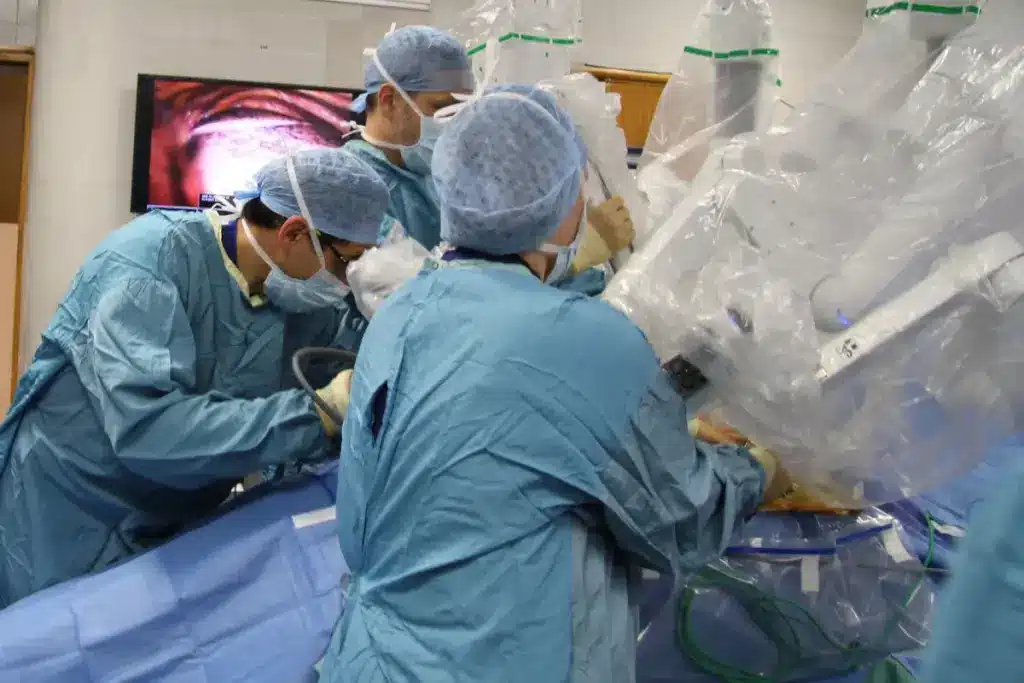
Robotic surgery has changed the medical world, with over 1.5 million procedures worldwide. It’s a big step forward in surgical robotics. But, how precise is robotic surgery?
Robot-assisted surgery is becoming more common in healthcare. It brings many benefits, like better precision and less invasive procedures. But, what does this mean for the accuracy of robotic surgery?
Key Takeaways
- The accuracy of robotic surgery is a topic of significant interest.
- Robotic surgery offers enhanced precision and minimal invasiveness.
- The technology is rapidly evolving with increasing applications.
- Accuracy is key for the success of robotic surgical procedures.
- Understanding robotic surgery accuracy is important for patients and surgeons.
What Is Robotic Surgery?
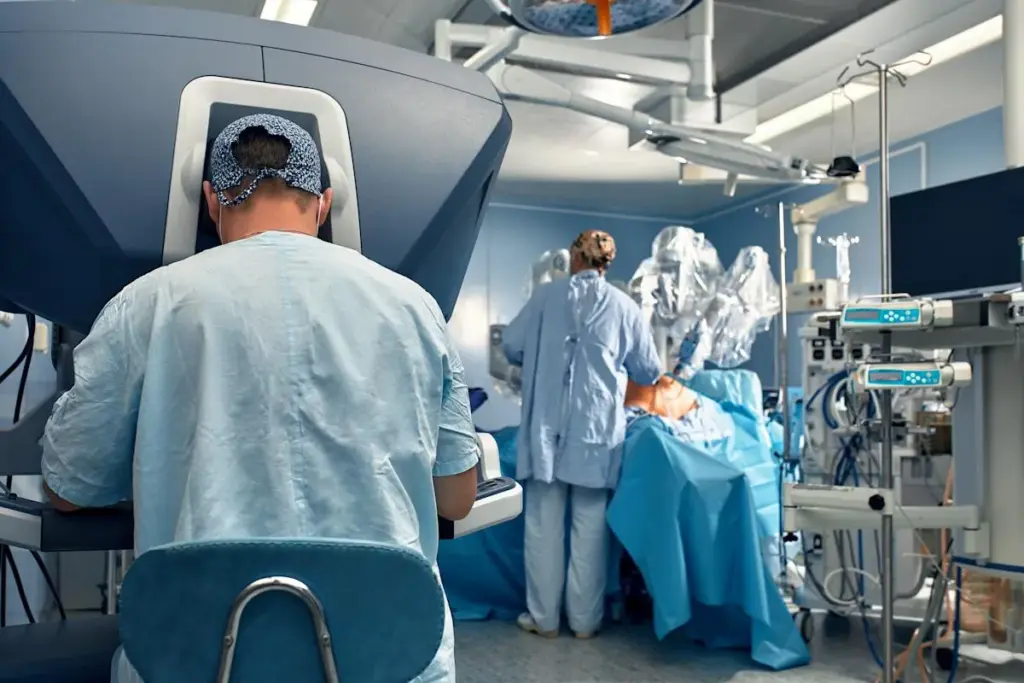
Robotic-assisted surgery is a new medical technology. It lets surgeons do complex surgeries with better precision. This technology is changing how surgeries are done, making them safer and faster for patients.
Definition and Core Components
Robotic surgery uses robots to help surgeons during operations. It includes a surgeon’s console, a cart with robotic arms, and a 3D vision system. The surgeon’s console lets the surgeon control the robotic arms, making the surgery more precise.
The patient-side cart has robotic arms that move like the surgeon’s hands. This allows for detailed dissection and suturing. The high-definition 3D vision system gives a clear view of the area being operated on. This helps the surgeon do complex tasks better.
Historical Development of Surgical Robotics
The idea of robotic surgery has grown a lot in the last few decades. The first robotic system, the PUMA 560, was used in 1985 for a neurosurgical biopsy. Then, the da Vinci Surgical System came out in 1999 and became a top choice for robotic surgery.
Now, robotic surgery is used in many areas like urology, gynecology, and cardiothoracic surgery. As robotic technology keeps getting better, surgeries will become even more precise and successful.
|
Aspect |
Description |
Benefit |
|---|---|---|
|
Surgeon’s Console |
Controls robotic arms |
Precise and ergonomic |
|
Patient-Side Cart |
Robotic arms for dissection and suturing |
Enhanced precision |
|
3D Vision System |
High-definition view of operating area |
Clear and detailed visualization |
How Robotic Surgery Works
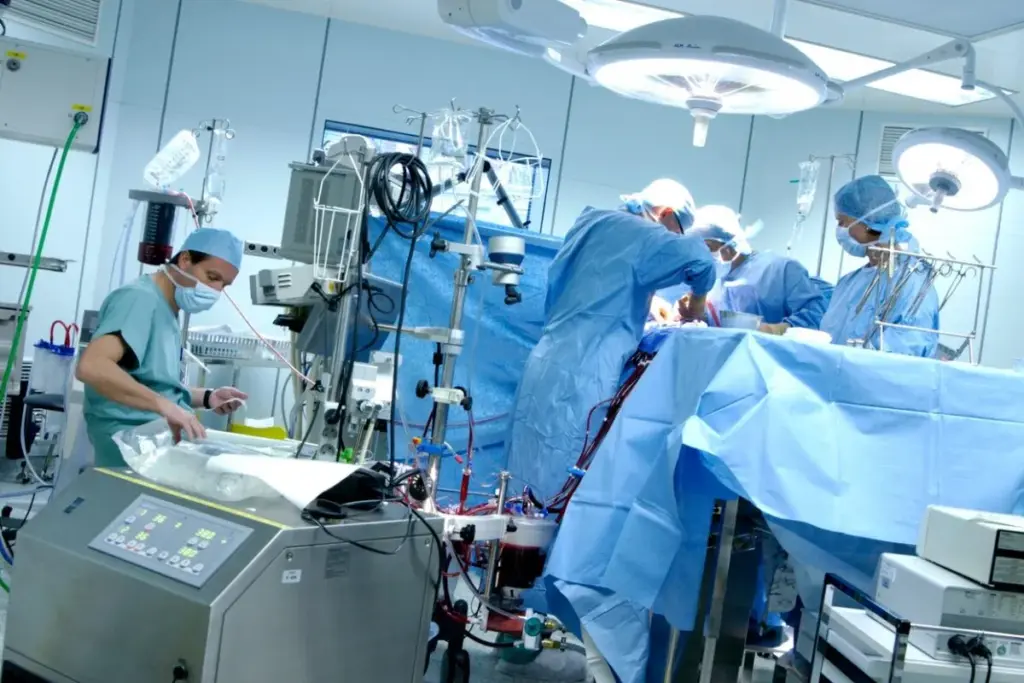
Robotic-assisted surgery combines advanced robotic arms and control systems. This allows for precise surgical maneuvers. Surgeons can perform complex procedures with better accuracy and less invasion.
Surgical Arms and Control Systems
The robotic system has surgical arms that mimic a surgeon’s hands with precision. These arms have special instruments for different surgeries. The control systems translate the surgeon’s movements into precise robotic actions.
The ROSA Knee System is an example used in orthopedic surgery. It’s known for its accuracy in knee replacements. This shows how robotic surgery can improve outcomes in many specialties.
Surgeon Console and Operating Room Setup
The surgeon console lets the surgeon control the robotic arms. It uses a 3D vision system for clear views of the surgery site. The console is designed for comfort and to reduce fatigue during long surgeries.
The operating room setup places the robotic system, the surgeon’s console, and the patient’s bed for efficiency and safety. The team plans and coordinates carefully for a smooth operation.
|
Component |
Function |
Benefit |
|---|---|---|
|
Surgical Arms |
Mimic surgeon’s movements with precision |
Enhanced accuracy and minimal invasion |
|
Control Systems |
Translate surgeon’s movements into robotic actions |
Precise surgical maneuvers |
|
Surgeon Console |
Provides 3D visualization and ergonomic control |
Reduced surgeon fatigue and improved precision |
Accuracy Metrics in Robotic Surgery
Robotic surgery is getting better, and knowing how accurate it is is key. The precision and reliability of these systems are vital for good results.
Precision and Error Measurement
Precision in robotic surgery means the system can do tasks very accurately. Error measurement is about tracking any mistakes during surgery. Research shows robotic surgery is very accurate, sometimes better than old methods.
A study found robotic surgery cut complication risks by up to 30% compared to traditional laparoscopy.
Factors Influencing Surgical Accuracy
Many things can affect how accurate robotic surgery is. These include the robotic system’s design, the surgeon’s skills, and the type of surgery. Patient anatomy, procedure complexity, and preoperative planning also play a role.
- The technical abilities of the robotic system, like precision and dexterity.
- The surgeon’s skill and experience with the robotic system.
- The quality of preoperative planning and imaging.
By understanding and improving these factors, surgeons and hospitals can make robotic surgeries more accurate. As the field grows, we’ll see even better accuracy and results.
Robotic Surgery vs. Traditional Surgery
Robotic surgery is becoming a big deal, showing better precision and patient results. It’s key to know the differences between robotic and traditional surgery as tech advances.
The main difference is in precision and human skill. Traditional surgery depends on the surgeon’s hands. Robotic surgery uses robots for better precision and fewer mistakes.
Comparative Precision Analysis
Robotic surgery is often more precise than traditional methods. Robots can remove hand tremors, making dissections and suturing more accurate. This is great for complex surgeries where precision matters a lot.
A study compared robotic and traditional surgery. It found robotic surgery had fewer complications and quicker recovery times. A top surgeon said,
“Robotic surgery is a big step forward in doing complex surgeries with more precision and less invasion.”
Human Dexterity vs. Robotic Precision
Human skill is key in traditional surgery. But robotic precision brings a new level of accuracy, which is very helpful in delicate surgeries. Robots give a clear, 3D view of the surgery area, helping surgeons navigate complex areas.
But robotic surgery has its own challenges. One big one is the lack of feeling during surgery. Despite this, new tech is making robotic surgery more precise and effective.
Looking ahead, adding artificial intelligence and machine learning to robotic surgery will make it even better. These technologies will help make surgeries more accurate and safe.
The Da Vinci Surgical System: Gold Standard in Robotic-Assisted Surgery
The Da Vinci Surgical System is a top choice in robotic surgery. It has advanced robotic arms and 3D vision. This makes surgeries more precise and controlled.
Technical Capabilities and Accuracy Features
The Da Vinci System has many features that make it accurate. High-definition 3D visualization gives surgeons a clear view. This helps them make precise cuts and stitches.
The system’s robotic arms move like a surgeon’s hands. They can turn 360 degrees, giving surgeons great control. The Intuitive Motion Technology makes the surgeon’s hand movements exact. This reduces shaking and improves accuracy.
The design of the surgeon’s console also helps. It’s made to reduce fatigue during long surgeries. This keeps surgeons working well for hours.
Clinical Evidence on Da Vinci Precision
Many studies show the Da Vinci System’s precision. It leads to less blood loss, fewer complications, and quicker recovery than traditional surgery.
Reviews of clinical trials show its success in surgeries like prostate and heart valve repairs. Its advanced tech, like 3D vision and precise instruments, makes it stand out.
We see the Da Vinci System as a top choice in robotic surgery. It’s backed by strong evidence of its accuracy, safety, and success in many surgeries.
Other Robotic Surgical Systems and Their Accuracy Profiles
There are many robotic surgical systems beyond the Da Vinci system. Each has its own special features and how well they work. This variety opens up new options for surgeons and patients.
Comparison of Leading Robotic Surgical Platforms
Many robotic surgical systems are now available. The ROSA Knee System is made for knee surgeries and is very precise. The Medtronic Hugo system is being made for different surgeries.
When we compare these systems, we look at surgical precision, how easy they are to use, and how well they work with diagnostic tools. The design and technology of each system affect how accurate they are.
Emerging Technologies in Surgical Robotics
The world of surgical robotics is changing fast. New technologies are making these systems more accurate and capable. Artificial intelligence (AI) and machine learning (ML) are being used to make surgery better.
Some new trends include:
- Enhanced visualization systems for better surgical site visibility
- Advanced haptic feedback for improved surgeon control
- Integration of real-time data analytics for informed decision-making
These new developments are expected to make robotic surgical systems even better. They will help in many different surgeries.
Benefits of Robotic Surgery
Robotic surgery has transformed the medical landscape, offering numerous benefits that are increasingly evident with widespread use. This technology is not just a small step up from old ways of surgery. It’s a big leap in how we care for patients.
Advantages of Robot-Assisted Minimally Invasive Surgery
Robotic surgery is great for doing small, precise surgeries. Robot-assisted surgery means smaller cuts, less damage, and less pain for patients. It also means less blood loss and quicker healing times.
The robotic system helps surgeons do complex tasks that were hard or impossible before. It makes surgeries more precise and effective.
Minimally invasive surgery with robots is safer and leads to faster healing. The robotic system’s features, like filtering out hand tremors and showing a 3D view, improve the surgeon’s work. This makes procedures more efficient and successful.
Patient Outcomes and Recovery Times
Robotic surgery has a big positive effect on patients. Studies show patients have less pain and stay in the hospital less than those with traditional surgery. This means patients can get back to their lives faster.
Robotic surgery’s precision can also lead to better results. For example, in prostate surgeries, it helps keep nerves and tissues safe. This means better function and quality of life for patients.
More and more evidence supports the benefits of robotic surgery in many fields. As technology gets better, we’ll see even more improvements in patient care and recovery times. This will make robotic surgery a key part of modern healthcare.
Applications of Robotic Surgery Across Medical Specialties
Robotic surgery is used in many medical fields. It’s known for its precision and ability to do complex surgeries with small cuts. This makes it a favorite among doctors and patients alike.
Urological and Prostate Procedures
Robotic surgery has changed urology, mainly in prostate surgeries. It’s now common for prostate removal due to its accuracy and quick recovery times. The system’s 3D vision and precise tools help surgeons work in tight spaces.
- Robotic-assisted radical prostatectomy
- Partial nephrectomy
- Pyeloplasty
Gynecological and Reproductive Applications
In gynecology, robotic surgery brings many benefits. It leads to less blood loss, less pain, and shorter hospital stays. It’s improved surgeries like hysterectomy, myomectomy, and endometriosis treatment.
Cardiac, General, and Specialized Surgical Uses
Robotic surgery is also used in cardiac surgery. It’s used for mitral valve repair and coronary artery bypass grafting. General surgery has seen improvements in cholecystectomy and hernia repair.
Key benefits of robotic surgery in these areas include:
- Enhanced precision and dexterity
- Reduced trauma to the patient
- Faster recovery times
As robotic technology gets better, we’ll see more uses in medicine. This will improve care and results for patients.
Training Requirements for Robotic Surgeons
Robotic surgery is getting more advanced, and so is the need for surgeons to get thorough training. The complex robotic systems require surgeons to learn special skills. This is to ensure they can perform surgeries accurately and safely.
Learning Curve and Certification Process
Learning to use robotic surgery is a big challenge. Surgeons need a lot of training and practice to get good at it. Certification programs help make sure surgeons are up to par. These programs cover both the theory and practical skills needed.
Getting certified is not a one-time thing. Surgeons must keep learning about new robotic technology and techniques. This keeps them skilled and ensures patients get the best care.
How Surgeon Experience Affects Procedural Accuracy
How experienced a surgeon is matters a lot in robotic surgery. More experience means better results for patients. Experienced surgeons can handle the tricky parts of robotic surgery better.
|
Surgeon Experience Level |
Procedural Accuracy |
Complication Rate |
|---|---|---|
|
Novice |
80% |
15% |
|
Intermediate |
90% |
8% |
|
Advanced |
95% |
3% |
The table shows how experience affects a surgeon’s skill and how often problems happen. As surgeons get better, they do more precise surgeries and have fewer complications.
In summary, training robotic surgeons is a detailed process. It includes both the initial learning and ongoing education. Understanding the learning curve and how experience impacts skill helps us see the complexity of robotic surgery.
Limitations and Challenges in Robotic Surgical Accuracy
Robotic-assisted surgery has many benefits but also faces challenges. It’s important to know these issues to improve it further.
Technical Constraints of Current Systems
Today’s robotic surgery systems have some technical limits. The limited dexterity and range of motion of the robotic arms can make complex tasks hard. Also, the lack of tactile feedback for surgeons can make it hard to feel tissue and apply the right amount of force.
The precision of robotic surgery also depends on the quality of the equipment and the calibration of the system. Any problem with these can cause inaccuracies. Also, the need for high-definition visualization means that poor image quality can make precise actions hard.
Human-Robot Interaction Factors
The way a surgeon works with the robotic system is key to its accuracy. Surgeon training and experience are very important. Without enough training, surgeons can make mistakes.
The design of the surgeon console and the user interface also matters a lot. Good design and easy controls help reduce fatigue and improve precision during long surgeries.
We also need to think about the psychological and cognitive factors in how surgeons use robotic systems. Without direct tactile feedback, surgeons have to rely a lot on what they see. This can sometimes lead to mistakes.
Future of Robotic Technology in Surgery
Robotic surgery is on the verge of a new era. This is thanks to advancements in AI and next-generation systems. These changes will greatly affect how surgeries are done and how patients are cared for.
The use of AI and machine learning in robotic surgery will make operations more precise. It will also lower the chance of complications and improve how patients do after surgery. These technologies help robotic systems learn from data and adapt to new situations, allowing them to perform complex tasks more accurately.
AI Integration and Machine Learning Advancements
AI in robotic surgery uses advanced algorithms to analyze data from various sources. This includes imaging and sensor data. It helps the robotic system make smart decisions during surgery, which could lower the risk of complications.
Machine learning is also key, as it lets robotic systems get better with time. This means they can perform surgeries more precisely and improve patient outcomes.
Next-Generation Robotic Surgical Systems
The next generation of robotic surgical systems will be more advanced. They will have better capabilities and user interfaces. These systems will have more advanced AI and machine learning, making complex procedures easier and more accurate.
Some expected improvements in these systems include:
- Improved dexterity and precision
- Enhanced visualization and imaging capabilities
- More intuitive control systems for surgeons
- Increased flexibility and adaptability during procedures
With these next-generation systems, we can expect big improvements in surgical care and patient outcomes.
Economic Considerations of Robotic Surgical Systems
Robotic surgical systems bring big costs to hospitals and patients. It’s key to know the financial side of these new techs. This helps us see how they change the cost of care.
Cost-Benefit Analysis for Hospitals and Patients
Hospitals need to weigh the costs of robotic surgery carefully. Annual upkeep adds $100,000 to $200,000.
But, robotic surgery can save money over time. Shorter hospital stays and fewer complications cut down on costs. The American Journal of Surgery found robotic surgery shortens hospital stays by 1.4 days.
“Robotic surgery has the power to cut healthcare costs by reducing complications and recovery times,” saida top robotic surgeon.
Insurance Coverage and Accessibility Issues
Insurance for robotic surgery varies a lot. Many plans cover it, but patients might pay a lot out of pocket. This makes it hard for some to get the surgery they need.
Hospitals and insurance companies must work together on coverage. Patient education and support are also key. This helps make sure those who need robotic surgery can get it.
The future of robotic surgery’s costs will keep changing. With detailed cost analyses and better insurance, we can make these technologies available to more people.
Conclusion
Robotic surgery has changed the medical world, making operations more precise and effective. We’ve looked at what robotic surgery is, its parts, and how it started. We’ve also seen its technical skills and the proof it works.
The precision of robotic surgery comes from its advanced arms and control systems. The Da Vinci Surgical System is a top choice for robotic surgery. Many studies show it’s very precise and works well.
Looking ahead, robotic surgery will keep improving healthcare. New technologies like AI and machine learning will make robotic surgery even better. We’ll see more people using robotic surgery, leading to better health and faster recovery times.
The future of robotic surgery looks bright, with more uses in different medical areas. As the tech gets better, we’ll see huge improvements in healthcare. This will lead to better health outcomes for everyone.
FAQ
What is robotic surgery?
Robotic surgery, also known as robot-assisted surgery, is a new way to do operations. It uses a robotic system to help with the surgery. This makes complex surgeries more precise and accurate.
How accurate is robotic surgery?
Robotic surgery is very accurate. Studies show it has high precision and reliability. It helps reduce human mistakes and improves surgery results.
What are the benefits of robotic surgery?
Robotic surgery has many benefits. It makes surgeries less invasive, improves patient results, and shortens recovery times. It also leads to less blood loss, fewer complications, and shorter hospital stays.
What is the Da Vinci Surgical System?
The Da Vinci Surgical System is a leading robotic surgery platform. It’s known for its technical abilities, accuracy, and proven results. We use it for its advanced features.
What training is required for robotic surgeons?
Robotic surgeons need special training. This includes a learning curve and certification. It ensures they can use robotic systems well. Experienced surgeons get better results for patients.
What are the limitations of robotic surgery?
Robotic surgery has many benefits but also some challenges. Technical issues and how humans interact with robots can affect accuracy. We’re working to overcome these problems.
Is robotic surgery covered by insurance?
Insurance coverage for robotic surgery varies. It depends on the provider and the procedure. Patients should check with their insurance to see what’s covered and any costs they might face.
What is the future of robotic surgery?
Robotic surgery is getting better fast. Advances in AI, machine learning, and new robotic systems are coming. These will make robotic surgery even more precise and effective.
How does robotic surgery compare to traditional surgery?
Robotic surgery has many advantages over traditional surgery. It’s more precise, reduces blood loss, and shortens recovery times. It’s great for complex and delicate surgeries.
What are the applications of robotic surgery?
Robotic surgery is used in many areas, like urology, gynecology, cardiology, and general surgery. It helps with complex surgeries and improves patient outcomes.
References
National Center for Biotechnology Information. Advancements in Robotic Surgery: A Comprehensive Overview of Current Utilizations and Upcoming Frontiers. Retrieved from https://pmc.ncbi.nlm.nih.gov/articles/PMC10784205/